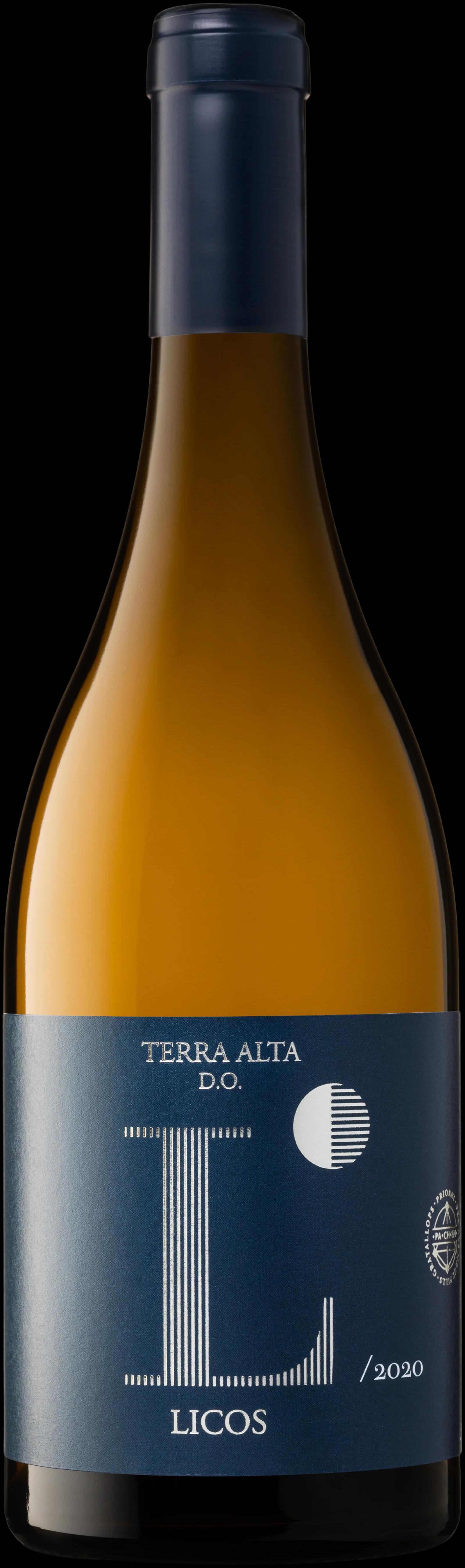
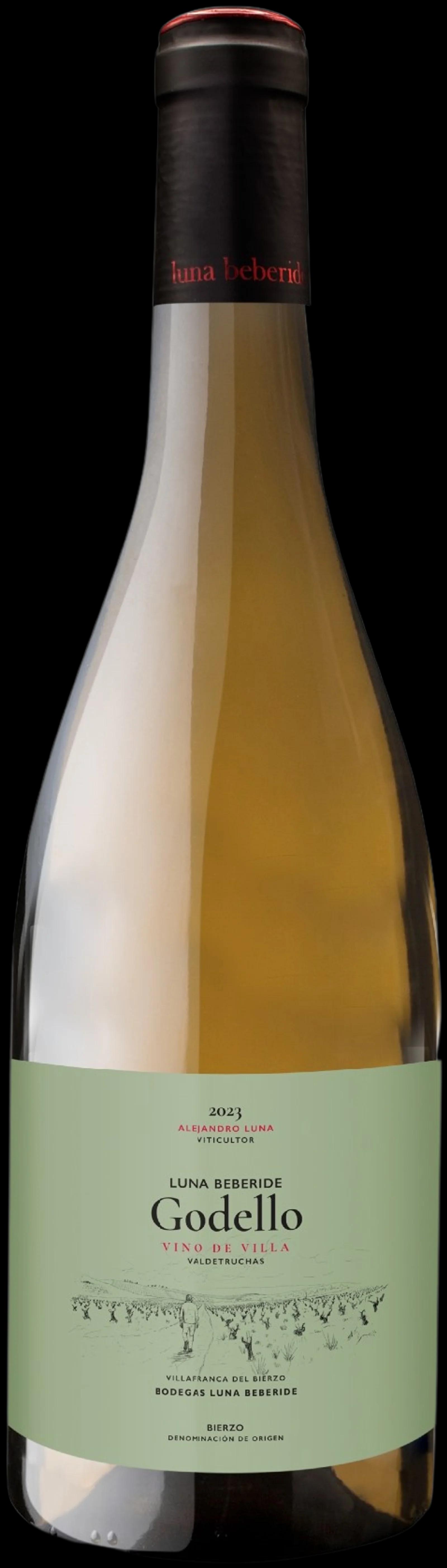
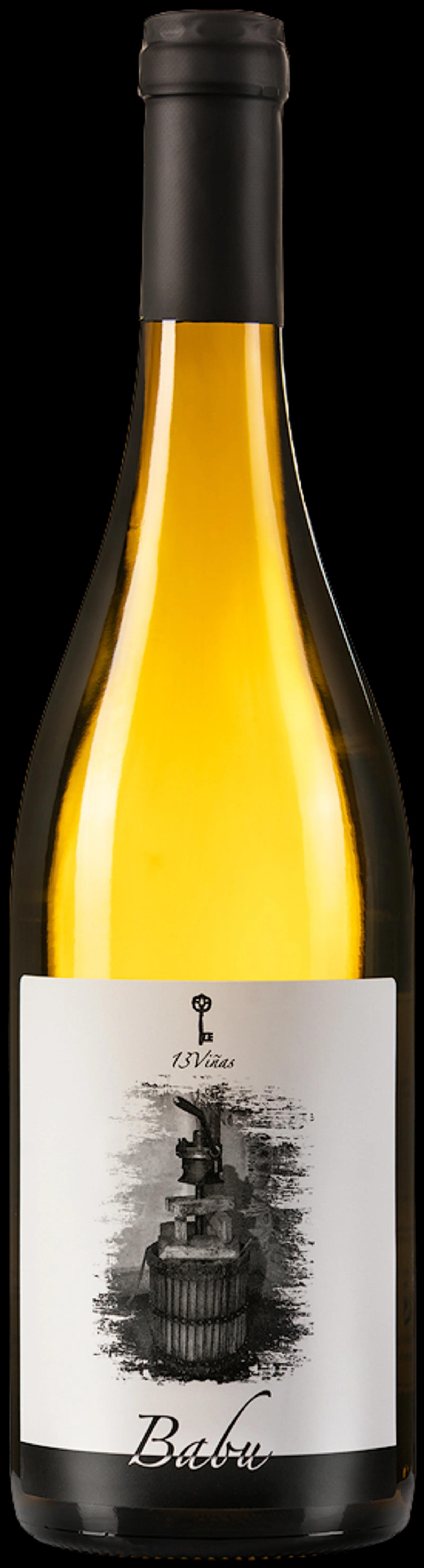
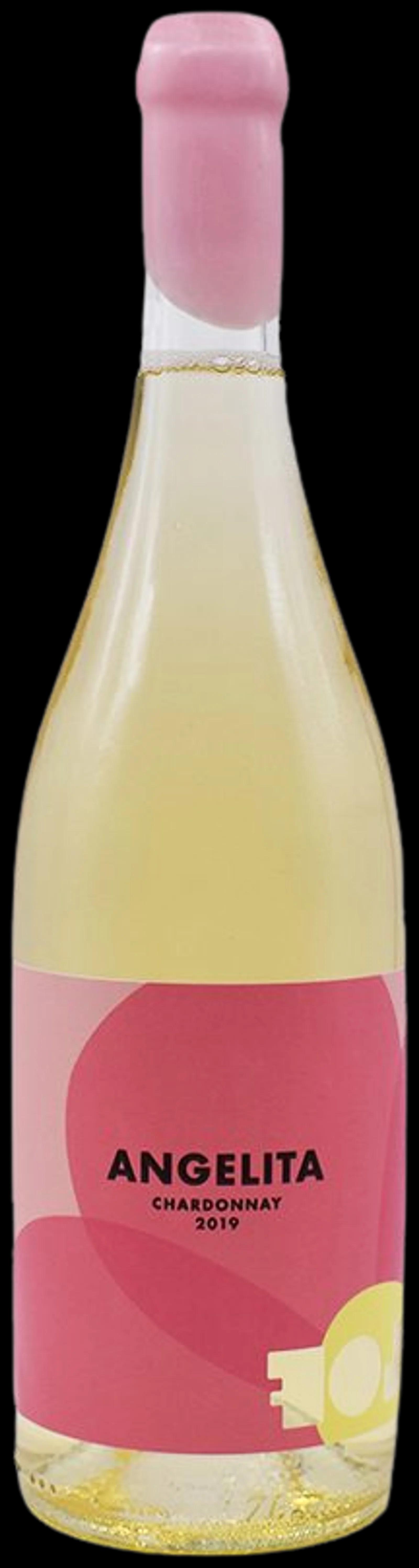
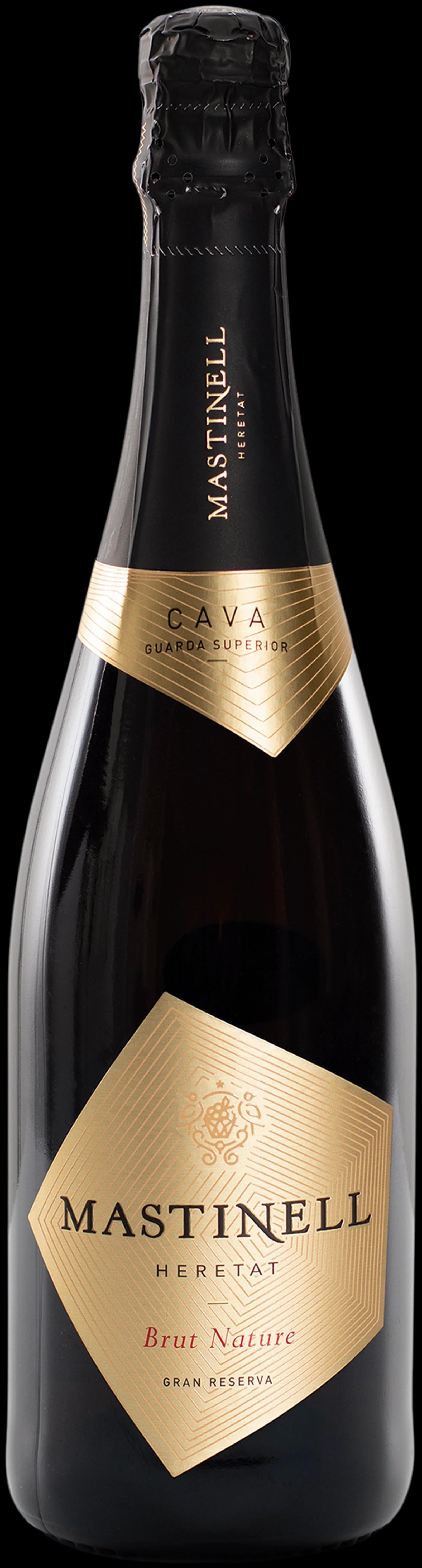
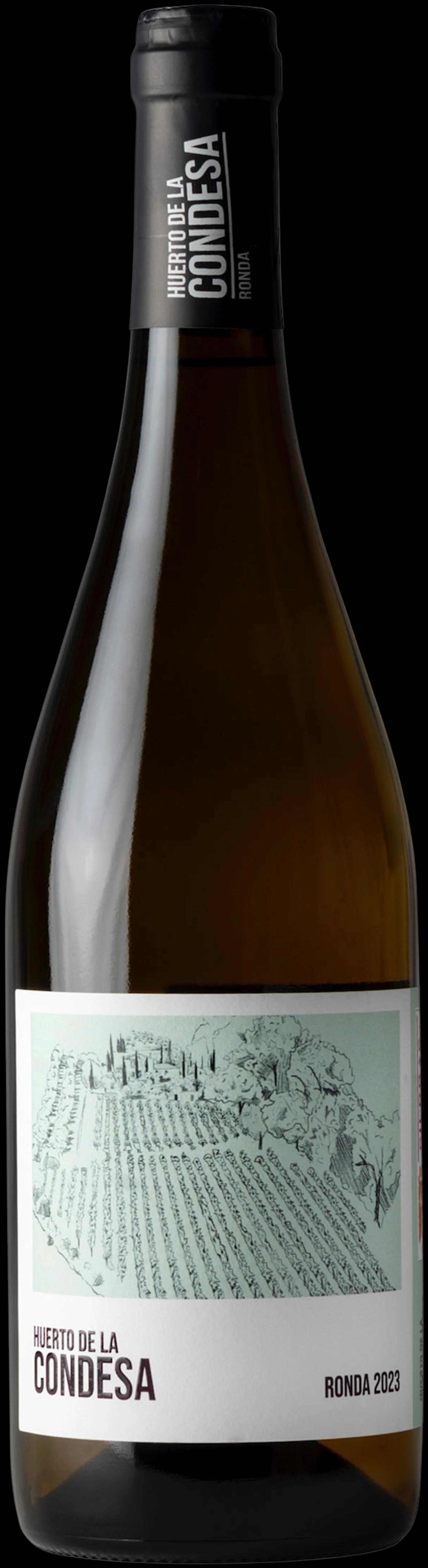
White wines from Spain — grapes you won't find elsewhere

Spanish white wines from independent estates. Every wine tasted before listing. No industrial labels.

Independent Spanish producers, direct from the cellar.

Color (1)

Dropdown arrow

Type

Dropdown arrow

Country (1)

Dropdown arrow

Region

Dropdown arrow

Grape

Dropdown arrow

Pairing

Dropdown arrow

Sort by

Sort arrow
White
Spain

Spanish white wines

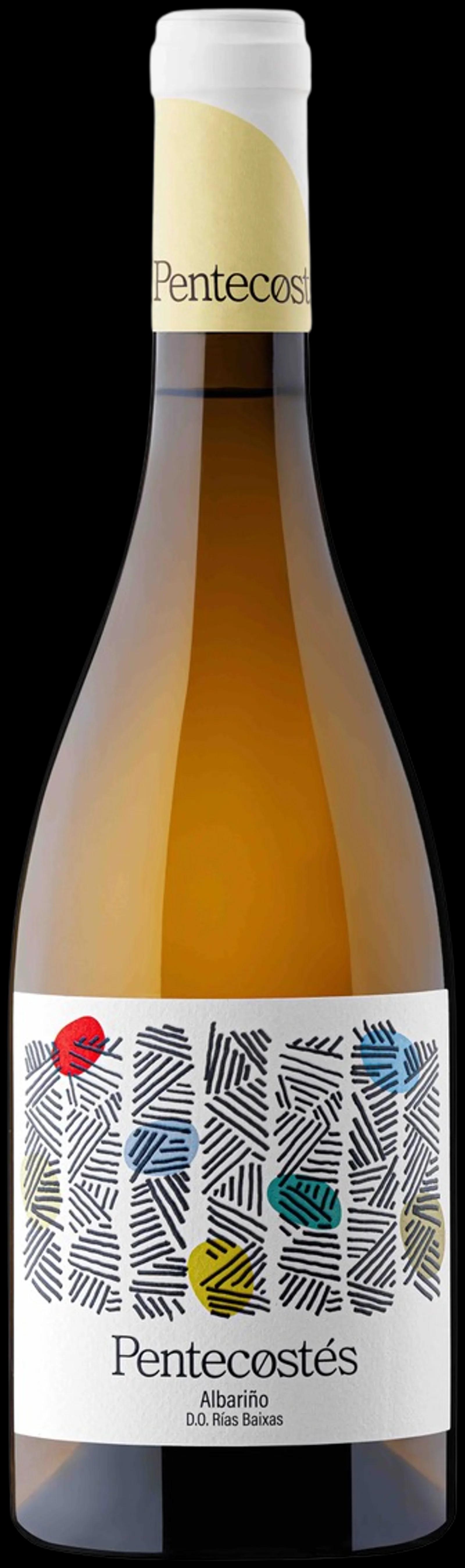
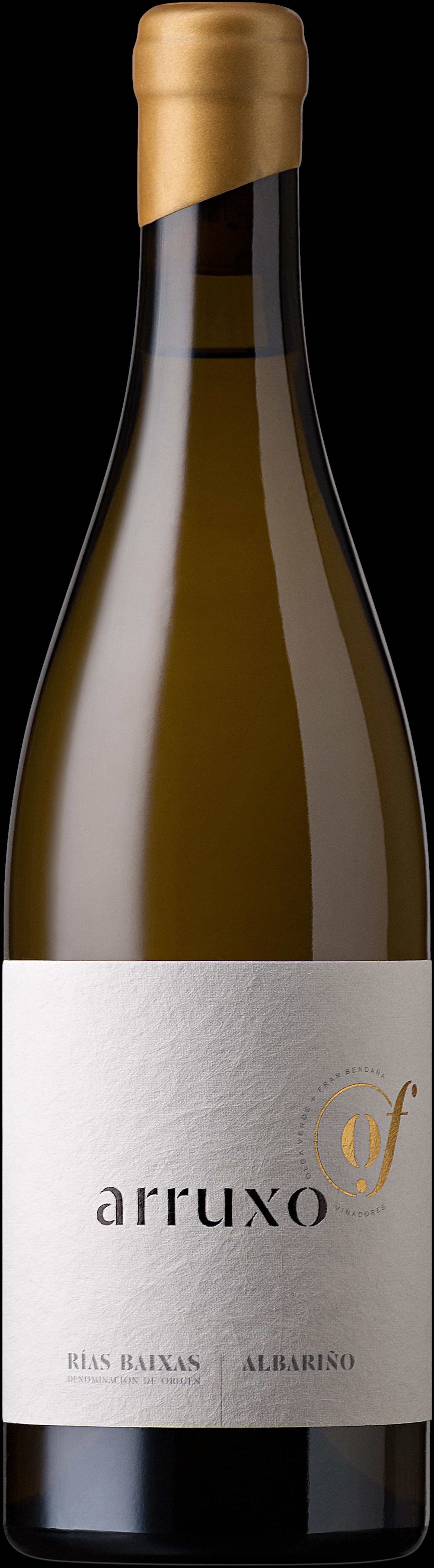
Spain's white wine production is structurally unlike the rest of Europe. Albariño dominates Rías Baixas in Galicia, growing on granite soils with Atlantic rainfall that keeps acidity high even in warm years. Verdejo, grown primarily in Rueda on elevated plateau vineyards at 700–800 metres above sea level, develops a different profile entirely — broader, more aromatic, with a texture that low-altitude plantings rarely produce. Further east, Catalonia and Aragon work with Xarel·lo, Macabeo, and Garnatxa Blanca — varieties with deep regional roots that rarely appear outside the Iberian Peninsula. These are not the white wines your supermarket carries. They are the wines your supermarket can't carry.

Previous1 of 2Next

Frequently asked questions

How do I order Spanish white wines on Free Grape Society?

Browse the wines listed on this page and add bottles to your cart. Each listing shows the producer, region, variety, and vintage. You pay once at checkout. Wines ship directly from the producer's cellar in Spain to your address. No account required to browse.

What happens if a bottle arrives broken or doesn't taste right?

Send a photo to Free Grape Society customer support within 7 days of delivery. We will arrange a replacement or a refund. Because producers ship directly, quality issues are handled with the producer's direct involvement. Shared responsibility is built into how FGS works.

Can I order multiple Spanish white wines from different producers in one order?

Yes. You can add wines from different Spanish producers to a single cart and check out in one transaction. Each producer ships their wines separately, so you may receive more than one delivery from a single order, depending on how many producers are involved.

How long does delivery take?

Average delivery is 8 to 9 days from order to door. The full range is 4 to 14 days depending on the producer's location and your delivery address. Wines ship directly from the producer's cellar, not from a central warehouse.

How do I find the right Spanish white wine for what I'm looking for?

Start by region. Rías Baixas Albariño and Rueda Verdejo are the two most widely produced styles and differ substantially in texture and structure. If you want something less common, Galician Godello or Catalonian Xarel·lo offer distinct regional profiles. Independent wine experts on Free Grape Society have reviewed individual wines from Spanish producers — those reviews are visible on each wine's page.

Why do Spanish white wines vary so much in style and price?

Because the grape varieties and growing conditions are radically different across Spain's wine regions. Albariño from the wet Atlantic coast of Galicia has almost nothing in common structurally with Palomino Fino from the dry, chalky soils of Jerez. Altitude, rainfall, soil type, and variety all interact. Price variation follows production volume and estate size — small independent estates rarely achieve the economies that drive supermarket pricing.

Which wine expert can recommend a Spanish white wine for me?

Several wine experts on Free Grape Society have reviewed Spanish white wines. Browse the expert profiles on the platform to find one whose speciality matches your interest — whether that is Galician varieties, Rueda, or less common regional whites from Catalonia or Aragon. You can message any expert directly.

Why don't you carry Spanish white wines from every producer in Spain?

Every wine on Free Grape Society is tasted by our Head of Product before listing. Only wines that pass the quality review go live. No producer pays to be featured. That means the selection is smaller than a wholesale catalogue but more consistent — every bottle on the page has been assessed before it was offered.

Are Spanish white wines available here that I can't find at Systembolaget?

Most wines on Free Grape Society are not stocked at Systembolaget. Independent Spanish estates producing smaller volumes tend to work outside conventional retail distribution. Systembolaget's range is shaped by volume requirements that most small producers cannot meet. That structural difference is why these wines appear here instead.

Key grapes in Spanish white wine

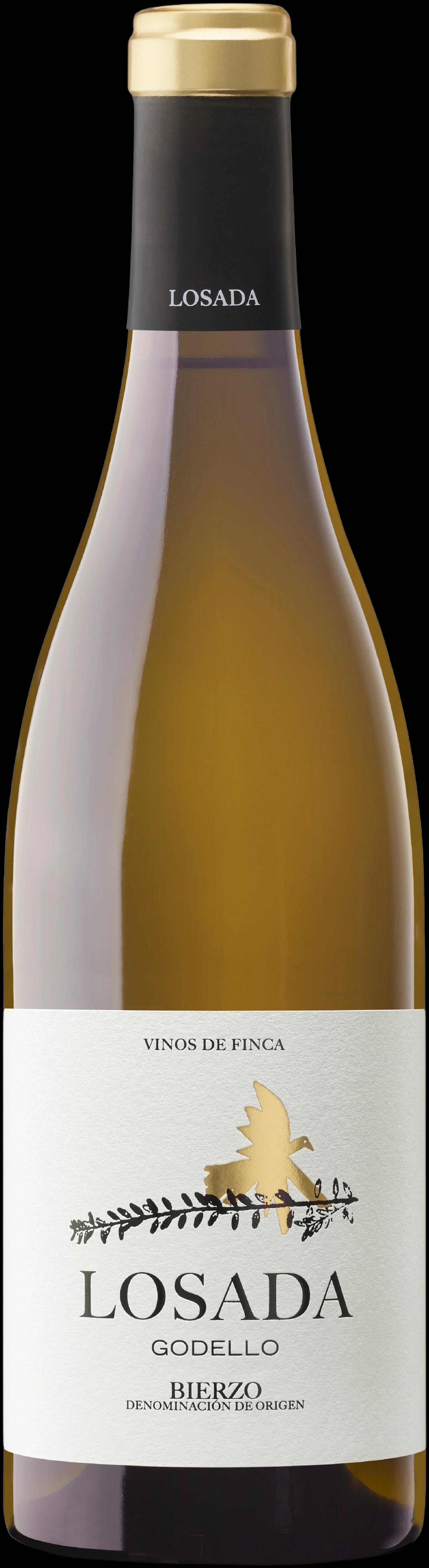
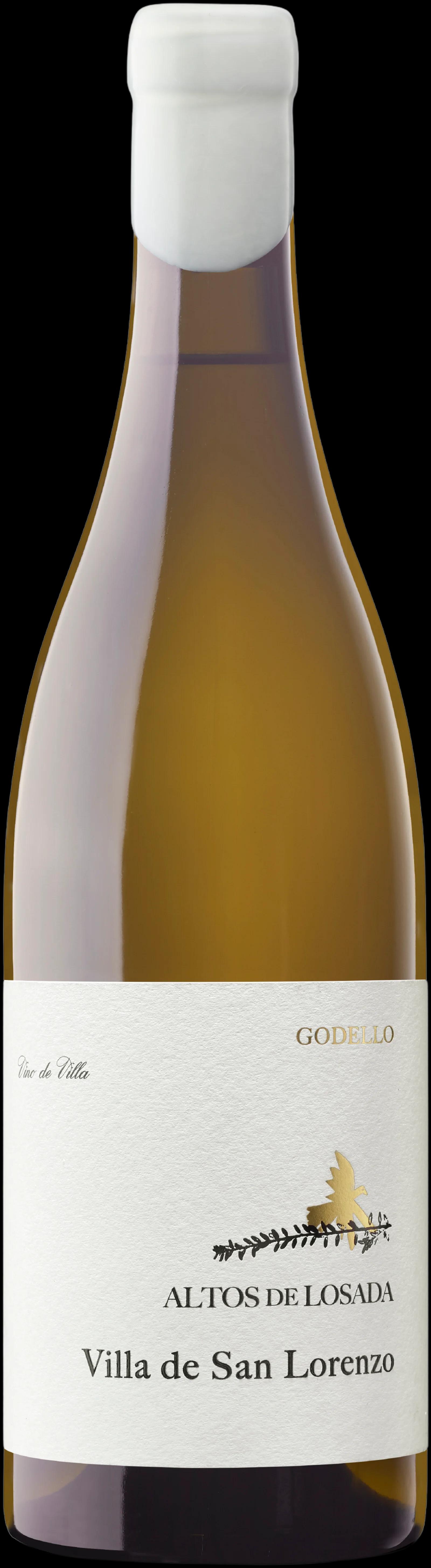
Spain's white wine landscape is more varied than its international reputation suggests. Albariño from Galicia dominates the conversation, but it represents only one corner of a country with dramatically different soils and climates. Godello grows in Valdeorras and Bierzo, producing whites with more body and oxidative potential than Albariño — some producers age it in used oak for 12 to 18 months, building texture without losing its mineral core. Garnacha Blanca appears in Priorat and Terra Alta, where old vines and high-elevation vineyards produce low-yield, high-extract whites that rarely reach export markets. Verdejo from Rueda has a distinct herbaceous-bitter edge when harvested early; picked later it goes flat. Macabeo underpins Cava production but in Penedès and Costers del Segre, low-intervention producers are working with it as a still wine with a completely different result. These are not interchangeable varieties — each is shaped by a specific geography within Spain.

Regional variation in Spanish white wine

The Atlantic northwest and the inland plateau are essentially different wine countries. In Galicia, proximity to the ocean keeps temperatures moderate and rainfall high. Albariño vines grown on granite pergolas above the Rías Baixas estuary ripen slowly, finishing at 12.5 to 13% alcohol with intact acidity. Inland, in Castile and León, altitude compensates for the continental heat: Rueda sits at 700 to 800 metres above sea level, and that elevation preserves freshness in Verdejo that would be impossible at lower altitude. Catalonia adds another variable — Penedès and Conca de Barberà have producers working with Xarel·lo and Parellada at altitude, often under organic or biodynamic regimes, producing whites with a structural precision that has little in common with the same grapes used in mass-production Cava. Rioja Blanco, made primarily from Viura, has two identities: young, unoaked, and high-acid, or barrel-fermented and aged for several years, where it develops a waxy, oxidative character that puts it closer to aged white Burgundy than to any other Spanish white. These regional differences are not gradations of the same style — they are distinct wine types that happen to fall under the same national category. Producers, experts, restaurants, and wine lovers on the same platform, on the same terms — that is how Free Grape Society is built, and it is why you find producers from all of these regions here, not only the ones with the largest export budgets.
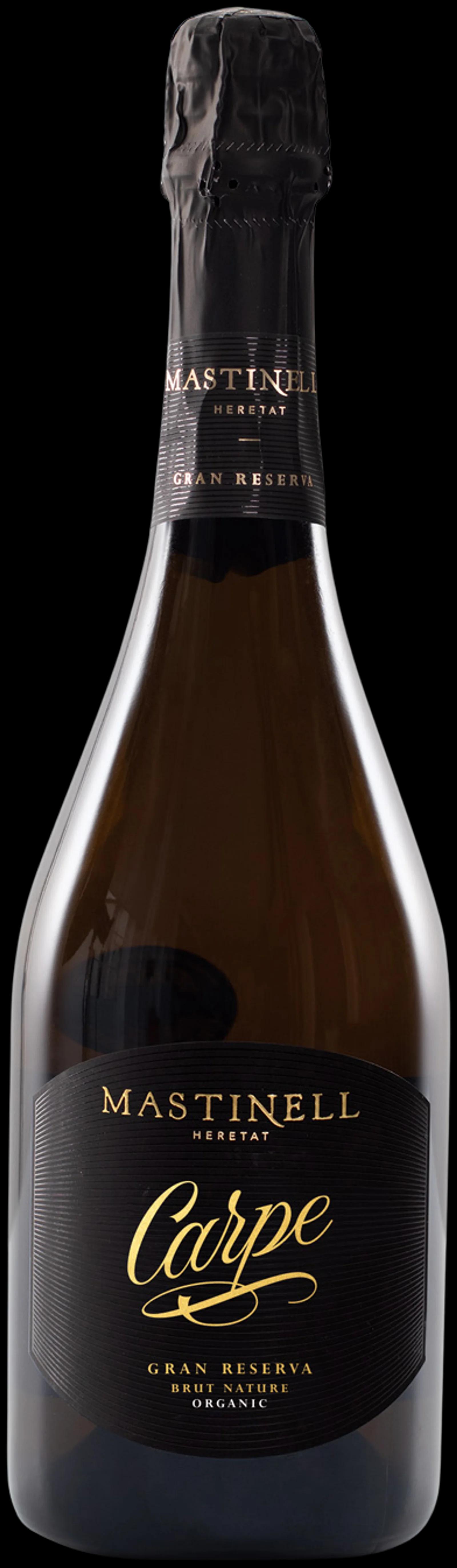
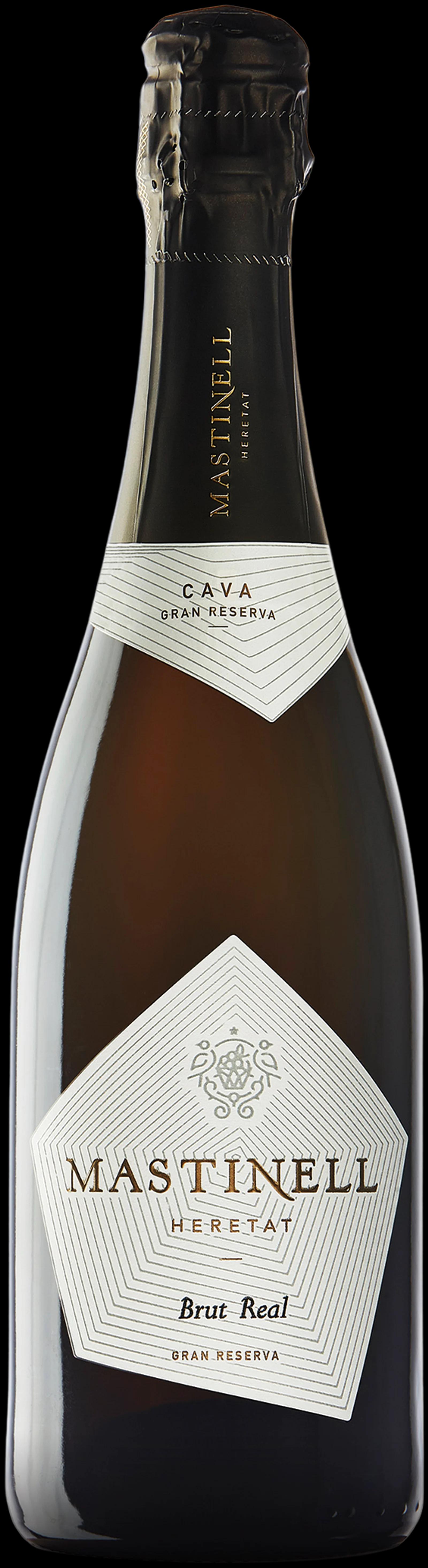
How Spanish white wine is made

The production decisions that shape Spanish white wine vary significantly by region and producer intention. In Galicia, stainless steel fermentation at low temperatures is standard practice for Albariño — it preserves aromatic precision and keeps the wine clean. But a growing number of producers in Rías Baixas are fermenting in old 500-litre barrels or clay amphorae, adding texture without oak flavour. In Rueda, early-morning harvesting is common because the summer heat arrives fast and the window for picking Verdejo at the right sugar-to-acid balance is narrow — sometimes a matter of days. Skin contact is being applied to Spanish white varieties more systematically than a decade ago. Garnacha Blanca and Xarel·lo respond well to 12 to 48 hours of skin contact, building phenolic structure that makes the wine more stable for ageing. For Godello, some producers in Valdeorras use sur-lie ageing for 8 to 10 months, stirring the lees periodically to add body. The result is a white wine with the weight of a light red and the acidity of something grown much further north. These are deliberate decisions, not the output of industrial process — and they are the reason the same grape from the same country can produce wines that taste structurally unrelated. Compare with white wines from other countries to see how differently the same production methods land in a different climate.