Key grapes in French red wine
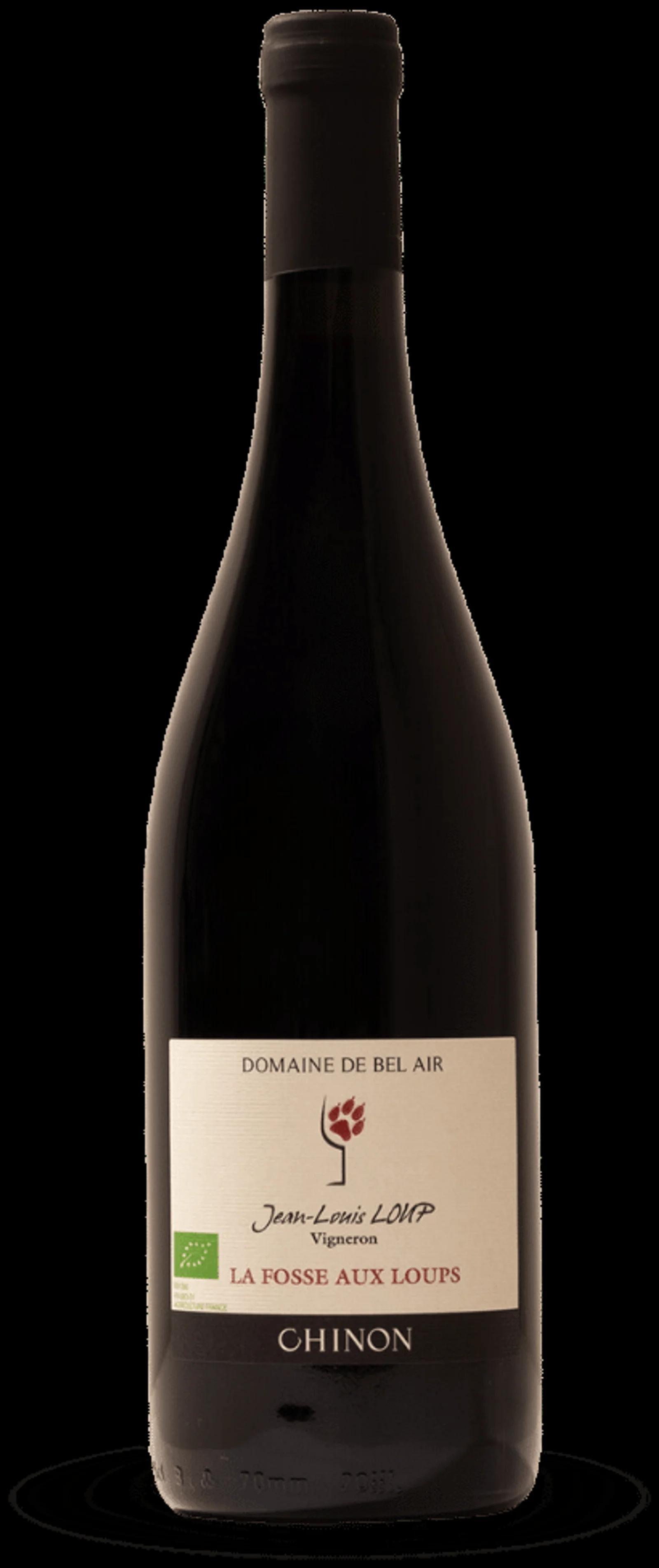
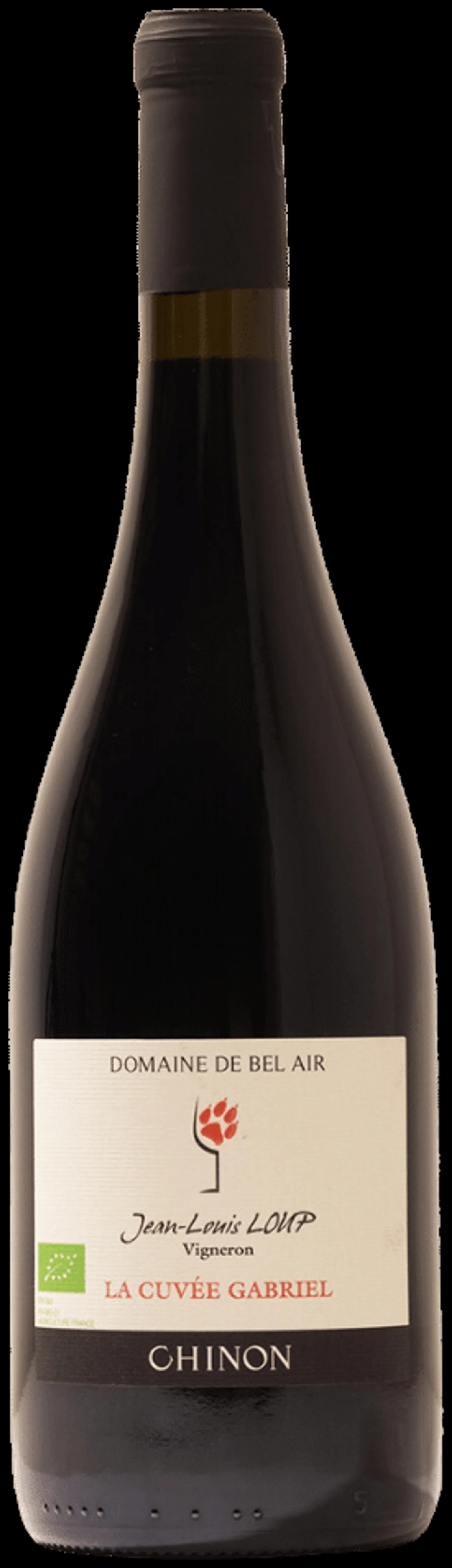
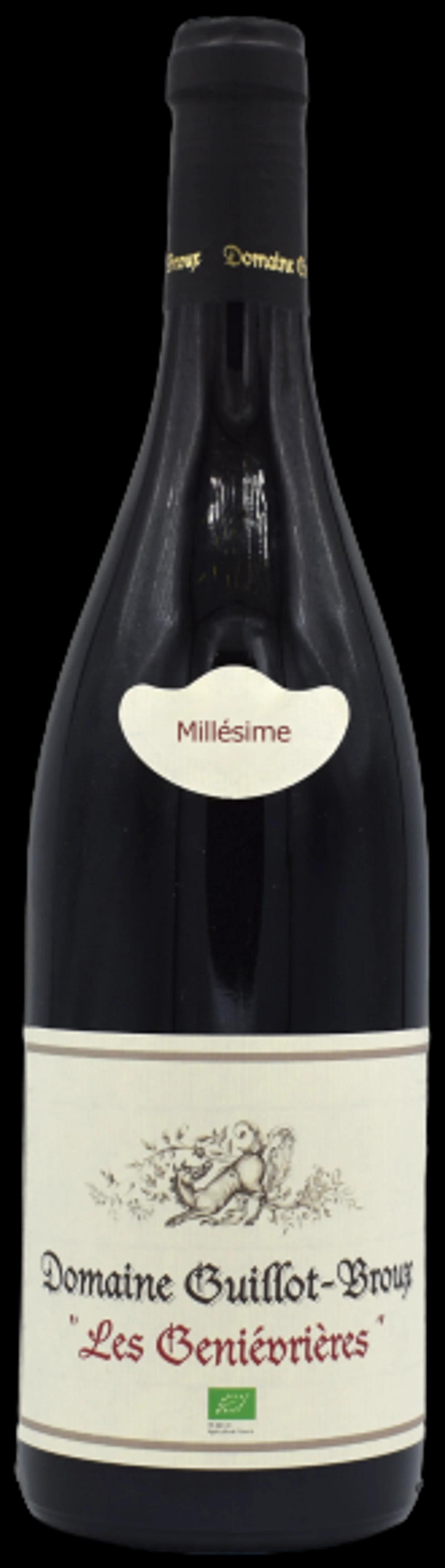
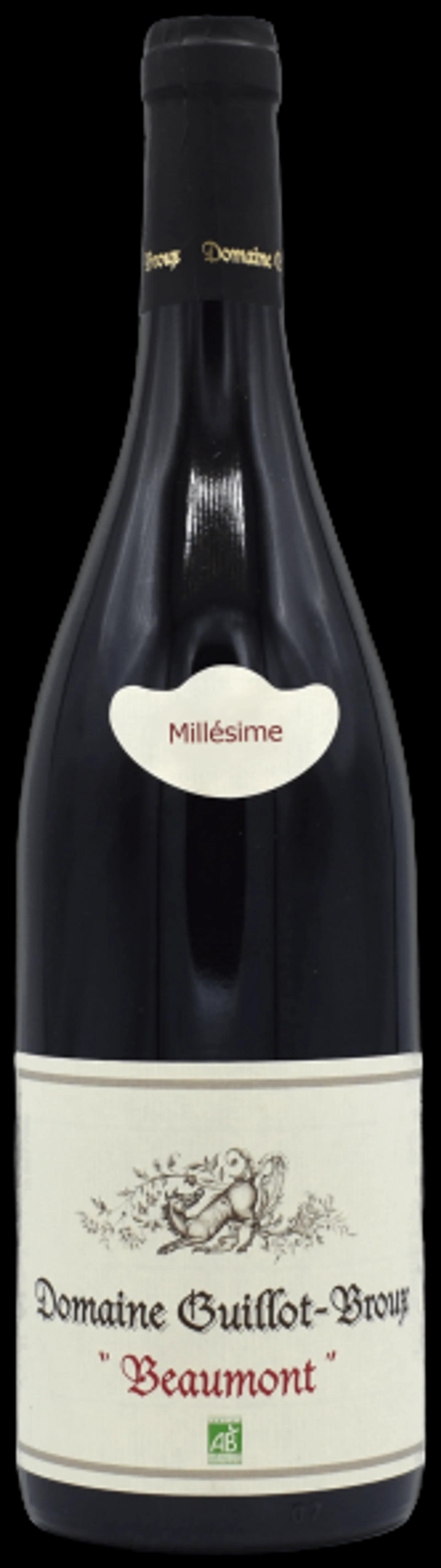
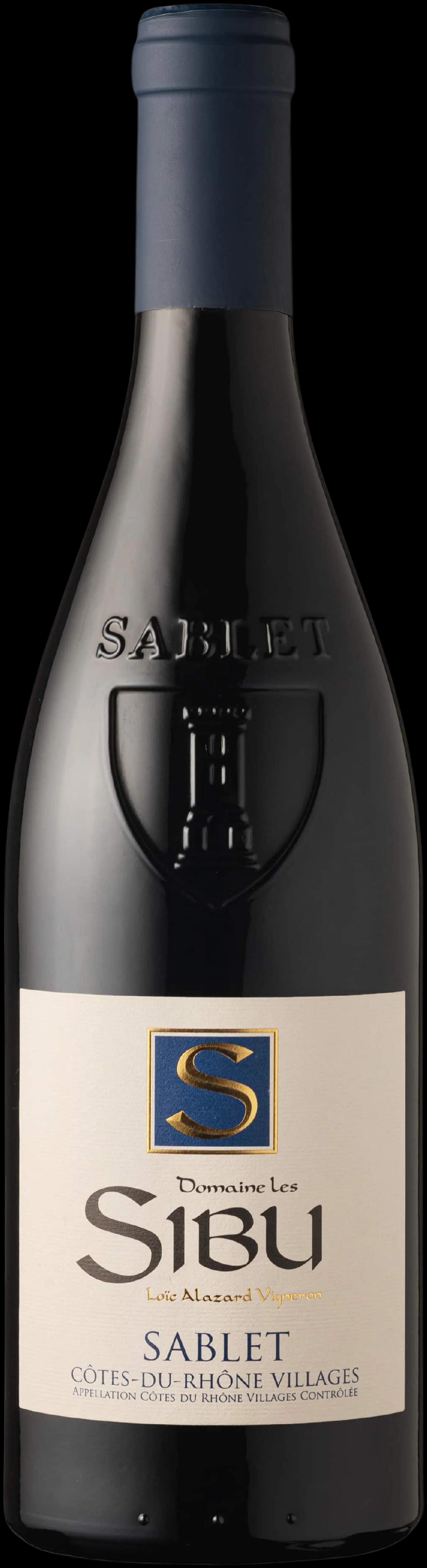
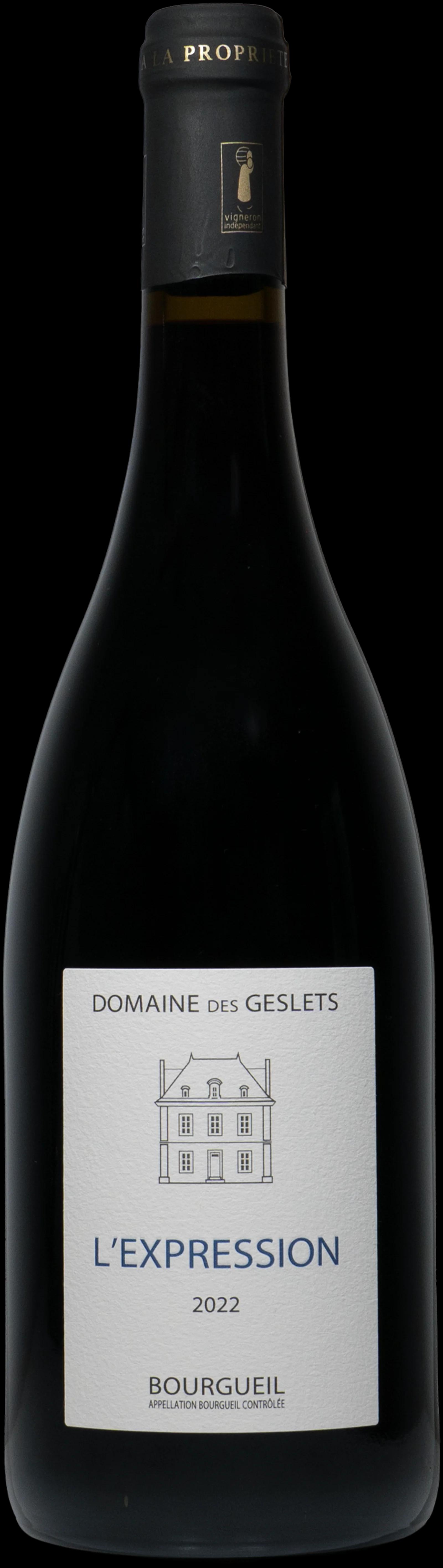
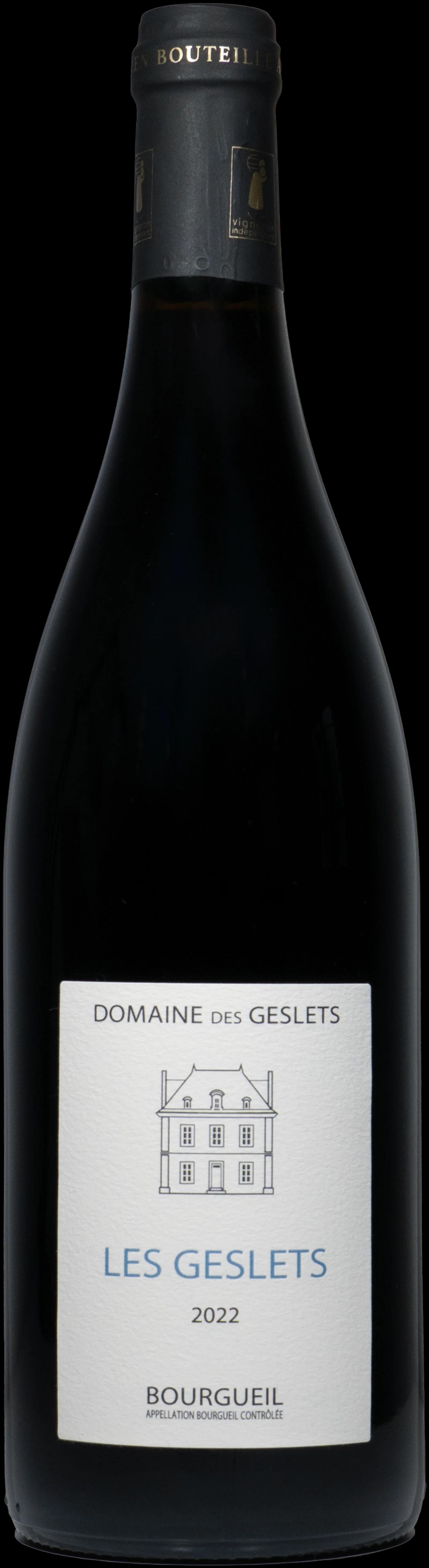
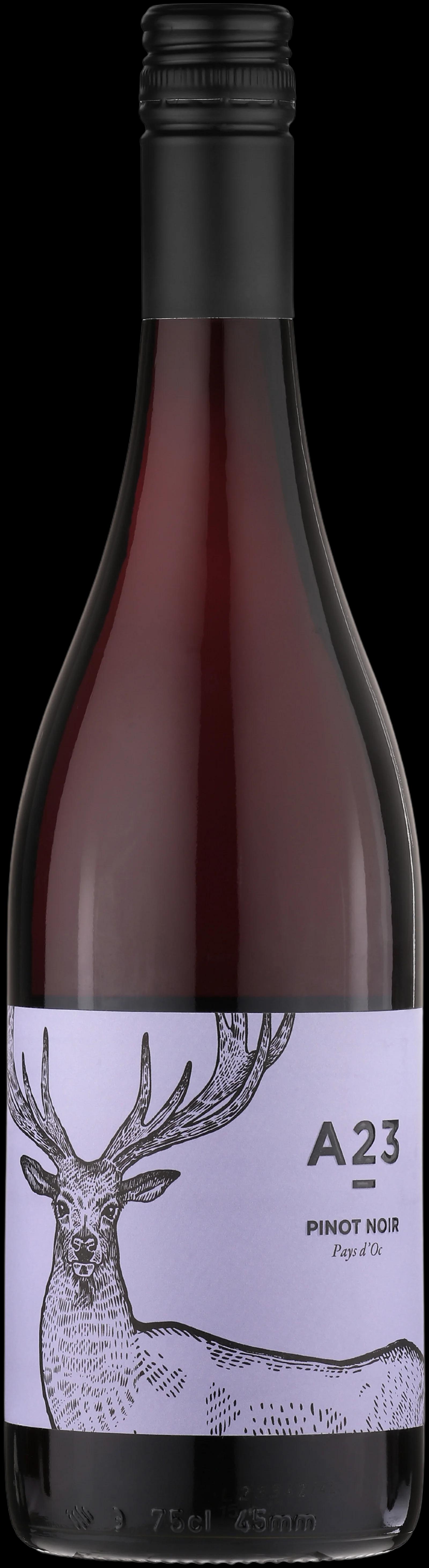
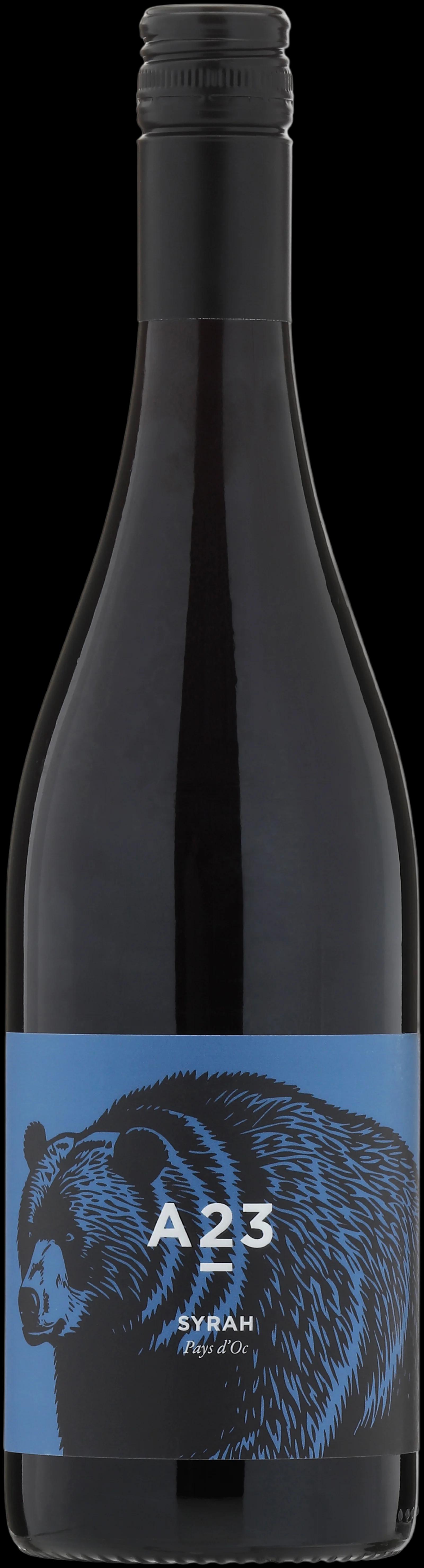
French red wine is not defined by a single grape. The country's red wine identity is built across a handful of varieties that rarely overlap between regions. Cabernet Sauvignon and Merlot dominate the left and right banks of Bordeaux respectively — Cabernet Sauvignon producing the structural backbone on well-drained gravels, Merlot ripening earlier on the cooler clay soils of Saint-Émilion and Pomerol. Pinot Noir is the sole red grape permitted in Burgundy, where it expresses entirely differently across a few kilometres of hillside — the difference between a village Bourgogne and a premier cru is largely a function of subsoil depth and east-facing slope exposure. In the Rhône Valley, Syrah defines the north — Hermitage, Crozes-Hermitage, Cornas — while the south blends Grenache, Syrah, Mourvèdre and often Carignan. In the Loire Valley, Cabernet Franc produces lighter, more herbaceous reds in Chinon and Bourgueil, where the variety's thin skin thrives in the cooler Atlantic-influenced climate. In Languedoc-Roussillon, Grenache Noir and Carignan are often the backbone of blends, with old vines — some over 80 years old — producing concentrated, low-yield wines at a fraction of the price of comparable northern Rhône bottles. The producer decides which grape to plant. The geography decides what that grape can become.
Regional variation in French red wine
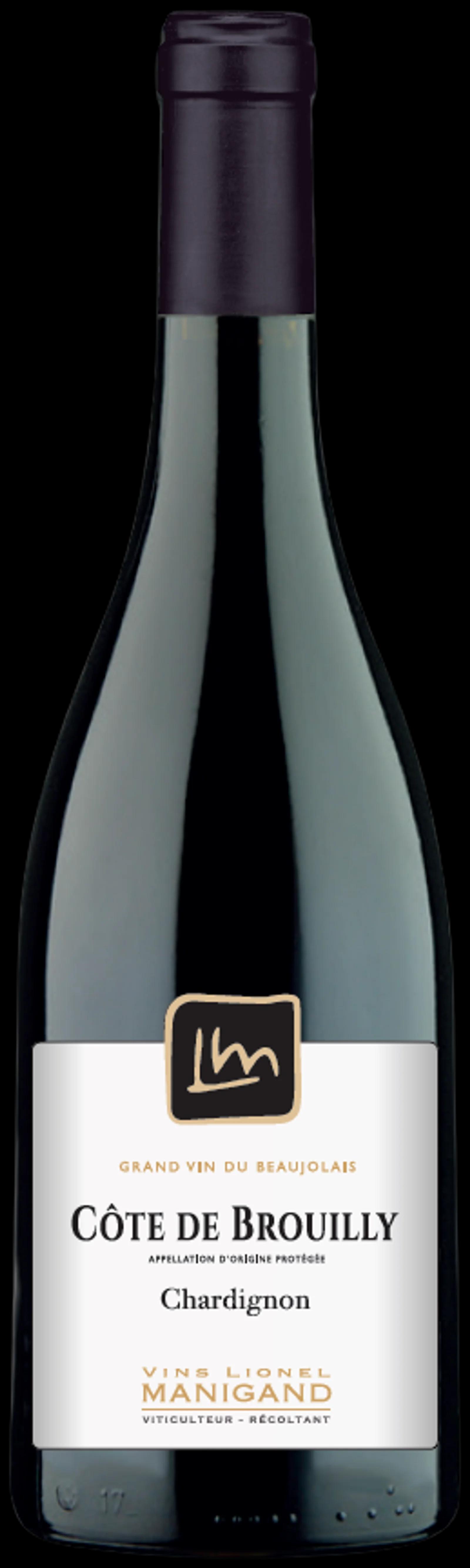
The structural difference between French red wines from different regions is greater than the difference between red wines from different countries. Bordeaux operates on a blending model: the final wine is rarely a single grape, and the composition shifts year to year depending on which variety ripened best. Burgundy is the opposite — single-grape, single-vineyard logic, where the address on the label carries more weight than the vintage in a good decade. The northern Rhône works with Syrah alone, co-fermented in some estates with small amounts of white Viognier, producing wines with a high-protein structure that rewards 8 to 15 years of cellaring. The southern Rhône, Languedoc, and Roussillon produce higher volumes at lower prices — not because the quality is lower, but because land costs and appellation prestige have not inflated prices in the way they have further north. Gamay in Beaujolais is vinified using carbonic or semi-carbonic maceration, a technique that preserves fruit aromatics while limiting extraction — the result is a structurally lighter red with less tannin than Pinot Noir from the same region. Climate change has pushed average harvest dates in Burgundy forward by roughly 18 days since the 1980s. For producers working with Pinot Noir — which loses aromatic complexity quickly once sugar accumulates — this means managing picking dates more carefully than at any point in the appellation's recent history. Producers on Free Grape Society's France page represent this range: from small négociant operations in Burgundy to estate-bottled Languedoc producers working with certified organic viticulture. No importer, no wholesaler. The price you see is the price the producer agreed to.
How French red wine is made
Production decisions in French red wine vary as much as the grapes and regions. In Bordeaux, most classified estates age in new or second-fill 225-litre barriques for 12 to 18 months — the wood adds tannin structure and oxygen exposure that softens the Cabernet Sauvignon backbone. In Burgundy, the trend among younger producers has shifted toward less new oak: 20 to 30 percent new barrique rather than the 100 percent common in the 1990s, preserving more of the site character the region trades on. In Beaujolais, carbonic maceration means whole clusters go into sealed tanks without crushing — fermentation starts inside the berry, producing lower tannin and higher ester content than conventional red wine fermentation. In the southern Rhône and Languedoc, cement vats and large old foudres are common alternatives to barrique — they allow micro-oxygenation without adding oak flavour, a choice producers make when the fruit quality is high enough to stand alone. Carignan, one of Languedoc's most planted varieties, was for decades used only in bulk blends. Estate producers working with old-vine Carignan — vines planted before 1960 — have repositioned it as a single-varietal wine with extraction rates that produce dark, tannic wines capable of ageing. That shift happened at producer level, not at the appellation level. Bottles on this page ship directly from the producer's cellar. Not from a warehouse.