Wine from independent growers across France, Italy, Austria and beyond

The wines here come straight from the growers who made them, across more than a dozen countries and regions that share almost no rules. Browse below, or narrow by country, region, grape or style.

Crisp northern whites, structured southern reds, and the sparkling and sweet styles in between.

Color

Dropdown arrow

Type

Dropdown arrow

Country

Dropdown arrow

Region

Dropdown arrow

Grape

Dropdown arrow

Pairing

Dropdown arrow

Sort by

Sort arrow

Wines

Wine in Europe changes the moment you cross a border, and often a single hillside. In Burgundy a single vineyard can be divided between a dozen growers, each making something distinct from the same soil. In Rioja the same Tempranillo grape produces wines that range from young and fruit-driven to long-aged reservas with a decade in cellar. On Free Grape Society the producers ship directly from their own cellar, with no importer, agent or warehouse in between. Free Grape Society is a society of producers, independent experts and wine lovers, not a shop.

Previous1 of 28Next

Wine cases

Each wine case on Free Grape Society — what we call a mixbox — is six bottles chosen by one producer as their own recommendation, never blended across cellars. A grower in the southern Rhône might move you through Grenache, Syrah and Mourvèdre in a single box. A Piedmontese estate might pair a Barbera with a Nebbiolo to show you both sides of the appellation. It is the shortest route into one estate's range, composed by the person who made every bottle.

View all mixboxes

Wineries

Independent wine experts on Free Grape Society rate and review wines they have personally tasted. Those reviews appear on the wine page and on each expert's own profile, building a transparent record of what they have tried and what they recommend. Experts do not select which wines are listed or curate the catalogue — they review what they know from their own glass, and their track record is visible for anyone to read.

View all wineries

Wine experts

The producers behind these wines range from long-established family châteaux to small growers bottling natural wine from a single parcel. What they share is that each one sets their own prices and ships directly from their own cellar. If you are unsure where to start, an independent wine expert can point you toward a producer or region that fits what you are looking for.

View all wine experts

Frequently asked questions

How do I order wine from a producer on Free Grape Society?

Find a producer or wine you like, add bottles to your basket, and check out securely with Klarna or card. The producer ships the order directly from their own cellar to your door. Shipping is free, and you will receive a confirmation with tracking once your order is on its way.
What happens if a bottle arrives broken or doesn't taste right?

Send a photo to Free Grape Society customer support within 7 days of delivery. We will arrange a replacement or a refund. Because producers ship directly, quality issues are handled with the producer's direct involvement. Shared responsibility is built into how FGS works.
Do I need an account to browse the producers?

You can browse every producer and wine on Free Grape Society without an account. You only need to register when you are ready to place an order. Joining is free, and membership gives you access to expert recommendations and your full order history.

How long does delivery take?

Average delivery is 8 to 9 days from order to door. The full range is 4 to 14 days depending on the producer's location and your delivery address. Wines ship directly from the producer's cellar, not from a central warehouse.

How do I find a producer in a specific country or style?

Use the country filters above the listing to narrow to a specific country, such as France, Italy, or Austria. Within a country you can narrow further by region. If you are looking for a particular style, the wine pages let you filter by grape variety and colour across the full catalogue.

Can I find both large estates and small growers here?

Yes. The producers on Free Grape Society range from long-established family estates with decades of bottlings behind them to small growers making natural wine in modest quantities. The listing does not rank by size, so a young Alsace domaine sits alongside a well-known Tuscany estate. Browse by country or region to get a feel for the range.

Which wine expert can recommend a producer for me?

Visit the wine experts section to see all the independent experts active on Free Grape Society. Each expert has a profile showing the wines they have reviewed and the regions they know well. Fill in the question form on their profile and they will come back with a personal recommendation.

Why don't you carry every wine from every producer you work with?

Each producer selects which wines they want to sell through Free Grape Society and ships them directly from their own cellar. Some estates keep their allocation small or reserve certain wines for their home market. What you see on a producer's page is the range they have chosen to make available here, priced and presented on their own terms.

How is buying directly from a producer different from buying in a wine shop?

Most wine shops buy stock through importers and distributors before it reaches the shelf, which adds cost and time. On Free Grape Society the producer ships from their own cellar directly to you, with no importer or warehouse in between. That means the price reflects the producer's own decision rather than a margin chain, and the wine travels one leg instead of several.

The wine countries on Free Grape Society

The catalogue spans growers across France, Italy, Spain, Austria, Germany, Portugal, Czech Republic, Luxembourg, and Greece. Each country runs by its own rules: France organises itself around appellation, where a vineyard's location dictates the grape permitted and the label it earns; Italy leans on variety, with DOC and DOCG designations tied to specific communes and grapes like Nebbiolo in Piedmont or Sangiovese in Tuscany; Spain rewards terroir diversity, from the Atlantic-cooled Rías Baixas in the north-west to the sun-baked vineyards of Murcia where Monastrell thrives on limestone soils. Austria is one of the few countries where the winemaker's name tends to count for more than the appellation: growers in Niederösterreich have built the Grüner Veltliner and Riesling reputations of their own estates from the ground up. The breadth here is not a goal in itself — it follows the producers who applied to join, region by region.

Signature grapes you will meet across the range

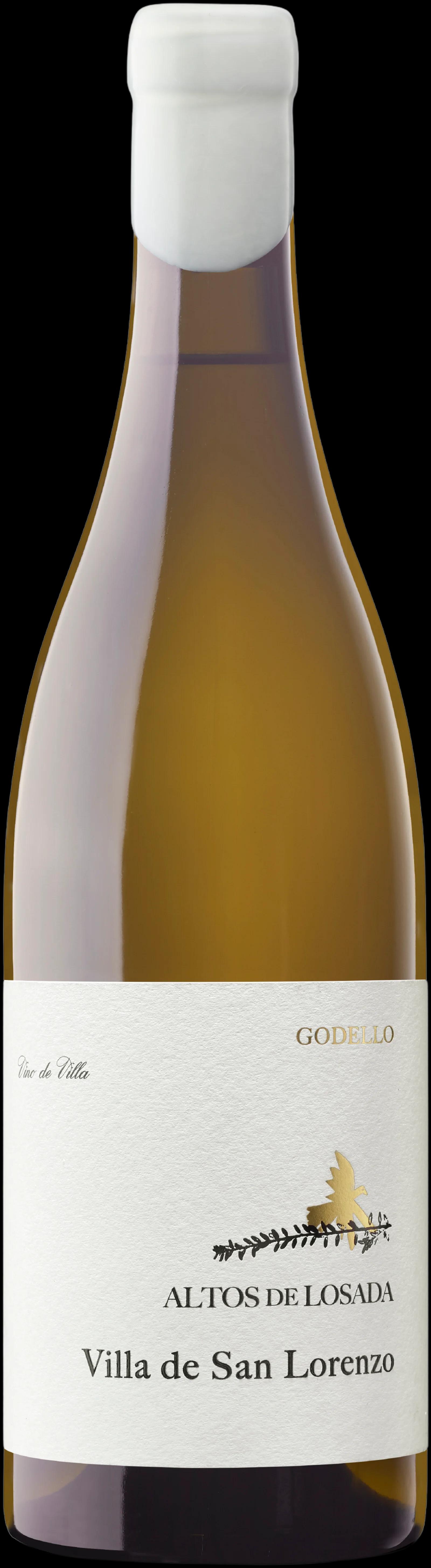
Grapes tell a region's climate better than almost any other signal. Riesling from Germany's Pfalz and Mosel shows what a cool-climate slate soil does to acidity and aromatics: the wine can age for decades while retaining a taut, mineral freshness that warmer-climate versions rarely reach. Grüner Veltliner is so closely tied to Austria that it accounts for a third of the country's entire vineyard area; the grape's characteristic white pepper note is not added — it comes from the soil and the vine. Gamay in Beaujolais was historically treated as everyday wine, but the best village-level and cru bottlings from granite and volcanic soils show a structural depth that surprised critics for years. Carignan, once planted purely for volume in Languedoc-Roussillon, is now one of the south of France's most prized varieties when old vines are farmed carefully by growers who refused to uproot them. Mencía in north-west Spain, Nero d'Avola in Sicily, Godello in Galicia — each is a local answer to a specific soil and a specific sky.

Wine styles across the range

The wines here run from crisp, high-acid whites made on Melon de Bourgogne along the Loire's Atlantic edge to structured, age-worthy reds built on Cabernet Sauvignon in Bordeaux and the longer-macerated Nebbiolo bottlings of northern Italy. Orange wines — whites fermented with extended skin contact — have moved from the fringes of Georgian and Slovenian winemaking into the mainstream repertoire of growers across Friuli, the Rhône, and further afield; the result sits somewhere between a white and a red in texture, with a depth of flavour that pairs well with food most white wine cannot handle. Rosé from Provence and the Spanish coast tends toward pale salmon and restrained fruit; rosé from southern Italy reads richer, with more colour and body. Free Grape Society is a society of producers, independent experts and wine lovers, not a shop — the range here reflects who applied and what they make, not a category plan built around shelf space or margin.