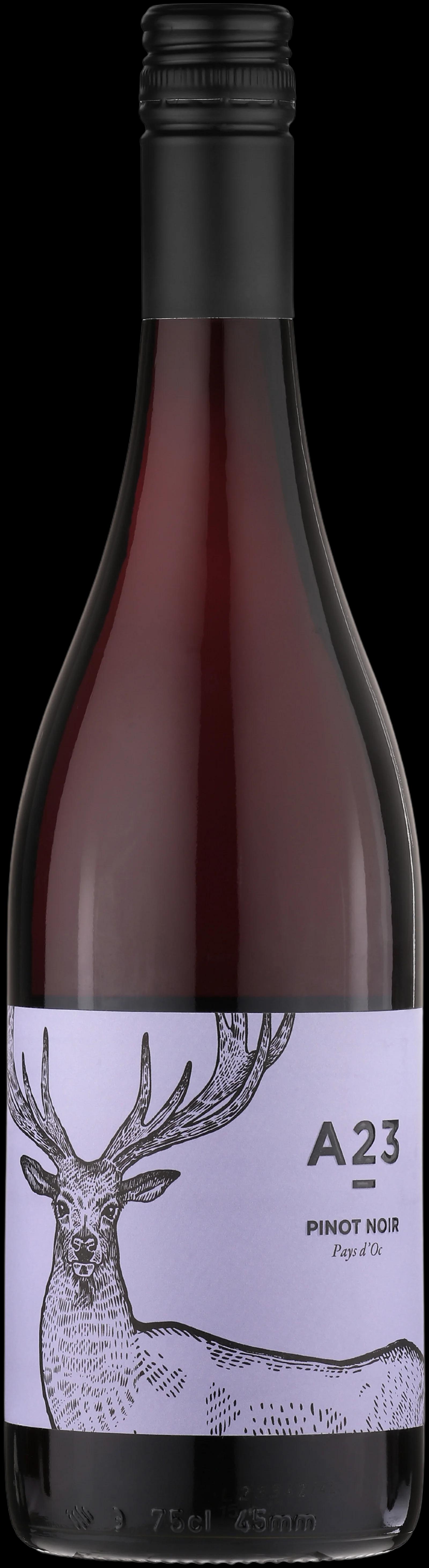
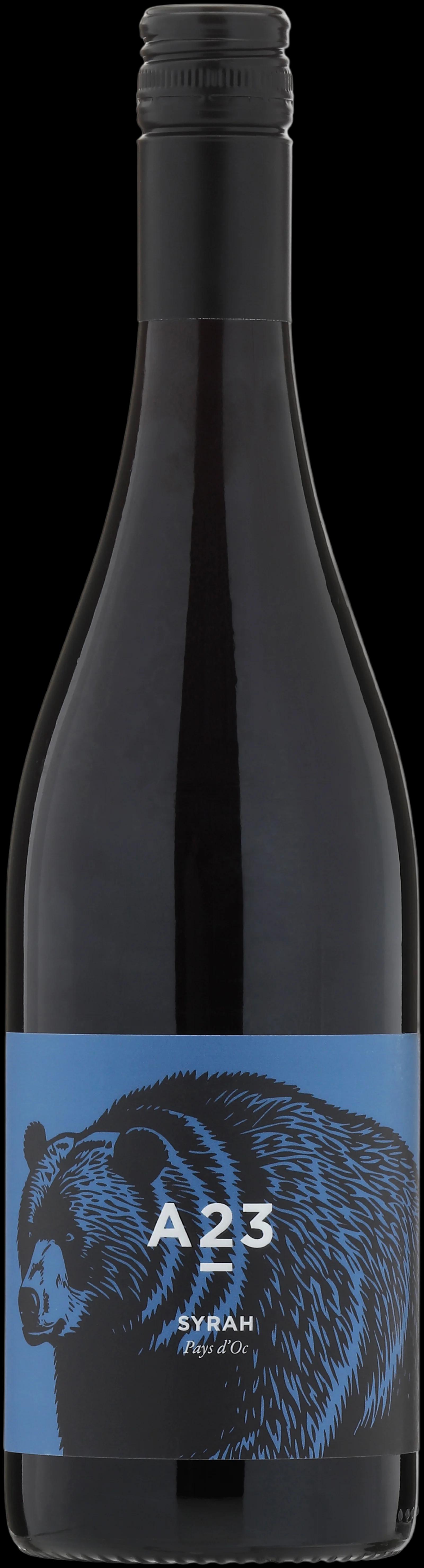
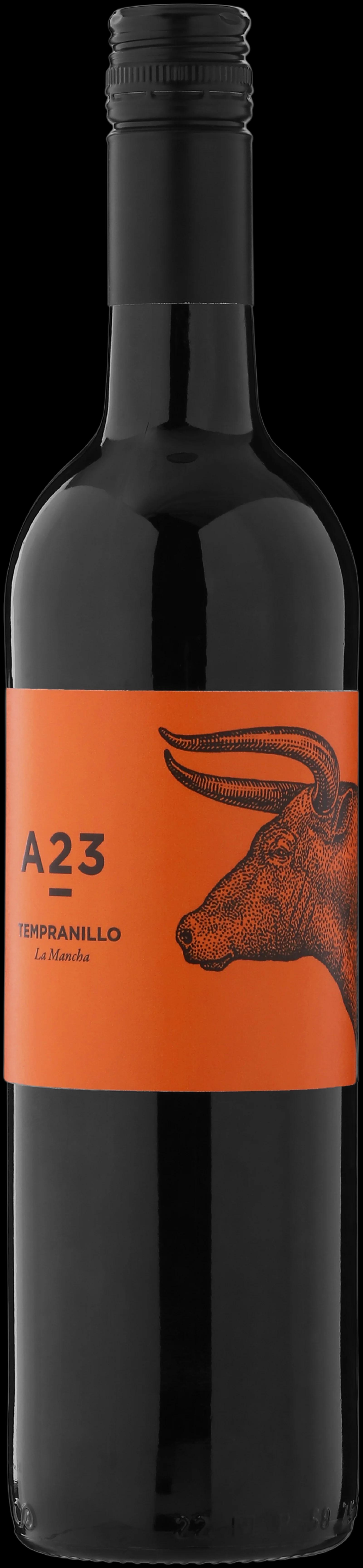
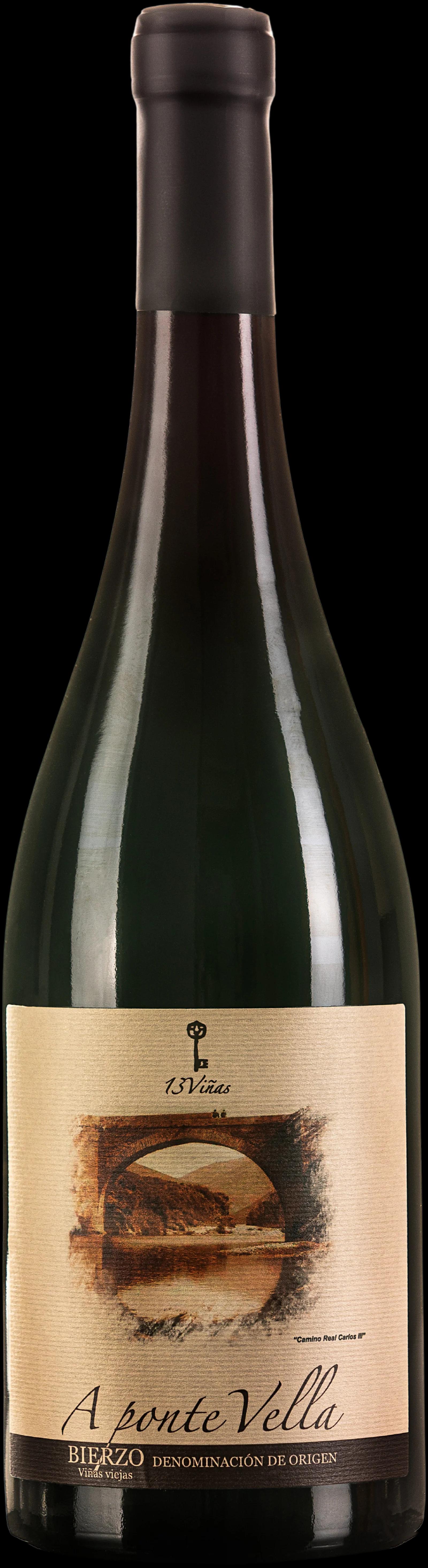
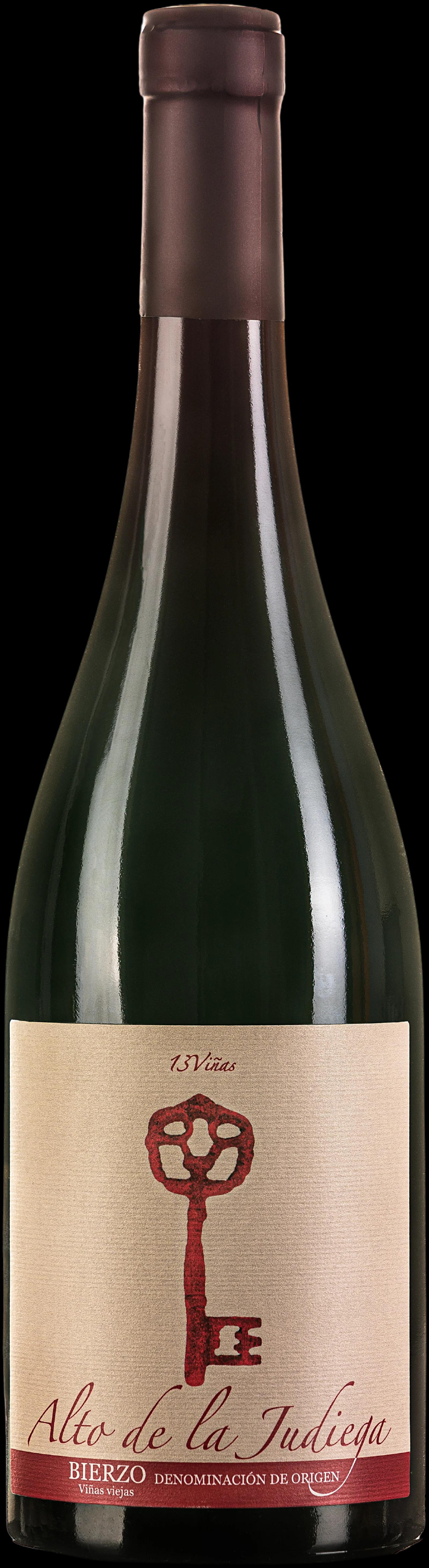
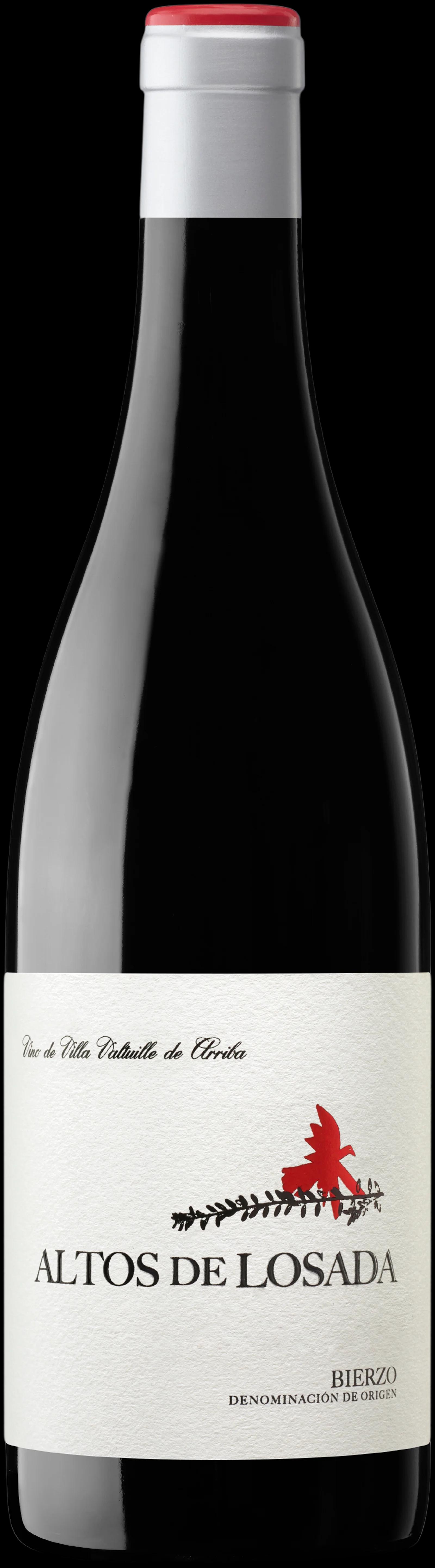
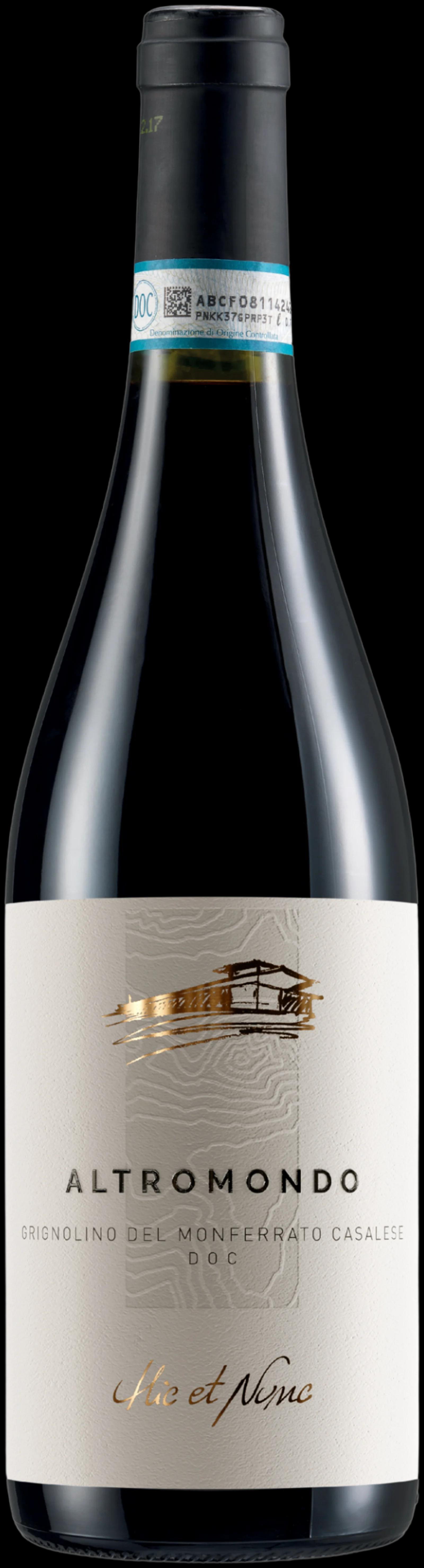
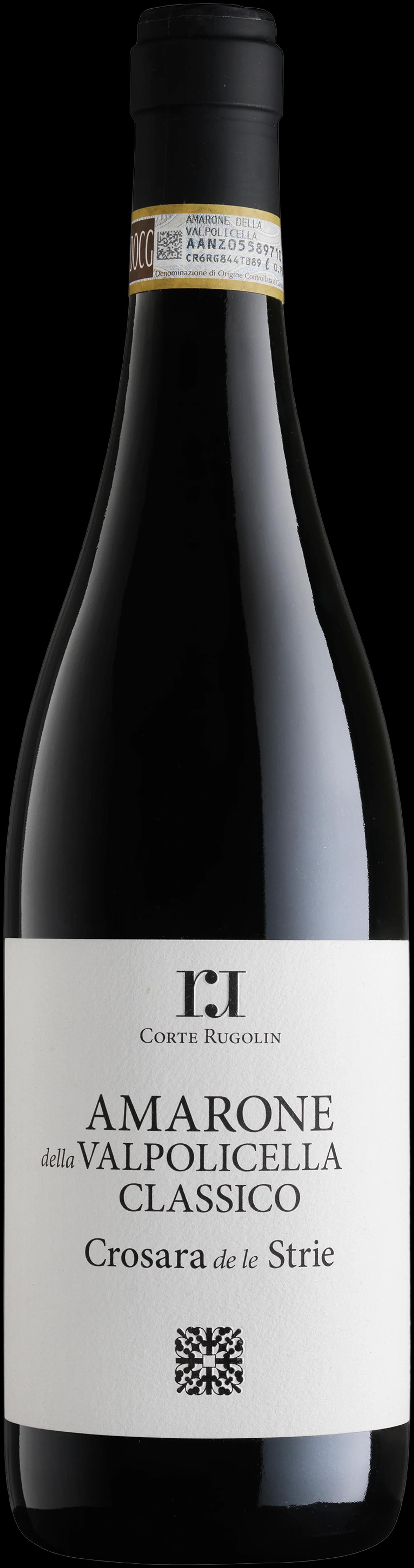
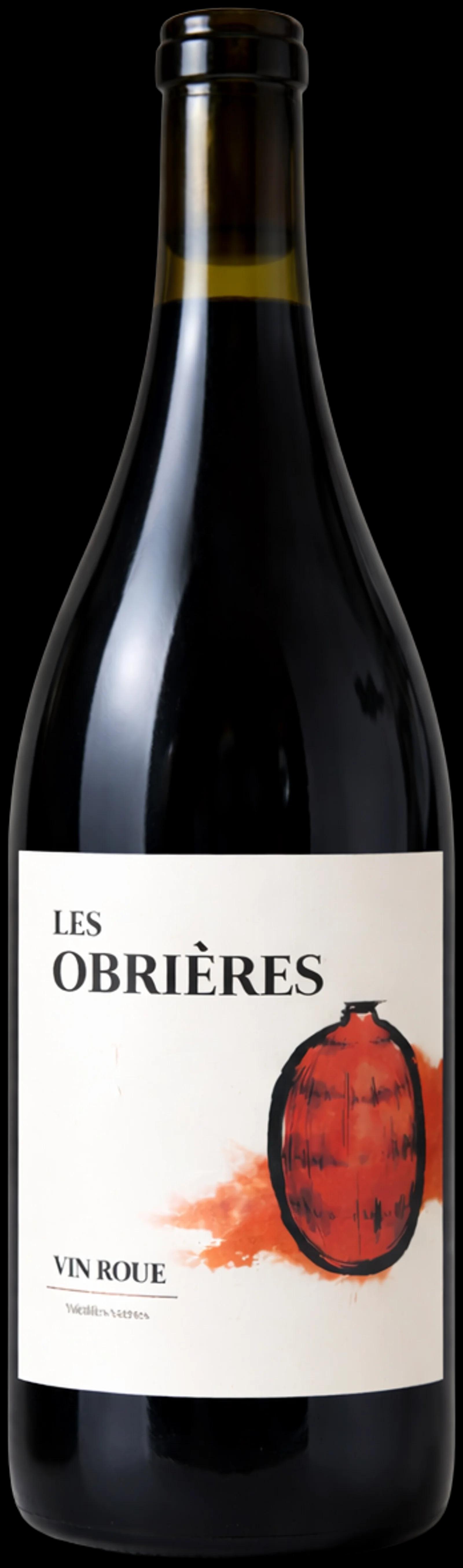
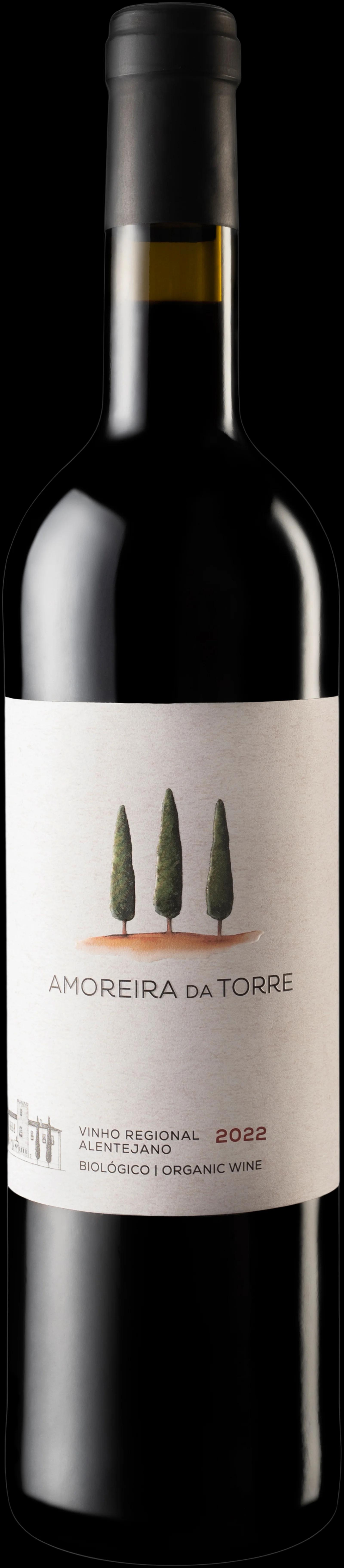
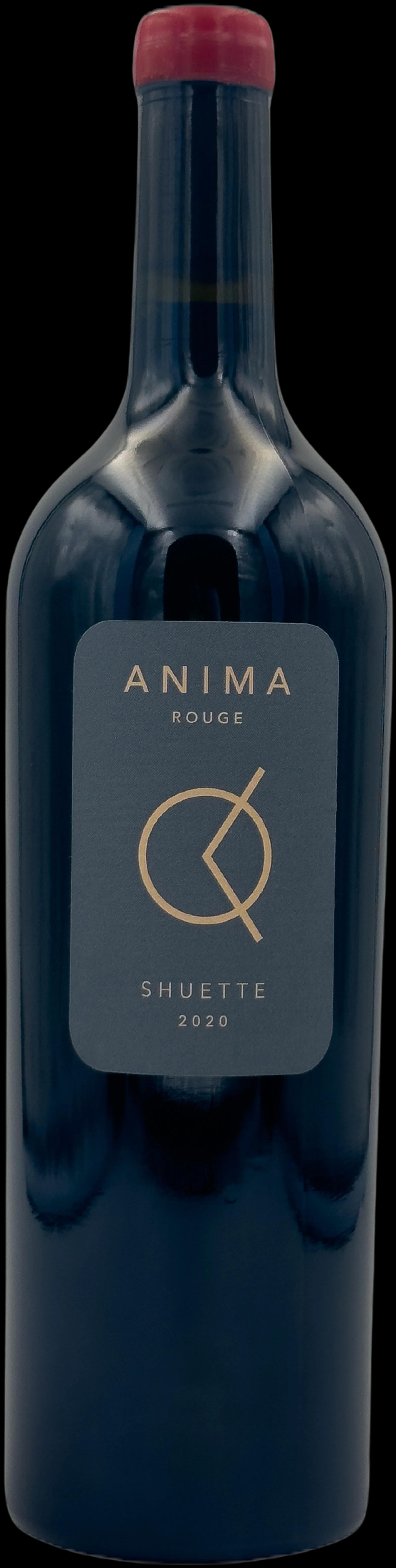
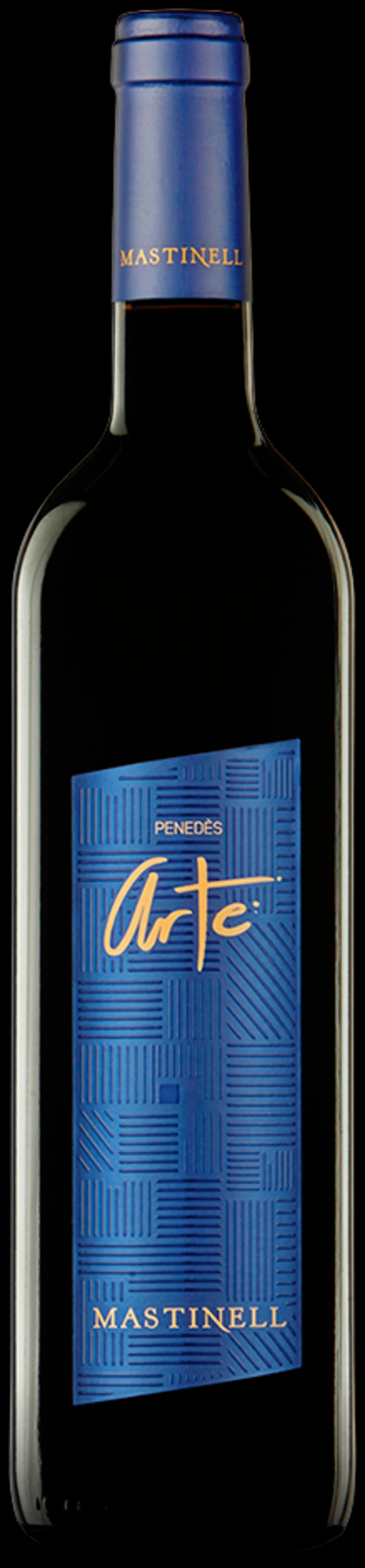
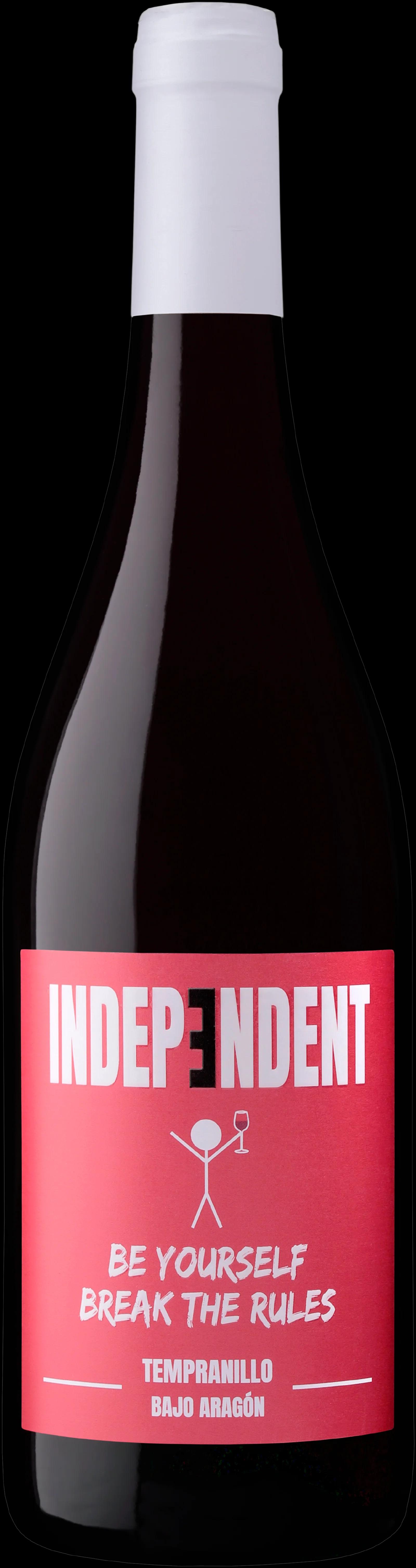
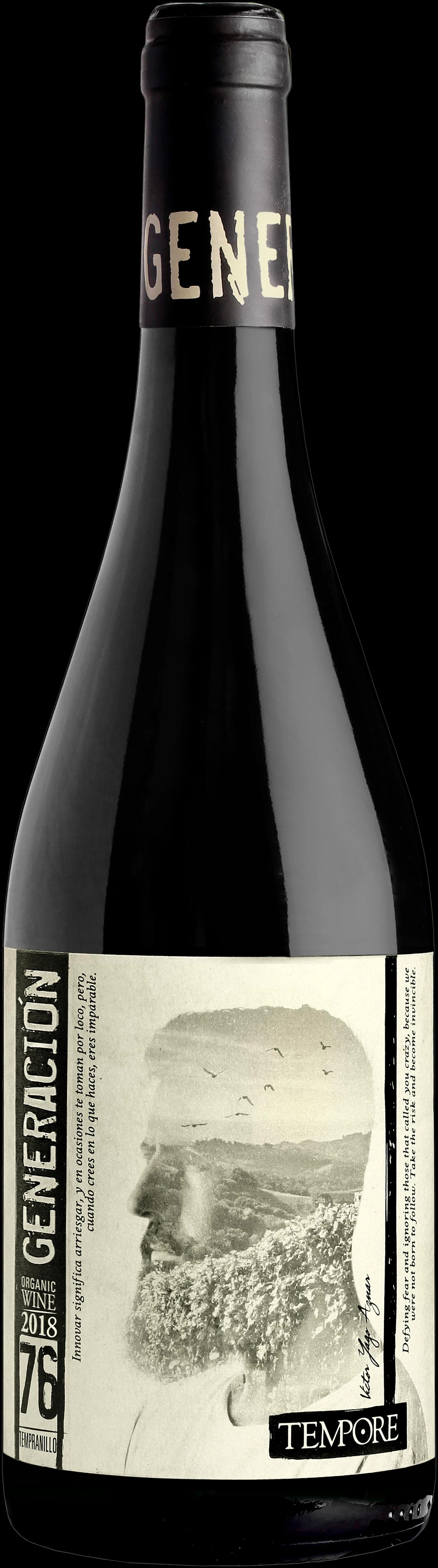
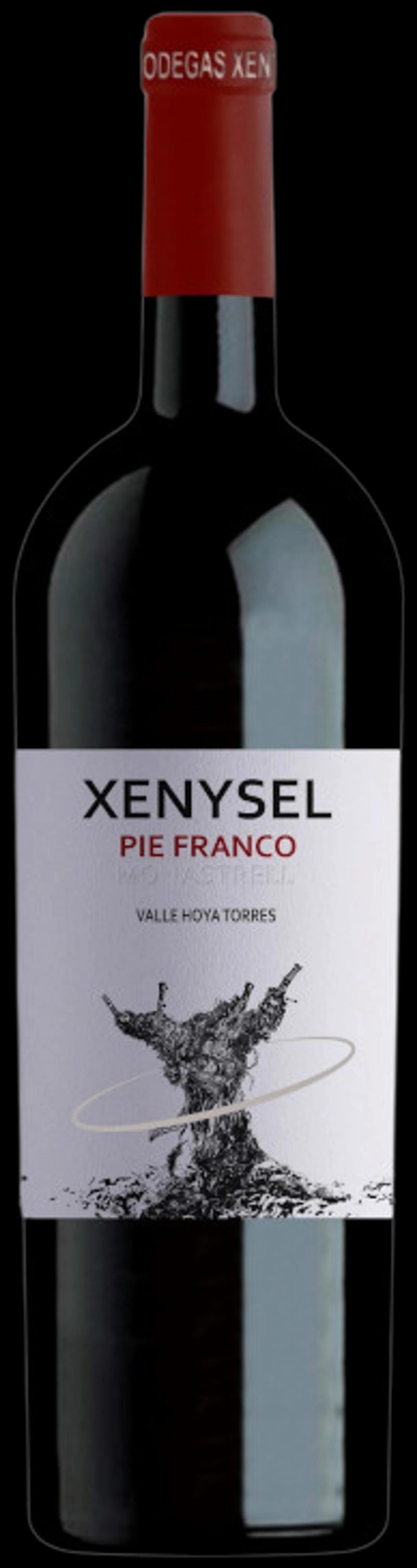
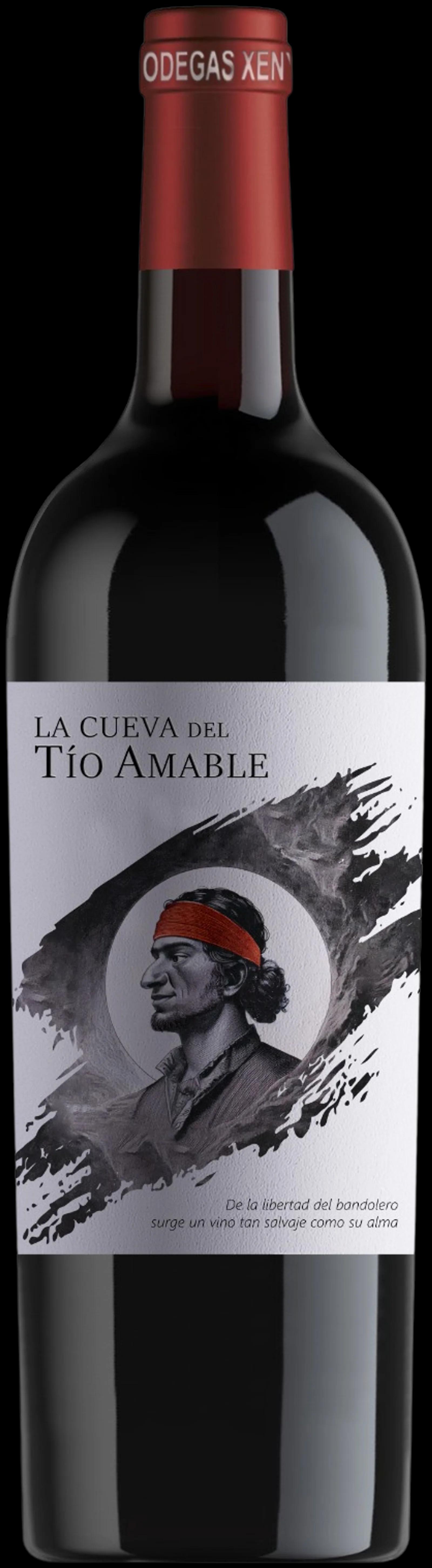
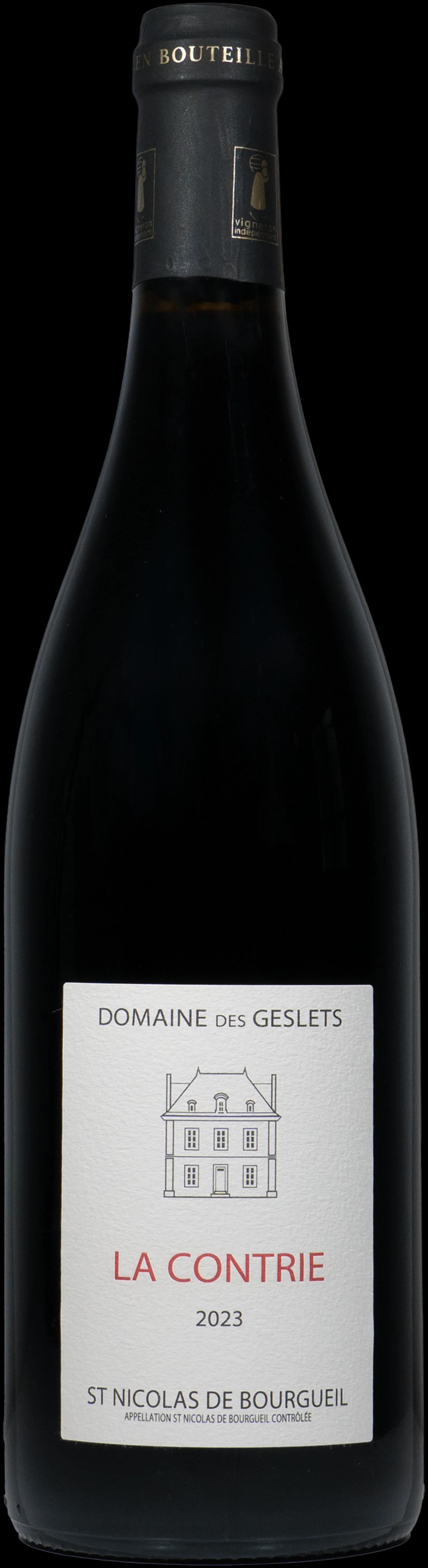
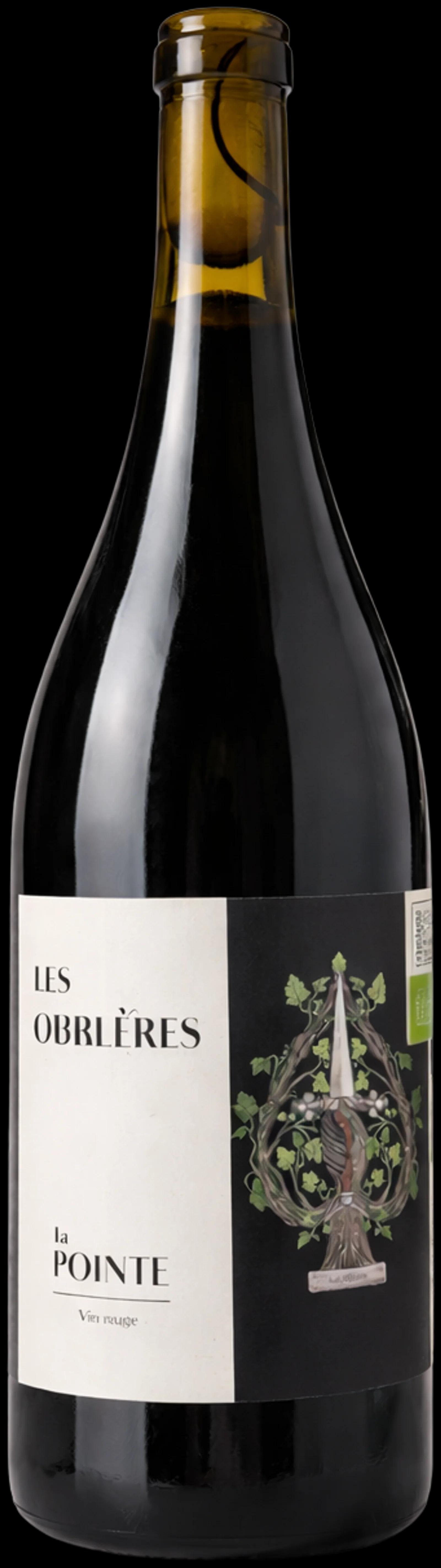
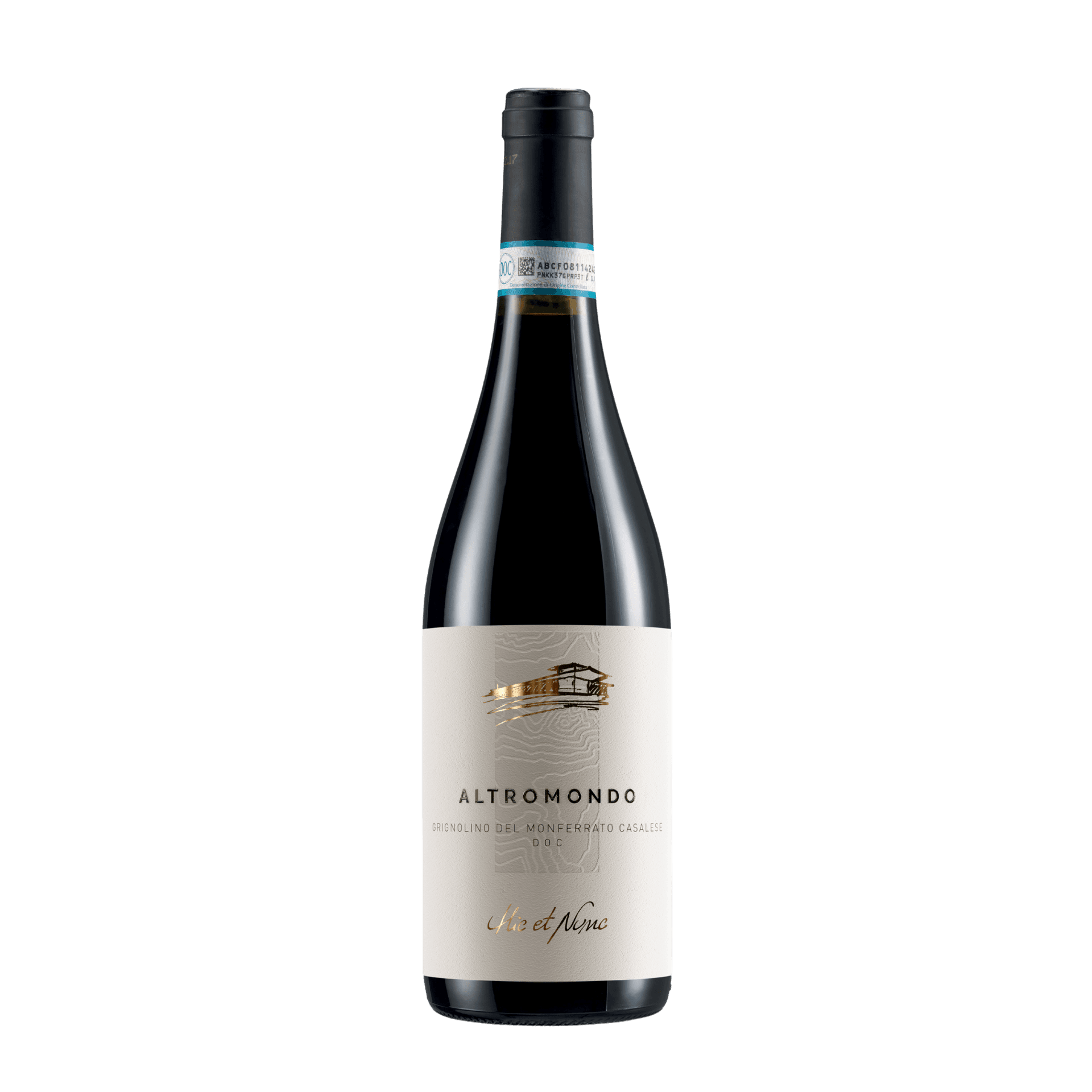
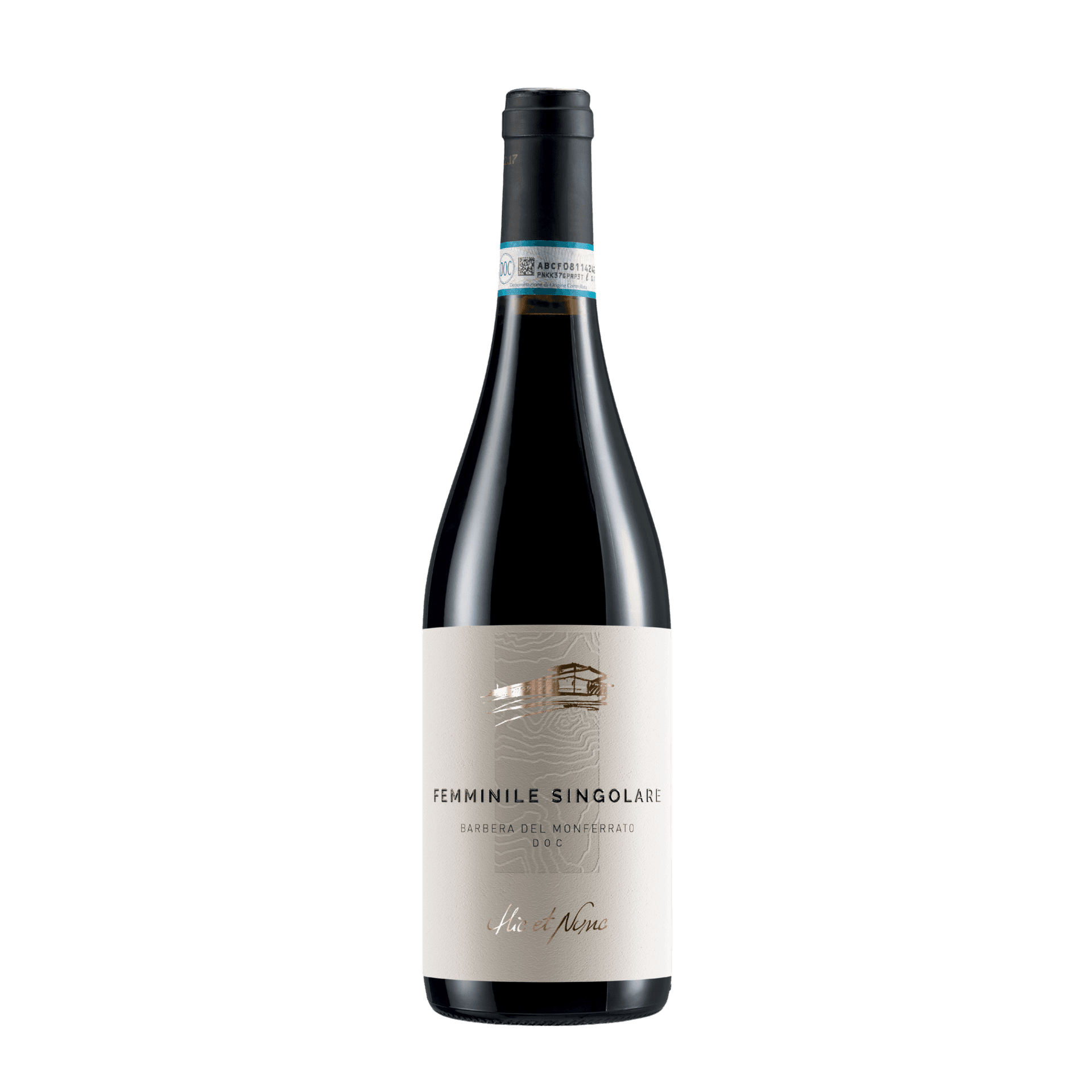
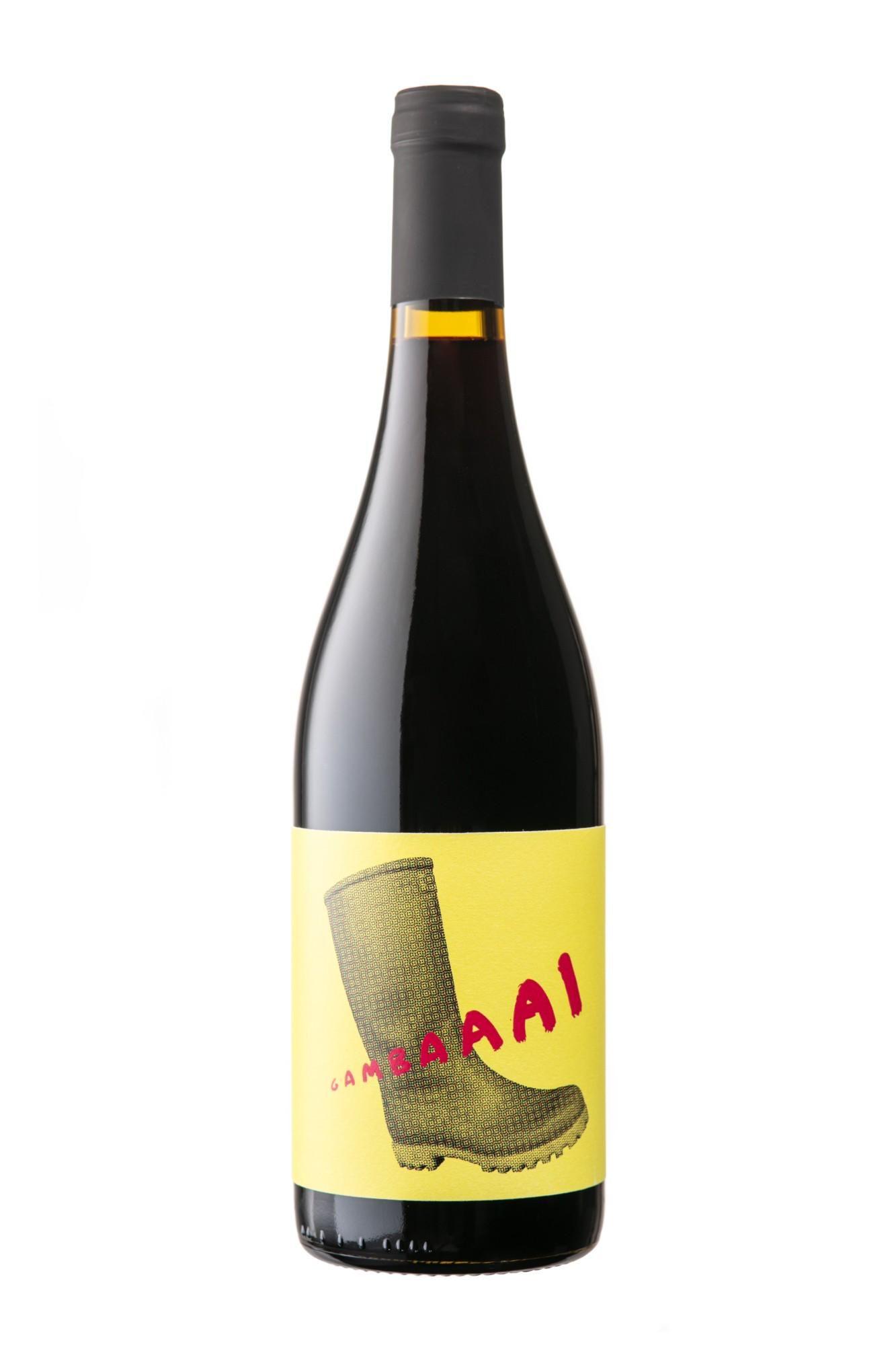
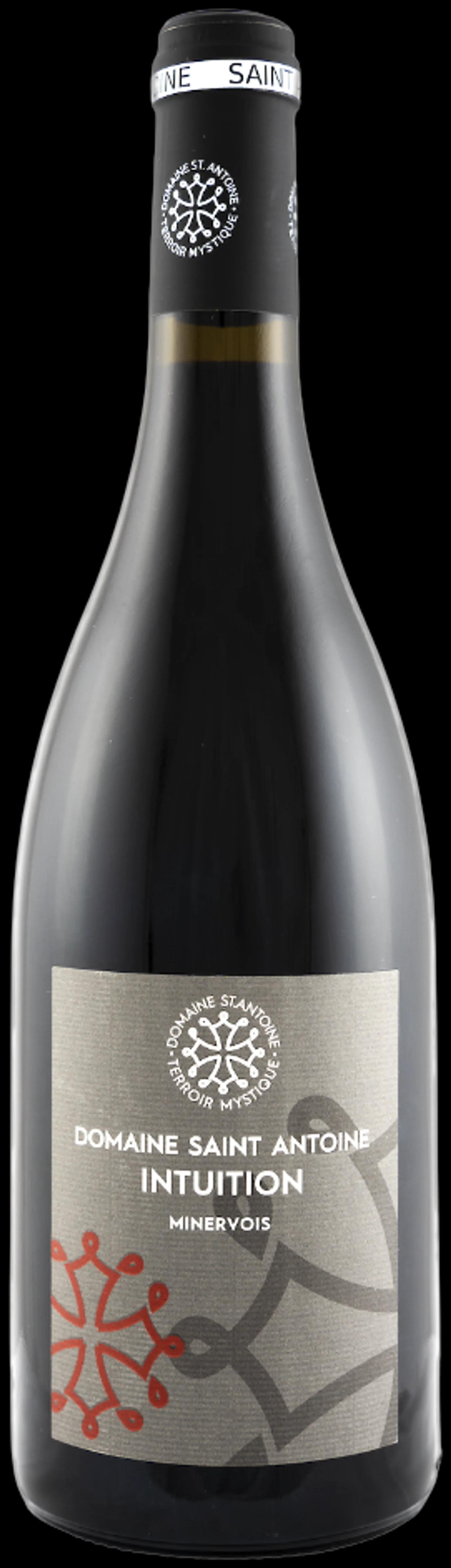
Signature grapes for red wine
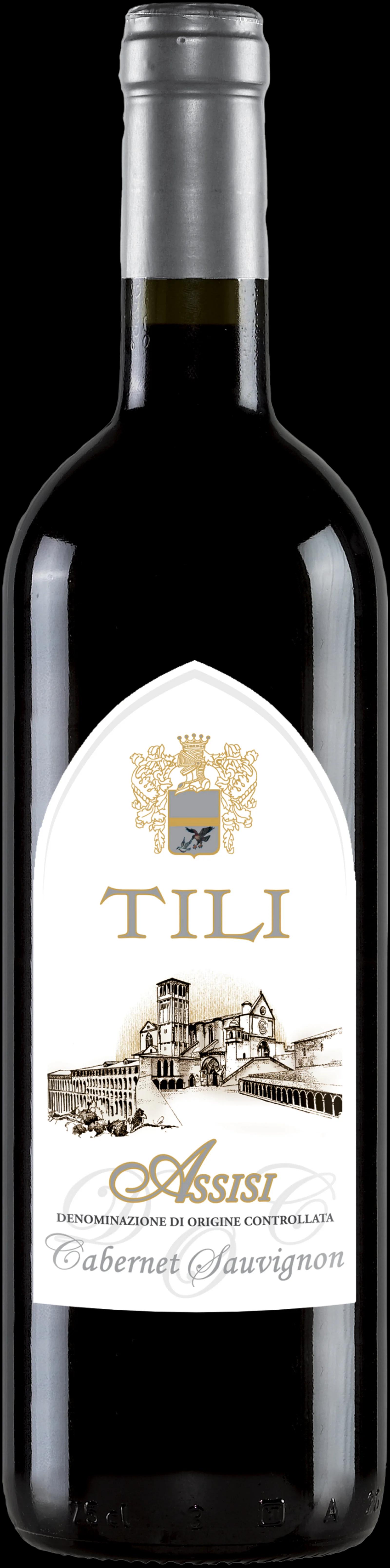
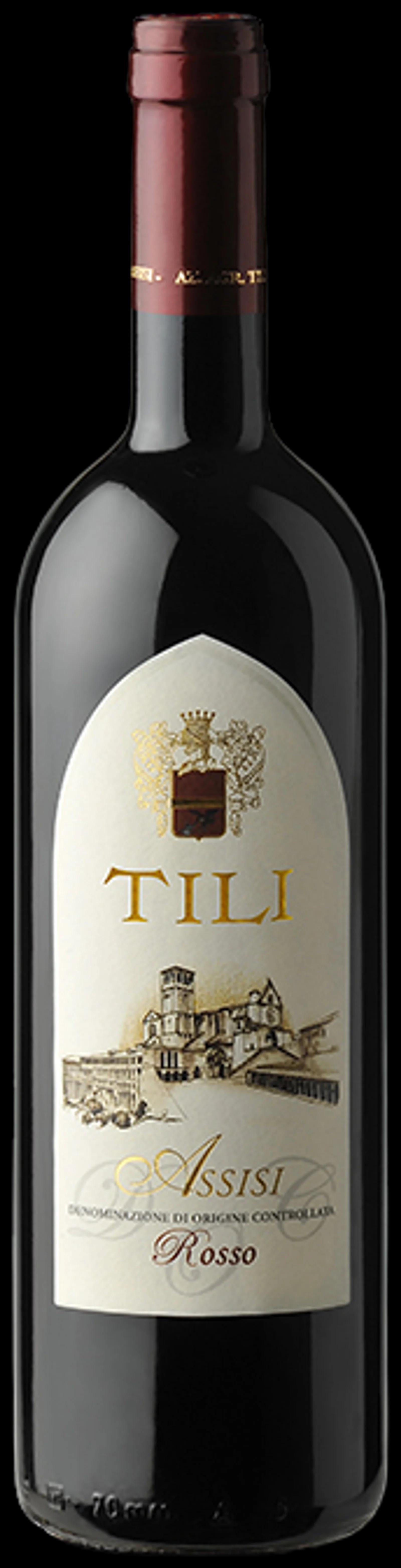
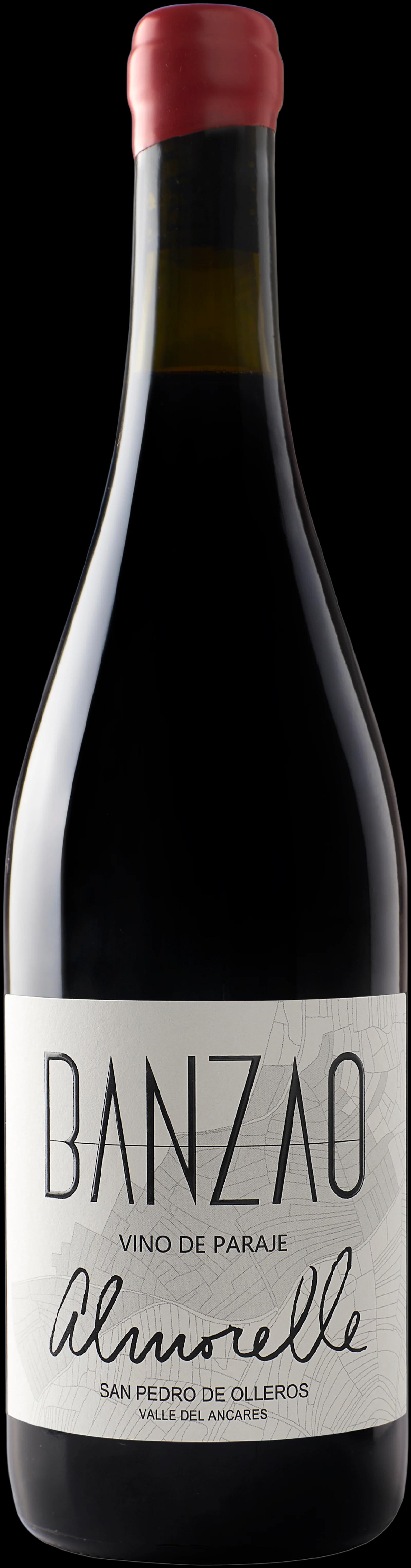
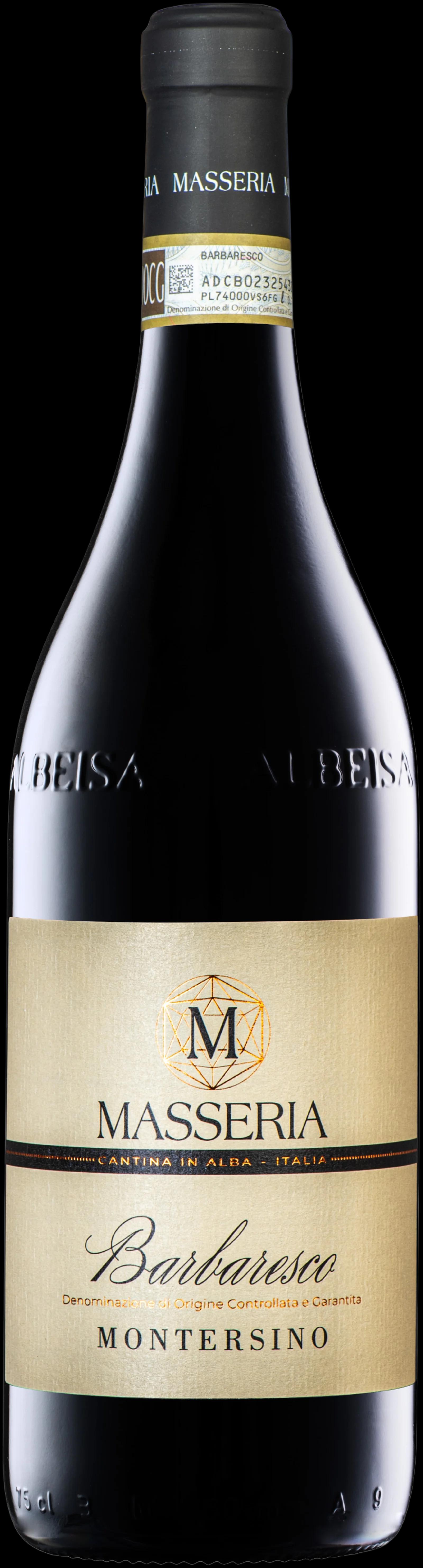
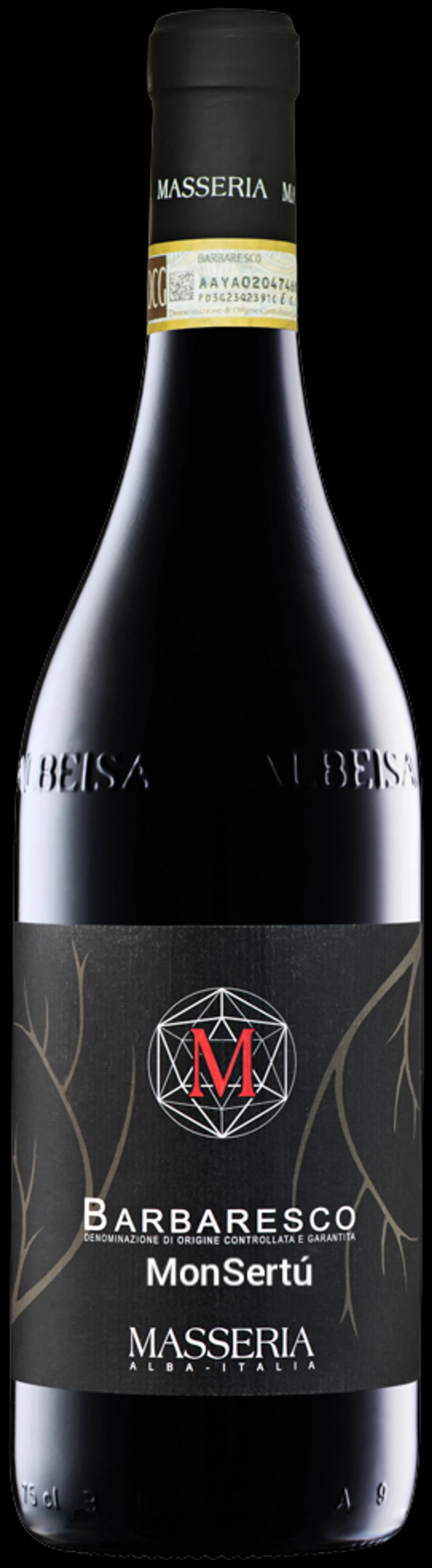
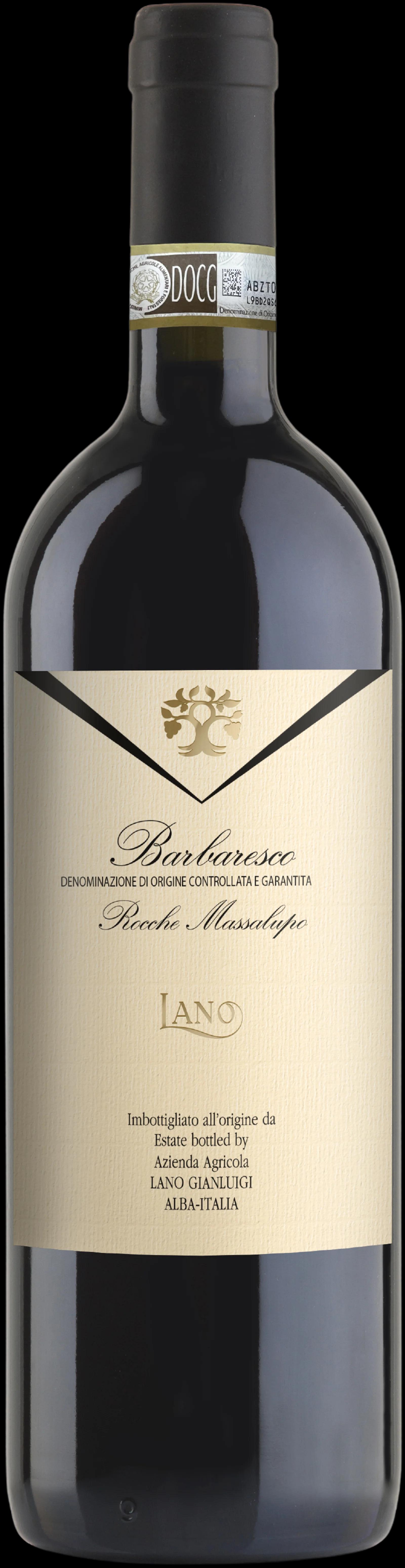
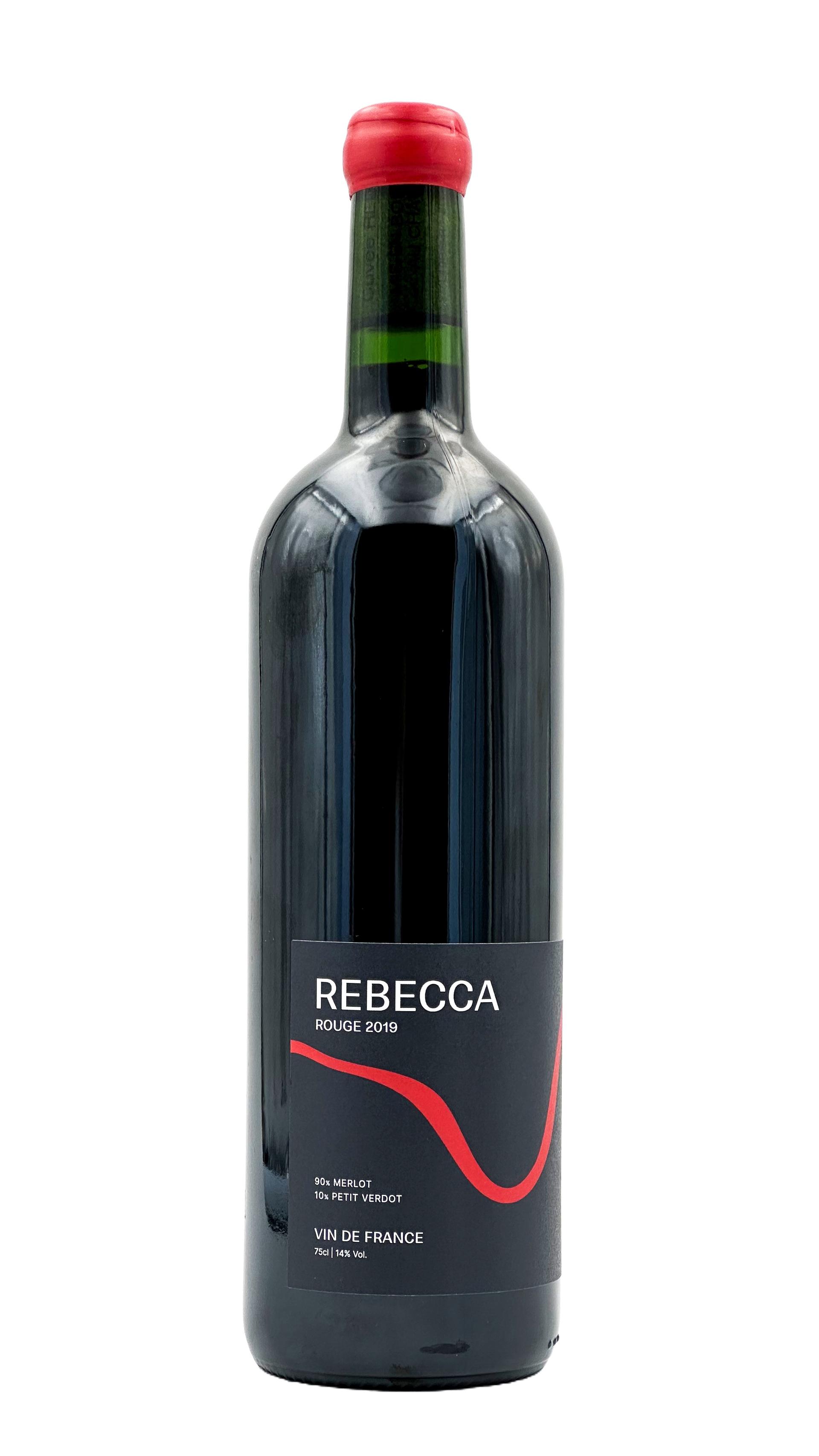
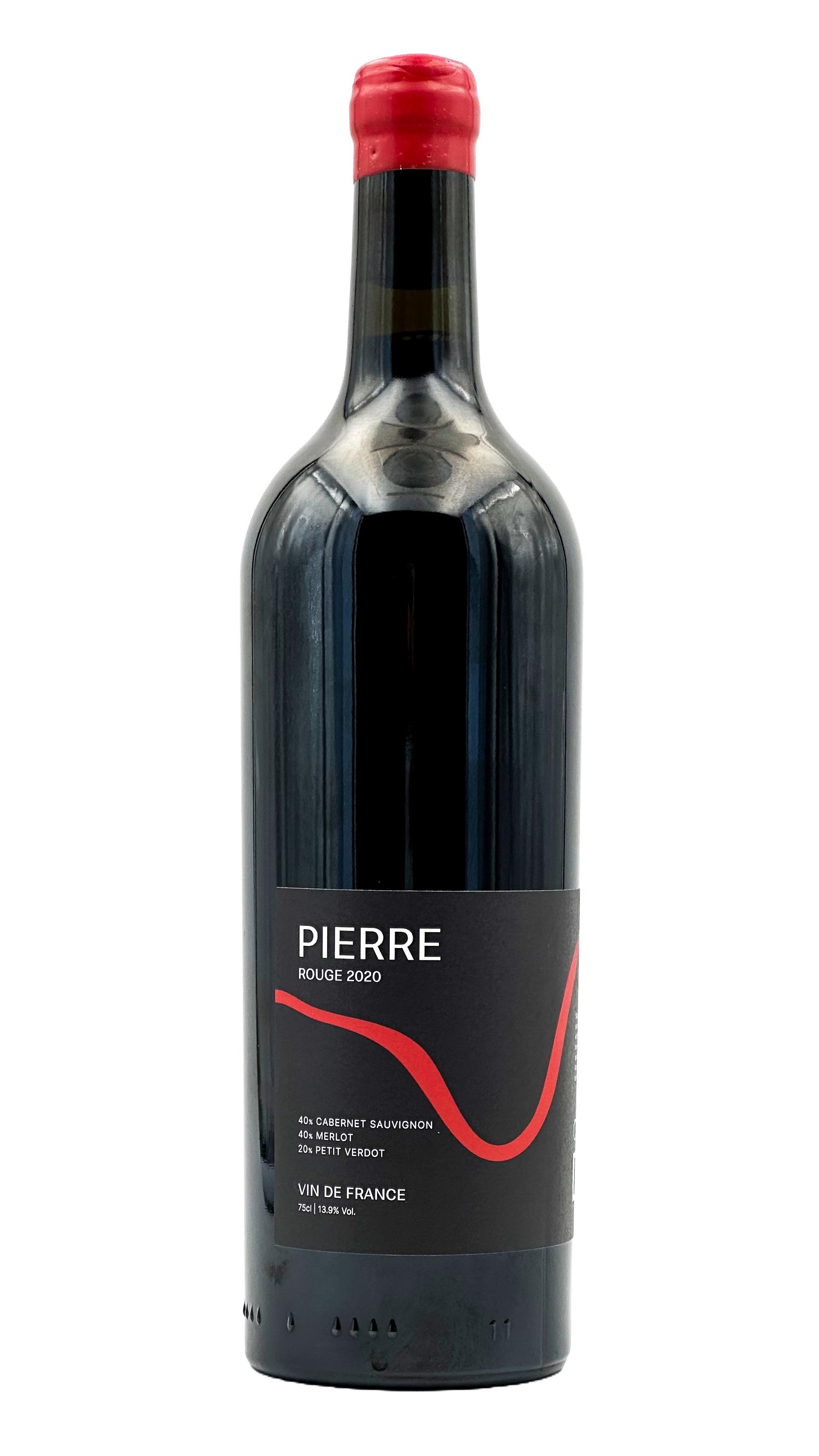
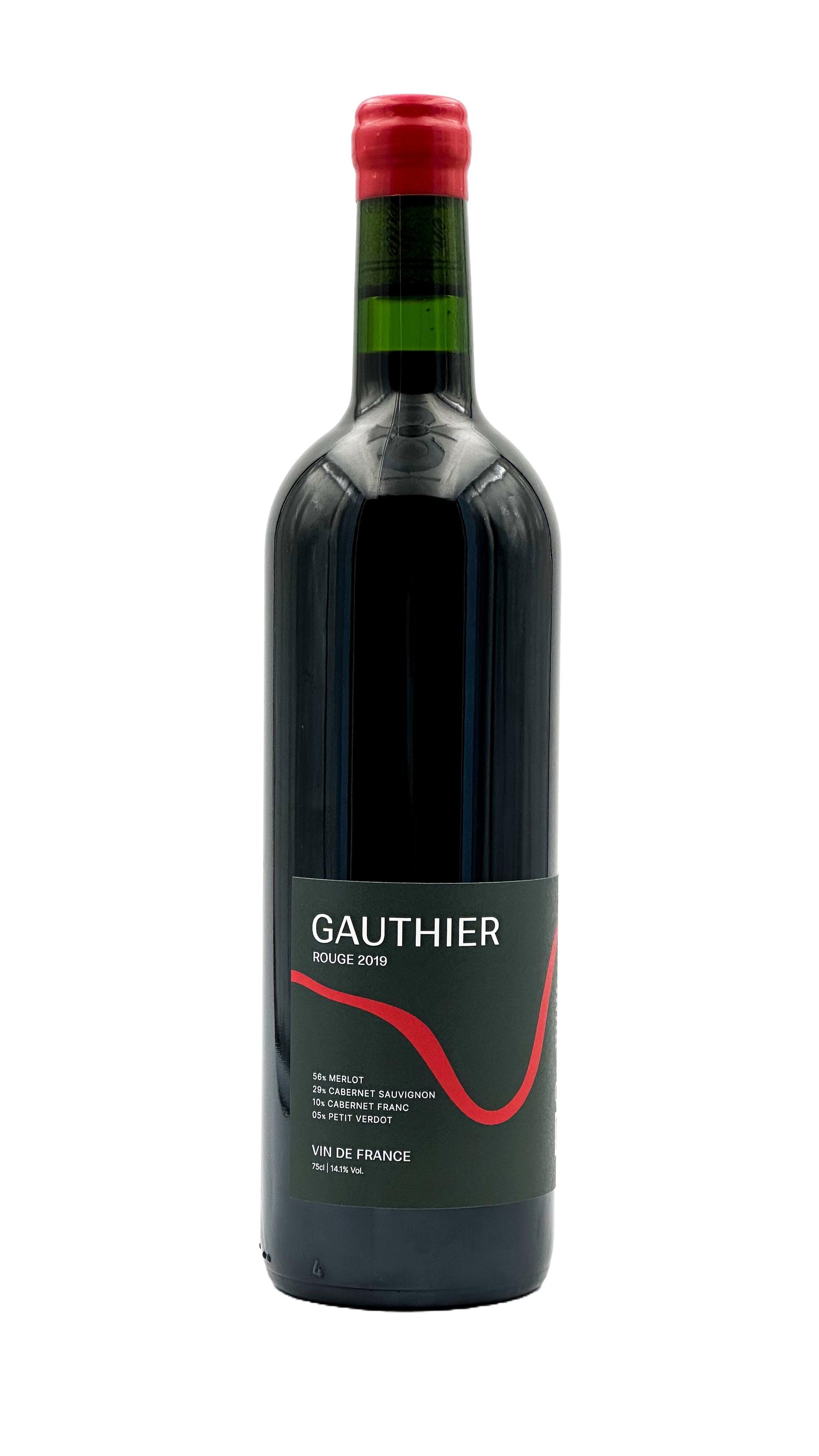
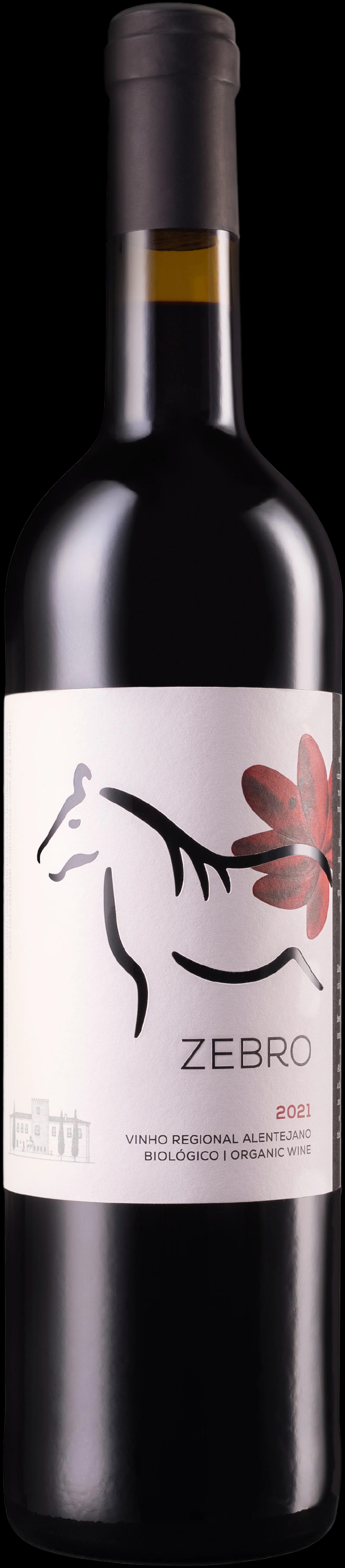
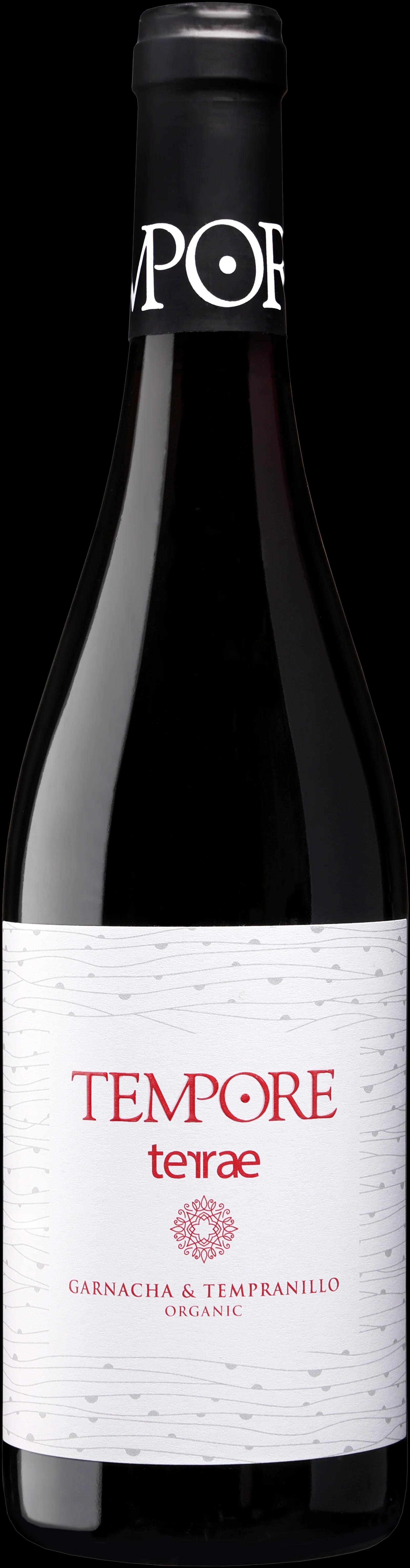
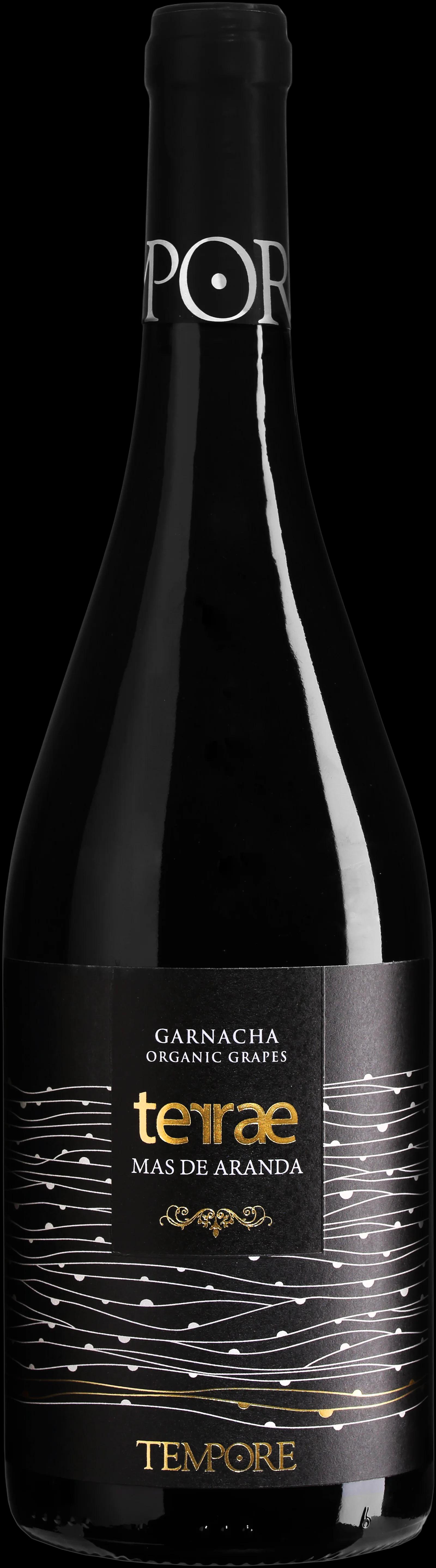
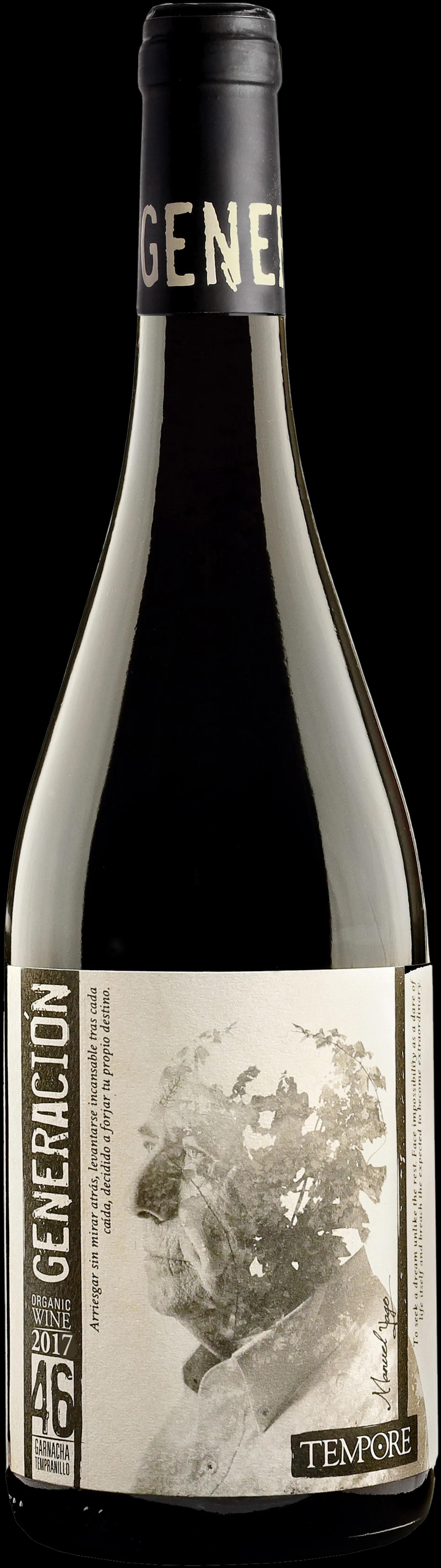
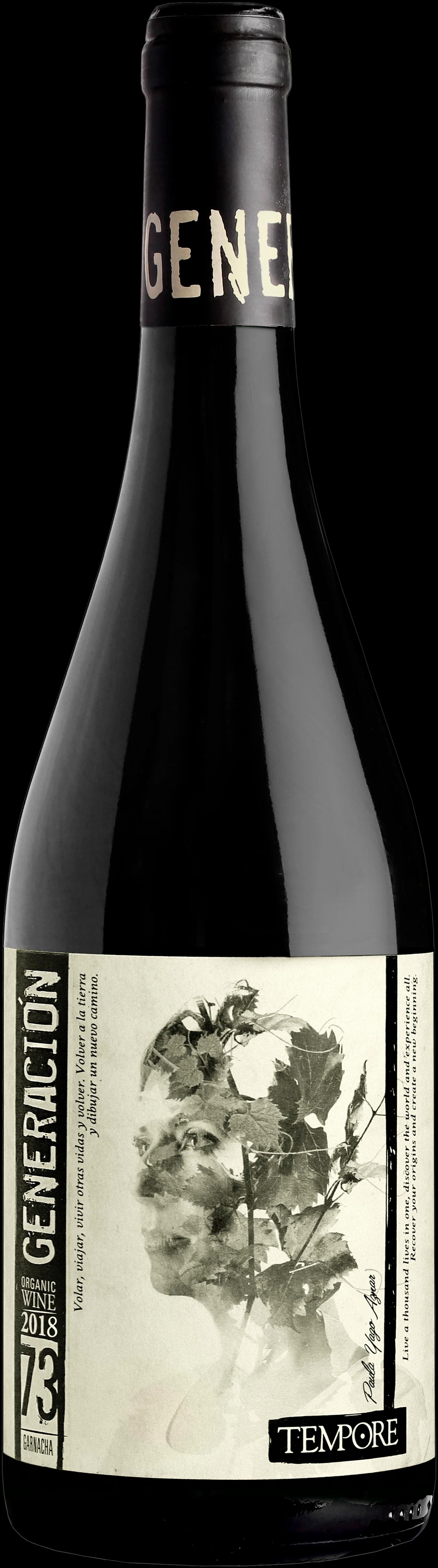
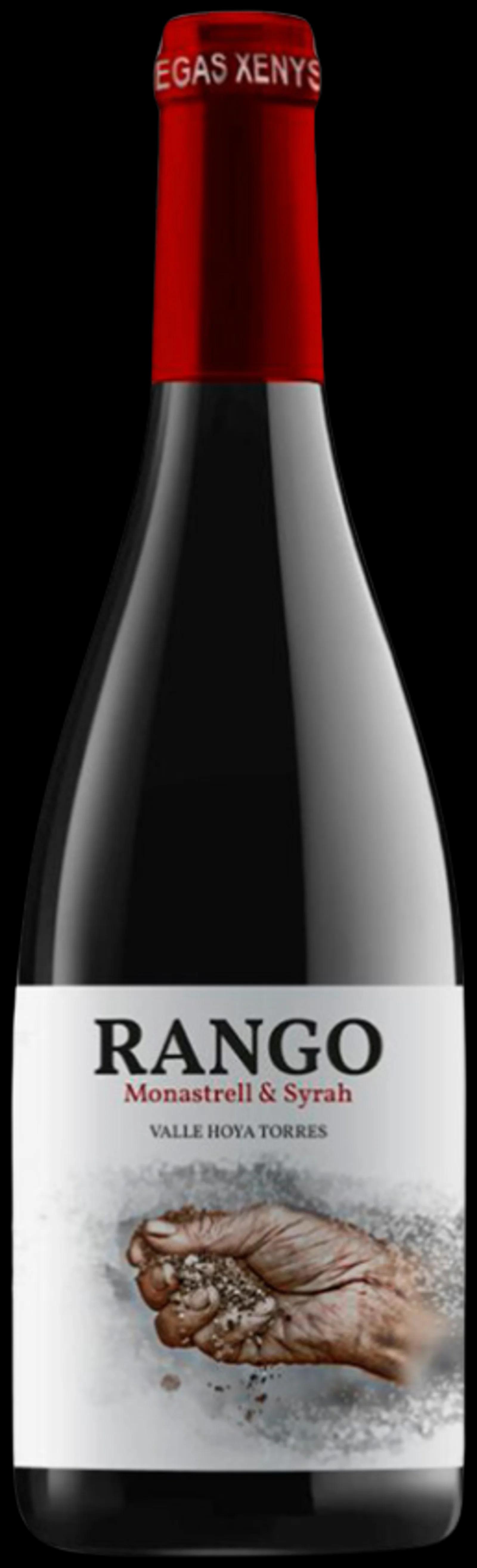
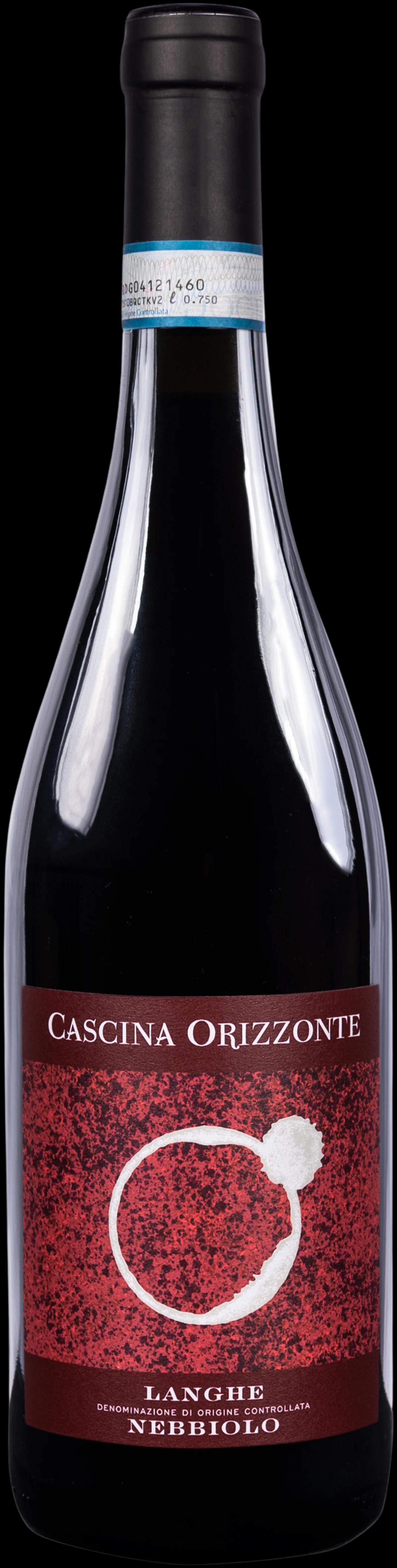
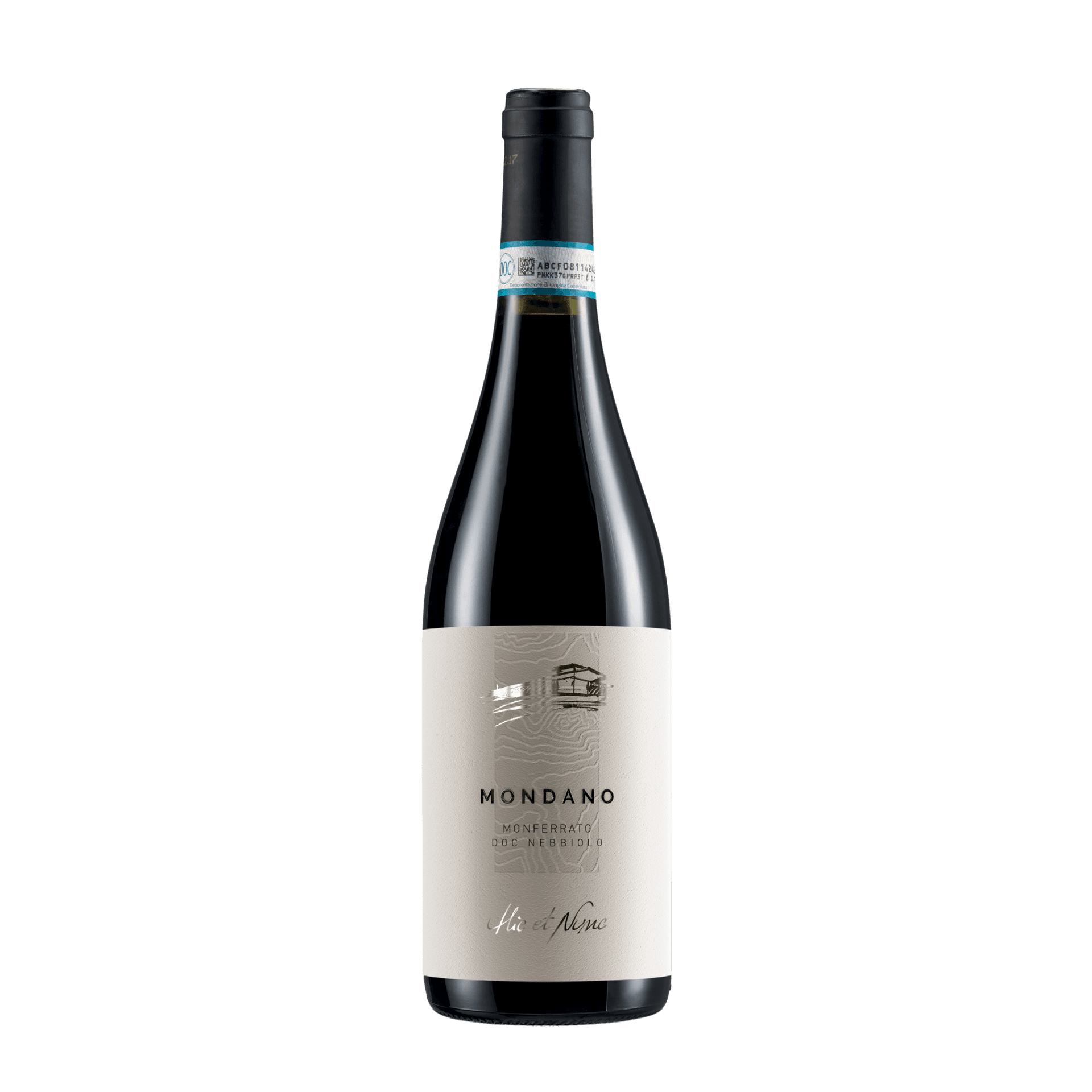
Red wine is built on tannin, acidity, and pigment — all extracted from grape skins during fermentation. The grape determines the structural baseline. Nebbiolo in Piedmont produces wines with high acid, firm tannin, and a transparency of color that misleads: these are among the most structured reds in Europe and can age for 20 years or more. Sangiovese anchors Tuscany, ranging from approachable Morellino to the tannic density of a long-aged Brunello. In France, Pinot Noir defines Burgundy — thin-skinned, pale, and built on acidity rather than tannin. Syrah takes two forms: the savory, peppery style of the northern Rhône Valley and the riper, fuller expressions further south. Grenache rarely works alone — it blends with Syrah and Carignan across Languedoc-Roussillon and with Tempranillo in Spain. In Spain, Tempranillo covers the most ground, from the oak-driven reds of Rioja to the more restrained styles coming out of Castile and León. Garnacha is Grenache under a different name, planted deep in Aragonese hillsides and giving old-vine wines of concentration and breadth. In Sicily, Nero d'Avola produces dense, warm-climate reds with ripe structure; in the south of Italy, Monastrell crosses into Murcia in Spain and performs at lower yields than most grapes can tolerate in that heat.
Regions known for red wine
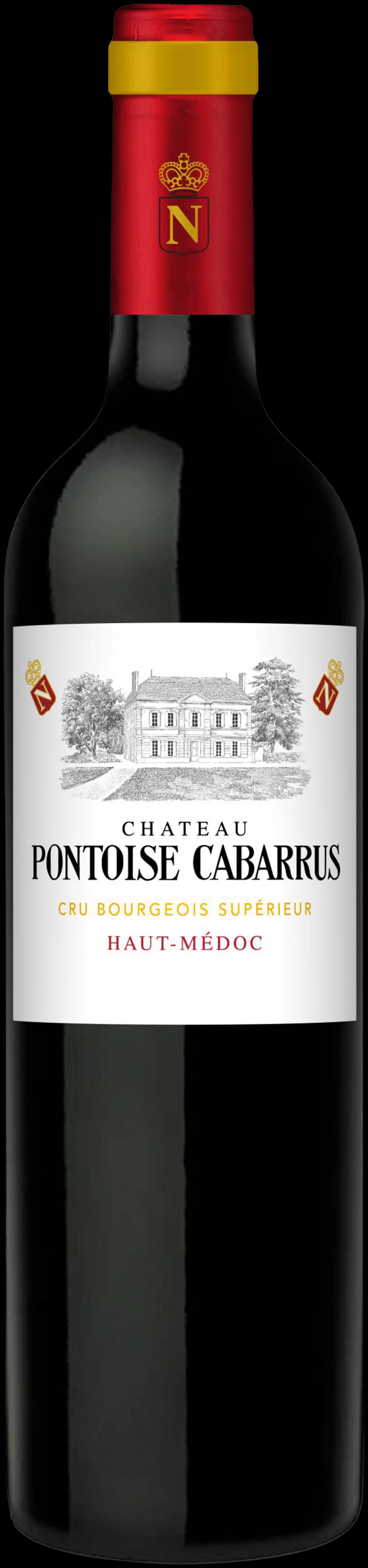
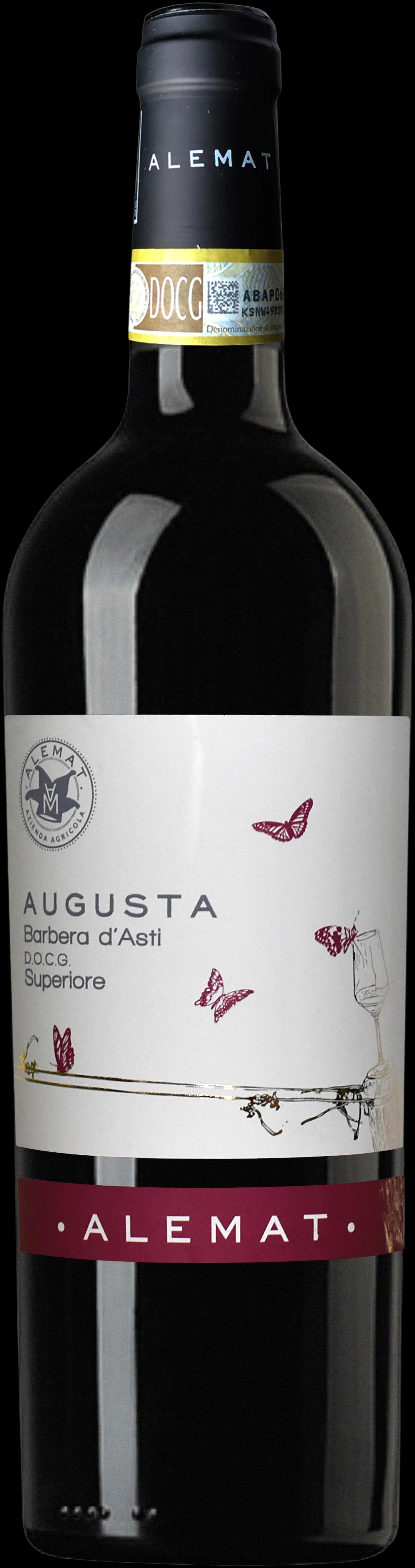
Europe's red wine map is not organized by prestige — it is organized by climate, soil, and the decisions producers made over generations. Bordeaux operates on a château classification system last revised in 1855, blending Cabernet Sauvignon, Merlot, Cabernet Franc, and Petit Verdot in proportions that shift by vintage and by bank of the Gironde. Burgundy works differently: single-vineyard Pinot Noir from plots that may be fractions of a hectare, classified into village, premier cru, and grand cru, where the same grape expresses entirely different structure depending on which side of a path it is planted on. Piedmont produces Barolo and Barbaresco from Nebbiolo on calcarite-rich Langhe hills — wines legally required to age a minimum of 38 months before release for Barolo, 26 for Barbaresco. Tuscany spans the Chianti Classico zone, Montalcino, Montepulciano, and the Maremma coast, all anchored by Sangiovese. Rioja divides production by aging category: Joven (no minimum oak), Crianza (minimum 2 years, 1 in oak), Reserva (3 years, 1 in oak), and Gran Reserva (5 years, 2 in oak). The southern Rhône Valley allows up to 18 different grape varieties in a single Châteauneuf-du-Pape blend. Languedoc-Roussillon is one of the largest wine regions in the world by area and produces more red wine annually than all of Australia. Independent producers here, working with old-vine Carignan and Grenache, have changed how the region is regarded in the past two decades. Producers on Free Grape Society ship directly from their cellar — not from a warehouse in the Netherlands.
How we choose our red wine producers
Every red wine on Free Grape Society is tasted before it goes live. Samples are sent by the producer; the Head of Product tastes each one before a listing is approved. That applies to the first wine from a new producer and to each new vintage from producers already on the platform. Independent wine experts Rate and Review individual wines on the platform — their assessments are visible on the wine page and on each expert's profile, so the track record is transparent and searchable. Producers list their own wines and set their own prices. Free Grape Society does not act as a buying intermediary, does not take ownership of the stock, and does not mark up between producer and consumer. No importer, no wholesaler. The price you see is the price the producer agreed to. What that means in practice: producers with genuine cellar-door pricing can offer that price here. The red wines from Italy, France, and Spain on this platform include estates that do not sell through conventional retail channels — not because they lack the volume, but because the margin structure of that chain does not work for small-production wines. These are not the wines your supermarket carries. They are the wines your supermarket cannot carry.