Wine regions of Spain
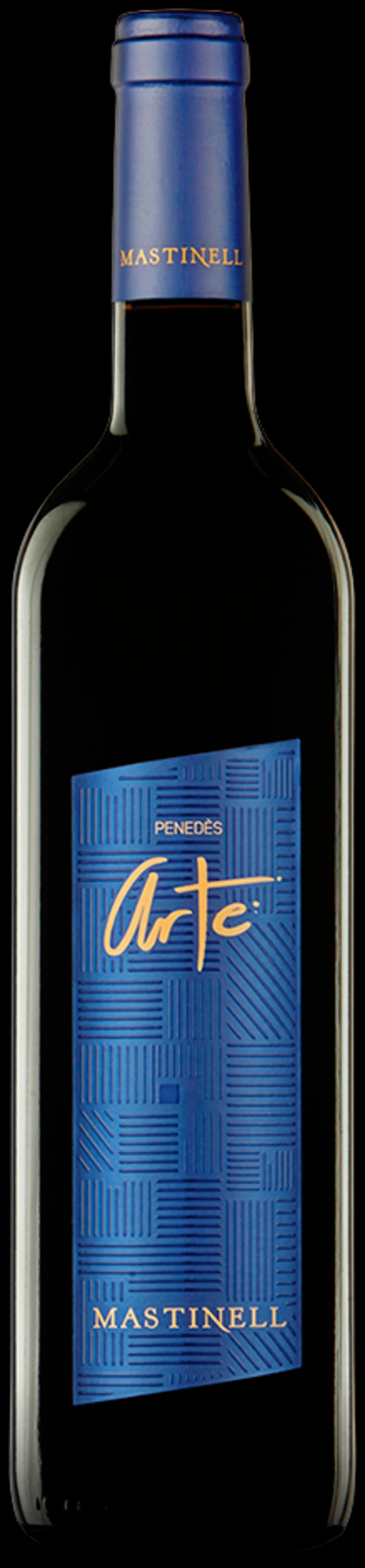
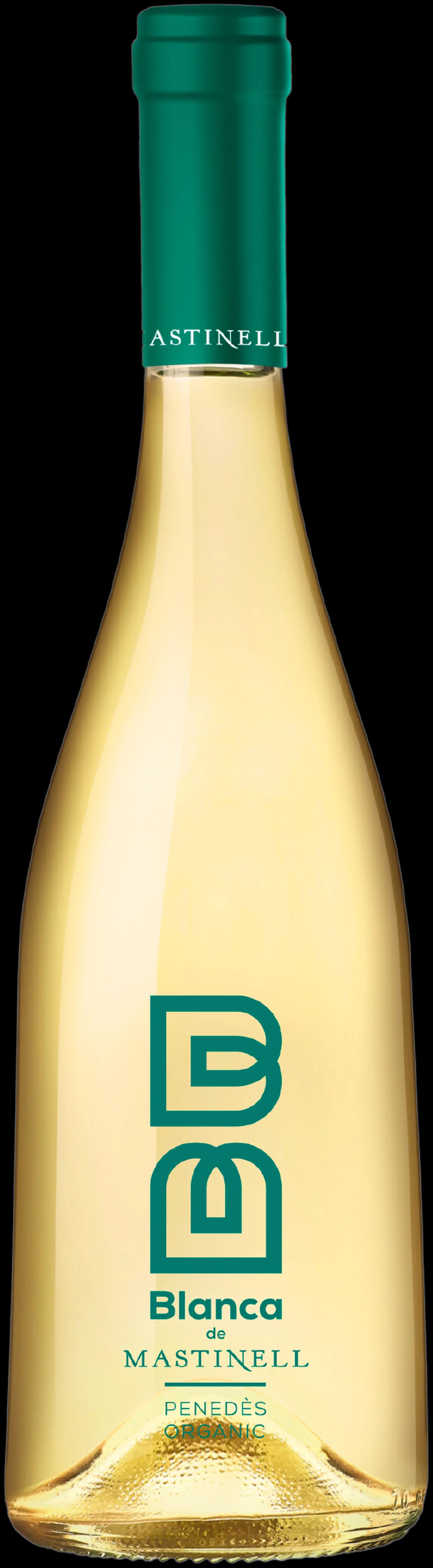
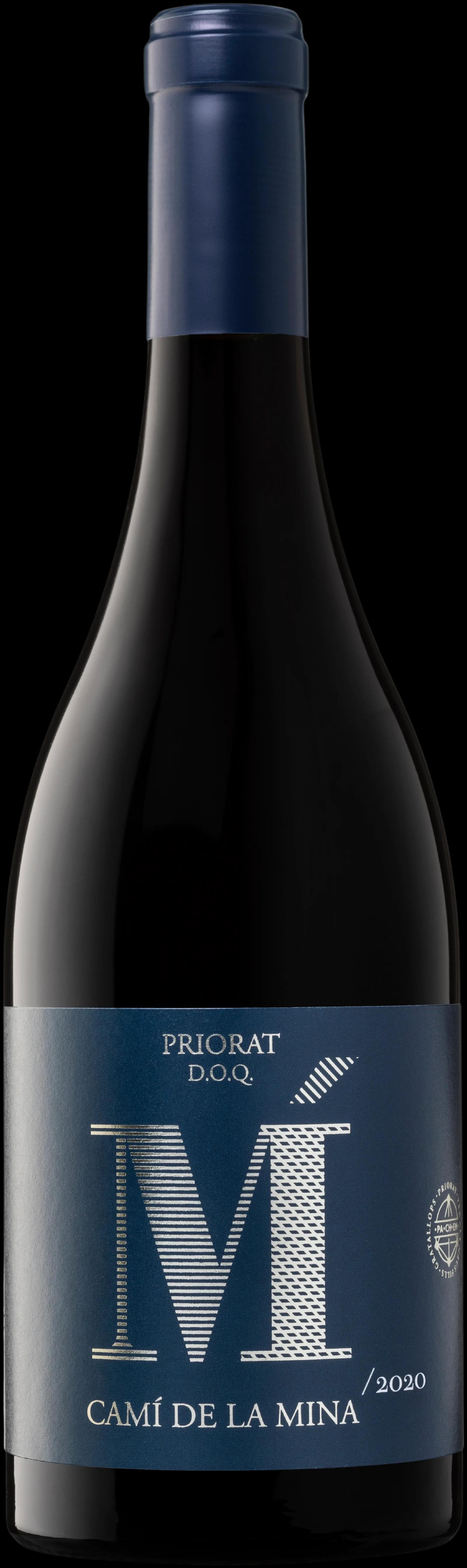
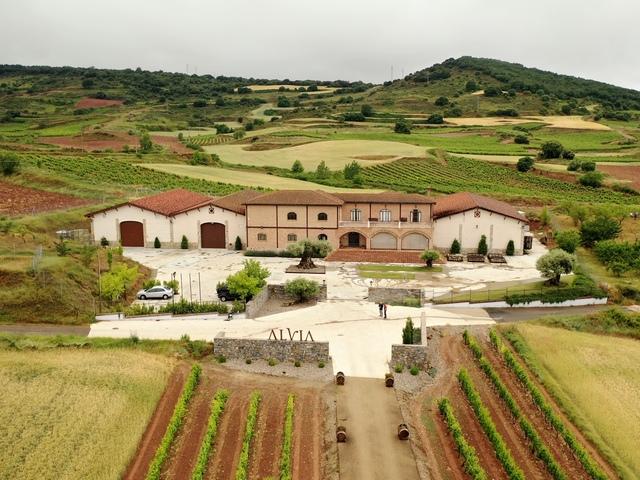
Spain has more land under vine than any other country in the world, yet produces less wine by volume than France or Italy. The difference is density: many Spanish vineyards, especially in Castile-La Mancha and Aragon, are planted at low density on dry-farmed bush vines that yield small quantities of concentrated fruit. Rioja remains the most internationally recognised denomination, divided into three subzones with distinct soil profiles: Rioja Alta, Rioja Alavesa, and Rioja Oriental. Catalonia contains eleven denominations within its borders, from the coast to the high-altitude vineyards inland. In the northwest, Castile and León reaches elevations above 800 metres, producing wines that carry natural acidity unusual for such a warm country. Andalusia in the south is the historic home of Sherry, one of the world's oldest wine styles, built on a system of fractional blending called the solera. Each region legislates its own rules on grape varieties, ageing, and labelling — what appears on a Spanish label is regulated at denomination level, not by a national standard.
Signature grapes from Spain
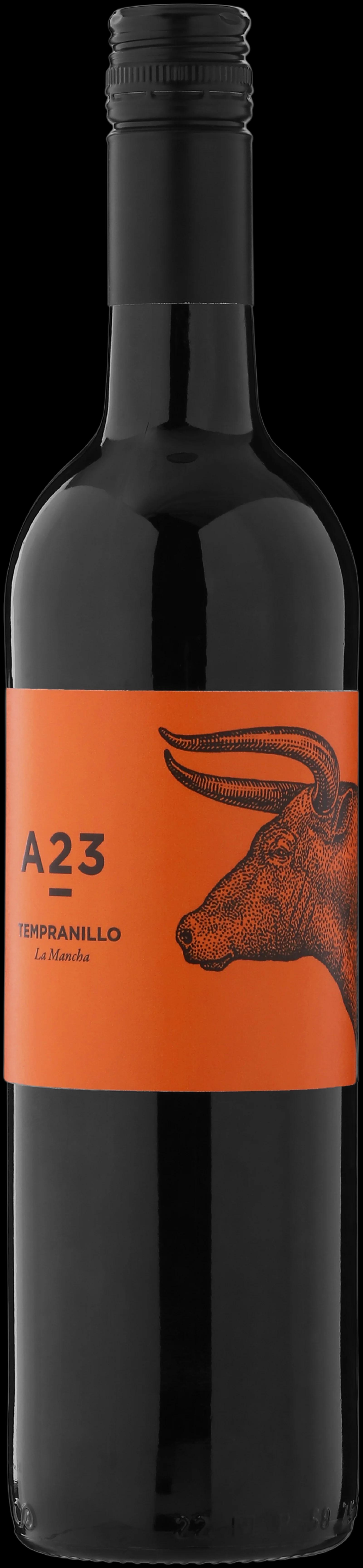
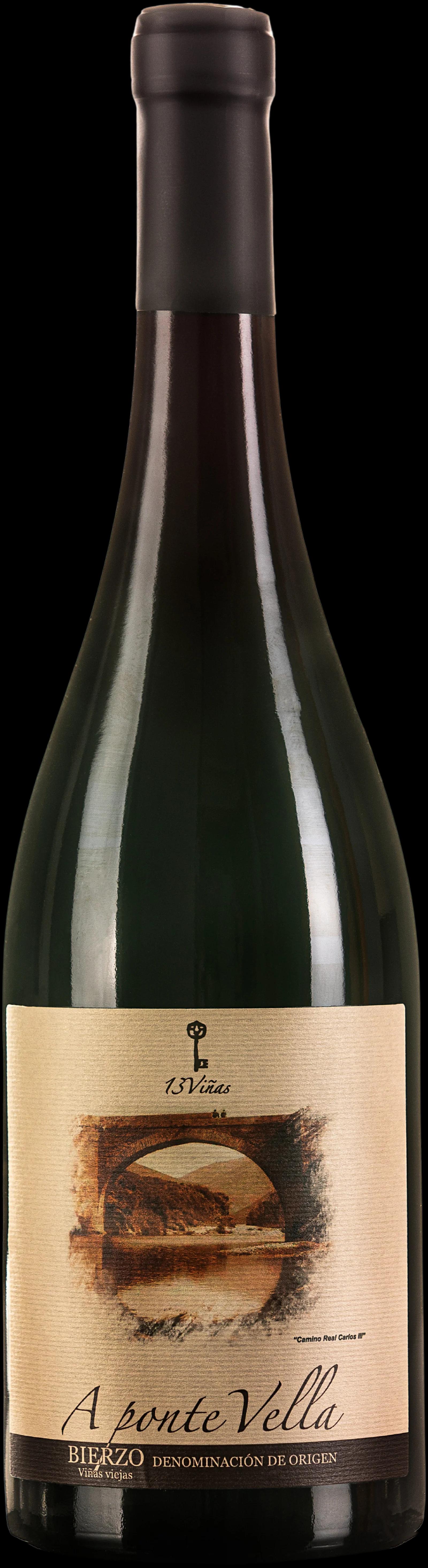
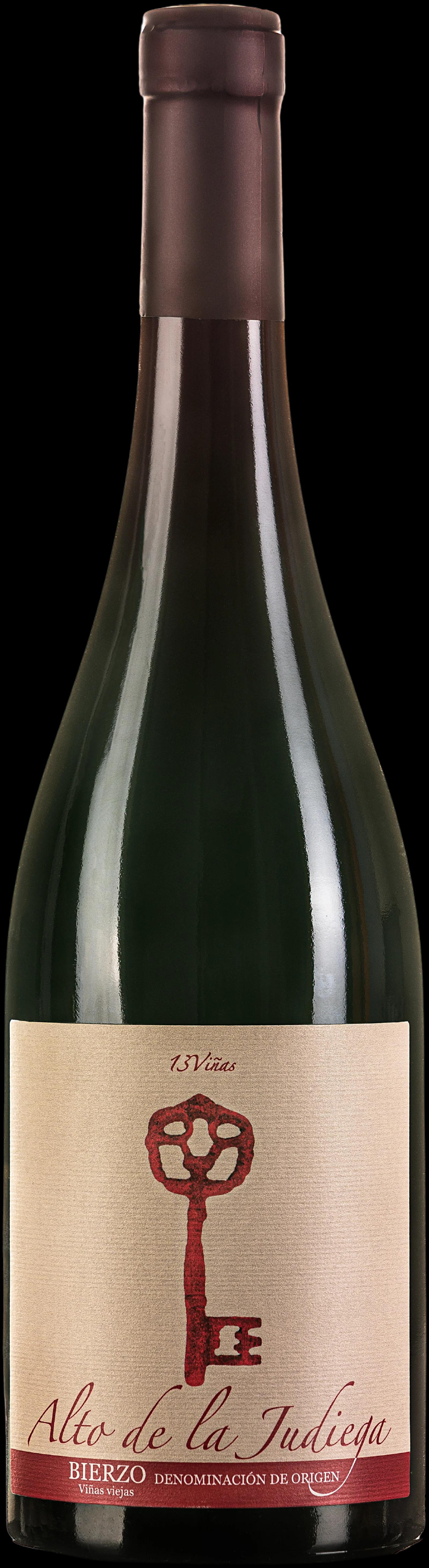
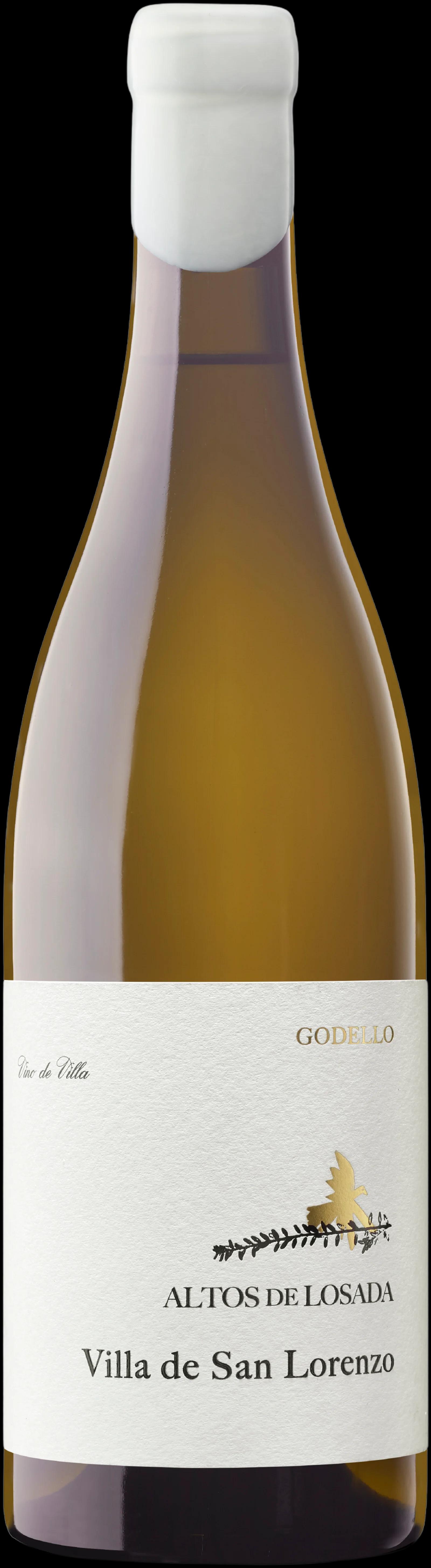
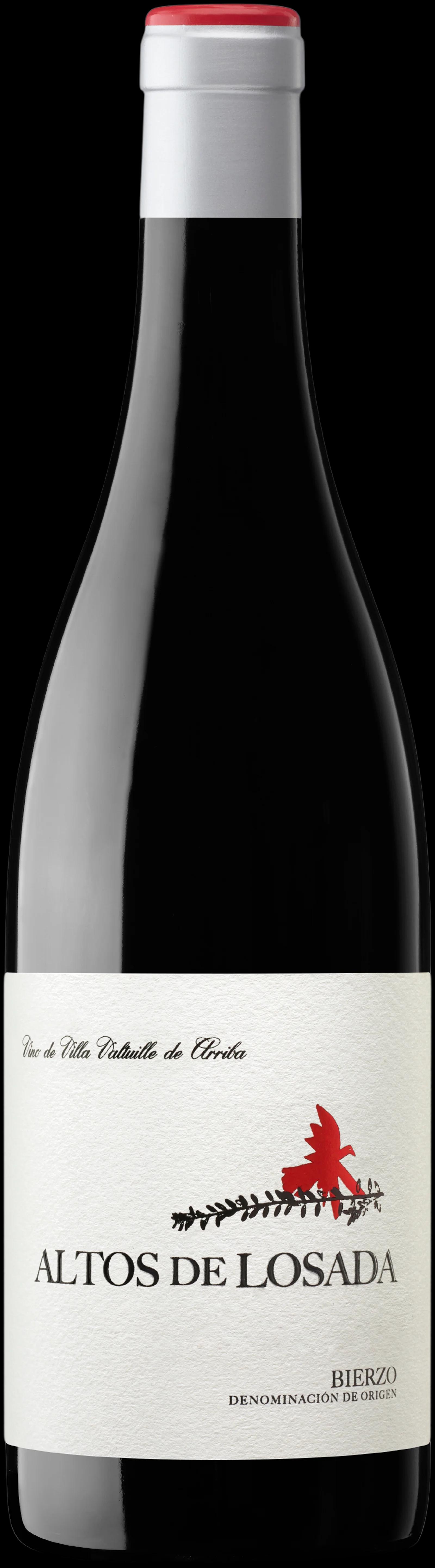
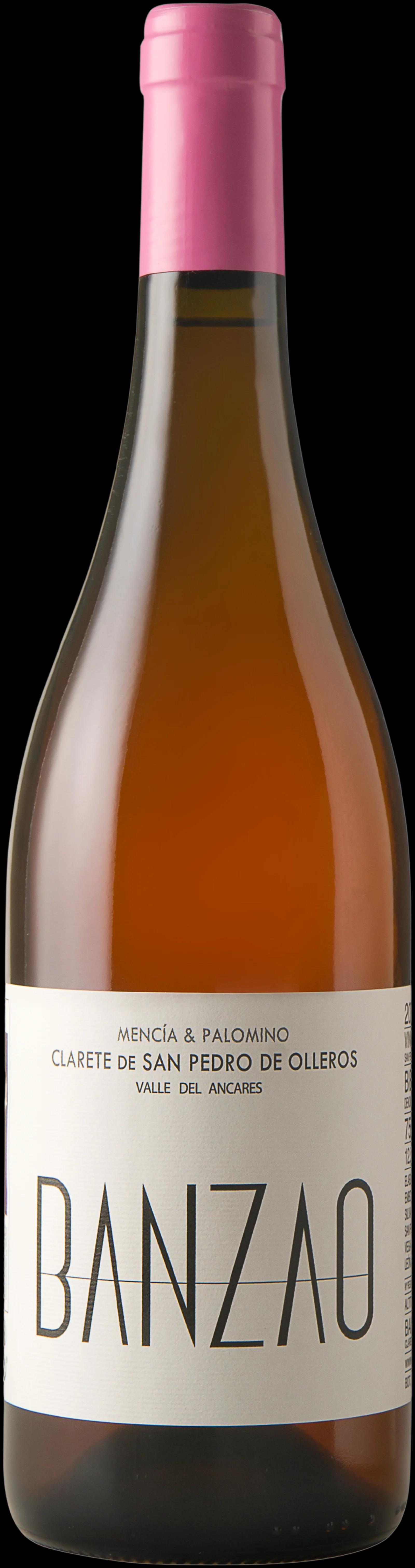
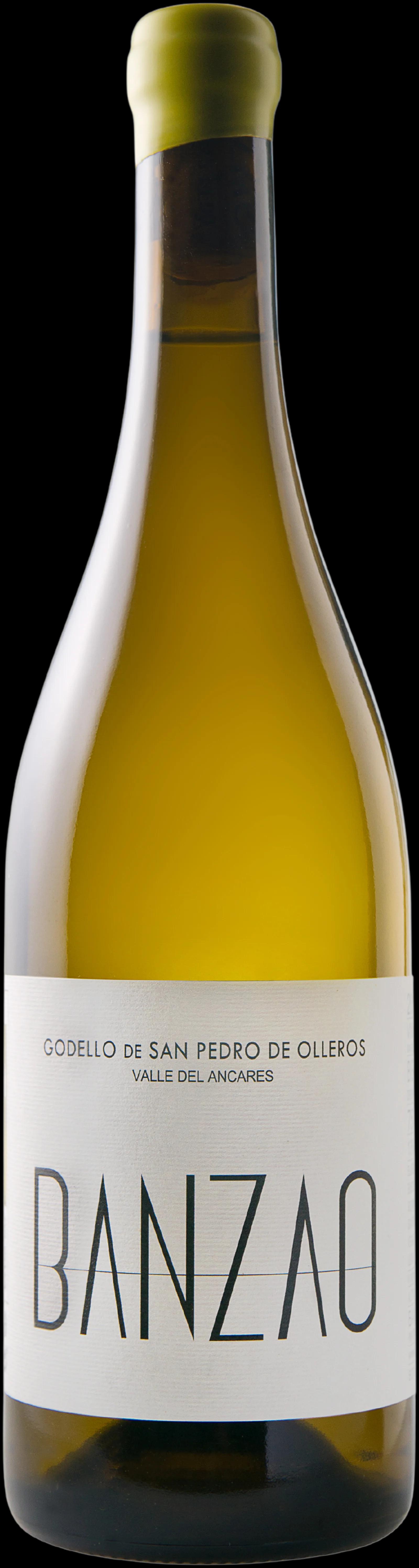
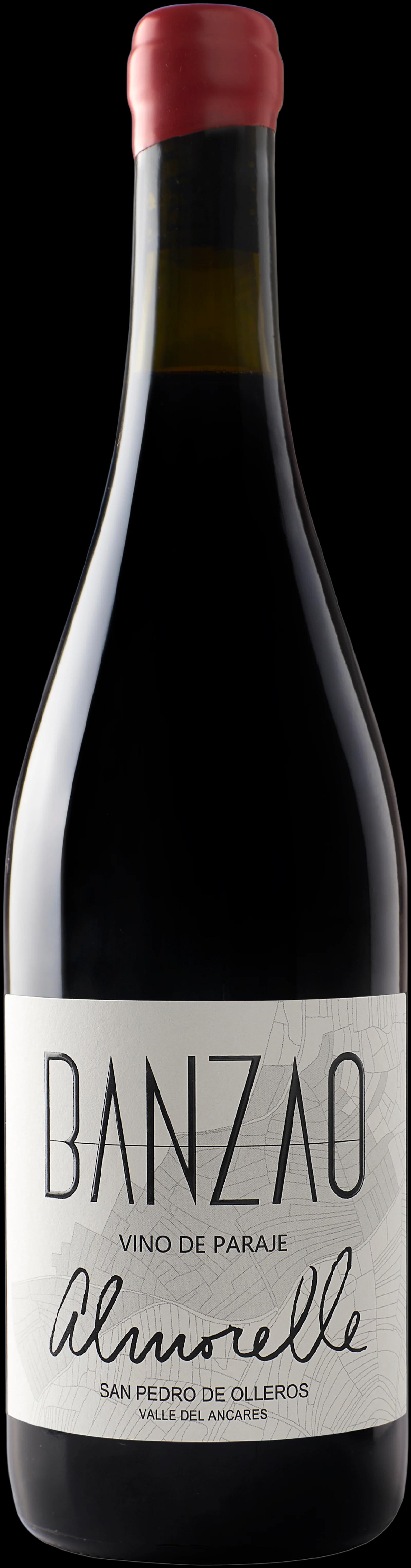
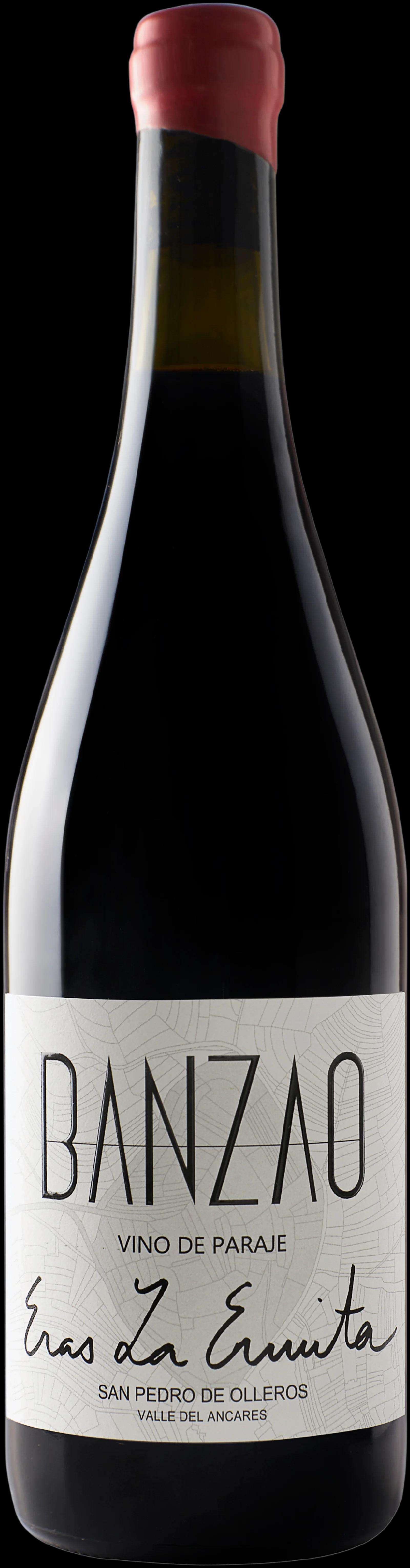
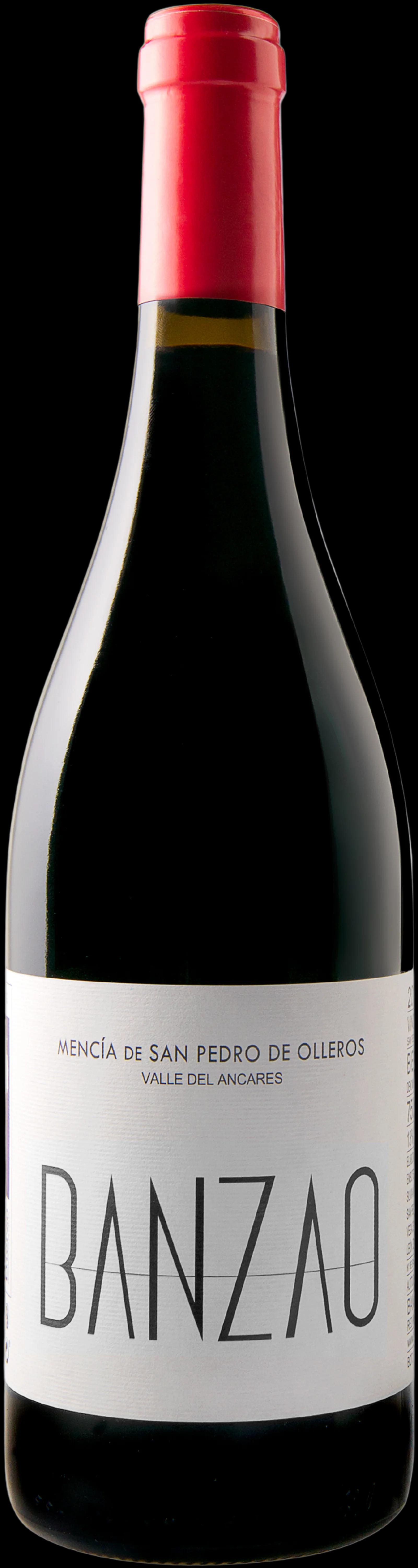
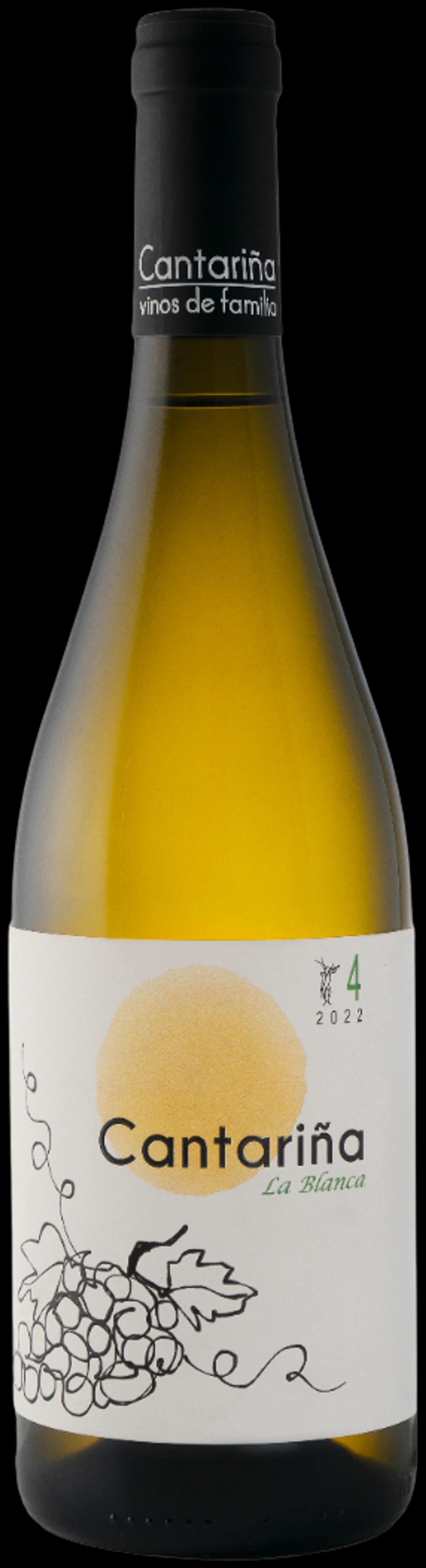
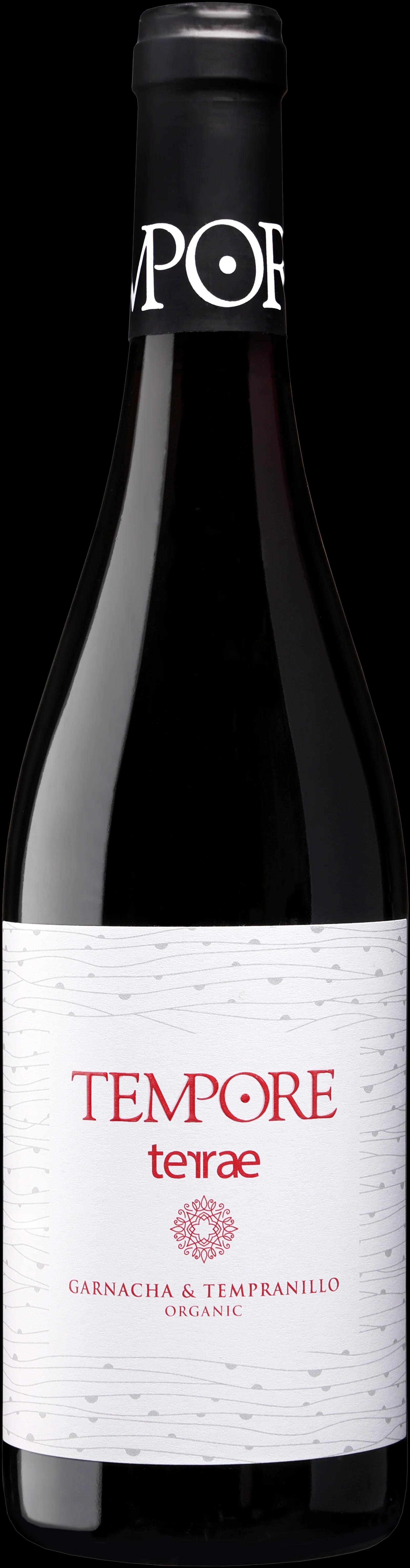
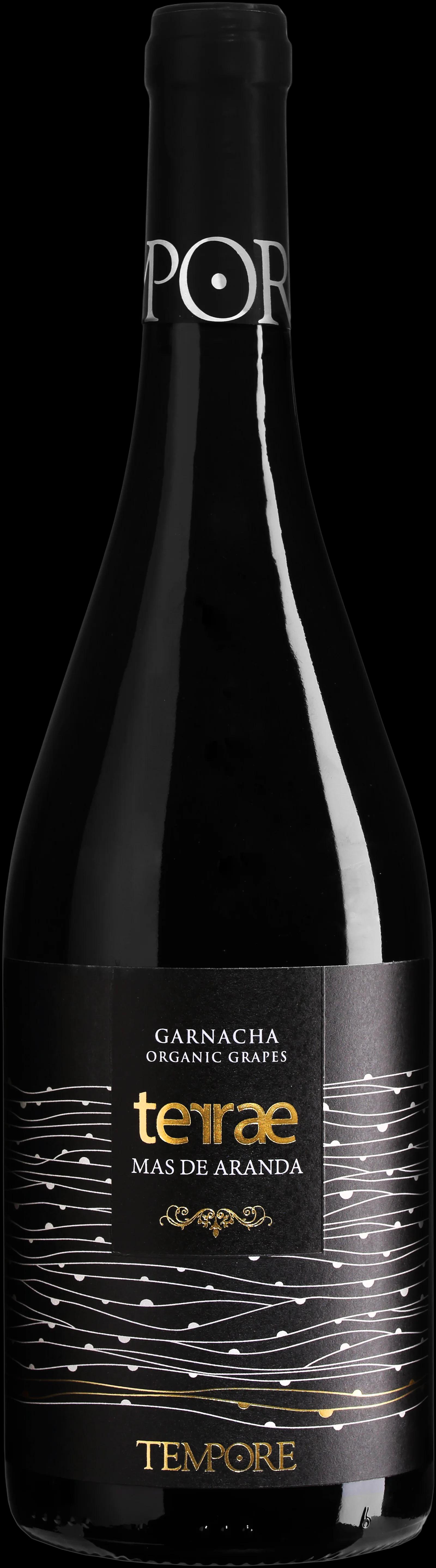
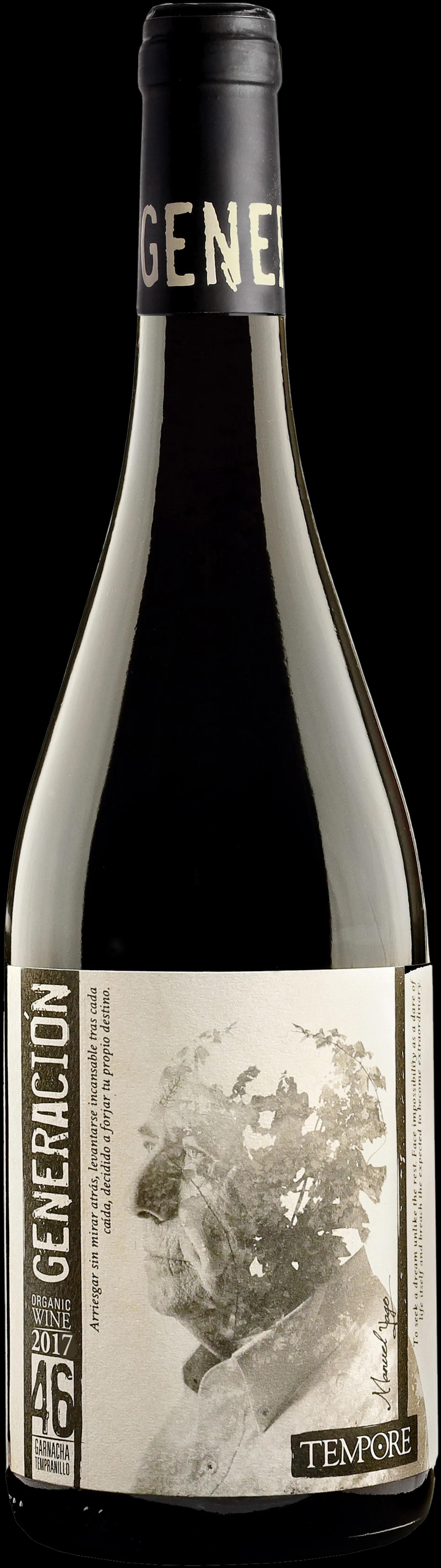
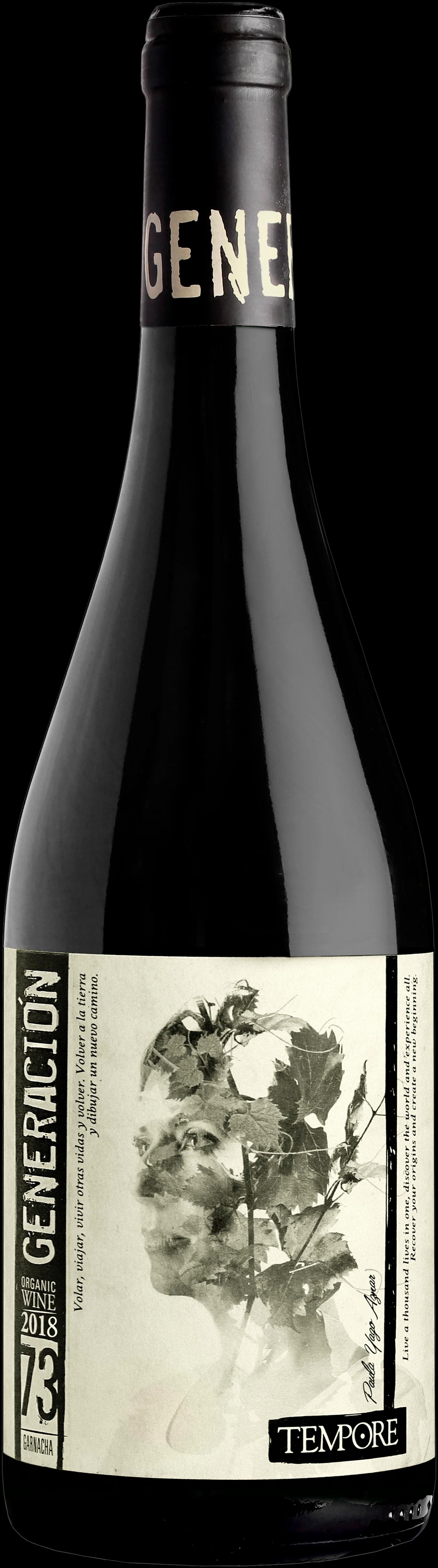
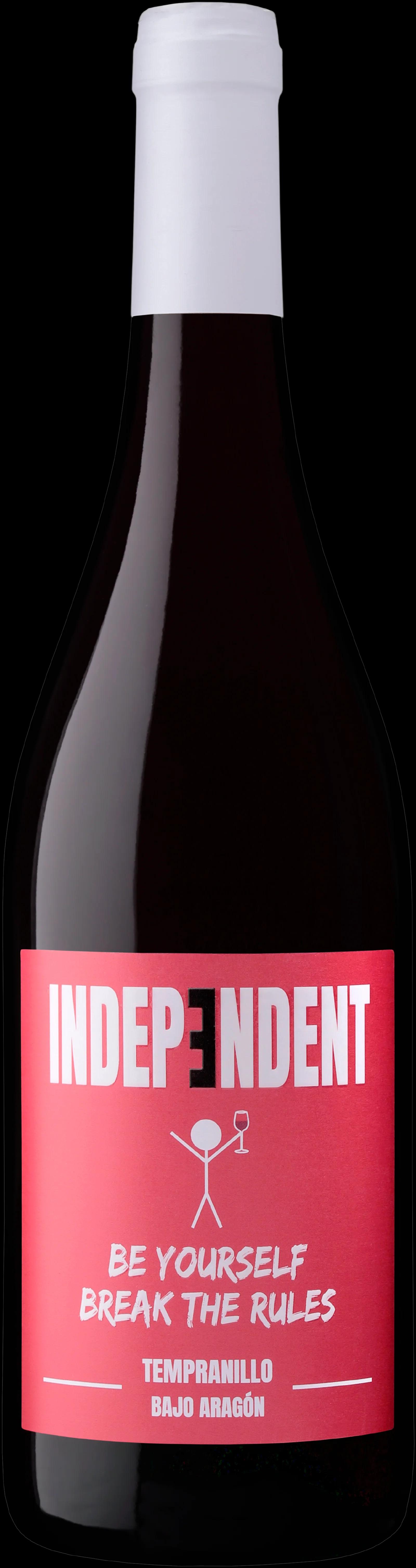
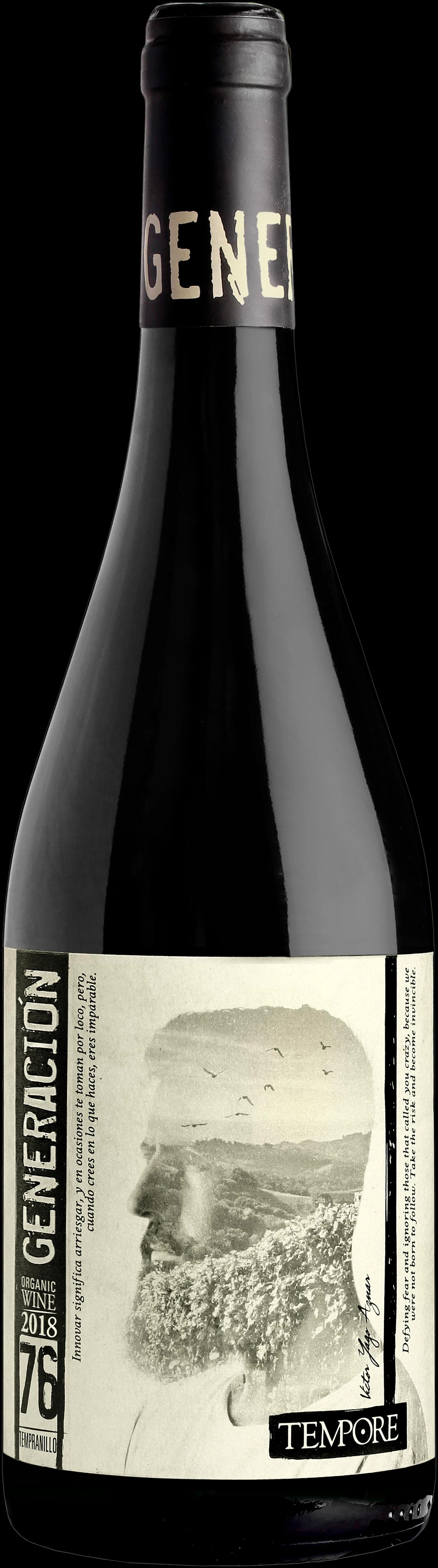
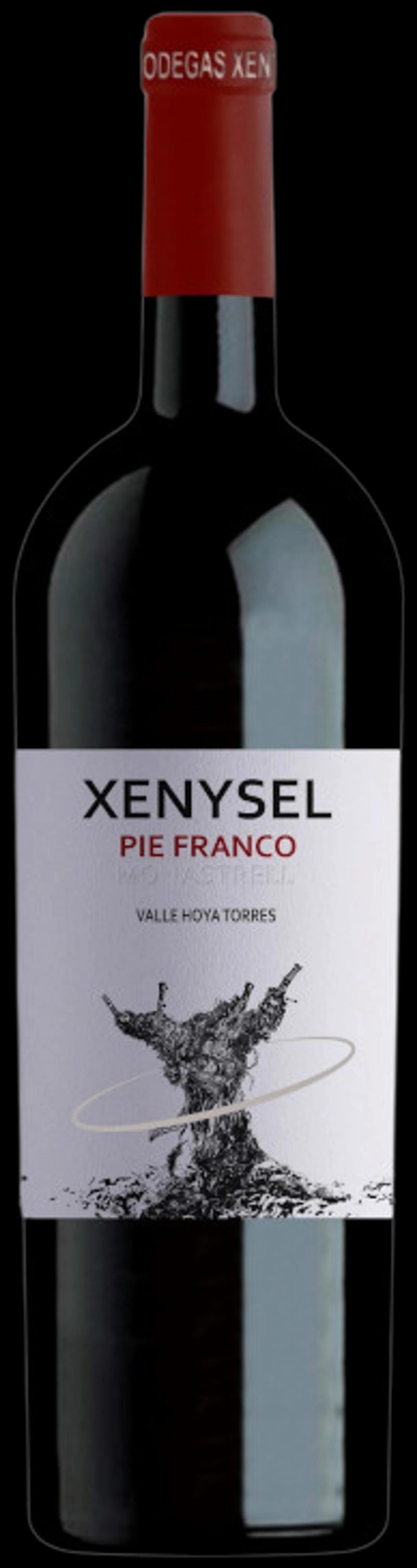
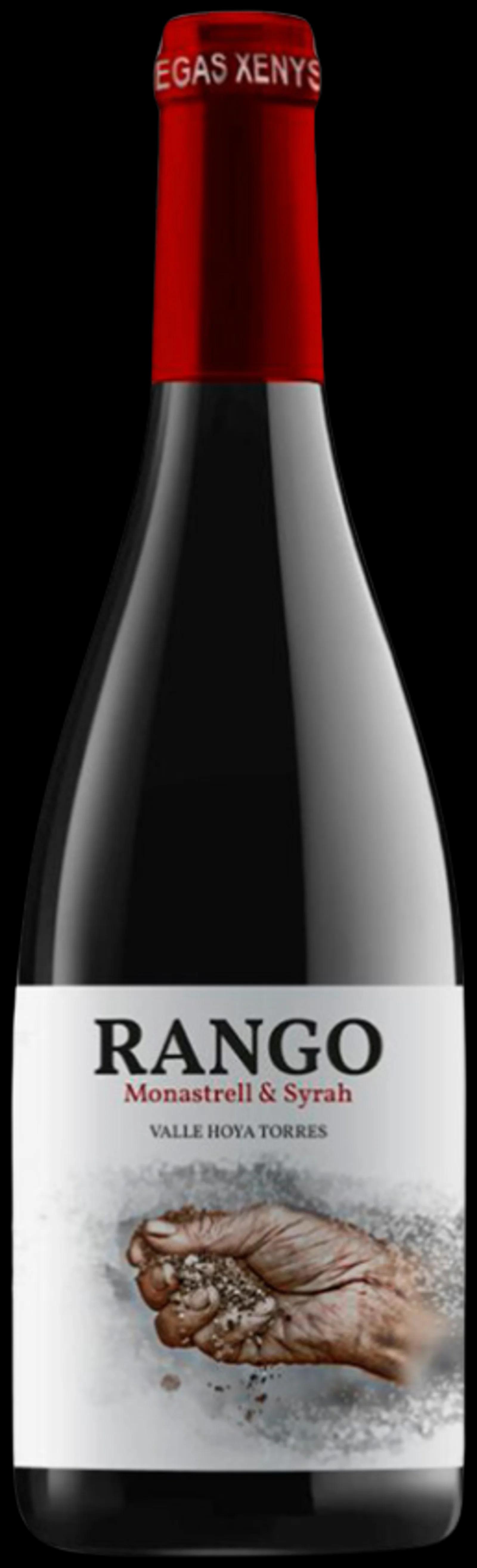
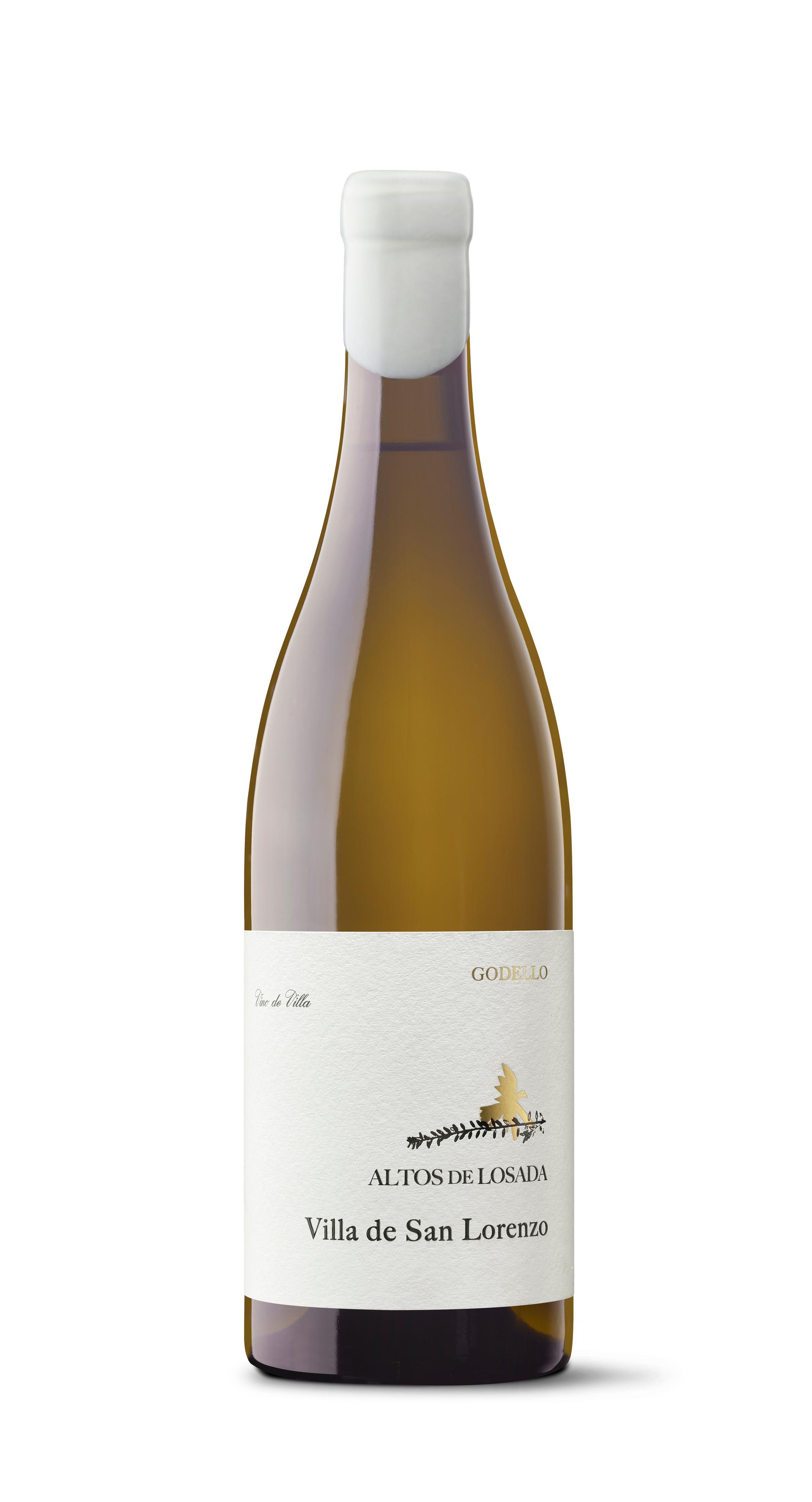
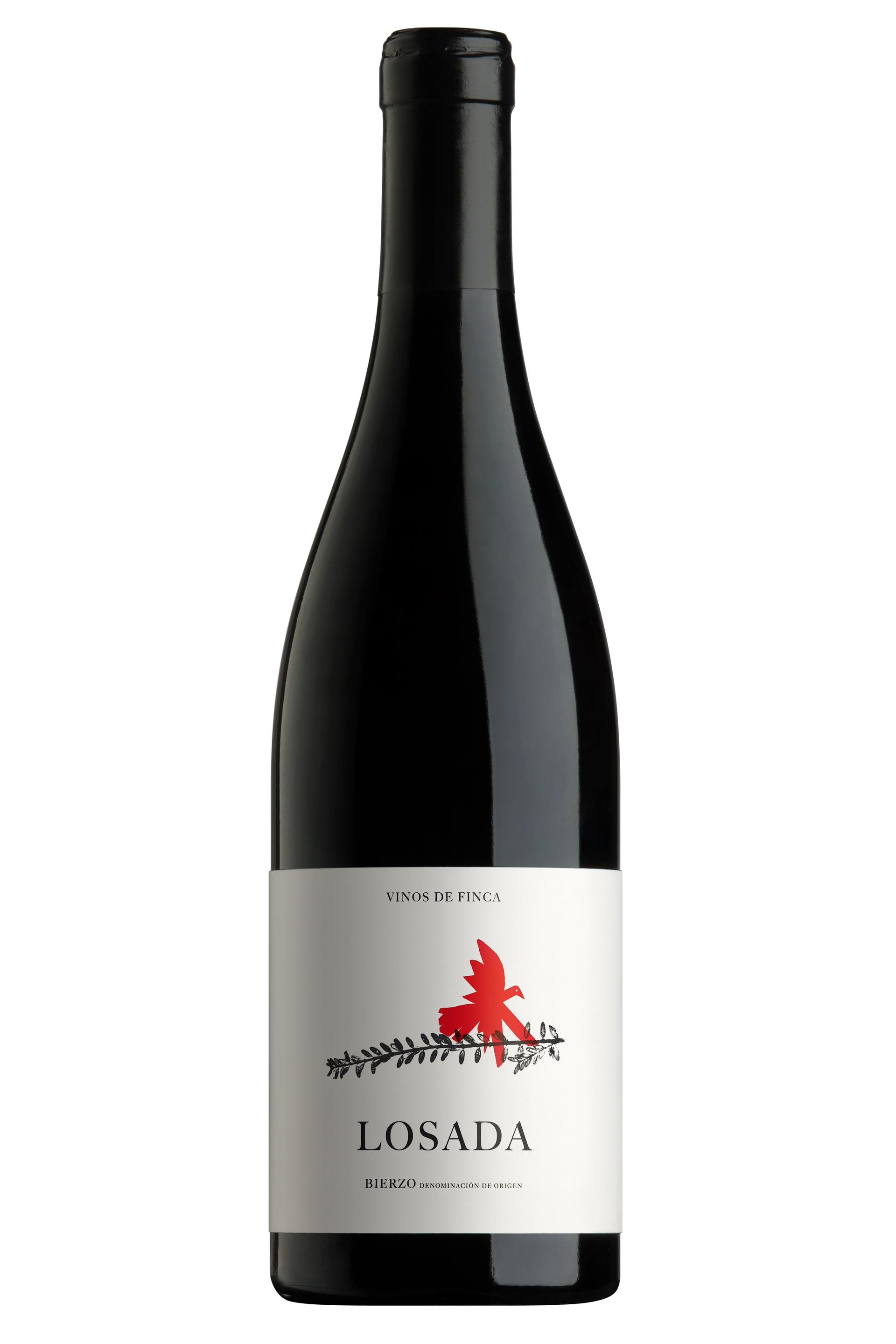
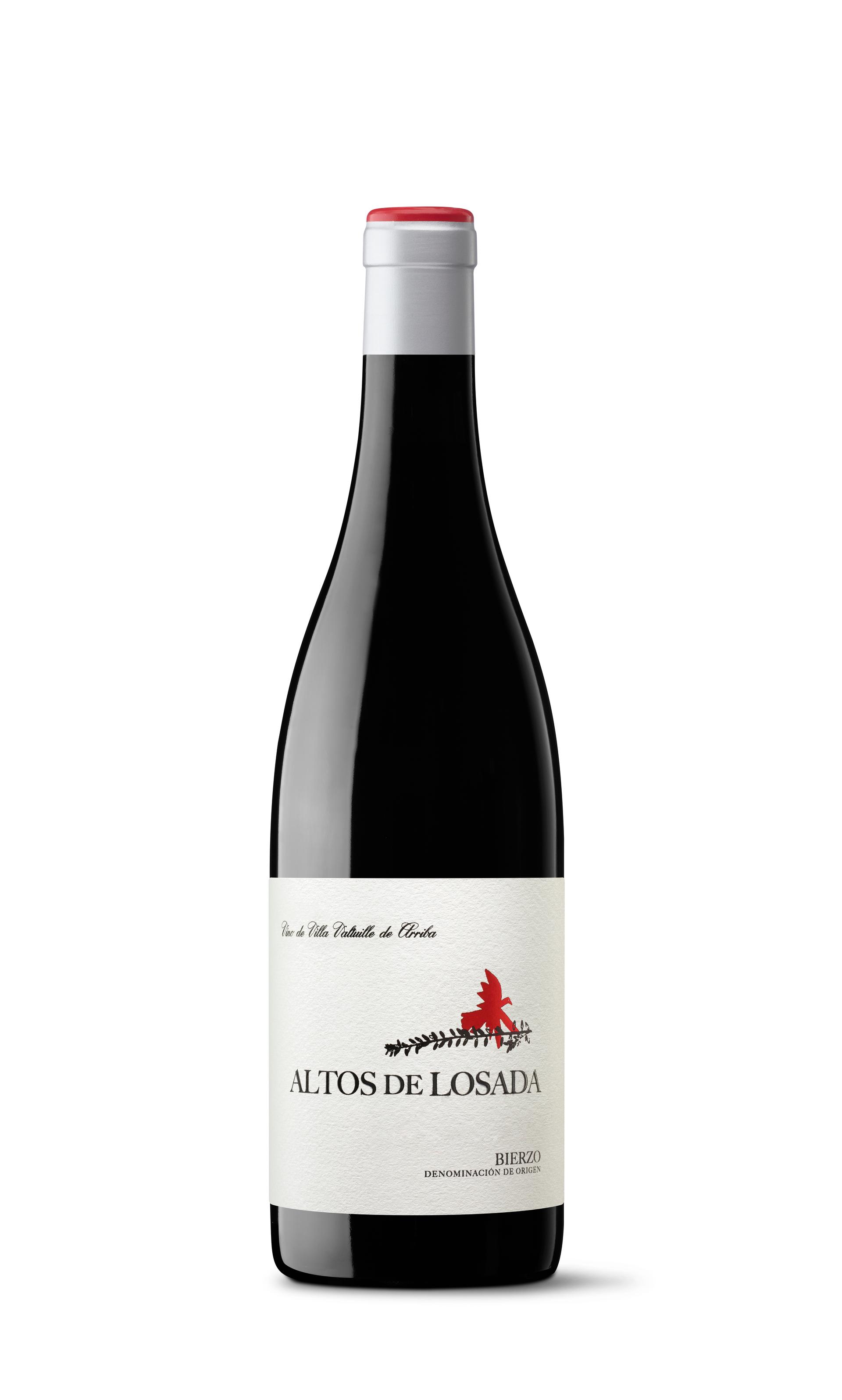
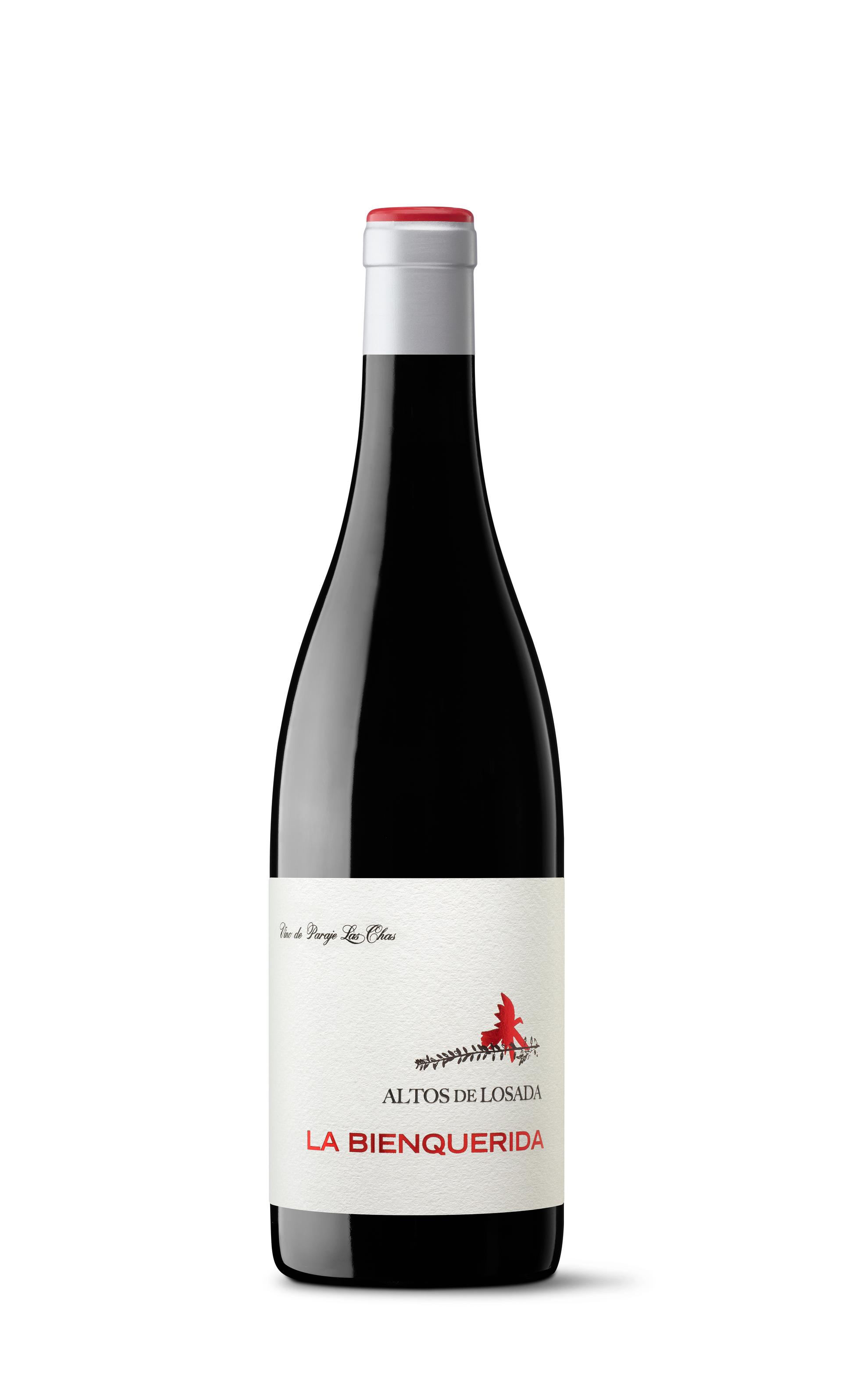
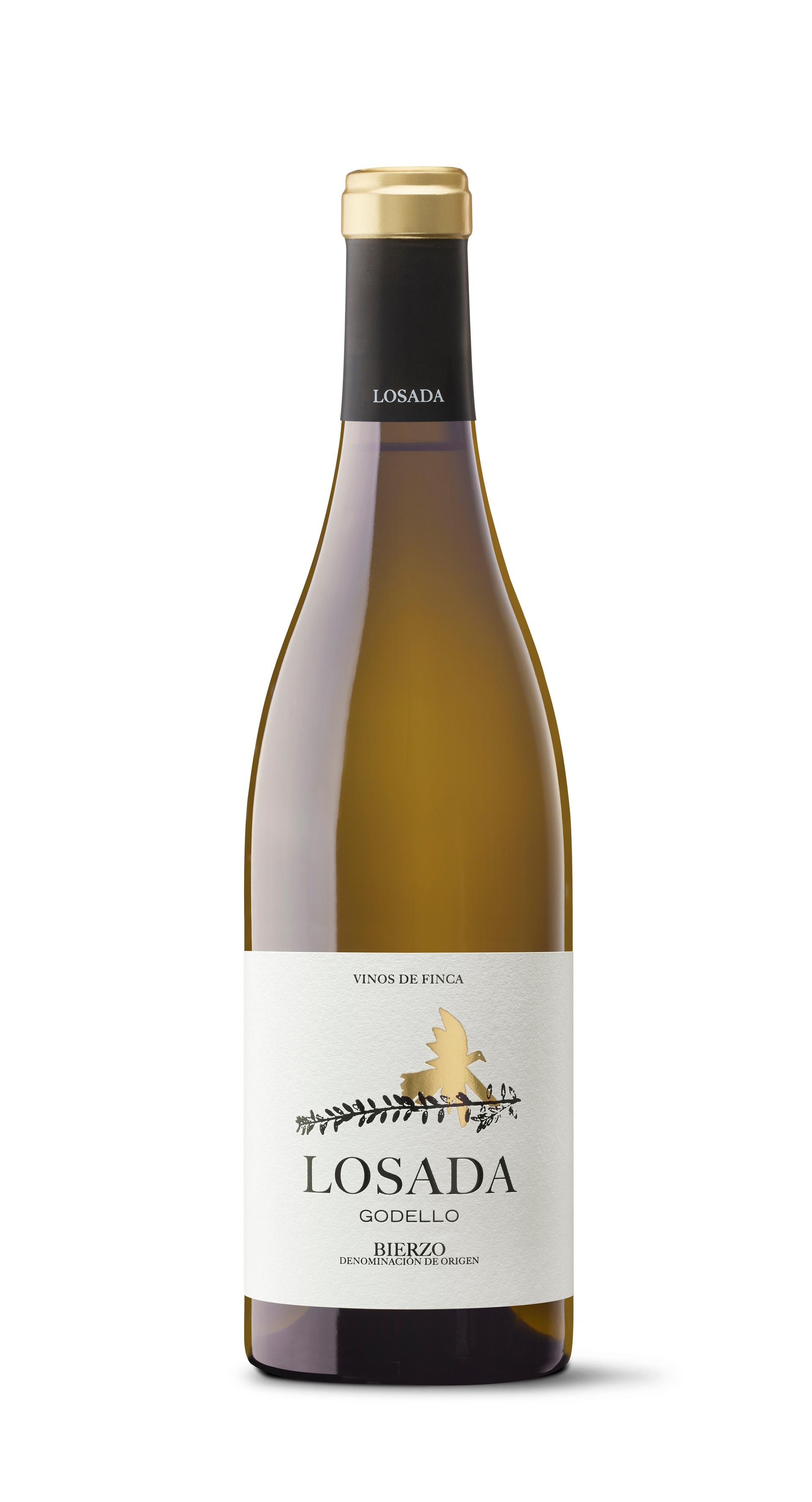
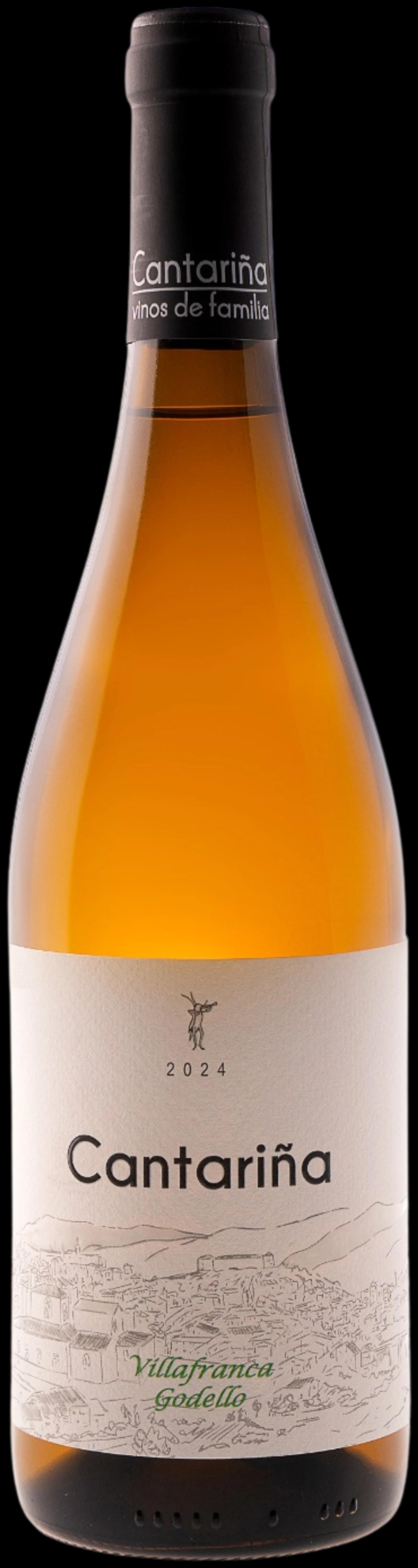
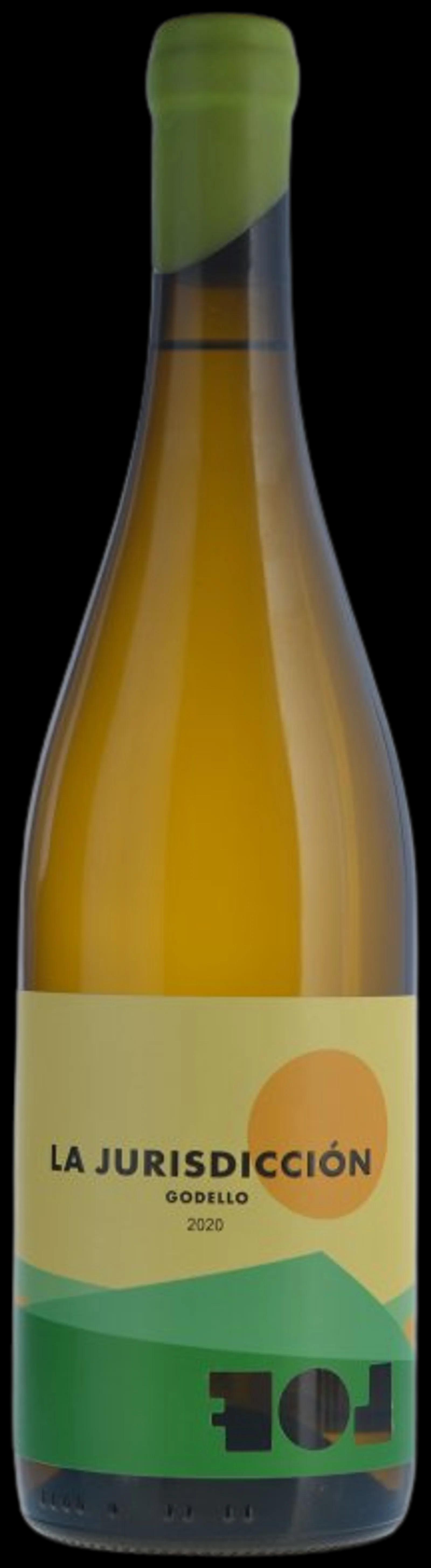
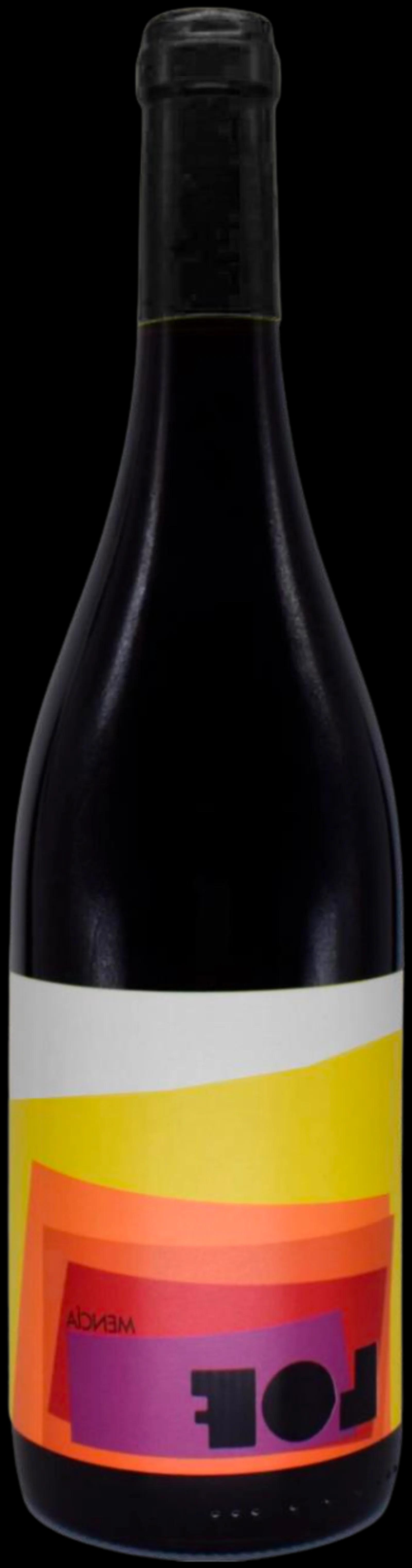
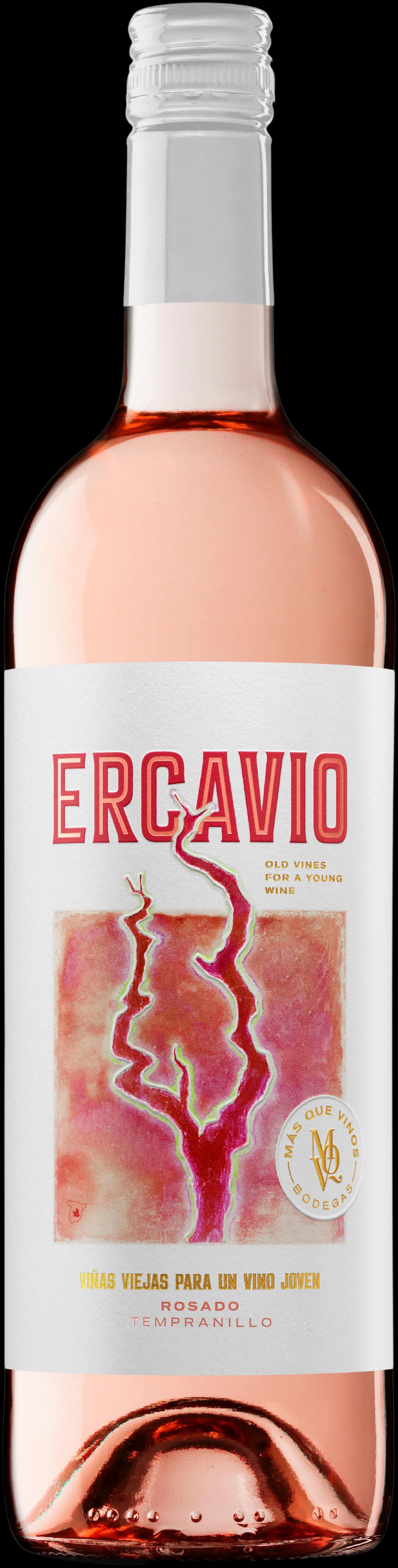
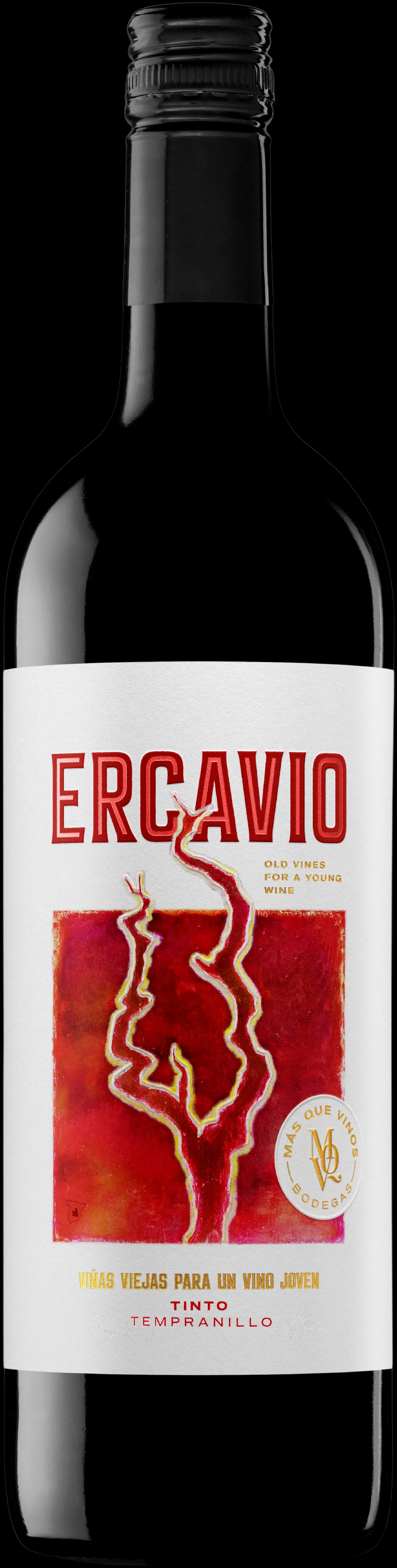
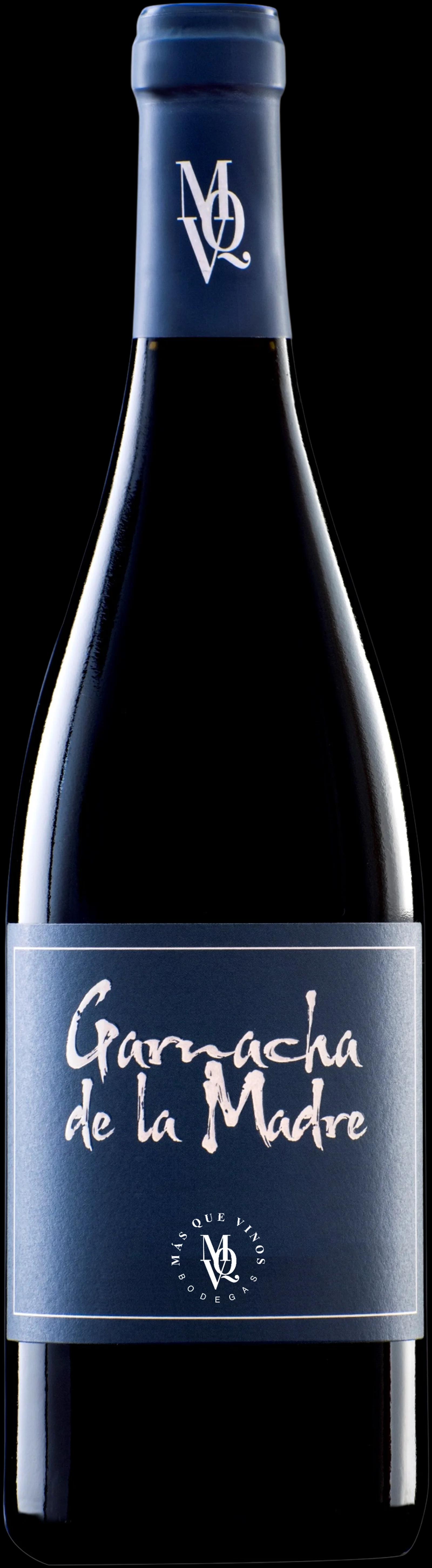
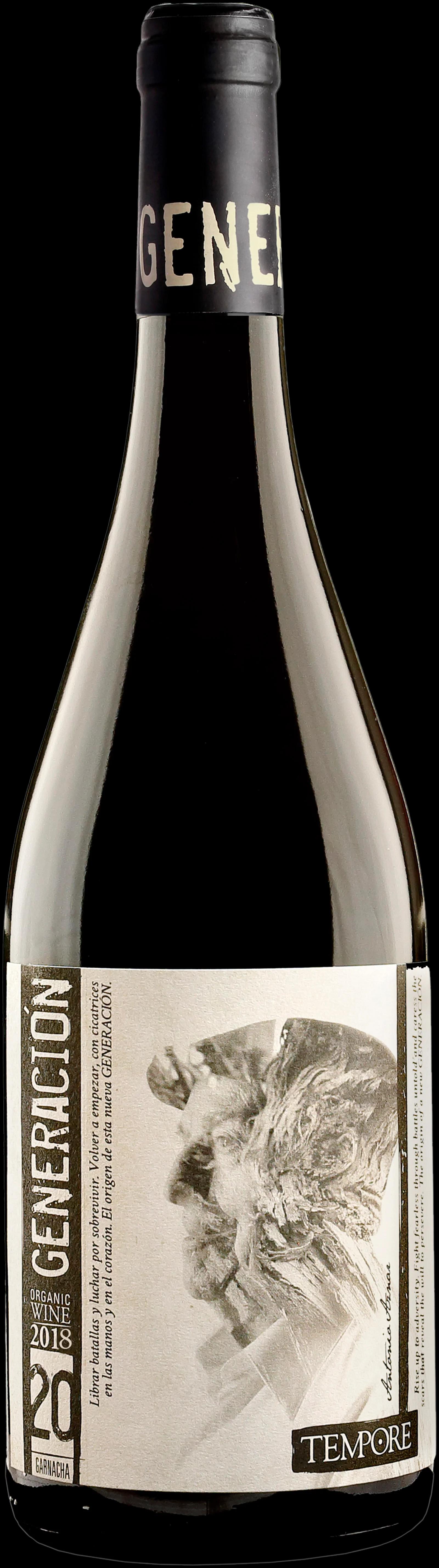
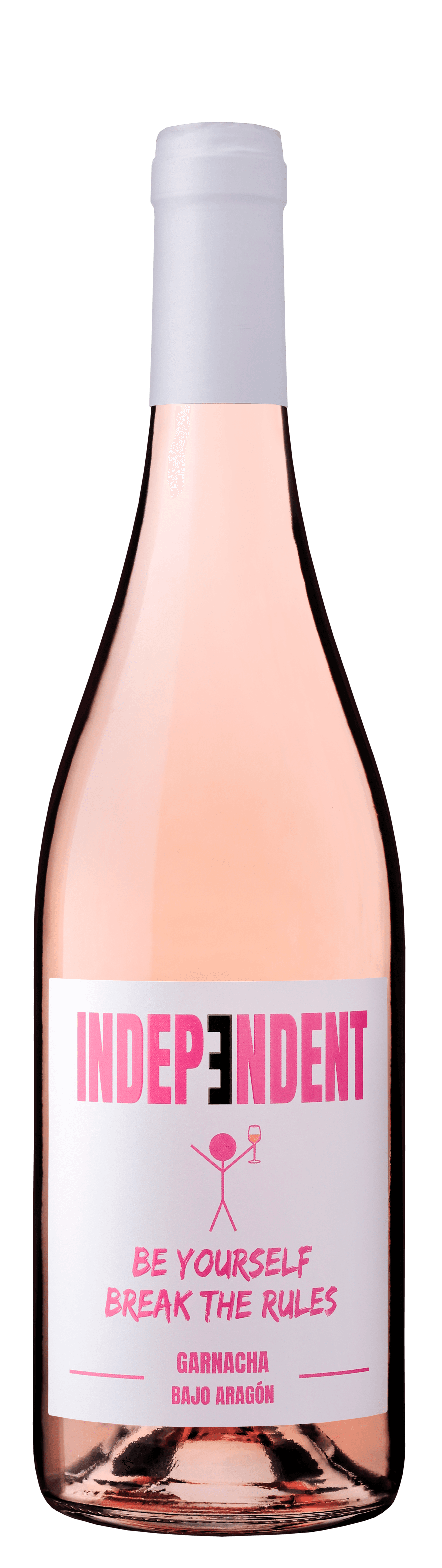
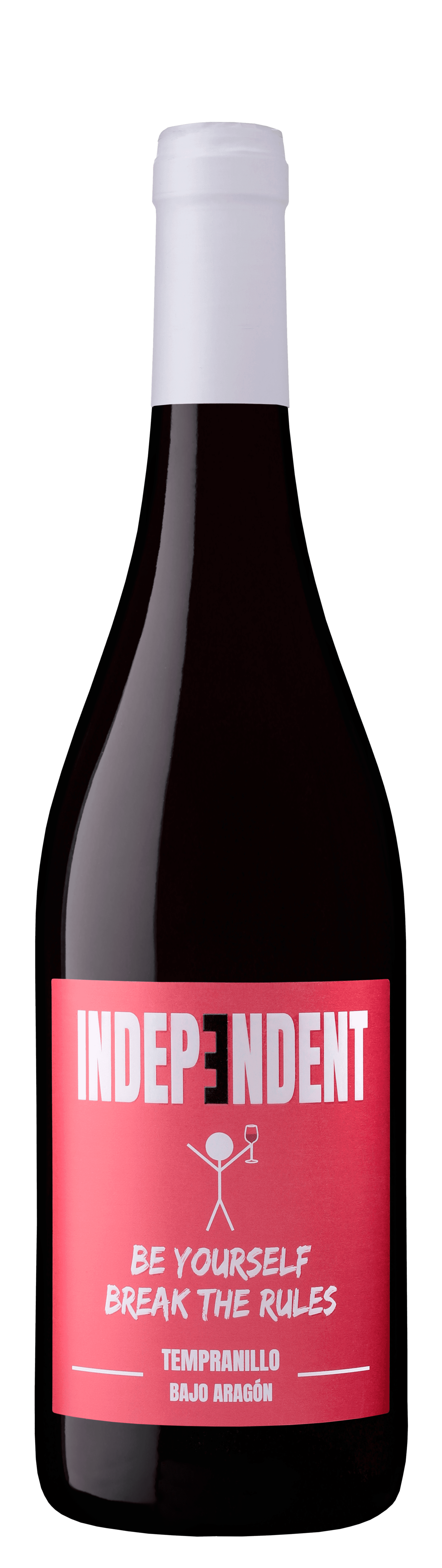
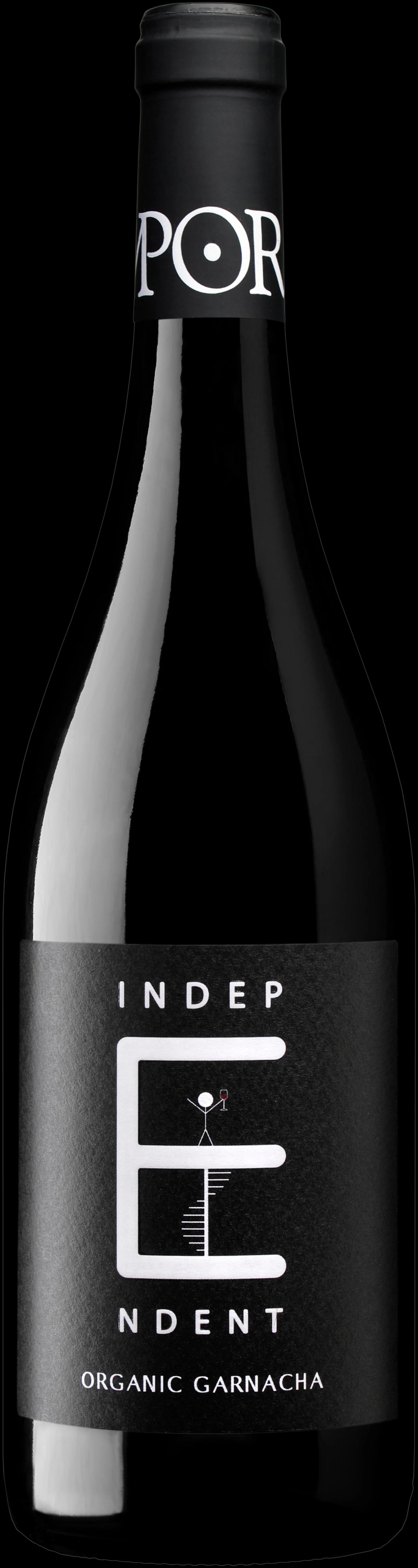
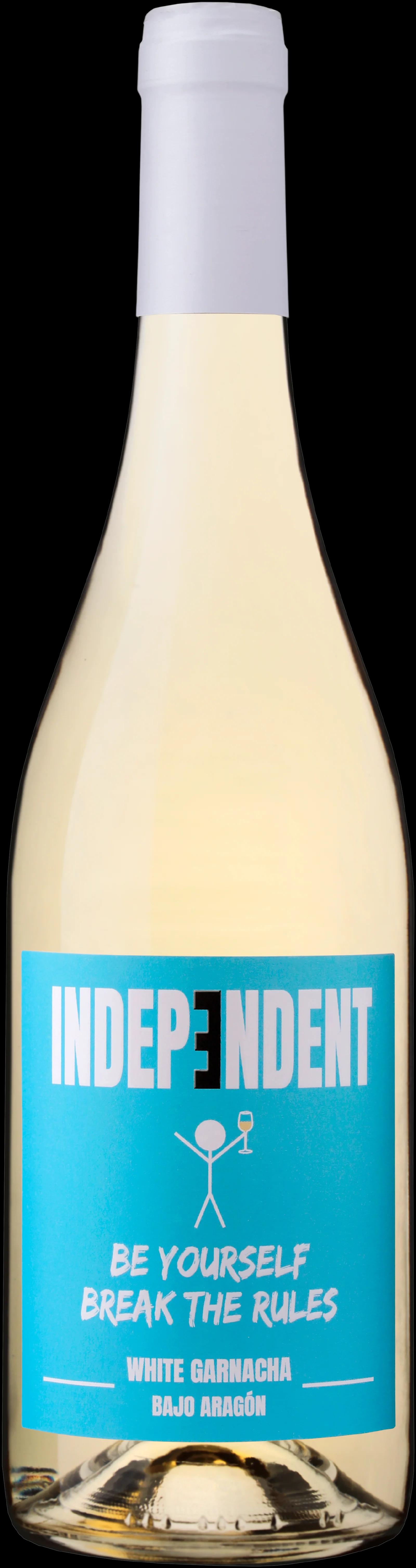
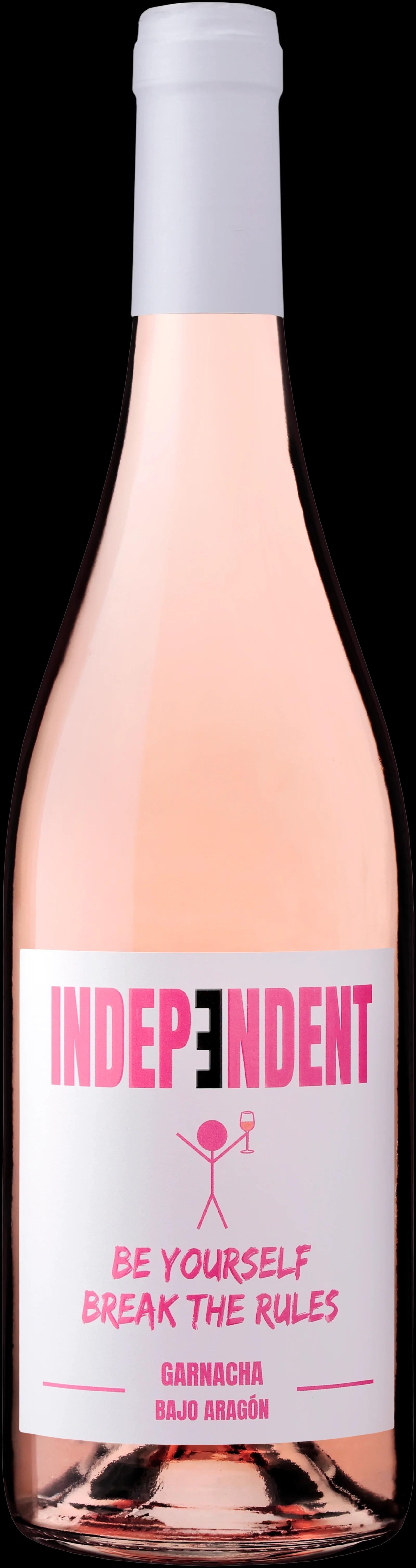
Tempranillo is the most widely planted red grape in Spain and the backbone of Rioja and Ribera del Duero. It adapts significantly to altitude and winemaking style: the same variety produces light, aromatic reds at high elevation and dense, tannic wines when cropped low in warmer sites. Garnacha — known internationally as Grenache — thrives in the dry interior, particularly in old-vine plots in Aragon and Navarra where vines can exceed 80 years of age. Monastrell, concentrated in Murcia and the Levante, needs high summer temperatures to ripen fully and produces wines with notably high natural alcohol. In the northwest, Mencía from the Bierzo and Ribeira Sacra appellations is increasingly recognised for its structural similarity to cool-climate Pinot Noir, with bright acidity and aromatic complexity. Godello, also from the northwest, is one of Spain's most technically demanding white varieties: it oxidises easily and requires precise handling in the cellar, but rewards that effort with wines that age for a decade or more. Beyond these, Spain has over 400 documented native varieties, the majority of which are grown in fewer than three denominations.
How we choose our Spanish producers
Producers apply to list on Free Grape Society. They are not recruited through distributors or sourced from trade catalogues. Every producer sends samples, and each sample is tasted by our Head of Product before the producer goes live on the platform. Nothing is listed untasted. Independent wine experts on the platform Rate and Review individual wines they have personally tasted — those reviews are visible on the wine page and on each expert's profile, building a track record that is transparent to any reader. Producers on Free Grape Society set their own prices. No buyer with quarterly targets. No retail chain defending shelf space. The producer decides if they want to be here, and what is here. For Spanish wines specifically, this means the platform carries producers from denominations that rarely reach international retail: high-altitude plots in Castile and León, old-vine Garnacha from Aragon, and native-variety whites from the northwest. These are not the wines your supermarket carries. They are the wines your supermarket cannot carry, because the volumes are too small and the supply chain too direct.