Key grapes in Austrian red wine
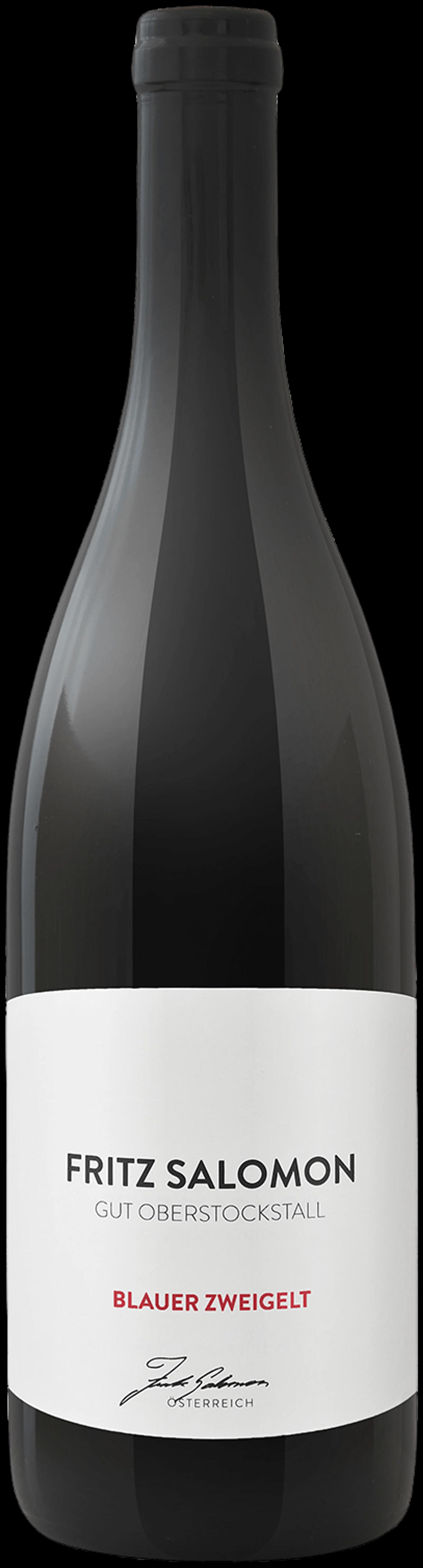
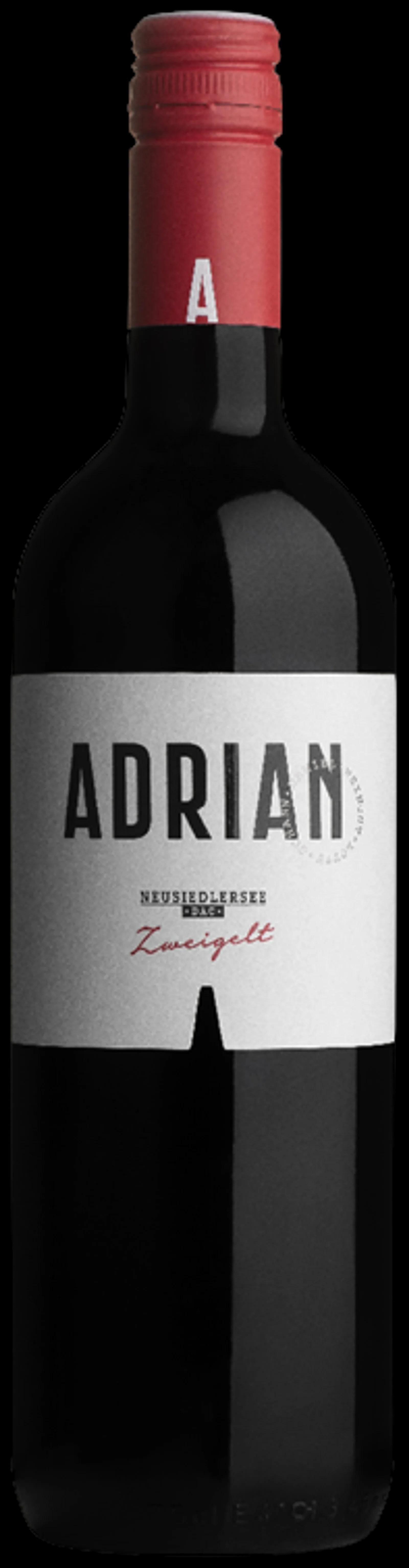
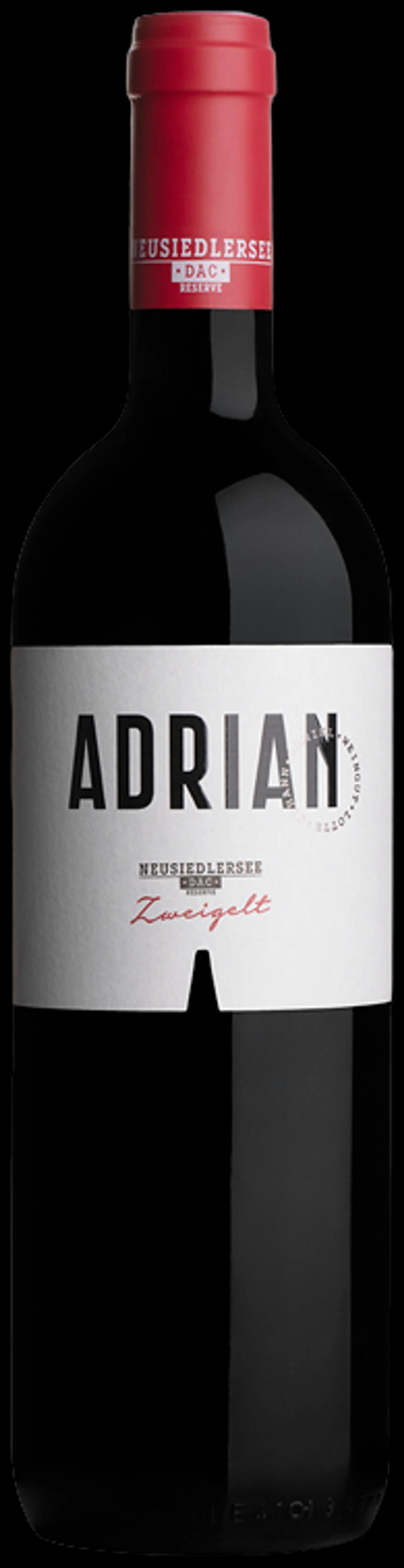
Austrian red wine is built on two grapes that grow almost nowhere else at serious scale. Zweigelt is the country's most planted red variety, a 1922 cross between St. Laurent and Blaufränkisch bred at the Klosterneuburg vine research station. It ripens reliably across Burgenland and Niederösterreich, producing wines with dark cherry fruit and moderate tannin. Blaufränkisch is the more structured of the two: thicker skins, higher acidity, and a spice character that shifts depending on whether it grows on iron-rich soils around Eisenberg or the warmer, loam-heavy ground near Neusiedlersee. St. Laurent, a parent of Zweigelt, occupies a smaller slice of plantings but produces some of Austria's most Pinot-like reds, valued for its translucent color and aromatic precision. Pinot Noir is also grown, particularly in Steiermark, where cooler temperatures extend the growing season. None of these varieties carry the same global recognition as Cabernet Sauvignon or Syrah, which is part of why serious Austrian red wine remains underpriced relative to its structural complexity. Producers on Free Grape Society working with Blaufränkisch and Zweigelt tend to be single-estate operations with decades of site-specific knowledge.
Regional variation in Austrian red wine
Austria's red wine regions are concentrated in the east and south, where continental and Pannonian climates allow red grapes to ripen fully. Burgenland is the dominant red wine region, accounting for the majority of Austria's red wine production. Within Burgenland, Neusiedlersee benefits from the thermal influence of the shallow lake, which moderates temperatures and extends the harvest window. The DAC (Districtus Austriae Controllatus) system, introduced progressively from 2002, has formalized regional identity: Leithaberg DAC focuses on Blaufränkisch grown on limestone and schist, while Eisenberg DAC, further south near the Hungarian border, produces leaner, more mineral expressions of the same grape on iron-oxide soils. The iron content at Eisenberg is measurable and directly affects the wine's flavor profile, a fact that distinguishes it from Blaufränkisch grown on the clay-dominant soils of Mittelburgenland DAC, where the wines are typically fuller and more tannic. Niederösterreich contributes Zweigelt-dominant reds from the Carnuntum and Thermenregion subregions. Steiermark, known primarily for white wine, produces smaller volumes of Pinot Noir and St. Laurent in a lighter, higher-acid style. Understanding which DAC a wine comes from tells you more about what is in the glass than the grape name alone. The white wines of Austria follow a parallel regional logic, with Grüner Veltliner shifting character from region to region in the same way Blaufränkisch does.
How Austrian red wine is made
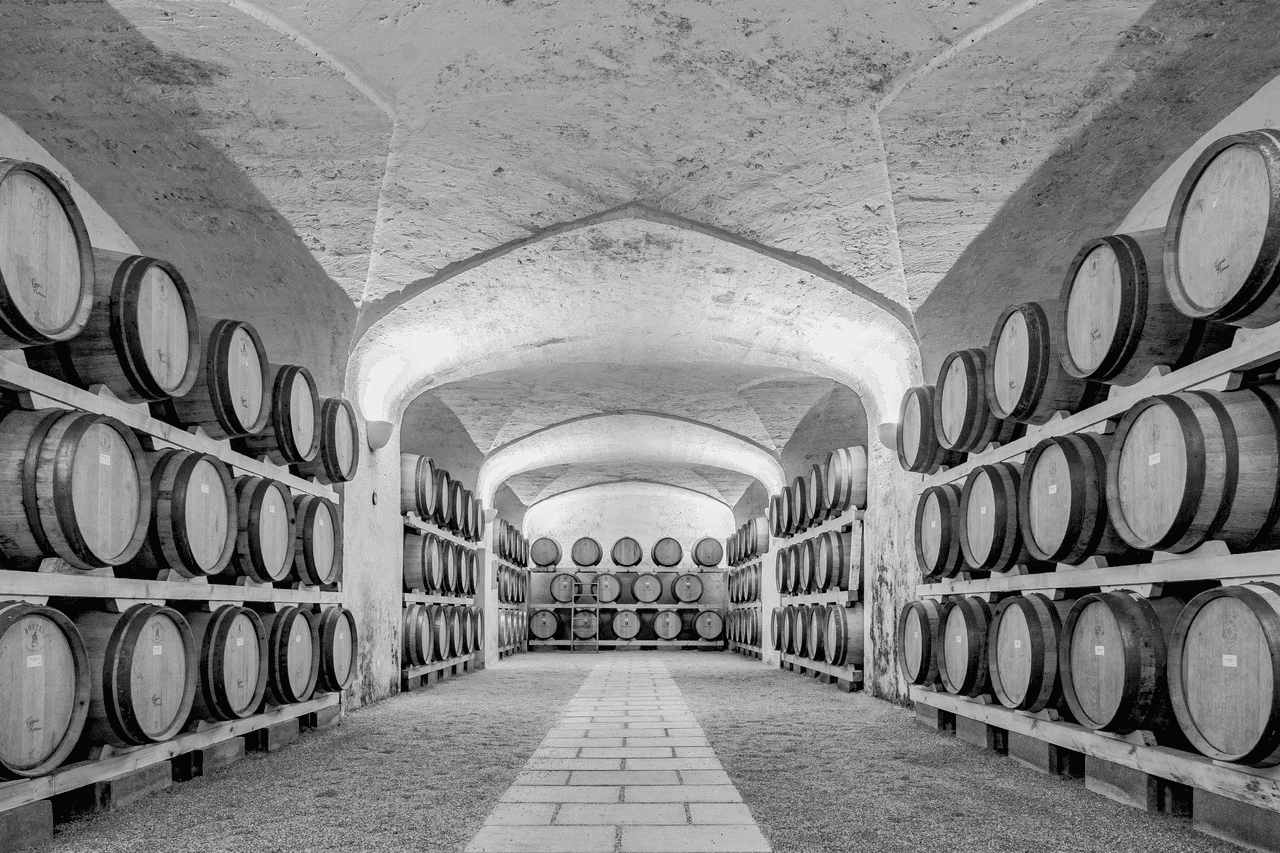
Production decisions among Austrian red wine producers vary considerably, but two approaches dominate among independent estates. The first is minimal-intervention aging in large oak formats, typically 500-liter or 2,400-liter casks (Stückfass and Doppelstückfass), which adds structure without imposing vanilla or toasted oak character. This format has been standard in Burgenland for generations and suits the natural tannin and acid structure of Blaufränkisch. The second approach uses new small barriques, more common in estates that came up through international markets in the 1990s and early 2000s. A number of producers have since moved away from barriques, citing fruit clarity and regional expression as the reason. Extended maceration is relatively common for Blaufränkisch, with some producers running skin contact for 20 to 30 days to build tannin density without adding oak. Zweigelt is often handled more gently, with shorter maceration and earlier bottling to preserve its fruit profile. No Austrian red wine carries the designation 'Smaragd', which applies only to white wines in the Wachau; the equivalent quality tier for reds varies by DAC. These are not the wines your supermarket carries. They are the wines your supermarket cannot carry, because the volumes are too small and the logistics too direct. Producers here set their own prices. No importer margin, no wholesaler cut. The price reflects the cellar, not the supply chain. For comparison, red wines from Germany follow different grape logic but share the same producer-direct model on the platform. Readers interested in the full Austrian range can also explore Grüner Veltliner, the country's defining white variety.