Key grapes in German red wine
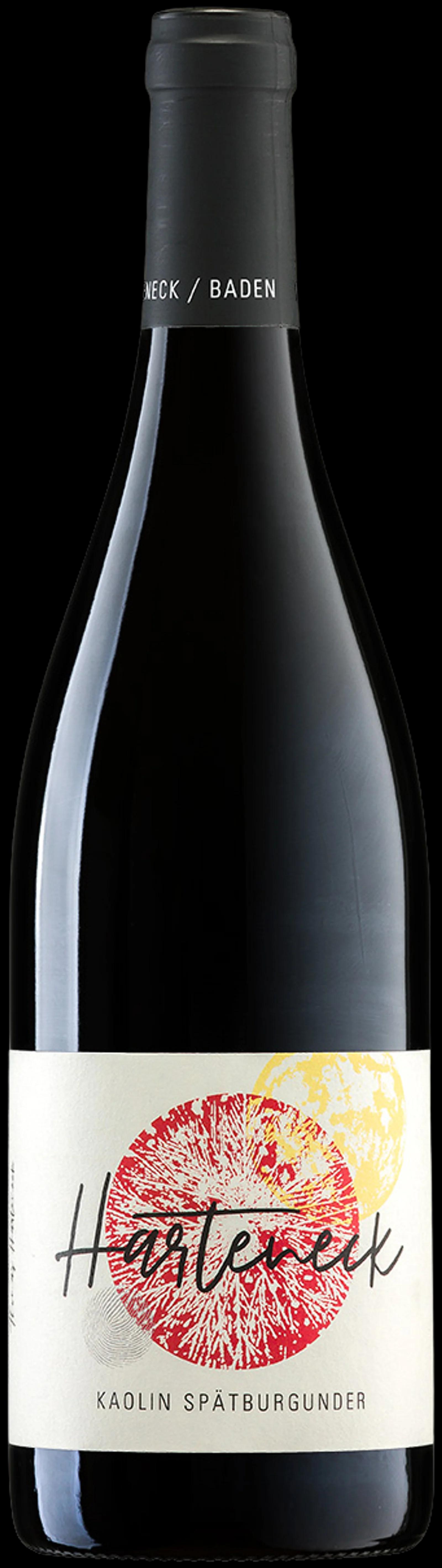
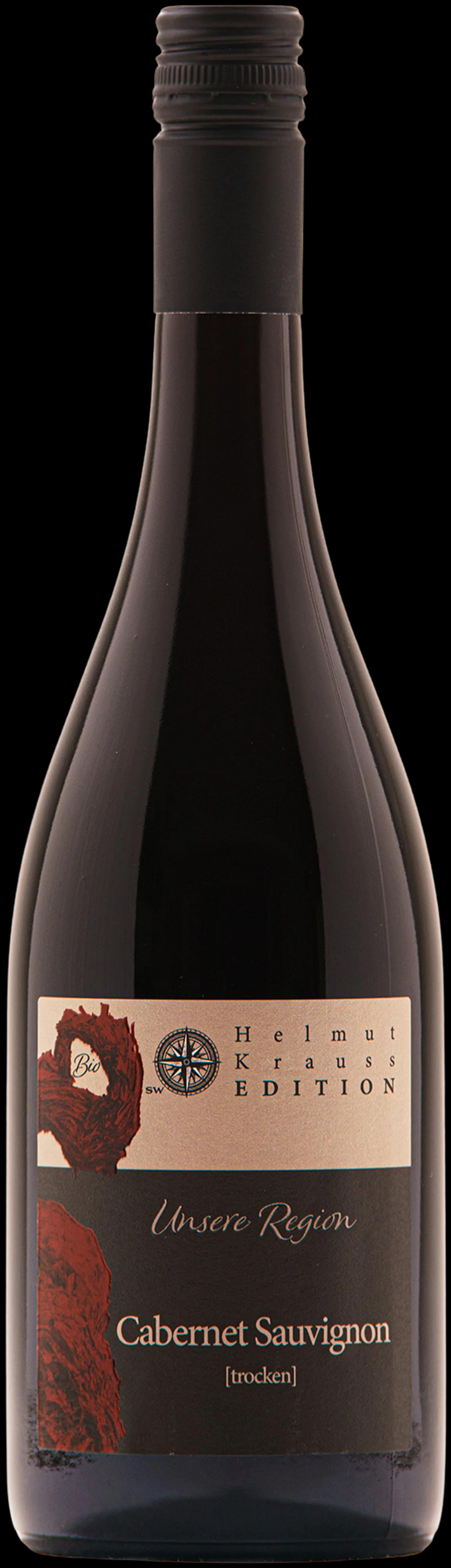
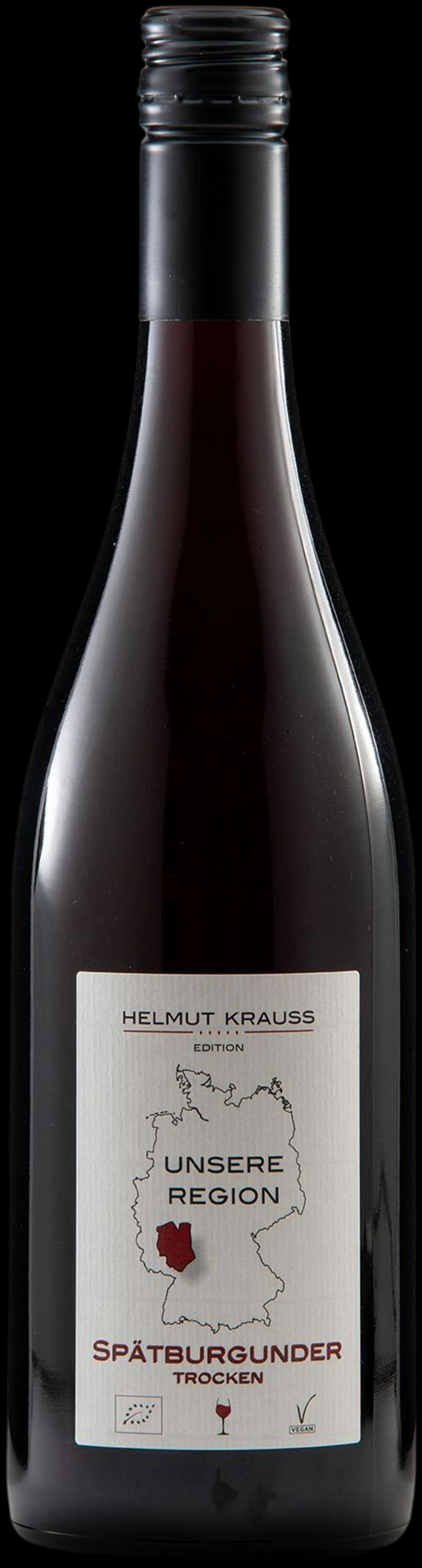
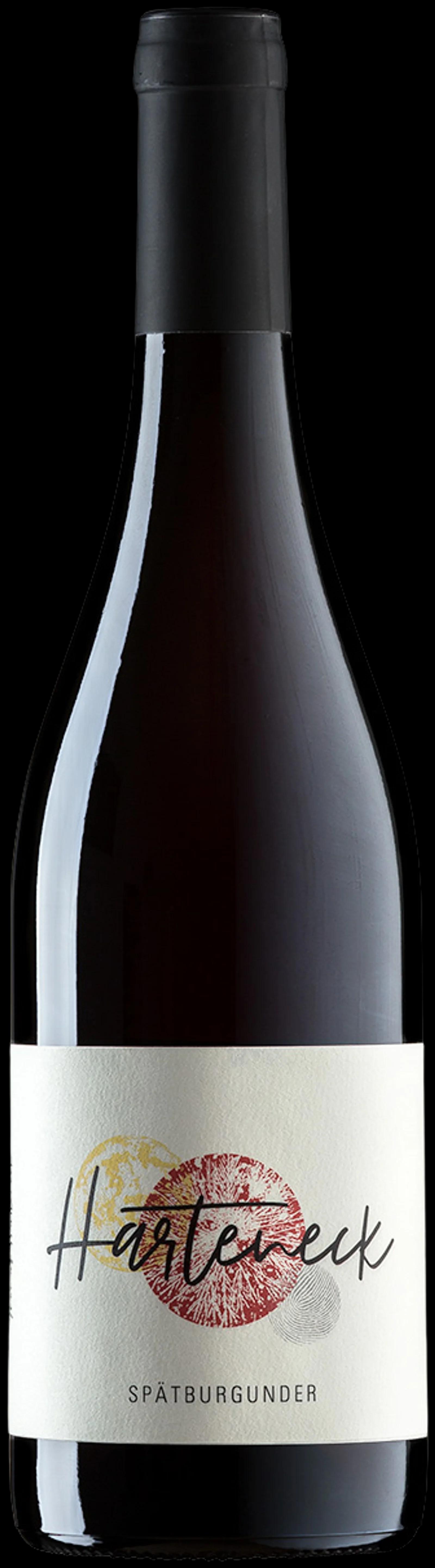
German red wine is built on a handful of varieties that suit a cool-climate growing environment. Spätburgunder — the local name for Pinot Noir — accounts for the majority of red plantings and is the grape most associated with serious German red production. It performs best in Baden and the Ahr, where longer growing seasons allow phenolic ripeness that Pinot Noir rarely achieves this far north. Dornfelder is the other widely planted red variety, bred in 1955 as a cross between Helfensteiner and Heroldrebe specifically to produce deep color and reliable yields in German conditions — something Spätburgunder does not always deliver. Lemberger, known as Blaufränkisch in Austria, has a smaller presence but produces structured, peppery reds in Württemberg that age well. Portugal, an unrelated variety to the country, rounds out the planted area with light, early-drinking reds. These four grapes define what German red wine is structurally — not a single style, but a set of varieties adapted to a climate that was historically considered too cold for red wine at all.
Regional variation in German red wine
The style of red wine from Germany shifts considerably depending on region, and understanding that geography is more useful than any general description. The Ahr, despite being one of Germany's northernmost wine regions, produces some of its most concentrated Spätburgunder. The valley's steep slate slopes trap warmth, and growers there have worked with Pinot Noir for centuries — yields are low, and the wines carry structure that competes with Burgundy at a fraction of the recognition. Baden is the warmest of Germany's wine regions, bordering Alsace across the Rhine, and produces fuller-bodied Spätburgunder with more flesh and less of the nervy acidity typical further north. Pfalz is another region where warmer temperatures allow red grapes to ripen fully, with both Spätburgunder and Dornfelder produced by estates that have shifted significantly toward red production over the past two decades. Württemberg stands apart as a region where red wine has historically outsold white — unusual in Germany — and where Lemberger and Trollinger are regional staples rather than footnotes. What this means in practice: a German red from the Ahr and one from Württemberg are not stylistically related wines. Region matters more here than in most countries.
How German red wine is made
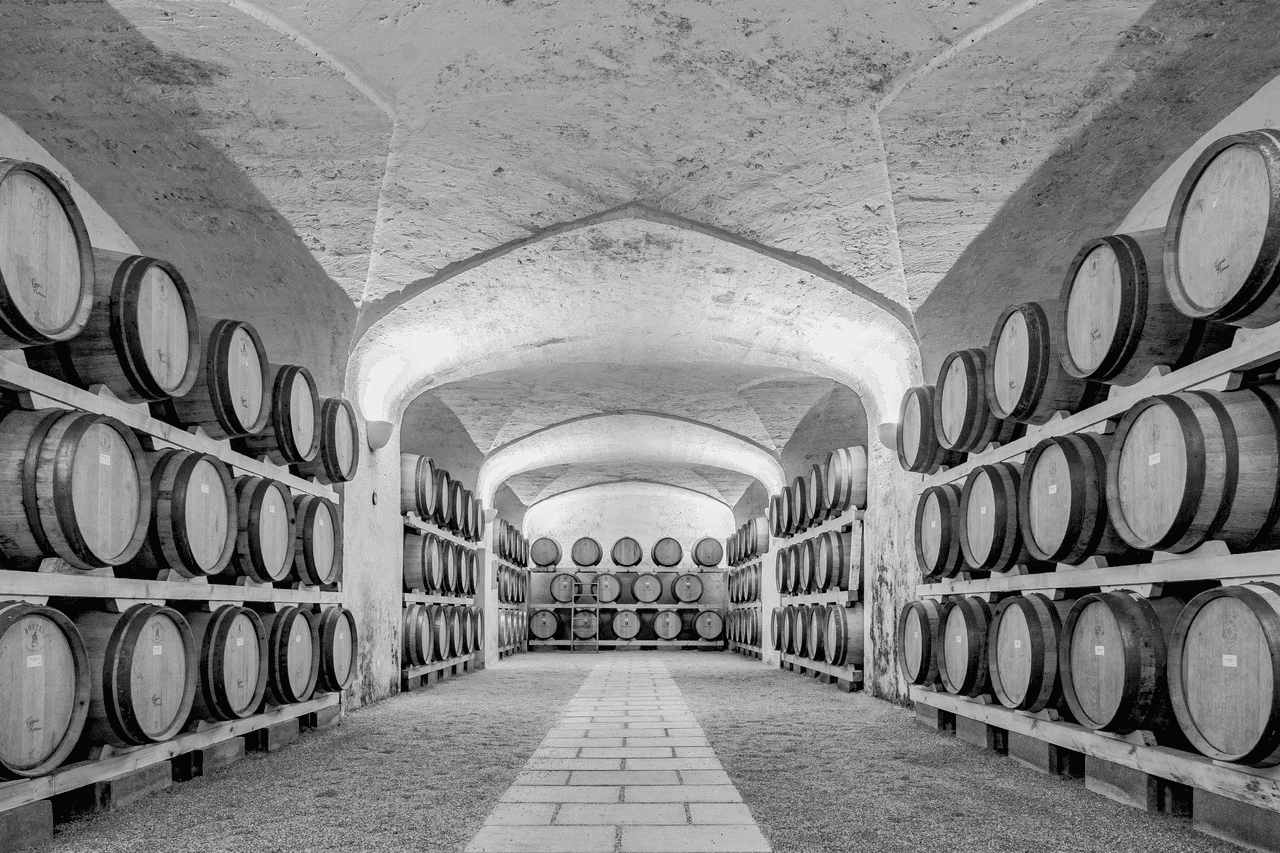
The production decisions behind German red wine reflect the challenges of cool-climate viticulture. Extended maceration is common among producers aiming for color extraction from Spätburgunder, which has thin skins that do not give up pigment easily. Some producers use whole-bunch fermentation to build structure without relying on new oak — a technique that suits the grape's tendency toward elegance over power. Oak use varies significantly: international-facing producers have adopted barriques, while others work with large old casks that add less flavor and allow the fruit to carry the wine. Chaptalization — adding sugar before fermentation to raise alcohol — is legally permitted and widely practiced in cool years when grapes do not reach full ripeness naturally. This is not a flaw in German winemaking; it is an honest response to climate. Producers working with Spätburgunder in the Ahr and Baden have increasingly moved away from chaptalization as climate change extends the growing season, with harvest dates shifting later and natural sugar levels rising. The wines available here come from producers who have tasted before listing and whose methods are documented. No importer margin built in. The producer sets the price — you see what they agreed to. For red wines from neighboring countries made with related grapes, Austrian red wine offers Blaufränkisch and Zweigelt from producers working in comparable cool-climate conditions. French Pinot Noir from Burgundy remains the reference point most German Spätburgunder producers are measured against, whether they intend it or not.