Pinot Noir in France: how region shapes the grape
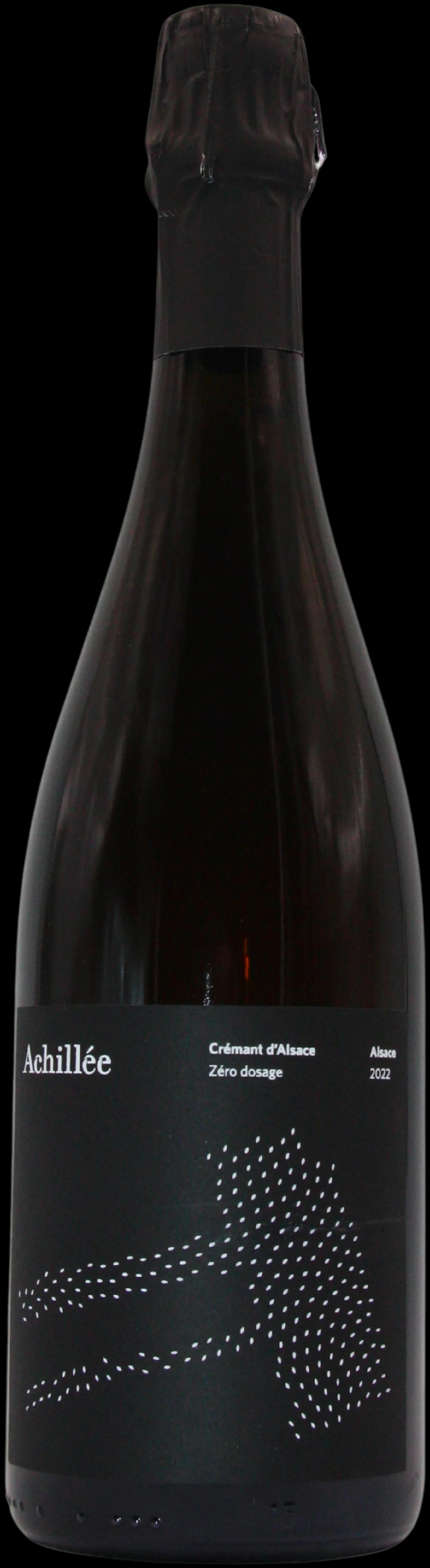
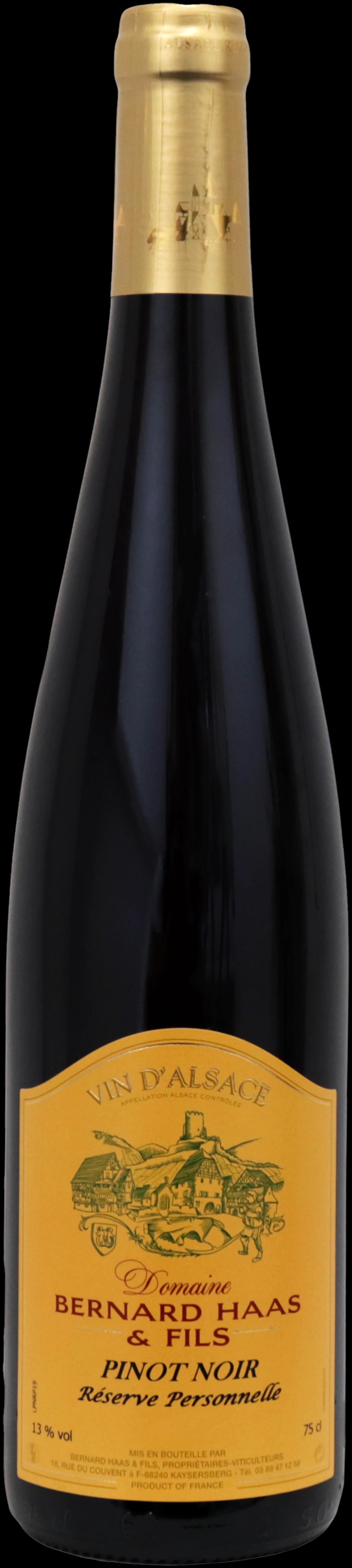
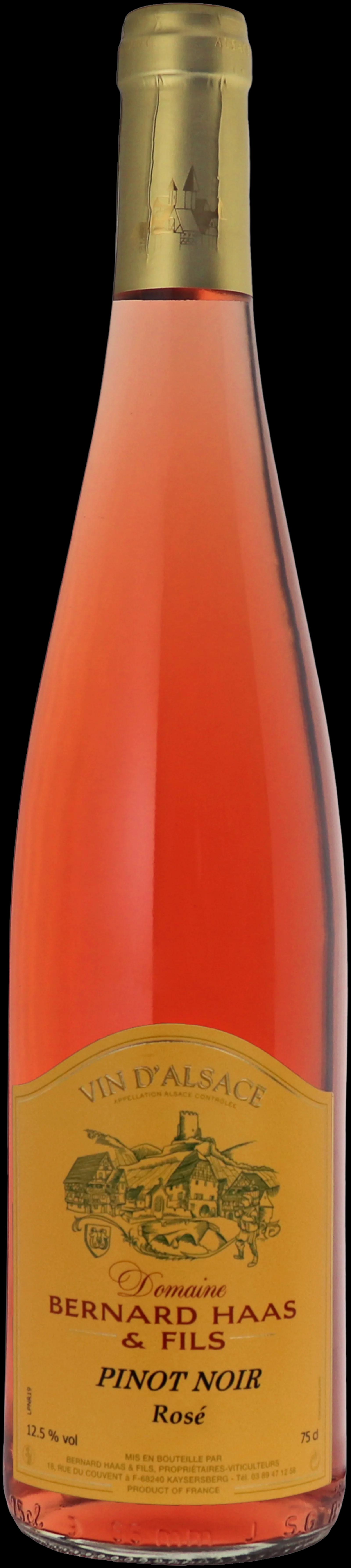
Pinot Noir is one of the most geographically sensitive red grapes in cultivation. The same variety planted 200 kilometers apart in France produces structurally different wines — not as a matter of winemaker preference, but as a direct consequence of soil, altitude, and temperature variation. In Burgundy, the grape's spiritual center, limestone and clay soils on east-facing slopes produce wines with pronounced tannin structure, high acidity, and aromatic profiles built around red fruit and earth rather than dark fruit. Premier Cru and Grand Cru vineyards in Côte de Nuits average under 1.5 kg of fruit per vine after green harvesting — a yield constraint that concentrates extract without requiring intervention in the cellar. Alsace, further north and sheltered by the Vosges mountains, produces a warmer, more aromatic expression of Pinot Noir — the only red grape permitted in the appellation — with softer tannins and more body than a typical Côte d'Or village wine. The Loire Valley, particularly around Sancerre and Menetou-Salon, grows Pinot Noir on chalk and flint soils that push the grape toward lean, high-acid expressions closer in structure to a cool Burgundy than to anything grown further south. Producers working with French Pinot Noir on Free Grape Society tend to be single-estate operations focused on one or two appellations — not négociant houses blending across the region.
How French Pinot Noir compares to other expressions of the grape
Pinot Noir grown in France sits at one end of a global spectrum defined by climate and soil. In New World regions, warmer growing seasons push the grape toward riper tannins, darker fruit, and higher alcohol. French Pinot Noir — particularly from Burgundy — is defined by restraint: lower alcohol (typically 12.5–13.5% ABV in classical years), firm acidity, and a cellar aging trajectory that rewards patience. The structural difference is not stylistic preference but agricultural fact. Limestone soils retain moisture during dry spells and drain in wet years, moderating vine stress in ways that volcanic or granitic soils do not. This affects ripening pace, acid retention, and ultimately the tannin profile of the finished wine. Compared to Gamay, the other dominant red grape of eastern France, Pinot Noir carries more tannin structure and ages longer. Compared to Syrah from the Rhône, French Pinot Noir is lighter in body and more acid-driven. Producers on Free Grape Society working with Pinot Noir in France source grapes exclusively from their own vineyards or documented single-site contracts. No blending across appellations. No purchase of bulk wine. The bottle you order ships from the producer's cellar, not from a distribution warehouse. These are not the wines your supermarket carries — they are the wines your supermarket cannot carry, because the volumes do not exist.
Styles of Pinot Noir from France
French Pinot Noir is not a single style. The variation across appellations is wide enough that two bottles both labeled 'Burgundy' can be structurally dissimilar. Understanding the axes of variation helps when choosing. Village-level wines from the Burgundy appellation are typically the most accessible point of entry: lighter body, moderate tannin, early-drinking structure. Premier Cru sites from Côte de Nuits — Gevrey-Chambertin, Morey-Saint-Denis, Chambolle-Musigny — produce wines with more complexity and longer cellaring potential, often requiring 5–10 years before secondary aromas develop. Côte de Beaune Pinot Noir (Volnay, Pommard) tends toward a rounder, more supple profile than Côte de Nuits, with darker fruit and less structural austerity. Outside Burgundy, Alsatian Pinot Noir is fuller-bodied and softer, suited to earlier drinking. Loire Pinot Noir from Sancerre or Menetou-Salon is the leanest expression in France, often with a translucent color and saline, mineral finish. For a broader look at red wines from France beyond Pinot Noir, or to compare with the grape's expression across other countries, both pages give context for how the variety sits within the wider red wine landscape. Producers, experts, restaurants, and wine lovers on the same platform, on the same terms — that is how Free Grape Society is built.