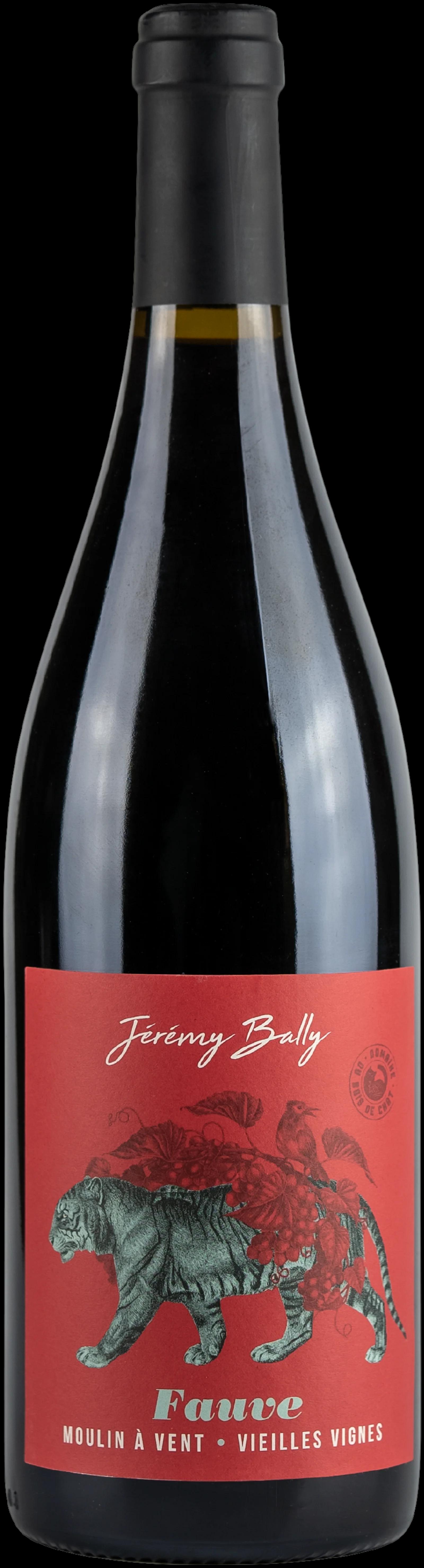
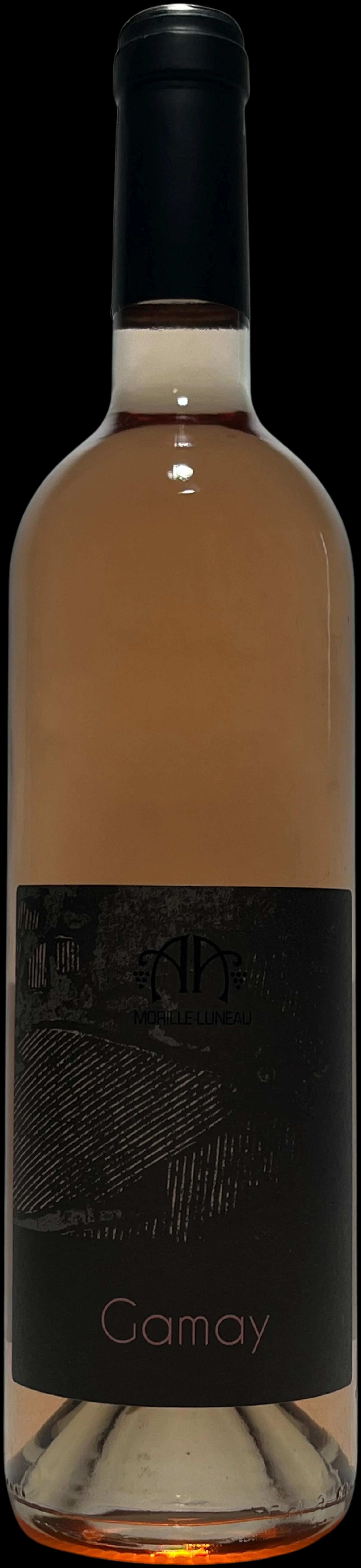
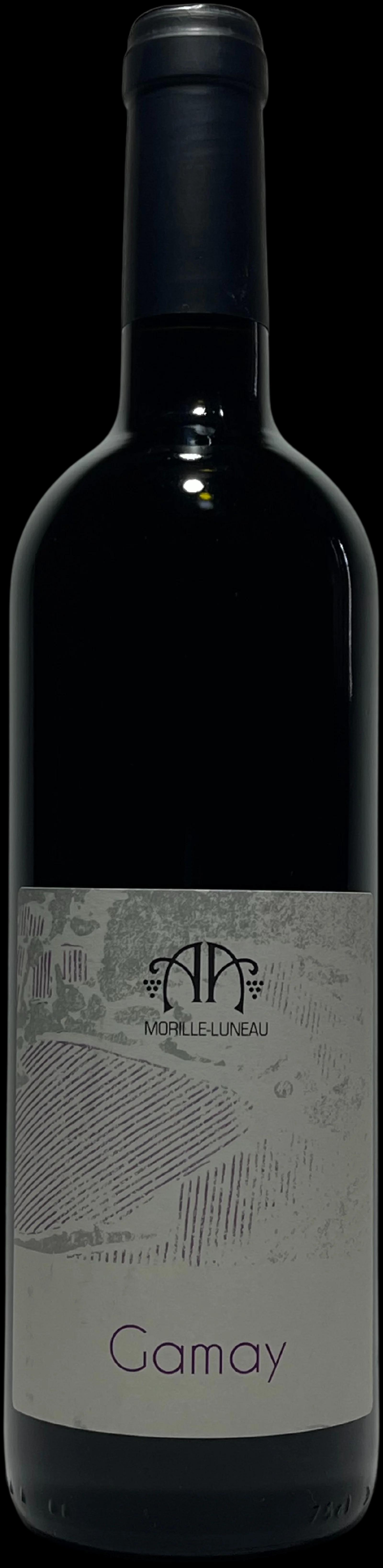
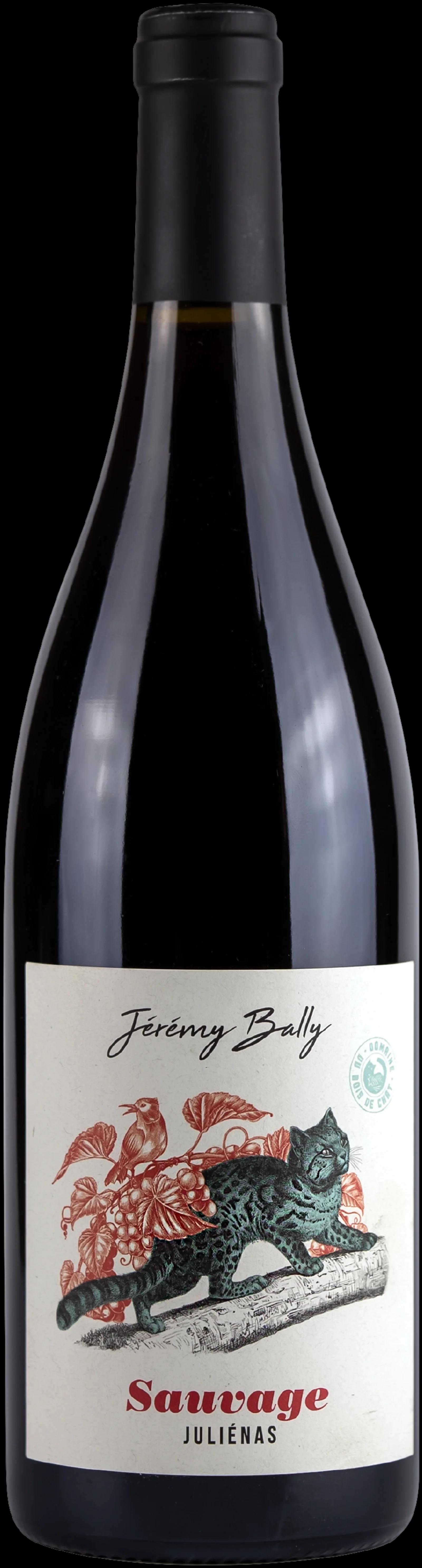
Gamay from France — beyond Beaujolais Nouveau

French Gamay from independent producers. Light-bodied, high-acid, and more regionally varied than its reputation suggests.

Single-estate Gamay, from Beaujolais to the Loire.

Color

Dropdown arrow

Type

Dropdown arrow

Country (1)

Dropdown arrow

Region

Dropdown arrow

Grape (1)

Dropdown arrow

Pairing

Dropdown arrow

Sort by

Sort arrow
France
Gamay

French Gamay

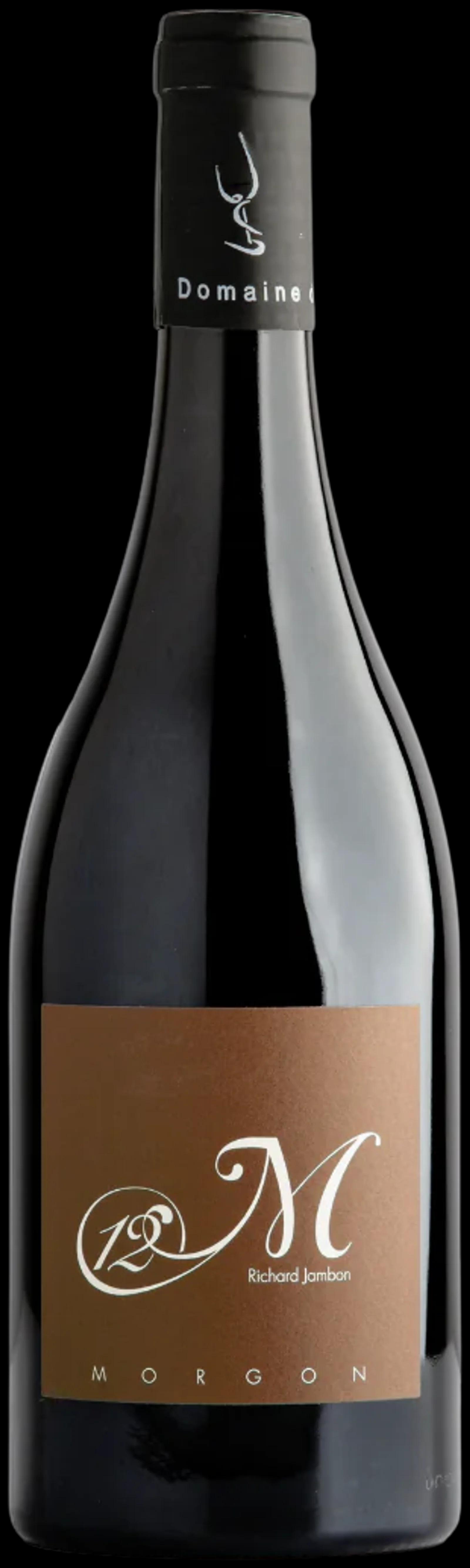
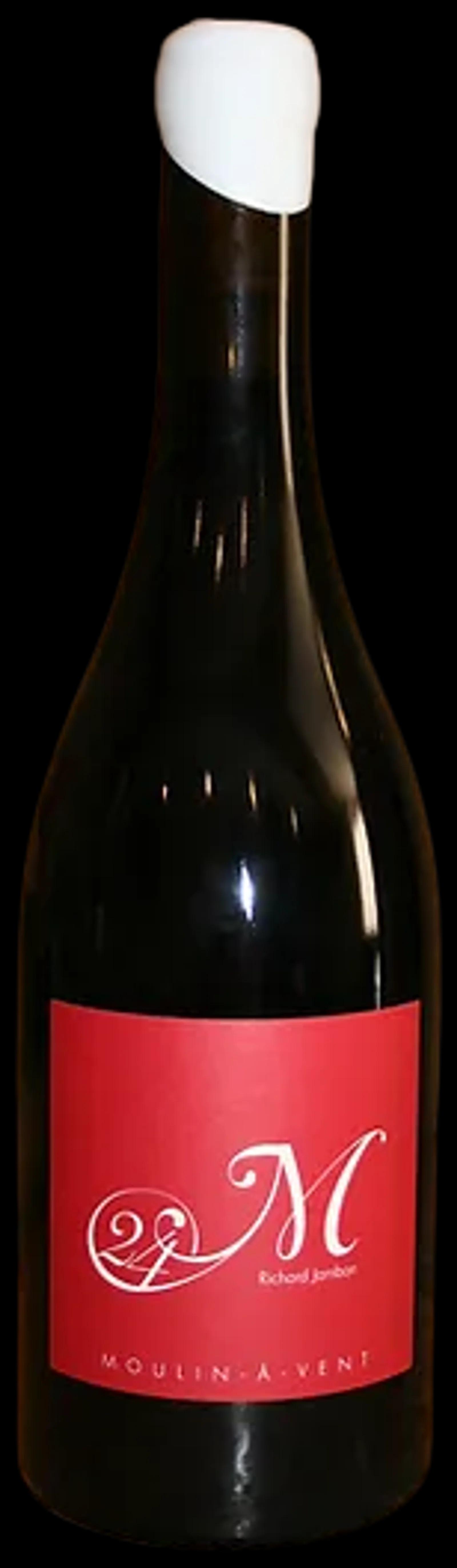
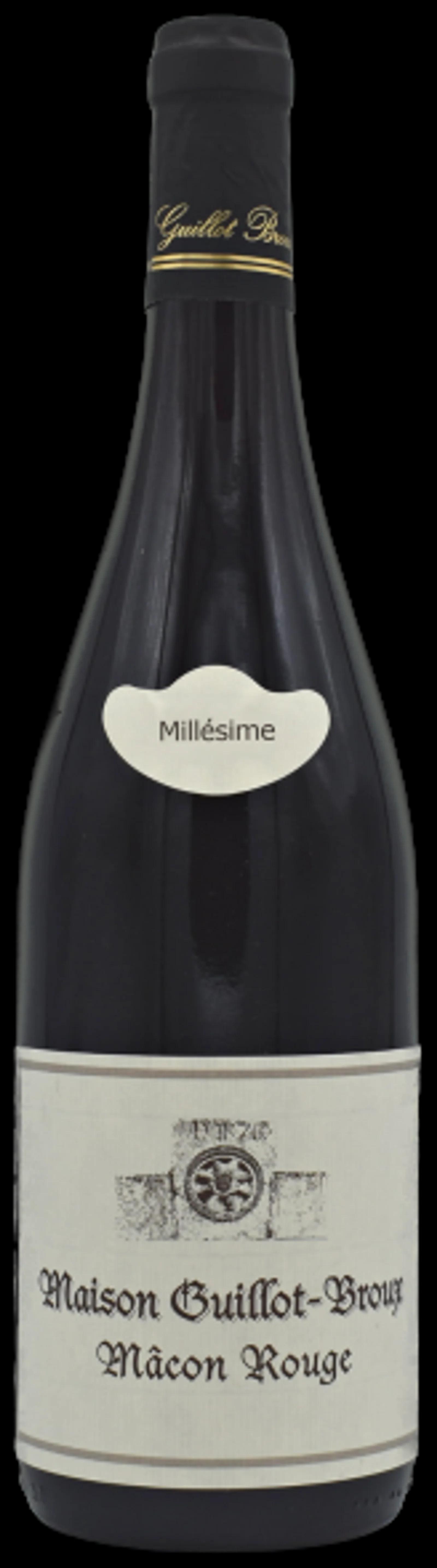
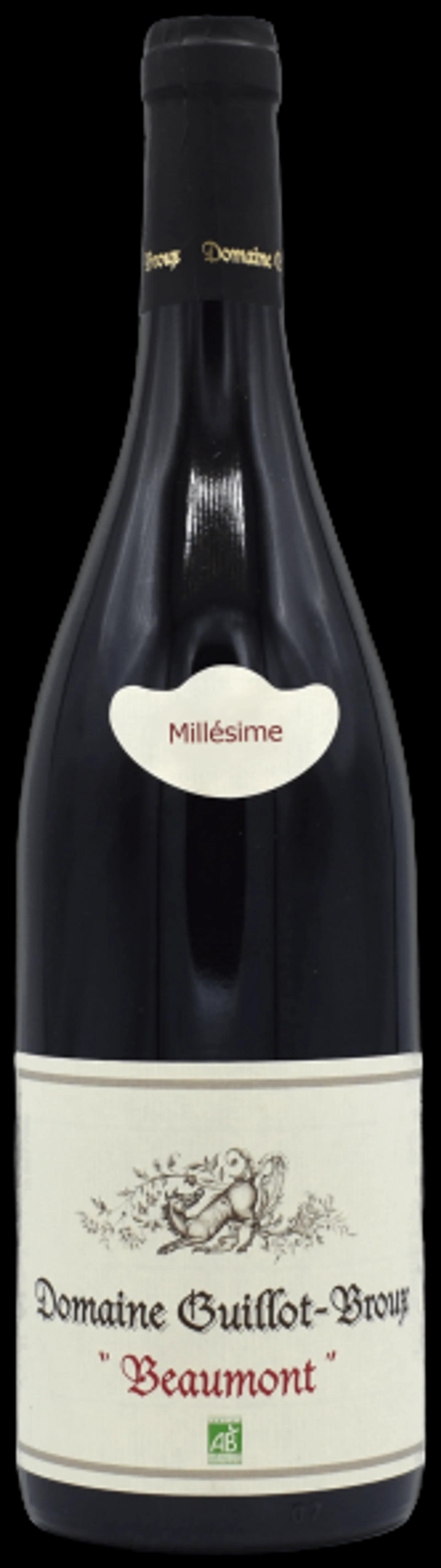
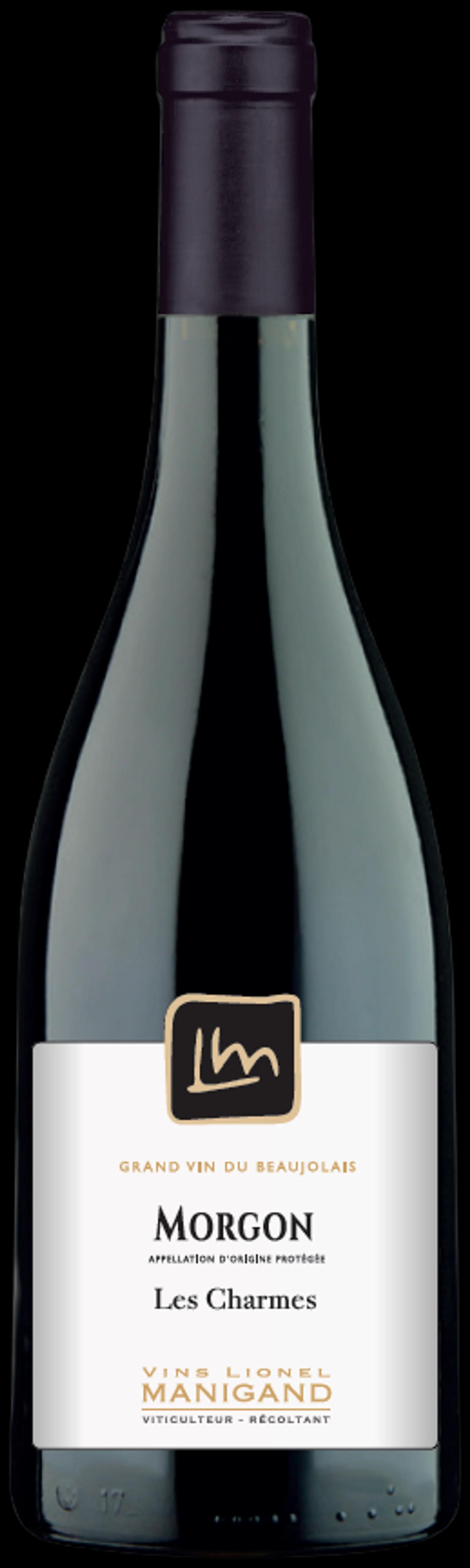
Gamay covers roughly 30,000 hectares in France, the vast majority in Beaujolais. But the variety behaves differently depending on soil. On the granite and schist of the northern Beaujolais crus — Moulin-à-Vent, Morgon, Fleurie — it builds tannin structure and ages for a decade or more. On the sandy soils further south, it produces the lighter, carbonic-maceration styles most associated with Beaujolais Nouveau. In the Loire, particularly around Touraine, small producers work Gamay without carbonic maceration entirely, producing wines closer in structure to a cool-climate Pinot Noir than to anything from Villefranche-sur-Saône. No importer, no wholesaler. The price you see is the price the producer agreed to.

Previous1 of 1Next

Frequently asked questions

How do I order French Gamay on Free Grape Society?

Browse the wines above and add bottles to your cart. Each listing shows the producer, appellation, and vintage. Checkout is handled once. Wines ship directly from the producer's cellar to your address. No account is required to browse the selection.

What happens if a bottle arrives broken or doesn't taste right?

Send a photo to Free Grape Society customer support within 7 days of delivery. We will arrange a replacement or a refund. Because producers ship directly, quality issues are handled with the producer's direct involvement. Shared responsibility is built into how FGS works.

Can I order French Gamay alongside wines from other countries in one order?

Yes. You can add wines from multiple producers and countries to one cart and pay in a single transaction. Each producer ships their wines separately, so you may receive more than one delivery from a single order.

How long does delivery take?

Average delivery is 8 to 9 days from order to door. The full range is 4 to 14 days depending on the producer's location and your delivery address. Wines ship directly from the producer's cellar, not from a central warehouse.

How do I find the right French Gamay for what I am looking for?

The key distinction within French Gamay is between the structured, terroir-driven crus of northern Beaujolais and the lighter carbonic styles from the south and the Loire. Producer notes and independent expert reviews on each listing describe the style. Filter by region if you already know which direction interests you.

Is French Gamay always light-bodied?

Not always. Gamay from the Beaujolais crus — Morgon, Moulin-à-Vent, and Chénas in particular — can produce wines with substantial tannin and aging potential. The light-bodied reputation comes primarily from Beaujolais Nouveau, made from young vines on sandy soils and released within weeks of harvest.

Which wine expert on Free Grape Society can recommend a French Gamay for me?

Several independent wine experts on Free Grape Society have reviewed French wines, including Gamay. Browse the expert profiles on the platform to find one whose speciality and style match what you are looking for. You can contact any expert directly through their profile.

Why don't you carry Gamay from every French producer?

Every wine on Free Grape Society is tasted before listing. Producers apply to join the platform and set their own prices. The catalogue reflects who has chosen to participate and whose wines have passed the quality review — not a comprehensive directory of every Gamay producer in France.

Can I find French Gamay here that is not available in mainstream retail?

Most wines on Free Grape Society are from producers who work at volumes too small for large retail chains or supermarket distribution. Beaujolais cru producers, in particular, tend to sell through direct channels. That is part of why they work with platforms like this one.

Gamay in France — where it grows and why it matters

Gamay is, above almost everything else, a French grape. It accounts for the overwhelming majority of plantings in Beaujolais, where it covers around 22,000 hectares of granite and schist hillside. But reducing Gamay to Beaujolais misses the structural picture. In the Loire Valley, particularly in Touraine, Gamay produces lighter, more angular reds with higher visible acidity — a direct consequence of the cooler continental climate compared to southern Beaujolais. In the Auvergne, grown on volcanic basalt soils, Gamay takes on a darker, more structured character that has little stylistic overlap with a Brouilly or a Fleurie. The grape's thin skin produces low tannin across all these contexts, but the extract, weight, and acid profile shift substantially depending on elevation and geology. Producers working with Gamay in France are frequently single-estate operations — the grape has historically resisted the industrial cooperative model better than Merlot or Grenache.

How French Gamay compares to the same grape grown elsewhere

Gamay is planted in Switzerland, Canada, and parts of the United States, but in those countries it functions as a minor variety. In France it is a structural pillar of an entire appellation system. The cru Beaujolais system — ten named crus from Moulin-à-Vent to Chiroubles — represents something unusual: a single grape variety differentiated almost entirely by soil type rather than by winemaking technique. Moulin-à-Vent sits on manganese-rich granite and produces wines that can age for a decade. Saint-Amour, by contrast, sits on sandstone and schist and produces wines that are typically drunk within two or three years. No other country produces Gamay with this level of geologically-defined internal variation. That variation is also what distinguishes French Gamay from Pinot Noir grown in the same region: where Pinot Noir in Burgundy is shaped primarily by limestone and chalk, Gamay in Beaujolais is shaped by igneous and metamorphic rock. The resulting tannin structure is different in kind, not just in degree.

Styles of Gamay from France — and how producers work with the grape

Three stylistic lines run through French Gamay. The first is carbonic maceration, the technique most associated with Beaujolais Nouveau and lower-tier Beaujolais: whole bunches fermented in a carbon-dioxide-rich environment, producing fruity, low-tannin wines intended for early drinking. The second is semi-carbonic or traditional fermentation in the cru appellations, producing wines with more structure, more phenolic development, and genuine aging potential. The third, increasingly visible among independent producers in the Loire Valley and Auvergne, is minimal-intervention whole-cluster fermentation that produces Gamay with an earthy, sometimes saline, character that reads nothing like a standard Beaujolais. Producers on Free Grape Society working with French Gamay tend to sit in the second and third categories. These are not the wines that built Beaujolais Nouveau's export volumes in the 1980s. No importer, no wholesaler. The price you see is the price the producer agreed to. Bottles ship from the producer's cellar, not from a warehouse. If you want to understand the full range of what French red wine built on a single grape looks like, Gamay in France is the most instructive example on the market.