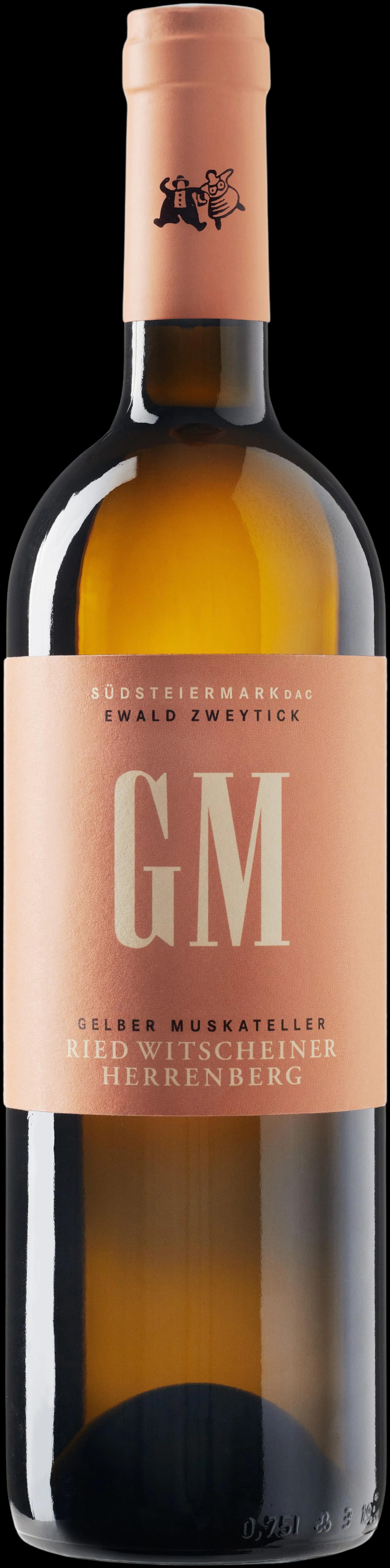
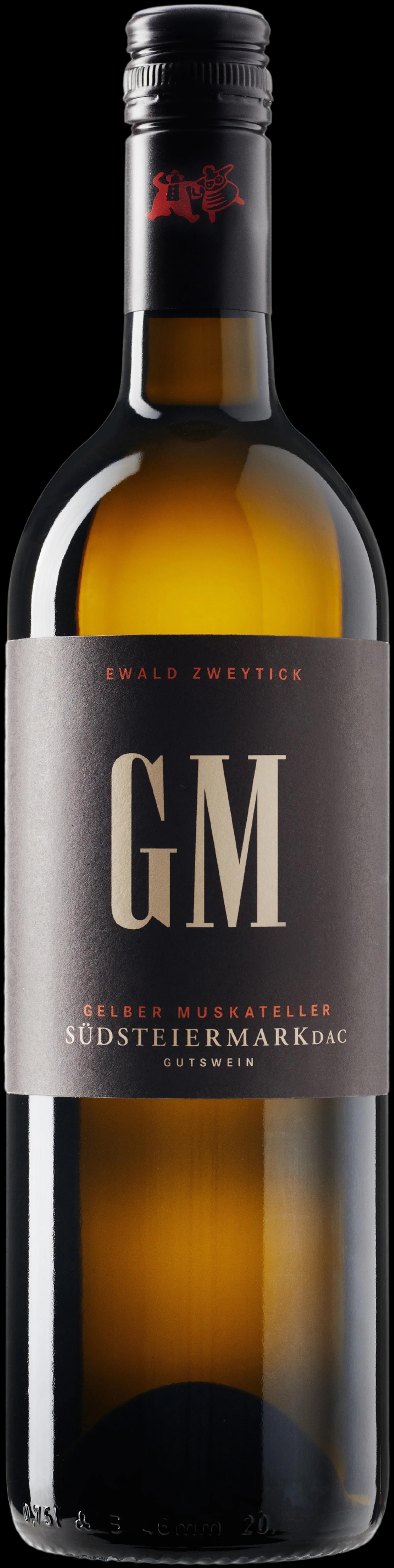
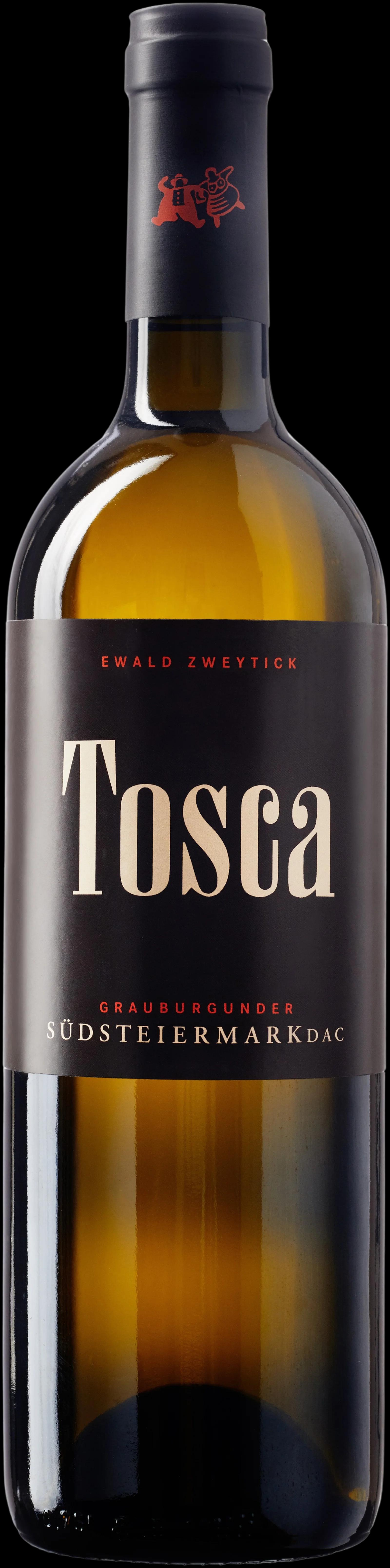
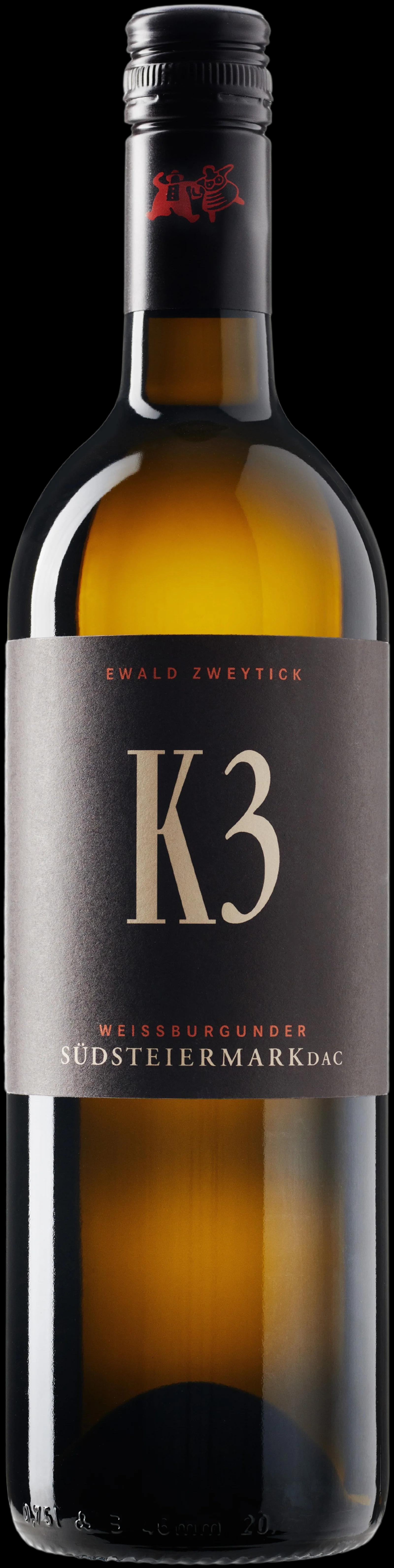
Grapes and appellations of Steiermark
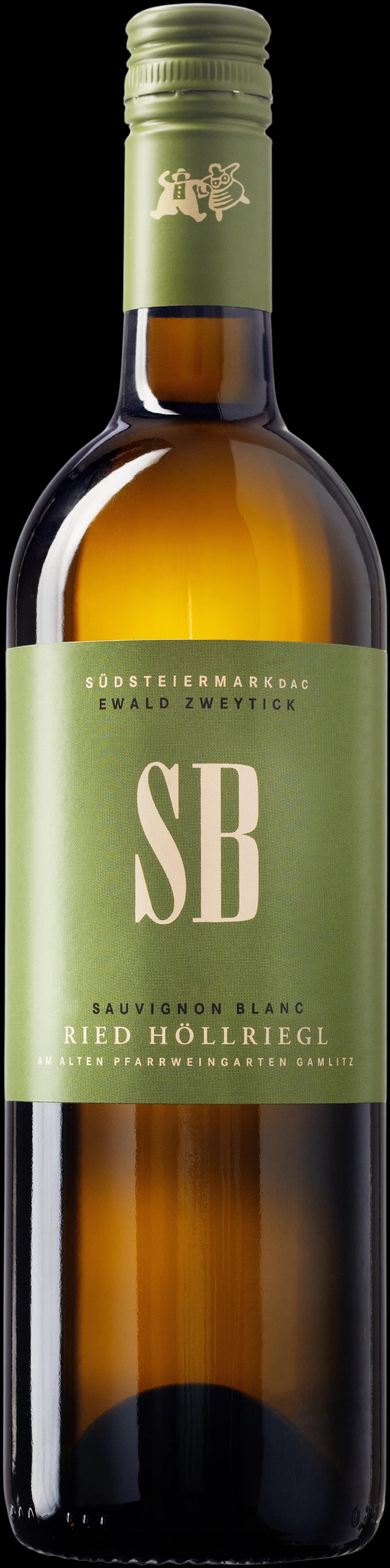
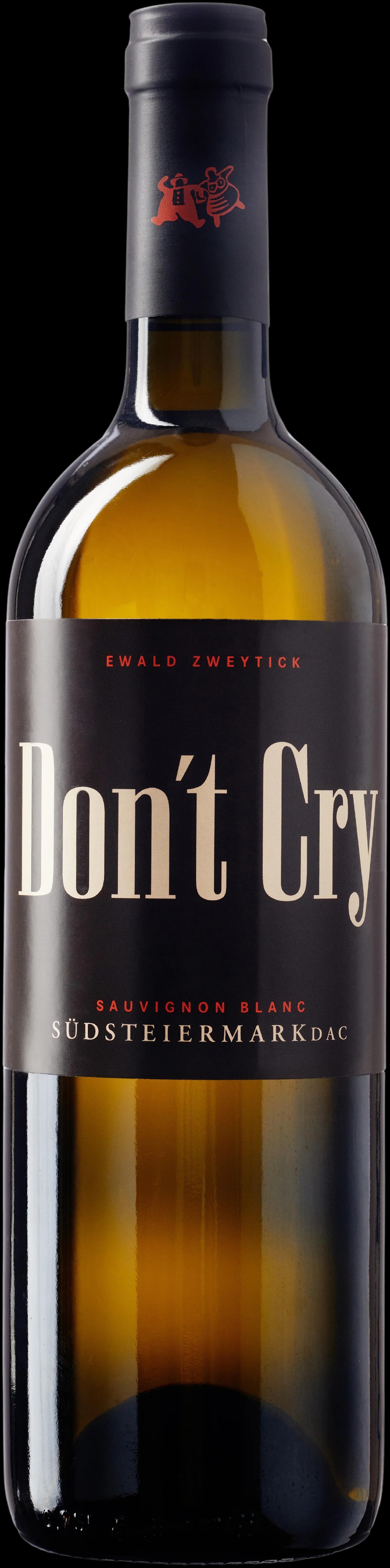
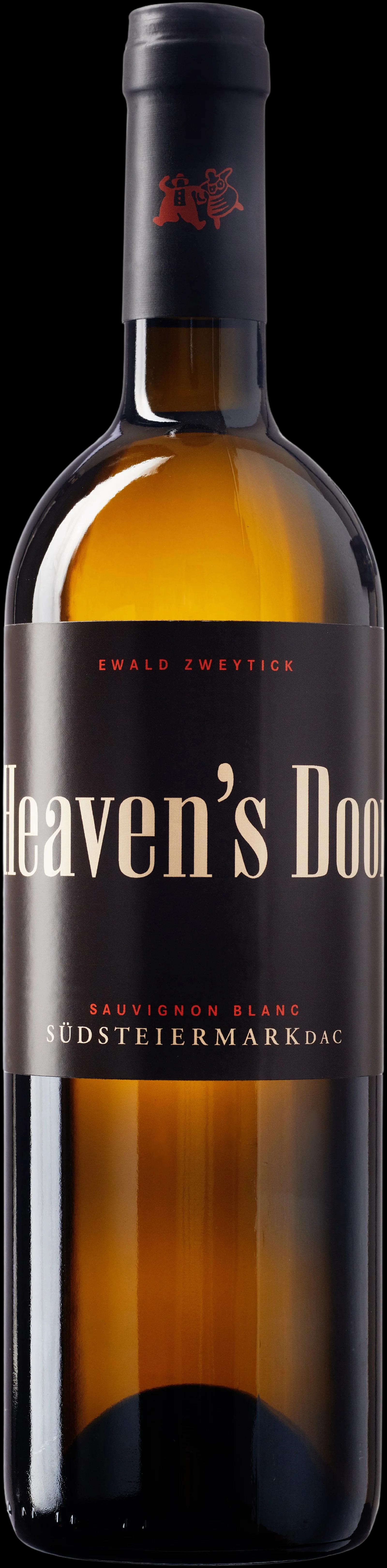
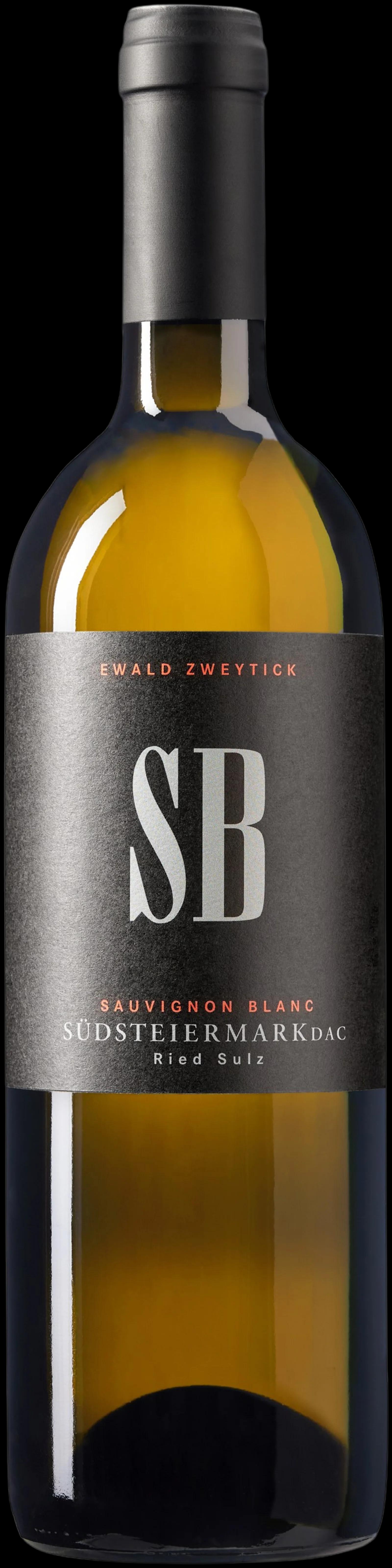
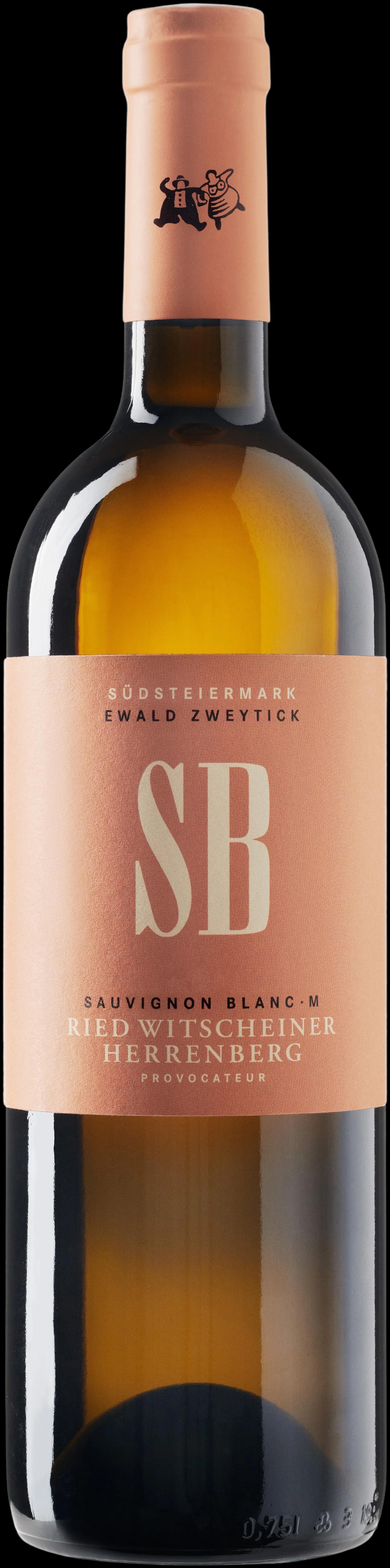
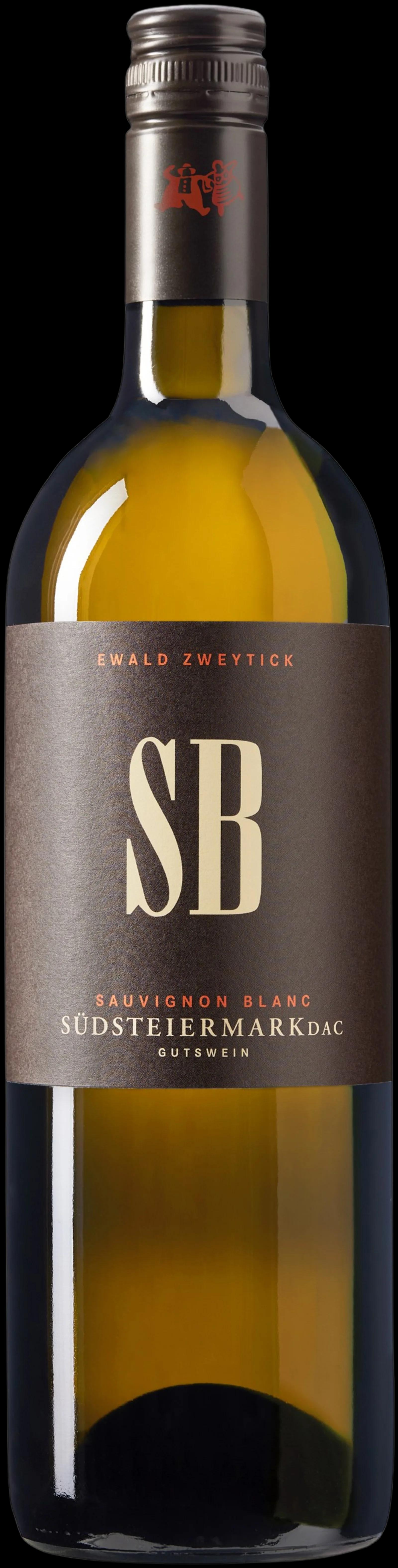
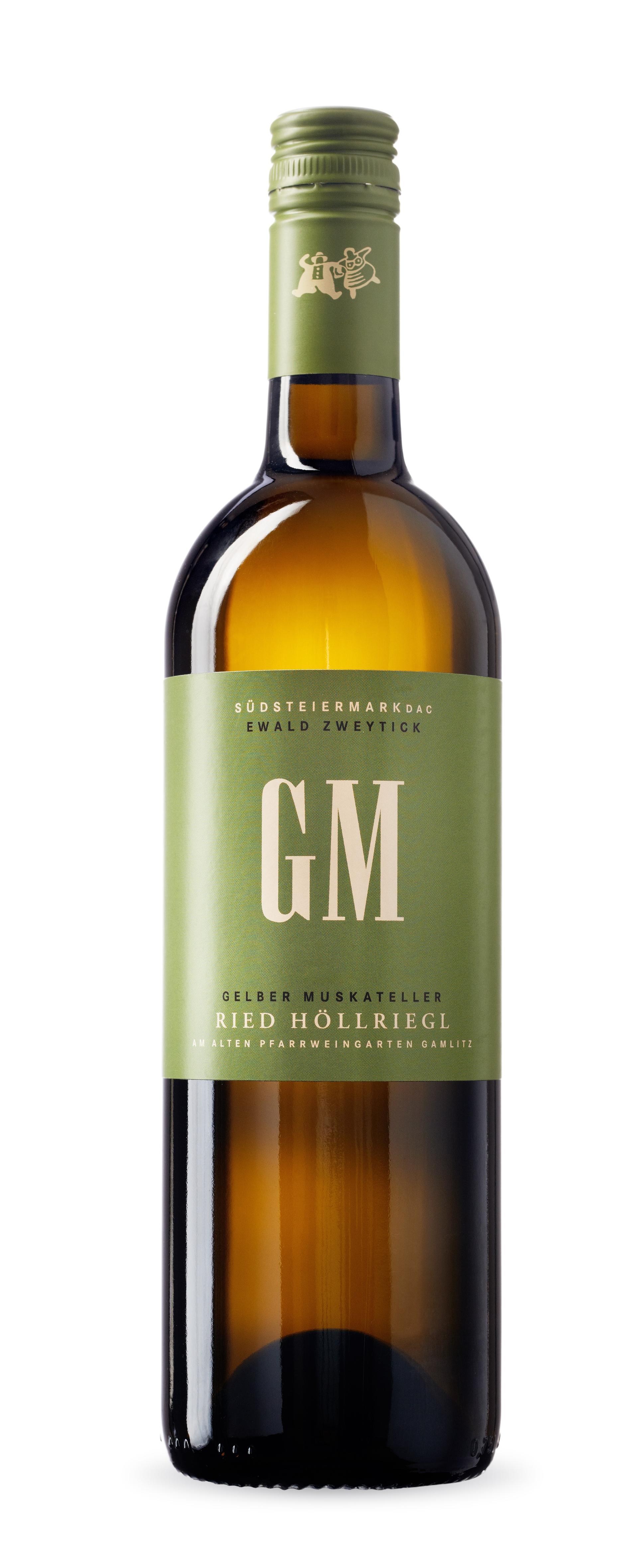
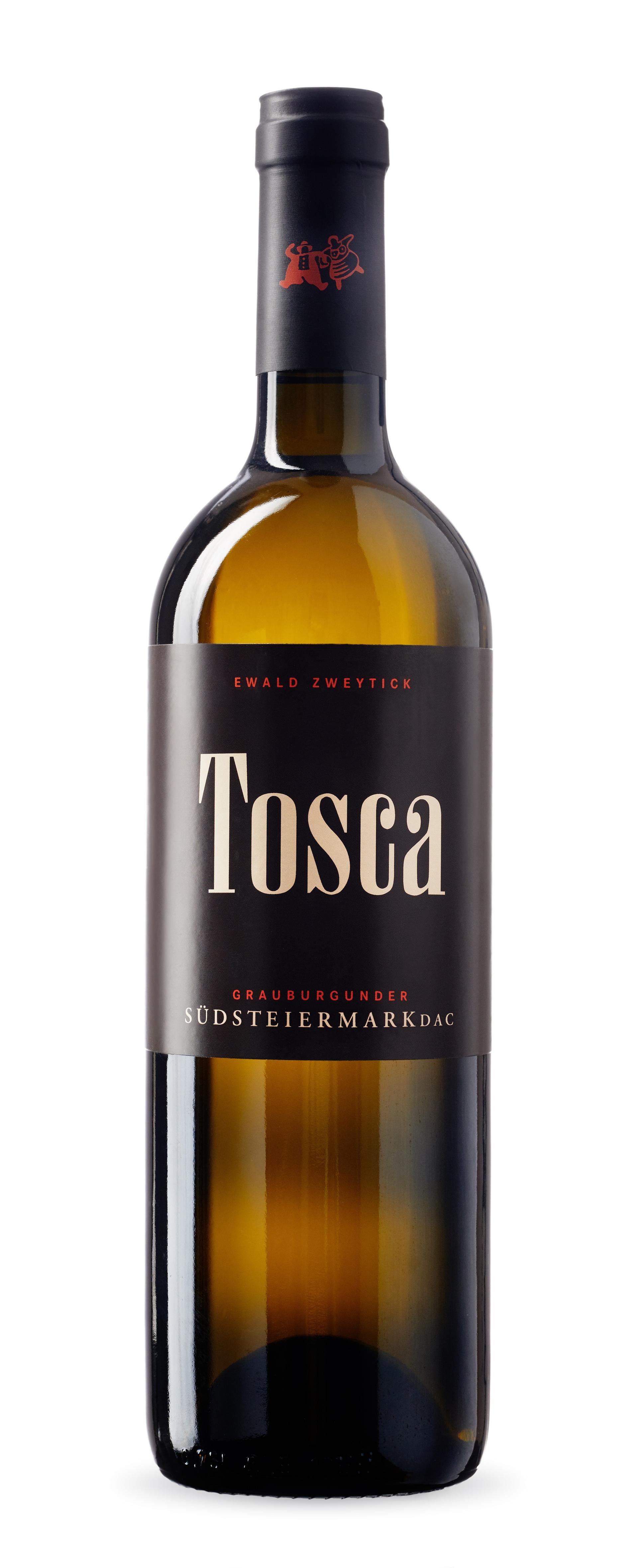
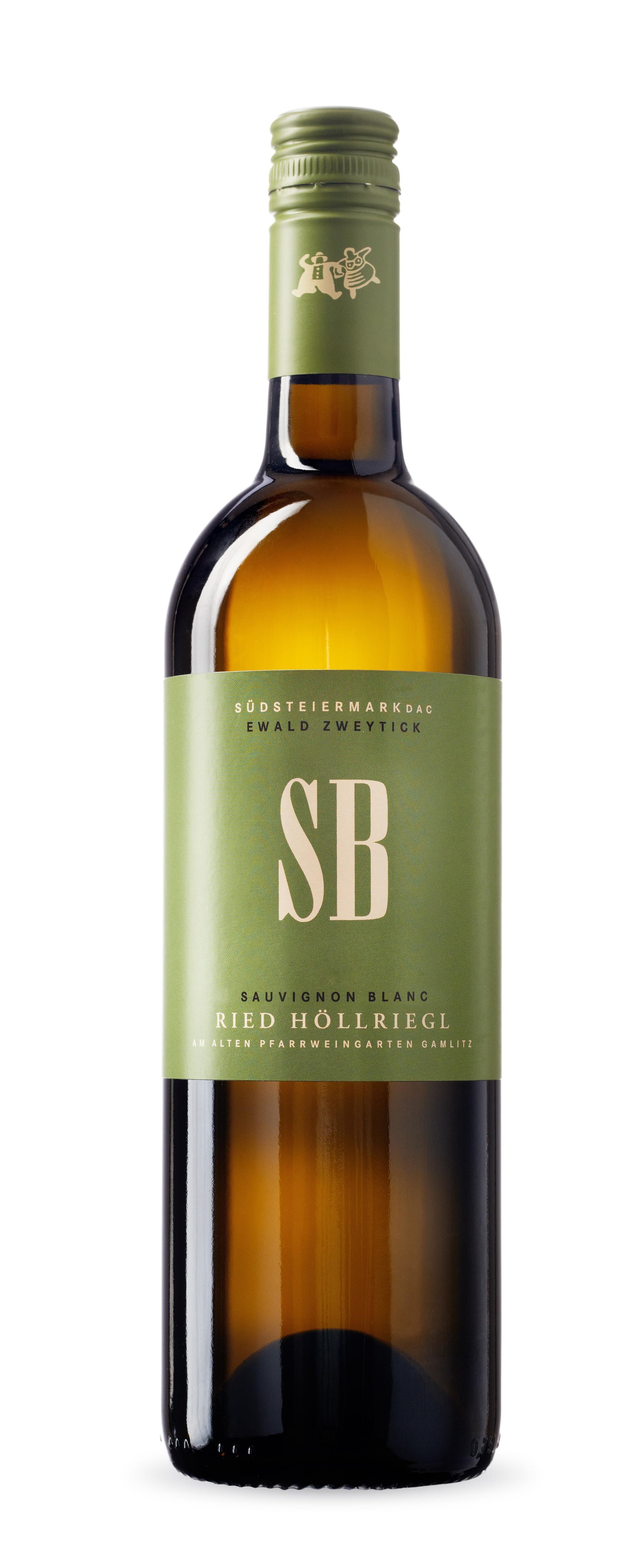
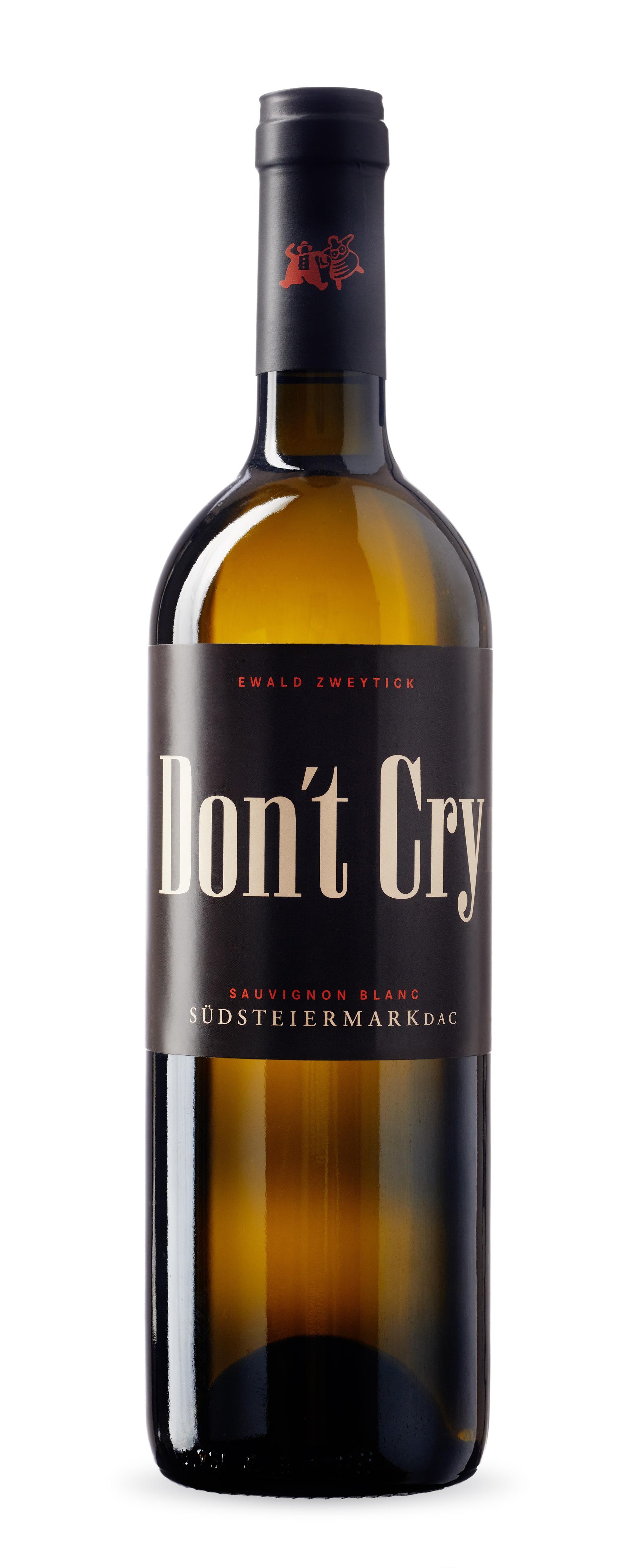
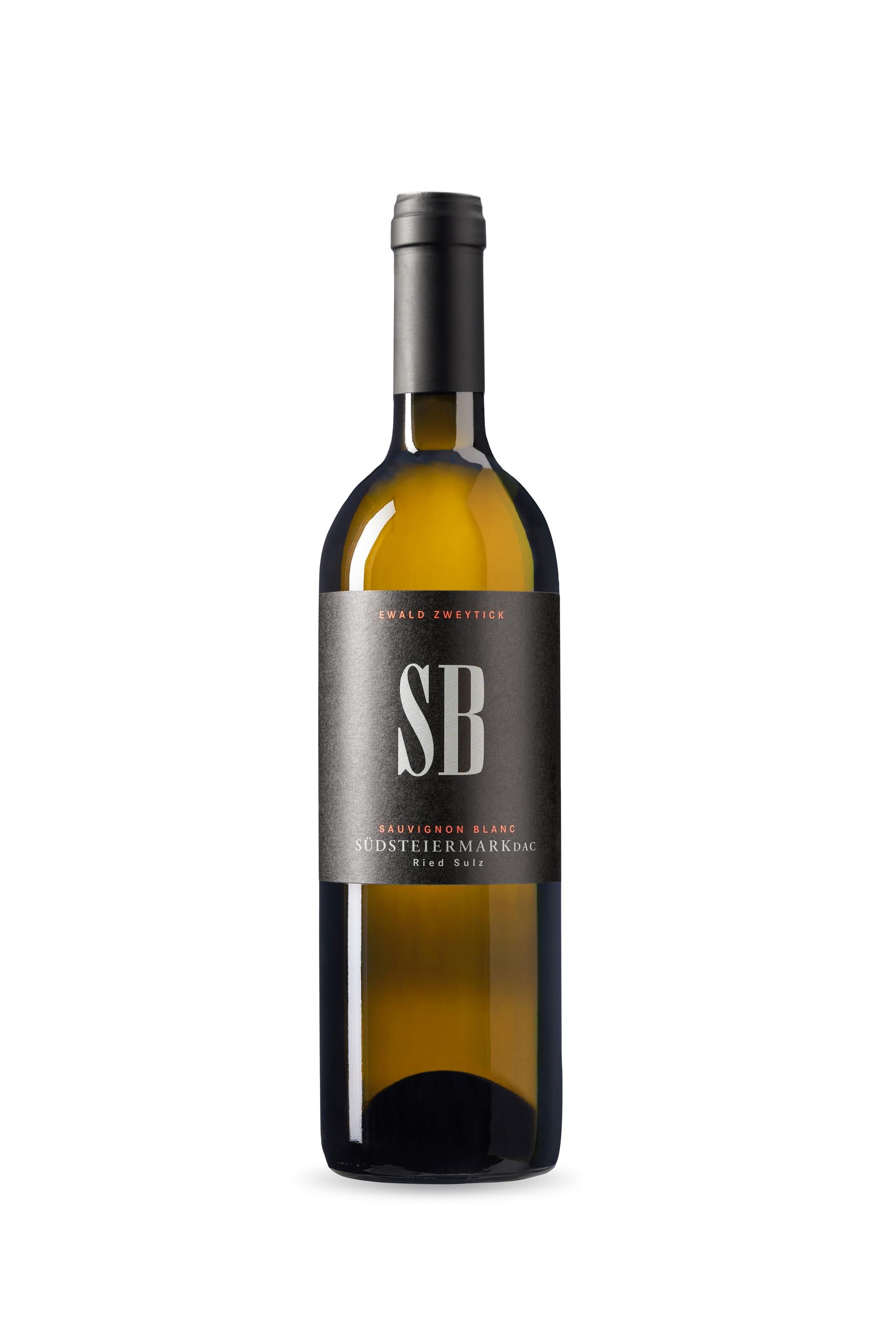
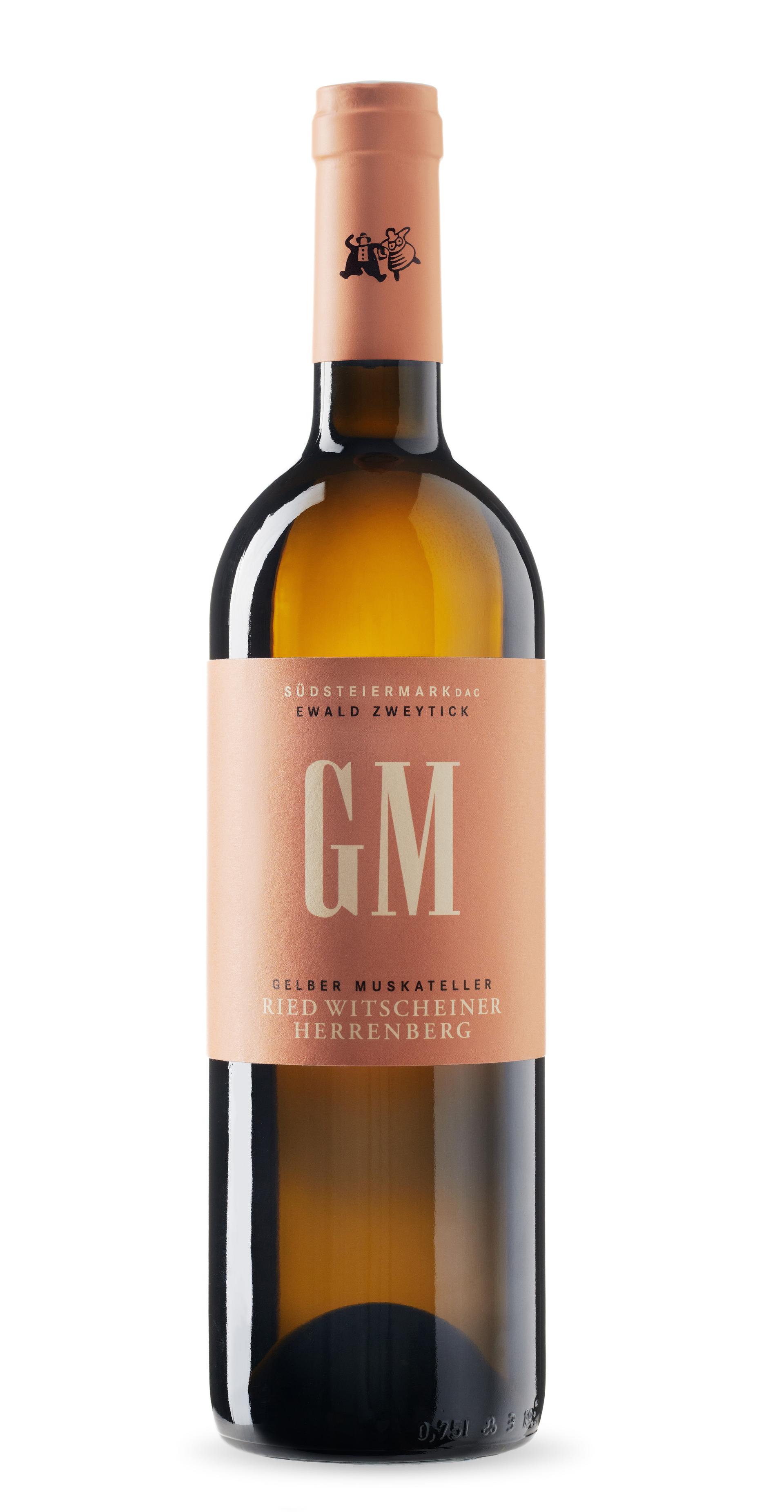
Steiermark — Styria in English — is divided into three distinct wine zones: Südsteiermark, Weststeiermark, and Vulkanland Steiermark. Each carries its own DAC designation, a system Austria introduced to tie wine identity more tightly to origin. Südsteiermark is the most internationally recognized of the three, known for Sauvignon Blanc with a mineral precision that differs noticeably from the Loire or Bordeaux versions of the same grape. Weststeiermark is almost entirely built on Blauer Wildbacher, a red variety grown almost nowhere else in the world, used primarily to make Schilcher — a bone-dry, high-acid rosé with a long regional tradition. Vulkanland Steiermark, formerly called Südoststeiermark, sits on volcanic soils that push Pinot Gris and Traminer toward a richer, more textured style than the same grapes produce in Alsace. Across all three zones, the terrain is steep. Slopes regularly exceed 30 degrees, which means mechanization is limited and hand harvesting remains the norm. That geography keeps volume low and concentration high. White wines from Austria account for the majority of Steiermark output, with Sauvignon Blanc, Grüner Veltliner, and Welschriesling the dominant varieties.
Climate and terroir in Steiermark
Steiermark sits in the southeastern corner of Austria, bordering Slovenia to the south and east. The climate is Pannonian-influenced inland but moderated by Alpine air from the north and west, creating diurnal temperature swings that regularly exceed 15°C in the growing season. Those swings are what keeps Steiermark whites precise: grapes ripen fully in summer heat but retain acidity through cool nights. Annual rainfall is among the highest of any Austrian wine region, concentrated mostly in summer. The steep, well-drained hillside vineyards shed excess water efficiently, reducing disease pressure without requiring intensive intervention. Soils vary considerably between zones: Südsteiermark sits largely on opok — a compressed mixture of marl and sandstone — while Vulkanland Steiermark is defined by basalt and volcanic tuff. Those soil differences translate directly into wine texture. Producers in Vulkanland working volcanic parcels typically see more body and phenolic weight than their counterparts on the marl-dominant slopes of Südsteiermark. These are not theoretical distinctions — they are measurable differences in pH, mineral uptake, and water retention that show up in the glass.
How Steiermark producers work with Free Grape Society
Steiermark is a region where most serious producers are small. Vineyard holdings are often under five hectares, and many estates have been in the same family for three or more generations. These are not producers with distribution infrastructure — they grow, make, and sell, and the logistics chain between cellar and consumer has historically involved multiple intermediaries who each take a margin. Free Grape Society removes that structure. The producer sets their own price on the platform. No buyer with quarterly targets decides what gets listed or at what margin. No chain defends shelf space. Producers send samples to our Head of Product, who tastes every wine before it goes live on the platform. Independent wine experts Rate & Review individual wines directly on the platform, and those reviews are visible on the wine page and on each expert's profile. Bottles ship from the producer's cellar — not from a regional warehouse or a third-party logistics hub. For a region like Steiermark, where the identity of the wine is inseparable from the specific slope, soil, and family behind it, that directness matters. You are not buying a category. You are buying a specific producer's decision about how to work their land and what to put in the bottle.