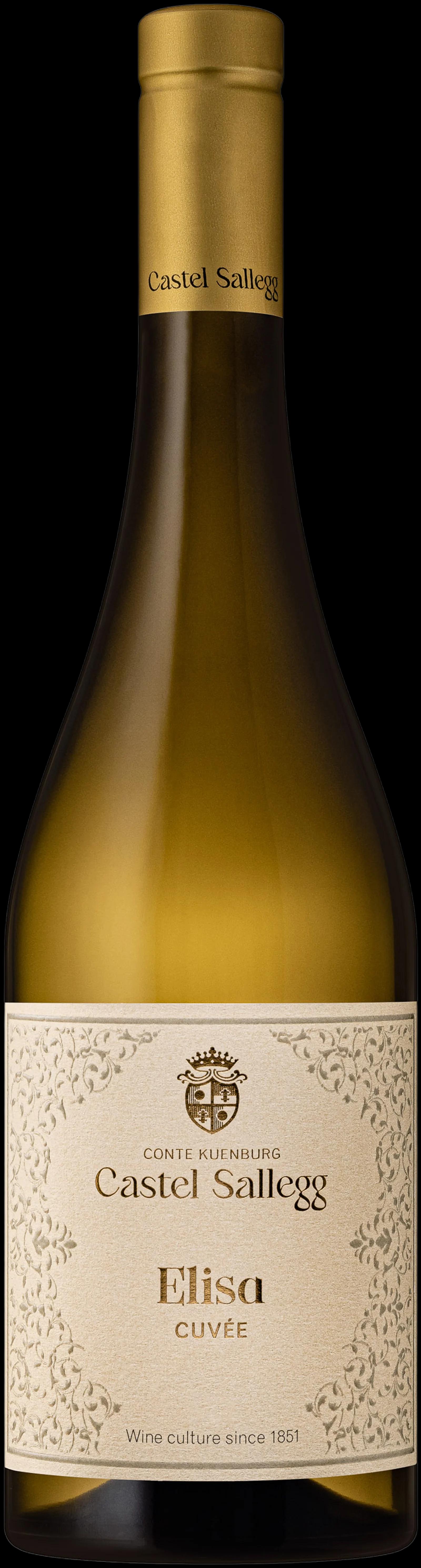
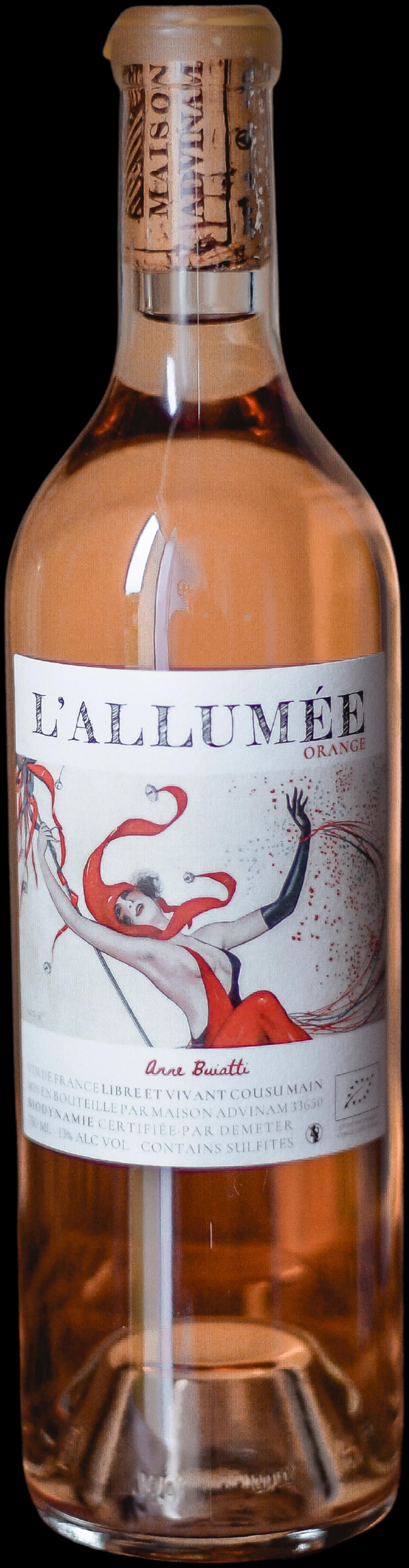
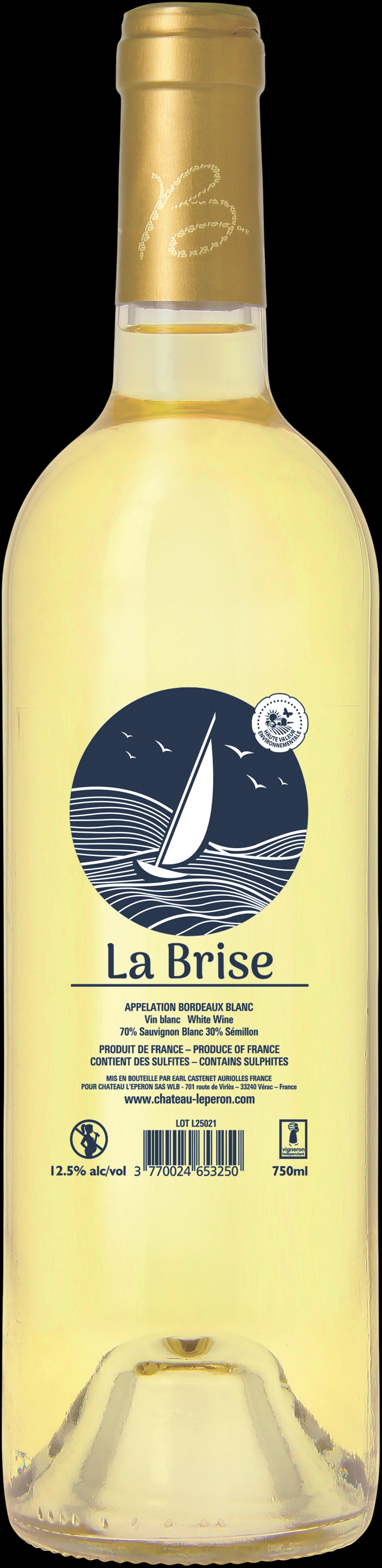
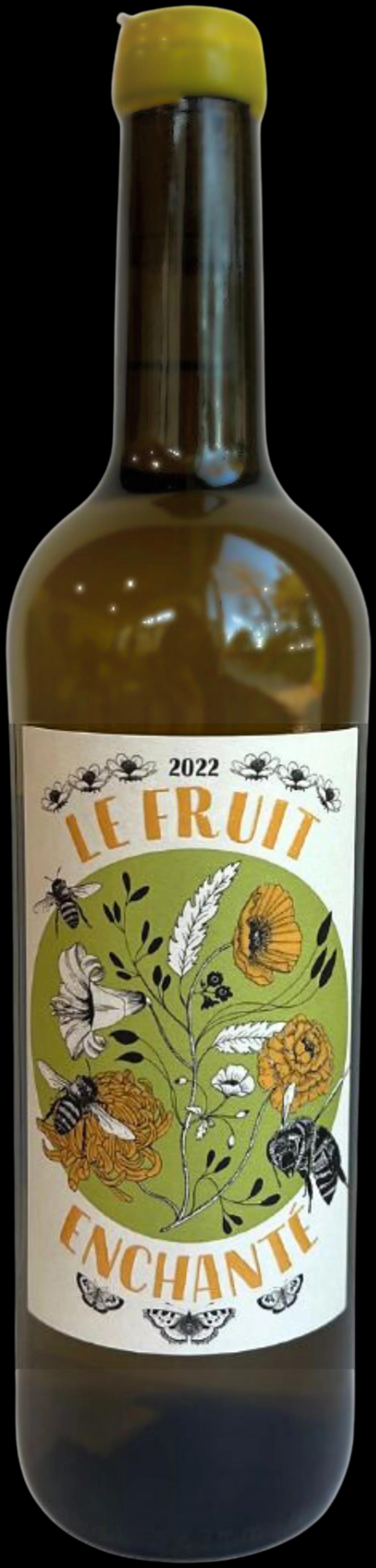
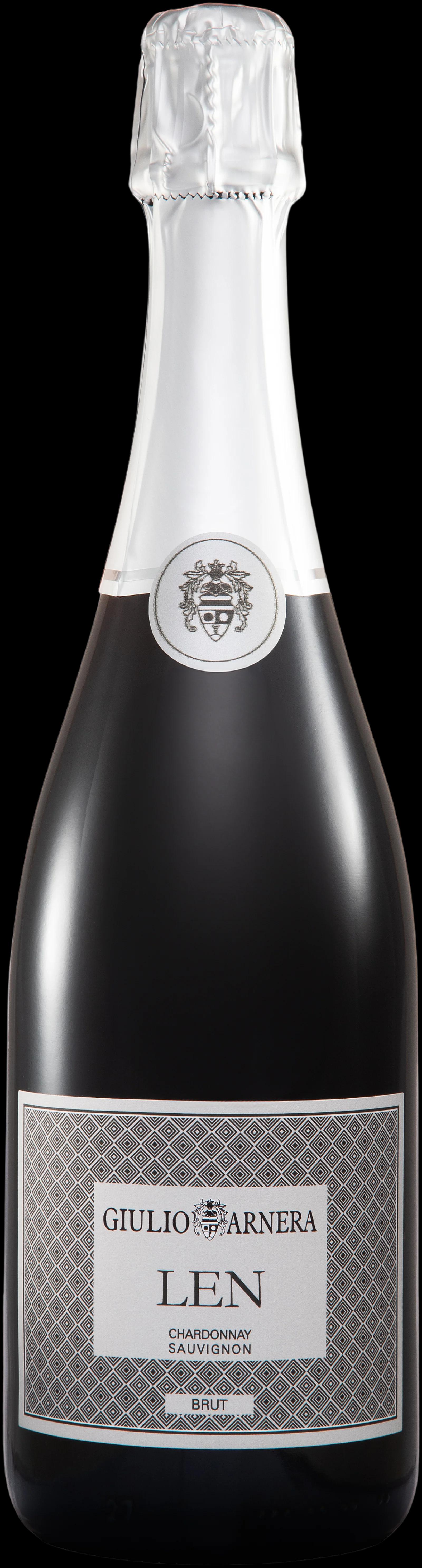
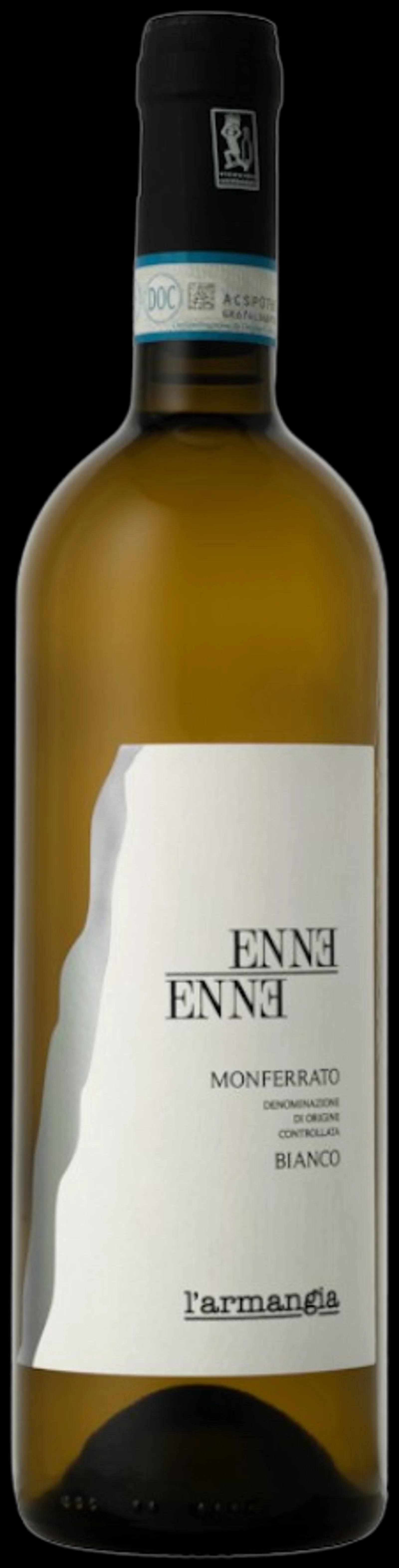
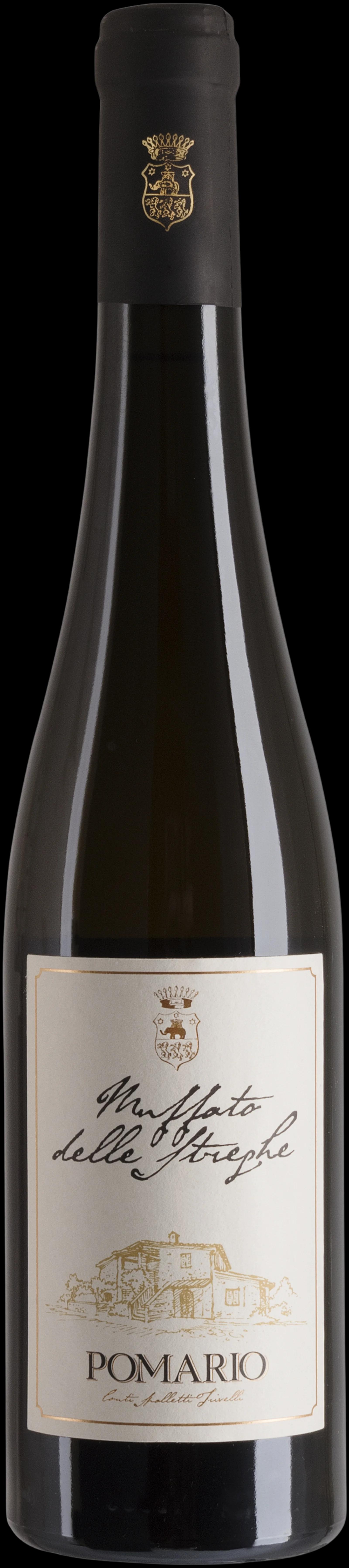
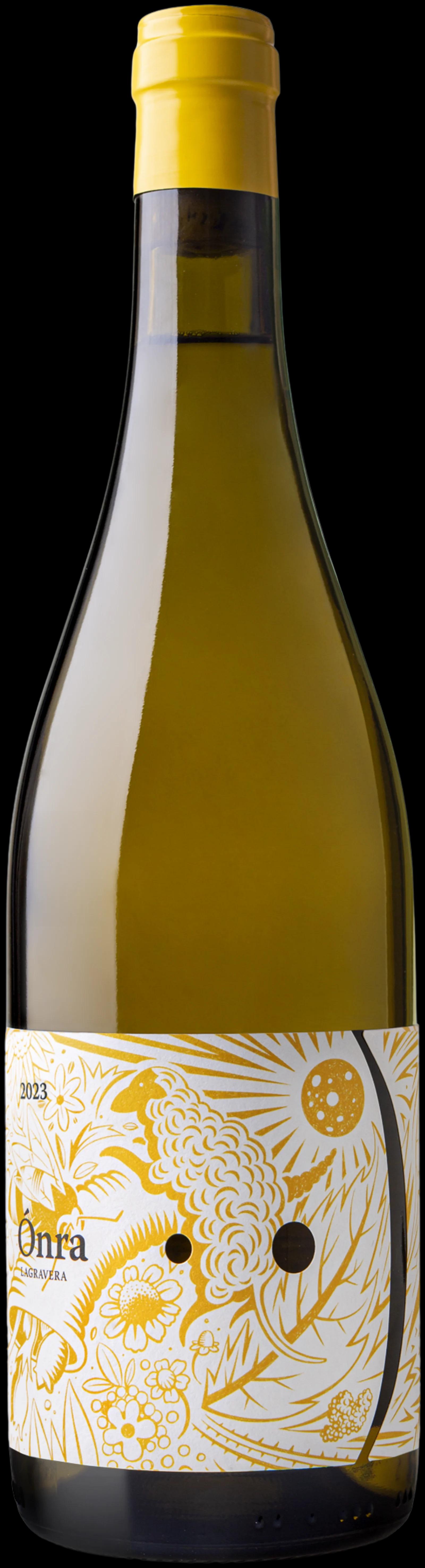
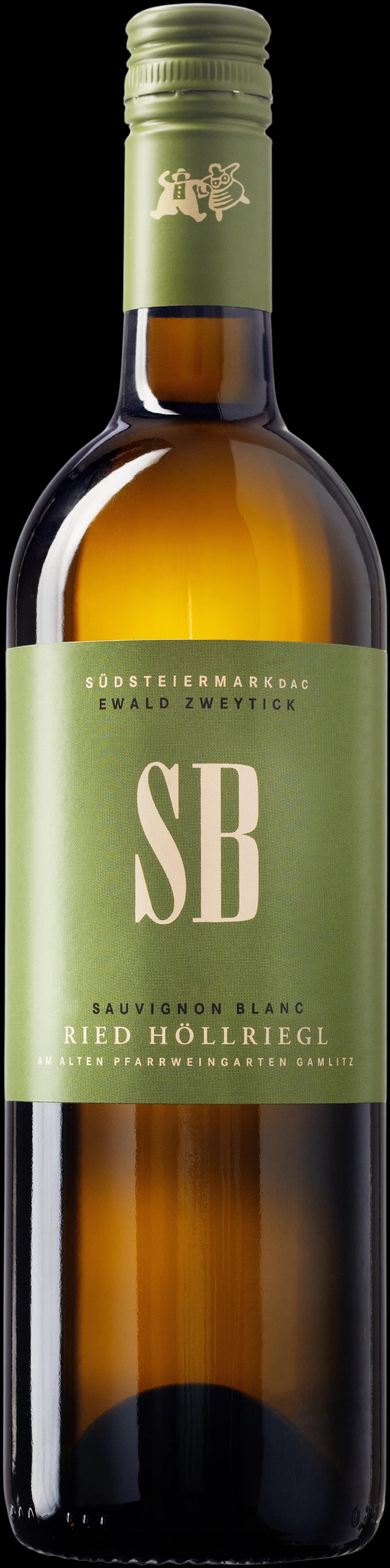
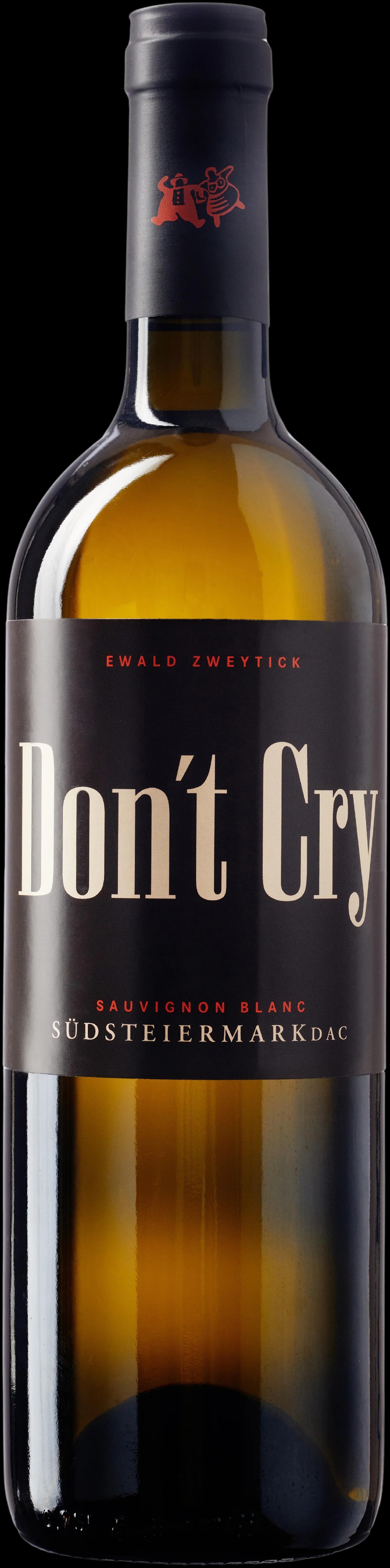
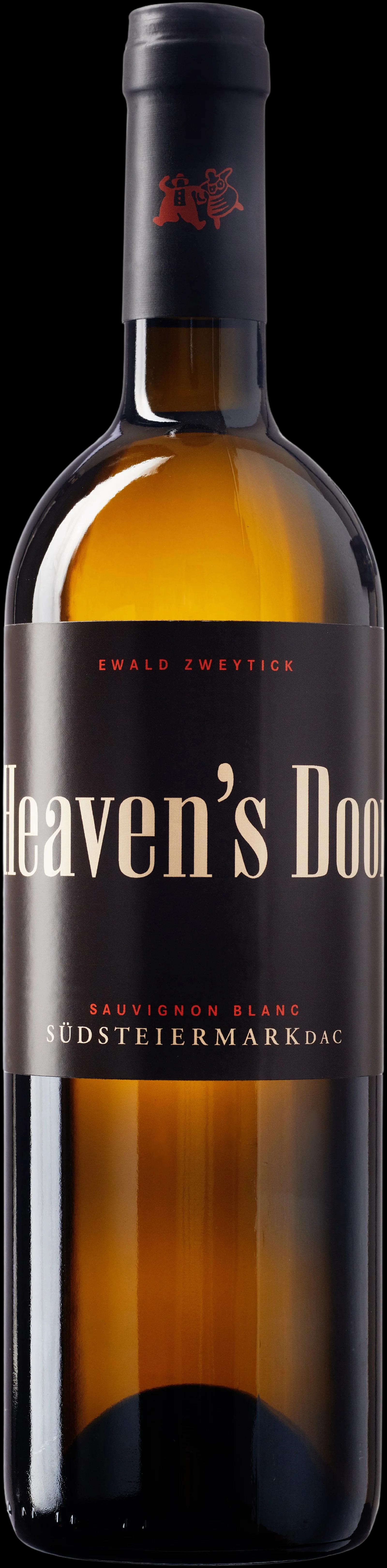
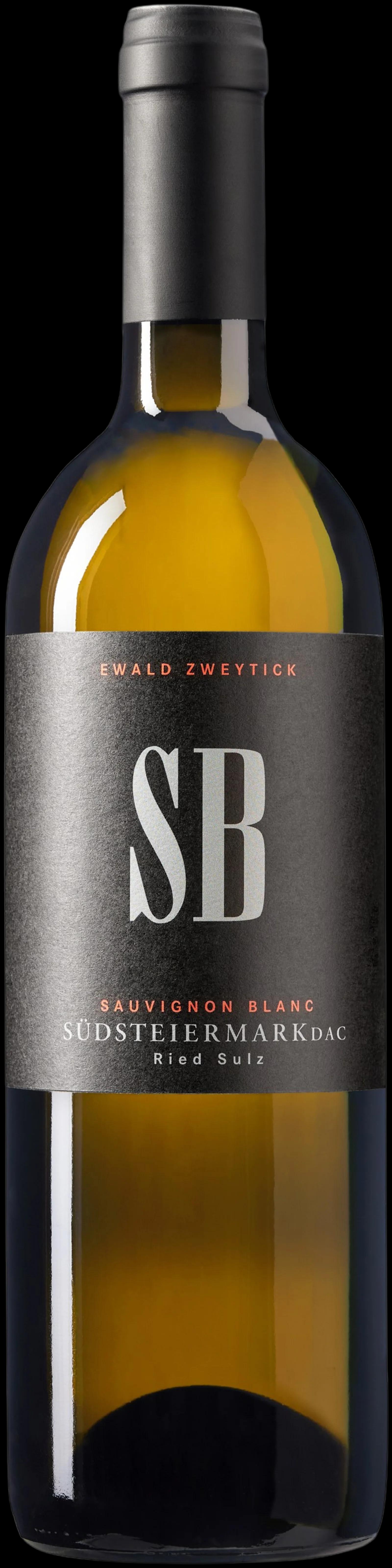
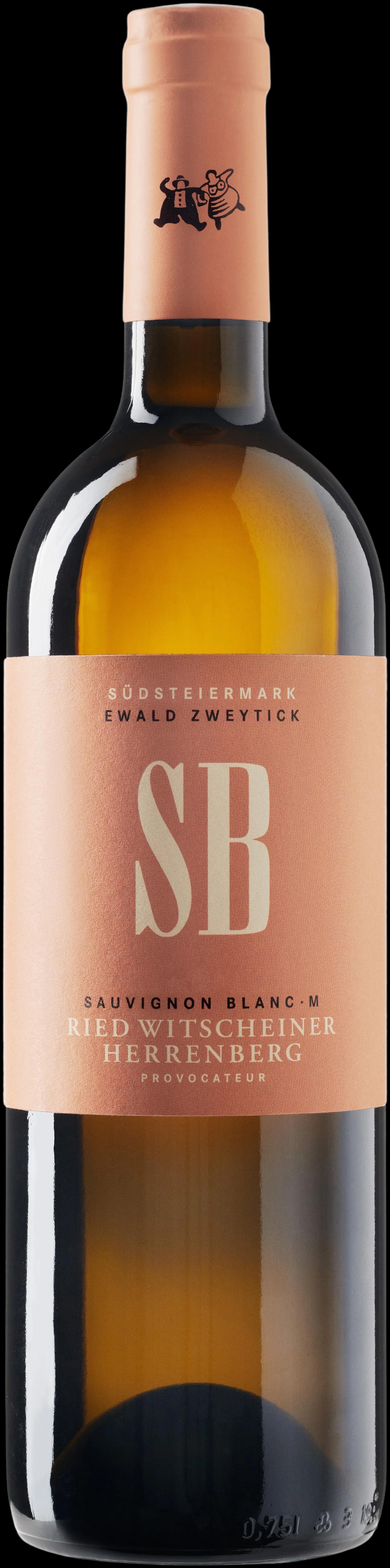
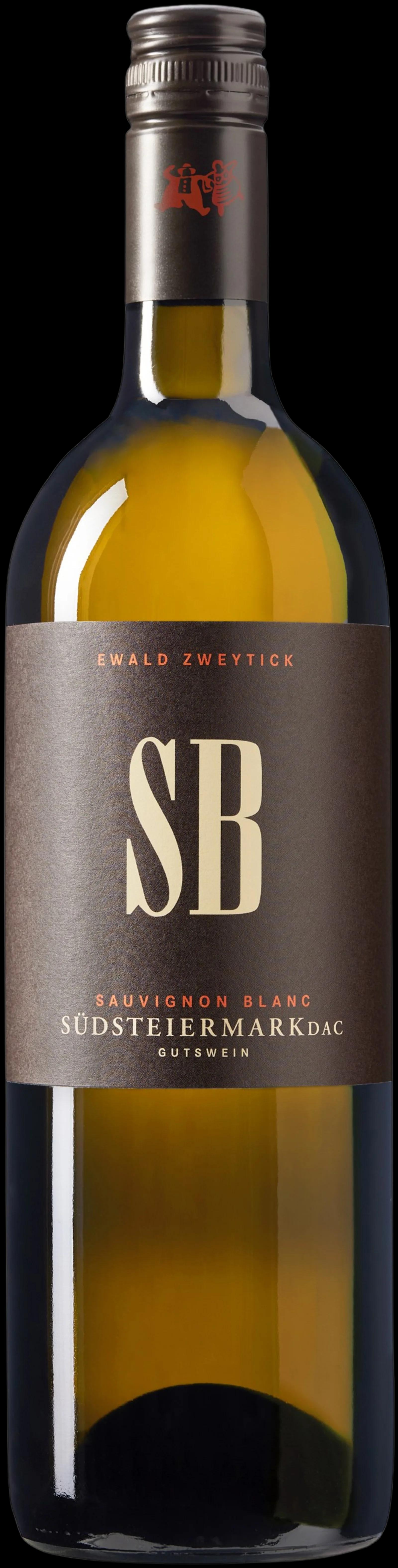
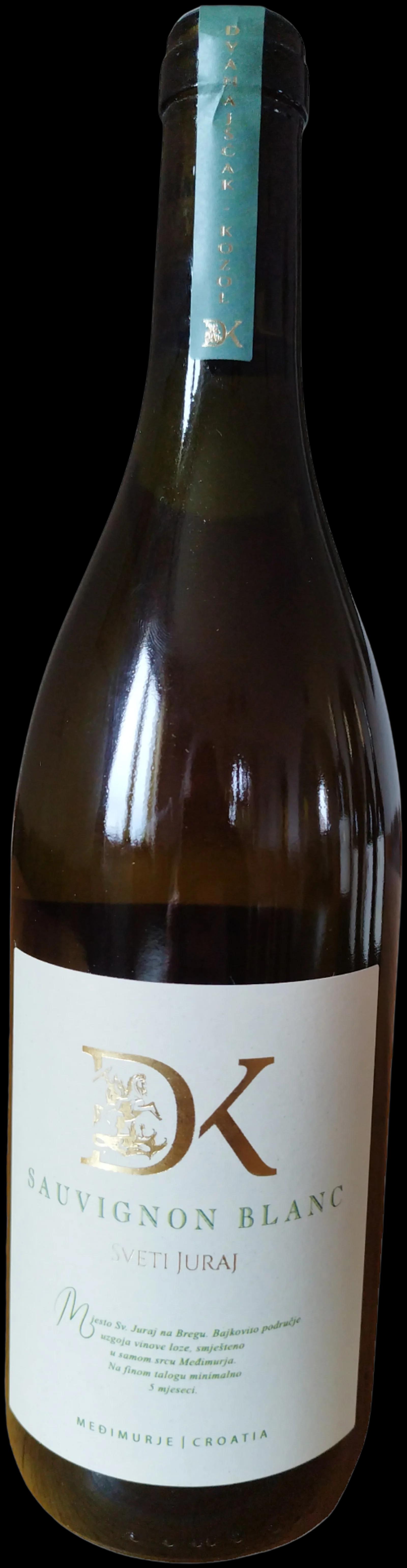
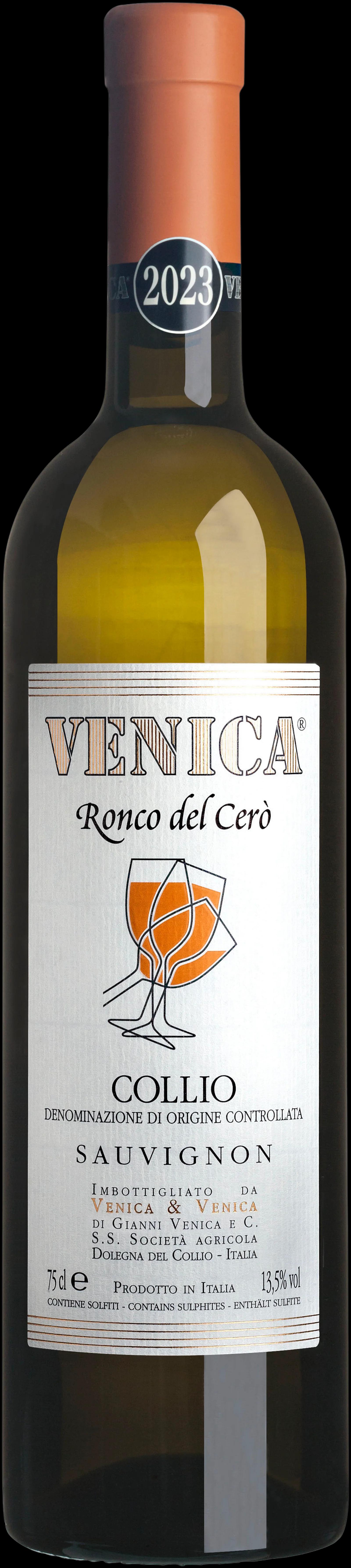
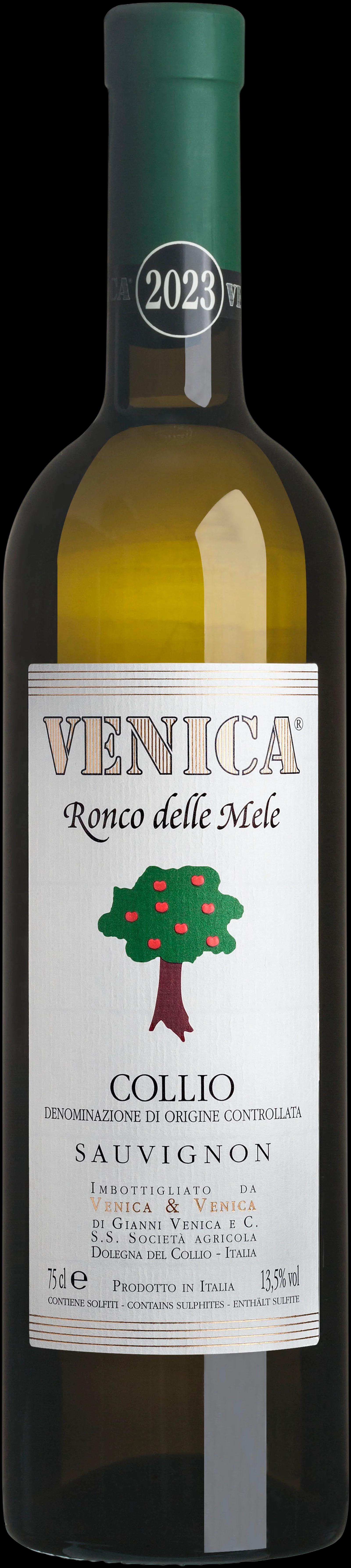
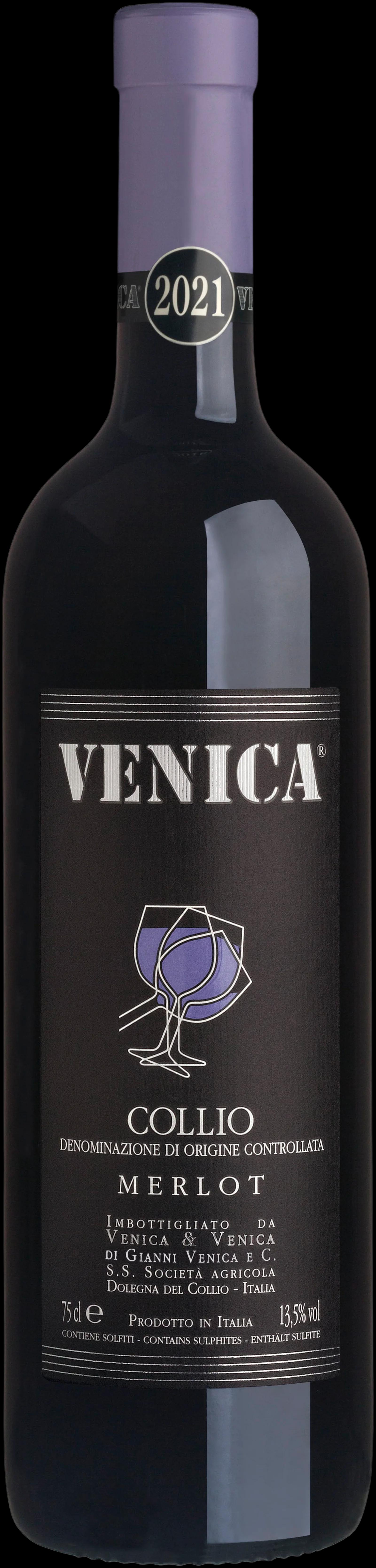
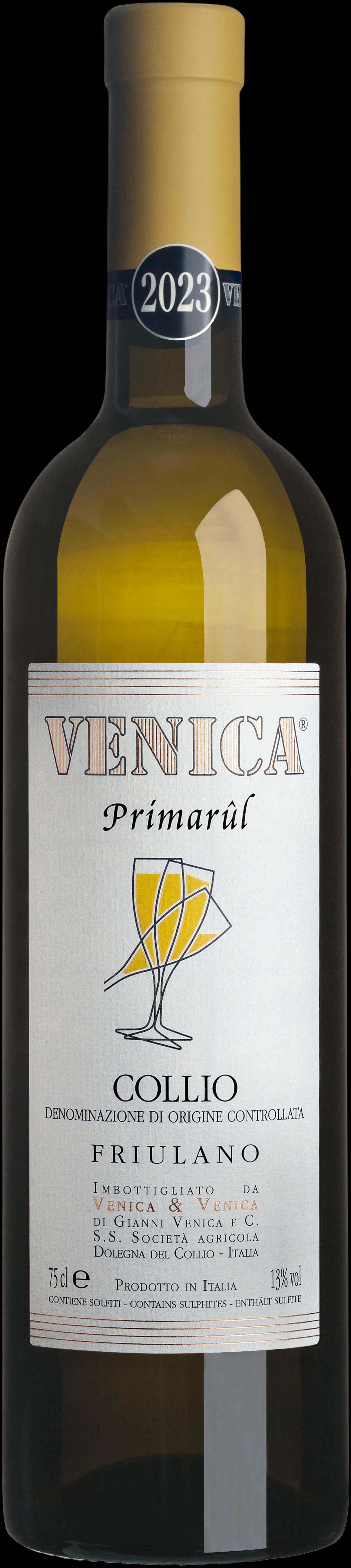
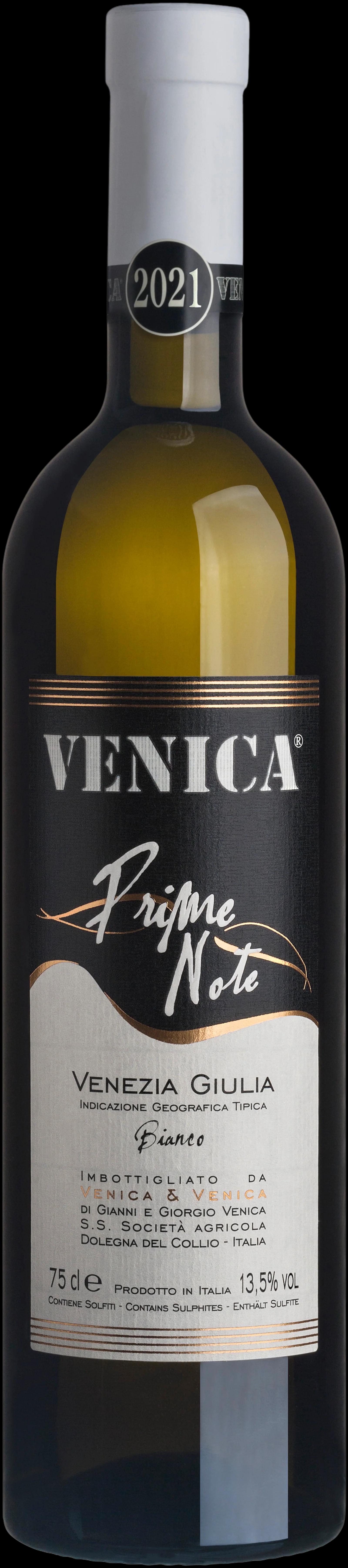
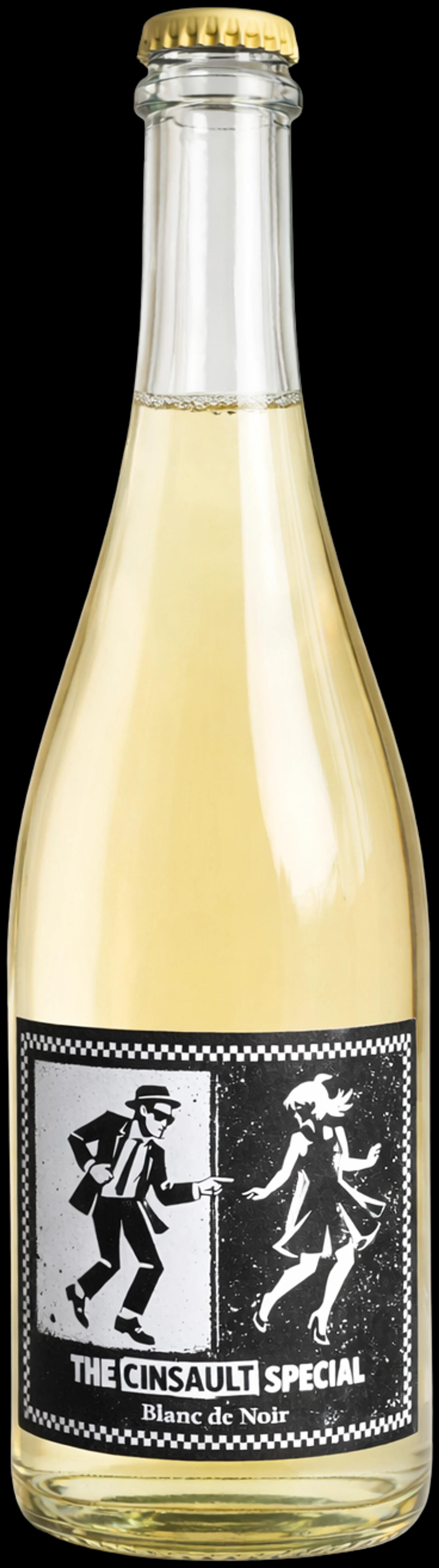
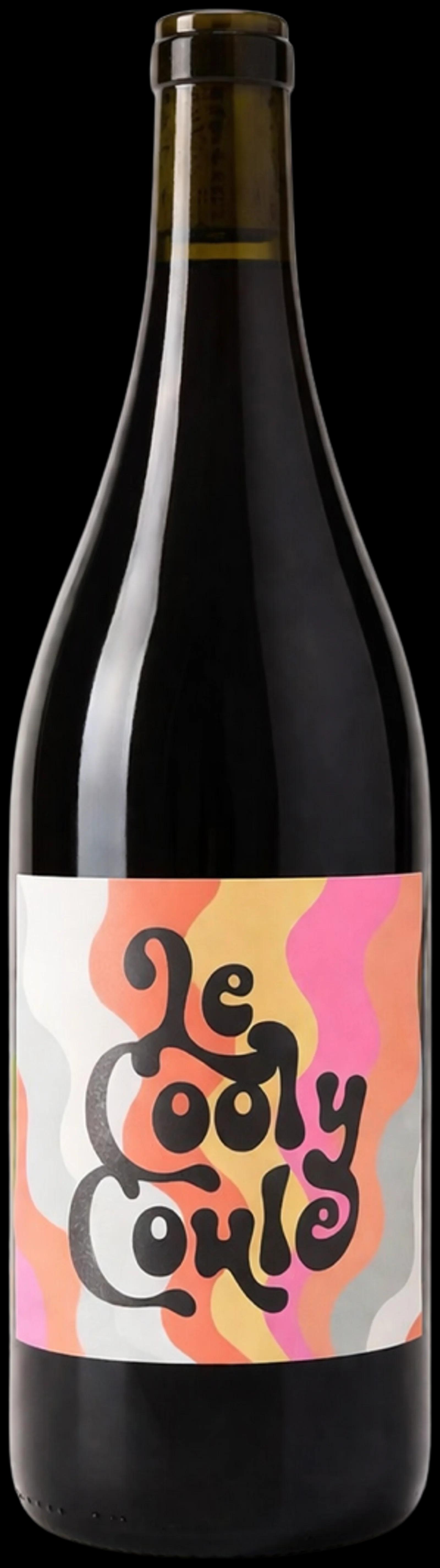
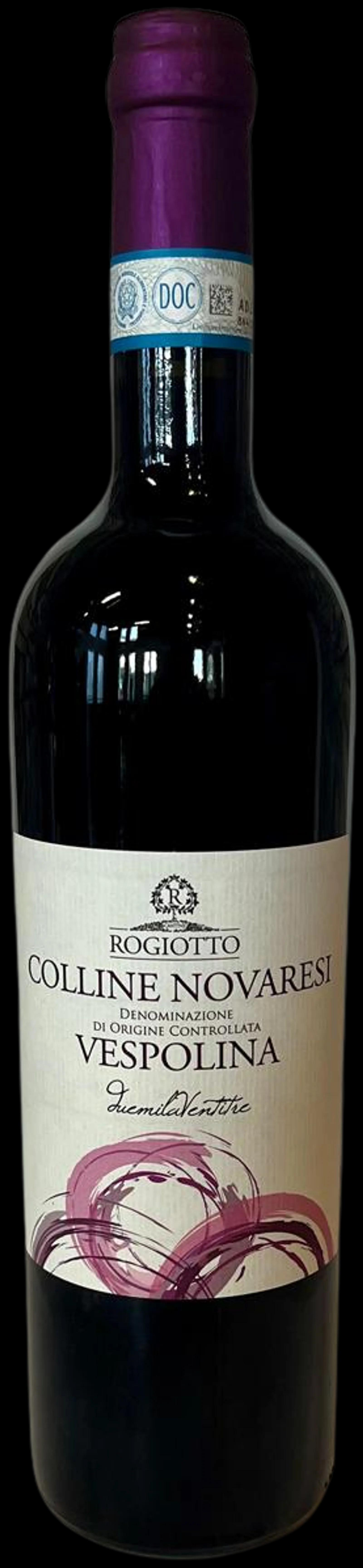
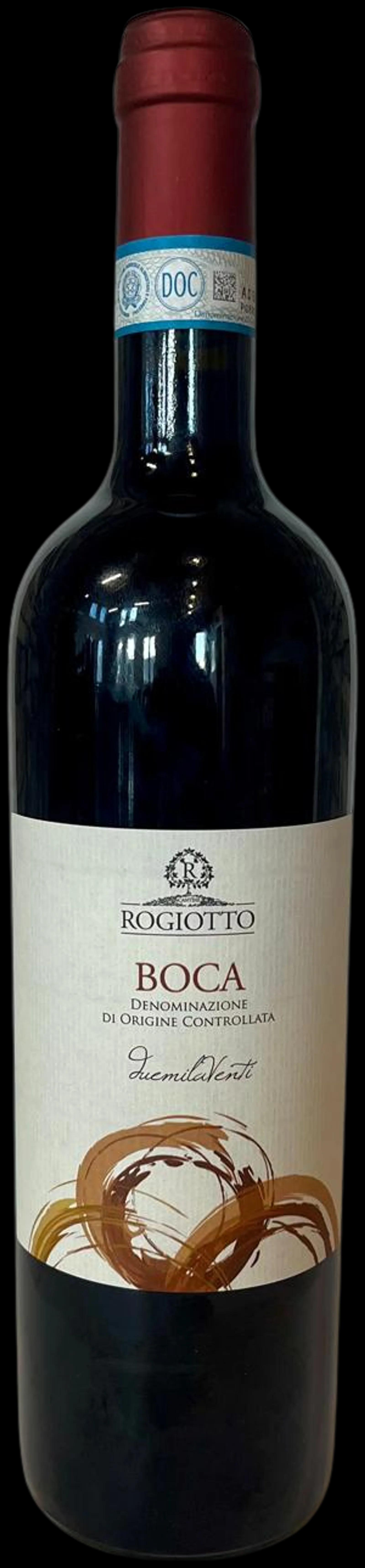
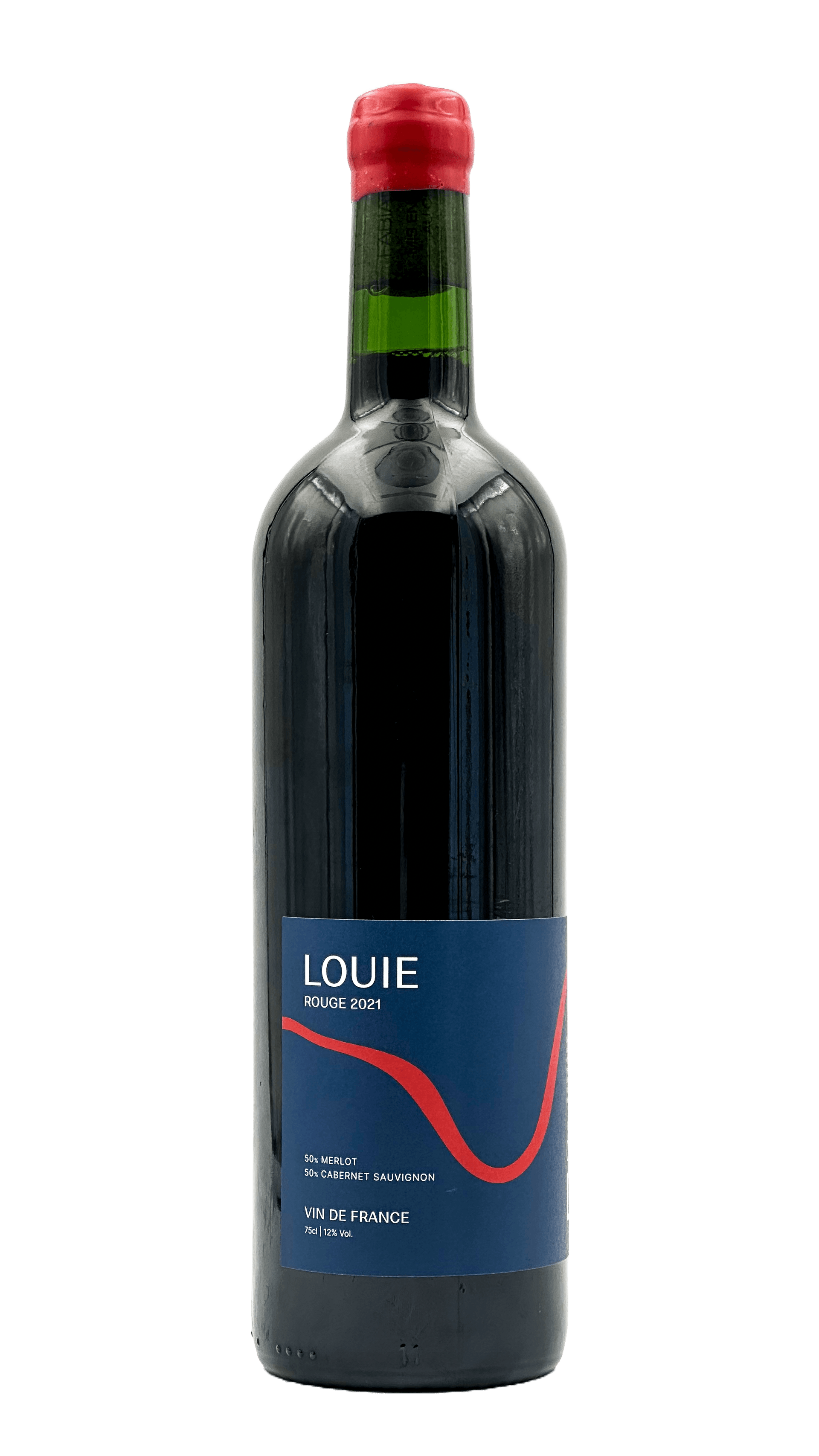
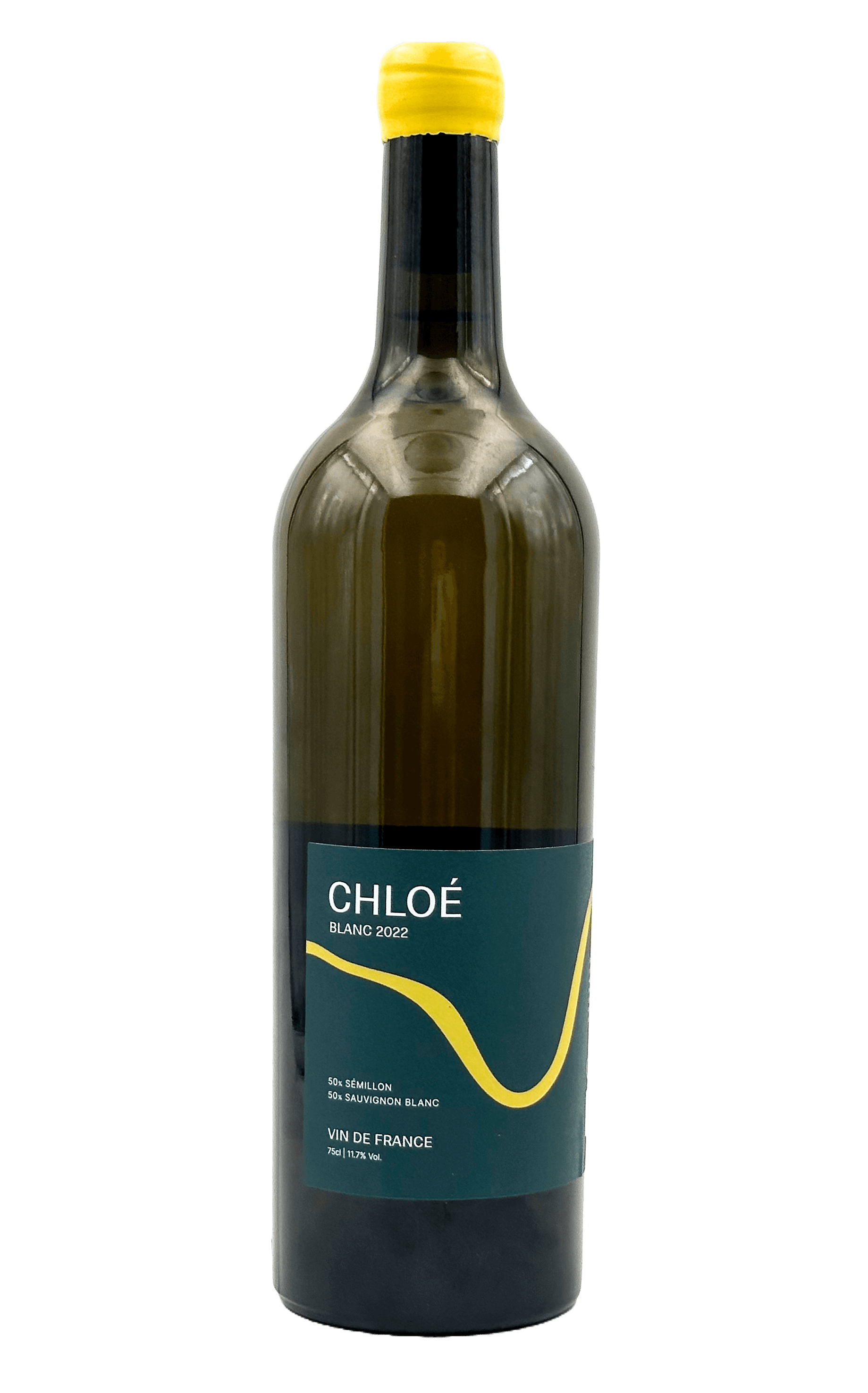
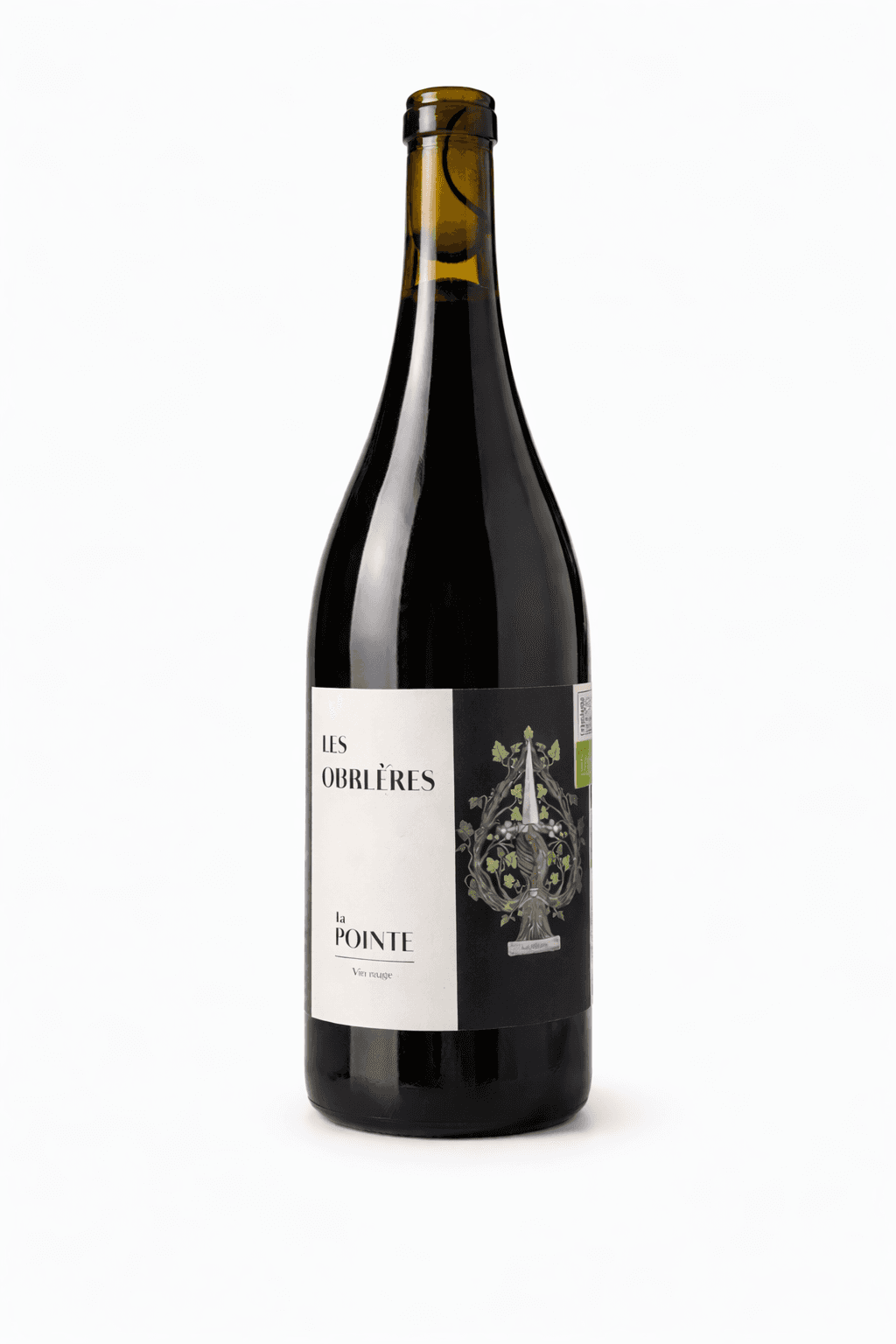
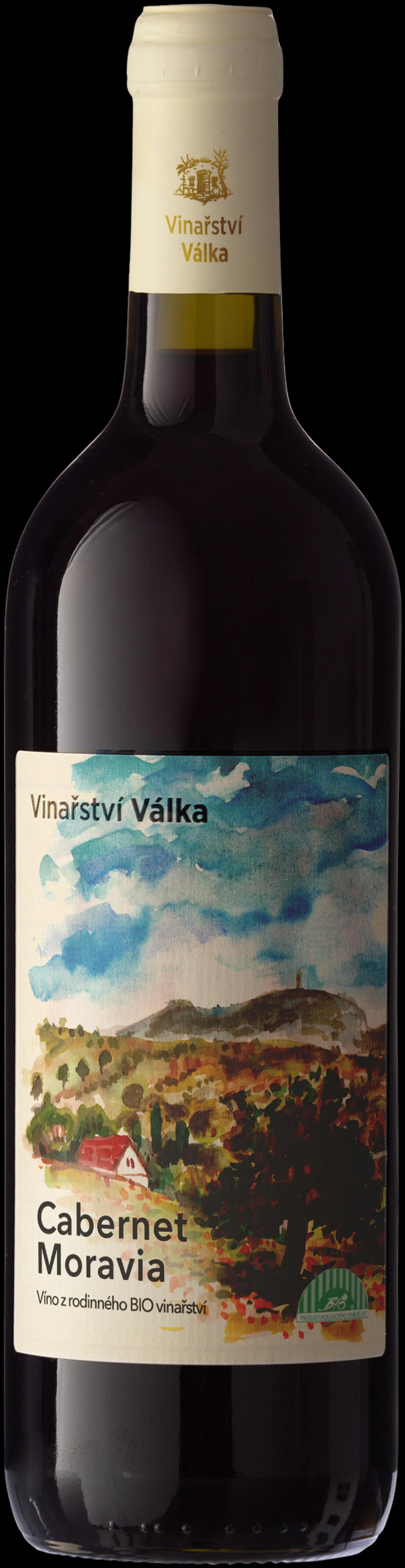
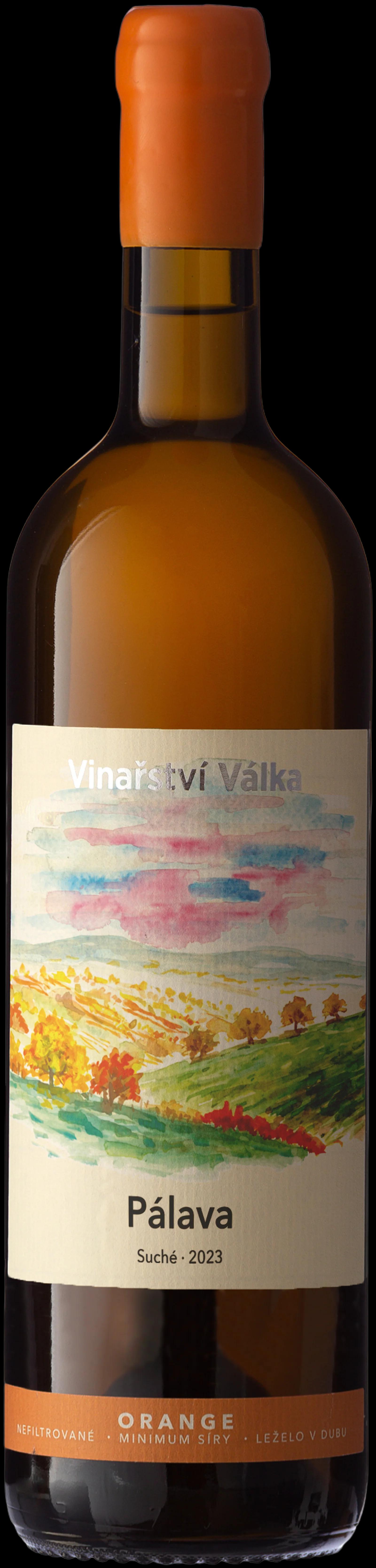
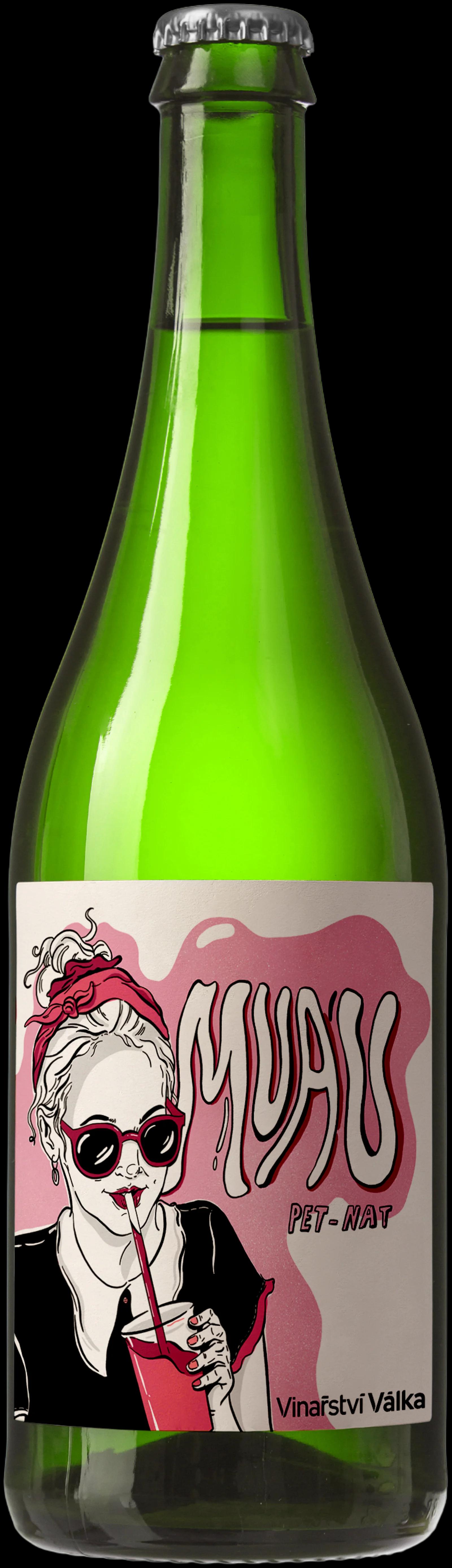
Sauvignon Blanc wines from growers who control their own production

Sauvignon Blanc from estate-bottled producers. Every wine tasted before listing. No wholesale intermediaries.

From Loire to Marlborough, direct from the cellar.

Color

Dropdown arrow

Type

Dropdown arrow

Country

Dropdown arrow

Region

Dropdown arrow

Grape

Dropdown arrow

Pairing

Dropdown arrow

Sort by

Sort arrow
Sauvignon Blanc

Sauvignon Blanc wines

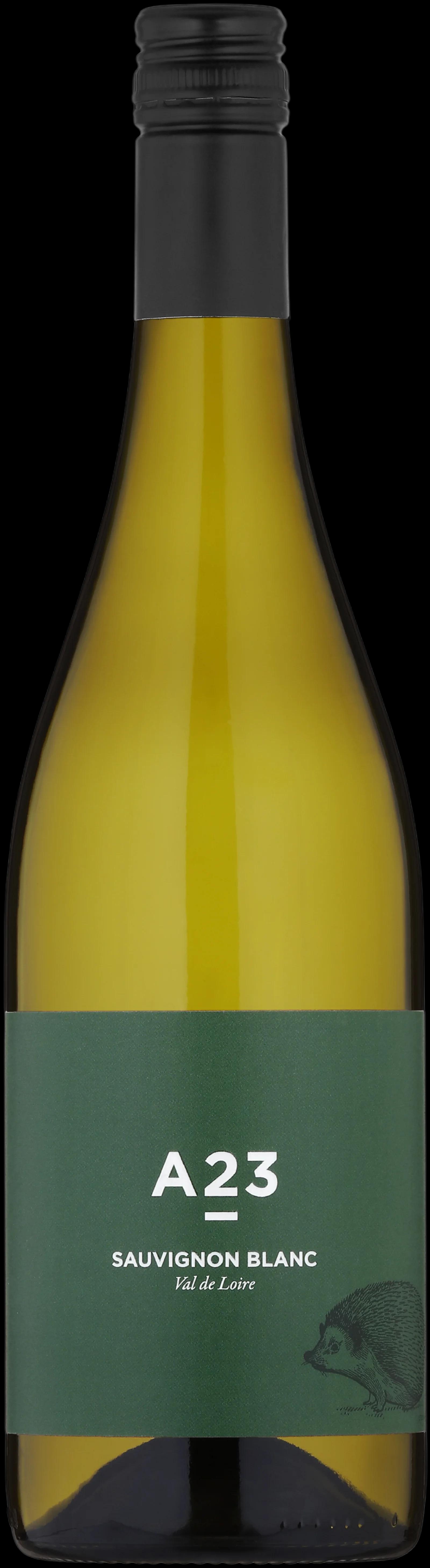
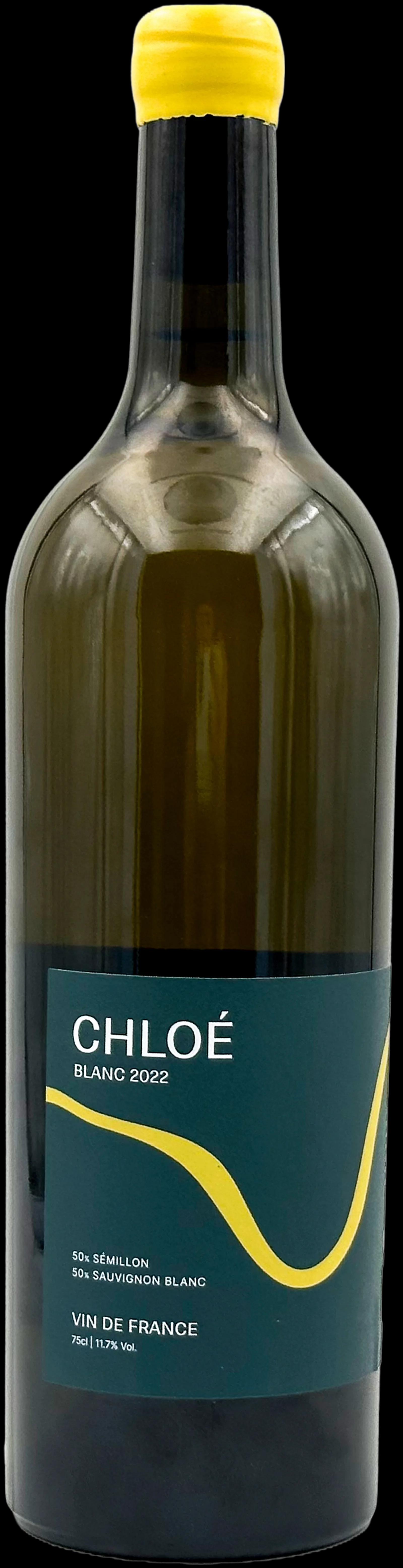
Sauvignon Blanc is one of the few white grapes that reads clearly in the glass without oak. In the Loire, it grows on flint and chalk soils that push the grape toward minerality and cut acidity. In Bordeaux, it is frequently blended with Sémillon and aged in barrel. Both styles exist here, from producers who own their fruit and bottle under their own name. These are not the wines your supermarket carries. They are the wines your supermarket cannot carry.

Previous1 of 2Next

Sauvignon Blanc mixboxes

A mixbox on Free Grape Society is six bottles from one producer, composed by that producer. On a Sauvignon Blanc page, between three and six of those six bottles are Sauvignon Blanc. When a producer works exclusively with this grape, all six bottles may be Sauvignon Blanc. The remaining bottles, if any, are chosen by the producer to place the grape in the context of their own range. No buyer selects across producers. One estate, one box.

Wine experts

The producers who work with Sauvignon Blanc on Free Grape Society range from small-batch Loire growers to family-run estates in Bordeaux. Every producer was quality-vetted before listing. Sauvignon Blanc is a grape that rewards transparency: what the producer decided in the vineyard shows directly in the bottle. The Wine Advice service is available if you want a specific recommendation matched to your preferences.

Sauvignon Blanc producers

Independent wine experts on Free Grape Society rate and review wines they have personally tasted. Their reviews appear on the wine page and on the expert's own profile. Several of the experts below have reviewed Sauvignon Blanc wines listed on this page. Their track records and review activity are visible, so you can judge the recommendation against the reviewer, not just against the label.

Frequently asked questions

How do I order Sauvignon Blanc on Free Grape Society?

Browse the wines below and add bottles to your cart. Each listing shows the producer, region, and vintage. You pay once at checkout. Wines ship directly from the producer's cellar. No account is required to browse, and delivery averages 8 to 9 days from order to door.

What happens if a bottle arrives broken or doesn't taste right?

Send a photo to Free Grape Society customer support within 7 days of delivery. We will arrange a replacement or a refund. Because producers ship directly, quality issues are handled with the producer's direct involvement. Shared responsibility is built into how FGS works.

Can I order Sauvignon Blanc from more than one producer in a single order?

Yes. You can add wines from multiple producers to one cart and check out in a single transaction. Each producer ships their wines separately from their own cellar, so you may receive more than one delivery from a single order.

How long does delivery take?

Average delivery is 8 to 9 days from order to door. The full range is 4 to 14 days depending on the producer's location and your delivery address. Wines ship directly from the producer's cellar, not from a central warehouse.

How do I find the right Sauvignon Blanc for me among the wines listed?

Filter by region if you know whether you prefer Loire-style minerality or Bordeaux-style weight. If you are less certain, read the independent expert reviews attached to individual wines. You can also use the Wine Advice service to describe what you are looking for and receive a direct recommendation.

What is the difference between Loire Sauvignon Blanc and Bordeaux Sauvignon Blanc?

Loire Sauvignon Blanc, particularly from Sancerre and Pouilly-Fumé, is typically unoaked, high in acidity, and grown on chalk or flint soils. Bordeaux Sauvignon Blanc is more often blended with Sémillon, occasionally barrel-fermented, and rounder in texture. Both styles are represented across the producers listed here.

Which wine expert can recommend a Sauvignon Blanc for me?

Several experts on Free Grape Society have reviewed Sauvignon Blanc wines from Loire and Bordeaux producers listed on this page. Browse the expert profiles below to find one whose regional knowledge matches what you are looking for. You can contact any expert directly through their profile.

Why doesn't Free Grape Society sell Sauvignon Blanc from supermarket brands?

Supermarket Sauvignon Blanc is produced to a price point and moved through import and wholesale chains. The producers on Free Grape Society ship directly from their own cellar. The bottle changes hands once before reaching you, not three times. That structural difference is why the wines here are not the same wines.

How does Sauvignon Blanc on Free Grape Society differ from what is broadly available in retail?

Retail shelves carry Sauvignon Blanc at volume, mostly from New Zealand and southern France, sourced through importers and wholesalers. The producers on Free Grape Society are growers who bottle under their own name, often in smaller volumes than retail distribution requires. Many of the wines listed here are not available through conventional retail channels at all.

Where Sauvignon Blanc grows and what that means for the wine

Sauvignon Blanc is closely identified with two regions above all others: the Loire Valley in France and Marlborough in New Zealand. In the Loire, particularly in Sancerre and Pouilly-Fumé, the grape grows on limestone and flint soils that give wines a mineral, tightly wound character with high natural acidity. These are not fruit-forward wines — they are wines where structure leads. Marlborough rewrote the international script in the 1980s, introducing a style defined by pungent tropical and green-herb aromatics. Both styles are genuine; they simply reflect what the grape does when soils, climate, and harvest timing change.

Outside those two poles, Bordeaux has grown Sauvignon Blanc for centuries, traditionally blended with Sémillon in both dry whites and the botrytised wines of Sauternes. In Friuli Venezia Giulia in northeastern Italy, Sauvignon Blanc produces some of its most distinctive European expressions outside France — marked by elder flower, white peach, and a leaner acid profile than Loire versions. In Austria, growers in Steiermark (Styria) produce a regionally named style called Muskat-Silvaner that carries the same variety under a different label, though this name is now being phased out in favour of the international name.

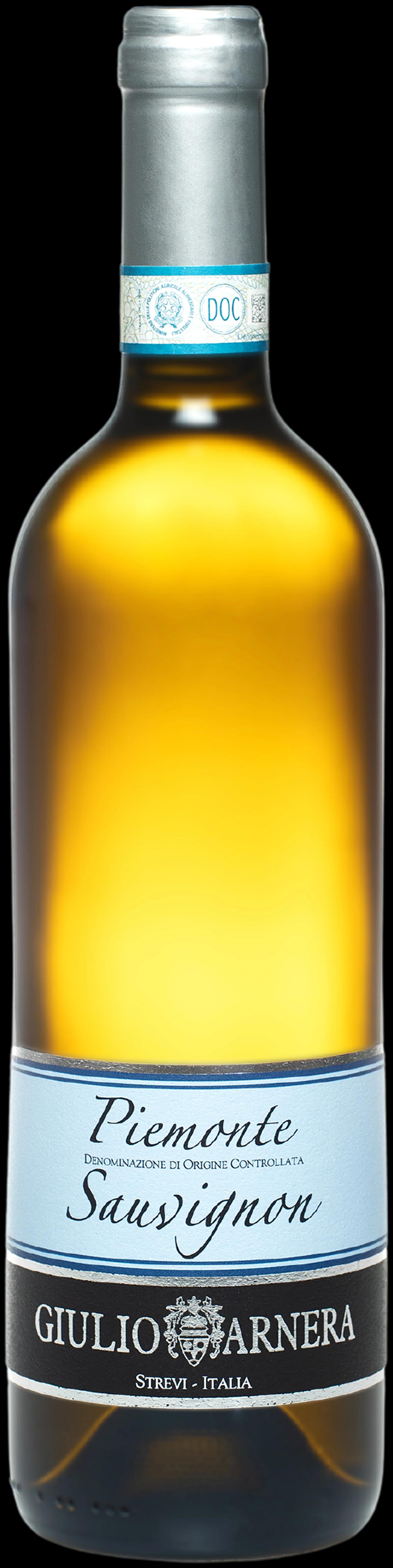
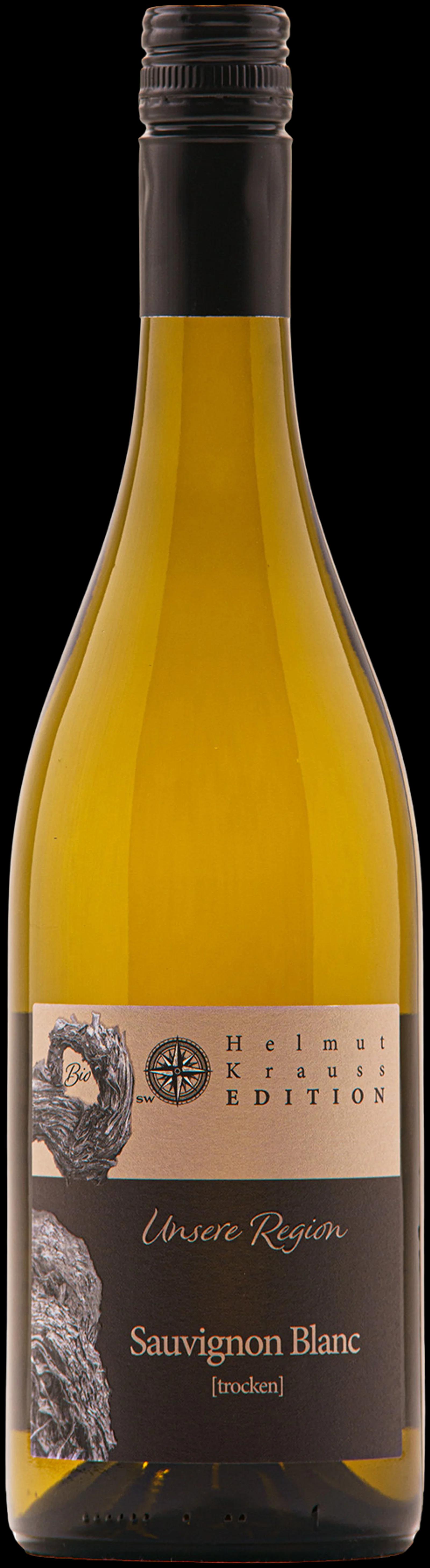
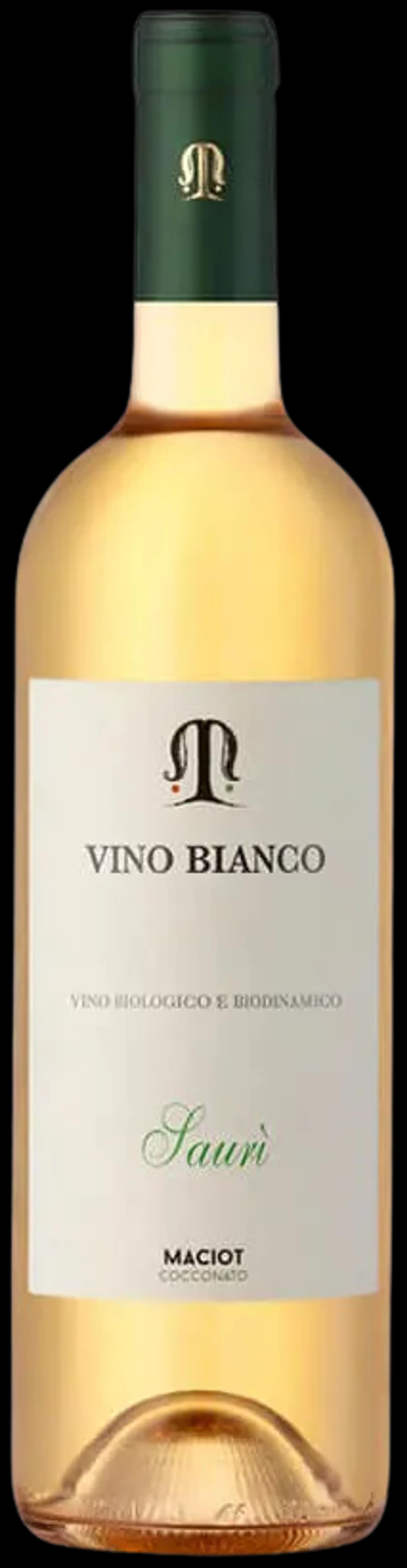
The wines listed on this page come from producers in France, Italy, and Spain who bottle under their own name and ship from their own cellar. Not from a warehouse. The price you see is the price the producer agreed to.

The taste profile of Sauvignon Blanc

Sauvignon Blanc is a high-acid, aromatic white grape. Its aroma compounds — particularly methoxypyrazines and thiols — are unusually volatile, which makes the grape one of the most recognisable whites by smell alone. Methoxypyrazines drive the green-herb, grass, and capsicum notes; thiols are responsible for grapefruit, passionfruit, and the characteristic 'cat's pee' descriptor that appears in tasting notes for Marlborough examples. Winemakers can influence which register dominates through harvest timing: earlier picking amplifies the herbaceous side; later picking shifts toward riper citrus and stone fruit.

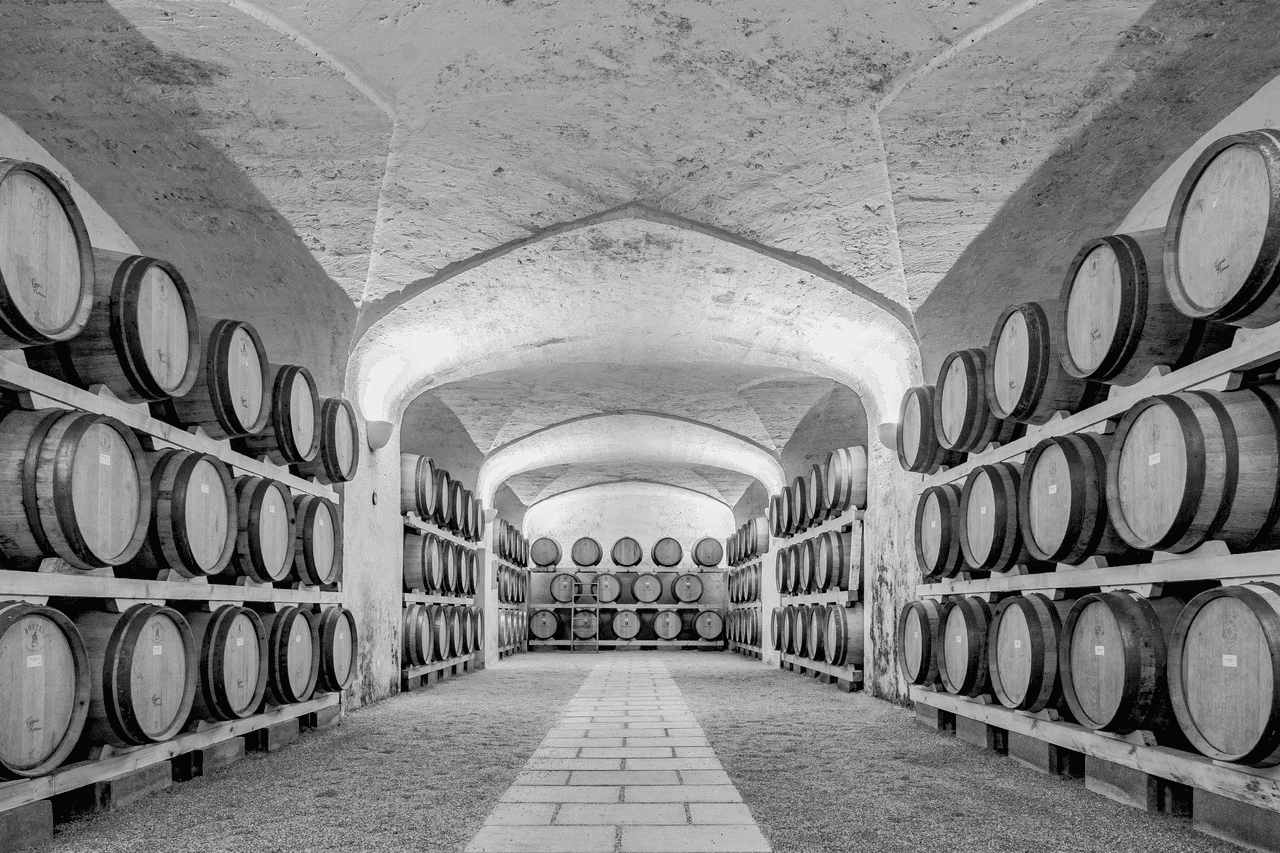
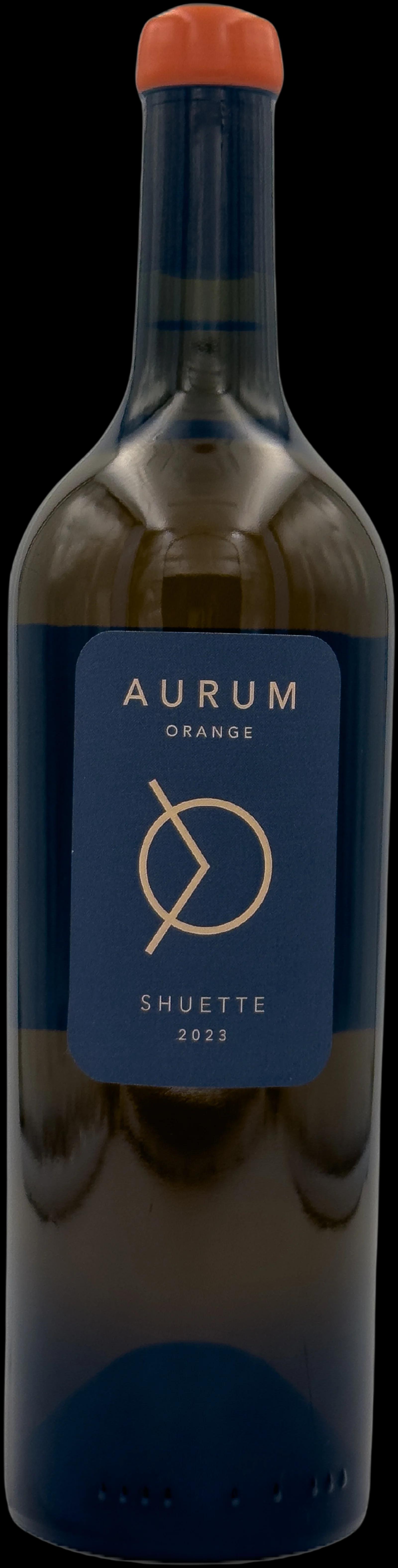
Oak is uncommon in the style but not absent. Some Loire producers and a handful of Bordeaux estates use neutral barrels or large foudres to add texture without imposing flavour. Skin-contact Sauvignon Blanc — closer to the orange wine category — exists in pockets of Friuli and among some natural-leaning producers, though it remains a niche expression of the grape.

Sauvignon Blanc is rarely built for long ageing. Most bottles are at their best within three to five years of harvest, though complex, oak-aged examples from the Loire or Bordeaux can develop for a decade or more. Related grapes worth comparing: Melon de Bourgogne for a different take on Loire minerality, and Grenache Blanc for a richer, lower-acid white from the south.

How Sauvignon Blanc is vinified

Sauvignon Blanc is one of the few white grapes where the standard winemaking choice — cold fermentation in stainless steel, no oak, early bottling — is also the choice that best preserves what makes the grape distinctive. Stainless steel keeps the aromatic compounds intact; oxidative ageing or extended lees contact can mute the thiols that define the variety's character.

That said, producers working in a more textural direction do exist. Some use extended lees contact without stirring to add weight while preserving freshness. Others work with whole-cluster pressing to reduce extraction of green phenolics. In Bordeaux, blending with Sémillon is traditional for dry whites and is used to build body and ageing potential that Sauvignon Blanc alone cannot sustain over time.

The growers who bottle under their own name — the estates on this page — tend to make choices that reflect a specific vineyard rather than a market profile. That distinction matters. Wines produced for volume are made to a specification; wines made by producers who own their fruit are made to a place.

No importer, no wholesaler. The price on each bottle is the price the producer set. Producers, experts, restaurants, and wine lovers on the same platform, on the same terms — that is what Free Grape Society is built to be.