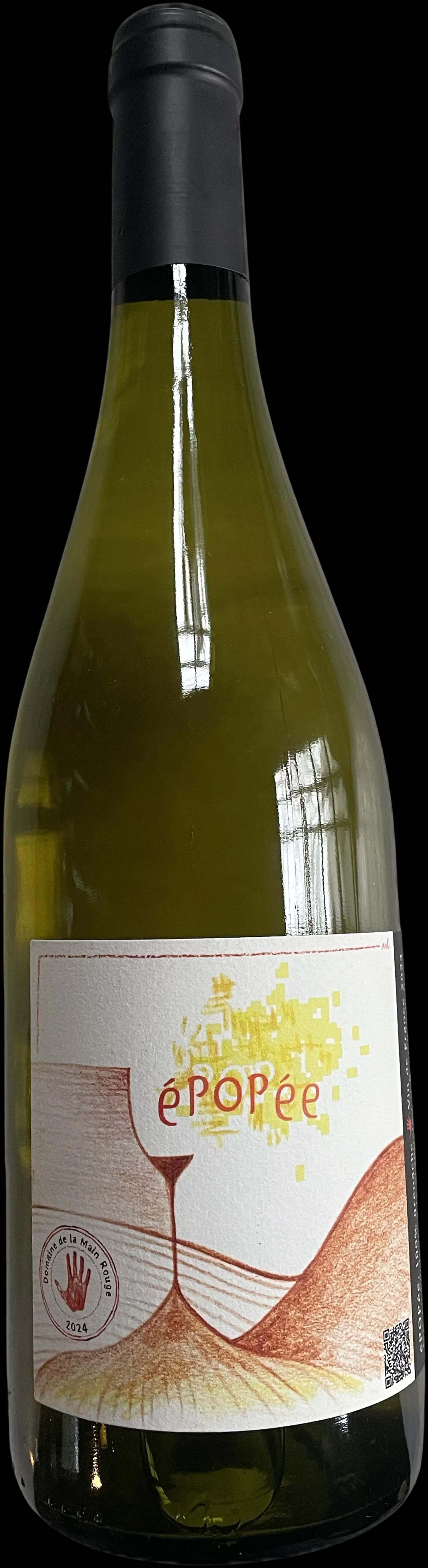
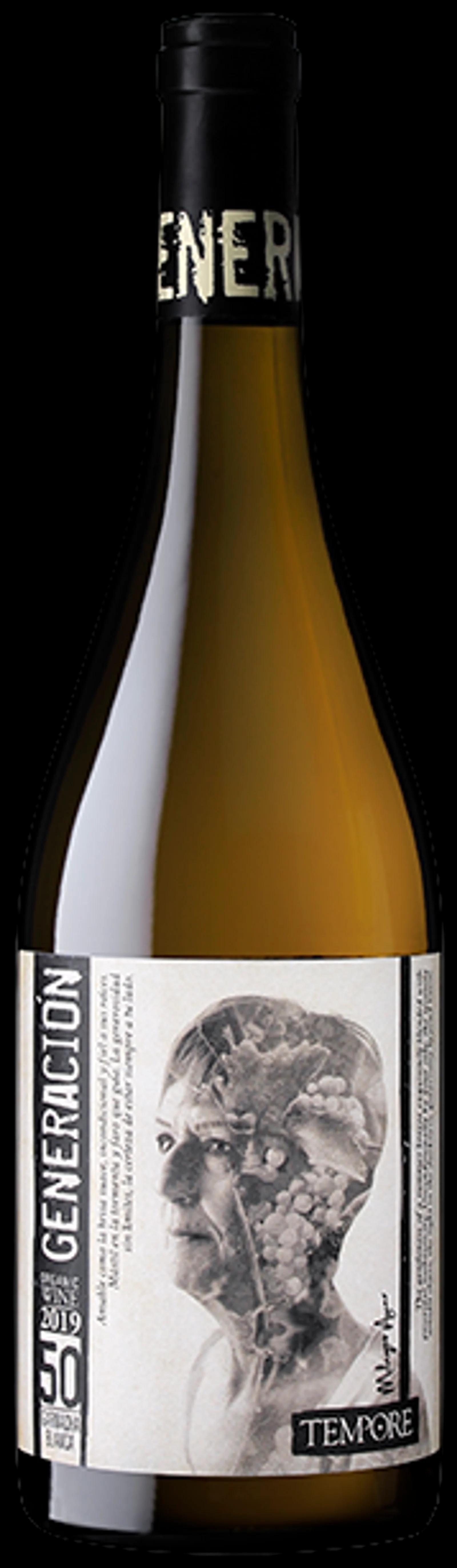
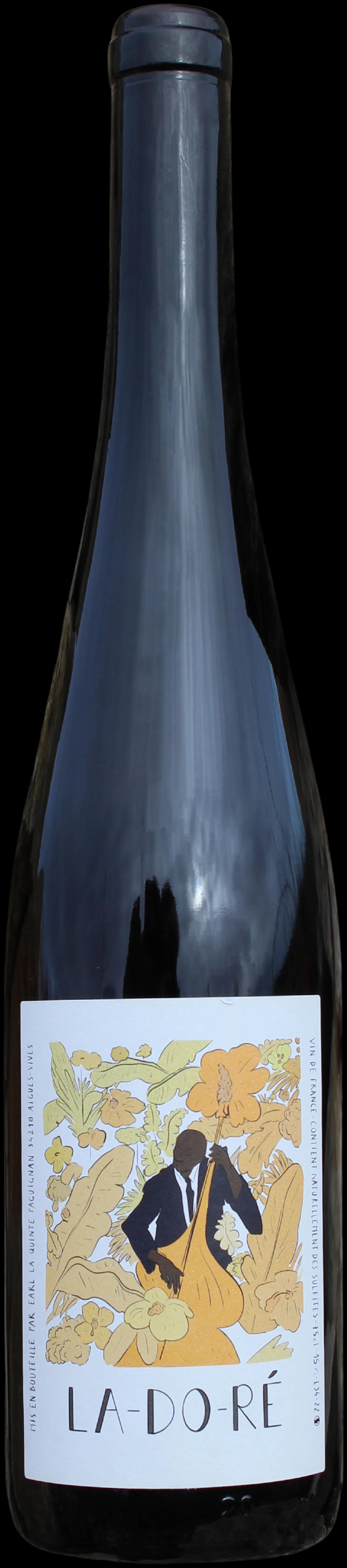
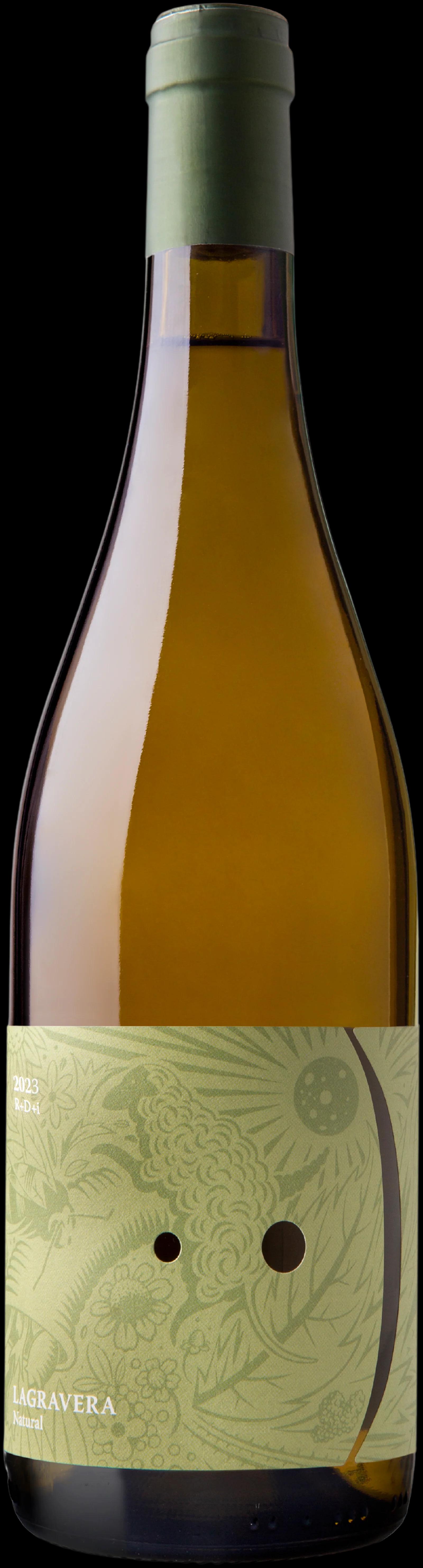
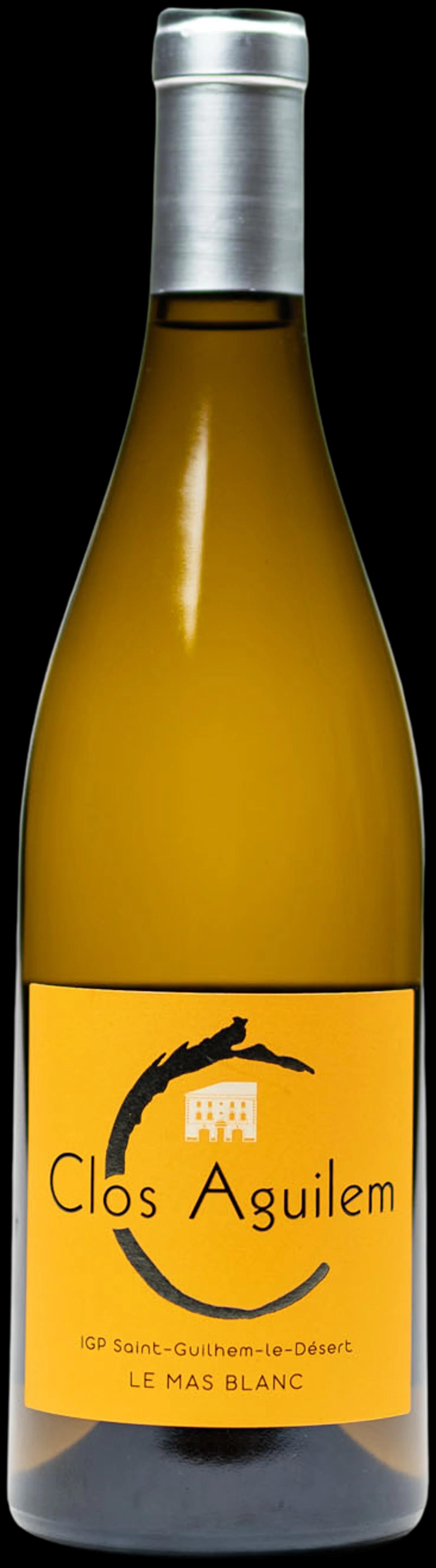
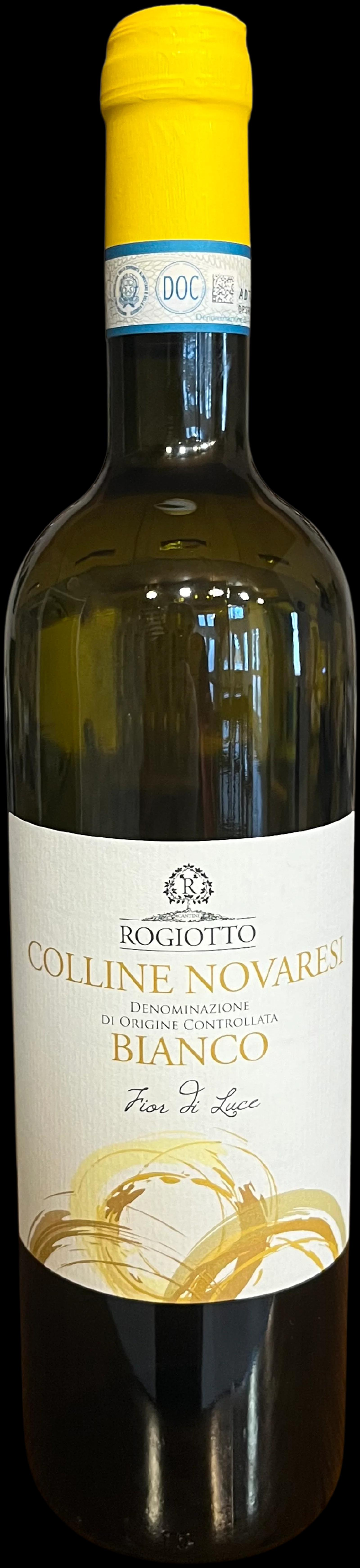
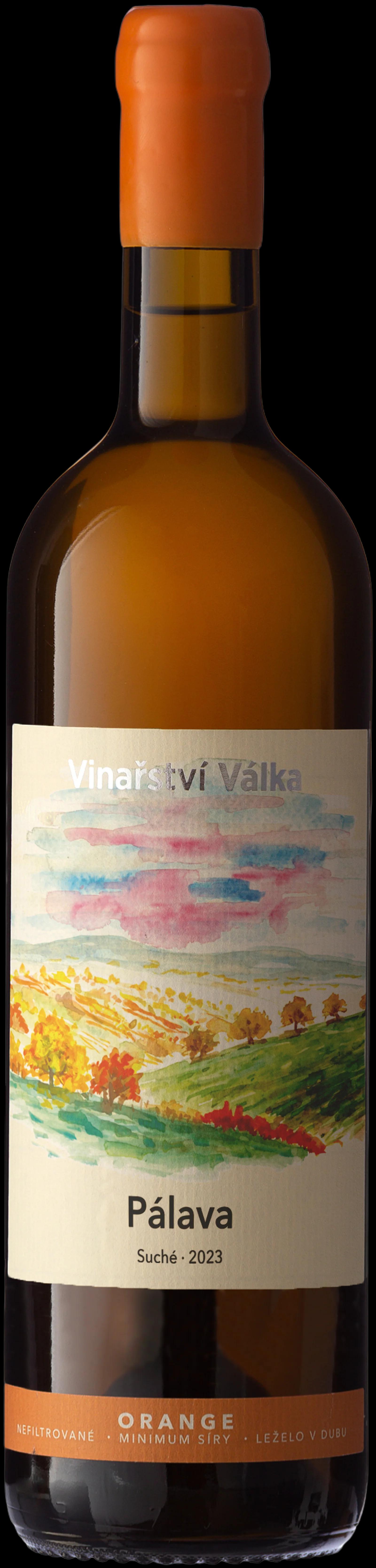
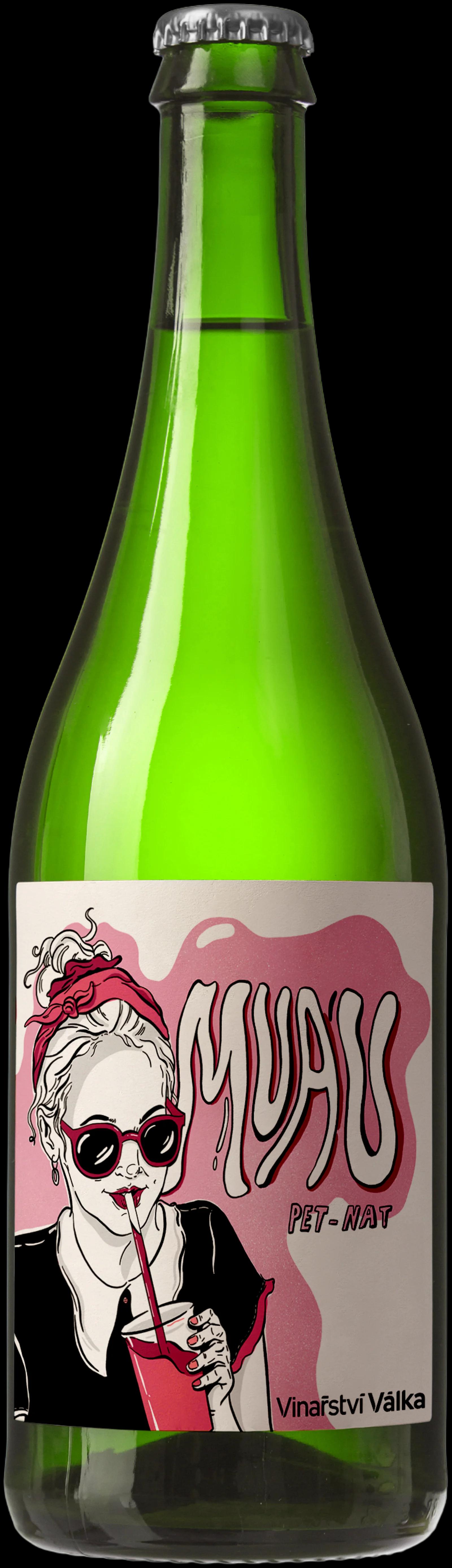
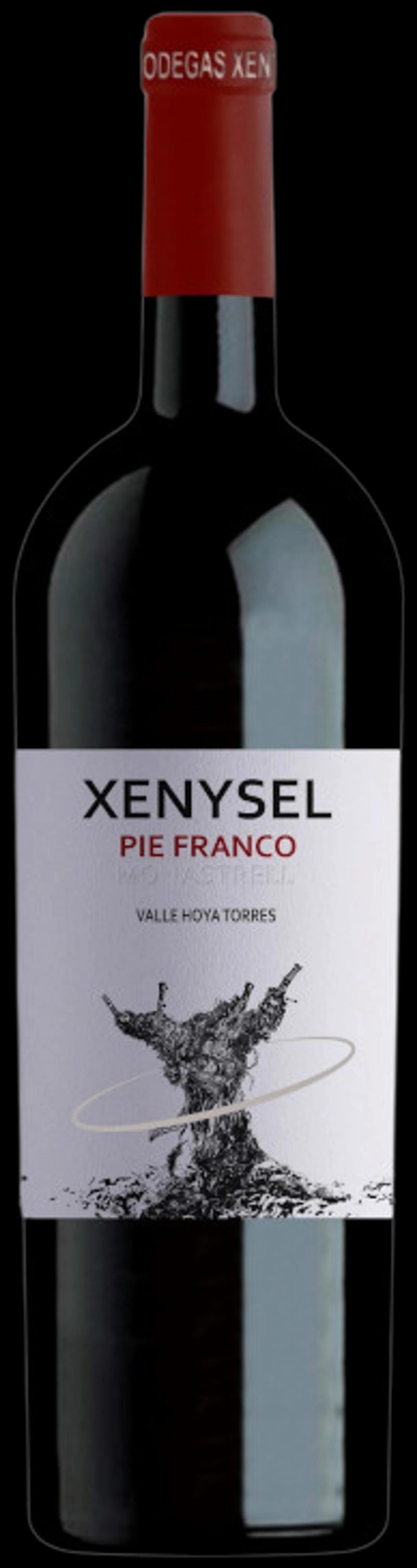
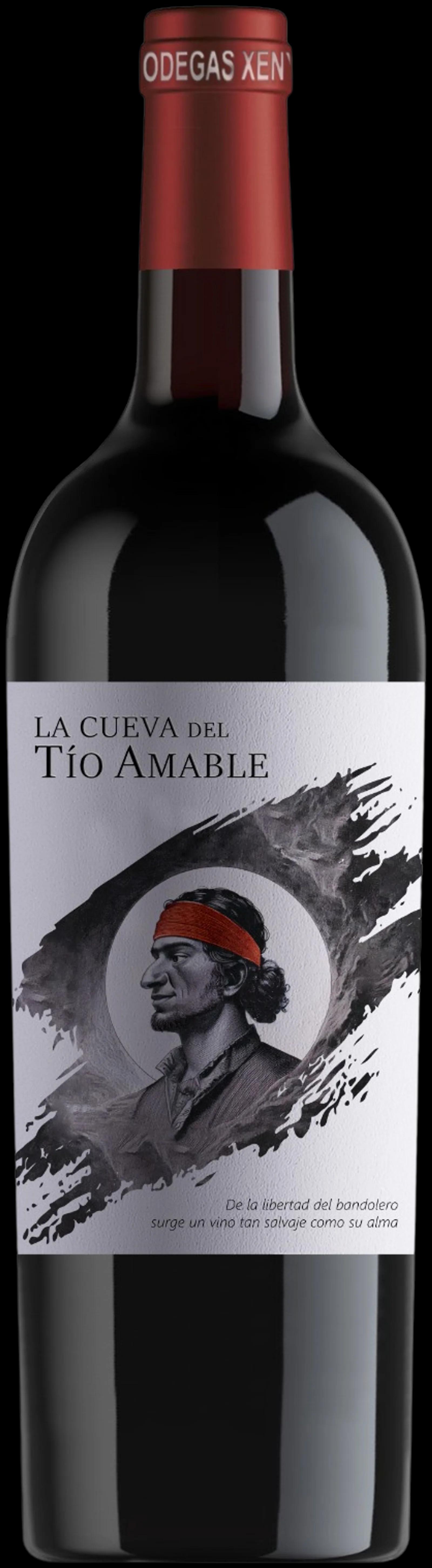


Grenache Blanc wines from producers who grow it themselves

Grenache Blanc from estate-bottled producers. Tasted before listing. Shipped directly from the cellar.

A white Rhône grape, from southern France and beyond.

Color

Dropdown arrow

Type

Dropdown arrow

Country

Dropdown arrow

Region

Dropdown arrow

Grape

Dropdown arrow

Pairing

Dropdown arrow

Sort by

Sort arrow
Grenache Blanc

Grenache Blanc wines

Grenache Blanc is the white mutation of Garnacha, and it shares that grape's preference for hot, dry conditions and stony soils. It dominates white blends across the southern Rhône, where it typically brings body and a waxy texture rather than aromatic intensity. In cooler sites or with shorter skin contact, it can retain notable acidity. The wines listed here come from growers who own their fruit and bottle under their own name, shipping from their own cellar.

Previous1 of 1Next

Grenache Blanc mixboxes

A mixbox on Free Grape Society is six bottles from a single producer, composed by that producer as their own introduction to their range. On a grape page like this one, between three and six of those six bottles are Grenache Blanc. The remaining bottles, if any, are wines the producer selected to give context to the grape within their wider range. When a producer works exclusively with Grenache Blanc, the whole box can be that grape. Producers, experts, restaurants, and wine lovers on the same platform, on the same terms. That is what Free Grape Society is.

Wine experts

Grenache Blanc changes noticeably depending on who is making it and where. In the Rhône Valley, producers typically blend it with Clairette, Roussanne, or Marsanne. In Roussillon, some estates use it as a single-varietal wine. In Spain, particularly in Aragon and Catalonia, it appears under the name Garnacha Blanca. The estates listed on this page are producers who control their own production, from vine to bottle.

Grenache Blanc producers

Independent wine experts on Free Grape Society rate and review wines they have personally tasted. Their reviews are visible on the individual wine page and on the expert's profile. Several of the experts below have reviewed Grenache Blanc wines featured on this page. What an expert brings is firsthand tasting experience across multiple vintages and producers, documented openly so you can weigh their track record before deciding whose recommendation to follow.

Frequently asked questions

How do I order Grenache Blanc wines on Free Grape Society?

Browse the wines listed on this page and add bottles to your cart. Each listing shows the producer, region, vintage, and price set by the producer. You pay once at checkout, and the wine ships directly from the producer's cellar to your address. No account is required to browse.

What happens if a bottle arrives broken or doesn't taste right?

Send a photo to Free Grape Society customer support within 7 days of delivery. We will arrange a replacement or a refund. Because producers ship directly, quality issues are handled with the producer's direct involvement. Shared responsibility is built into how FGS works.

Can I order Grenache Blanc from more than one producer in the same order?

Yes. You can add wines from different producers to your cart and check out in a single transaction. Because each producer ships from their own cellar, you may receive separate deliveries from the same order. Delivery times can vary slightly between producers.

How long does delivery take?

Average delivery is 8 to 9 days from order to door. The full range is 4 to 14 days depending on the producer's location and your delivery address. Wines ship directly from the producer's cellar, not from a central warehouse.

How does Free Grape Society decide which Grenache Blanc wines to list?

Every wine is tasted by our Head of Product before it goes live on the platform. Only wines that pass the quality review are listed. Independent wine experts also rate and review individual wines on the platform. No producer pays for placement or visibility.

Is Grenache Blanc always blended, or can it be a single-varietal wine?

Both approaches exist. In the southern Rhône, Grenache Blanc is most often part of a white blend alongside Clairette, Roussanne, or Marsanne. In Roussillon and parts of Spain, some producers vinify it as a single variety. The label will indicate whether it is a blend or a single-varietal wine.

Which wine expert can recommend a Grenache Blanc for me?

No expert on Free Grape Society currently lists Grenache Blanc as a primary specialization. However, several experts who specialize in southern French wines and Spanish whites have reviewed Grenache Blanc wines on the platform. Browse the expert profiles below and look at their review history to find a perspective that matches what you are looking for.

Why doesn't Free Grape Society sell Grenache Blanc from supermarket brands?

Supermarket-brand wines are made to a price point and move through wholesale and retail distribution chains. The wines on Free Grape Society come from producers who own their vineyards and bottle under their own name. These are not the wines your supermarket carries. They are the wines your supermarket cannot carry.

How does Grenache Blanc on Free Grape Society differ from what's broadly available in retail?

Grenache Blanc rarely appears as a labeled varietal wine in mainstream retail, where it is more likely to be blended into anonymous southern French whites. The producers on Free Grape Society bottle and label it directly, giving you both the grape name and the producer's name on the same bottle.

Where Grenache Blanc is grown

Grenache Blanc is native to the Iberian Peninsula but found its most established footing in southern France, where it is a permitted variety across much of the Rhône Valley and dominates in parts of Languedoc-Roussillon. In the southern Rhône, it is frequently blended with Roussanne and Clairette to build texture and aromatic weight. In Languedoc, it appears both in blends and as a single-variety bottling, particularly from estates working on limestone and schist soils that constrain yields and concentrate the fruit. Across the border in Spain, Grenache Blanc is known as Garnacha Blanca and is grown in Aragon, Catalonia, and parts of Rioja. It is also present in Roussillon, where some producers practice low-intervention winemaking that results in wines with significant phenolic grip and oxidative character — a style quite different from the fresh, aromatic expressions common in younger-vine plantings. Outside these two countries, Grenache Blanc plantings are marginal. The variety is heat-tolerant and prone to rapid loss of acidity in warm years, which makes site selection and harvest timing critical decisions for growers.

The taste profile of Grenache Blanc

Grenache Blanc sits in a range that few white grapes occupy simultaneously: it can be both richly textural and relatively low in piercing acidity, making it feel broader on the palate than varieties like Riesling or Sauvignon Blanc. Typical character includes white peach, pear, and fennel, with a waxy or lanolin quality at higher ripeness levels. In cooler years or from high-altitude sites, it shows more citrus pith and a leaner frame. The variety oxidizes readily, which some producers use deliberately to produce Grenache Blanc in a reductive, protective style — sealed under screwcap or neutral gas — while others lean into the oxidative tendency to build complexity through barrel ageing and intentional exposure. At peak ripeness, alcohol levels climb quickly, often reaching or exceeding fourteen percent, which is partly why estate-bottling growers who control their own production tend to work with sites at elevation or with good north-facing aspects. Related white varieties worth exploring from the same southern French and Spanish context: Godello from northwest Spain and Melon de Bourgogne from the Loire, both of which share Grenache Blanc's capacity for textural richness without aggressive acidity.

How Grenache Blanc pairs with food

Grenache Blanc's weight and low-to-moderate acidity make it well-matched to dishes that would overwhelm lighter whites. Roasted white fish, salt cod preparations, grilled octopus, and dishes finished with olive oil or aioli align naturally with the grape's savoury, slightly unctuous character. Richer expressions — aged in barrel or from very old vines — can sit alongside soft cheeses, white-fleshed meats cooked with herbs, and dishes involving saffron or mild spice. The variety's relative lack of sharpness means it does not cut through fat in the way a high-acid Riesling does; instead it matches weight with weight. Producers from Languedoc-Roussillon who use skin contact or extended lees ageing produce Grenache Blanc with enough phenolic structure to work alongside bitter greens and cured fish. No importer, no wholesaler. The price you see is the price the producer agreed to. Bottles from small-batch producers on Free Grape Society ship from the cellar directly, not from a redistribution warehouse. Further context on Grenache Noir — the red counterpart grown in the same regions — or on Carignan, which often appears in the same Languedoc blends, is available in those grape sections.