
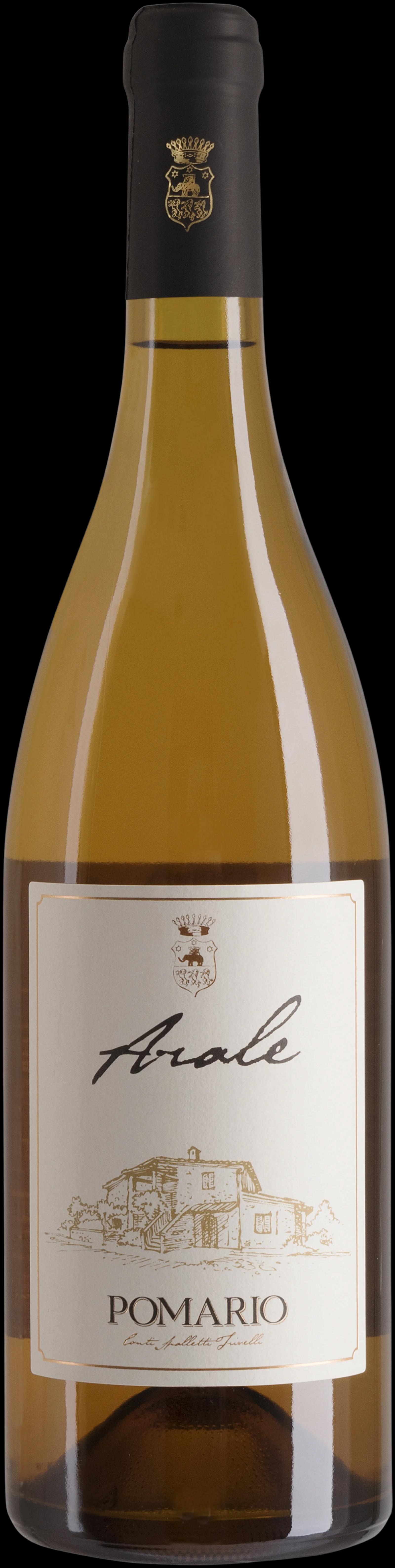
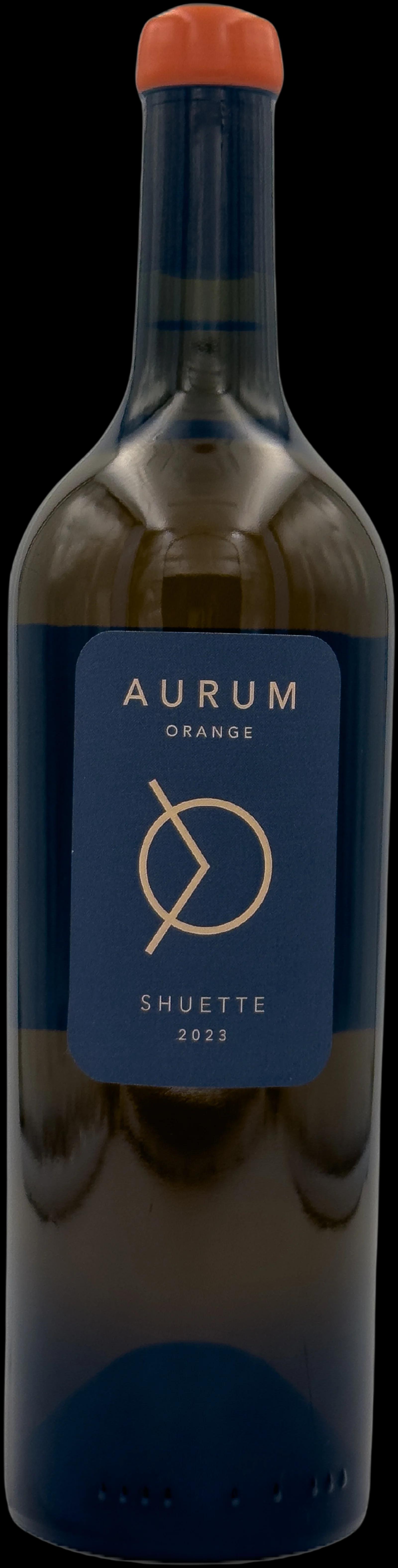
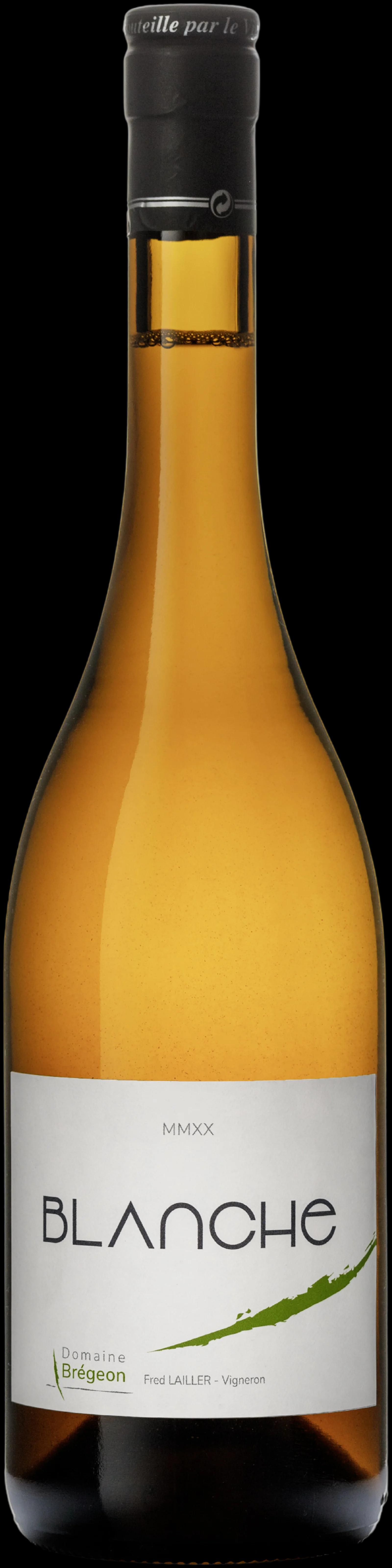

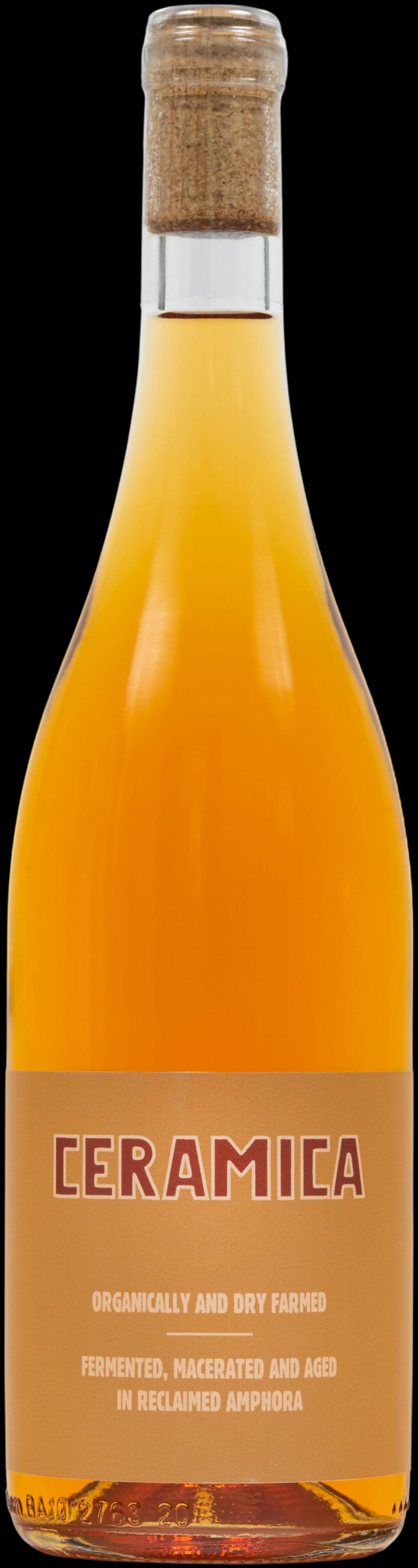
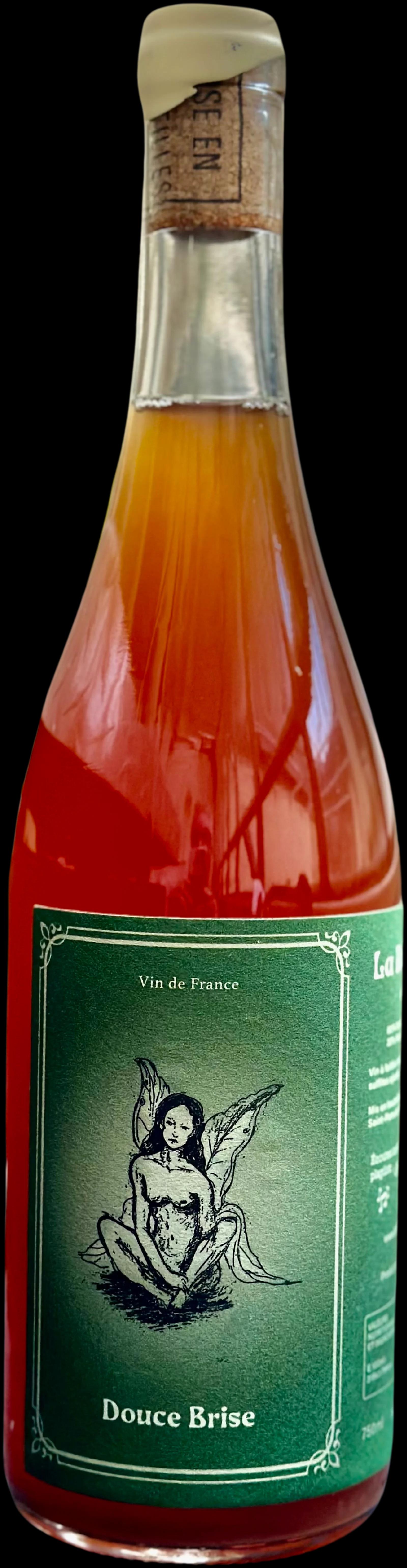
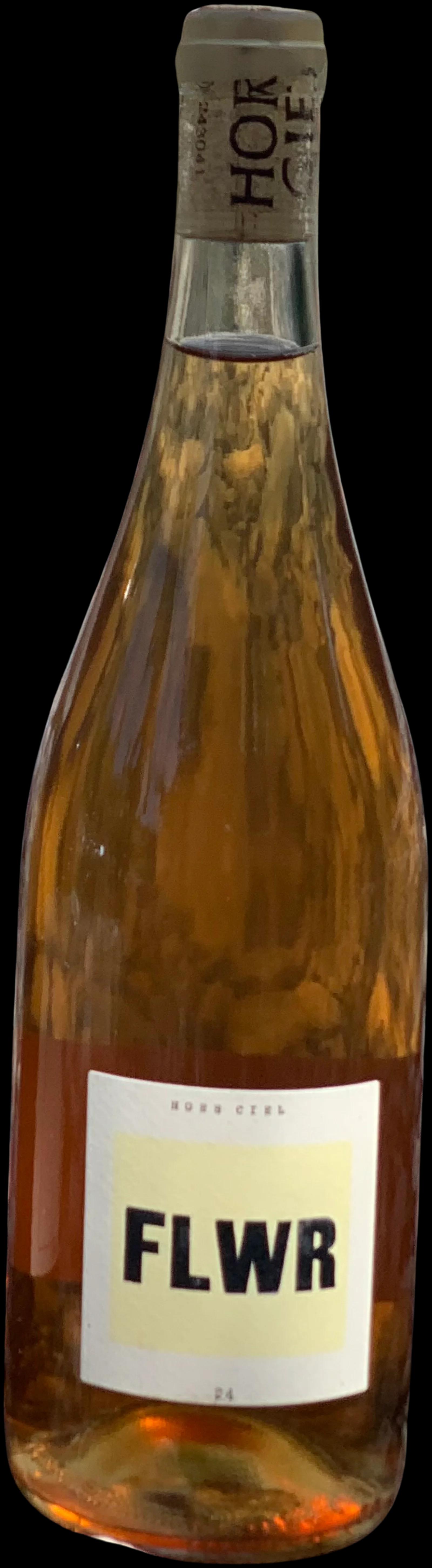
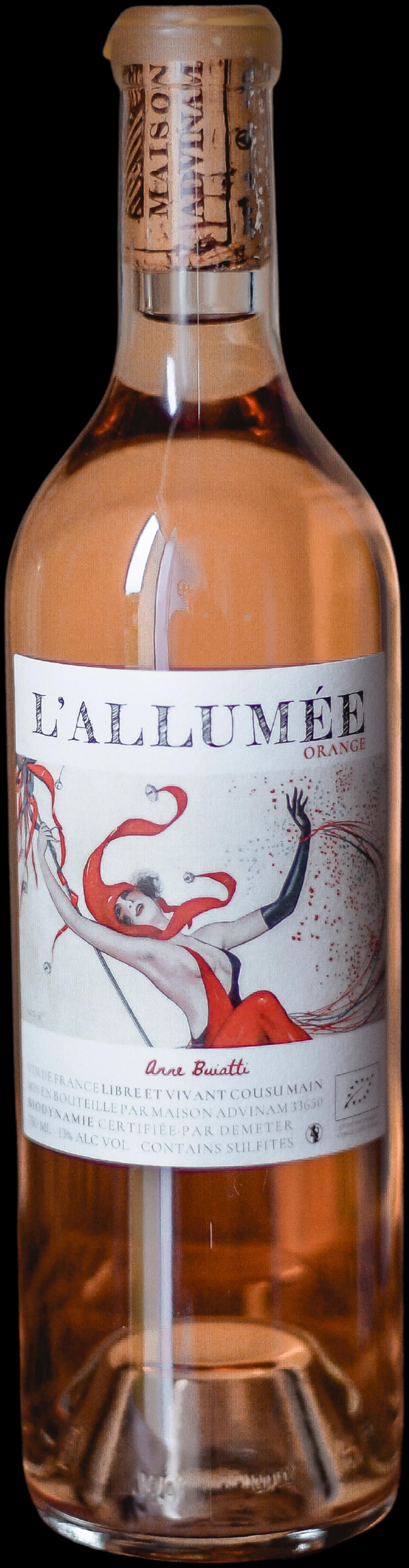
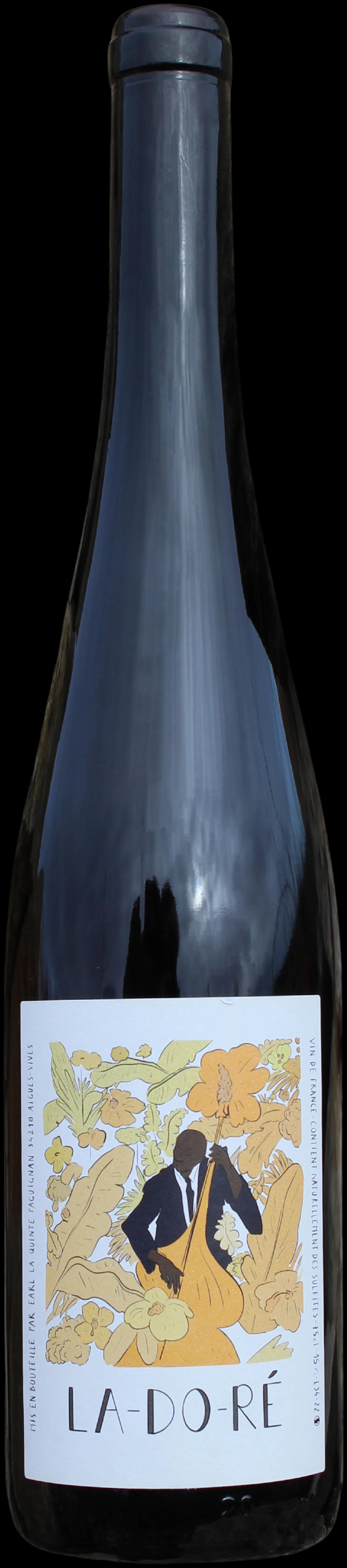

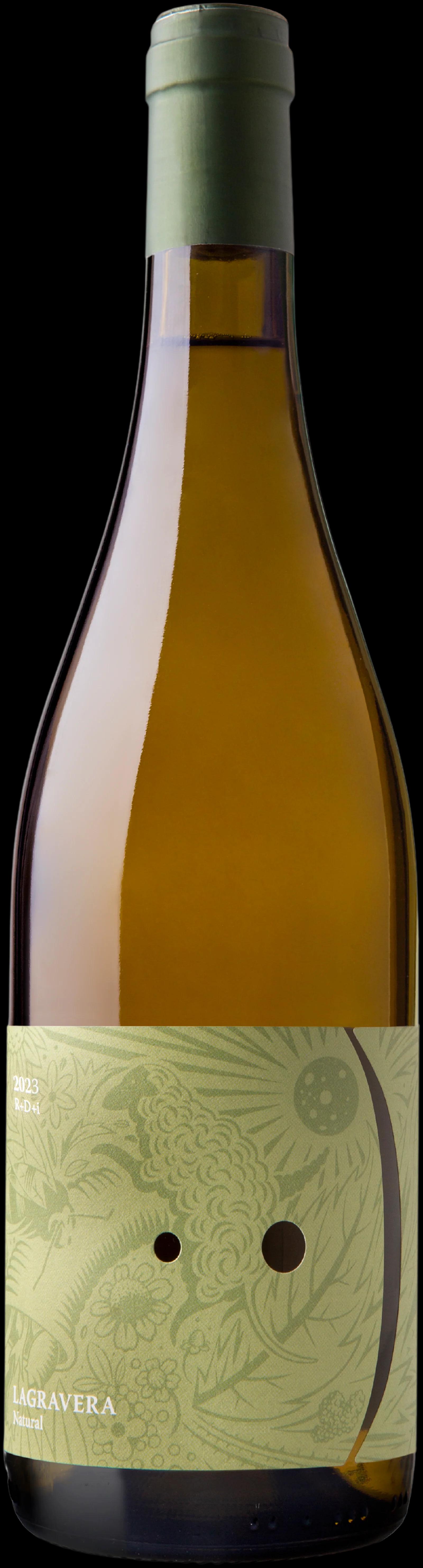

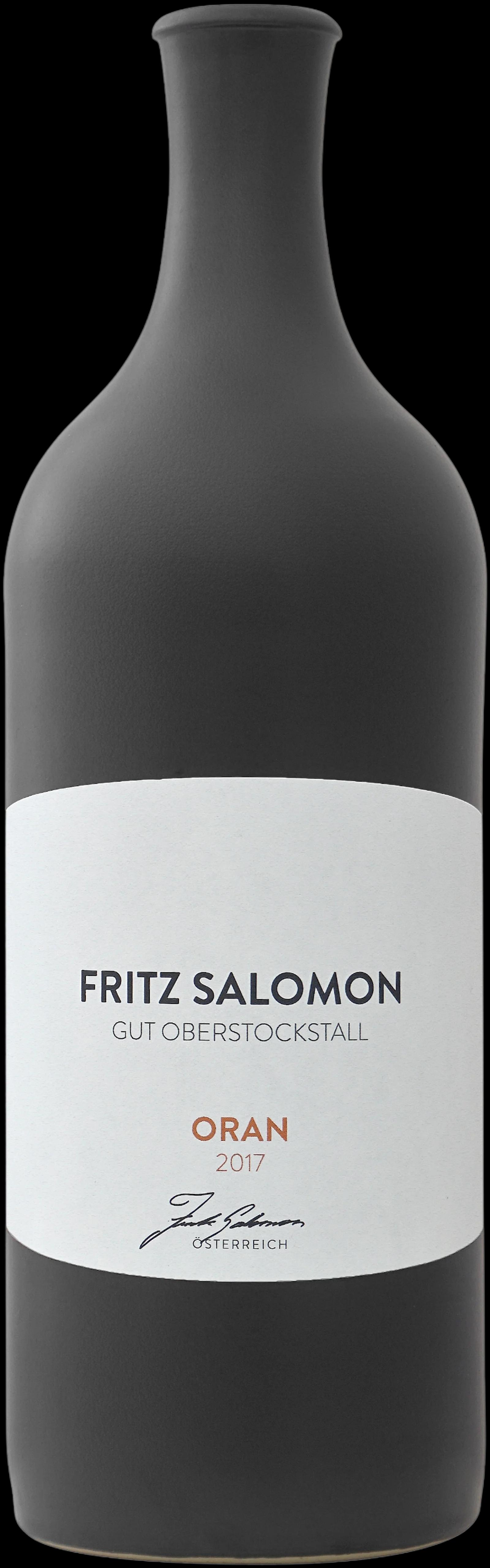
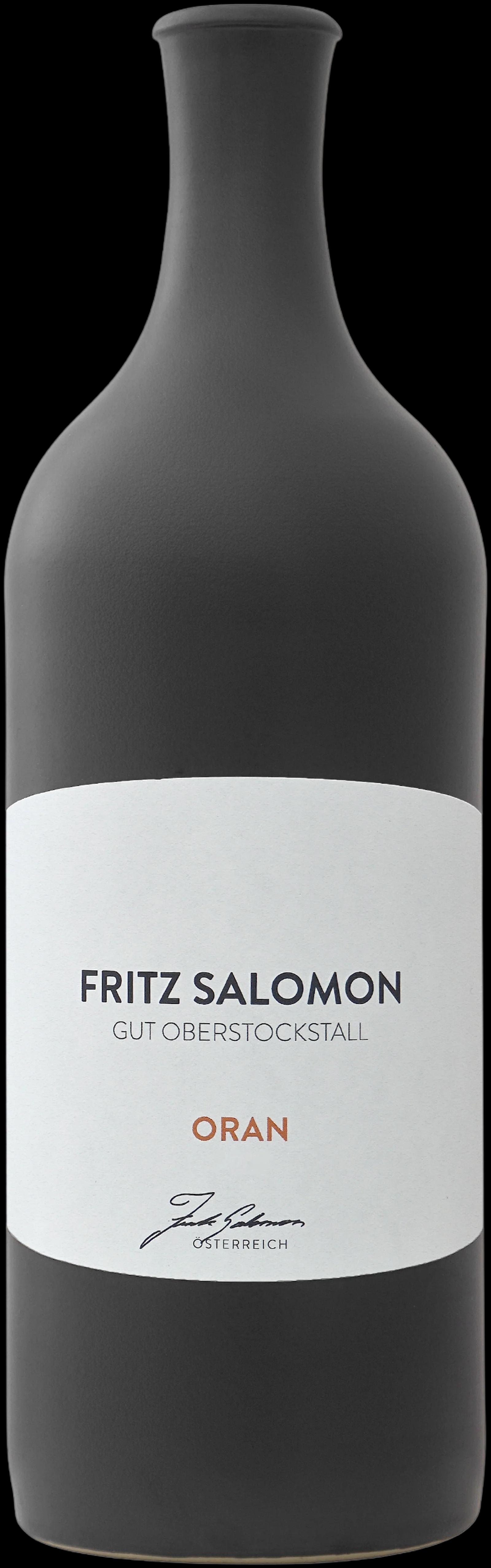

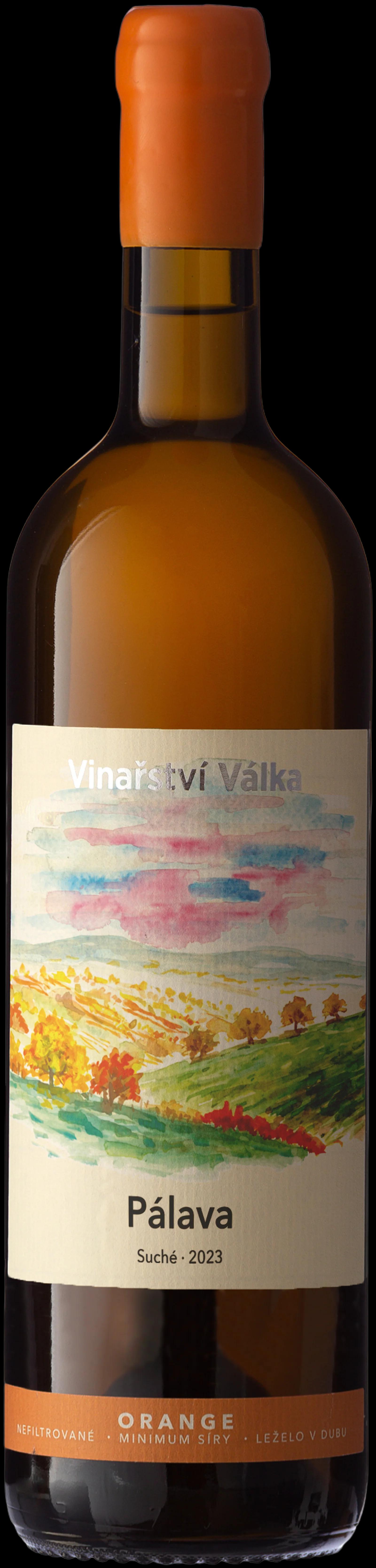
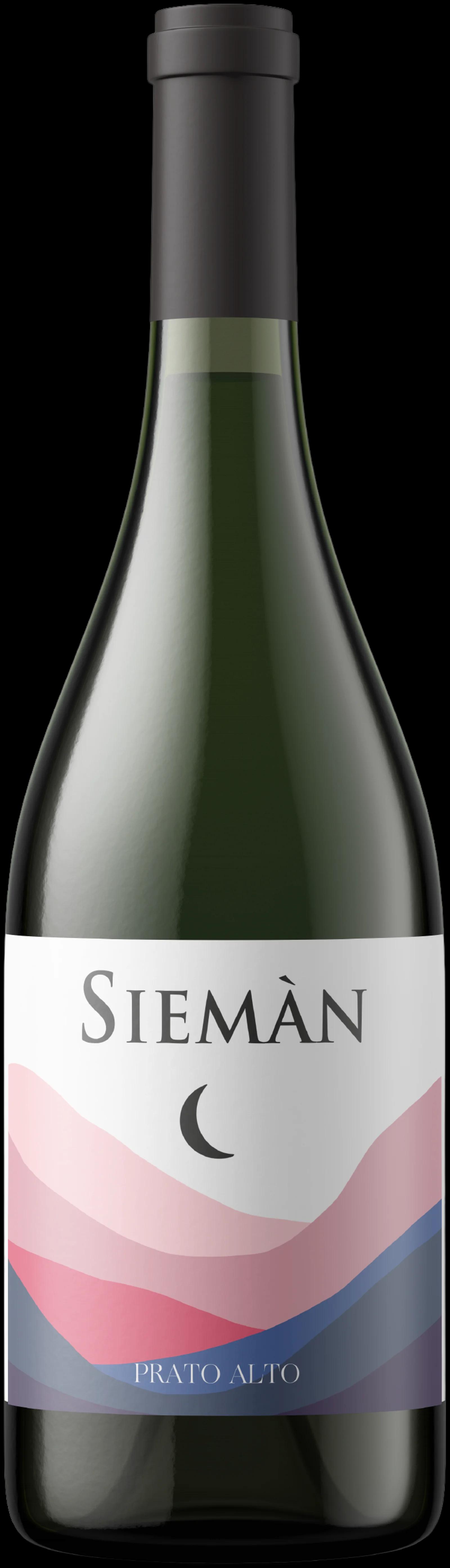
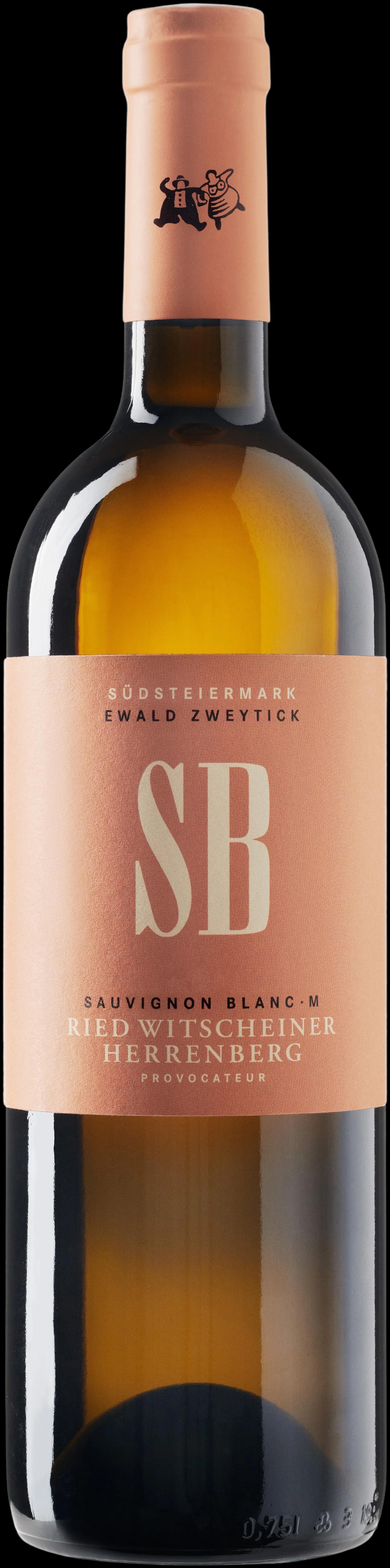
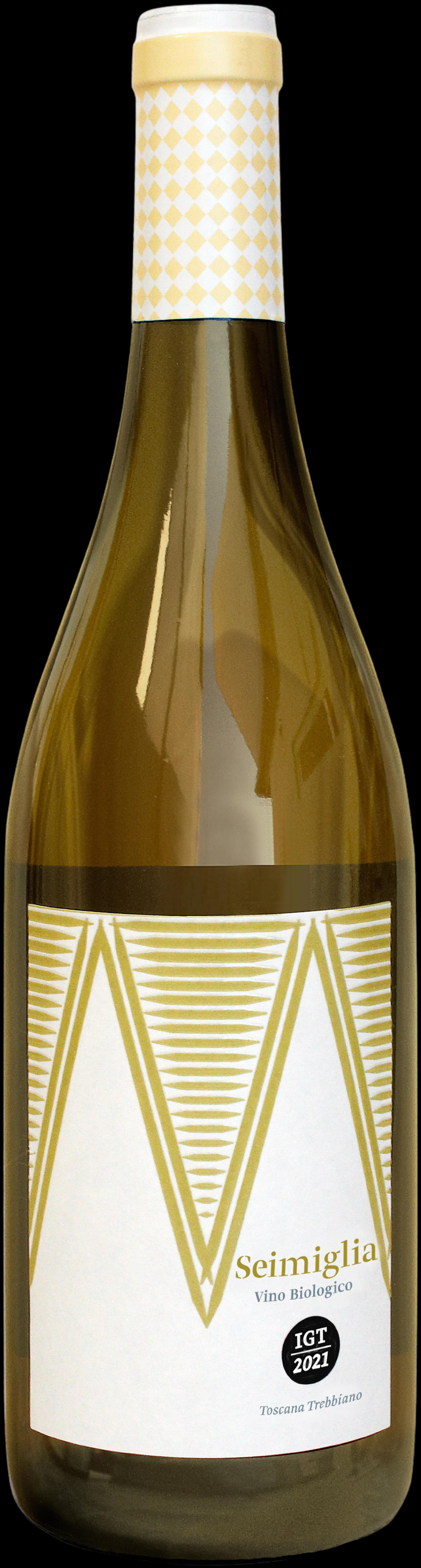
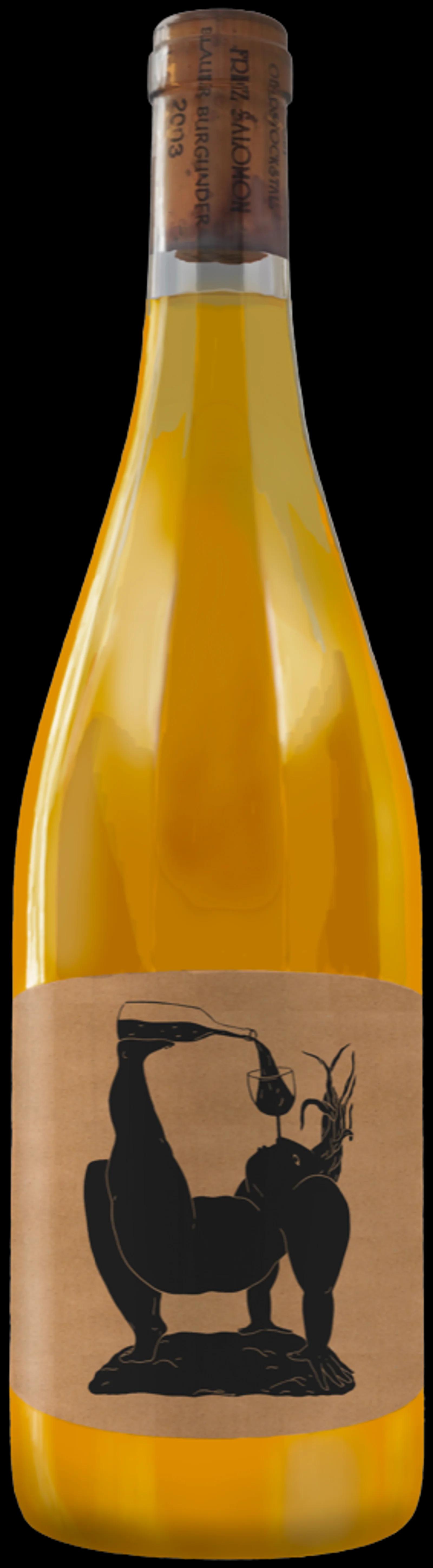
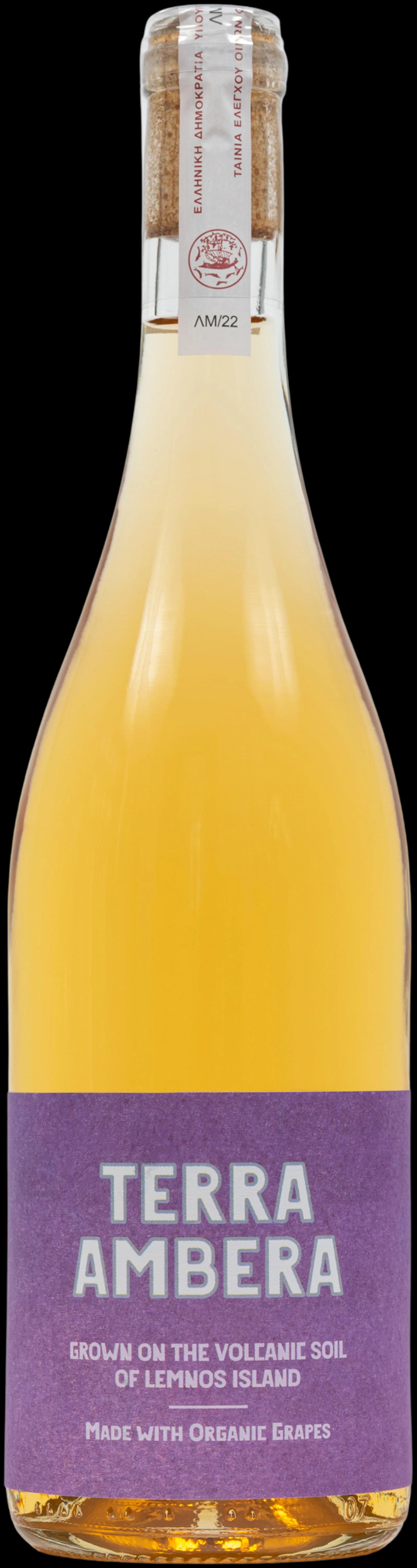
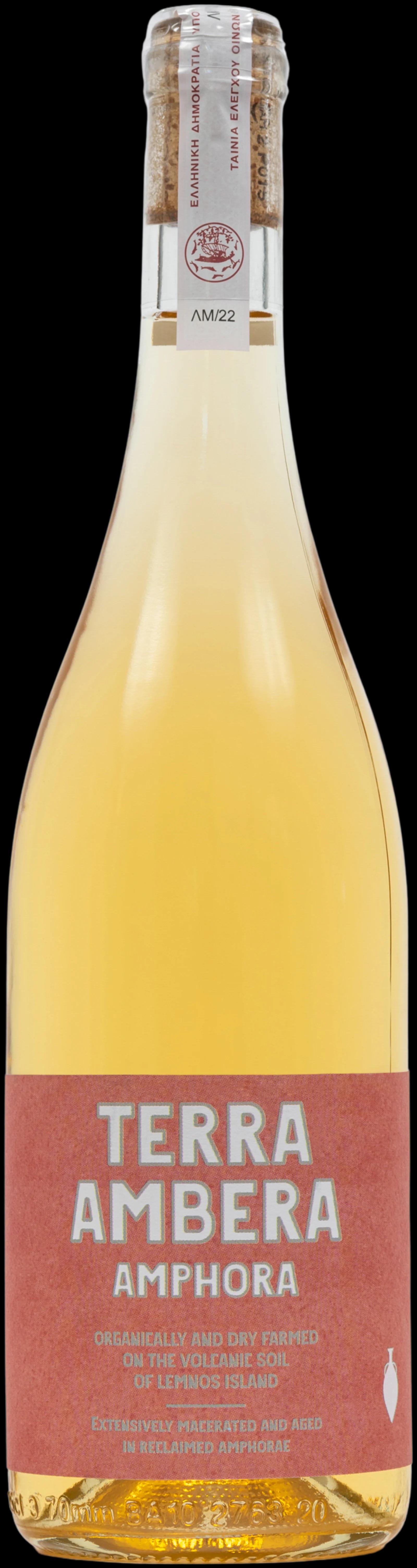






Orange wines — skin-contact whites from independent producers

Orange wine is white wine made with extended skin contact. Every wine on this page tasted before listing.

Fermented on the skins. Structured, dry, and far from conventional.

Color (1)

Dropdown arrow

Type

Dropdown arrow

Country

Dropdown arrow

Region

Dropdown arrow

Grape

Dropdown arrow

Pairing

Dropdown arrow

Sort by

Sort arrow
Orange

Orange wines

Orange wine is not a new category. Georgia has been fermenting white grapes on their skins in buried clay vessels called qvevri for at least 8,000 years. The modern European revival was driven by a small group of producers in Friuli and Slovenia in the 1990s. Skin contact extracts tannin, phenolic compounds, and pigment from the grape skins — things absent in conventionally made white wine. The result is a structurally different wine, not just a different colour.

Previous1 of 1Next

Orange wine mixboxes

A mixbox on Free Grape Society always contains exactly 6 bottles, all from one producer, composed by the producer as their own selection. A mixbox is classified as an orange mixbox when at least 4 of the 6 bottles are orange wines. The remaining bottles may be a white or red the producer wants to introduce alongside their skin-contact work. No buyer assembles the box. The producer does.

Wine experts

The producers listed below are those whose orange wines passed quality review. Samples are sent to Free Grape Society's Head of Product and tasted before any wine goes live on the platform. Producers, experts, restaurants, and wine lovers participate on the same platform, on the same terms. That structure is how Free Grape Society is built. No producer pays for placement, and no importer sits between them and you.

Orange wine producers

Independent wine experts on Free Grape Society rate and review orange wines they have personally tasted. Their reviews are visible on the individual wine page and on the expert's own profile. Orange wine is a category where expert knowledge matters — maceration length, oxidative ageing, and grape variety all affect the final structure in ways that are not obvious from the label alone. Several of the experts below have reviewed skin-contact wines from producers featured on this page.

Frequently asked questions

How do I order orange wines on Free Grape Society?

Browse the wines on this page and add bottles to your cart. Each listing shows the producer, region, grape variety, and vintage. Checkout is handled in a single transaction. Wines ship directly from the producer's cellar. No account is required to browse.

What happens if a bottle arrives broken or doesn't taste right?

Send a photo to Free Grape Society customer support within 7 days of delivery. We will arrange a replacement or a refund. Because producers ship directly, quality issues are handled with the producer's direct involvement. Shared responsibility is built into how FGS works.

Can I order orange wines alongside red or white wines in the same order?

Yes. You can add orange, red, white, and rosé wines to the same cart and check out in one transaction. If the wines come from different producers, each producer ships their wines separately, so you may receive more than one delivery.

How long does delivery take?

Average delivery is 8 to 9 days from order to door. The full range is 4 to 14 days depending on the producer's location and your delivery address. Wines ship directly from the producer's cellar, not from a central warehouse.

How do I know which orange wine to choose if I have never tried the style before?

Maceration length is the clearest guide. Short skin contact — a few days — produces orange wines closer in texture to a full white. Extended maceration of weeks or months gives firmer tannin, deeper colour, and more savory character. The wine listings on this page include producer notes on method. Expert reviews give additional context on individual bottles.

Are orange wines dry or sweet? What should I expect in terms of structure?

The overwhelming majority of orange wines are dry. Skin contact does not add sweetness — it adds tannin, texture, and phenolic structure. Orange wines often have lower perceived acidity than conventional whites, because the tannins balance the acid differently. Expect a wine that drinks more like a light red than like a white.

Which wine expert can recommend an orange wine for me?

Several wine experts on Free Grape Society have reviewed skin-contact and orange wines. Browse the expert profiles below and look for those with reviews in this category. You can message any expert directly and ask for a recommendation based on your preferences.

Why don't you sell mass-market orange wines from supermarket brands?

Most supermarket orange wines are made with minimal skin contact specifically to soften the category for mainstream retail. The producers on Free Grape Society work with extended maceration and are making wine the way the category was intended. Different intent, different wine. These are not the wines your supermarket carries.

Can I find orange wines on Free Grape Society that are not available at Systembolaget?

Most orange wines on Free Grape Society are not available at Systembolaget. Producers working with extended skin contact typically produce smaller volumes than what retail distribution requires. That is part of why they distribute directly through platforms like Free Grape Society instead.

How orange wine is made

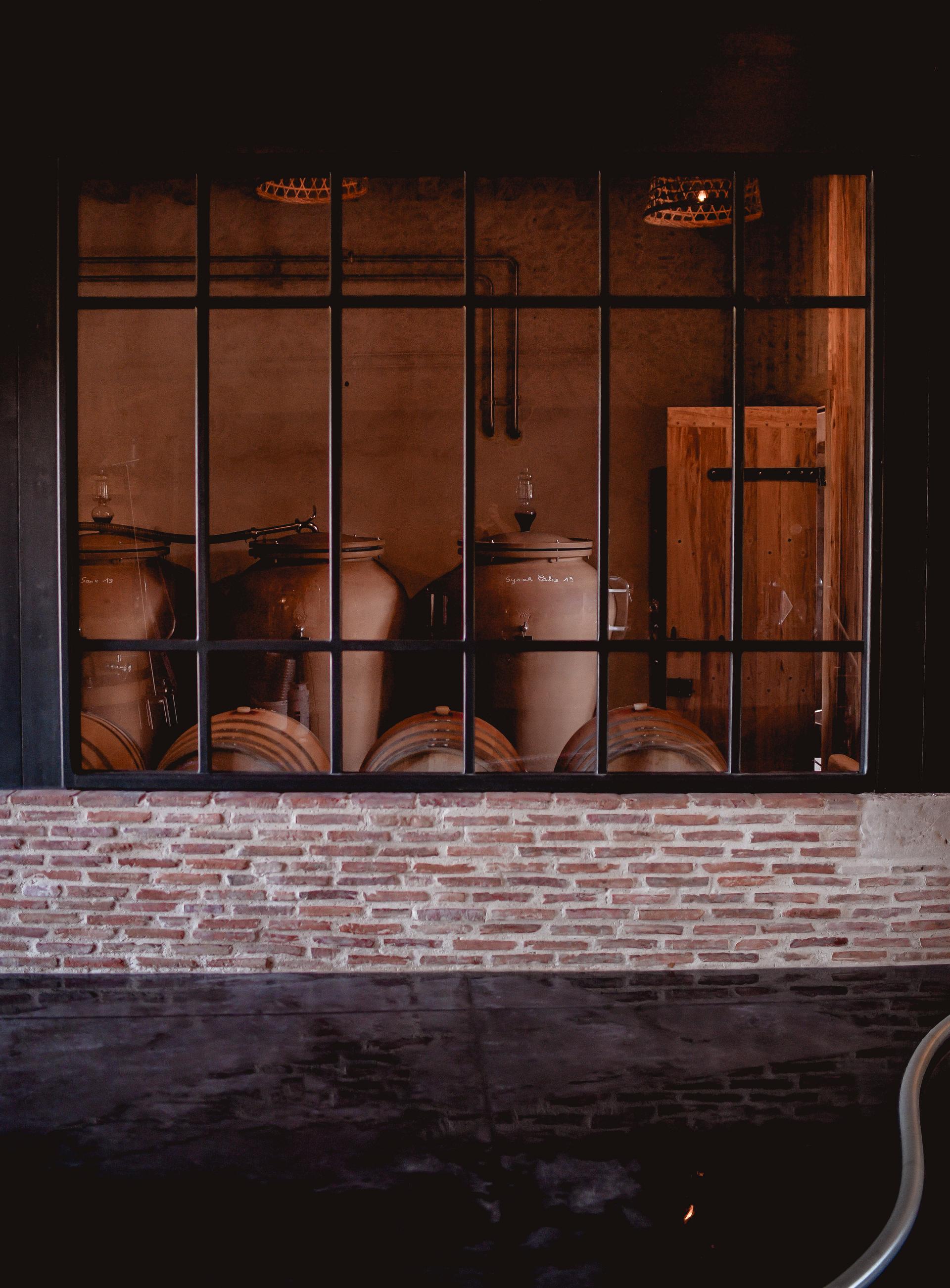
Orange wine is not a separate grape color. It is a white wine made using red wine technique: the juice ferments in contact with the grape skins. That skin contact extracts phenolic compounds — tannins, pigments, and structural elements — that conventional white wine production deliberately avoids. Maceration can run from 24 hours to several months. The longer the contact, the deeper the amber color and the firmer the tannic grip. Producers in Friuli Venezia Giulia were central to the modern revival of the style in the 1990s, though the method itself is thousands of years old. Georgian winemakers fermented white grapes on their skins in clay vessels called qvevri long before the term "orange wine" existed. Today the style appears across Italy, France, Austria, Spain, and Greece, made from a wide range of white grapes. The result is not a single flavor profile — a 48-hour skin-contact Pinot Gris is structurally different from a six-month qvevri maceration. What they share is more texture and oxidative complexity than conventional whites.

Grapes used for orange wine

Aromatic and phenolically rich white grapes tend to perform best with extended skin contact. In Friuli Venezia Giulia and across the border in Slovenia, Ribolla Gialla is the dominant variety for skin-contact production. Pinot Gris — already a deeply pigmented grape — produces orange wines with pronounced copper tones and substantial structure. Grenache Blanc appears in skin-contact versions from Languedoc-Roussillon and Rhône Valley producers working outside conventional appellation rules. In Alsace, some producers apply skin contact to Pinot Gris and Gewurztraminer. Godello and indigenous Basque varieties are used by Spanish producers experimenting with the format. Grüner Veltliner on skins appears from Austrian producers in Burgenland and Niederösterreich. The grape matters less than the decision of how long it stays on its skins — and that decision is entirely the producer's.

What to expect from orange wine on the shelf

Orange wines are not labeled by law in most producing countries. There is no protected term, no appellation category, and no minimum skin-contact requirement. A bottle labeled "skin contact" or "macerated white" may have spent 12 hours or 12 months on skins. Some producers note maceration time on the back label; most do not. Color is the most visible signal: pale amber to deep amber-orange. Tannin is the structural signal: orange wines have detectable tannin that conventional whites lack, which affects how they pair with food and how they age. Bottles from producers who use whole-cluster maceration in sealed vessels tend to be more reductive and savory. Producers working in open-top vessels with pump-overs often produce more oxidative styles. The white wines on Free Grape Society sit alongside these skin-contact bottles — the difference in method is documented at the producer level. No importer, no wholesaler. The price you see is the price the producer agreed to.