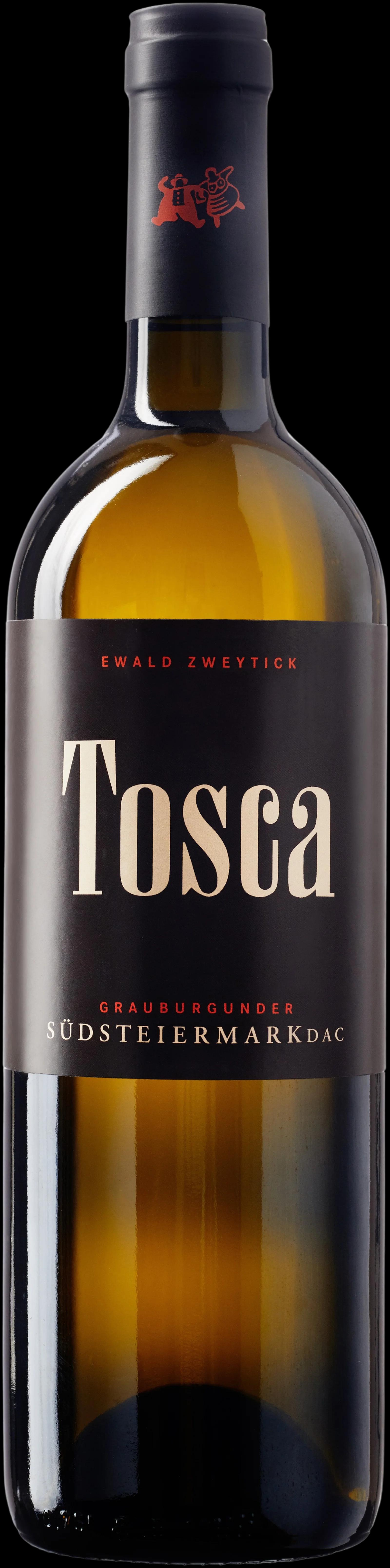
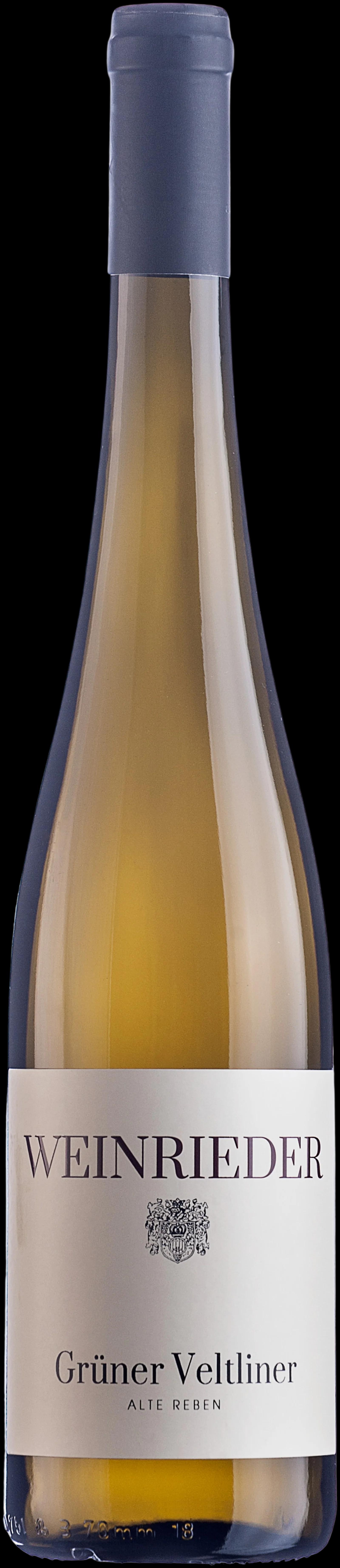
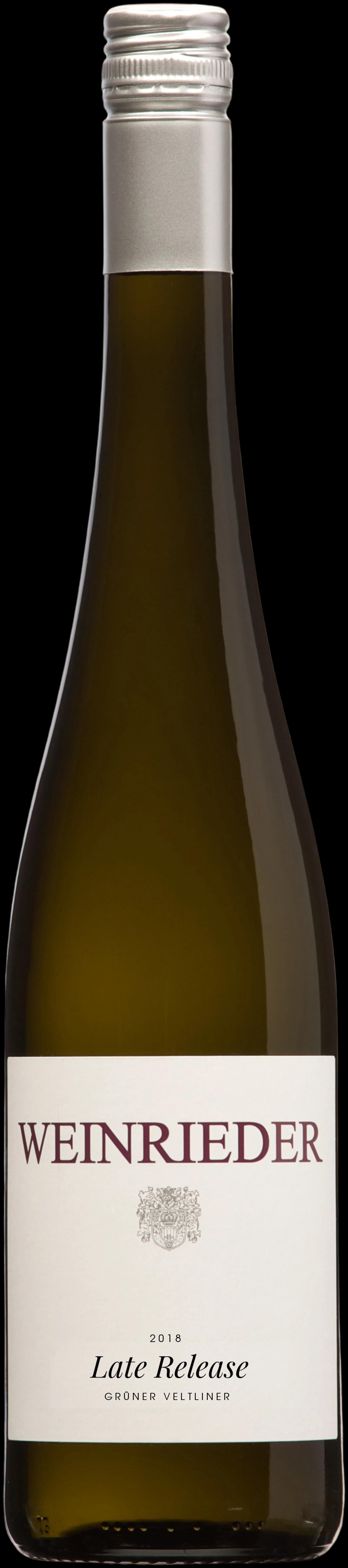
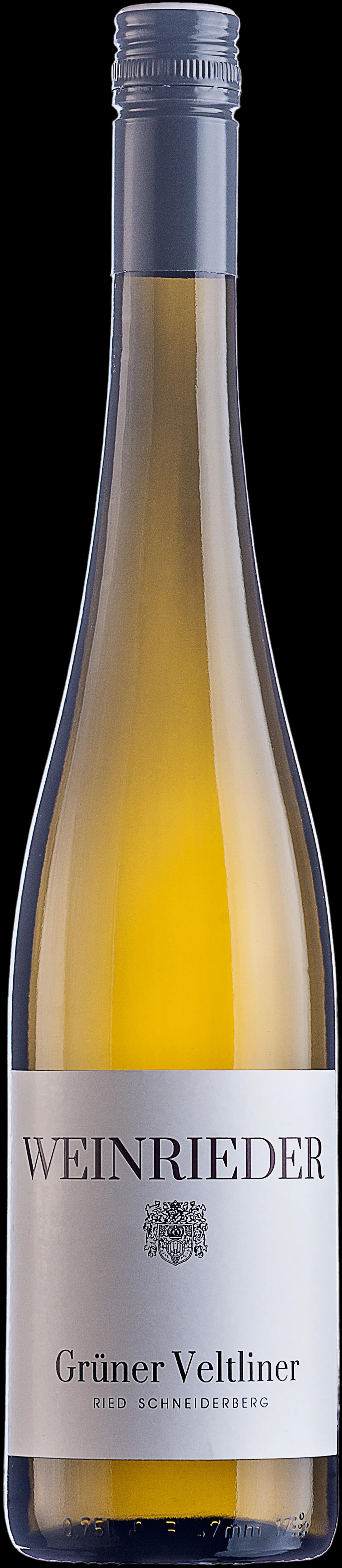
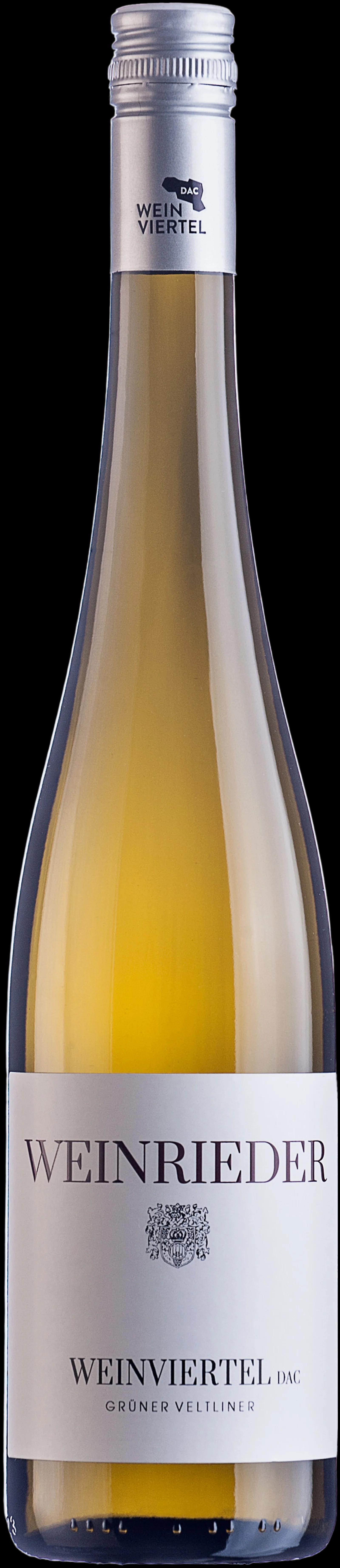
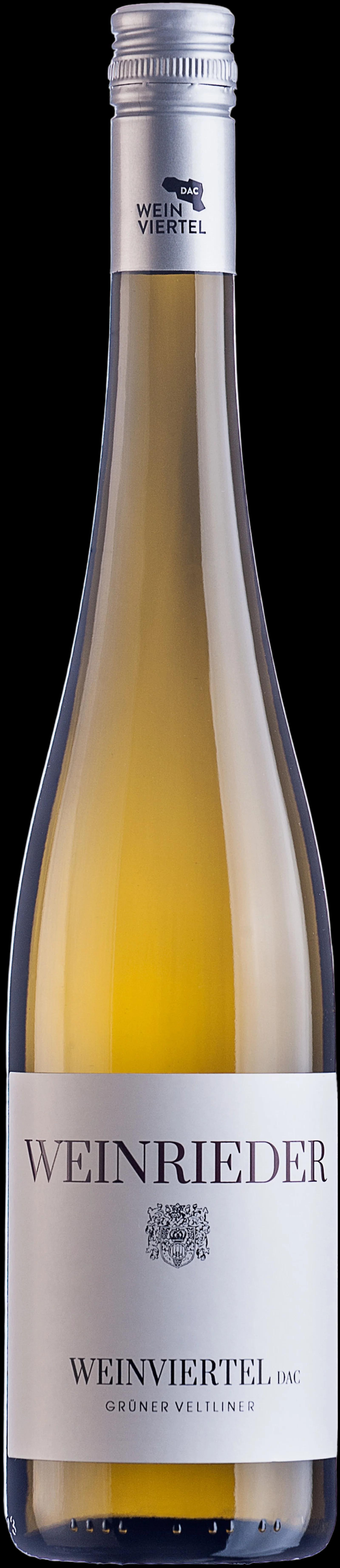
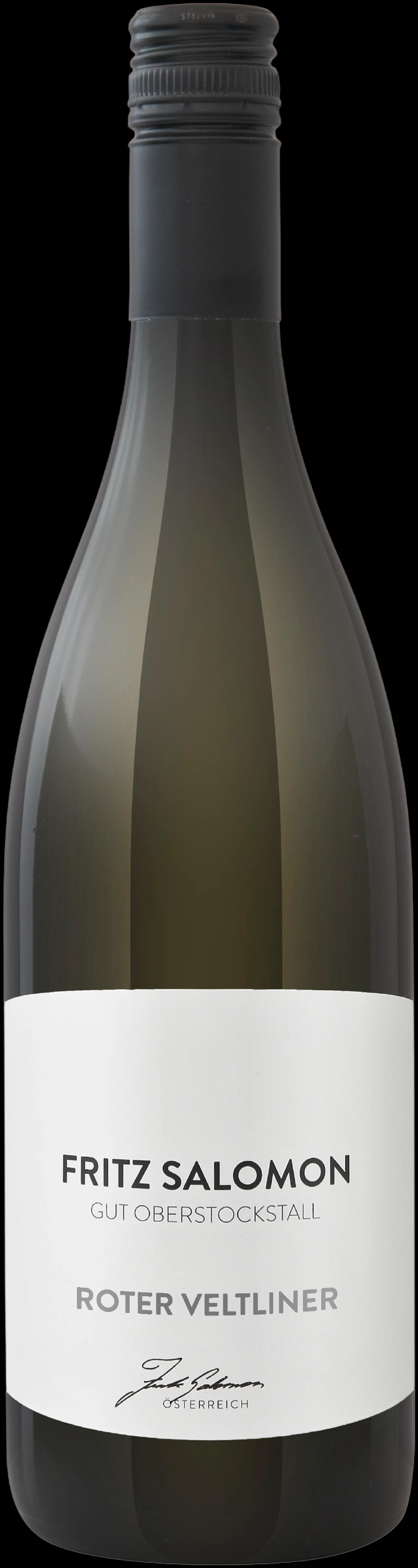
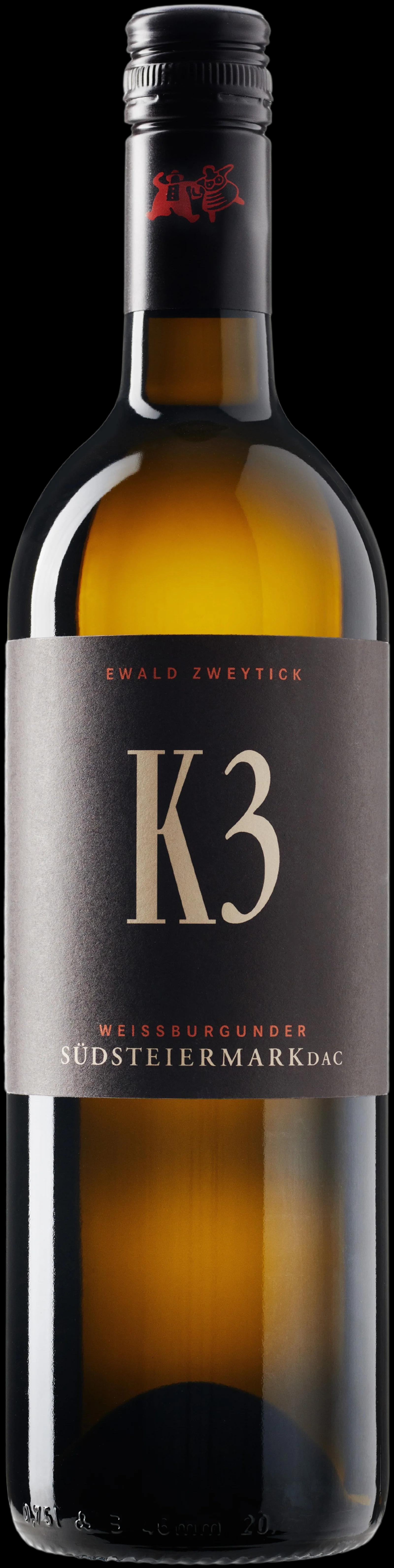
White wines from Austria — Grüner, Riesling, and beyond

Austrian white wine runs from bone-dry Grüner Veltliner to late-harvest Riesling. Direct from the estate.

Single-estate bottles from Niederösterreich, Steiermark, and Burgenland.

Color (1)

Dropdown arrow

Type

Dropdown arrow

Country (1)

Dropdown arrow

Region

Dropdown arrow

Grape

Dropdown arrow

Pairing

Dropdown arrow

Sort by

Sort arrow
White
Austria

Austrian white wines

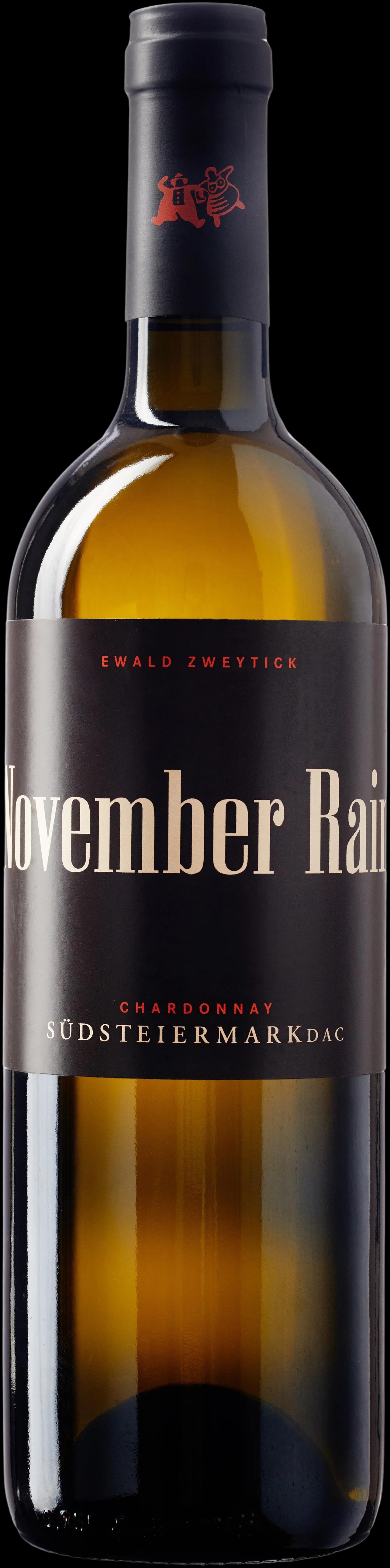
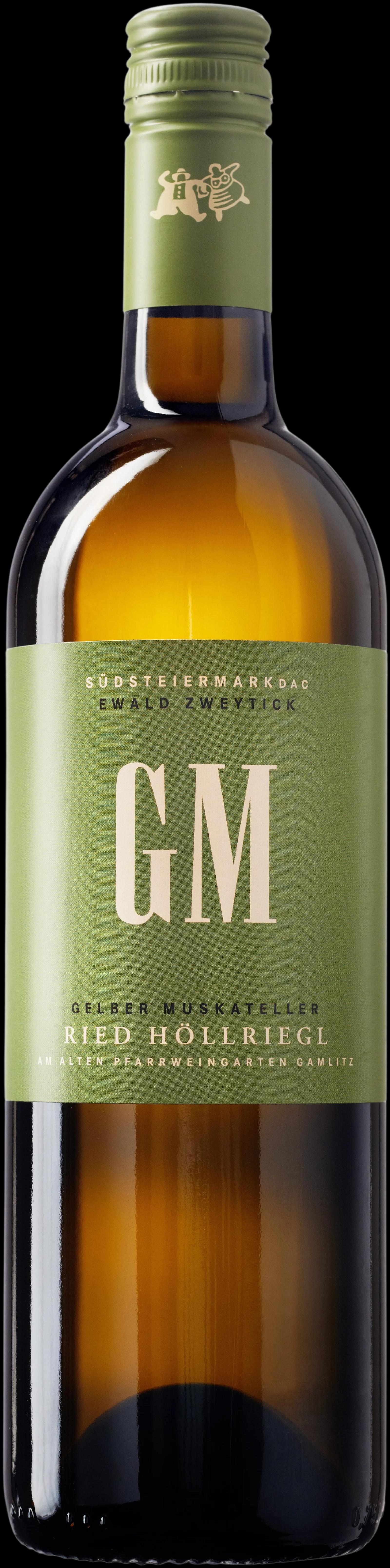
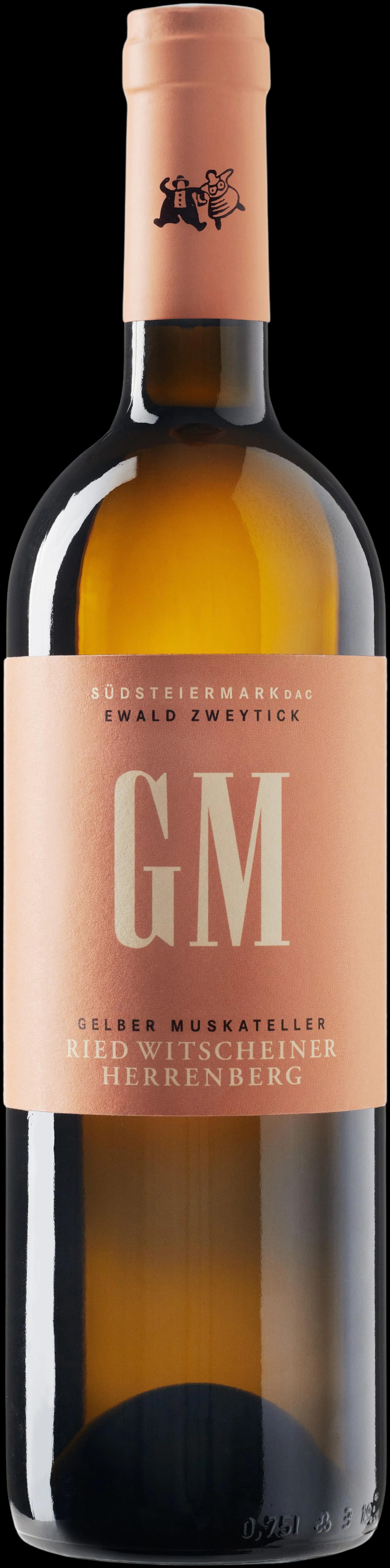
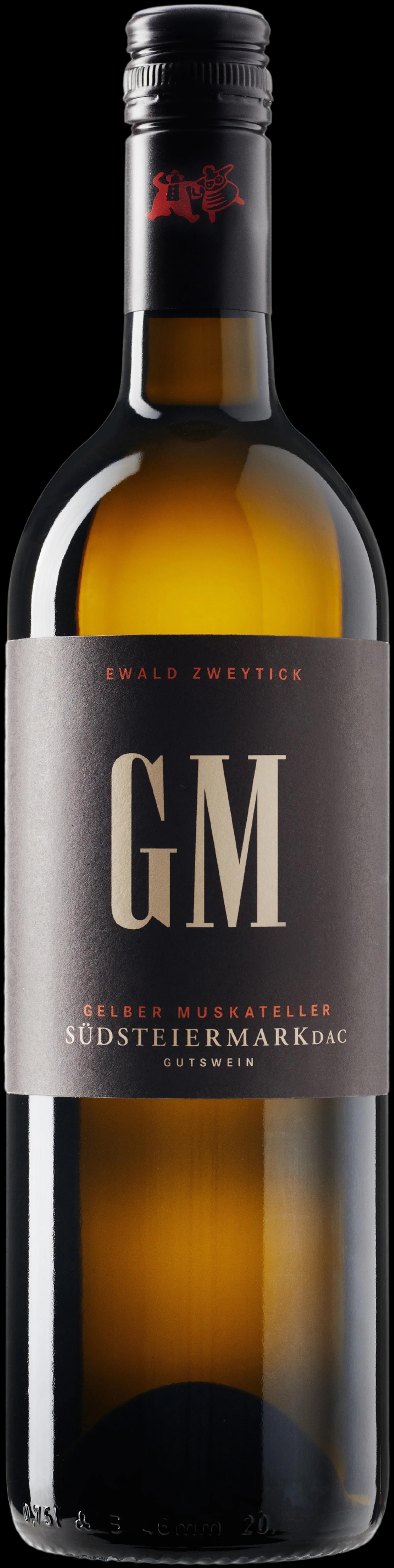
Austrian white wine is shaped by three structurally different growing zones. Niederösterreich — which includes the Wachau, Kamptal, and Kremstal — produces the country's benchmark Grüner Veltliner and Riesling, where steep terraced vineyards above the Danube force slow ripening and concentrate mineral character. Steiermark in the south grows Sauvignon Blanc in a cooler, hillier landscape that produces some of the most acid-precise Sauvignon in central Europe. Burgenland, bordering Hungary, sits at lower altitude with more warmth, giving its whites more body. Same country, three different white wine logics.

Previous1 of 2Next

Frequently asked questions

How do I order Austrian white wines on Free Grape Society?

Browse the wines below and add bottles to your cart. Each listing shows the producer, region, grape, and vintage. Checkout requires no account. Wines ship directly from the producer's cellar in Austria to your delivery address.

What happens if a bottle arrives broken or doesn't taste right?

Send a photo to Free Grape Society customer support within 7 days of delivery. We will arrange a replacement or a refund. Because producers ship directly, quality issues are handled with the producer's direct involvement. Shared responsibility is built into how FGS works.

Can I order Austrian white wines as part of a mixed order with wines from other countries?

Yes. You can add wines from multiple producers and countries to one cart and pay once at checkout. Each producer ships separately, so you may receive more than one delivery. Austrian producers ship from their own cellars, not from a central warehouse.

How long does delivery take?

Average delivery is 8 to 9 days from order to door. The full range is 4 to 14 days depending on the producer's location and your delivery address. Wines ship directly from the producer's cellar, not from a central warehouse.

How do I find the right Austrian white wine if I don't know the regions?

Filter by grape first. Grüner Veltliner is the most widely planted white in Austria and spans a wide range of styles. Riesling from Niederösterreich is structured and mineral. Sauvignon Blanc from Steiermark is leaner and more aromatic. Region follows from grape in Austria more often than the reverse.

What makes Austrian white wine different from German white wine?

Austrian Grüner Veltliner has no real German equivalent — it is a variety grown almost entirely within Austria. German white wine production is dominated by Riesling, particularly in cooler northern regions. Austrian Riesling tends toward more textural weight than Mosel Riesling, even at comparable alcohol levels. The regulatory systems also differ: Austria's DAC system is appellation-based, not ripeness-based like the German Prädikat scale.

Which wine expert on Free Grape Society can recommend an Austrian white wine for me?

Browse the expert profiles on the platform and look for specialists with central European or Austrian coverage. Independent wine experts on Free Grape Society rate and review individual wines they have personally tasted. Their reviews are visible on each wine's listing page.

Why don't you carry Austrian white wines from every producer in the country?

Every wine on Free Grape Society is tasted before listing. Producers who list here choose to participate directly — no importer or distributor places them on the platform on their behalf. That limits the selection to producers who want to sell without a chain between them and the buyer, which is not every producer.

Are Austrian white wines available at retail in Sweden, or do I need Free Grape Society?

Systembolaget carries a small number of Austrian wines, mostly larger export-volume labels. The independent estates on Free Grape Society typically produce in volumes too small for retail distribution. That is structurally why they sell direct rather than through a conventional import chain.

Key grapes in Austrian white wine

Austrian white wine is built on two grapes more than any others: Grüner Veltliner and Riesling. Grüner Veltliner accounts for roughly 30% of all Austrian vineyard area and is grown almost nowhere else at this scale. It produces wines with a characteristic white pepper note that comes from the rotundone compound present in the grape's skin — the same compound found in Syrah, but expressed differently in a cool-climate white. Austrian Riesling is structurally distinct from German Riesling: Austria's warmer continental summers push the grape toward fuller body and lower residual sugar, with most bottlings classified as fully dry. Beyond these two, Welschriesling (unrelated to Riesling), Weißburgunder (Pinot Blanc), and Grauburgunder (Pinot Gris) make up a significant portion of the white wine output, particularly in Steiermark and Burgenland. Each of these grapes responds differently to Austria's variable geology — a fact that shapes producer decisions more than any single stylistic trend. Producers who list on Free Grape Society set their own prices. No importer, no wholesaler. The price you see is the price the producer agreed to.

Regional variation in Austrian white wine

Austria's white wine character shifts considerably across its four main wine regions. Niederösterreich is the largest, covering the Wachau, Kamptal, Kremstal, and Wagram sub-regions. The Wachau classifies its white wines by ripeness level under a local system: Steinfeder (light, under 11.5% ABV), Federspiel (medium, 11.5–12.5%), and Smaragd (full-bodied, over 12.5%). These are not legal appellations under EU law but are enforced by the Vinea Wachau grower association. Steiermark, in the southeast, produces high-acid, mineral whites from steep slopes — Sauvignon Blanc here is one of Austria's most internationally distinctive styles, with a savory, green-herb profile quite different from French Sauvignon Blanc. Burgenland, by contrast, is dominated by the shallow Neusiedlersee lake, which moderates temperatures and enables late-harvest and botrytis-affected whites alongside dry styles. The geology differs significantly between regions: primary rock (gneiss, granite) dominates in the Wachau, while loess and loam are more common in the Kamptal and Kremstal. These soil differences show in the wines as much as climate does. For comparison, white wines from Germany cover some overlapping grapes but operate under different classification logic and ripeness conventions.

How Austrian white wine is made

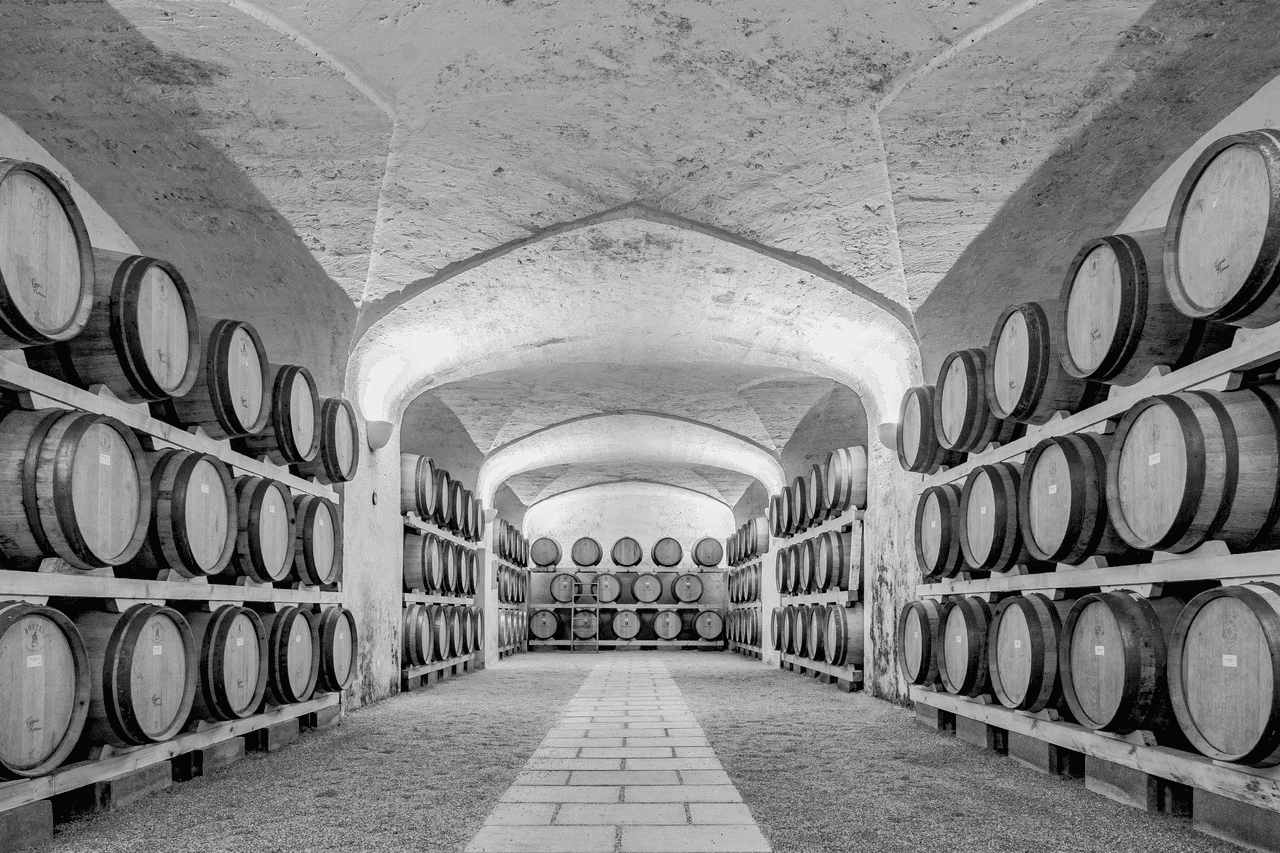
Most dry Austrian white wine is fermented in stainless steel or large neutral oak, preserving varietal character rather than adding wood influence. This is particularly true for Grüner Veltliner, where producers in Niederösterreich tend to work with ambient-temperature fermentation to retain the grape's aromatic precision. A smaller group of producers — especially in Wachau and Kamptal — use large old oak casks (Stückfass, traditionally 1,200 liters) for aging, which softens texture without contributing oak flavor. Skin contact for white grapes remains a minority practice in Austria, though it is more common in Steiermark and among younger producers working outside established classification systems. Austria introduced a national DAC (Districtus Austriae Controllatus) appellation system starting in 2002 with Wachau as a model; by 2023, most major producing regions had their own DAC, each with specific grape and style requirements. A Kamptal DAC Riesling, for example, must come from defined vineyard sites within the Kamptal boundary and meet minimum ripeness standards — this is meaningfully different from how Italian white wine or French white wine is regulated, where appellation rules vary dramatically by region. Producers shipping directly from Austria to buyers avoid the markup that accumulates when a bottle changes hands through import and distribution chains.