Key grapes in German white wine
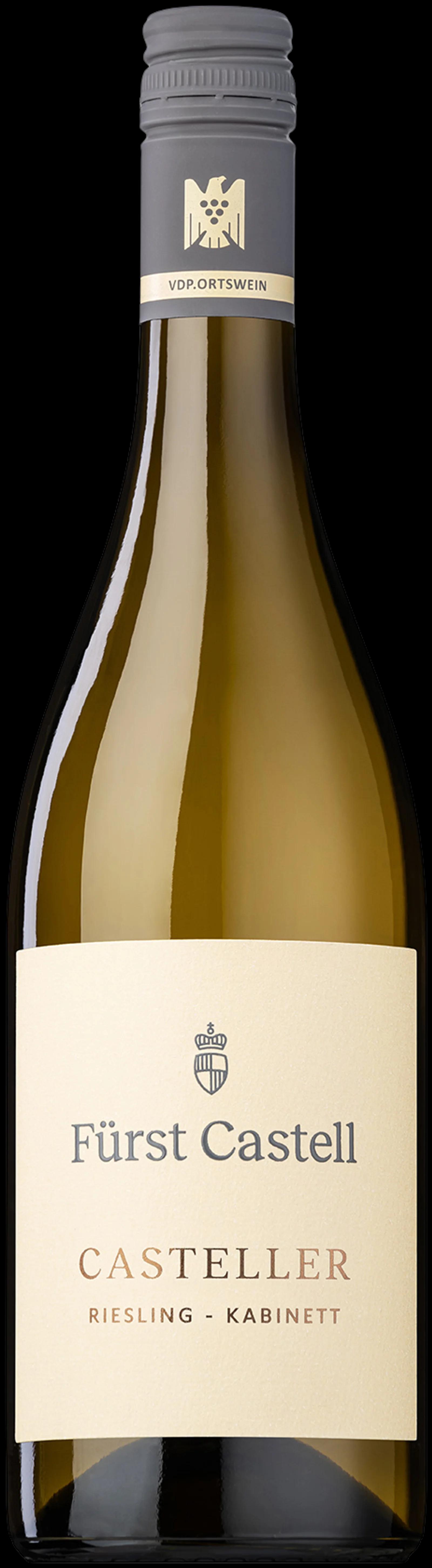
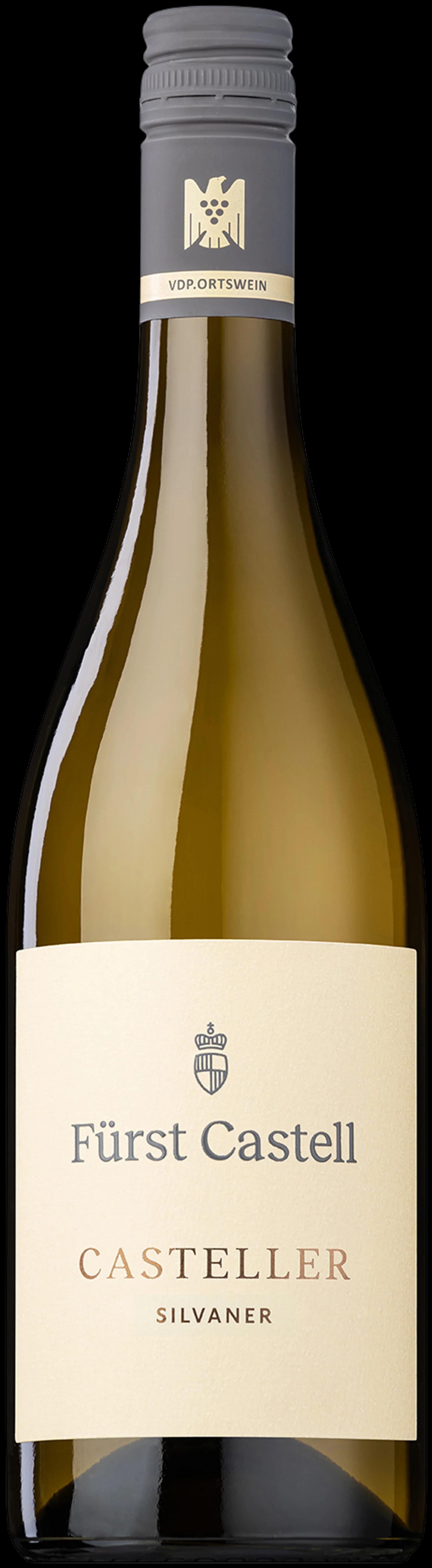
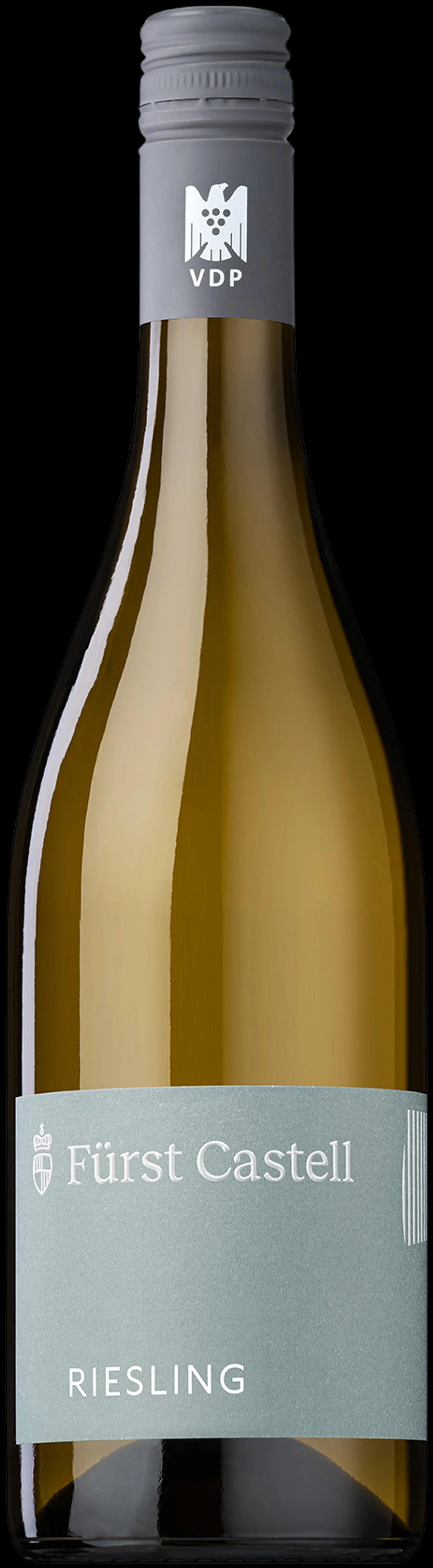
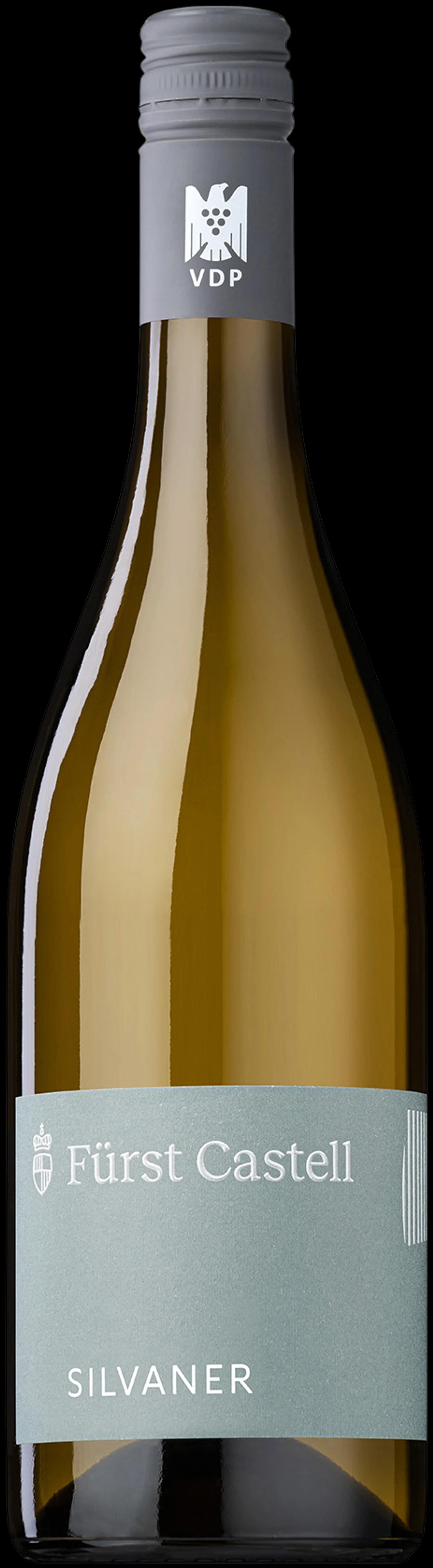
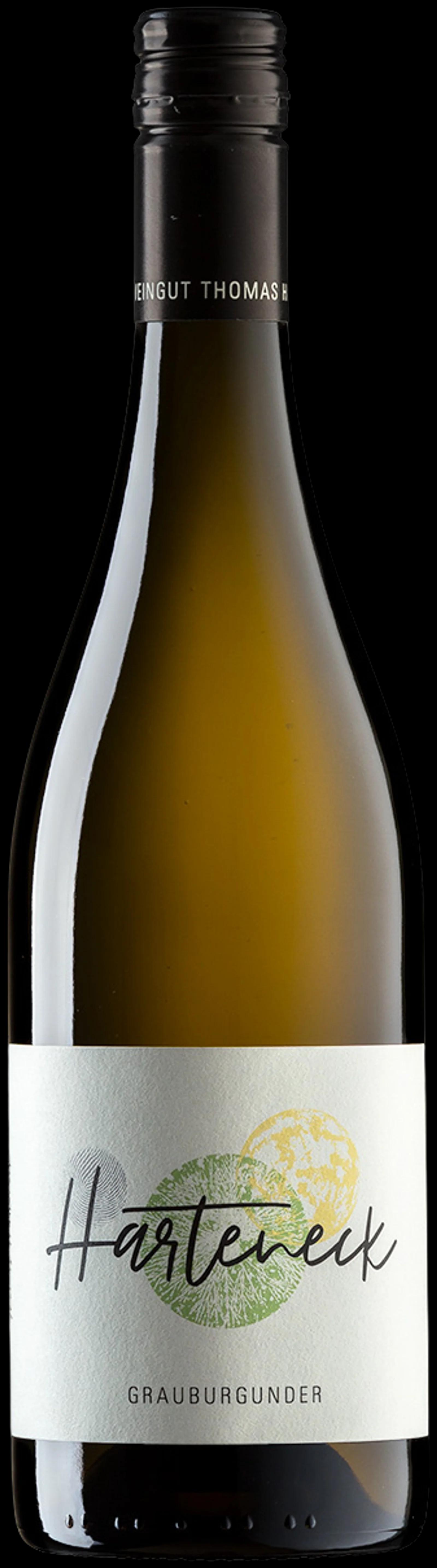
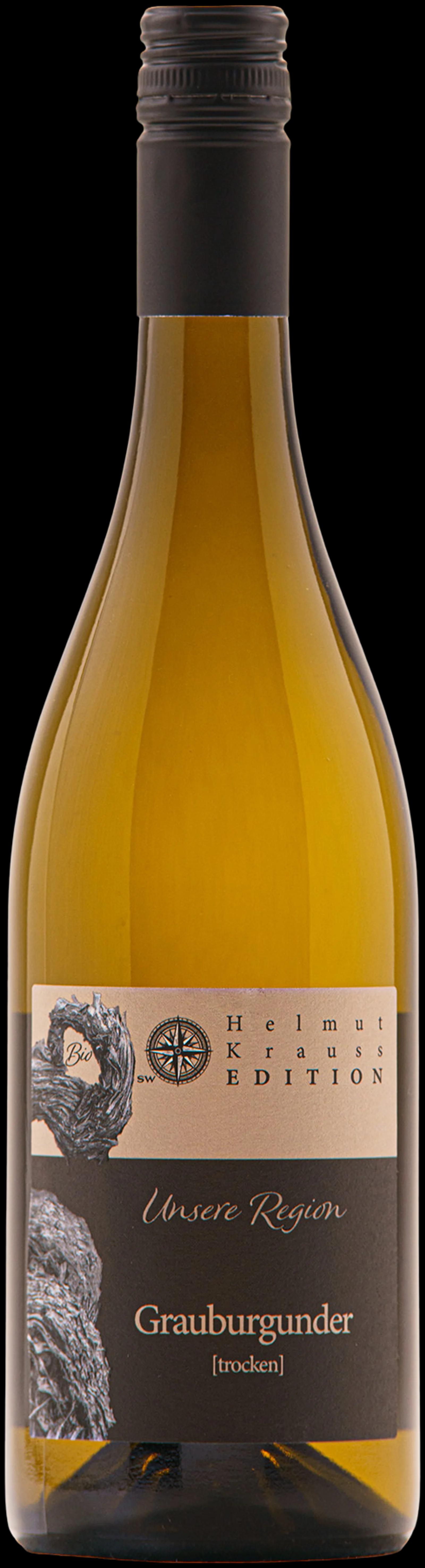
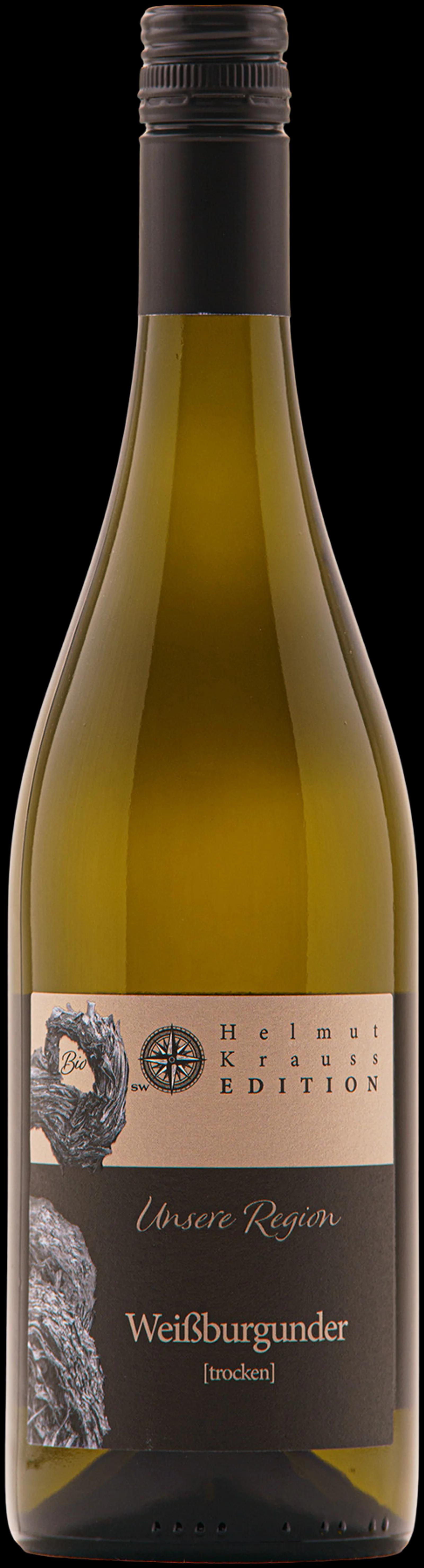
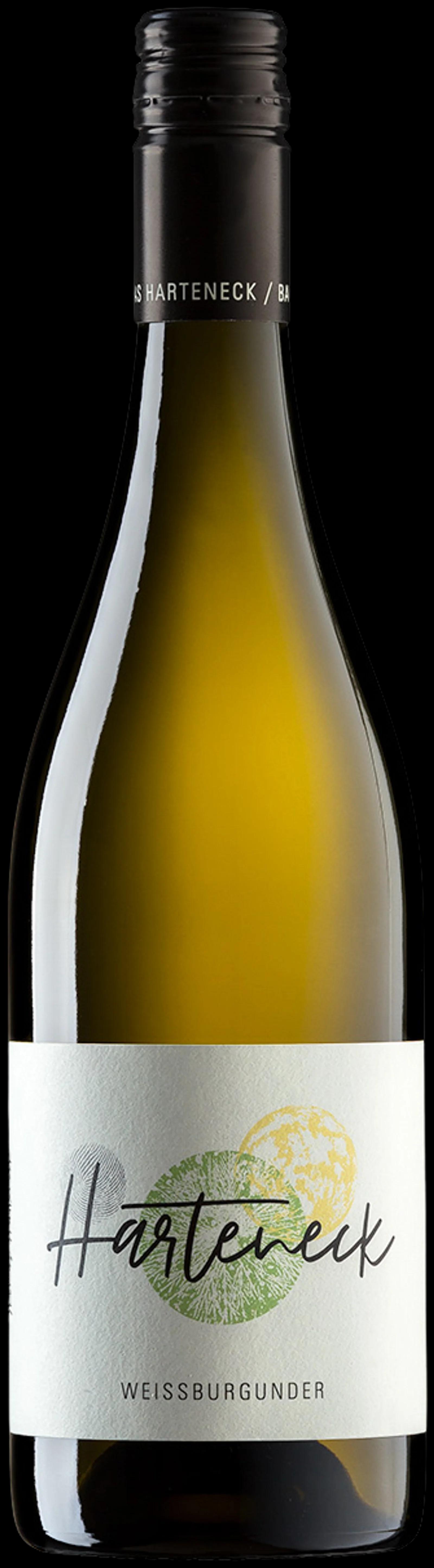
German white wine is not a single style. Riesling dominates the northern regions — Mosel, Rheingau, Nahe — where its ability to retain high acidity in cool conditions makes it the structurally appropriate grape for the climate. But Riesling accounts for roughly 23% of total German vineyard area. The rest of the white wine picture is filled by Müller-Thurgau (declining but still widely planted), Grauburgunder (Pinot Gris), Weißburgunder (Pinot Blanc), Silvaner in Franken, and Chardonnay in Baden. Each of these grapes responds differently to German soils. Grauburgunder on Baden's volcanic basalt produces wines with more body and lower acidity than Riesling on Mosel slate — same country, structurally different outcomes. Silvaner in Franken is a case apart: earthy, dry, and lower in aromatic intensity than either Riesling or Burgundian varieties, it has a regional identity that rarely travels outside Germany. Producers working with these grapes on German white wine tend to operate single estates rather than blending across appellations. The grape-to-place relationship is part of what they are selling.
Regional variation in German white wine
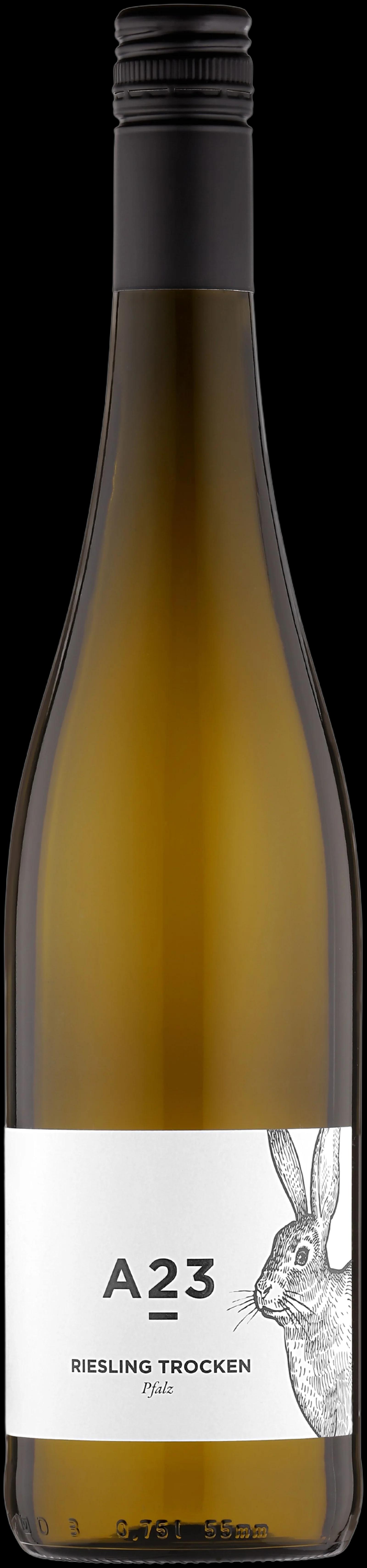
The stylistic range across Germany's white wine regions is wider than most drinkers expect. In the Mosel, slate slopes angled toward the river reflect heat and allow Riesling to ripen at latitudes that would otherwise be too cold — the steepest sites sit above 60 degrees incline, which rules out machine harvesting entirely. The result is wines with 7–9% alcohol in traditional Kabinett styles, built on acidity rather than weight. In the Rheingau, east-facing slopes with more clay and loam push Riesling toward fuller structure and slightly lower acidity. In Pfalz, the Haardt mountains block Atlantic rain and temperatures run 1–2°C warmer than Mosel — Riesling here ripens more completely and producers increasingly work with dry, full-bodied styles that read differently from classic Mosel. Baden, Germany's southernmost wine region, runs along the Austrian and Swiss borders and produces Grauburgunder and Weißburgunder that resemble Alsace more than Mosel. White wines from northern Italy or Austria are a useful reference point for Baden styles — not because the grapes are the same, but because the structural ambition is comparable.
How German white wine reaches you on Free Grape Society
Producers who list on Free Grape Society set their own prices and manage their own presence on the platform. No importer, no wholesaler sits between the estate and the order. A bottle of wine normally changes hands three times before it reaches you. Here it changes hands once. For German white wine specifically, this matters because many of the most interesting small-estate producers — single-village Riesling growers in the Mosel, biodynamic Grauburgunder estates in Baden — do not have the volume to sustain traditional export distribution. The direct model is not a convenience feature; it is the reason these wines are available at all. Every wine listed is tasted before going live. Independent wine experts on the platform review individual wines separately from the listing process. Bottles ship directly from the producer's cellar, with an average delivery time of 8–9 days. For context on related white wine styles, see white wines from France, white wines from Austria, or white wines from Italy. For German red wines, the red wine from Germany page covers Spätburgunder and other varieties grown in the same regions.