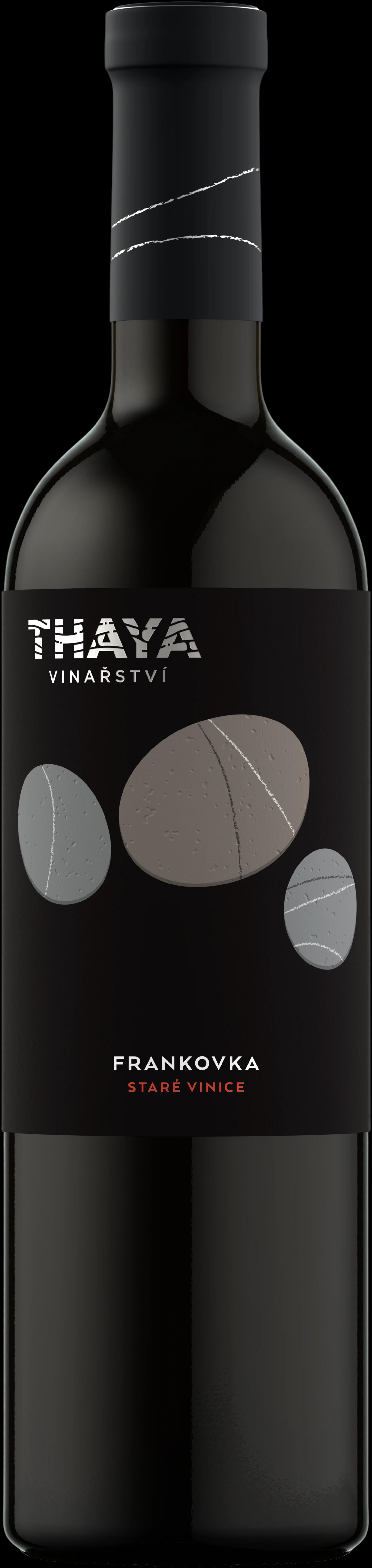
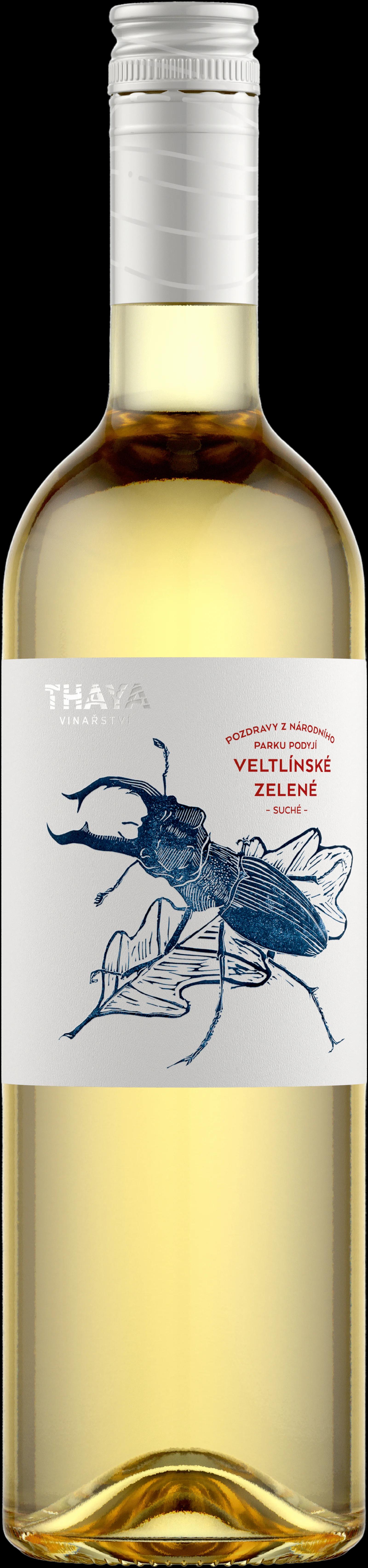
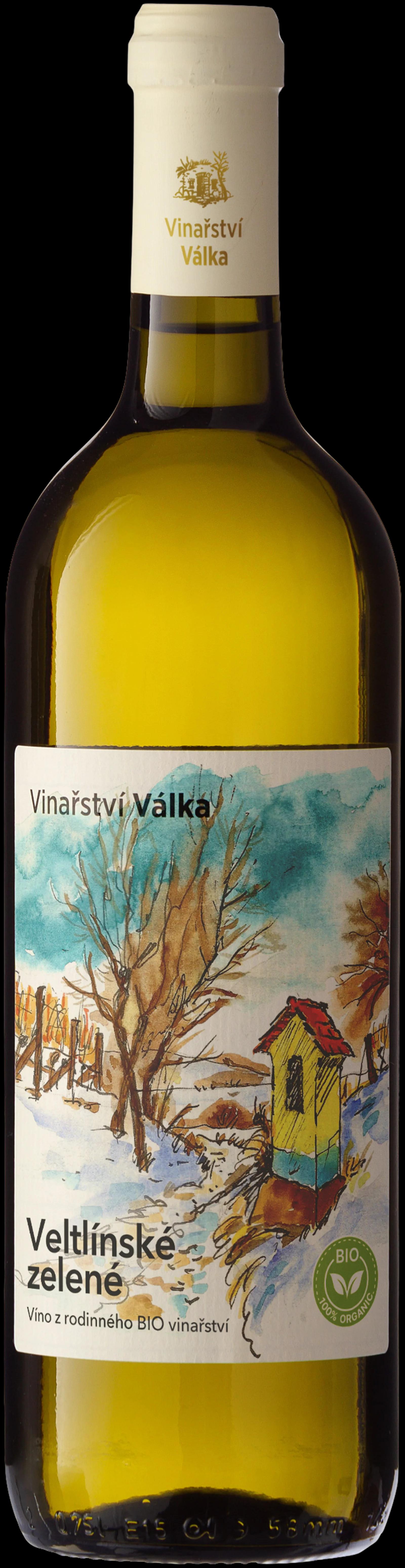
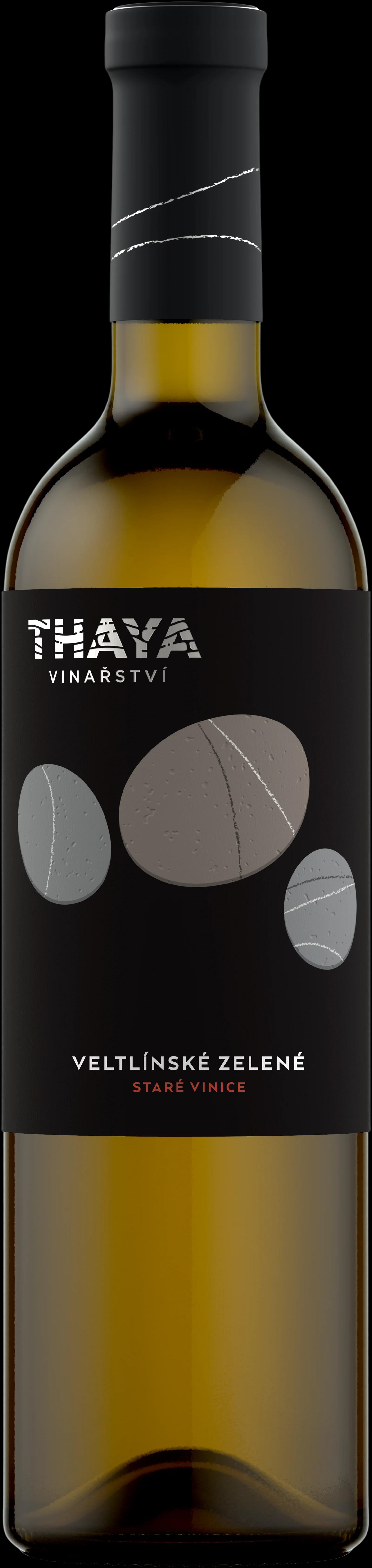
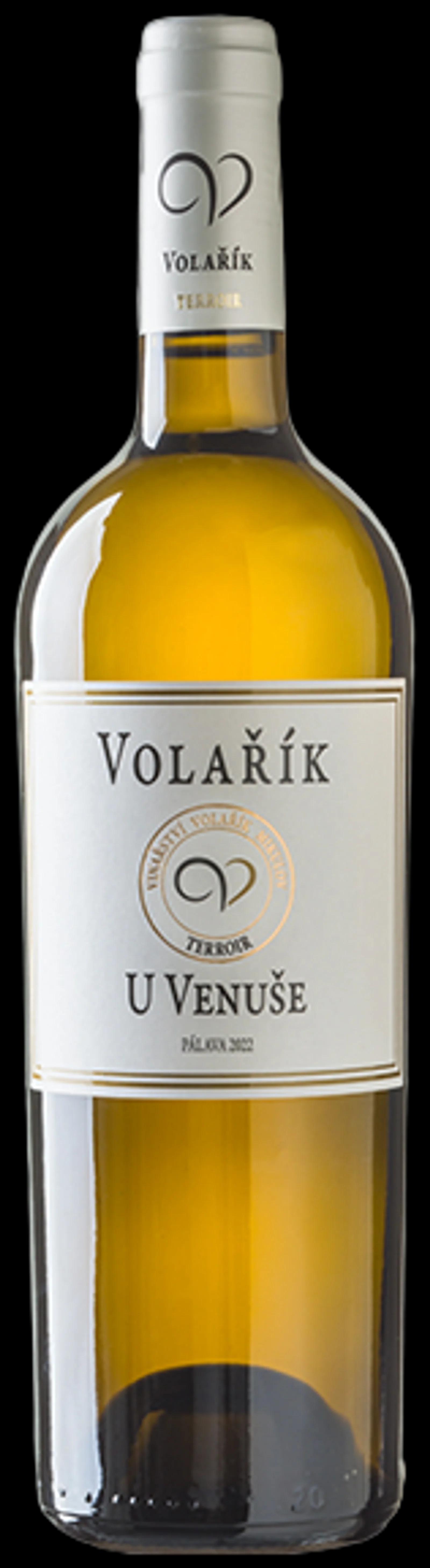
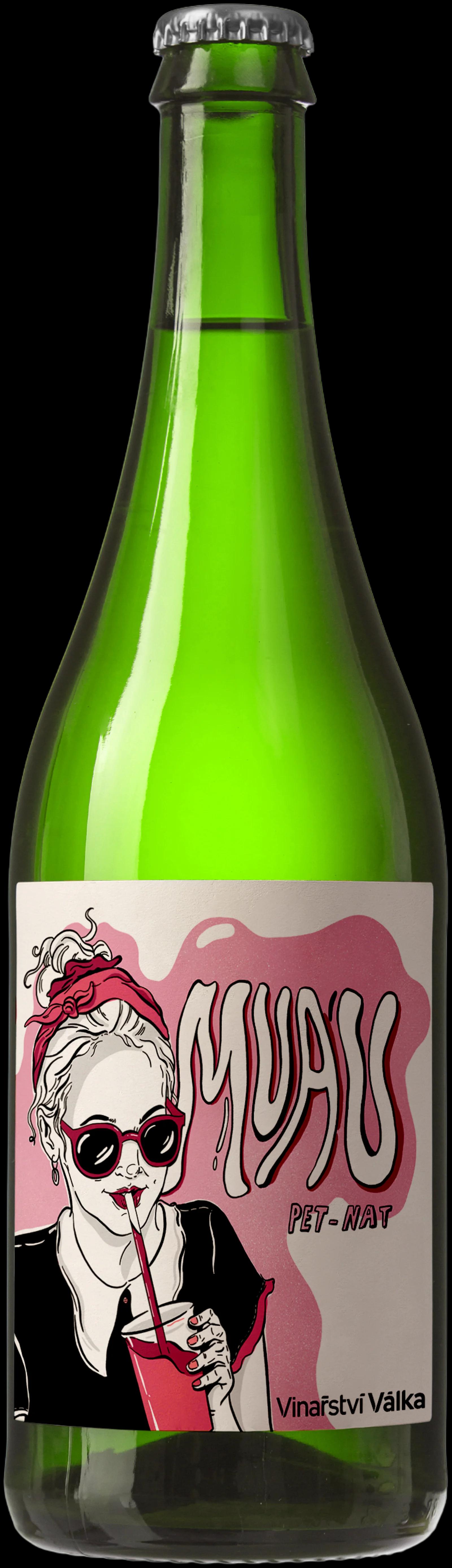
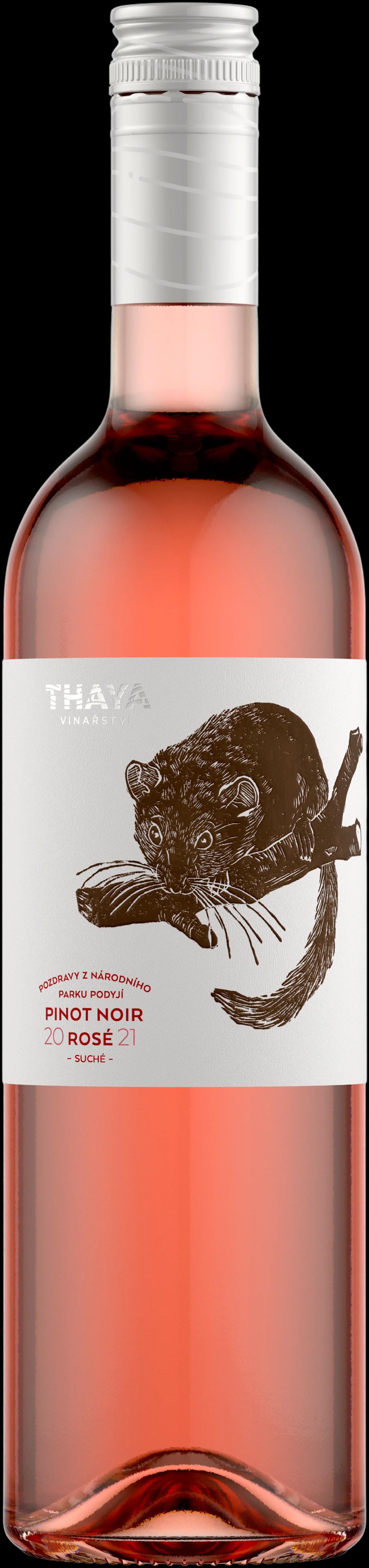
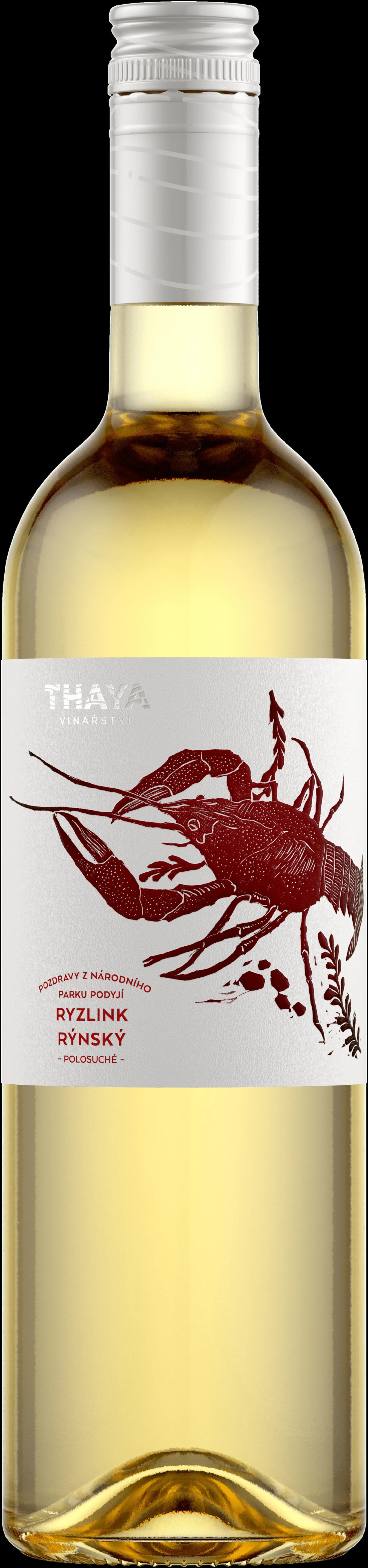
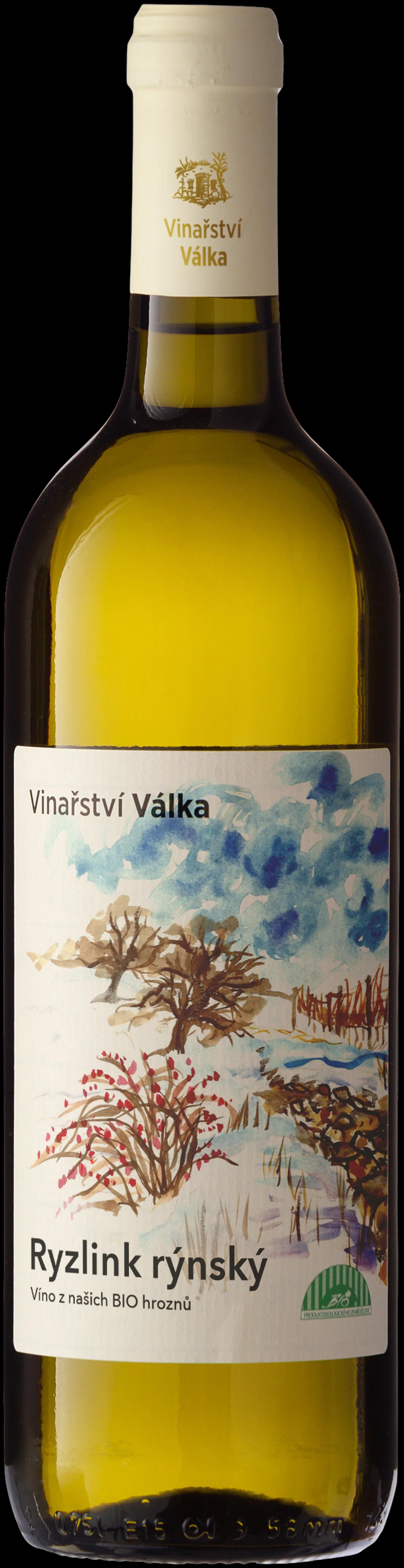
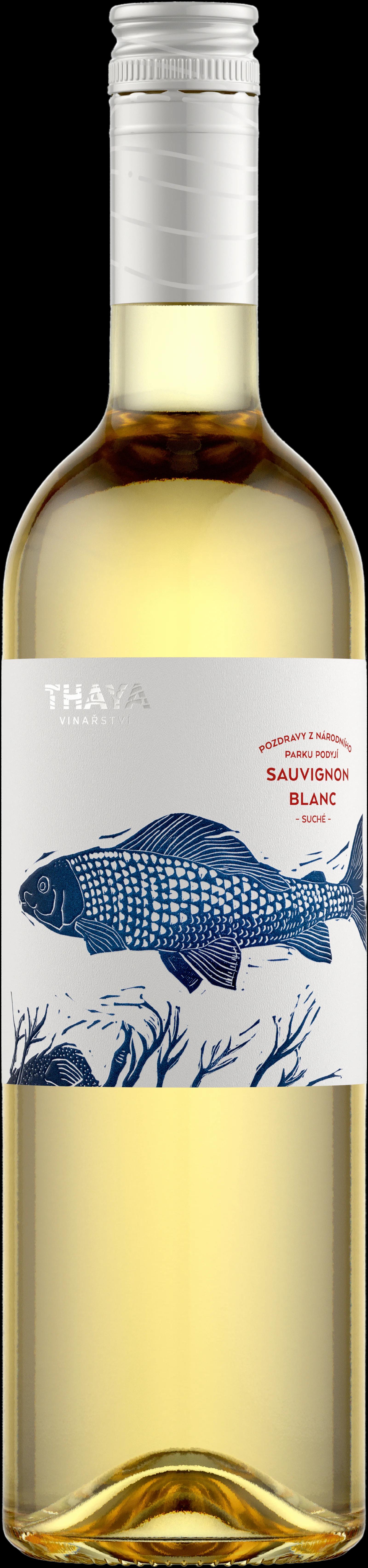
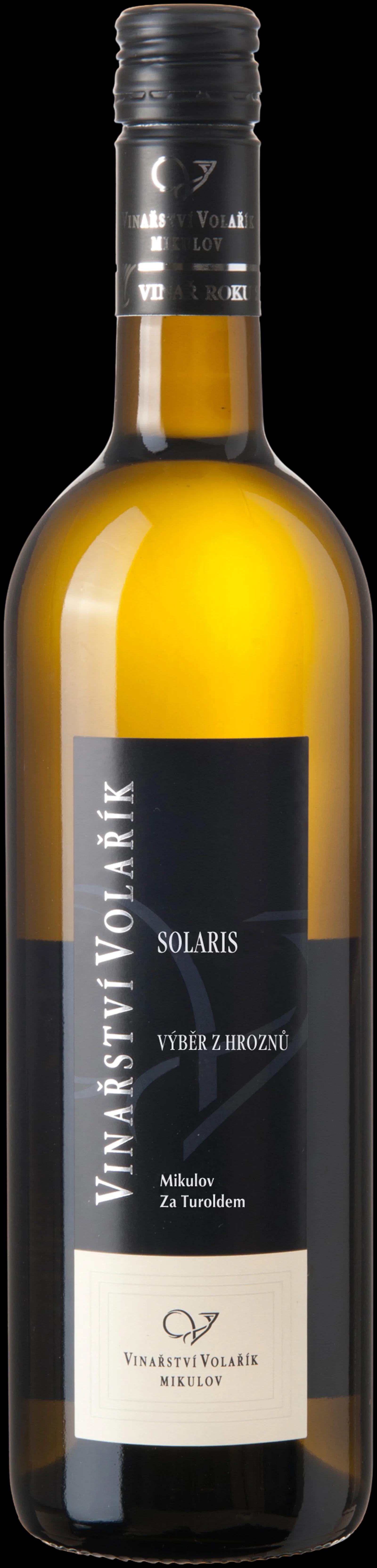
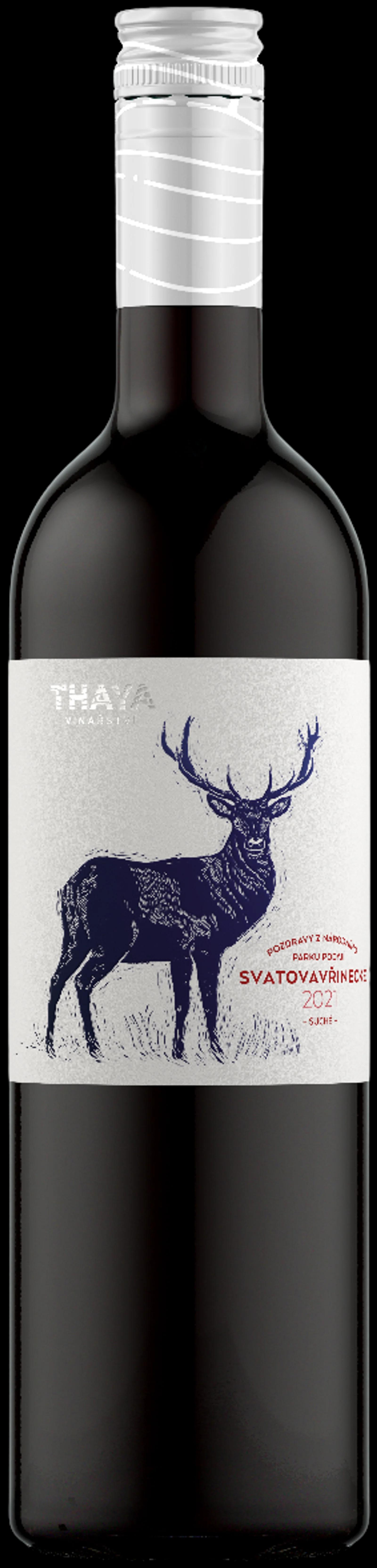


Czech wine from Moravia's independent growers

Czech wine is almost entirely white, drawn from the Moravian valleys where Welschriesling, Pinot Gris and Müller-Thurgau thrive on mineral-rich soils. Browse wines from independent producers shipping directly from their cellars.

Planted on limestone hills and river terraces, these are wines shaped by a cool continental climate.

Color

Dropdown arrow

Type

Dropdown arrow

Country (1)

Dropdown arrow

Region

Dropdown arrow

Grape

Dropdown arrow

Pairing

Dropdown arrow

Sort by

Sort arrow
Czech Republic

Czech wines

Nearly all Czech wine comes from Moravia, the country's southern wine region, where a cool continental climate and varied soils — limestone, loess, and granite — produce wines that lean fresh, mineral, and dry. White grapes dominate by a wide margin: Welschriesling, Pinot Gris, Pinot Blanc, and Müller-Thurgau are the backbone, though Pinot Noir has grown steadily in the region's warmer sub-zones. The wines here come from growers who farm their own land and bottle under their own name.

Previous1 of 1Next

Wine cases

A Free Grape Society wine case is always six bottles from one producer — the grower's own selection from their range, shipped directly from their cellar. For Czech producers, whose estates tend to be small and whose wines are rarely seen outside the country, a case is often the most direct way to understand what a single grower does across a season. Free Grape Society is a society of producers, independent experts and wine lovers, not a shop.

Czech wineries

The Czech Republic's wine estates are concentrated in four sub-regions of Moravia — Slovácká, Velkopavlovická, Znojemská, and Mikulovská — each with distinct soil types and microclimates. Mikulovská, in the south, sits on chalk and limestone and produces some of the country's most structured whites; Znojemská, further west, is cooler and better known for aromatic varieties. The growers here sell directly to you, with no importer or agent in between.

Wine experts

Independent wine experts on Free Grape Society rate and review wines they have personally tasted. Their reviews appear on the wine page and on the expert's own profile, so you can follow a reviewer whose palate matches yours. Several of the experts below have reviewed wines from Moravian producers featured on this page. Experts do not select which wines are listed — they review what is there.

Frequently asked questions

How do I order Czech wines on Free Grape Society?

Browse the Czech wines listed on this page and add bottles to your order. Each wine ships directly from the producer's own cellar in the Czech Republic, so your order may arrive in more than one shipment if you choose wines from different producers. Delivery takes between 4 and 14 days depending on the producer's location.

What happens if a bottle arrives broken or doesn't taste right?

Send a photo to Free Grape Society customer support within 7 days of delivery. We will arrange a replacement or a refund. Because producers ship directly, quality issues are handled with the producer's direct involvement. Shared responsibility is built into how FGS works.

Can I order wines from more than one Czech producer in a single order?

Yes. You can add wines from several Czech producers to the same order. Because each producer ships from their own cellar, the bottles arrive in separate shipments — one per producer. Each shipment is tracked individually, and you receive confirmation when each one is dispatched.

How long does delivery take?

Average delivery is 8 to 9 days from order to door. The full range is 4 to 14 days depending on the producer's location and your delivery address. Wines ship directly from the producer's cellar, not from a central warehouse.

How do I find the right Czech wine for my taste?

Use the region filter to narrow by Moravia's sub-regions, or browse by grape variety if you already know what suits you. Czech wine is predominantly white, so if you are new to it, starting with a Welschriesling or Pinot Gris from Mikulovská or Znojemská gives a clear picture of the country's style. The wine-advice service can also point you in the right direction.

How is the Czech wine selection on Free Grape Society built?

Producers send samples, and those wines are tasted before any of them is listed. The focus is on independent growers who farm their own land and bottle under their own name. Once listed, wines are open to review by independent wine experts who rate bottles they have personally tasted. Those reviews sit on the wine pages for anyone to read.

Which Czech wine expert can recommend something for me?

The wine experts listed on this page have reviewed wines from Czech producers on Free Grape Society. Browse their profiles to find a reviewer whose focus and palate suit you, then use the wine-advice service to put your question to them directly. They provide personal recommendations, not automated suggestions.

Why don't you sell supermarket-brand Czech wines?

Free Grape Society lists wines from independent producers who grow and bottle their own wine. Large-volume supermarket brands are typically made by industrial producers or négociants who buy in grapes or finished wine rather than farming a single estate. The growers here are selling what they made themselves, which is a different thing.

How does buying Czech wine on Free Grape Society differ from buying in a wine shop?

Most wine shops source through importers and distributors, which adds steps — and cost — between the grower and the buyer. On Free Grape Society, the producer ships to you directly from their cellar, so the margin that would otherwise go to intermediaries stays with the grower or is reflected in the price. Czech wines in particular are rarely imported into many European markets, so this is often the most direct route available.

Wine regions of the Czech Republic

Nearly all Czech wine comes from Moravia, the southeastern region that accounts for roughly 96% of total national production. Moravia divides into four sub-regions: Znojmo, Slovácká, Velkopavlovická, and Mikulovská. Each sits at a different elevation and receives a different balance of continental and Pannonian influence, which drives real stylistic differences between producers even within the same grape. The Mikulovská sub-region, closest to the Austrian border, tends toward white wines with higher acidity and mineral texture. Znojmo, slightly further west, is historically associated with Sauvignon Blanc grown at elevations that preserve freshness in warm vintages. Bohemia, in the northwest, contributes a small volume — mostly Riesling and Pinot Noir — from steep river-facing slopes along the Elbe and its tributaries. The entire Czech wine country sits between 48° and 50° N latitude, which places it at the cool end of the European wine spectrum.

Signature grapes from the Czech Republic

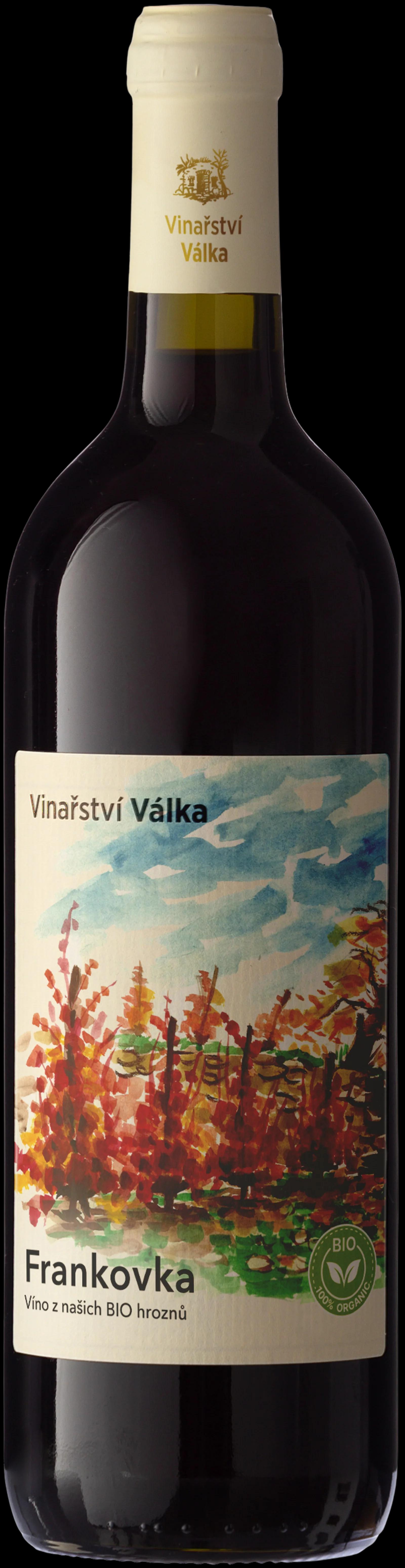
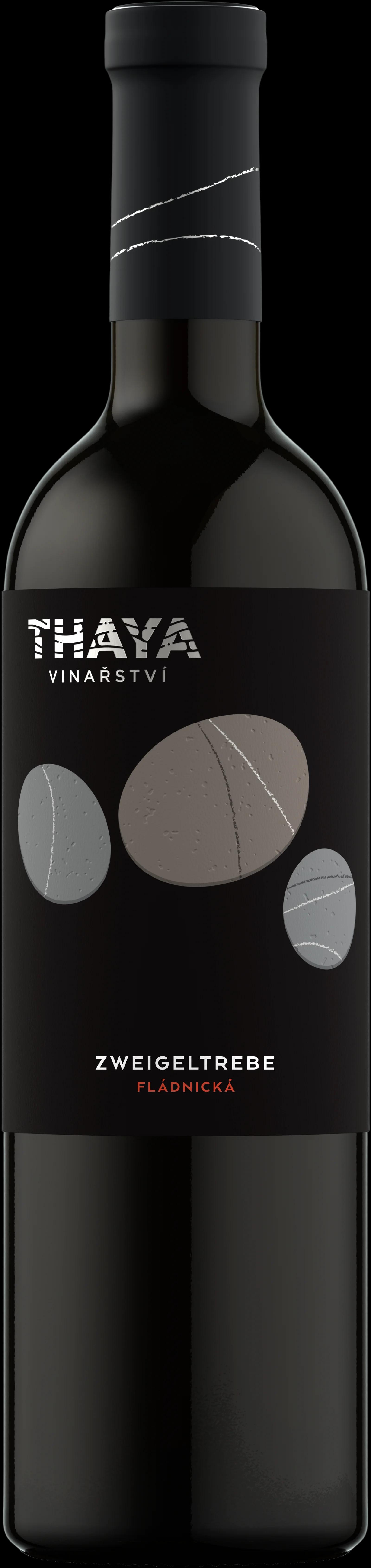
The most widely planted white variety is Welschriesling — unrelated to Riesling despite sharing the name — followed by Müller-Thurgau, Pinot Blanc, and Pinot Gris. Among the grapes that are distinctly Czech in character, Pálava stands out: a 1953 cross between Tramín červený (Gewurztraminer) and Müller-Thurgau, developed at the Ampelographic Institute in Lednice and grown almost nowhere outside Moravia. It produces aromatic whites with structure unusual for the grape's parentage. Moravian Muscat, another local cross, ripens early and is used for both dry and semi-dry styles. On the red wine side, Frankovka (Blaufränkisch) is the dominant variety, producing wines with firm acidity and dark fruit. Zweigeltrebe, the same grape planted widely in Austria, performs consistently across Moravia's warmer sites. André, a Frankovka-Cabernet Sauvignon cross bred in 1961, appears on labels less often but is worth knowing — it is grown nowhere else at commercial scale. Independent producers on Free Grape Society are increasingly working with these native and near-native varieties rather than defaulting to international grapes.

How Czech winemakers work

Czech wine law follows an EU quality tier structure, but the more useful distinction at producer level is between wines made for early drinking and wines made for ageing — a choice that shapes everything from harvest date to cellar time. Many small Moravian estates harvest by hand, which in the sloped vineyards of Mikulovská and Znojmo is a practical necessity rather than a marketing decision. Late-harvest and botrytis-affected wines have a long tradition in Moravia, where autumn fog from the Dyje river basin creates conditions for selective picking. This is not the same as the industrial sweet wine that once dominated Czech export trade. The producers listed on this page work at a different scale: smaller yields, documented practices, and wines that reflect a specific site rather than a regional average. Every wine on Free Grape Society is tasted by our Head of Product before listing. Independent wine experts rate and review individual wines on the platform. These are not the wines your supermarket carries. They are the wines your supermarket cannot carry — produced in quantities too small for distribution chains, sold directly from the cellar to you.