Key grapes in Spanish red wine
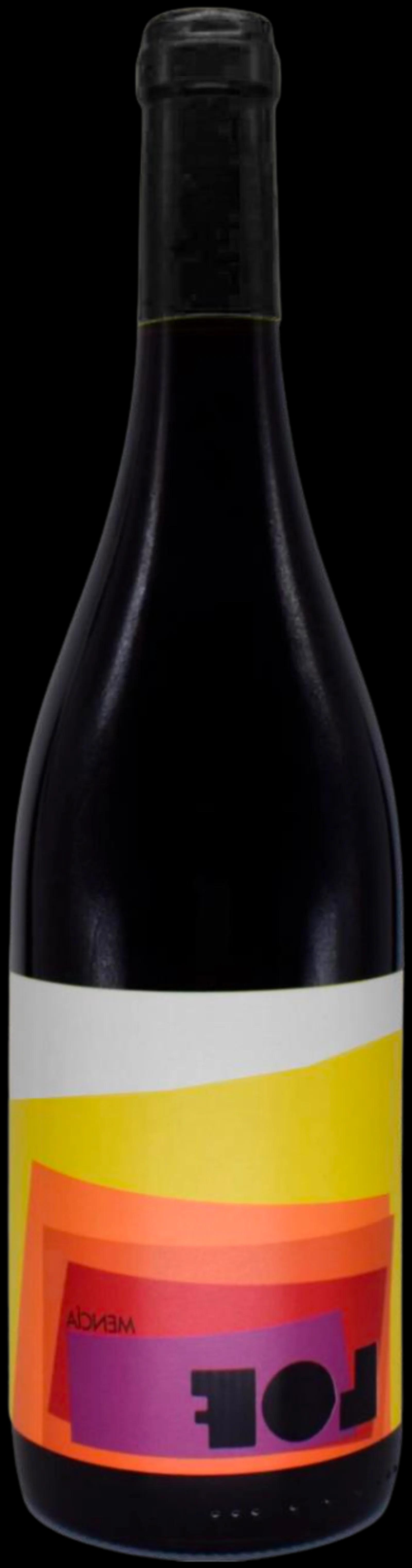
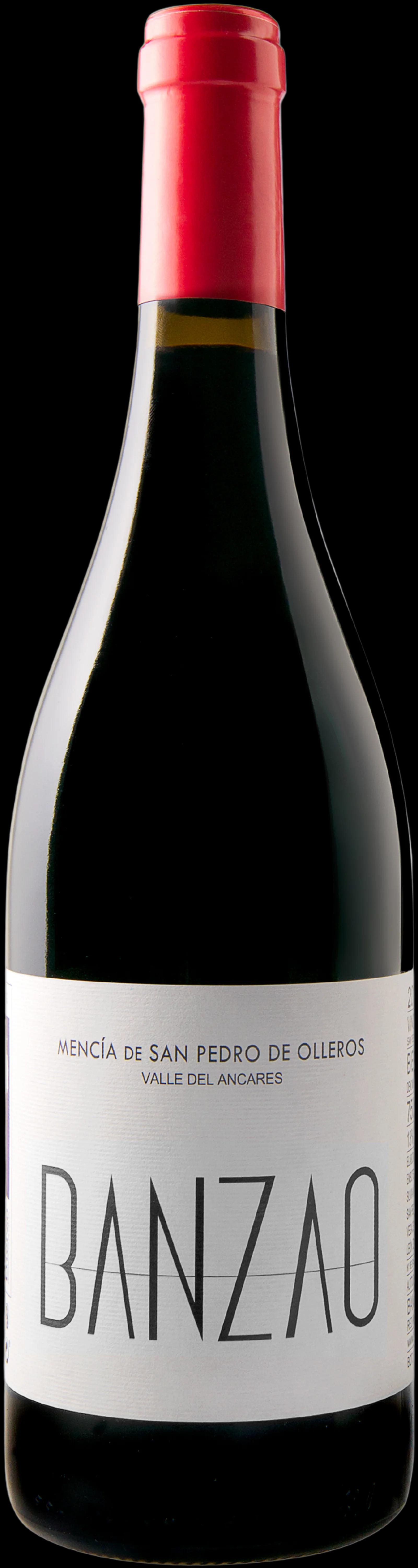
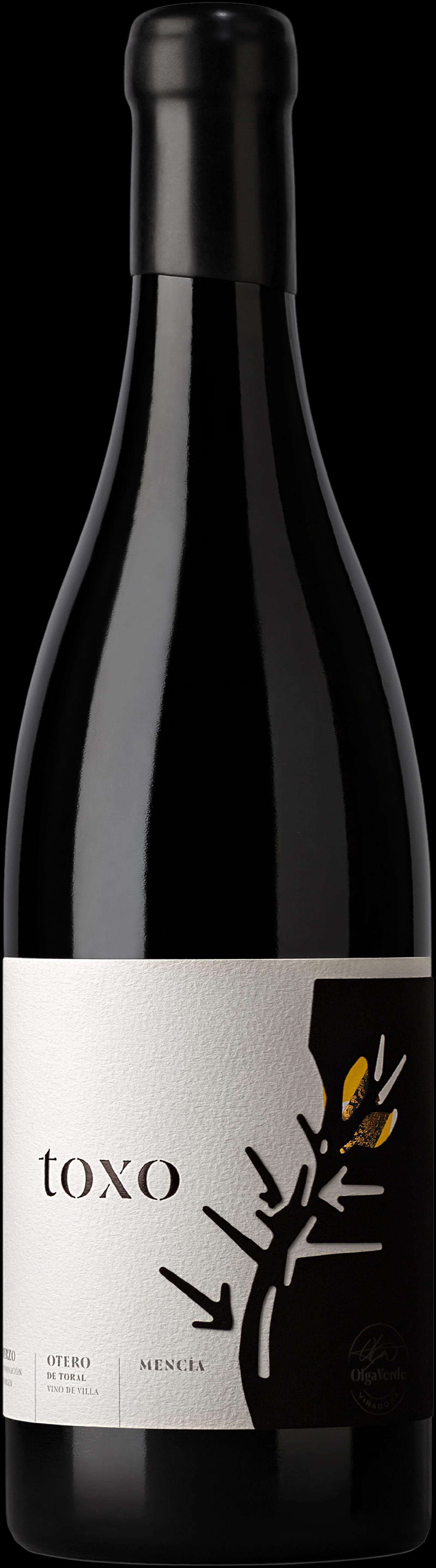
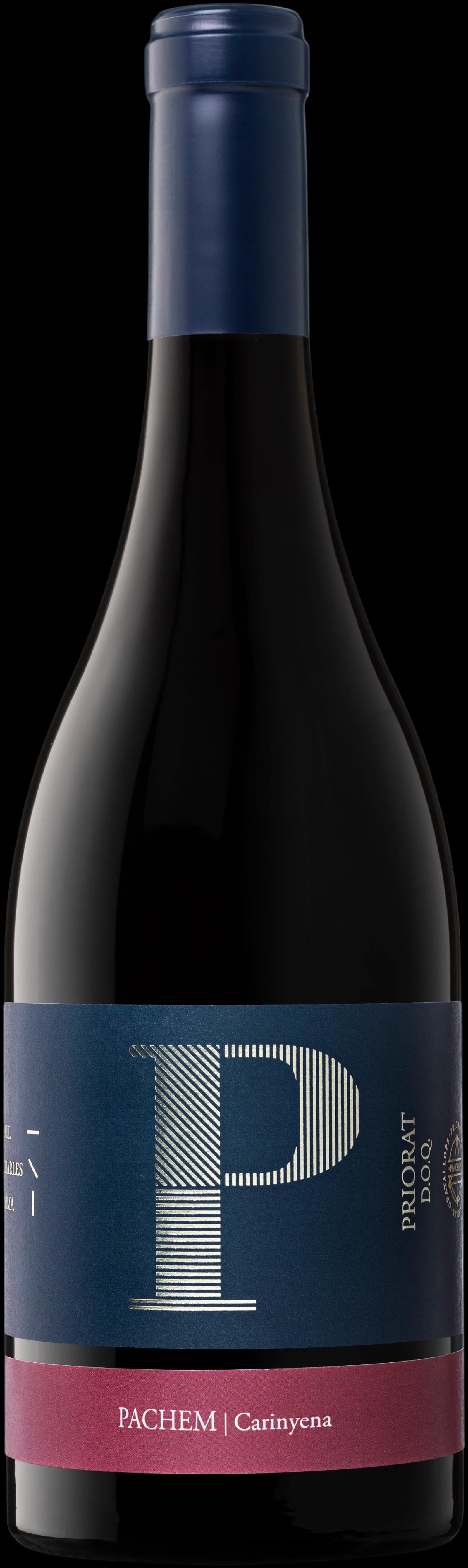
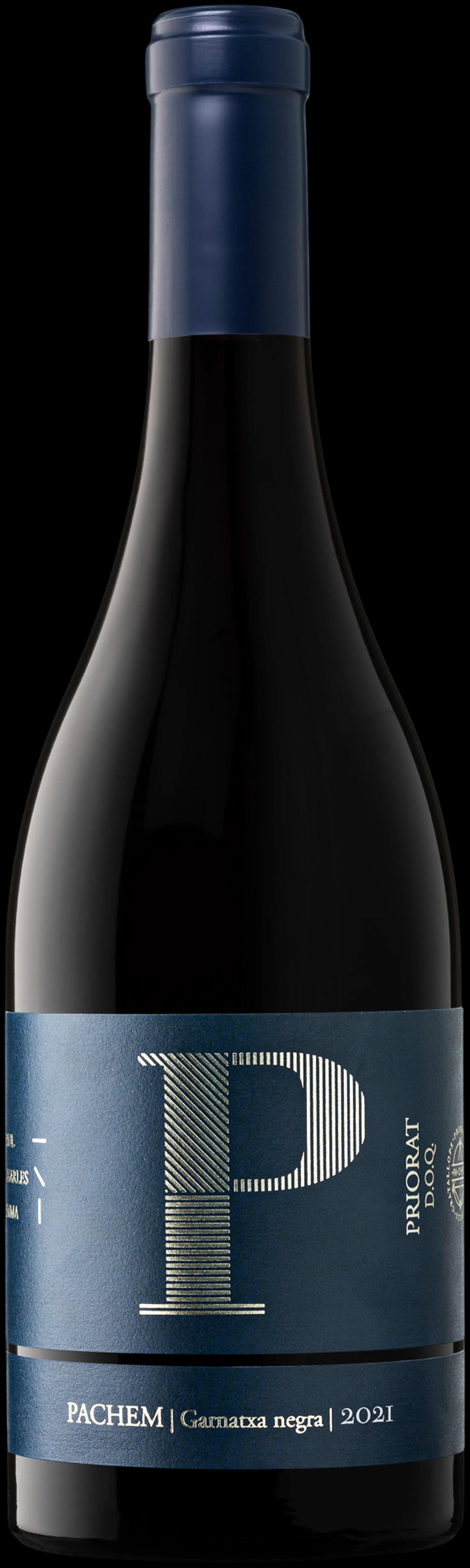
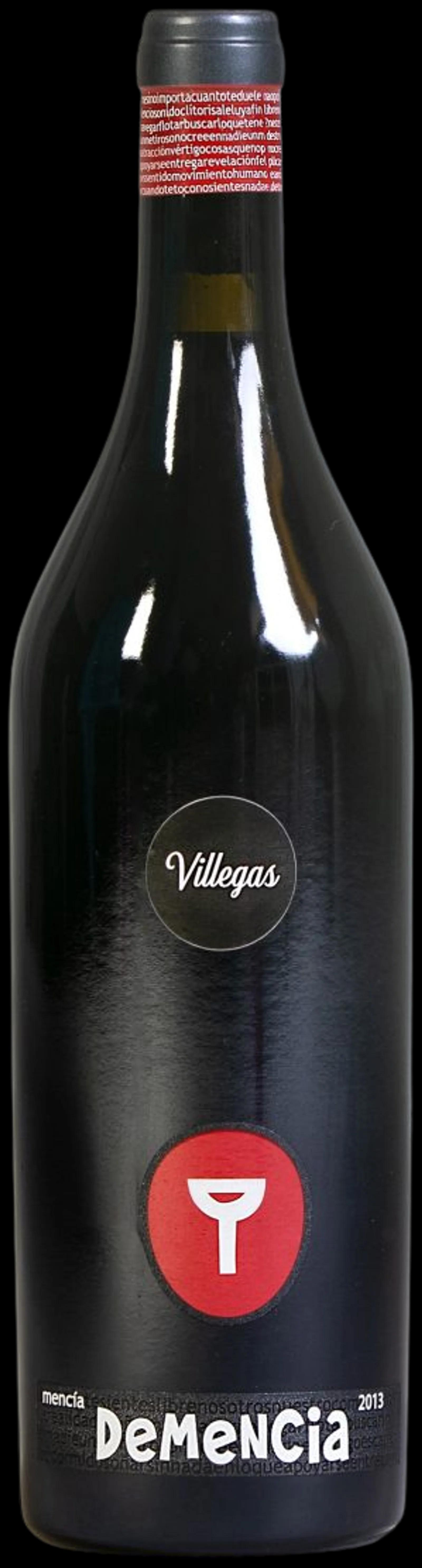
Spanish red wine is not a single style. The grapes driving it vary significantly by region, and understanding which variety you are dealing with tells you more than the region name alone. Tempranillo is the dominant variety across the meseta — Rioja and Ribera del Duero are both built on it, but the expressions are structurally different. Rioja Tempranillo is typically aged in American or French oak for legally defined minimum periods, which shapes a vanilla-and-leather character that is partly varietal and partly cellar practice. Ribera del Duero, sitting at 800–900 metres above sea level on the Castilian plateau, produces Tempranillo with firmer tannins and darker fruit, a direct function of the diurnal temperature range. Garnacha covers more total planted hectares in Spain than any other red variety, but it rarely appears on the label. In Priorat, it grows in llicorella — a mix of black slate and quartz — and produces concentrated wines with iron-edged tannins. In Aragón, the same grape on sandy soils produces something lighter and more floral. Monastrell is concentrated in Murcia and the Levante, where summer temperatures regularly exceed 38°C. It ripens fully under conditions that would over-ripen most other varieties. Mencía, grown primarily in Galicia and Bierzo, is genetically related to Cabernet Franc and produces the lightest, most aromatic reds in the Spanish portfolio — with cool-climate character despite its westerly Atlantic position. For producers working with these varieties across Spain, see all Spanish wineries on Free Grape Society.
Regional variation in Spanish red wine
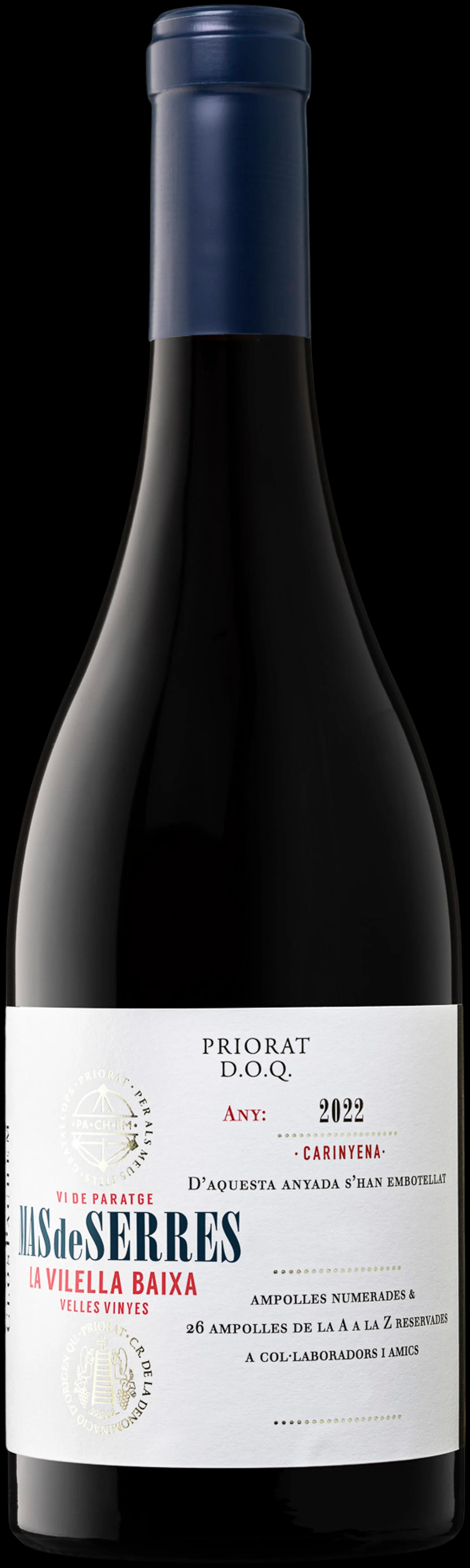
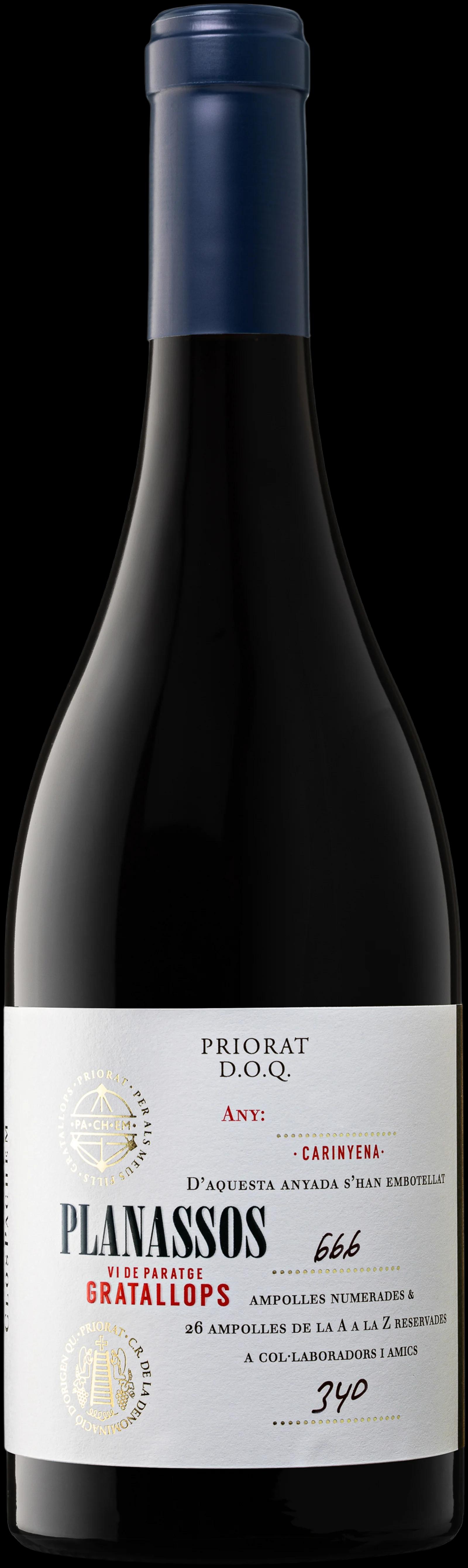
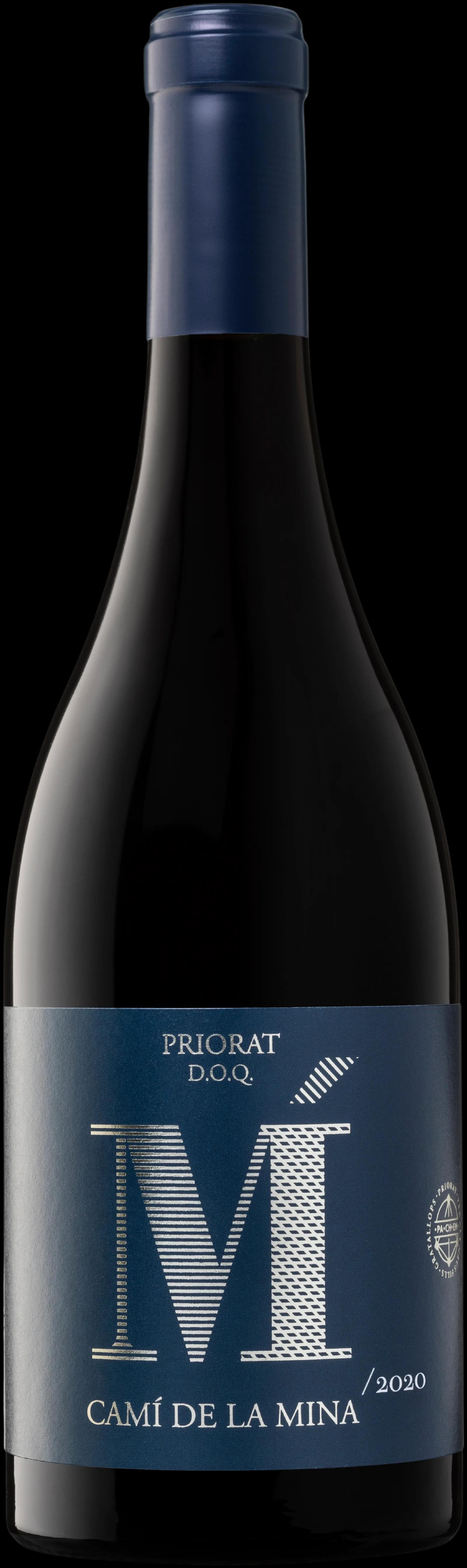
Spain has more registered wine denominations than any other country in the EU, and the variation in red wine style between them is not cosmetic. The north produces structurally different wines from the south, and the distinction is rooted in altitude, rainfall, and soils rather than winemaker preference alone. Rioja is the most internationally recognised denomination. Its three sub-zones — Rioja Alta, Rioja Alavesa, and Rioja Oriental — differ in soil type and temperature, with Alta and Alavesa producing wines with more acidity and finesse and Oriental producing riper, fuller-bodied styles. The oak ageing classifications — Crianza (minimum 12 months in oak), Reserva (minimum 12 months in oak plus further bottle ageing), and Gran Reserva (minimum 18 months in oak) — are legally defined and not marketing terms. Castile and León, which includes Ribera del Duero, Toro, and Cigales, is the high-altitude heartland of Spanish red wine. Toro Tempranillo — locally called Tinta de Toro — grows on ungrafted pre-phylloxera sandy soils in some plots, a rarity in European viticulture. Priorat in Catalonia is one of only two Spanish denominations with DOCa status (the other is Rioja), a classification that requires stricter controls on yields and quality. Garnacha and Cariñena on llicorella produce some of the most mineral-driven reds in Spain. Murcia and Andalusia produce reds under heat conditions that require producers to harvest early to preserve acidity, a practice that has become more widespread since the mid-2000s as average harvest temperatures have risen. The contrast between a Mencía from Bierzo and a Monastrell from Jumilla is not just stylistic — it reflects a difference of nearly 15°C in average summer temperature between the two growing zones. Producers across these regions ship directly from their cellars. No warehouse in the middle. The price you see is the price the producer agreed to.
How Spanish red wine is made
Production decisions in Spanish red wine are shaped as much by regulation as by producer choice. Ageing classifications in Rioja and Ribera del Duero carry legal minimum requirements, and producers working within those frameworks cannot release wines before the specified periods are met. This is different from, say, Burgundy or Tuscany, where release timing is largely producer-driven. Oak type matters in Spain more visibly than in most other major red wine countries. American oak was the dominant choice in Rioja for most of the twentieth century, contributing coconut and vanilla notes to Tempranillo. Since the 1990s, a significant number of producers have shifted to French oak, producing wines with finer grain tannins and less pronounced wood character. The shift is not universal — some producers maintain American oak as a deliberate stylistic choice rather than a default. Carbonic maceration is used in some Rioja Alavesa and Catalonian production, particularly for Garnacha, producing wines with low tannin and high aromatic freshness. It is a technique associated with short ageing and early drinking, which positions these wines differently from Reserva or Gran Reserva styles. Minimal intervention winemaking has gained ground in regions like Priorat and Terra Alta since roughly 2010, with producers working at lower sulphur additions and longer maceration periods to extract more from llicorella soils without masking the mineral character. For red wines from specific Spanish regions, see Rioja, Catalonia, Castile and León, and Murcia. For the broader red wine category across countries, or to compare with red wines from Italy or France, those pages cover regional depth for each market. Producers, experts, restaurants, and wine lovers on the same platform, on the same terms.