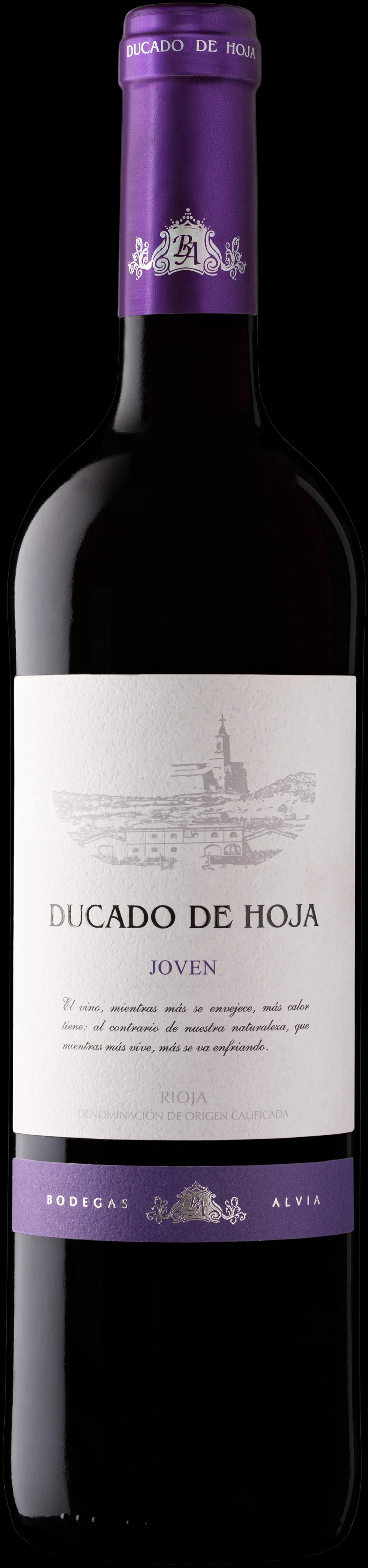
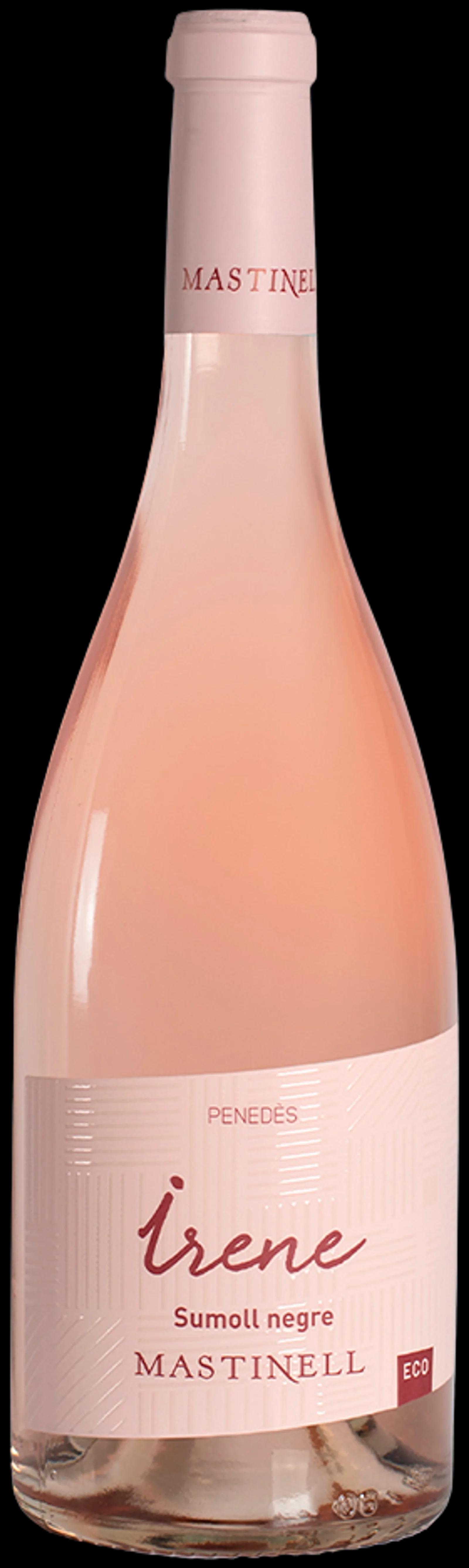
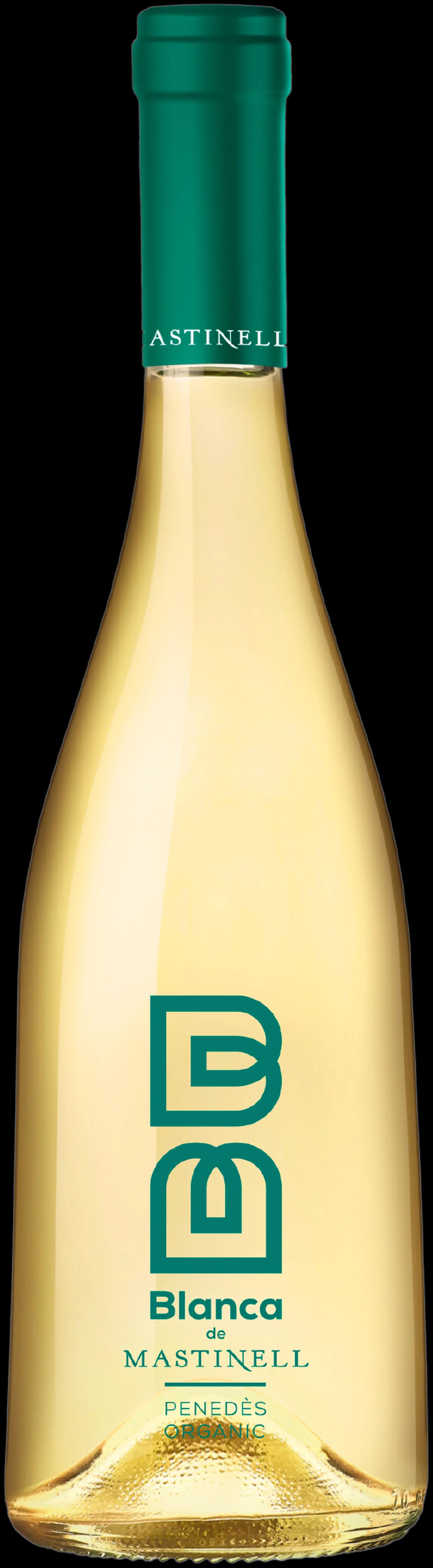
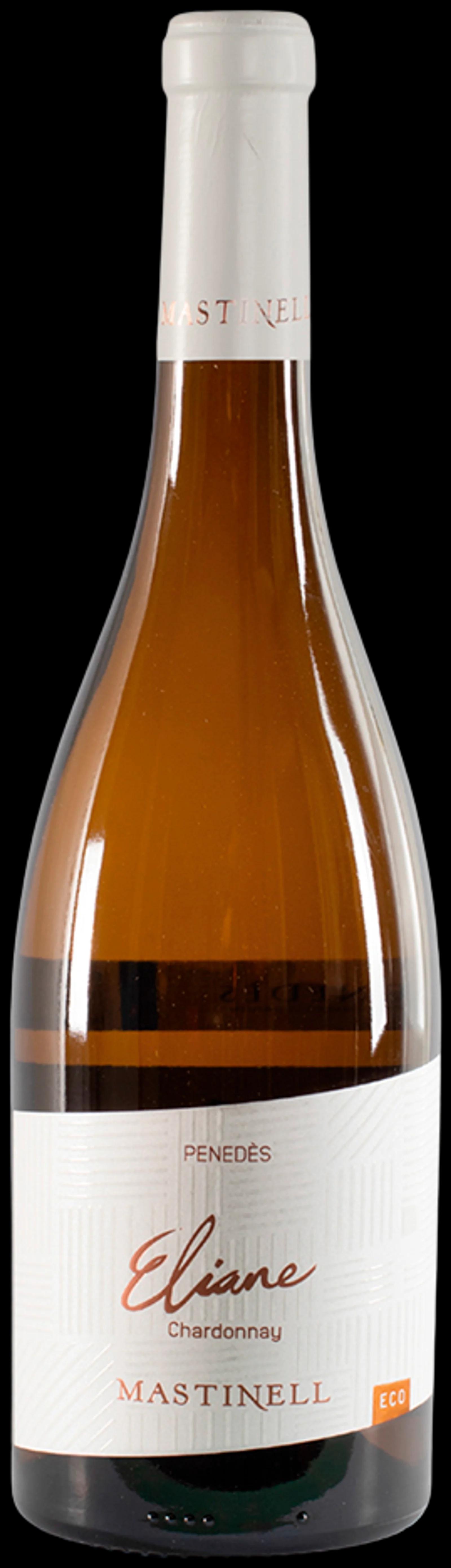
What vegan wine means
A vegan wine is one made without any animal-derived processing aid at any stage of production. The step where animal products most commonly enter is fining — the clarification stage that removes haze, loose particles, and unwanted compounds before bottling. Conventional fining agents include egg white (albumin), casein from milk, isinglass derived from fish swim bladders, and gelatin. All of these are traditional and widely used, but they are not vegan.
Vegan producers use alternatives: bentonite clay, a volcanic mineral, is the most common. Activated charcoal and plant-based proteins from peas or potatoes are also used. Some producers skip fining entirely, allowing the wine to settle and clarify on its own over time — a slow approach that is more common in low-intervention cellars. A wine labelled vegan has gone through one of these routes. It says nothing about how the grapes were grown, which region they came from, or what the wine tastes like.
That last point matters: being vegan is a production fact, not a flavour promise. A vegan Sangiovese from Tuscany and a conventional one are shaped first by their vineyard, their vintage, and the decisions made in the cellar around fermentation and ageing — not by which fining agent was used. The same is true for a vegan Grenache from Aragón or a vegan Riesling from the Pfalz.
Which producers carry vegan wine
Vegan certification or labelling tends to cluster in cellars already working with transparency in mind — growers who are documenting their inputs, often because they are also organic or biodynamic. You will find vegan wines across a wide range of regions: in the Loire Valley, where low-intervention winemaking is deeply embedded; in Sicily and Apulia, where warm, dry conditions reduce the need for heavy processing; in Galicia among the Atlantic-facing whites; and in Languedoc-Roussillon, where independent growers dominate.
On Free Grape Society, wines carrying the vegan attribute come from independent producers who ship directly from their own cellars — no importer, agent, or warehouse in between. Free Grape Society is a society of producers, independent experts, and wine lovers, not a shop. Wines are tasted before listing. The vegan attribute is verified from the producer's own documentation and is visible on the wine's page alongside any other certifications — organic, biodynamic, or natural — where those apply. You can also browse the fair trade range if trade and labour certification matters to you.
How to choose a vegan wine
Start with what you want to drink, not the label. Because vegan status has no bearing on taste, structure, or style, you can browse by colour, region, or grape exactly as you would with any other wine — the vegan filter simply narrows the field to bottles made without animal-derived fining agents.
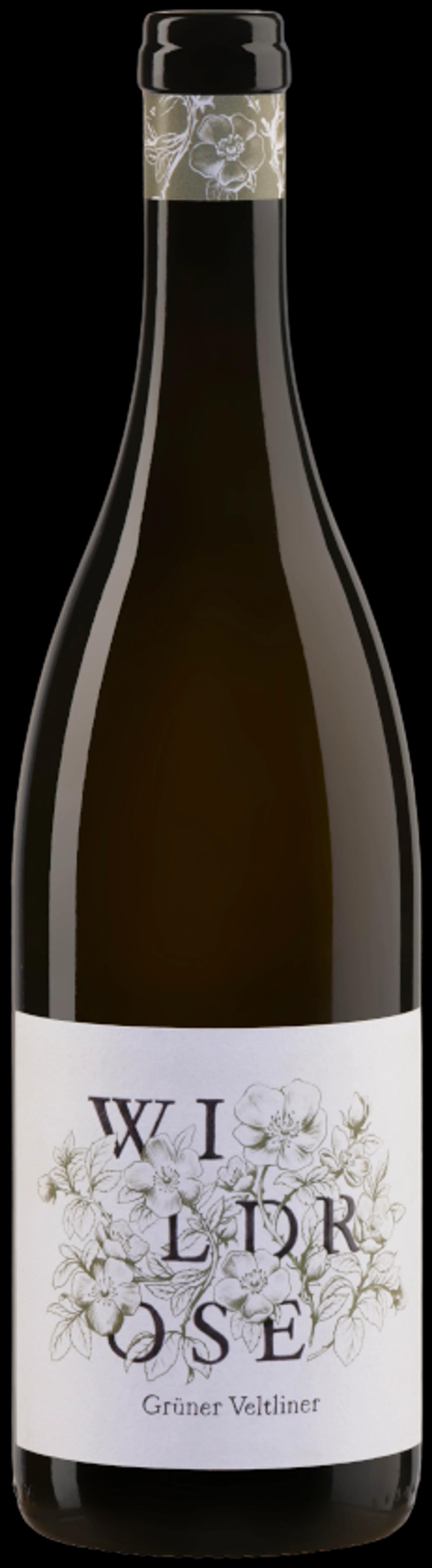
For a light, food-friendly red, Gamay from Beaujolais or Pinot Noir from Burgundy are worth exploring — both tend toward lower tannin and higher acidity, styles that also happen to suit cellars that prefer minimal intervention. For something with more structure, Nebbiolo from Piedmont or Tempranillo from Rioja give you grip and depth. Among whites, Grüner Veltliner from Niederösterreich offers a dry, precise style; Chardonnay from Burgundy covers everything from lean and mineral to rich and textured depending on the producer and commune.
If you want a vegan wine for a specific occasion or dish and would like a personal recommendation, you can ask a wine expert directly — fill in the form on any wine page and an independent expert will respond. They review wines they have personally tasted and can point you toward the right bottle from the producers currently listed.