No animal fining agents: vegan wines from independent growers

Vegan wine is made without animal-derived fining agents such as egg white, casein, or isinglass — producers use plant or mineral alternatives, or leave the wine unfined. Each bottle ships directly from the producer's own cellar.

From low-intervention cellars in the Loire and Languedoc-Roussillon to plant-fined estates in Italy and Spain

Color

Dropdown arrow

Type

Dropdown arrow

Country

Dropdown arrow

Region

Dropdown arrow

Grape

Dropdown arrow

Pairing

Dropdown arrow

Sort by

Sort arrow
Vegan

Vegan wines

Most wine is clarified, or fined, before bottling to remove haze and unwanted particles. Conventional fining has long relied on animal-derived agents: egg white to soften tannins, casein from milk to brighten whites, isinglass from fish bladders to clarify, gelatin to strip colour. A vegan wine replaces those with plant or mineral alternatives — bentonite clay is the most common — or skips fining altogether and allows the wine to settle naturally over time. It is a production fact about the cellar process, not a statement about how the wine tastes.

Showing 67–99 of 110 wines

Vegan wine cases

The choice to fine without animal products sits inside a broader set of decisions every grower makes: when to pick, how long to age, which vessel to use. Some producers here work in a low-intervention style and leave wines unfined as a matter of course. Others use bentonite as a straightforward swap with no impact on the final wine's structure or flavour. Both result in a wine that carries no animal-derived processing aid from grape to bottle. On Free Grape Society, producers ship directly from their own cellar, with no importer or warehouse in between.

View all mixboxes

Producers

Independent wine experts review wines they have personally tasted. Several of the experts listed here have reviewed wines featured on this page. Their notes cover grape, region, vintage, and structure — the same material that helps you decide whether a wine suits what you are cooking or how you like to drink. Free Grape Society is a society of producers, independent experts, and wine lovers, not a shop.
View all wineries

Wine experts

Vegan wines on Free Grape Society come from independent growers across Europe — from [Languedoc-Roussillon](/SE/en/wines/france/languedoc-roussillon) and the [Loire Valley](/SE/en/wines/france/loire-valley) in France to [Tuscany](/SE/en/wines/italy/tuscany), [Sicily](/SE/en/wines/italy/sicily), and [Piedmont](/SE/en/wines/italy/piedmont) in Italy, alongside producers in [Spain](/SE/en/wines/spain) and [Austria](/SE/en/wines/austria). Styles range from [sparkling](/SE/en/wines/type/sparkling) to [still](/SE/en/wines/type/still), and from light [white](/SE/en/wines/color/white) to structured [red](/SE/en/wines/color/red). Wines tasted before listing.

View all wine experts

Frequently asked questions

How do I order vegan wine through Free Grape Society?

Browse the vegan wines on this page, add bottles to your basket, and check out. Each bottle ships directly from the producer's own cellar to your address. Delivery typically takes 8–9 days on average, with a range of 4–14 days depending on where the producer is based. You will receive tracking information once your order is dispatched.

What happens if a bottle arrives broken or doesn't taste right?

Send a photo to Free Grape Society customer support within 7 days of delivery. We will arrange a replacement or a refund. Because producers ship directly, quality issues are handled with the producer's direct involvement. Shared responsibility is built into how FGS works.

What is included when I buy vegan wine here?

You buy the wine and pay for shipping — both calculated at checkout. There are no membership fees required to place an order. Because wine ships directly from the producer, you are dealing with the grower behind the bottle, not a warehouse intermediary. Each producer sets their own ex-works price; Free Grape Society adds its margin, shipping, and applicable tax to reach the final price you see.

How long does delivery take?

Average delivery is 8 to 9 days from order to door. The full range is 4 to 14 days depending on the producer's location and your delivery address. Wines ship directly from the producer's cellar, not from a central warehouse.

How do I find the right vegan wine for me?

You can filter by colour — [red](/SE/en/wines/color/red), [white](/SE/en/wines/color/white), [rosé](/SE/en/wines/color/rose), or [orange](/SE/en/wines/color/orange) — or browse by region or grape variety. Wine-expert reviews on individual wine pages cover structure, style, and what the wine pairs well with. If you want a personal recommendation, you can fill in the form on any wine-expert profile and ask a wine expert directly.

How does the vegan wine selection work on Free Grape Society?

Producers listed on Free Grape Society confirm which of their wines are made without animal-derived fining agents. Those wines appear on this page. The selection spans multiple countries, grape varieties, and styles. Wines are tasted before listing. Because producers ship directly, the range reflects what independent growers are actually making — not what a wholesaler has chosen to stock.

Which vegan wine expert can recommend something for me?

Independent wine experts on Free Grape Society review wines they have personally tasted. Visit an expert's profile to read their reviews and see which vegan wines they have covered. To ask for a personal recommendation, fill in the form on their profile page — tell them the style you like, what you are eating, or what you have enjoyed before. Never a booking or consultation: just a form.
Why don't you sell supermarket-brand vegan wines?

Free Grape Society lists wines from independent producers who grow their own grapes and make their own wine. Supermarket-brand wines are typically assembled and blended at scale by large commercial operations. The producers here are individual growers — families, small estates, and cooperatives — who confirm the vegan status of each wine themselves and ship it directly from their own cellar.

Can I find vegan wine at a regular retailer or off-licence?

Vegan wine is increasingly available in specialist wine shops and some supermarkets, though labelling is inconsistent — many wines are made without animal fining agents but do not state it on the bottle. On Free Grape Society, vegan status is confirmed by the producer. The additional difference is that wine ships directly from the producer's cellar, which is not how retail distribution works.

What vegan wine means

A vegan wine is one made without any animal-derived processing aid at any stage of production. The step where animal products most commonly enter is fining — the clarification stage that removes haze, loose particles, and unwanted compounds before bottling. Conventional fining agents include egg white (albumin), casein from milk, isinglass derived from fish swim bladders, and gelatin. All of these are traditional and widely used, but they are not vegan.

Vegan producers use alternatives: bentonite clay, a volcanic mineral, is the most common. Activated charcoal and plant-based proteins from peas or potatoes are also used. Some producers skip fining entirely, allowing the wine to settle and clarify on its own over time — a slow approach that is more common in low-intervention cellars. A wine labelled vegan has gone through one of these routes. It says nothing about how the grapes were grown, which region they came from, or what the wine tastes like.
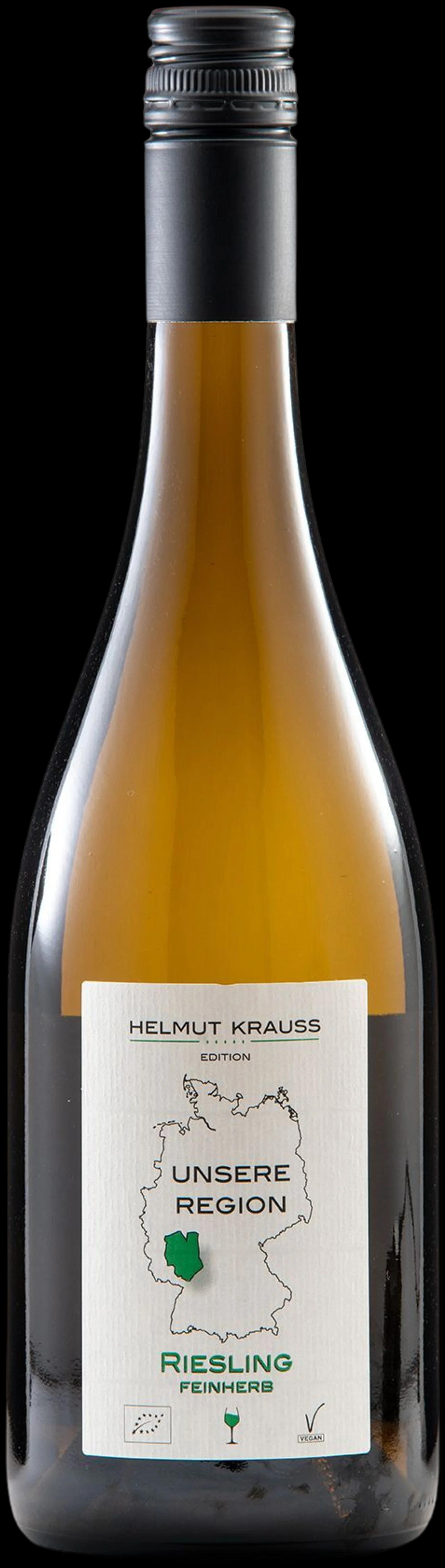
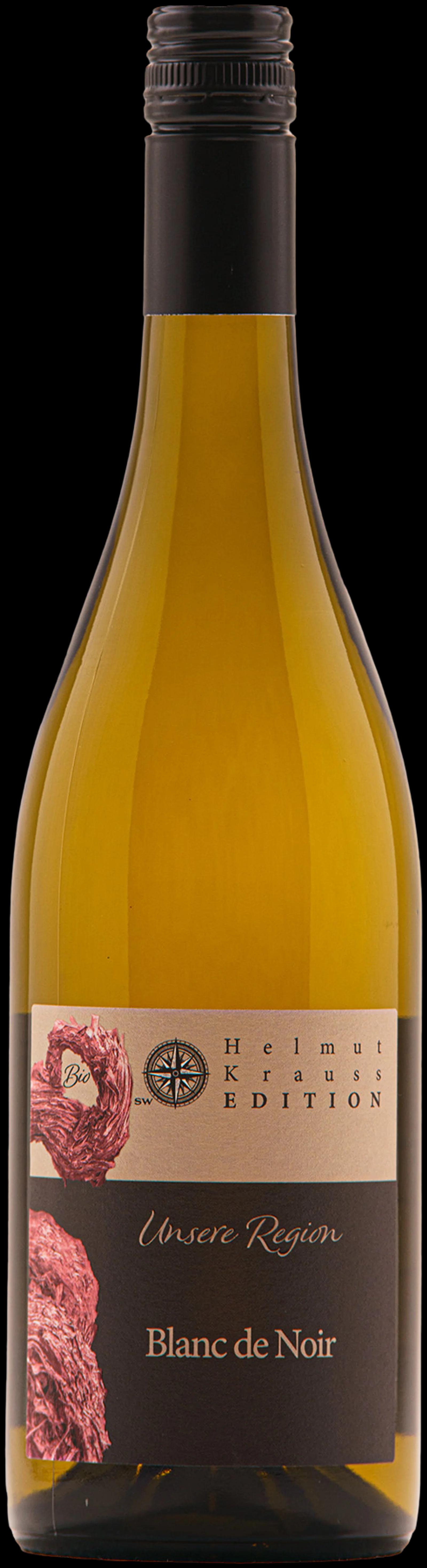
That last point matters: being vegan is a production fact, not a flavour promise. A vegan Sangiovese from Tuscany and a conventional one are shaped first by their vineyard, their vintage, and the decisions made in the cellar around fermentation and ageing — not by which fining agent was used. The same is true for a vegan Grenache from Aragón or a vegan Riesling from the Pfalz.

Which producers carry vegan wine

Vegan certification or labelling tends to cluster in cellars already working with transparency in mind — growers who are documenting their inputs, often because they are also organic or biodynamic. You will find vegan wines across a wide range of regions: in the Loire Valley, where low-intervention winemaking is deeply embedded; in Sicily and Apulia, where warm, dry conditions reduce the need for heavy processing; in Galicia among the Atlantic-facing whites; and in Languedoc-Roussillon, where independent growers dominate.

On Free Grape Society, wines carrying the vegan attribute come from independent producers who ship directly from their own cellars — no importer, agent, or warehouse in between. Free Grape Society is a society of producers, independent experts, and wine lovers, not a shop. Wines are tasted before listing. The vegan attribute is verified from the producer's own documentation and is visible on the wine's page alongside any other certifications — organic, biodynamic, or natural — where those apply. You can also browse the fair trade range if trade and labour certification matters to you.

How to choose a vegan wine

Start with what you want to drink, not the label. Because vegan status has no bearing on taste, structure, or style, you can browse by colour, region, or grape exactly as you would with any other wine — the vegan filter simply narrows the field to bottles made without animal-derived fining agents.

For a light, food-friendly red, Gamay from Beaujolais or Pinot Noir from Burgundy are worth exploring — both tend toward lower tannin and higher acidity, styles that also happen to suit cellars that prefer minimal intervention. For something with more structure, Nebbiolo from Piedmont or Tempranillo from Rioja give you grip and depth. Among whites, Grüner Veltliner from Niederösterreich offers a dry, precise style; Chardonnay from Burgundy covers everything from lean and mineral to rich and textured depending on the producer and commune.

If you want a vegan wine for a specific occasion or dish and would like a personal recommendation, you can ask a wine expert directly — fill in the form on any wine page and an independent expert will respond. They review wines they have personally tasted and can point you toward the right bottle from the producers currently listed.