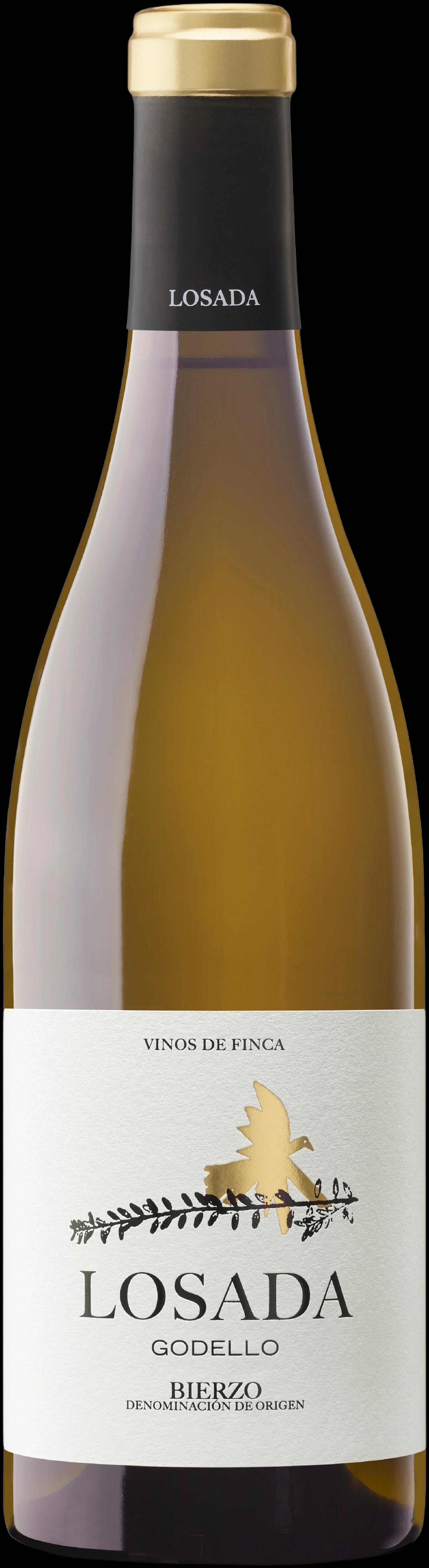
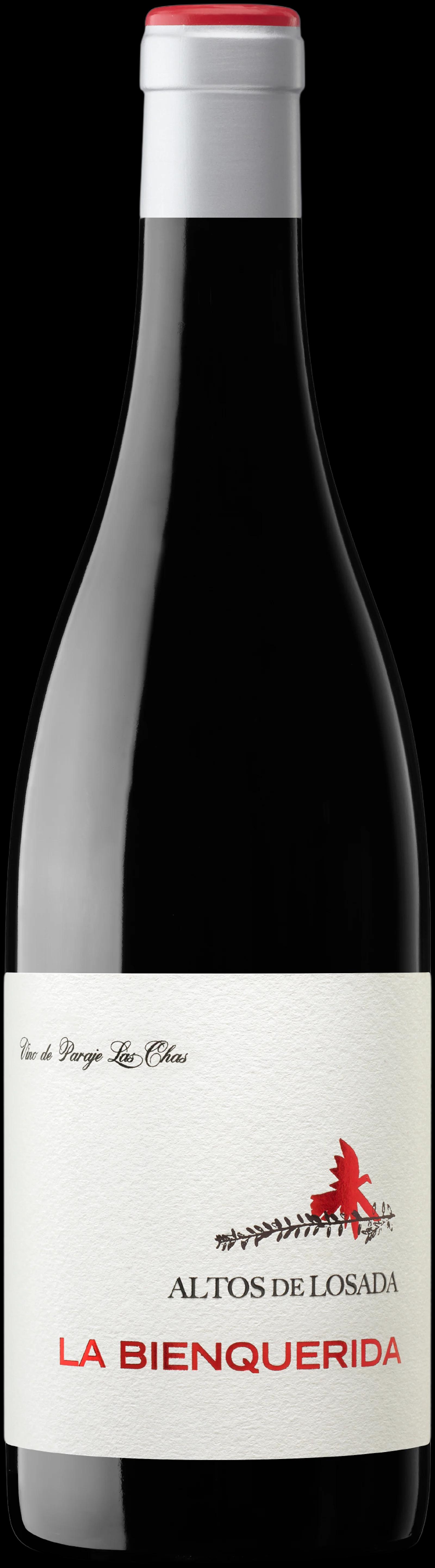
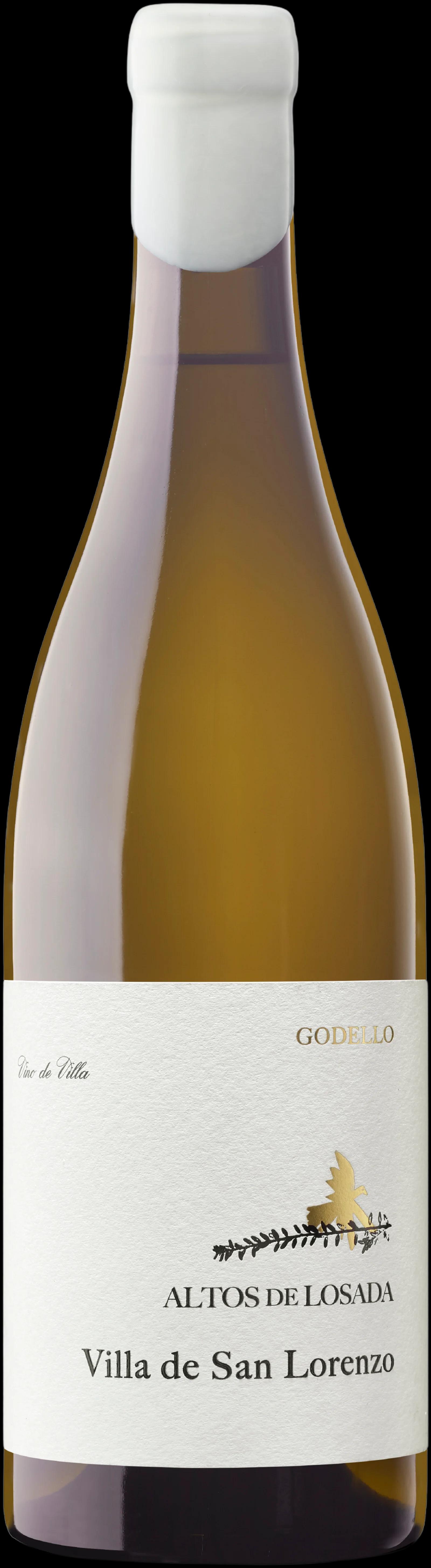
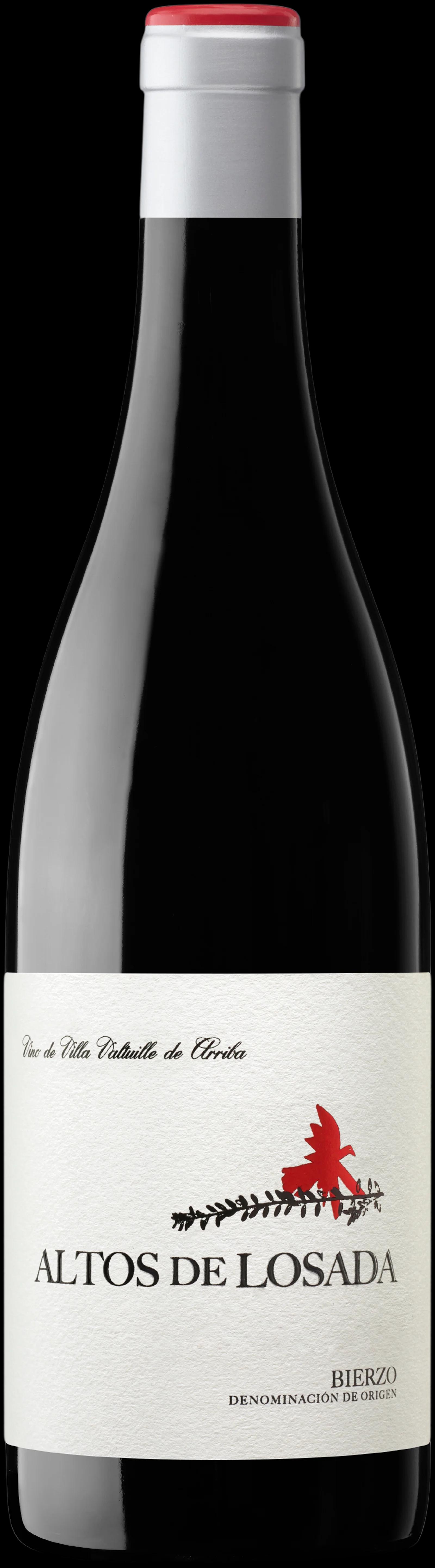
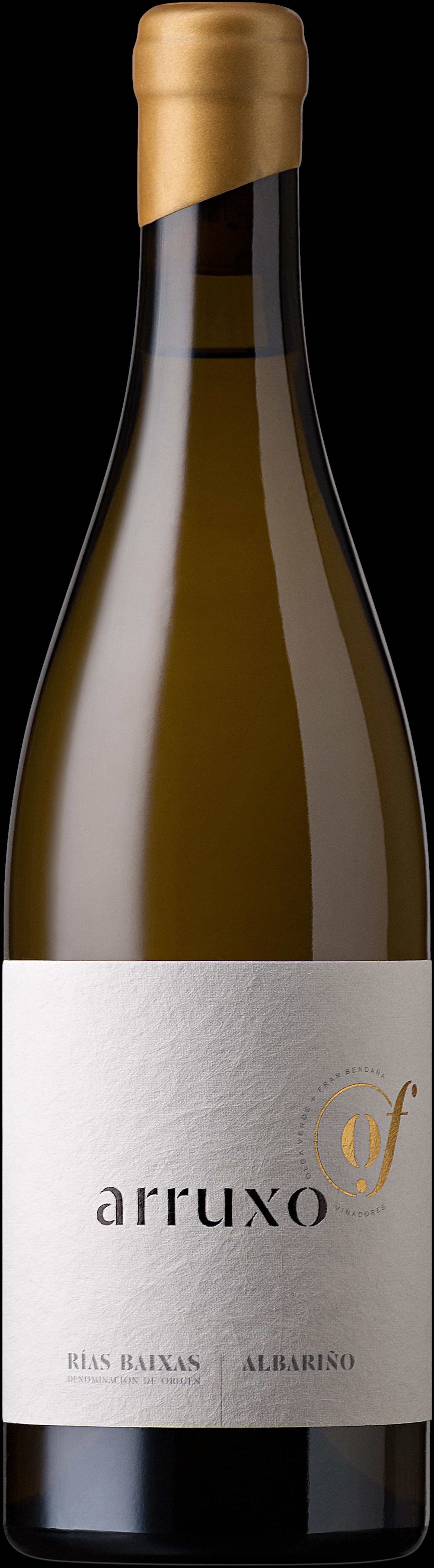
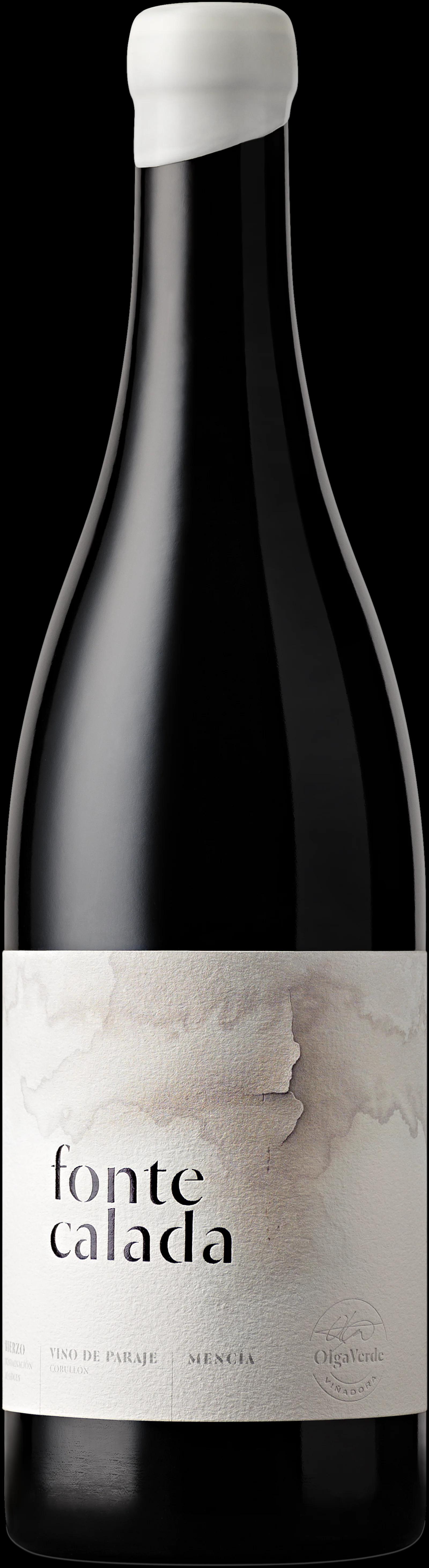
Spanish wines from Tempranillo country to the Atlantic coast

Spanish wines stretch from the high-altitude vineyards of Castile to the granite soils of Galicia, with grapes and styles that change almost every hundred kilometres. Independent producers from Rioja, Aragón, Catalonia and beyond, all shipping directly from their own cellars.

Garnacha in Aragón, Godello in Galicia, Monastrell in the south — one country, many directions.

Color

Dropdown arrow

Type

Dropdown arrow

Country (1)

Dropdown arrow

Region

Dropdown arrow

Grape

Dropdown arrow

Pairing

Dropdown arrow

Sort by

Sort arrow
Spain

Spanish wines

Spain's wine map is shaped by altitude and latitude as much as by region. Rioja and Ribera del Duero sit on high meseta plateau, where warm days and cold nights hold acidity in Tempranillo. Further east, Aragón's old-vine Garnacha grows on thin, rocky soils. In Galicia, granite and Atlantic rain produce white wines from Godello and Albariño that have almost nothing in common with the wines made five hundred kilometres south. On Free Grape Society, the producers ship directly from their own cellar, with no importer or warehouse in between.

Previous1 of 7Next

Spanish wine cases

Each wine case here is six bottles from a single producer, composed by that grower as their own recommendation — never mixed across cellars. A producer in Aragón might take you through old-vine Garnacha at different elevations; one in Castile-León might move across several plots of Tempranillo. The choice belongs to the winemaker. Free Grape Society is a society of producers, independent experts and wine lovers, not a shop, and every box is a grower's own way into their range.

Spanish wineries

Spain's producers range from century-old family estates in Rioja to small growers working with nearly forgotten varieties in the interior. What they share on Free Grape Society is that each one sets their own prices and ships directly from their own cellar. If you are unsure which region or producer to start with, an independent wine expert can point you toward the right grower.

Wine experts

Independent wine experts on Free Grape Society rate and review wines they have personally tasted. Their reviews appear on the wine page and on each expert's own profile, so you can follow the experts whose palate you trust. Several of the experts listed here have reviewed Spanish wines featured on this page. They do not select which wines are listed — they review what they have tasted.
Frequently asked questions

How do I order Spanish wines through Free Grape Society?

Browse the Spanish wines listed on this page and add bottles to your cart. At checkout you pay securely by card or through Klarna. The producer ships directly from their own cellar, so delivery takes between 4 and 14 days depending on where the wine is coming from. Shipping is free.

What happens if a bottle arrives broken or doesn't taste right?

Send a photo to Free Grape Society customer support within 7 days of delivery. We will arrange a replacement or a refund. Because producers ship directly, quality issues are handled with the producer's direct involvement. Shared responsibility is built into how FGS works.

Can I order mixed bottles from different Spanish producers in one go?

Yes. You can add wines from different Spanish producers to the same order and check out together. Each producer ships their own wines separately, so you may receive more than one delivery. There is no minimum order requirement, and shipping is free regardless.

How long does delivery take?

Average delivery is 8 to 9 days from order to door. The full range is 4 to 14 days depending on the producer's location and your delivery address. Wines ship directly from the producer's cellar, not from a central warehouse.

How do I find the right Spanish wine if I am not sure where to start?

You can filter by region — Rioja, Aragón, Galicia, Catalonia — or by grape variety, such as Tempranillo, Garnacha, or Godello. You can also ask a wine expert directly. Fill in the form on the expert's profile and they will come back with a recommendation based on what you are looking for.

What is the difference between Rioja and the other Spanish wine regions on the platform?

Rioja is Spain's most recognised appellation, built largely on Tempranillo and governed by ageing classifications — Joven, Crianza, Reserva, Gran Reserva. Other regions on the platform, such as Aragón, Galicia, and Castilla La Mancha, work with different grapes and soils entirely. Garnacha dominates in Aragón, Godello and Mencía in Galicia. The regions share a country, not a style.

Which Spanish wine expert can recommend something for me?

Several independent wine experts on Free Grape Society have tasted and reviewed Spanish wines, particularly from Rioja, Aragón, and Galicia. Visit an expert's profile to read their reviews, then fill in the contact form to ask a question. They respond personally, based on what they have actually tasted.

Why do you not sell supermarket-brand Spanish wines?

Free Grape Society connects buyers directly with independent producers. Supermarket-label wines are made at scale for retail distribution and do not fit that model. The Spanish wines here come from growers who own their vineyards, make their own decisions in the cellar, and ship the bottles themselves — which is a fundamentally different thing.

How is buying Spanish wine through Free Grape Society different from a wine merchant or retailer?

A conventional retailer buys wine from an importer who bought it from an agent who bought it from the producer. Each step adds a margin and removes the producer from the picture. On Free Grape Society, the producer lists their own wines, sets their own prices, and ships the order directly from their cellar. There is no importer, no agent, no warehouse in between.

Wine regions of Spain

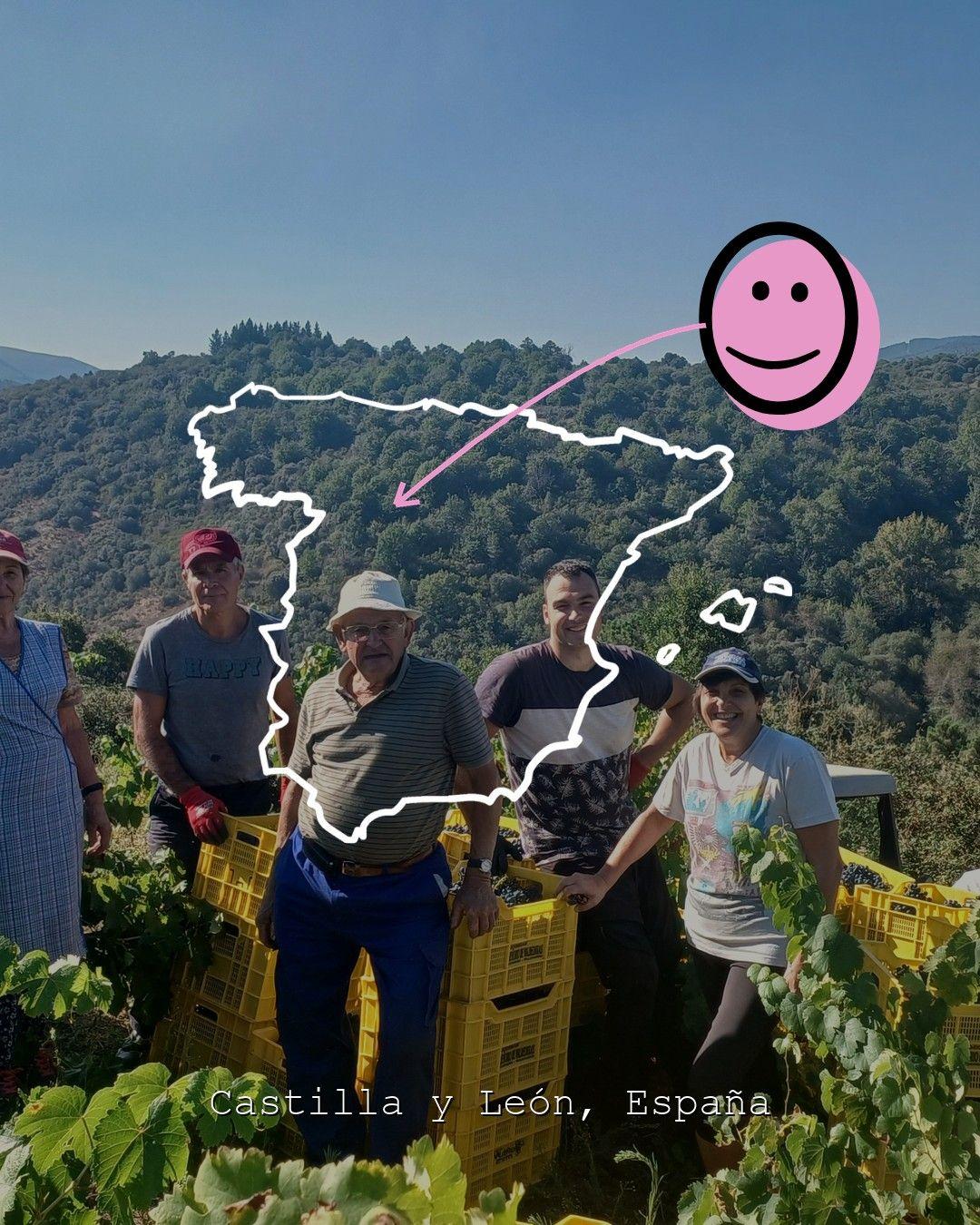
Spain has more land under vine than any other country in the world, yet produces less wine by volume than France or Italy. The difference is density: many Spanish vineyards, especially in Castile-La Mancha and Aragon, are planted at low density on dry-farmed bush vines that yield small quantities of concentrated fruit. Rioja remains the most internationally recognised denomination, divided into three subzones with distinct soil profiles: Rioja Alta, Rioja Alavesa, and Rioja Oriental. Catalonia contains eleven denominations within its borders, from the coast to the high-altitude vineyards inland. In the northwest, Castile and León reaches elevations above 800 metres, producing wines that carry natural acidity unusual for such a warm country. Andalusia in the south is the historic home of Sherry, one of the world's oldest wine styles, built on a system of fractional blending called the solera. Each region legislates its own rules on grape varieties, ageing, and labelling — what appears on a Spanish label is regulated at denomination level, not by a national standard.

Signature grapes from Spain

Tempranillo is the most widely planted red grape in Spain and the backbone of Rioja and Ribera del Duero. It adapts significantly to altitude and winemaking style: the same variety produces light, aromatic reds at high elevation and dense, tannic wines when cropped low in warmer sites. Garnacha — known internationally as Grenache — thrives in the dry interior, particularly in old-vine plots in Aragon and Navarra where vines can exceed 80 years of age. Monastrell, concentrated in Murcia and the Levante, needs high summer temperatures to ripen fully and produces wines with notably high natural alcohol. In the northwest, Mencía from the Bierzo and Ribeira Sacra appellations is increasingly recognised for its structural similarity to cool-climate Pinot Noir, with bright acidity and aromatic complexity. Godello, also from the northwest, is one of Spain's most technically demanding white varieties: it oxidises easily and requires precise handling in the cellar, but rewards that effort with wines that age for a decade or more. Beyond these, Spain has over 400 documented native varieties, the majority of which are grown in fewer than three denominations.

How we choose our Spanish producers

Producers apply to list on Free Grape Society. They are not recruited through distributors or sourced from trade catalogues. Every producer sends samples, and each sample is tasted by our Head of Product before the producer goes live on the platform. Nothing is listed untasted. Independent wine experts on the platform Rate and Review individual wines they have personally tasted — those reviews are visible on the wine page and on each expert's profile, building a track record that is transparent to any reader. Producers on Free Grape Society set their own prices. No buyer with quarterly targets. No retail chain defending shelf space. The producer decides if they want to be here, and what is here. For Spanish wines specifically, this means the platform carries producers from denominations that rarely reach international retail: high-altitude plots in Castile and León, old-vine Garnacha from Aragon, and native-variety whites from the northwest. These are not the wines your supermarket carries. They are the wines your supermarket cannot carry, because the volumes are too small and the supply chain too direct.