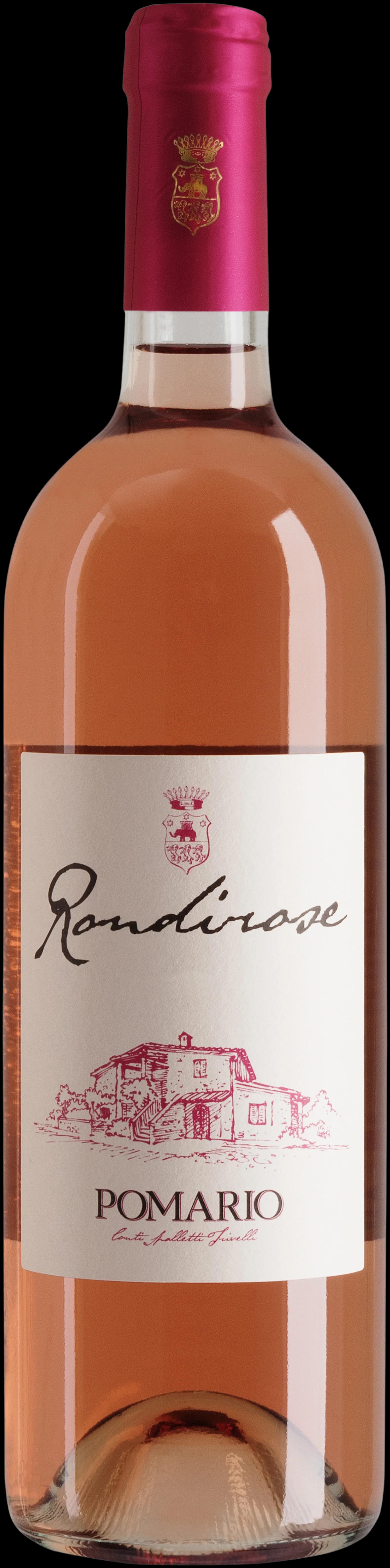
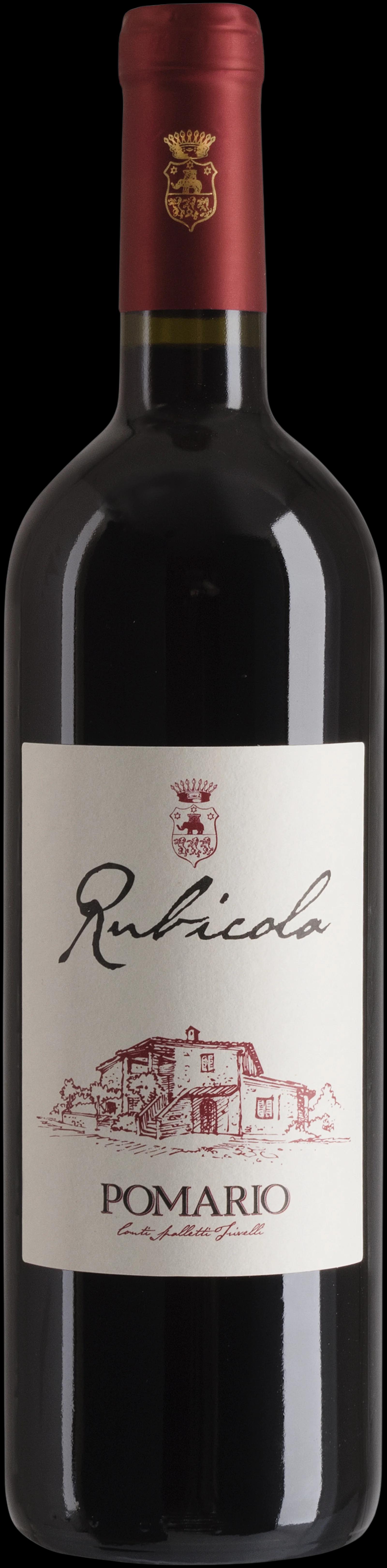
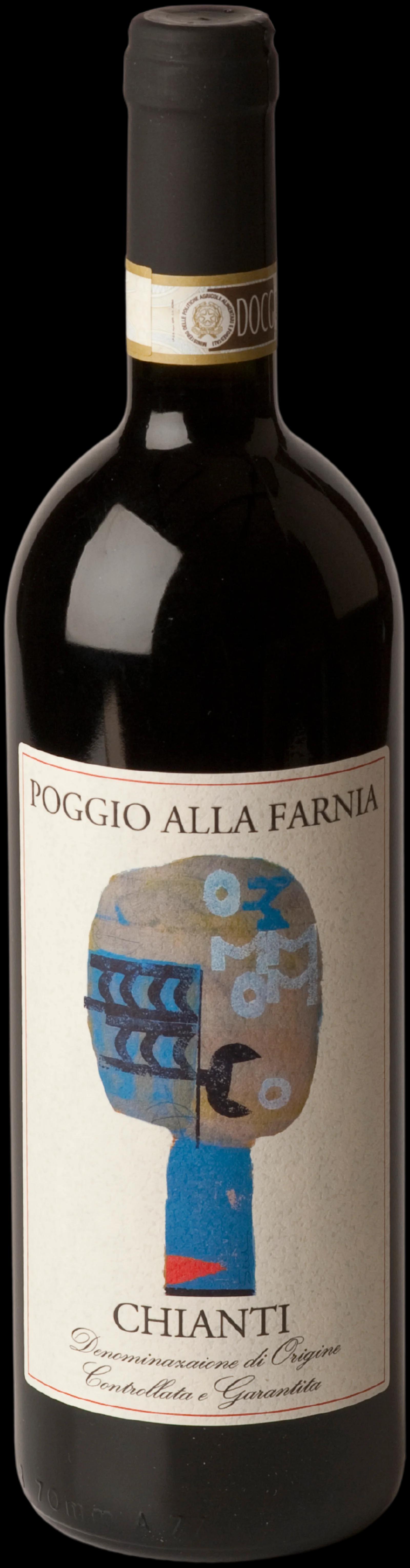
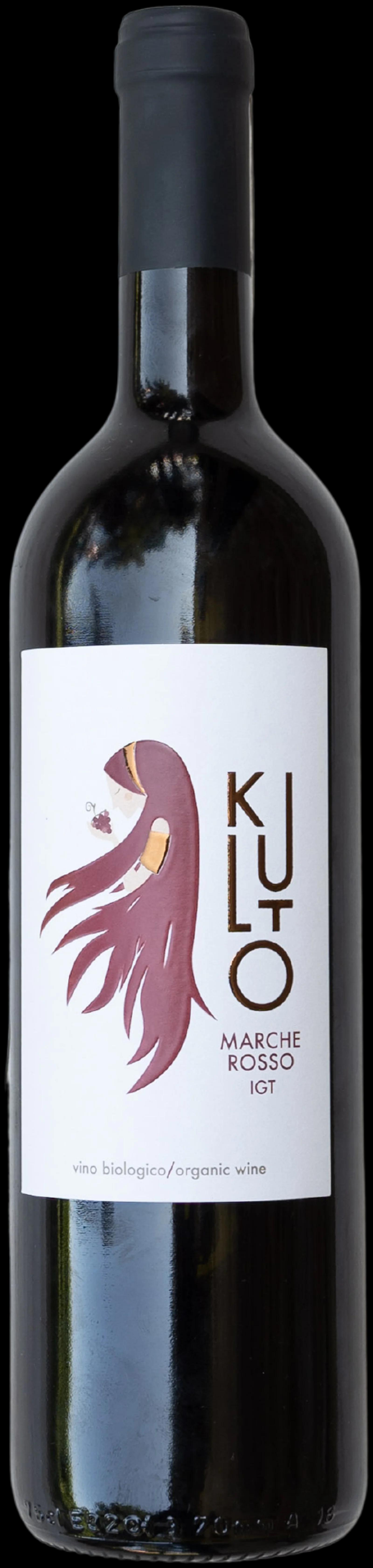
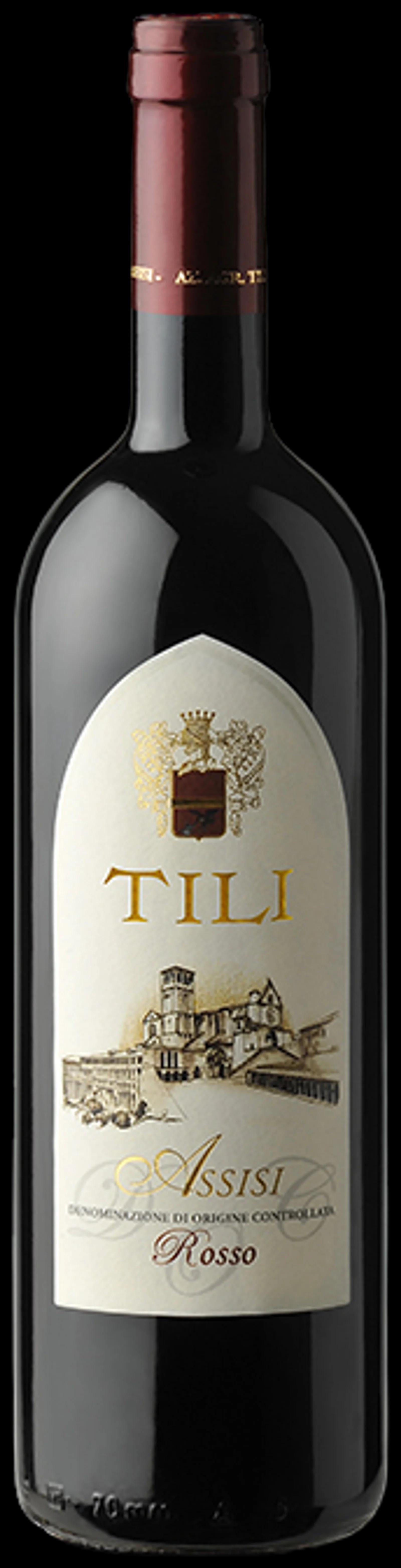
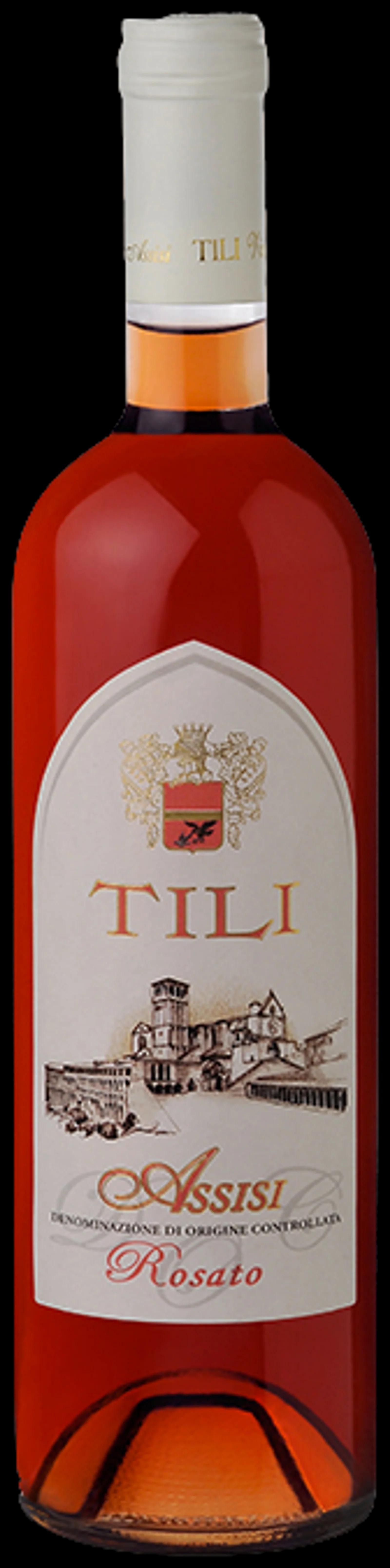
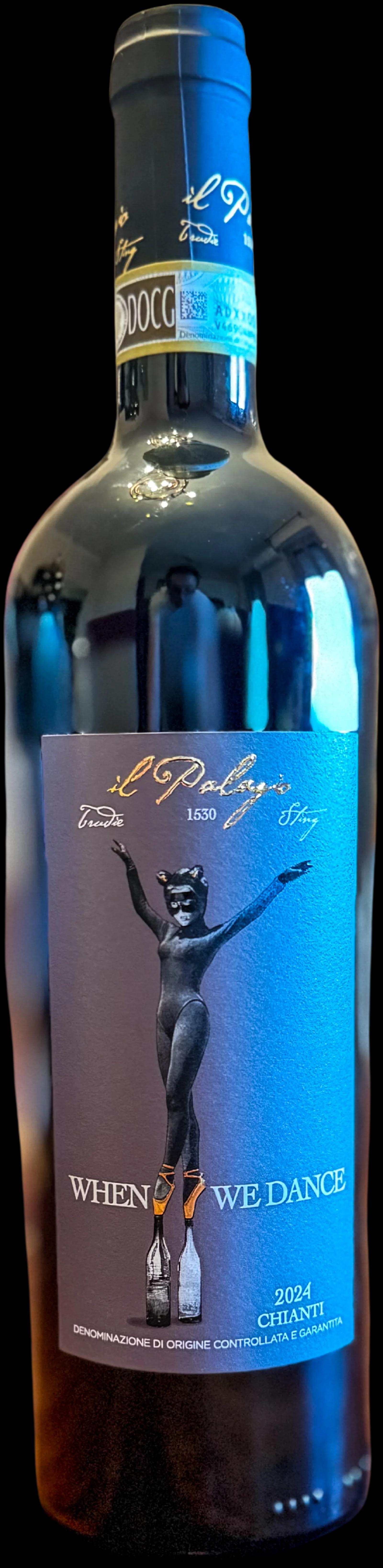
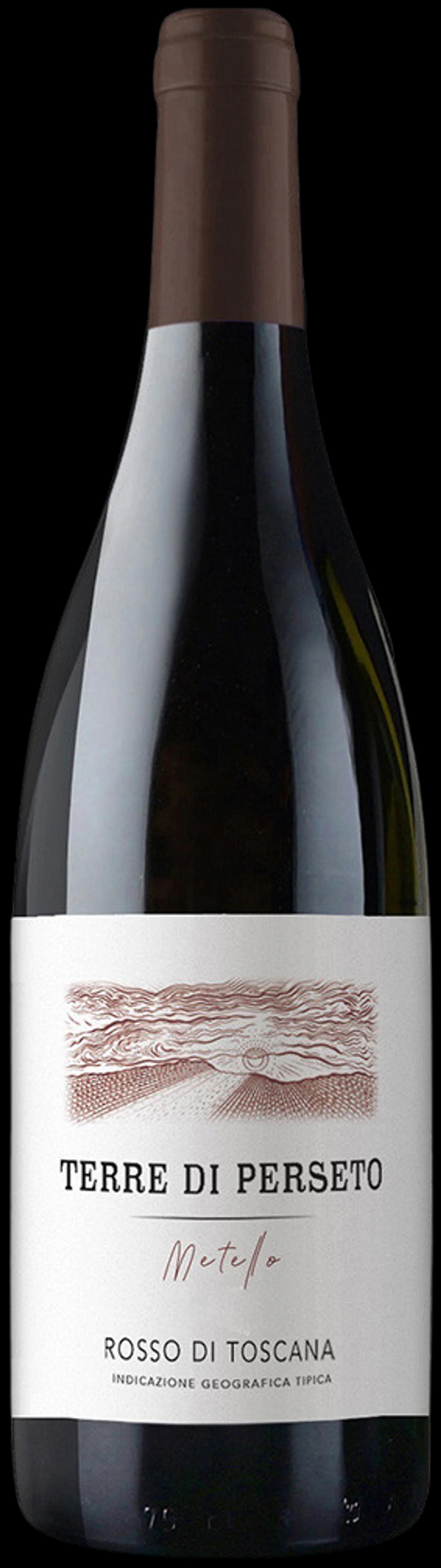
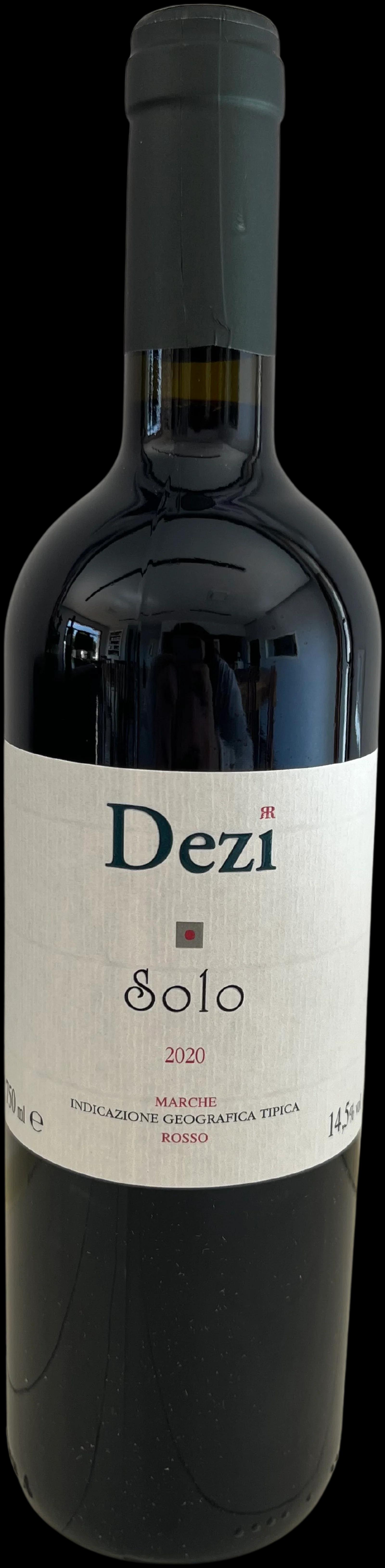
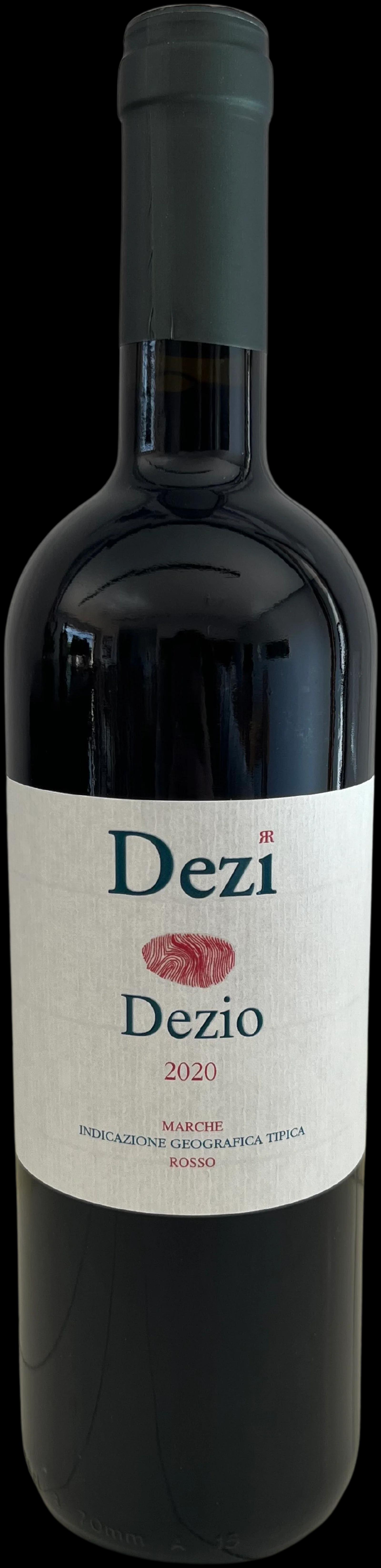
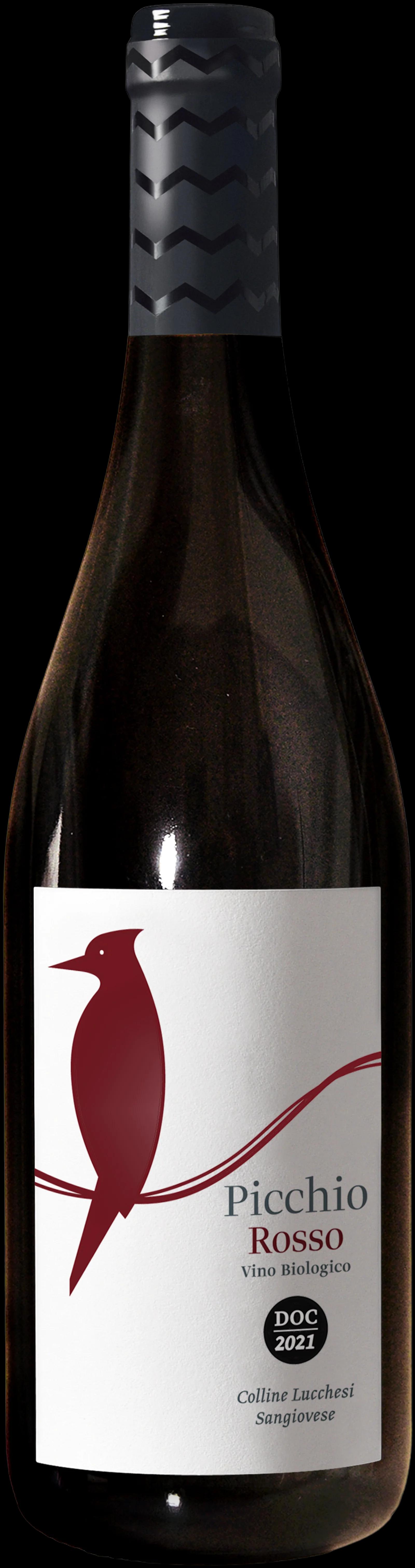
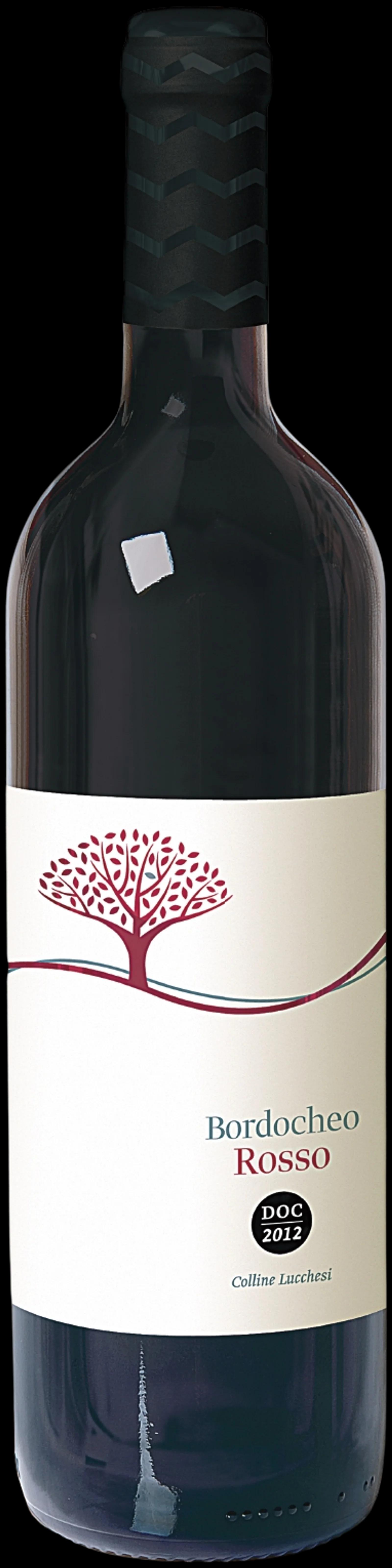
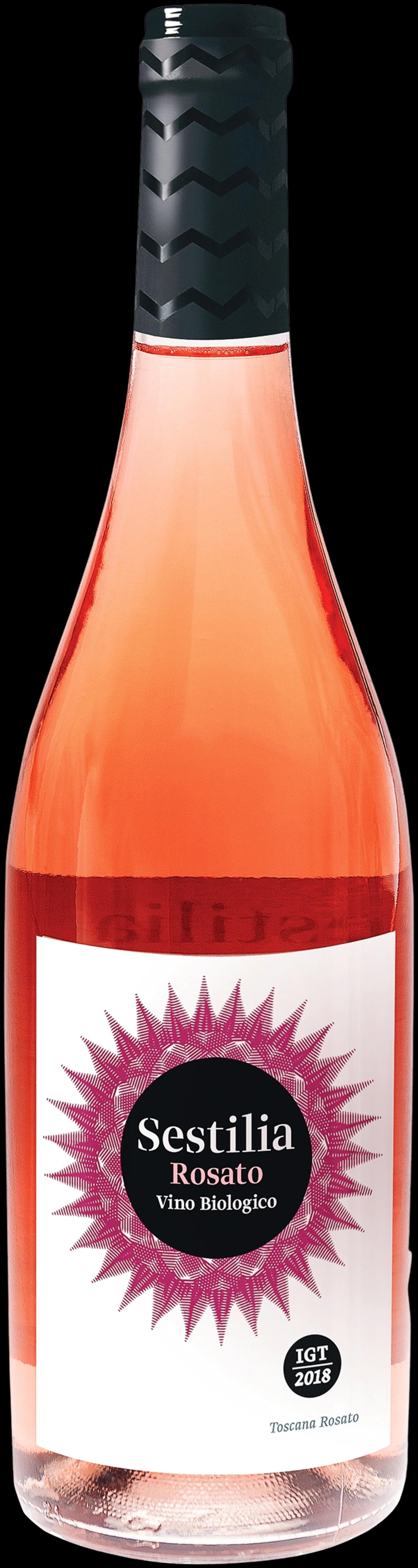
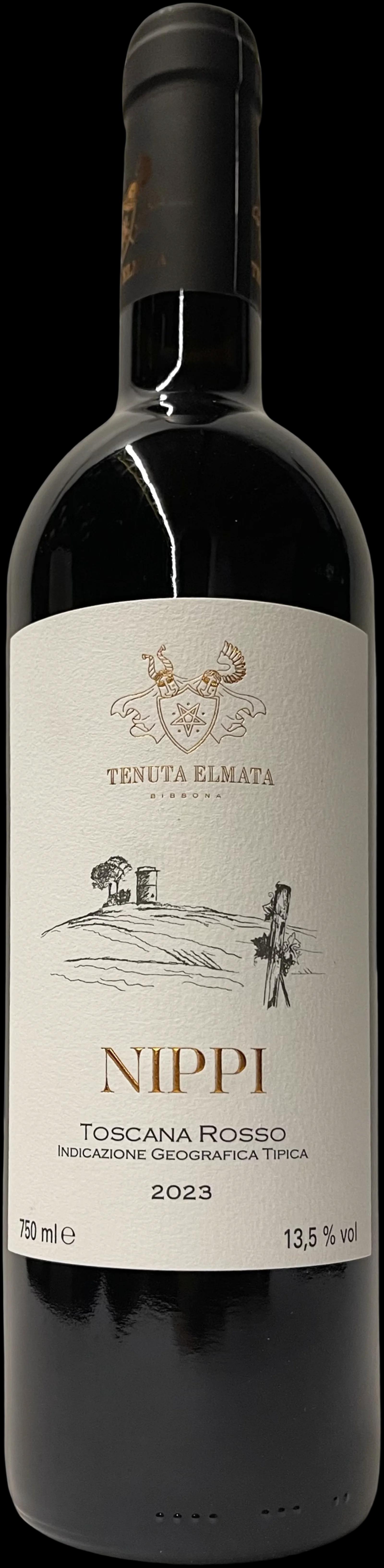
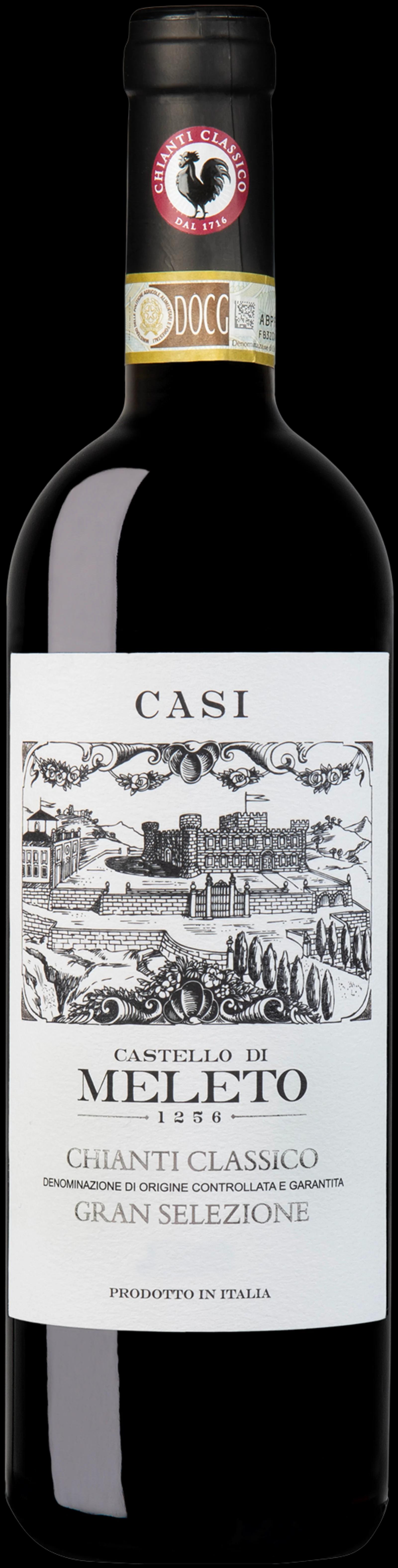
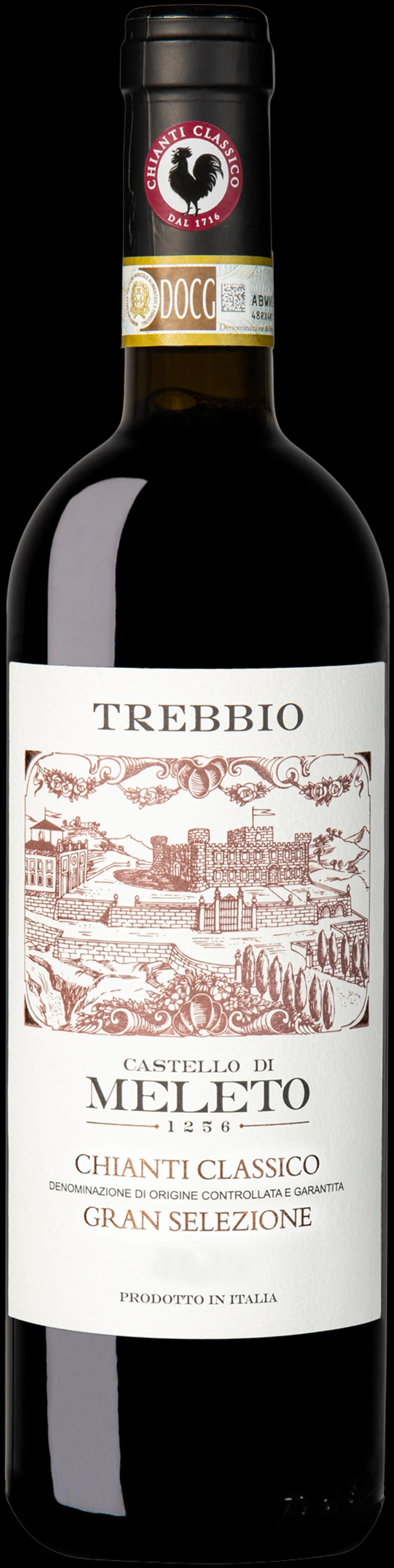
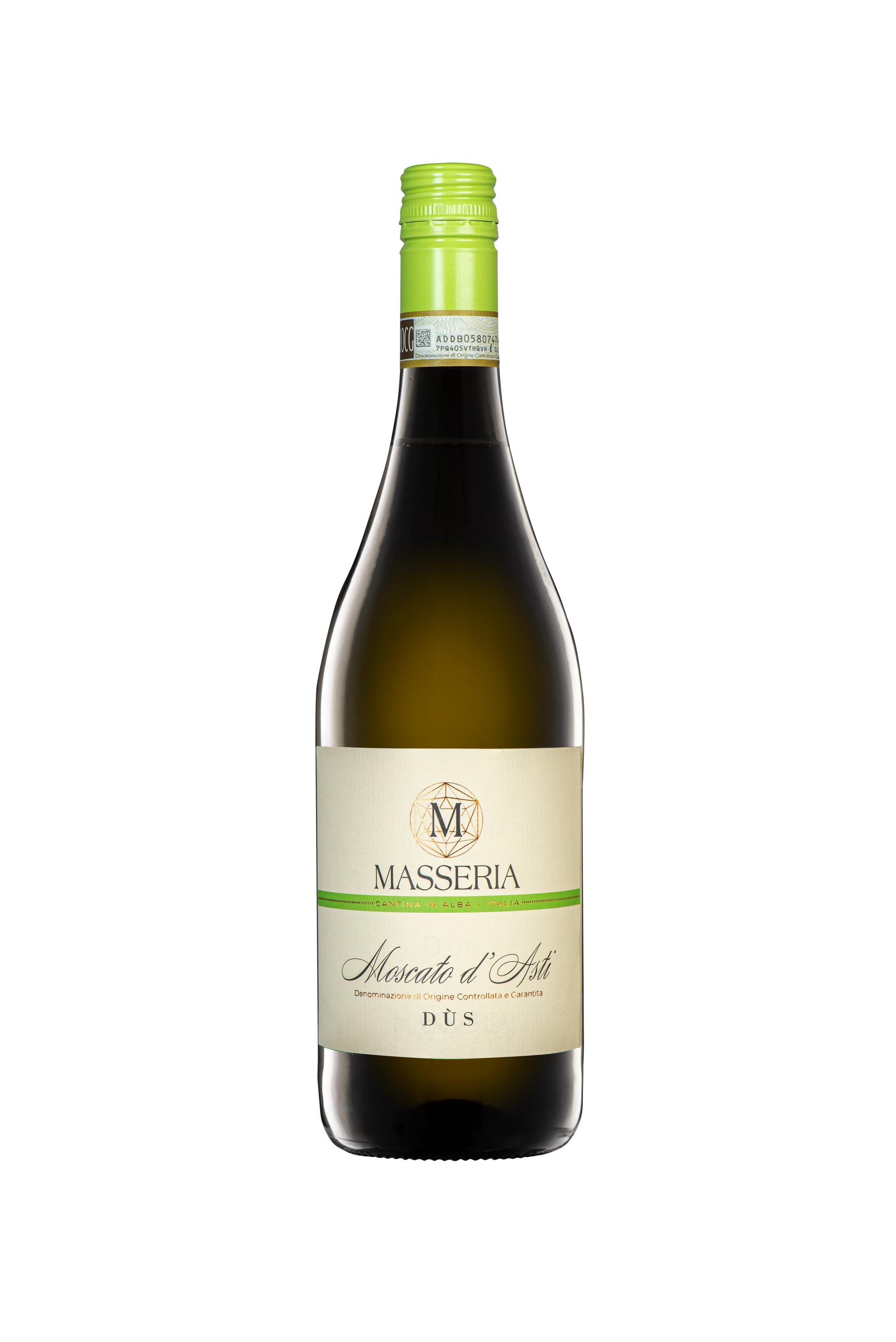
Sangiovese wines from estate-bottling Italian producers

Sangiovese from producers who bottle under their own name. Every wine tasted before listing. No industrial labels.

From Chianti Classico to Brunello, direct from the cellar.

Color

Dropdown arrow

Type

Dropdown arrow

Country

Dropdown arrow

Region

Dropdown arrow

Grape

Dropdown arrow

Pairing

Dropdown arrow

Sort by

Sort arrow
Sangiovese

Sangiovese wines

Sangiovese is Italy's most-planted red variety, but the grape behaves very differently depending on where it grows. In Chianti Classico, it produces wines that are bright, savoury, and built for the table. In Montalcino, the same grape — called Brunello locally — yields wines structured enough to age for two decades or more. In Romagna, it is lighter and earlier-drinking. The bottles below come from growers who control their own production and ship from their own cellars.

Previous1 of 1Next

Sangiovese mixboxes

A mixbox on Free Grape Society contains exactly six bottles, all from one producer. On a Sangiovese page, between three and six of those six bottles are Sangiovese — always at least half, and the full six when the producer works exclusively with this grape. The remaining bottles, if any, are chosen by the producer to give context to their Sangiovese within their own range. No buyer assembles the box. The producer does.

Wine experts

Producers who specialize in Sangiovese tend to have a strong point of view on how the grape should be handled. Oak exposure, maceration length, and elevation all pull the wine in different directions. The estates on this page bottle under their own name and make every production decision themselves. Several have been working with Sangiovese across three or more generations in the same cellar.

Sangiovese producers

Independent wine experts on Free Grape Society rate and review Sangiovese wines they have personally tasted. Their reviews appear on the individual wine page and on the expert's own profile, so you can see exactly what they tasted and what they thought. Several of the experts listed below have reviewed Sangiovese wines featured on this page. Their role is to review, not to select what gets listed.

Frequently asked questions

How do I order Sangiovese wines on Free Grape Society?

Browse the bottles below, add what you want to your cart, and check out once. Each listing shows the producer, region, vintage, and price set by the producer. Wines ship from the producer's cellar directly to your address. No account is required to browse.

What happens if a bottle arrives broken or doesn't taste right?

Send a photo to Free Grape Society customer support within 7 days of delivery. We will arrange a replacement or a refund. Because producers ship directly, quality issues are handled with the producer's direct involvement. Shared responsibility is built into how FGS works.

Can I order a single bottle of Sangiovese, or do I need to buy a case?

Single bottles are available on Free Grape Society. There is no minimum case requirement. If you want a broader introduction to Sangiovese from one producer, the mixboxes section above offers six-bottle selections composed by the producer themselves.

How long does delivery take?

Average delivery is 8 to 9 days from order to door. The full range is 4 to 14 days depending on the producer's location and your delivery address. Wines ship directly from the producer's cellar, not from a central warehouse.

How do I find the right Sangiovese for what I am looking for?

Use the region filter to narrow by appellation — Chianti Classico, Brunello di Montalcino, and Morellino di Scansano produce Sangiovese in very different styles. Wine expert reviews on individual listings also give firsthand tasting notes that go beyond the label.

What is the difference between Sangiovese, Brunello, and Morellino?

They are all Sangiovese. Brunello is the local name for Sangiovese in Montalcino; wines labelled Brunello di Montalcino must age a minimum of five years before release. Morellino di Scansano is a Maremma coastal appellation where Sangiovese-based wines are typically softer and earlier-drinking than their inland counterparts.
Which wine expert can recommend a Sangiovese for me?

Several experts on Free Grape Society have reviewed Sangiovese wines and Italian reds more broadly. Browse the expert profiles in the section below. Each profile shows the wines they have reviewed, so you can find an expert whose palate and region knowledge match what you are looking for, and message them directly.

Why don't you sell Sangiovese from supermarket brands?

Supermarket Sangiovese is made to a price point and distributed through two or three wholesale layers before it reaches a shelf. The producers on Free Grape Society ship from their own cellar. The bottle changes hands once, not three times. That is a different supply chain and, typically, a different wine.
How does Sangiovese on Free Grape Society differ from what Systembolaget carries?

Systembolaget lists Sangiovese wines from producers who can supply at retail volume. Most estates on Free Grape Society produce in smaller quantities than that threshold allows. The appellations are often the same, but the producers — and the wines — are largely different.
Where Sangiovese is grown

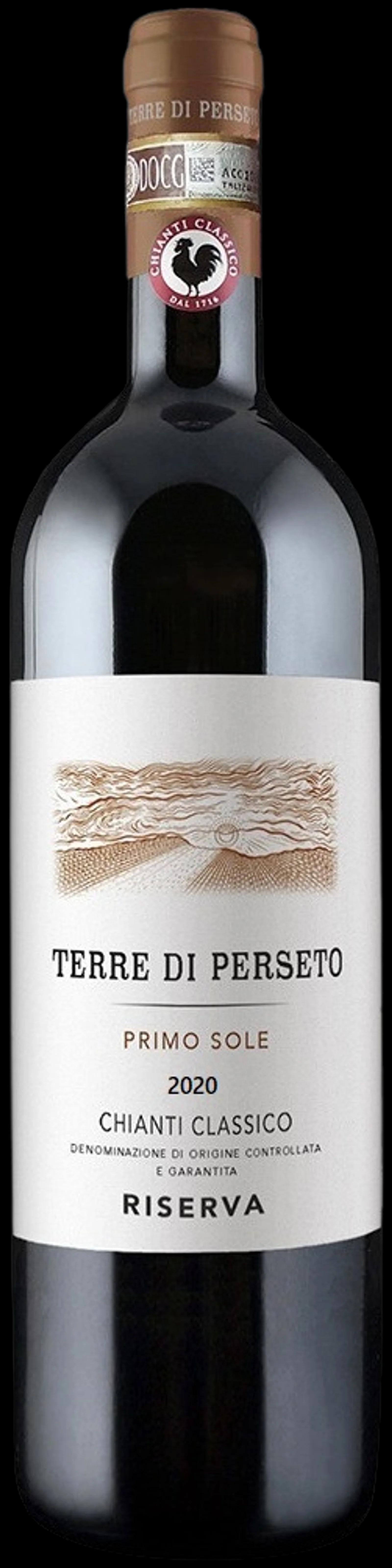
Sangiovese is Italy's most widely planted red grape, and it is almost entirely an Italian story. Its most authoritative expressions come from Tuscany: Chianti Classico, Brunello di Montalcino, Morellino di Scansano, and Vino Nobile di Montepulciano each draw from the same grape but produce wines that differ substantially in structure, weight, and ageing curve. Brunello — 100% Sangiovese under its DOCG rules — is routinely aged for a decade or more before it reaches full form. Chianti Classico Riserva typically needs three to five years from vintage before the tannins soften enough to show the wine clearly. Outside Tuscany, Umbria and the Marches carry meaningful plantings, and Romagna in Emilia has its own Sangiovese di Romagna DOC, which tends toward lighter, earlier-drinking styles. Beyond Italy, Sangiovese plantings exist in Argentina and California, but they remain marginal and rarely reach the same structural complexity. The grape is sensitive to site: on clay-heavy soils it produces rounder, more approachable wine; on galestro — the brittle schist-like stone common in Chianti — it gains the acid and grip it is best known for. Wines on this page come from Italian producers who bottle under their own name and ship directly from the cellar.

The taste profile of Sangiovese

Sangiovese is a high-acid, high-tannin grape. Its core flavour registers as sour cherry, dried herbs, leather, and tomato leaf — a savoury signature that sets it apart from fruit-forward international varieties. In cooler vintages or at higher elevations, the profile sharpens toward dried flowers and iron. In warmer years or in lower-altitude Maremma, the fruit is darker and the tannins rounder, though the acid rarely disappears entirely. That acidity is the defining structural feature: it is what makes Sangiovese work alongside food in a way that softer grapes do not. Oak ageing is common in Brunello and Vino Nobile, where large Slavonian oak casks — rather than small barriques — are traditional; the large format transfers less oak character and preserves more of the grape's natural profile. Producers who work with smaller barrique tend to produce a more internationally styled wine, which is a deliberate choice, not a quality signal in either direction. Related grapes with overlapping savoury character worth exploring: Nebbiolo, Barbera, and Nero d'Avola.

Reading a Sangiovese label

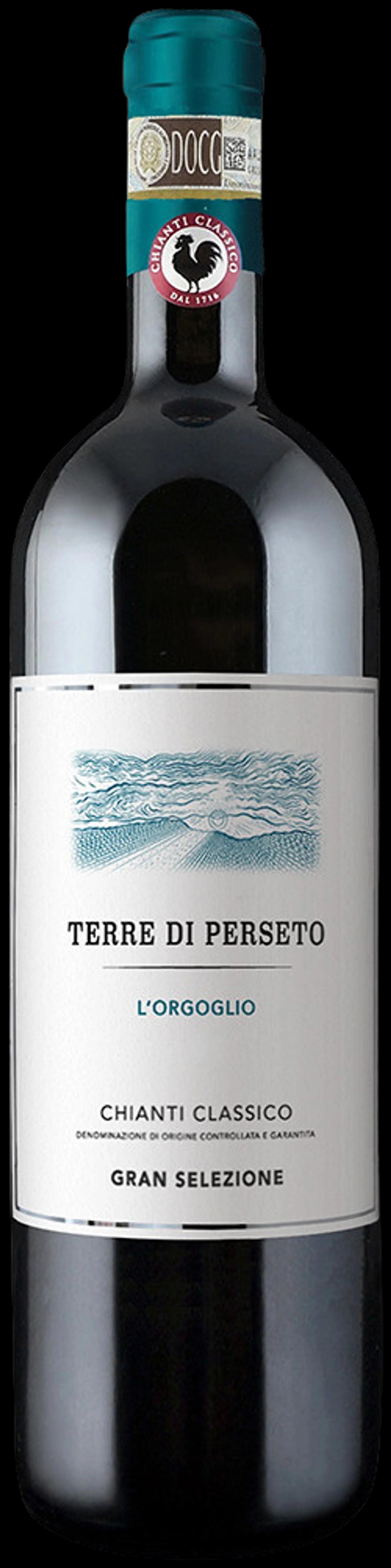
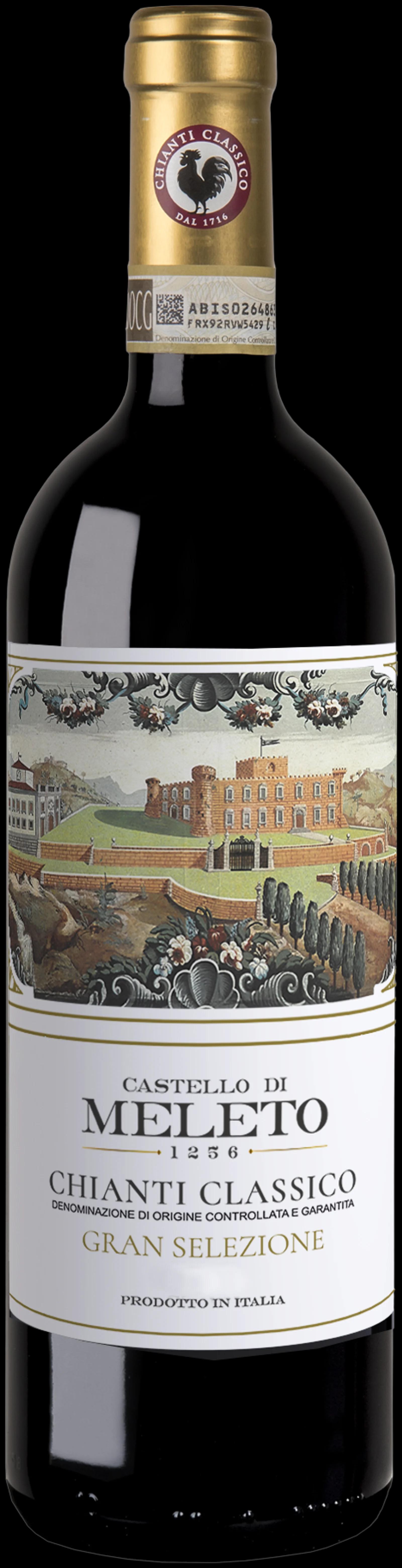
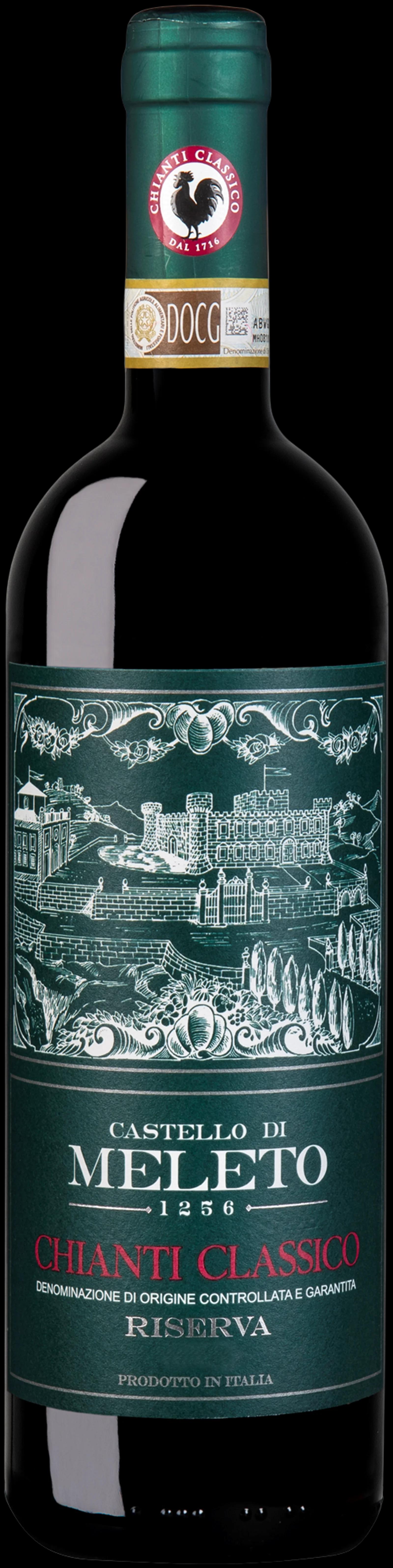
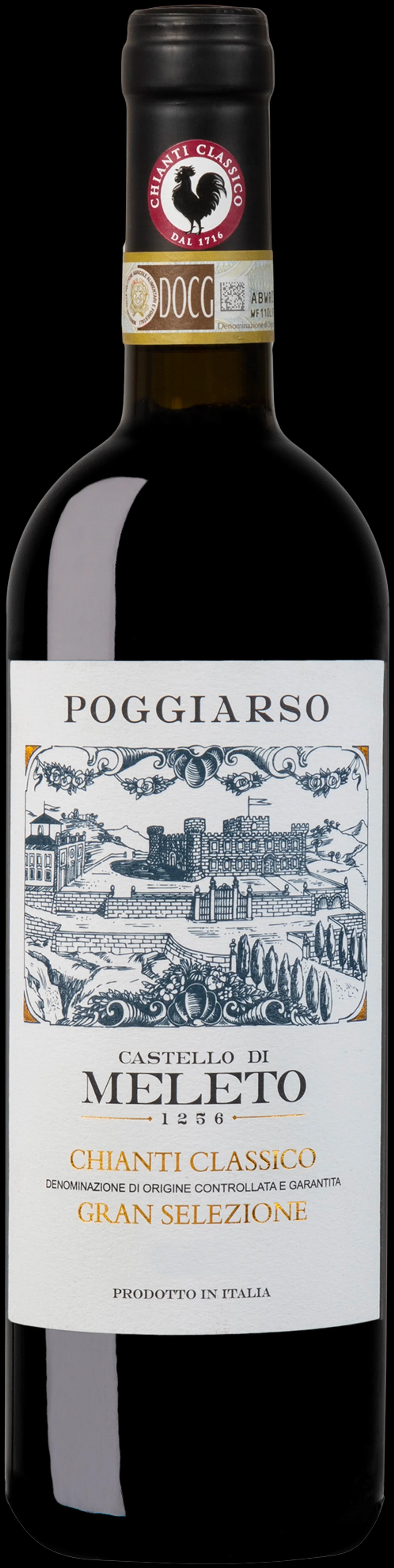
Sangiovese rarely appears by name on the front label of its most prestigious bottles. Brunello di Montalcino, Chianti Classico, Morellino di Scansano, and Rosso di Montalcino are all Sangiovese — the DOCG and DOC names take precedence on the label, and the grape is assumed knowledge. This matters when you are navigating the category: a bottle labelled 'Toscana IGT Sangiovese' is typically a producer's more entry-level or experimental bottling outside the appellation rules, not necessarily a lesser wine. Some producers use the IGT designation deliberately to bottle single-vineyard Sangiovese that does not conform to blend or ageing regulations but represents serious winemaking. The Gran Selezione tier within Chianti Classico, introduced in 2014, indicates single-vineyard or best-barrel selection with extended ageing — at least 30 months before release. Rosso di Montalcino, by contrast, is released after one year and draws from the same Brunello-eligible fruit; it offers an earlier-drinking window into the same producer's style. No bottles from supermarket brands or multi-region négociants appear on this page. These are wines from producers who own their fruit and control their own production — the full range is listed in the Sangiovese producers section.