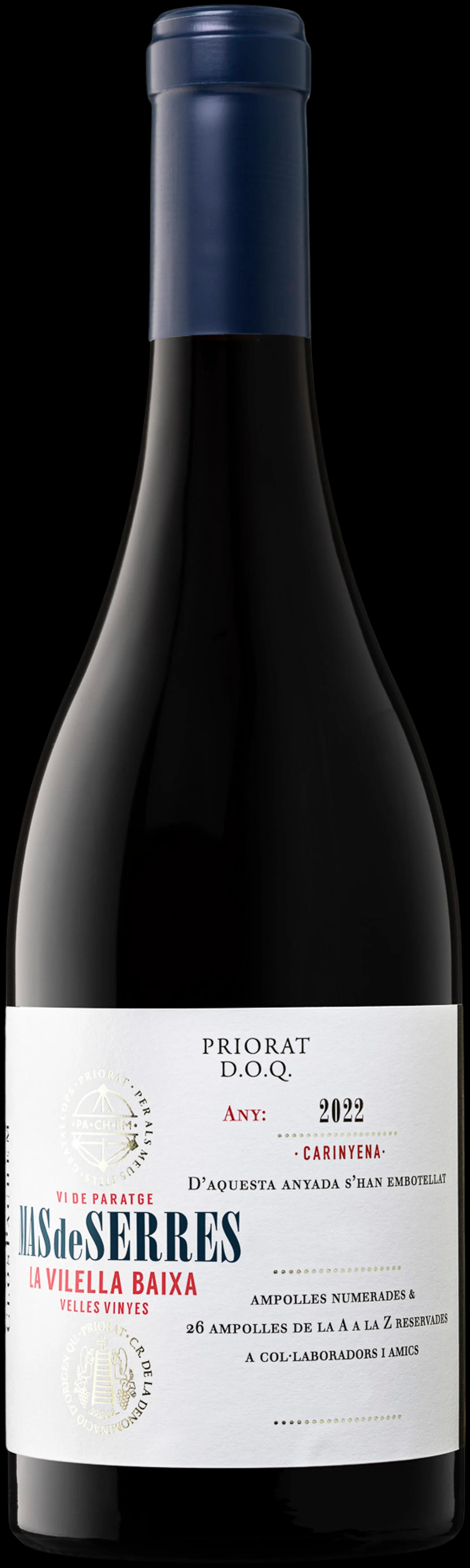
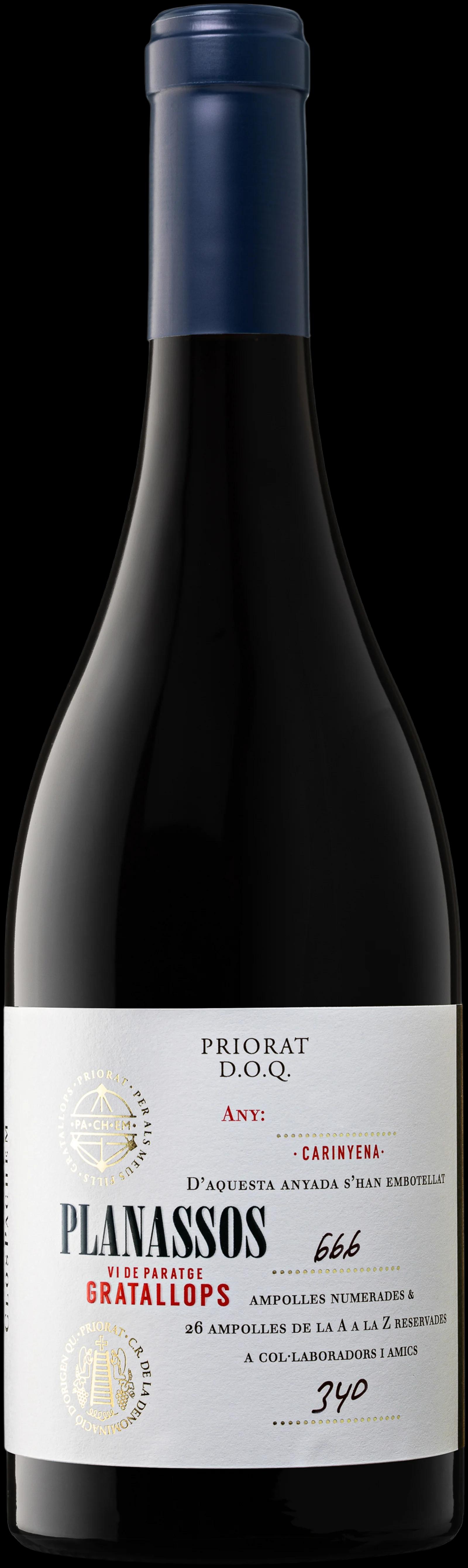
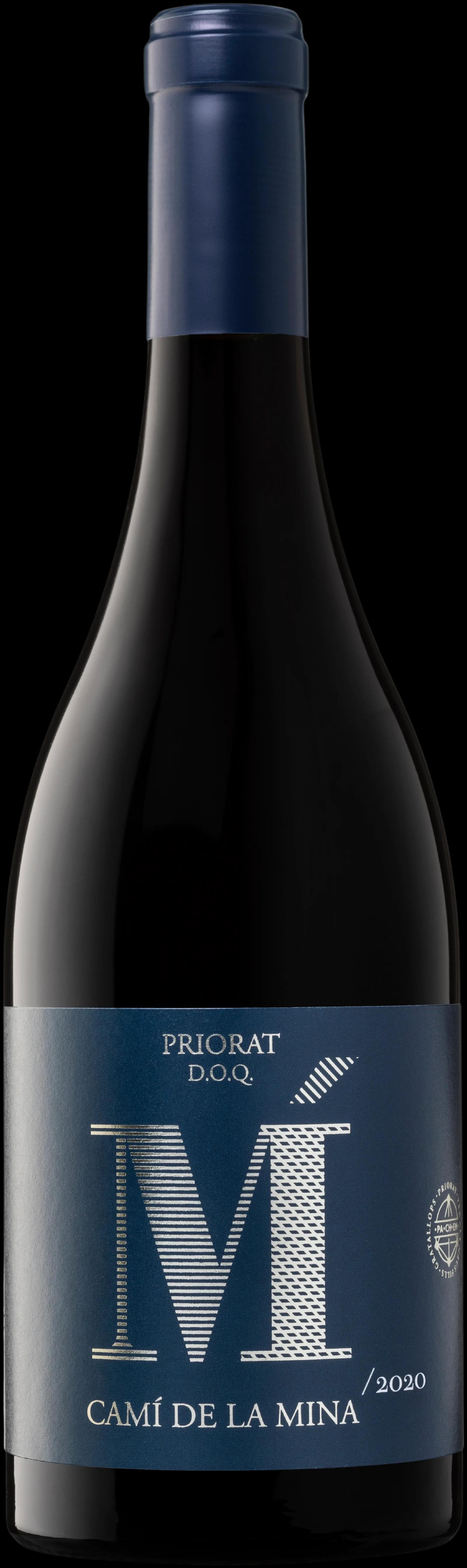
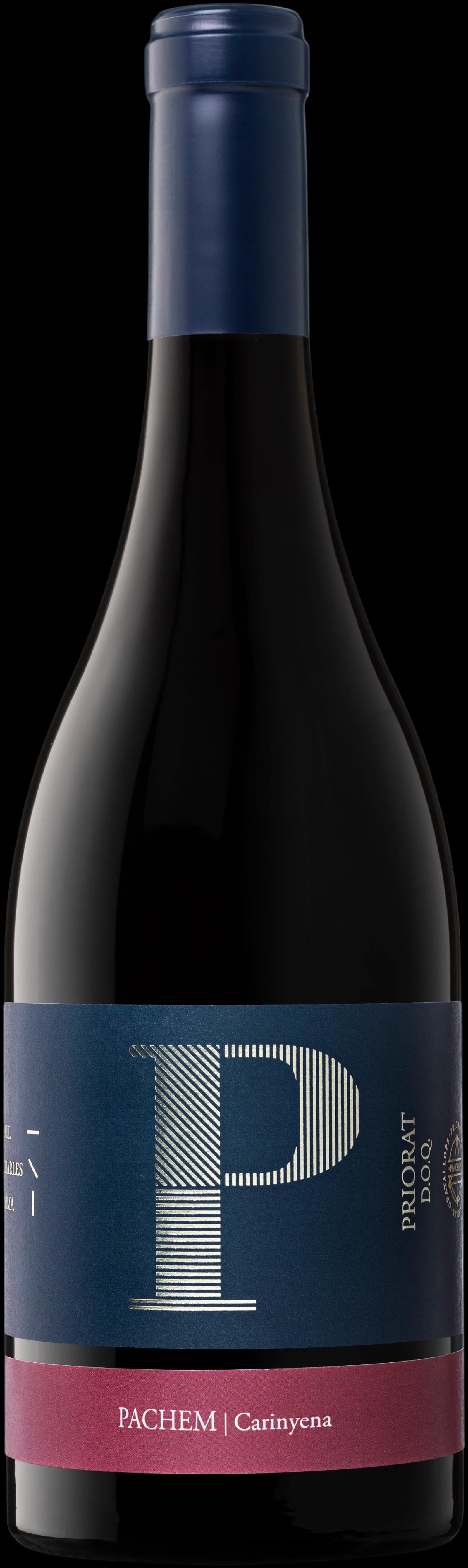
Where Carignan comes from and how region shapes it
Carignan is one of the oldest cultivated grapes in the Mediterranean basin, with roots in northeastern Spain — where it is known as Cariñena or Mazuelo — before spreading widely across southern France, particularly into Languedoc-Roussillon, where it became the backbone of the region's red wine production through much of the twentieth century. In Spain it remains significant in Aragon and Catalonia, where old-vine plantings are increasingly valued rather than pulled up. The grape is also grown in Sicily and parts of Sardinia, where the Italian name Carignano appears on the label. What the grape does is absorb its surroundings: in a hot, dry year on poor soils it can produce dense, structured wine with dark fruit and firm tannin; on well-drained hillside sites with old vines it often yields something more complex, with spice and a savoury depth that sets it apart from softer southern reds. The age of the vine matters considerably — younger plantings tend toward high yields and dilute fruit, while old vines, some over a century old in Languedoc and Aragon, concentrate flavour in ways that have made Carignan a serious grape again after decades of being regarded mainly as a blending workhorse.
How Carignan tastes, and what to drink it with
Carignan is a full-bodied red grape with naturally high acidity, firm tannin, and deep colour — a structural profile that makes it useful in blends but also distinctive on its own when yields are kept low. At its best it shows dark cherry, dried herbs, pepper, and a mineral, almost earthy quality that reflects the garrigue-covered hillsides where it thrives. The high acidity is one of its most useful traits at the table: it cuts through fat and holds its own against strong flavours. It pairs naturally with slow-cooked meat dishes, lamb stew, roast pork with herbs, and the kinds of bean and sausage dishes common in southern France and northeastern Spain. It also works well with aged hard cheeses and dishes built around tomato and olive oil. If you are exploring Carignan for the first time, wines from Languedoc-Roussillon old-vine producers give a clear picture of what the grape can do on its home ground, while Spanish Carignan from Aragon or Catalonia often shows a slightly denser, more structured style. For a broader view of the southern French reds that Carignan is frequently blended with, the Grenache Noir, Syrah, and Cinsault pages show the varieties it most commonly shares a blend with.
Buying Carignan direct from independent producers
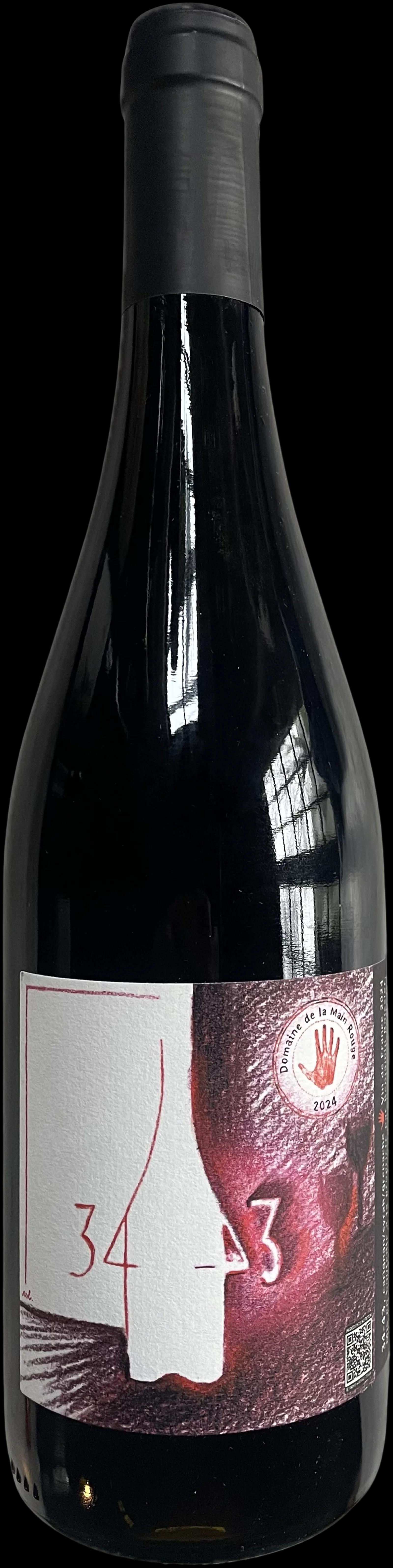
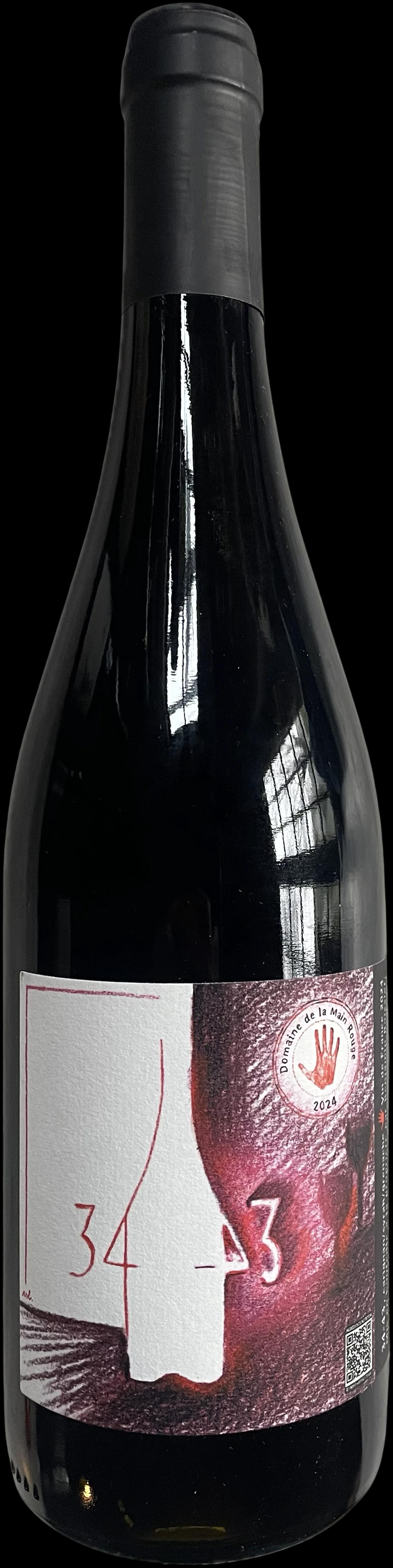
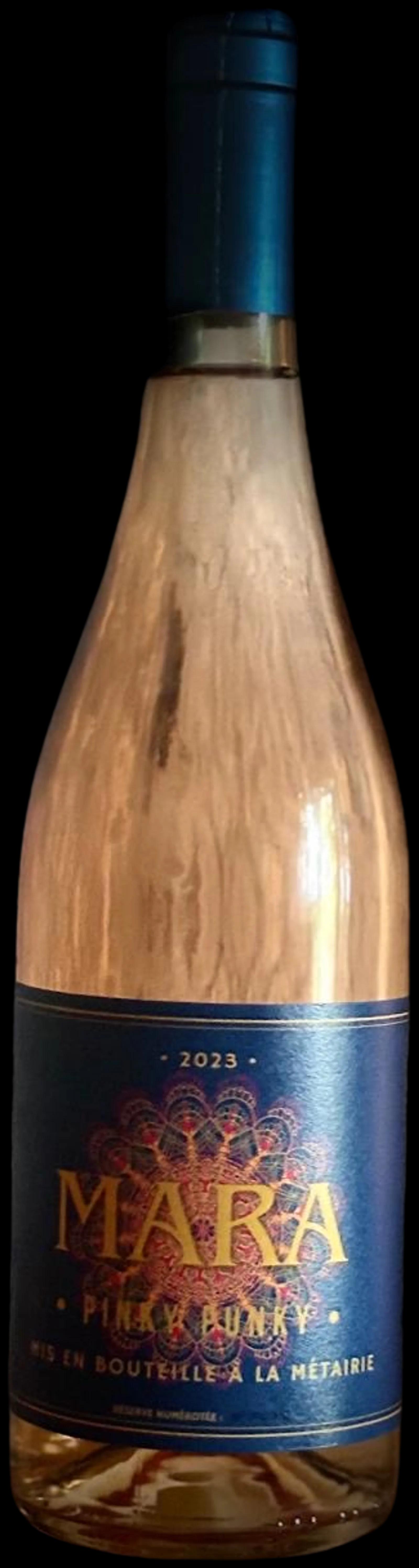
For most of the twentieth century, Carignan was grown in large volumes for cooperative production — a grape associated with quantity rather than craft. The shift toward old-vine, low-yield Carignan from growers who bottle their own wine is relatively recent, which means the independent producers who work seriously with it are still a distinct minority. On Free Grape Society, producers ship their wines directly from their own cellar, with no importer or warehouse in between, so the wines you see here come from growers who have made a deliberate choice to work with the grape at quality level. Because Carignan is concentrated in a few regions — primarily Languedoc-Roussillon in France and the northeast of Spain — the producers on this page tend to cluster there, and browsing by region is often the most useful way to explore the range. Growers in southwest France occasionally work with it too, as part of the Rhône and southern blending traditions. Free Grape Society is a society of producers, independent experts and wine lovers — wines are tasted before listing, and the producers here have been selected because they take the grape seriously.