


 Weinpaket
Wo liegt Baglio Diar?
Baglio Diar liegt in Marsala, Sizilien, Italien.
 Jenny Lindholm
 Sizilien, Italien
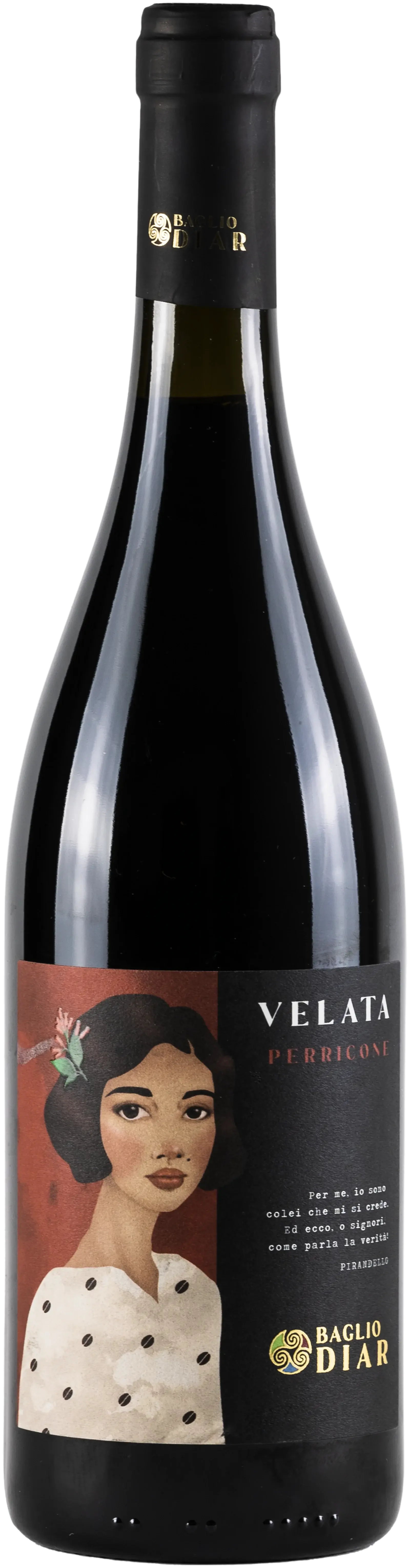
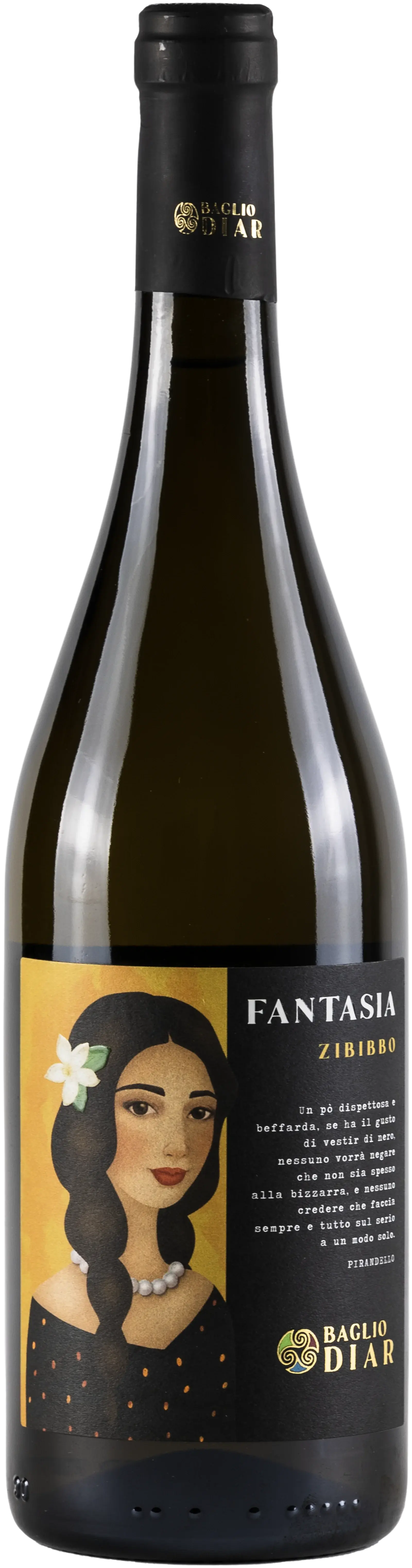
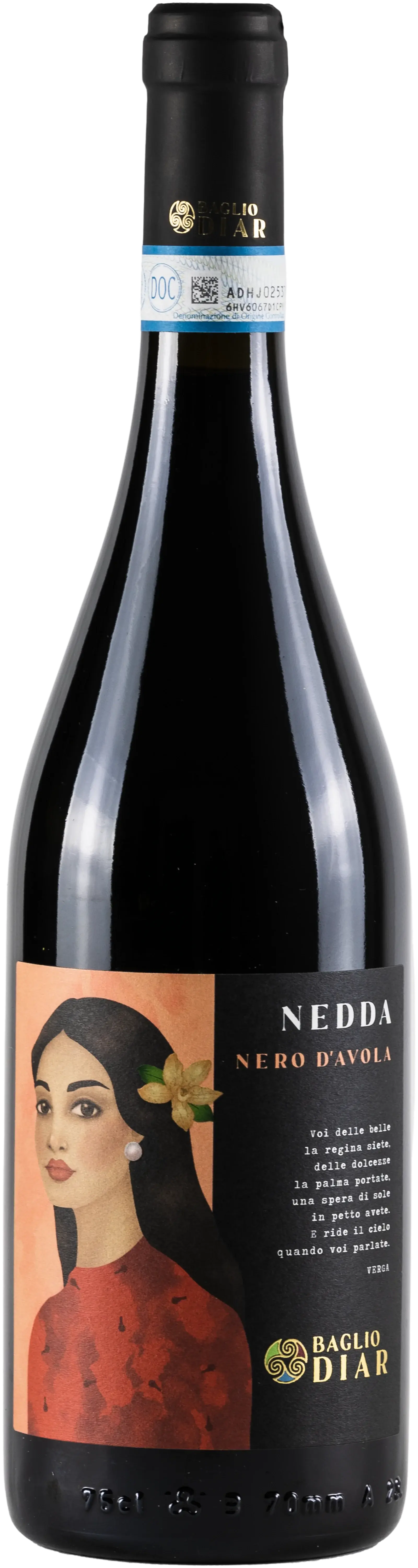
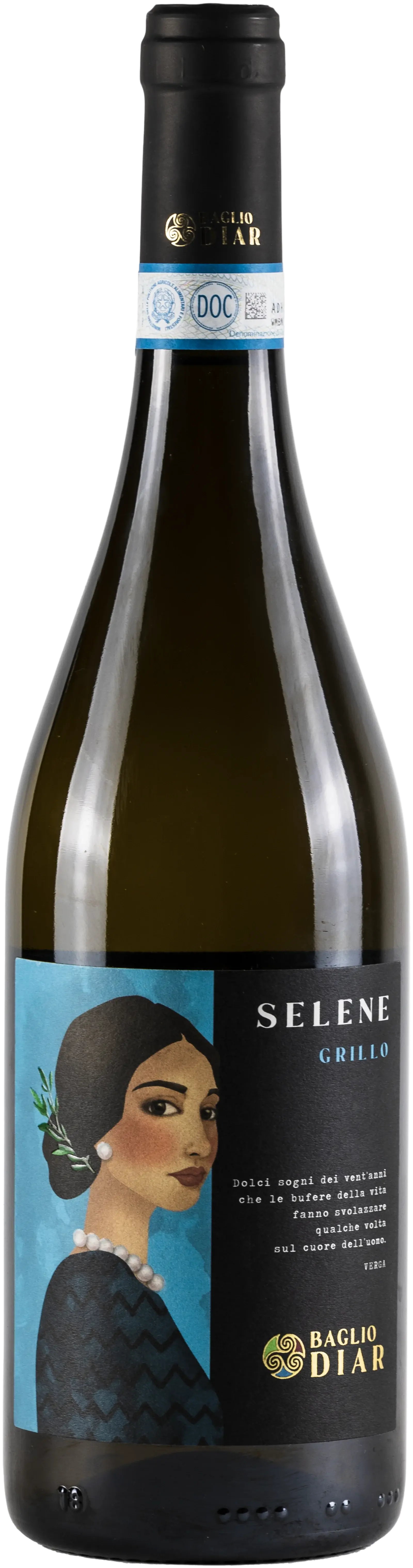
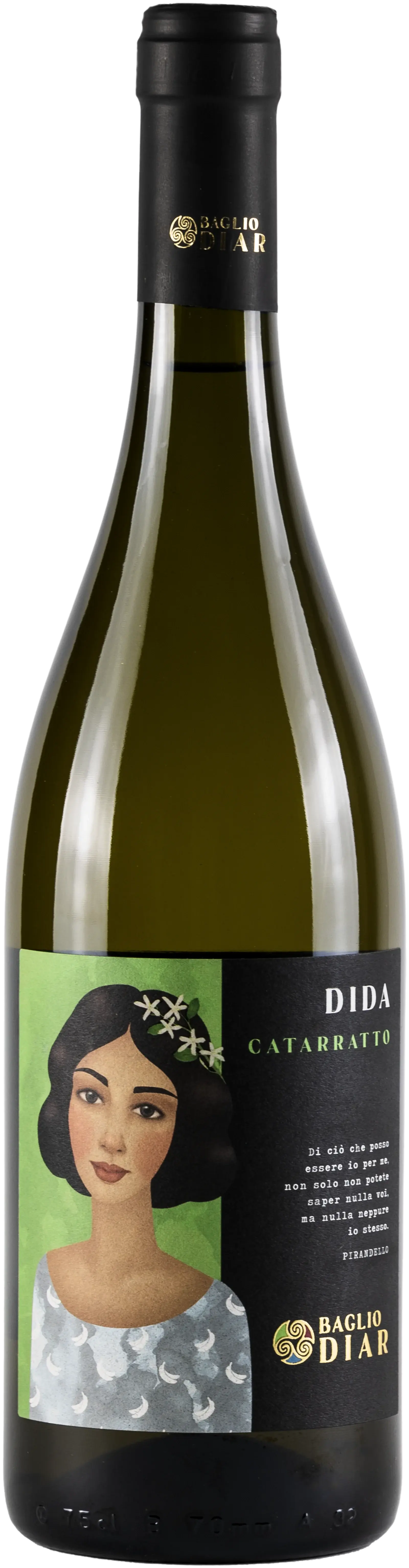
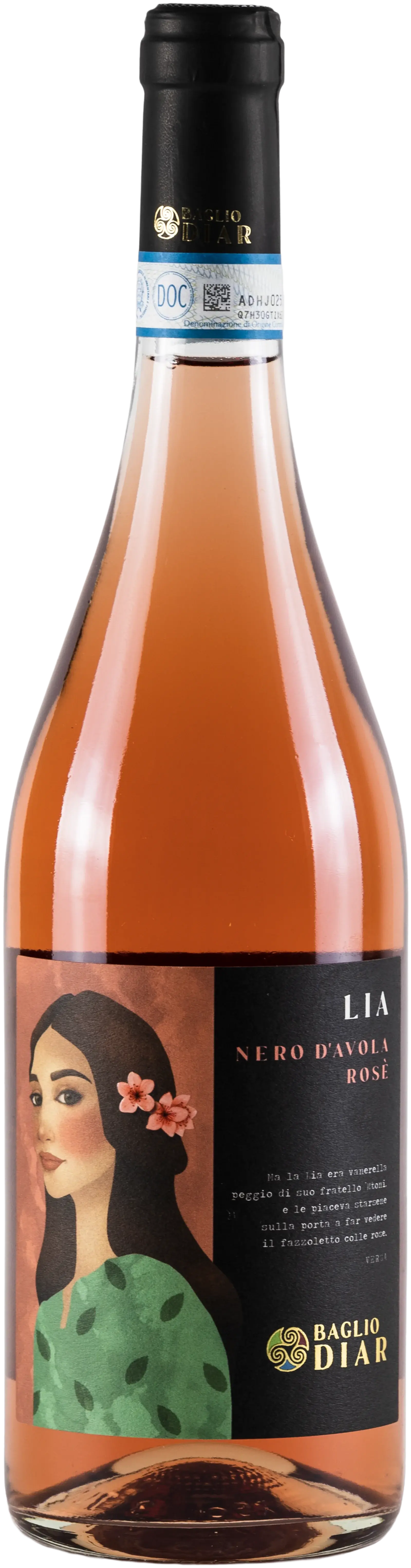
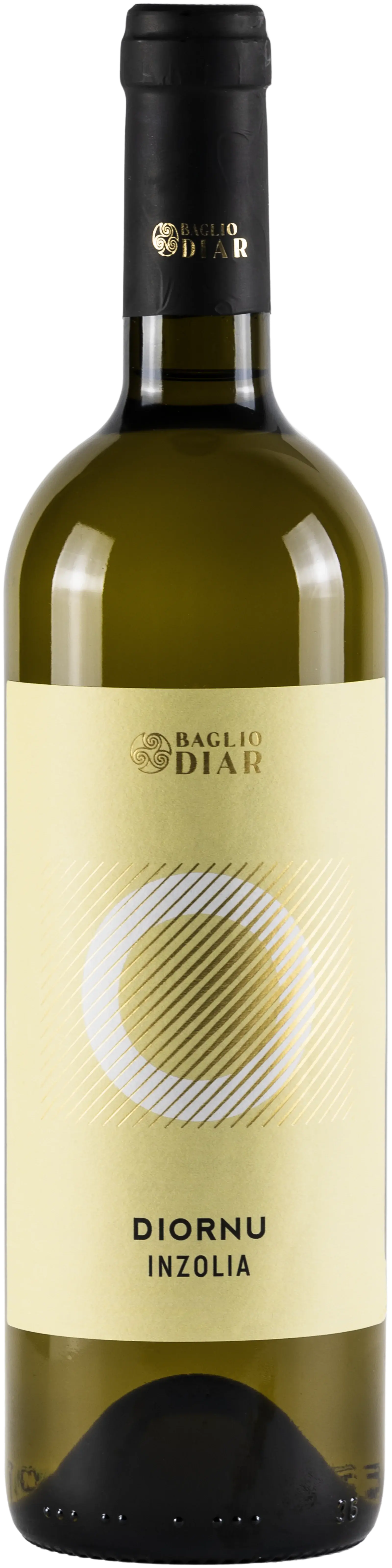
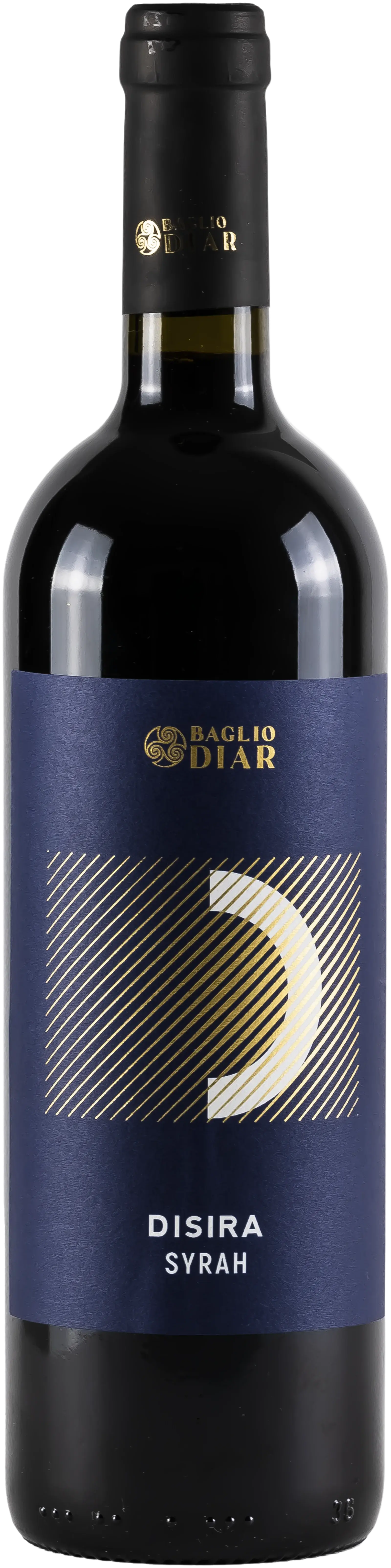
Sicilian winery located in Marsala born in the early ‘50s thanks to the dedication and commitment of the Di Girolamo’s family. Baglio Diar has conformed to certified organic production for 20 years to guarantee the quality and safeness of its products. In the vineyards are grown mainly native grapes and Baglio Diar respect the environment following sustainable practices. The bottles stand out by an exclusive design to represent the Sicilian culture also on the label. The most prestigious selection by Baglio Diar is called Wine Art and celebrates the combination between the Sicilian literature and the native vines of the island, thus the names and the graphics are inspired by the romances of Pirandello and Verga.
Mehr über Terroir
8 von 8 Weinen · 2 von 2 Weinpaketen
Baglio Diar liegt in Marsala, Sizilien, Italien.
Baglio Diar hat 8 Weine bei Free Grape Society: Rotweine, Weißweine und Roséweine. Zu den Rebsorten gehören Nero d'Avola, Grillo und Moscato. Außerdem gibt es 2 Weinpakete vom Weingut.
Ja. Sie bestellen über Free Grape Society direkt bei Baglio Diar, und der Wein wird Ihnen in Deutschland zugestellt.
Der Wein wird direkt von Baglio Diar (Italien) zu Ihnen in Deutschland verschickt, als eine nachverfolgbare Sendung ohne Zwischenlager. Die Lieferzeit hängt vom Standort des Weinguts ab und wird auf der Produktseite angezeigt.
Die Weine von Baglio Diar aus der Region Sizilien werden unter anderem aus Nero d'Avola, Grillo und Moscato hergestellt. Die Reben wachsen auf Kalkstein, Ton und Sand. Alle Weine bei Free Grape Society stammen aus ökologischem Anbau. Die Weine sind als DOC und IGT klassifiziert.
Baglio Diar ist ein Weingut in der Region Sizilien, Italien, gegründet 2018. Das Weingut umfasst 120 Hektar. Es produziert rund 80.000 Flaschen Wein im Jahr.
