Key grapes in Italian red wine
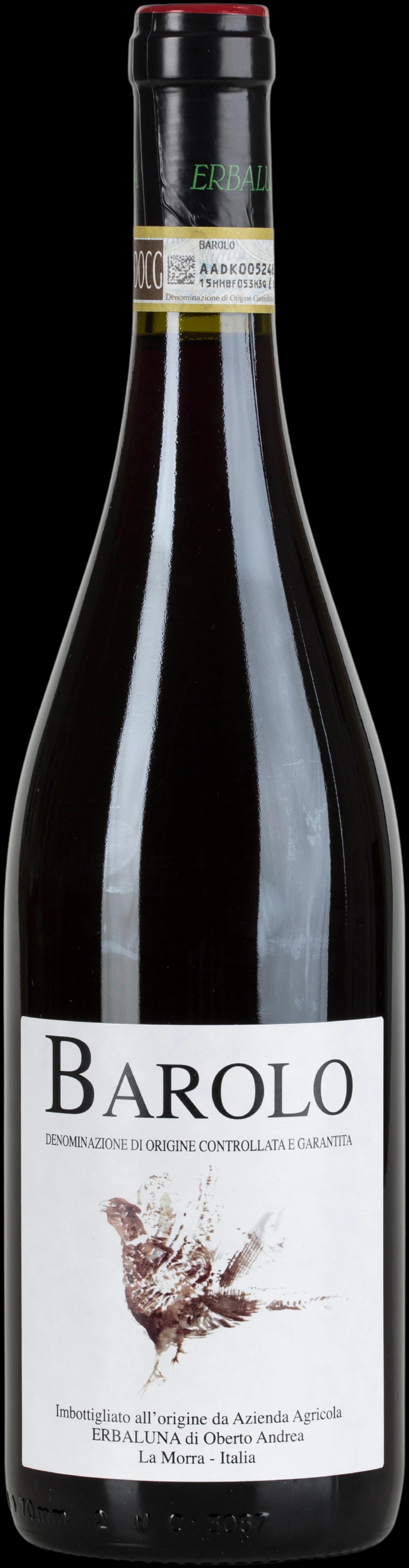
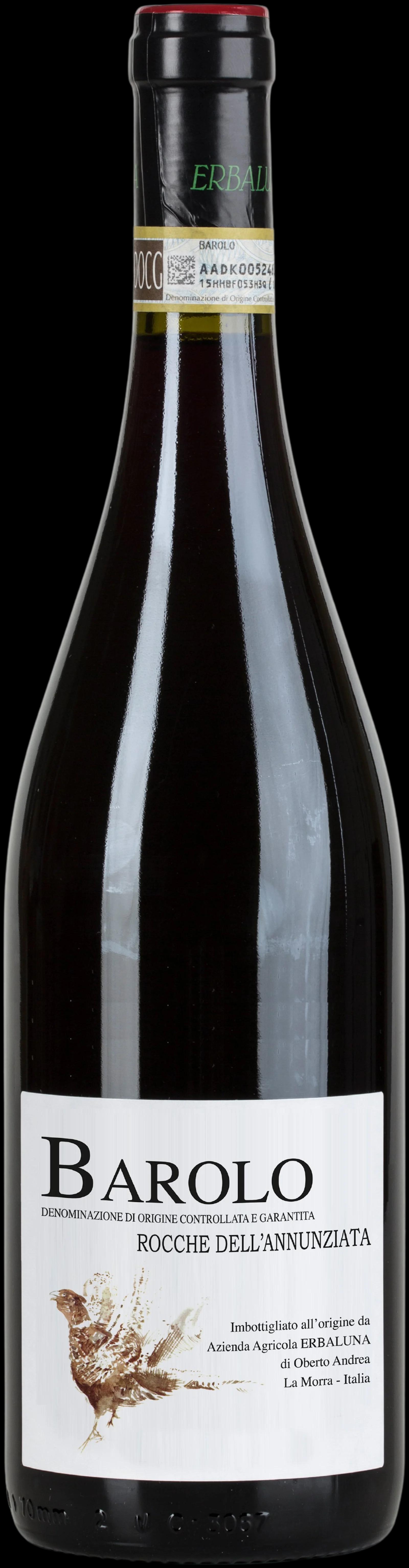
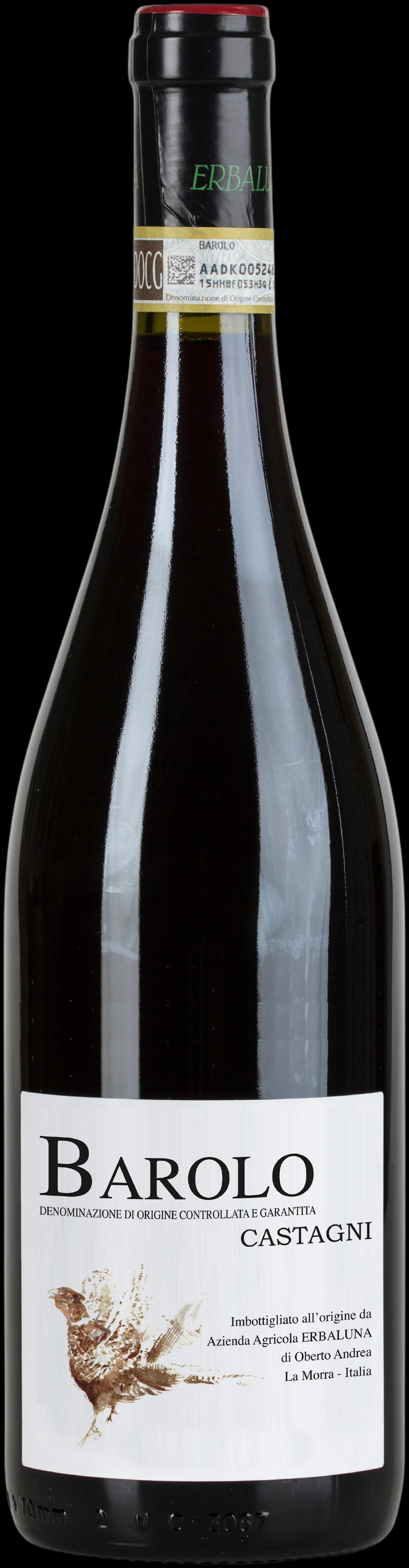
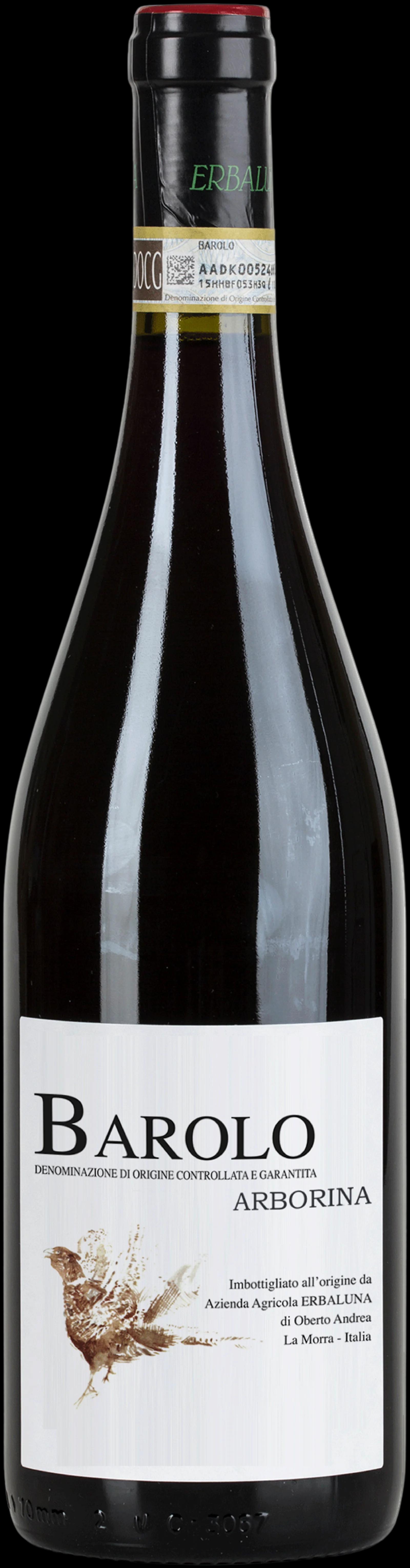
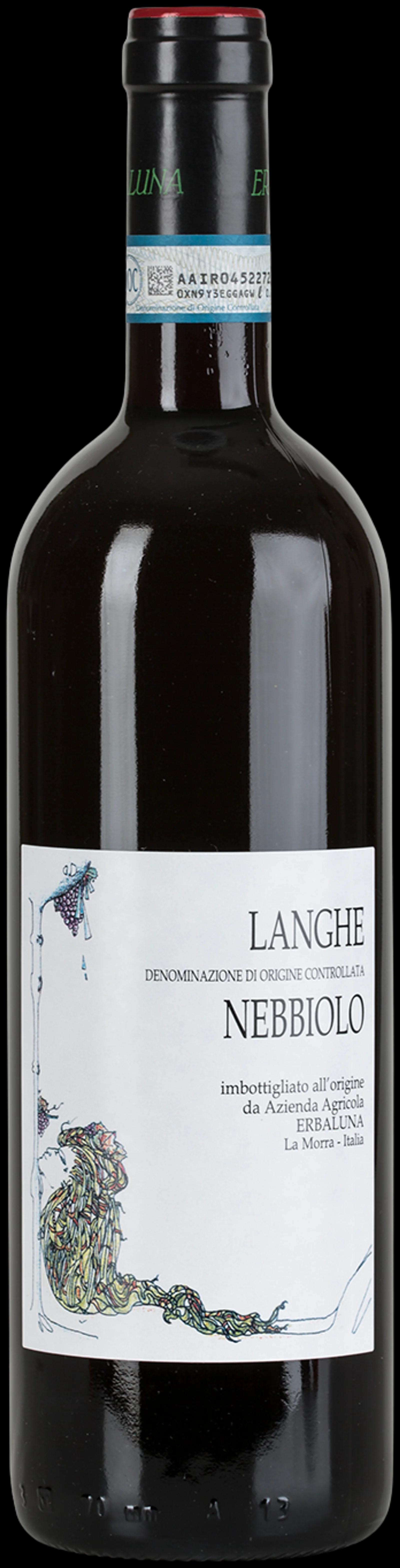
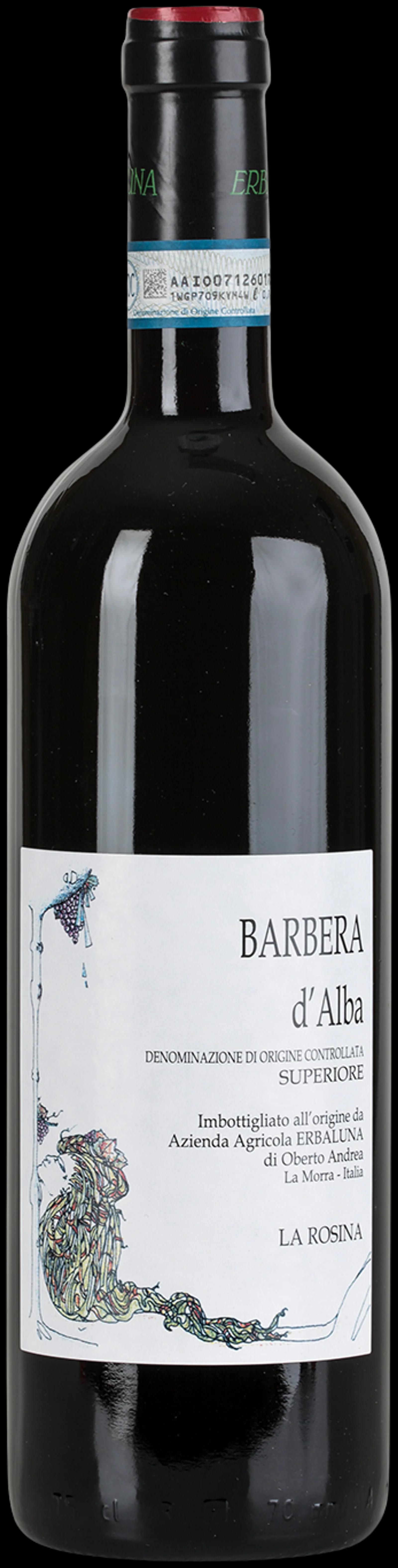
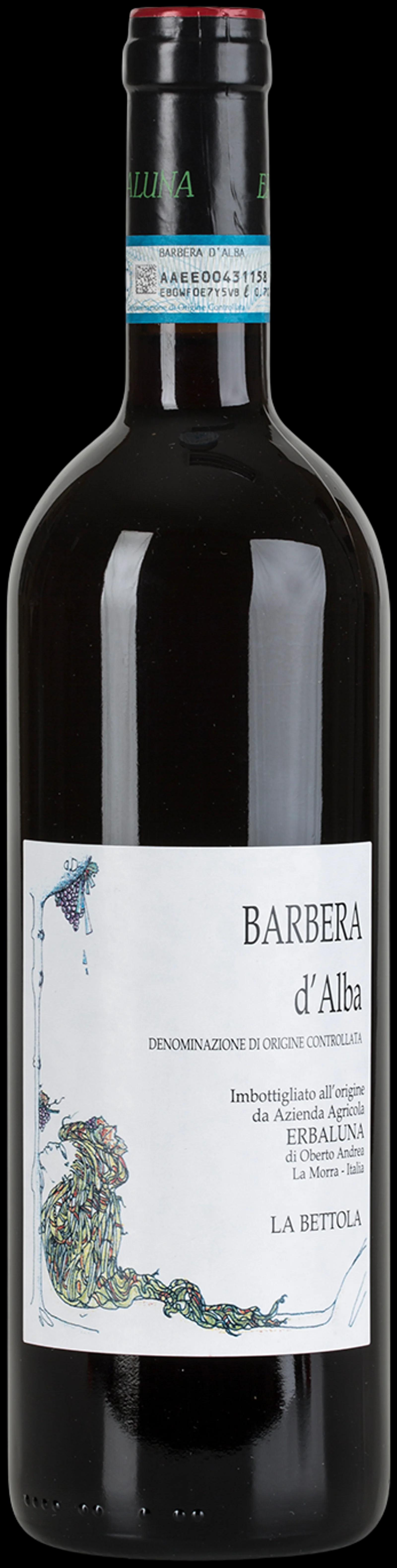
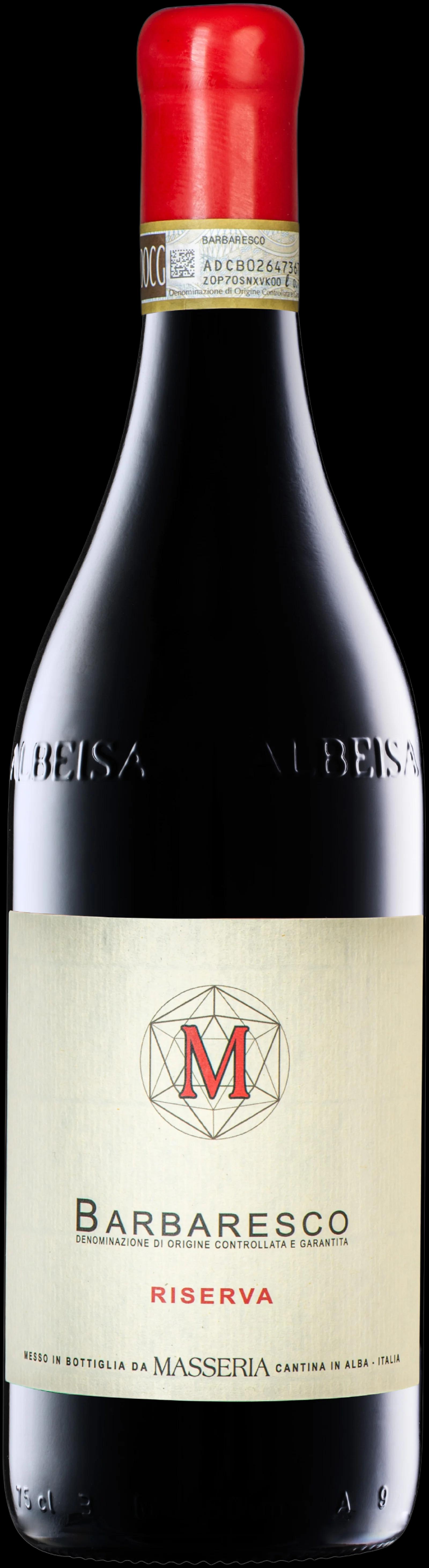
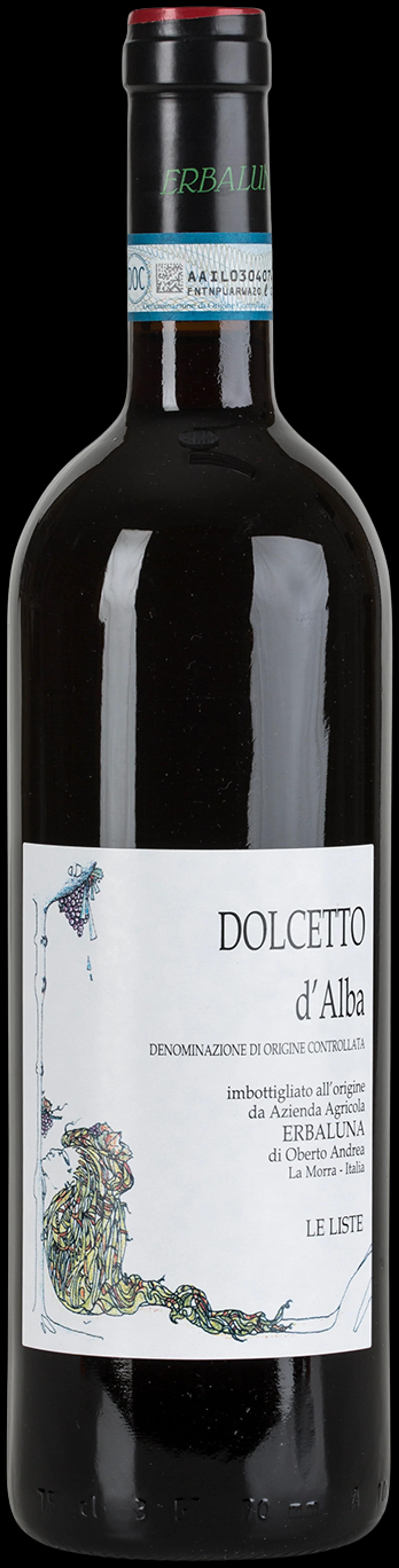
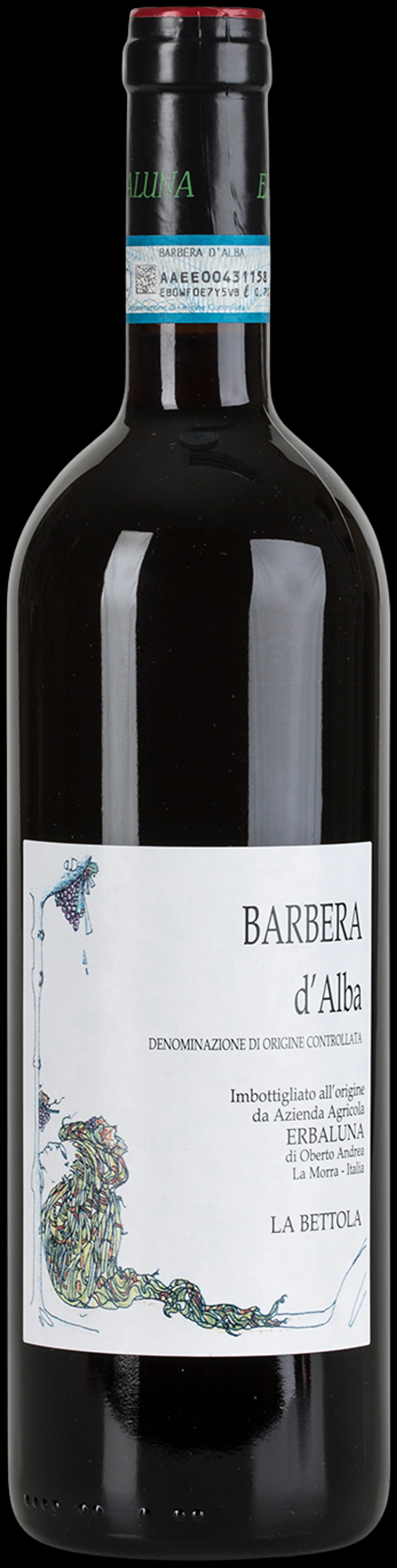
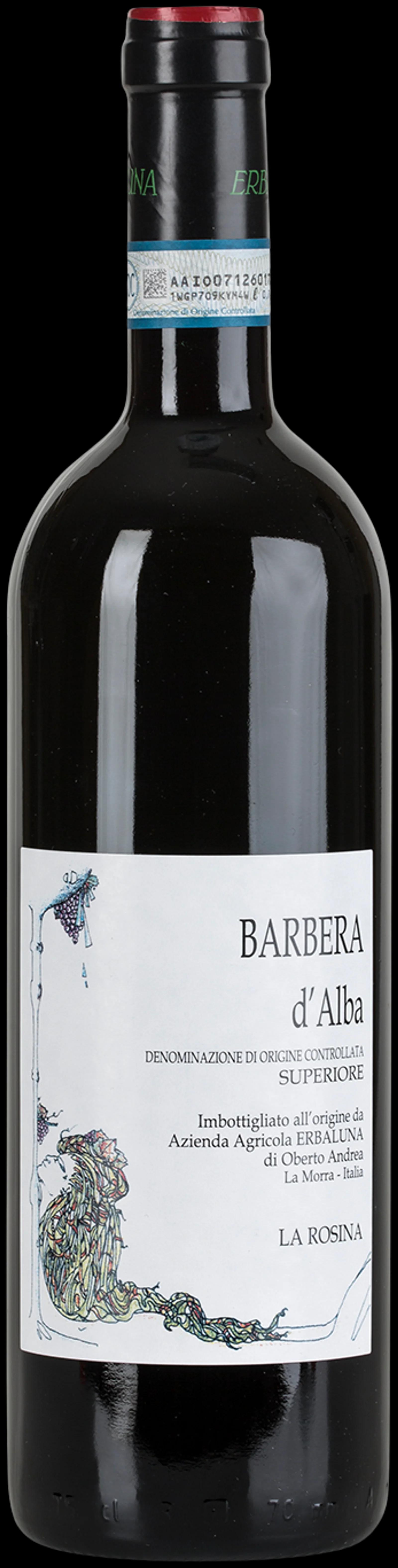
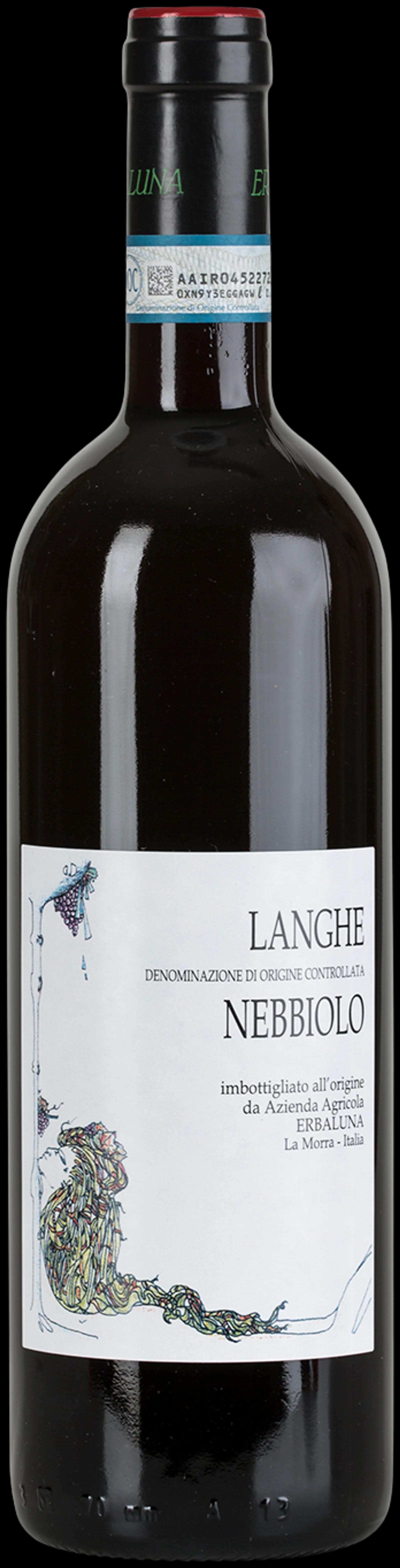
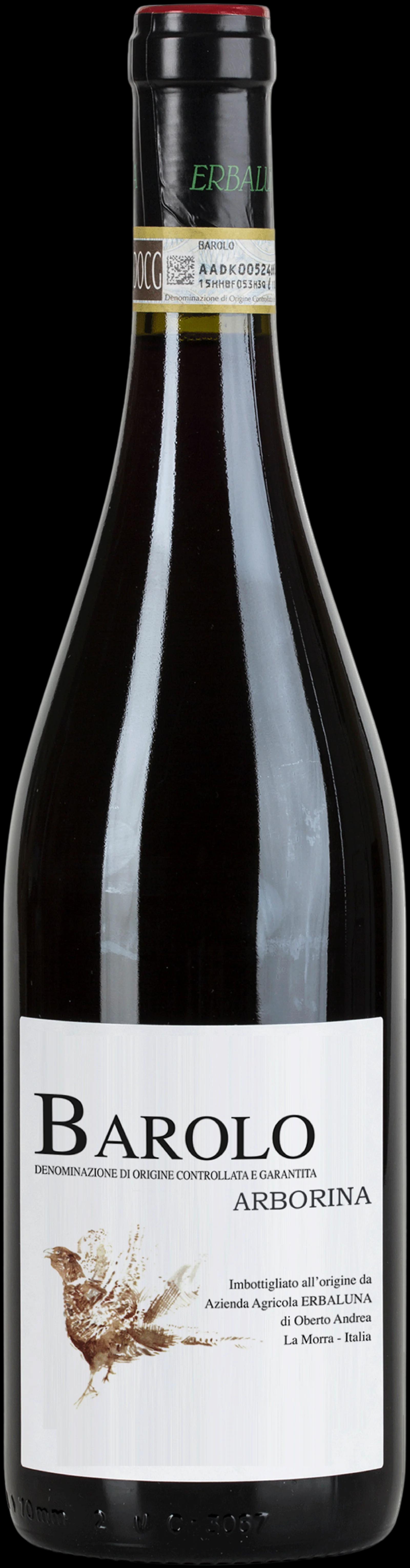
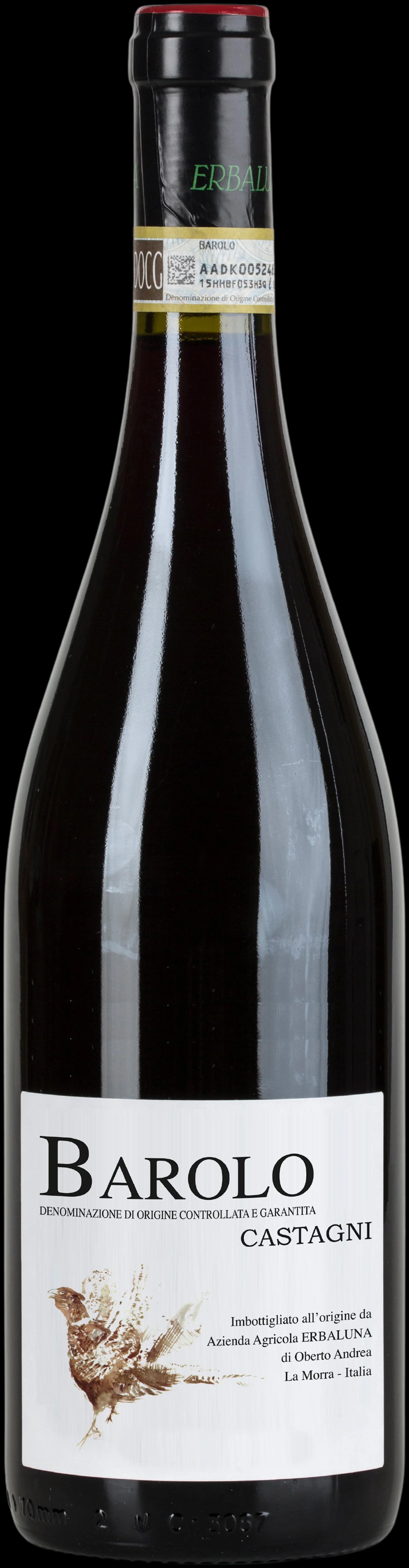
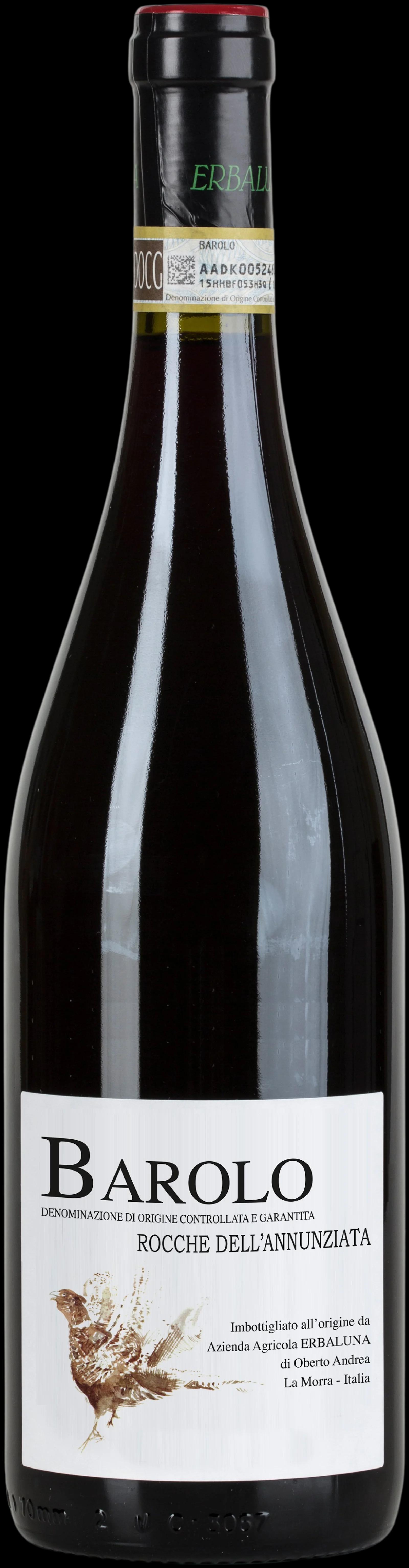
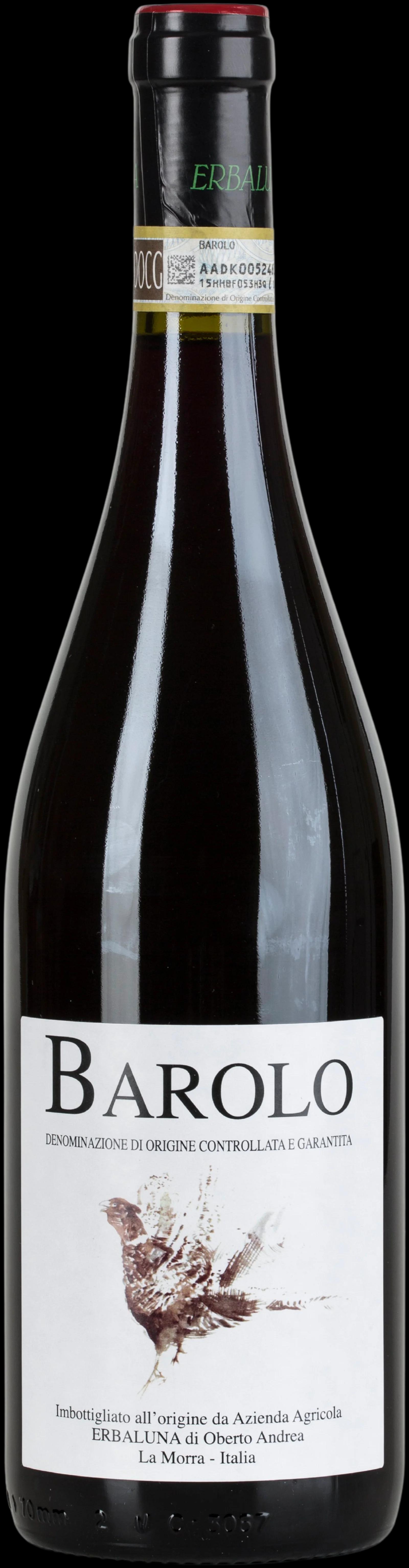
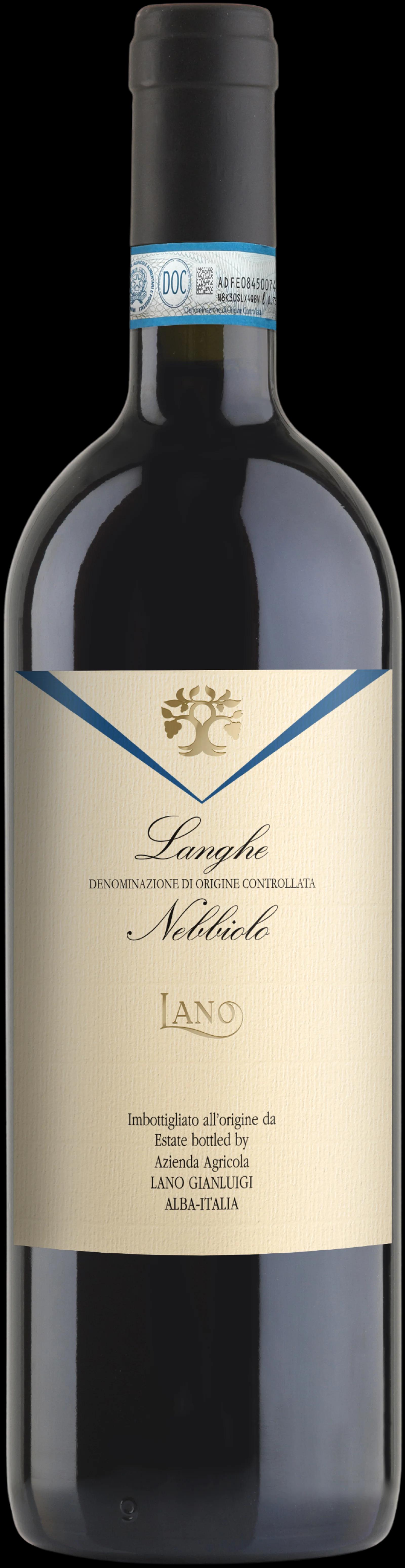
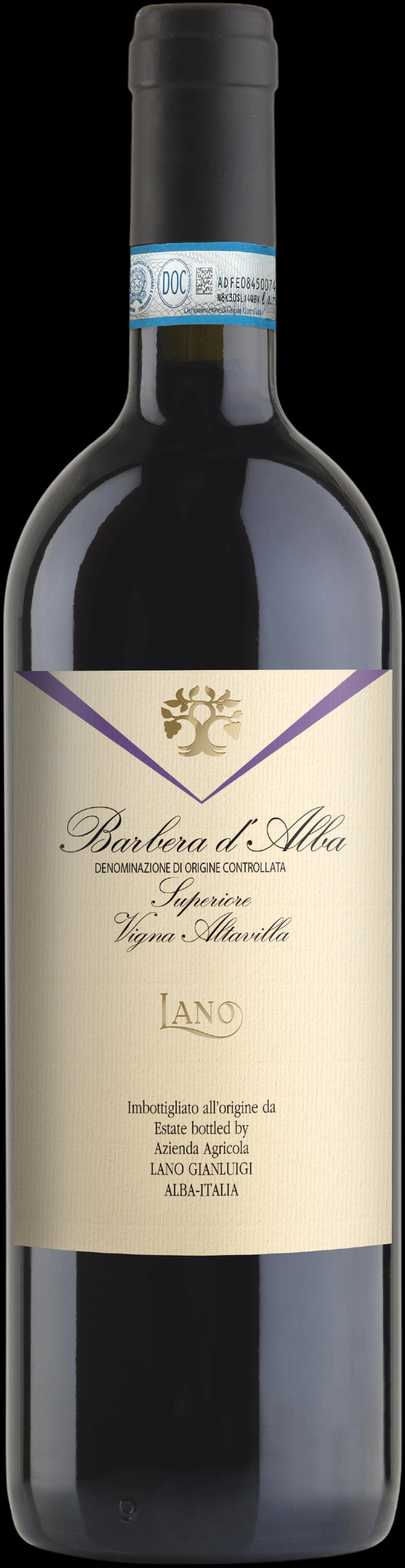
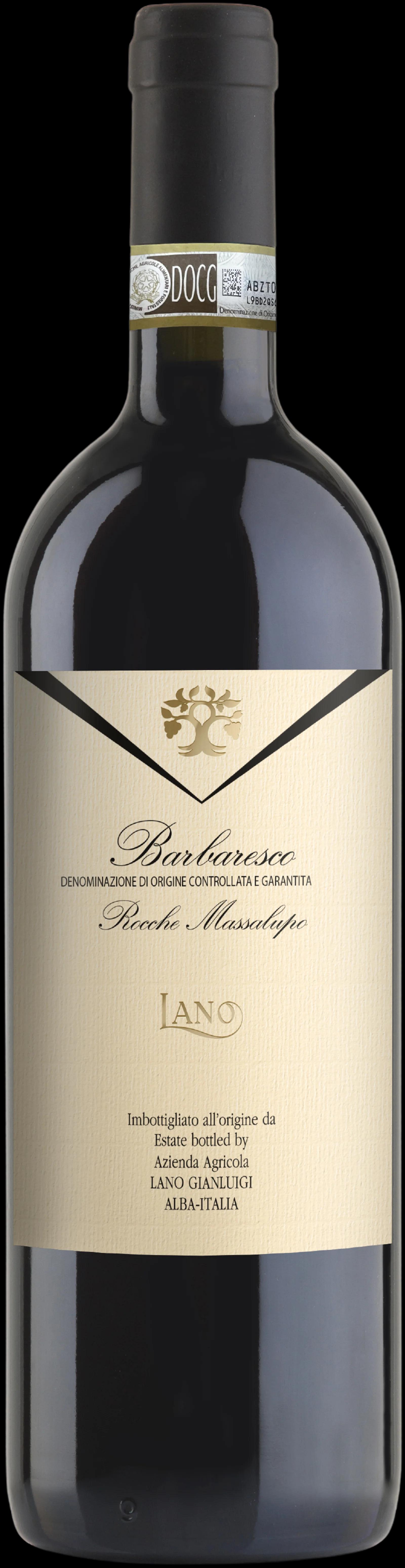
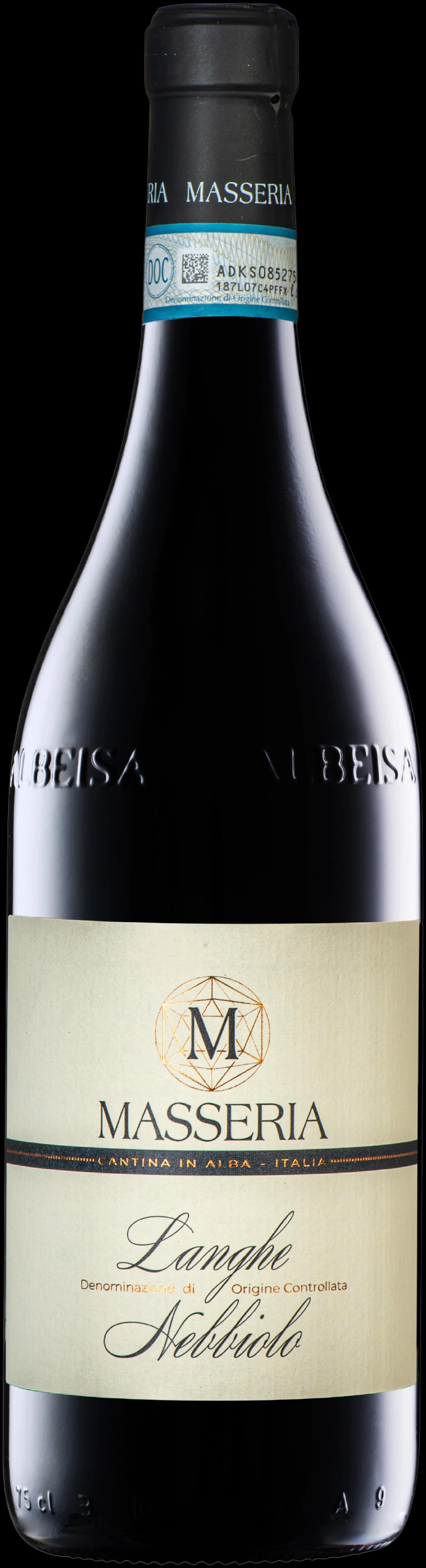
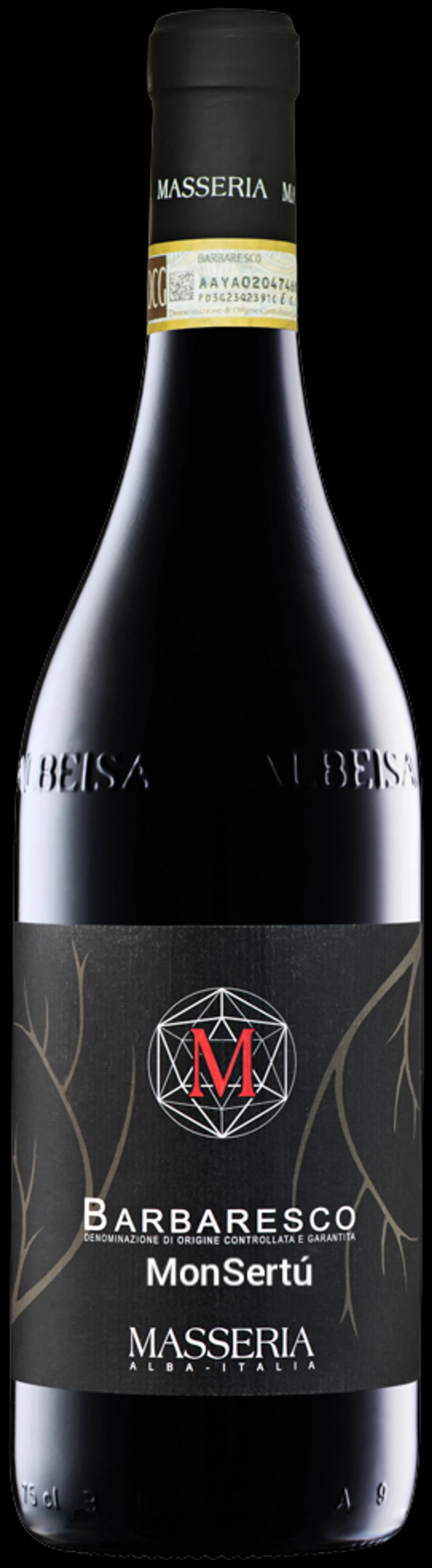
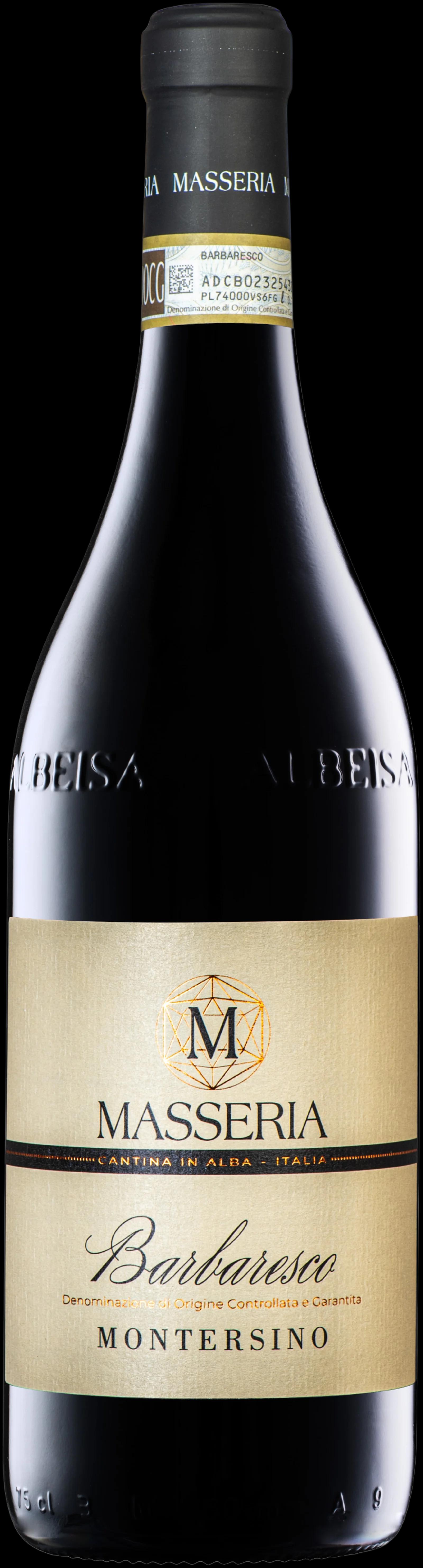
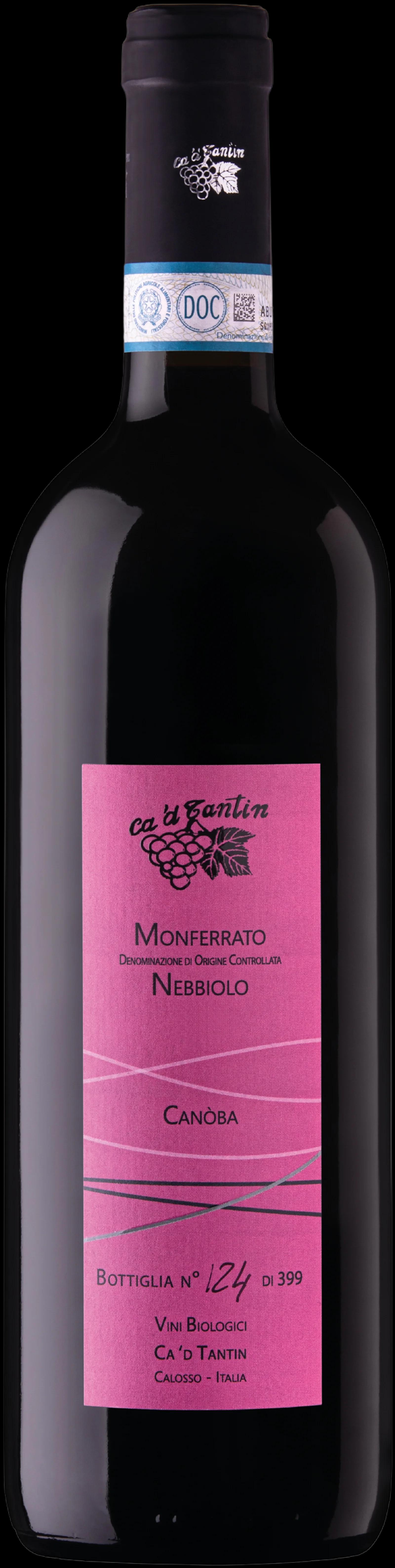
Sangiovese is the structural backbone of Italian red wine. It covers more vineyard land than any other red variety in Italy, and it expresses differently depending on where it grows: in Tuscany it tends toward high acidity and firm tannin, in Umbria it is often rounder and more immediately approachable. Nebbiolo operates at the other end of the spectrum — grown almost exclusively in Piedmont, it produces wines with some of the highest tannin and acid levels of any red grape in Europe. Barolo and Barbaresco, both Nebbiolo-based, require a minimum of three years ageing before release by law, five for Riserva. Barbera, also concentrated in Piedmont, offers the opposite profile: naturally low tannin and high acid, often vinified without oak to preserve fruit. In the south, Nero d'Avola from Sicily produces dark, structured reds on volcanic and clay soils that retain acidity despite average summer temperatures above 30°C.
Regional variation in Italian red wine
Italy's red wine regions do not share a common style. The Veneto produces more wine by volume than any other Italian region, but its most serious reds — Amarone della Valpolicella — are made from partially dried grapes, a process called appassimento that concentrates sugar and extract over 90 to 120 days post-harvest. The result is a wine that regularly exceeds 15% alcohol. In Tuscany, the dominant appellation structure ties producers to specific blending rules: Chianti Classico requires at least 80% Sangiovese, while Brunello di Montalcino must be 100%. Producers working outside those rules — often with international varieties like Cabernet Sauvignon or Merlot — release wines as IGT Toscana, a category with no mandatory variety requirements. Friuli Venezia Giulia is better known for whites, but its red production in the Collio and Colli Orientali zones shows how altitude moderates what would otherwise be too warm a climate for structured reds. Producers on Free Grape Society list directly. No importer, no wholesaler. The price you see is the price the producer agreed to.
How Italian red wine is made
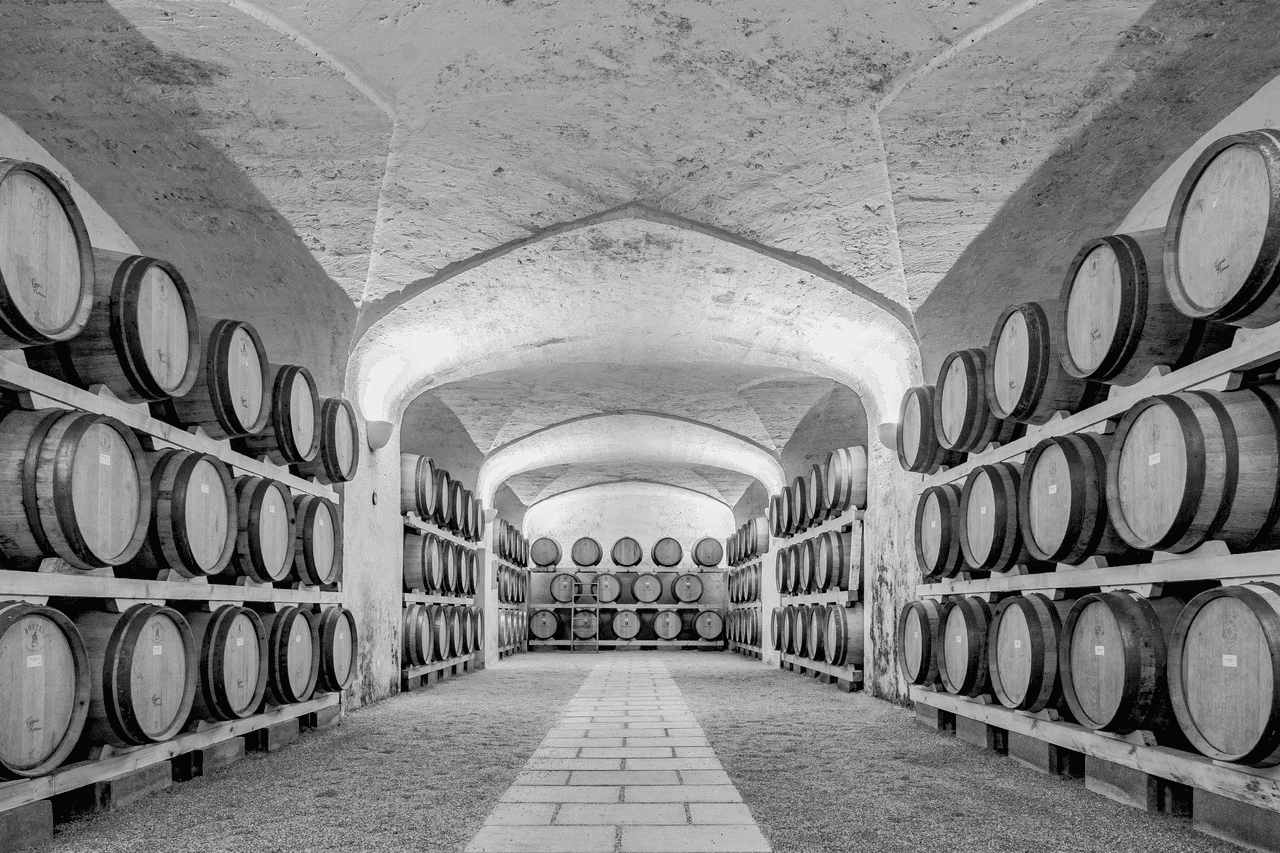
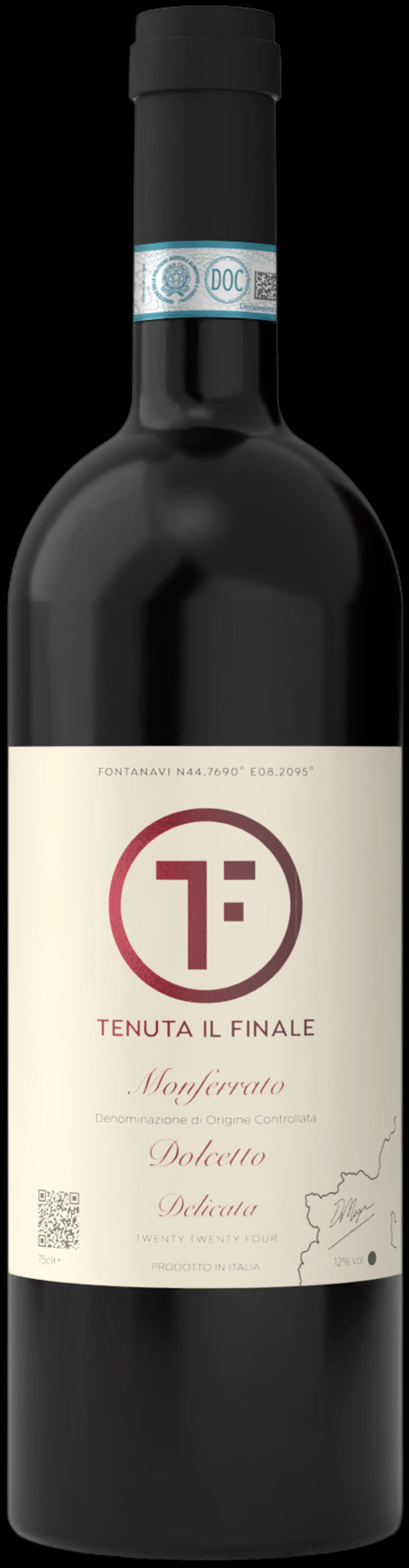
Production decisions in Italian red wine are shaped as much by regulation as by producer choice. Maceration length varies significantly: shorter macerations, common in everyday Barbera or lighter Sangiovese, extract less tannin and produce earlier-drinking wines. Extended maceration — used for Barolo and Amarone — builds extraction and demands years of barrel and bottle ageing before the tannins integrate. Oak use is contested. Traditional Barolo producers age in large Slavonian oak casks (10–50 hectolitres) for up to three years. Modernist producers use smaller French barriques (225 litres) for 12–18 months, producing wines with finer-grained tannin and more immediate accessibility. Both approaches are legal within the appellation. Across all Italian red wines, the DOC and DOCG systems define minimum ageing, maximum yields, and permitted varieties — but they do not guarantee quality at the producer level. Independent wine experts on Free Grape Society rate and review individual wines, which is a more reliable signal than appellation status alone. For comparison, red wines from Spain or red wines from France operate under similarly tiered systems, but with different grape varieties and different production benchmarks.