Where Nebbiolo comes from and how region shapes it
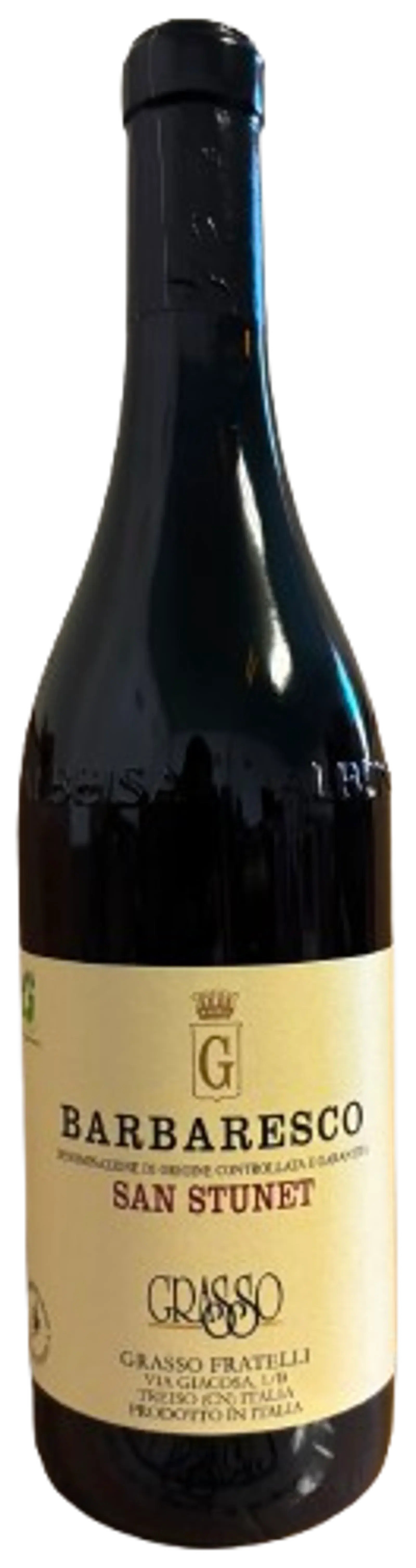
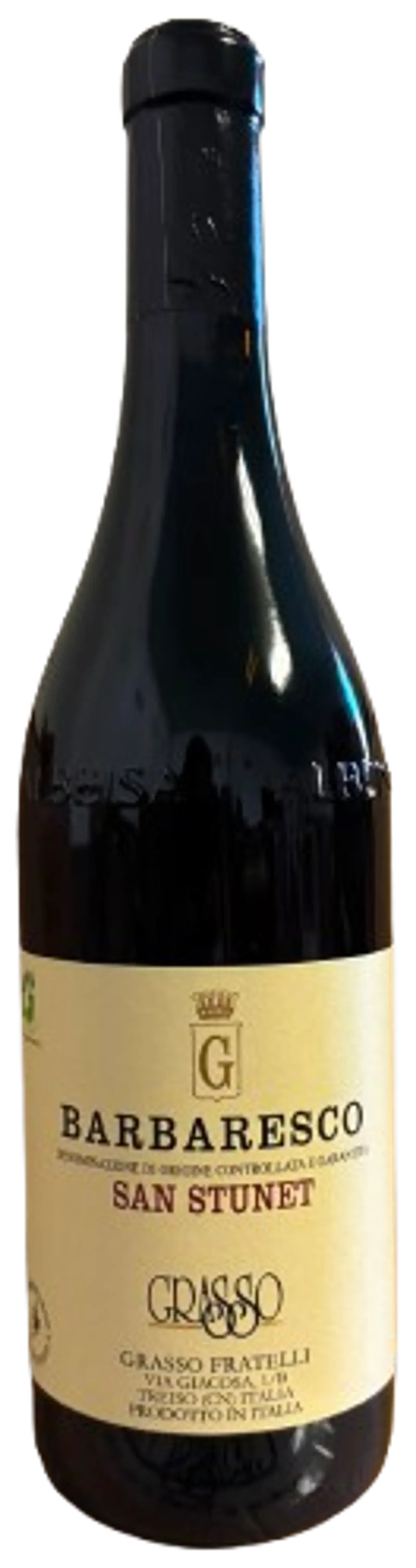
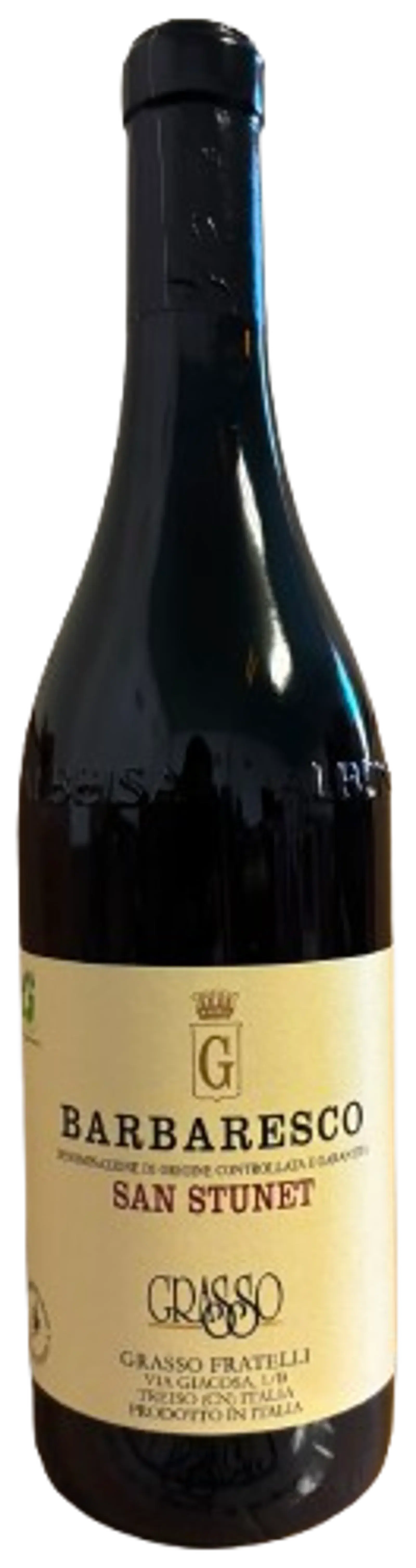
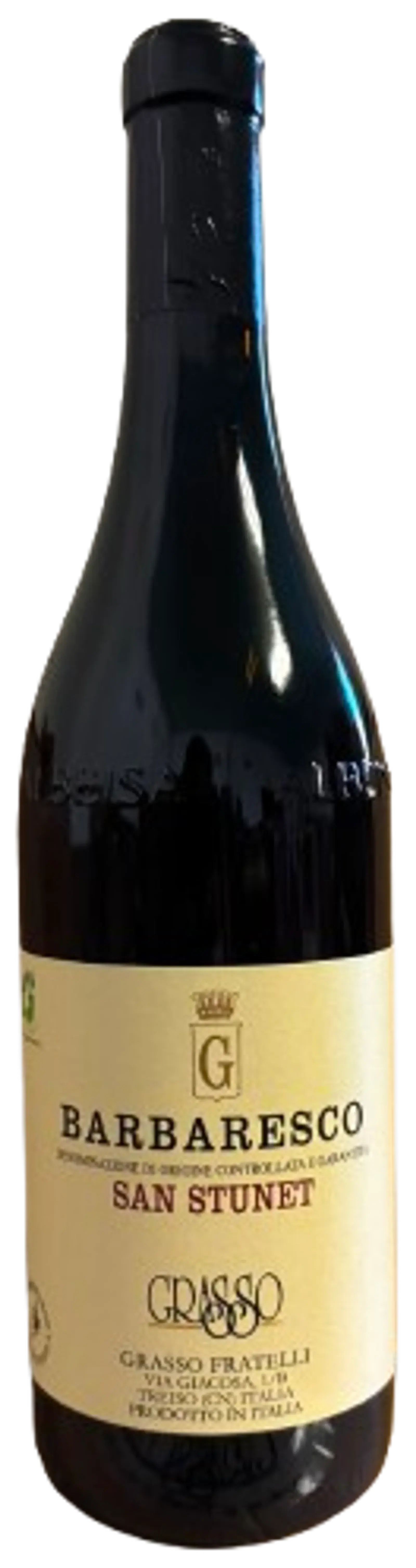
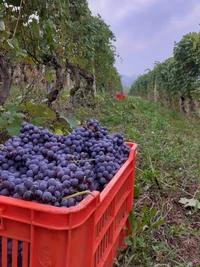
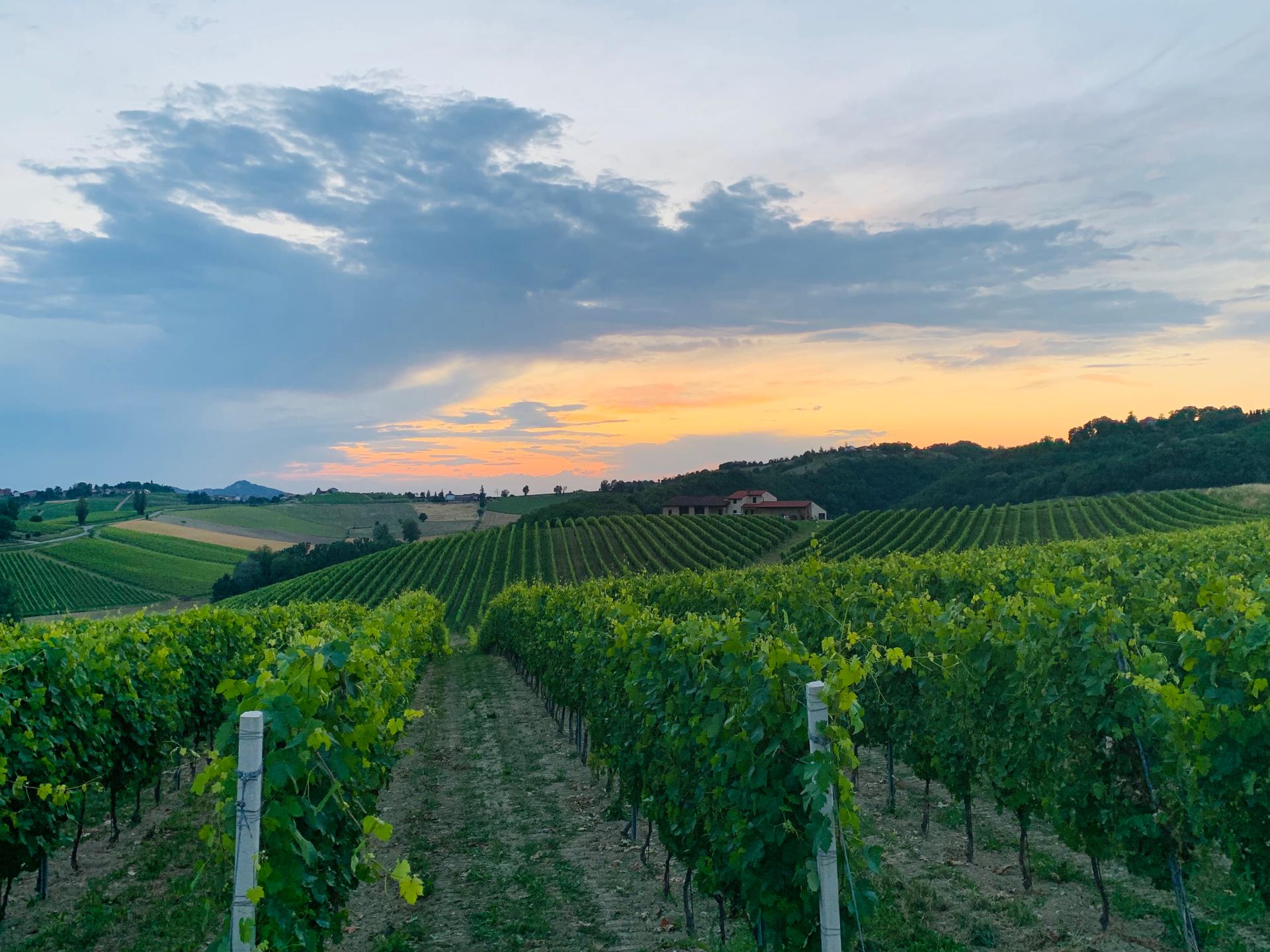
Nebbiolo is one of the oldest documented grape varieties in northern Italy, with records placing it in Piedmont as far back as the thirteenth century. Its name is thought to derive from the Italian word for fog, *nebbia*, a reference to the thick autumn mists that settle over the Langhe hills during harvest. The grape is extraordinarily sensitive to site: even within Piedmont, a few hundred metres of altitude or a shift in soil composition can mean the difference between a wine of delicate perfume and one of concentrated, almost austere structure. In its heartland, Nebbiolo produces Barolo and Barbaresco, two of Italy's most age-worthy appellations, where the grape's natural high acidity and firm tannin demand years in the bottle before they soften into something approachable. Move north into the hills of Gattinara or Ghemme, and the wines shift again: lighter in colour, more aromatic, shaped by different soils and a cooler microclimate. Outside Piedmont, Nebbiolo is grown in Lombardy's Valtellina, where steep Alpine terraces produce wines of real elegance, and in Trentino-South Tyrol, where altitude stretches the growing season and sharpens the grape's natural acidity further still.
How Nebbiolo tastes, and what to drink it with
Nebbiolo's colour can deceive: the wine pours pale garnet, often with an orange-brick rim even in relative youth, yet the structure underneath is anything but delicate. High tannin, high acidity, and firm alcohol are the grape's calling cards, alongside a distinctive aromatic profile that moves from dried rose petals and tar in younger wines toward leather, tobacco, liquorice, and dried cherry as they age. This is not a grape built for early drinking, and the independent producers on this page mostly work with it in that spirit — giving it time in wood and bottle before release. At the table, Nebbiolo's tannin and acidity make it a natural companion to rich, slow-cooked meat dishes: braised beef, osso buco, hare, and aged hard cheeses are all classic pairings in Piedmont. The tannin acts as a structural counterweight to fat and protein, and the acidity cuts through richness cleanly. If you are new to the grape, a wine from a producer outside the main Barolo and Barbaresco appellations — Gattinara or a Langhe Nebbiolo — is often an accessible starting point, less structured and ready to drink sooner, while still carrying the variety's signature character.
Buying Nebbiolo wine direct from independent producers
Nebbiolo is one of the few grapes where the name of the producer matters as much as the appellation on the label. Winemaking choices — how long the wine spends on its skins, the size and age of the barrels used, how early or late the grapes are picked — have an enormous influence on the finished wine, and two bottles from neighbouring vineyards in the same appellation can taste worlds apart. The producers working with Nebbiolo on Free Grape Society are independent growers who make their own decisions at every step and ship directly from their own cellar, with no importer or warehouse in between. That means fresher stock, full traceability back to the source, and pricing that reflects the producer's own choices rather than a chain of intermediaries. Wines tasted before listing are a baseline on Free Grape Society, so you can read reviews grounded in the actual bottles rather than press releases. If you want to explore beyond Piedmont's best-known appellations, the Lombardy and Trentino-South Tyrol pages are worth a look alongside the main Italian wines catalogue, and if you are interested in how Nebbiolo sits within the broader family of Italian reds, Sangiovese, Barbera, and Aglianico are all varieties with similarly serious structures and long ageing potential. Free Grape Society is a society of producers, independent experts and wine lovers, not a shop.