


Certified trade and labour terms: fair trade wines from independent growers

Fair trade certification sets minimum prices, a producer premium, and labour and environmental standards behind the wine — governing the terms, not the taste. Each bottle ships directly from the producer's own cellar.

Carried by certified independent estates across South Africa, Chile, and Argentina

Color

Dropdown arrow

Type

Dropdown arrow

Country

Dropdown arrow

Region

Dropdown arrow

Grape

Dropdown arrow

Pairing

Dropdown arrow

Sort by

Sort arrow
Fair Trade

Fair trade wines

Fair trade certification is a third-party standard, not a style or a flavour promise. Schemes audit minimum prices paid to growers, a producer premium reinvested in the community, and labour and environmental conditions at the estate. The certification governs the terms behind the wine — who gets paid, how much, and under what conditions. What ends up in the glass still comes down to grape variety, site, vintage, and the decisions made in the cellar.

Showing 1–33 of 45 wines

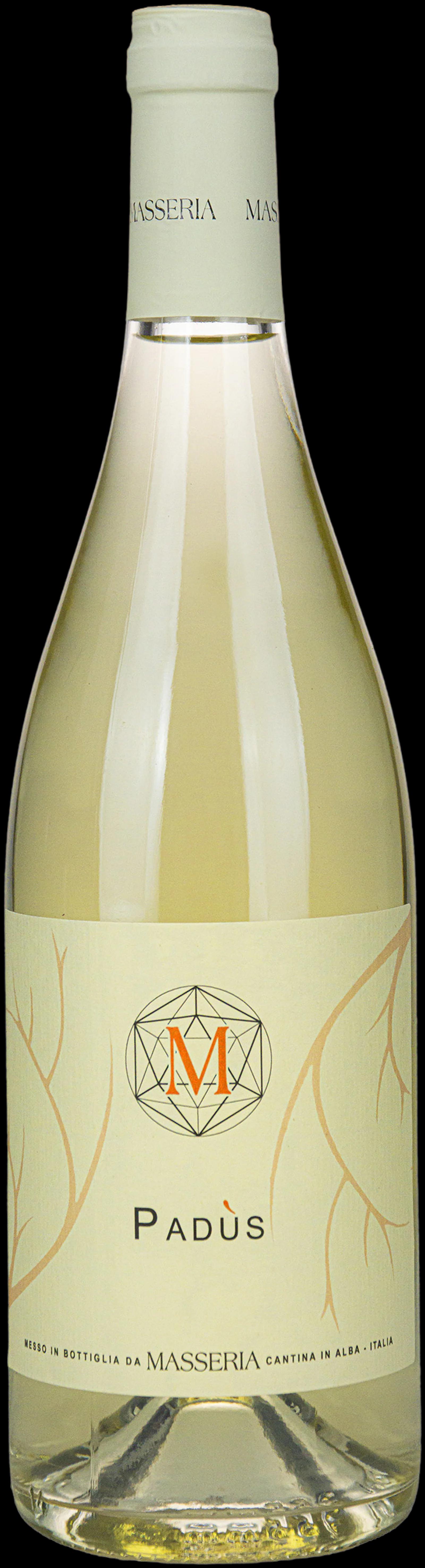
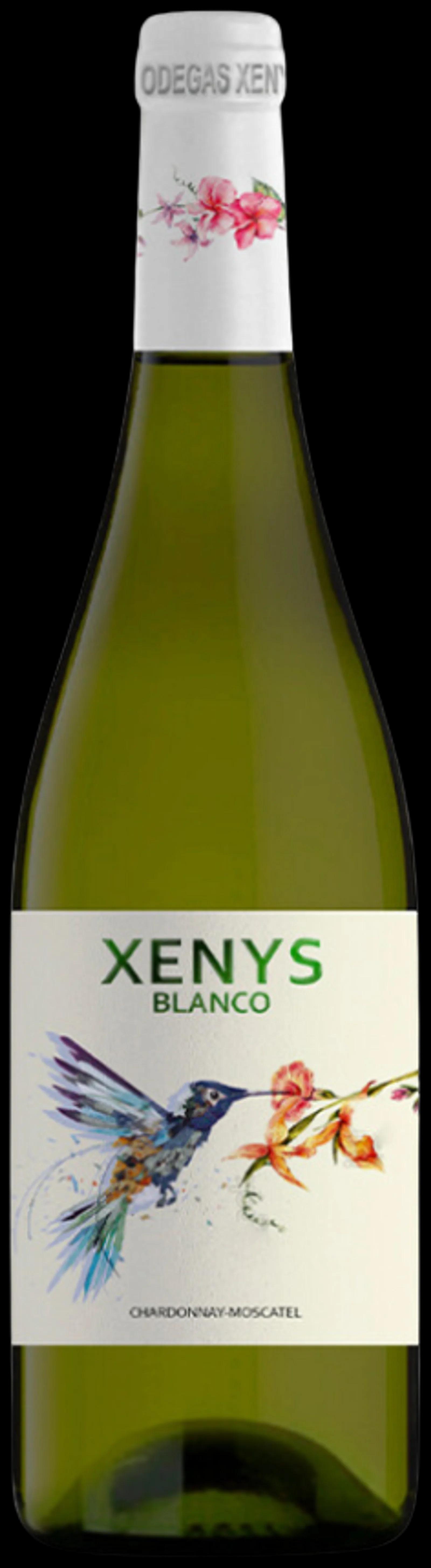
Spontaneous spring aromas, with the intensity of peach blossom and hints of wildflower honey. Notes of ripe citrus and dandelion. A smooth, fresh palate with subtle hints of sage and eucalyptus. A harmonious accompaniment at any time of day. Ideal for restaurants.
Umberto Galli Zugaro, independent wine expertUmberto Galli ZugaroWine Expert · 1 ratings
Previous1 of 2Next

Fair trade wine cases

The certified estates represented here work mostly in regions where fair trade schemes have the deepest roots — [South Africa](/SE/en/all-wineries/), [Chile and Argentina](/SE/en/all-wineries/) among them, alongside smaller certified operations in parts of Europe. Styles run from light, aromatic whites through to full-bodied reds. On Free Grape Society, wines are tasted before listing. The producer ships each bottle directly from their own cellar, with no importer, agent, or warehouse in between.

View all mixboxes

Fair trade producers

Independent wine experts on Free Grape Society rate and review wines they have personally tasted — posting their scores, tasting notes, and track records transparently on each wine and profile page. Several of the experts below have reviewed wines featured on this page. They do not select which wines are listed; that is a separate process. Free Grape Society is a society of producers, independent experts, and wine lovers — not a shop.

View all wineries

Wine experts

Finding the right fair trade wine works the same way as finding any wine: start with colour and style, then look at region and grape. A certified Sauvignon Blanc from the Western Cape will read differently from a certified Malbec from Mendoza — the certification is shared, the wines are not. Use the filters to narrow by [colour](/SE/en/wines/), [grape](/SE/en/wines/), or [country](/SE/en/wines/) and read the tasting notes before you decide.

View all wine experts

Frequently asked questions

How do I order fair trade wine, and what is included?

Browse the fair trade wines on this page, add bottles to your order, and check out. Each bottle ships directly from the producer's own cellar to your door — no warehouse stop in between. Delivery typically takes eight to nine days, though the range runs from four to fourteen depending on the producer's location and your address. Shipping costs and any applicable taxes are shown at checkout before you confirm.

What happens if a bottle arrives broken or doesn't taste right?

Send a photo to Free Grape Society customer support within 7 days of delivery. We will arrange a replacement or a refund. Because producers ship directly, quality issues are handled with the producer's direct involvement. Shared responsibility is built into how FGS works.

Can I order fair trade wine as a gift or have it sent to a different address?

Yes. At checkout you can enter a delivery address that differs from your billing address, making it straightforward to send fair trade wines as a gift. The bottle ships directly from the producer, so the origin and care behind the wine travel with it. If you want to add a personal note or are unsure which bottle would suit, use the wine expert form on the page.

How long does delivery take?

Average delivery is 8 to 9 days from order to door. The full range is 4 to 14 days depending on the producer's location and your delivery address. Wines ship directly from the producer's cellar, not from a central warehouse.

How does the fair trade wine selection work, and how do I find the right bottle?

The fair trade wines here come from certified independent producers — estates that have been audited against a third-party standard covering price, labour, and environmental conditions. Within that, styles vary considerably. Use the filters to narrow by colour, grape, or country, then read the tasting notes. Wines are tasted before listing, so every tasting note reflects actual palate experience, not label copy.

What is the difference between fair trade wine and organic or biodynamic wine?

Fair trade certification covers trade and labour terms — minimum prices, a producer premium, working conditions, and environmental standards in the supply chain. Organic and biodynamic certifications cover how the grapes are grown, specifically what can and cannot be used in the vineyard. A wine can hold more than one certification, but each addresses a different part of the production and commercial chain. You can explore organic and biodynamic wines separately using the certification filters.

Which fair trade wine expert can recommend something for me?

Fill in the form on this page — 'Ask a wine expert' — and an independent expert will respond with a personal recommendation based on what you tell them: your taste, the occasion, your budget. The experts post their reviews and track records publicly so you can read their notes before you ask. There is no charge for using the form.

Why don't you sell supermarket-brand fair trade wines?

Free Grape Society lists wines from independent producers who set their own ex-works price and ship directly from their own cellar. Supermarket-branded wines are typically produced under contract at scale and pass through multiple intermediaries before they reach the shelf. The fair trade wines here are estate-produced, certified at source, and shipped without an importer or warehouse in between.

Can I find fair trade wines that aren't available in European retail?

Many of the certified producers here do not export through conventional retail channels in Europe — they sell directly through platforms like Free Grape Society or to on-trade buyers in their home markets. That means some of the bottles on this page are not stocked in wine shops or supermarkets in Sweden or elsewhere in the EU, which is part of what the direct model makes possible.

What fair trade certification means for wine

Fair trade is a third-party certification that governs the commercial and working terms behind a wine, not what it tastes like. Certification schemes set a minimum floor price that producers receive regardless of market fluctuations, pay a producer premium into a community fund controlled by the growers themselves, and audit labour conditions and environmental practices on the estate. The certification is issued by independent bodies after site visits and documentation reviews — it is not self-declared.

The certification is most common on wines from South Africa, Chile, and Argentina, where smallholder and cooperative structures align with the scheme's intent, though certified estates exist in Europe too. What the label tells you is something about how the people who grew the grapes were treated and paid. It tells you nothing direct about the grape variety, the region's climate, or how the wine was made in the cellar — a fair trade Garnacha and a conventional one can be identical in style and quality.

Fair trade certification is also distinct from how Free Grape Society itself works. The two are independent things: a wine can carry fair trade certification and ship directly from the producer, or neither, or only one.

Which producers carry fair trade wine

Fair trade certified estates tend to be cooperatives or larger family operations in regions where certification infrastructure exists. South Africa has the densest concentration of certified wine producers, partly because the schemes were developed partly in response to post-apartheid labour reform goals. Certified estates there are audited on wages, working hours, housing, and community investment alongside the price floor.

In Europe, certified producers are less common but present, particularly in Spain and Portugal. The wines on Free Grape Society carrying this certification ship directly from their own cellars — the producer sets their own ex-works price, and the wine travels from that cellar to your door with no importer warehouse in between. You can browse the full range of fair trade wines or explore by region, starting with Italian producers or French producers if you want to compare styles alongside certified options.

How to choose a fair trade wine

Choosing a fair trade wine works the same way as choosing any other: start with the grape and the region, then the style and occasion. The certification sits alongside those decisions, not above them.

If you want a structured red, look at certified estates working with Tempranillo in Rioja or Sangiovese in Tuscany. For lighter reds, Garnacha from Aragon or Grenache Noir from the Rhône Valley can offer more freshness and less weight. For whites, Sauvignon Blanc and Chardonnay are the most widely certified varieties internationally.

Wines tasted before listing — the fair trade label is one dimension of a wine; the tasting note and the producer's own account of how the wine was made are the others. Free Grape Society is a society of producers, independent experts and wine lovers, not a shop, and the range here reflects growers who have chosen to be part of it on their own terms. You can also explore vegan wines, organic wines, or biodynamic wines if certification is part of how you make your selection.