Biodynamic estates: organic farming run as a single living system, from independent growers

Biodynamic wine starts from organic farming and goes further, treating the whole estate as one closed system — vineyard, soil and seasonal rhythms together. Style still depends on grape, site and vintage. Each bottle ships directly from the producer's cellar.

Pioneered by certified estates across Alsace, the Loire Valley, Tuscany and Burgenland

Color

Dropdown arrow

Type

Dropdown arrow

Country

Dropdown arrow

Region

Dropdown arrow

Grape

Dropdown arrow

Pairing

Dropdown arrow

Sort by

Sort arrow
Biodynamic

Biodynamic wines

Biodynamic growing builds on organic farming and takes it further. The whole estate is treated as a single system: soil health, cover crops, livestock where present, and the vineyard are managed together rather than in isolation. Growers follow a seasonal calendar and apply specific preparations made from plant, mineral and animal materials. Certification comes from private bodies — Demeter is the most widely recognised — rather than from EU organic rules alone. It is a farming framework, not a flavour profile. Style comes from the grape, the site, and the choices made in the cellar.

Showing 34–66 of 86 wines

Biodynamic wine cases

Biodynamic certification requires that the entire farm operates under the framework, not just the vineyard block used for a single wine. That means a producer holding Demeter certification has committed the whole estate. Alsace has a long history of biodynamic estates, as do parts of the Loire Valley, Tuscany, and Burgenland in Austria. On Free Grape Society, wines tasted before listing ship directly from the producer's own cellar, with no importer or warehouse in between.

View all mixboxes

Biodynamic producers

Independent wine experts review wines they have personally tasted. Several of the experts on this page have reviewed biodynamic wines from producers listed here. Their notes sit on the individual wine and producer pages. Free Grape Society is a society of producers, independent experts and wine lovers, not a shop — expert reviews inform, not gate, what appears in the catalogue.

View all wineries

Wine experts

Biodynamic and organic are related but distinct. A biodynamic wine must meet organic standards in the vineyard — synthetic pesticides, herbicides and fertilisers are excluded in both — but biodynamic adds the closed-farm approach, the seasonal calendar, and the specific preparations that organic certification does not require. A wine labelled organic is not automatically biodynamic. Some producers hold both certifications; others hold only one. If certification matters to you, check the producer page for the specific bodies listed.

View all wine experts

Frequently asked questions

How do I order biodynamic wine on Free Grape Society?

Browse the biodynamic wines listed on this page, select the bottles you want, and complete your order. The producer ships directly from their own cellar to your door — no importer or intermediary warehouse involved. Delivery averages eight to nine days, with a range of four to fourteen depending on the producer's location and your address. You receive a shipping confirmation when the order leaves the cellar.

What happens if a bottle arrives broken or doesn't taste right?

Send a photo to Free Grape Society customer support within 7 days of delivery. We will arrange a replacement or a refund. Because producers ship directly, quality issues are handled with the producer's direct involvement. Shared responsibility is built into how FGS works.

Do biodynamic wines cost more than conventional ones on Free Grape Society?

Price reflects the producer's own ex-works price plus shipping and applicable tax — the same structure as every wine on the platform. Biodynamic certification adds cost at the farm level, which some producers pass through and others absorb. The range on this page spans different price points. Check individual wine pages for full pricing before ordering.

How long does delivery take?

Average delivery is 8 to 9 days from order to door. The full range is 4 to 14 days depending on the producer's location and your delivery address. Wines ship directly from the producer's cellar, not from a central warehouse.

How do I find the right biodynamic wine for me?

Filter by region, grape, or colour using the options on this page. Biodynamic is a farming practice, not a taste category — a biodynamic Pinot Noir from Alsace and a biodynamic Garnacha from Aragon are shaped first by their grape and site. If you want a recommendation based on your own palate, use the wine expert form to ask a question directly.
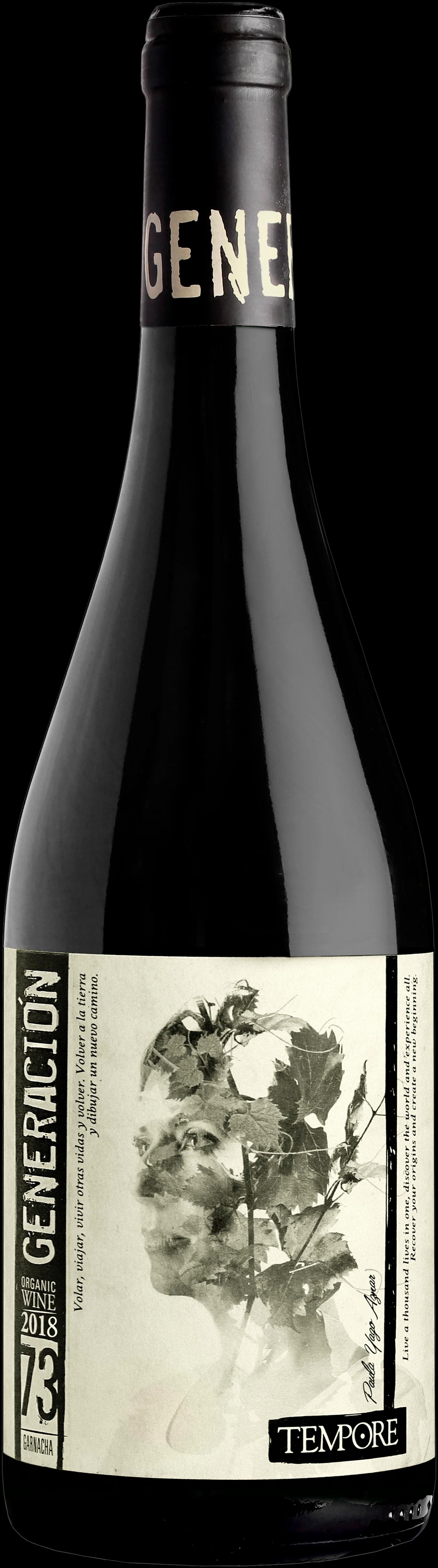
What does biodynamic certification actually cover on these wines?

Certification from bodies such as Demeter covers the whole farm, not a single wine or vineyard block. It requires organic-standard farming as a baseline, plus the closed-system approach, seasonal calendar, and specific field preparations that define biodynamic practice. In the cellar, permitted additions are restricted further than in conventional or basic organic production. Check each producer page for the certification body listed.

Which biodynamic wine expert can recommend something for me?

Use the form on this page to ask a wine expert your question. Describe what you enjoy, the occasion, or the food you are pairing with, and an independent expert will respond with a personal recommendation from the wines available. This is not a consultation booking — fill in the form and you will receive a reply directly.

Why don't you sell supermarket-brand biodynamic wines?

Every wine on Free Grape Society comes from an independent producer who grows the grapes and makes the wine themselves. Supermarket own-label wines are typically blended and bottled by large négociants under a retailer's brand, with no direct connection to a specific farm or grower. Biodynamic certification requires whole-farm commitment from a single producer — that is incompatible with the négociant model.

Can I buy biodynamic wine directly if I live outside Sweden?

Free Grape Society currently operates in Sweden, Germany and Denmark. Producers ship from their own cellars in France, Italy, Spain, Austria and other producing countries directly to buyers in these markets. If your country is not yet covered, check back — new markets are added as the platform expands.

What biodynamic means

Biodynamic growing begins where organic farming does — no synthetic pesticides, herbicides or fertilisers — and then goes further. The whole estate is treated as a single, self-contained living system: soil, plant, animal and atmosphere managed together rather than as separate inputs to be optimised. Growers follow a seasonal calendar rooted in lunar and cosmic rhythms, timing vineyard work such as pruning, harvesting and racking to root days, flower days, fruit days and leaf days. Specific field preparations, made and applied on the farm, are used to stimulate soil life and strengthen the vine's own vitality. Certification comes from independent bodies — Demeter is the most widely recognised internationally — rather than from EU organic rules, which govern a related but separate standard. Biodynamic certification is stricter than organic on what may be used and requires the farm to function as a closed system where possible. It describes a farming and production practice, not a flavour. A biodynamic Pinot Noir from Burgundy and a conventionally farmed one from the same appellation are shaped first by grape variety, site, vintage and the winemaker's decisions; the biodynamic practice sits underneath all of that, governing what happens in the vineyard and, to a degree, in the cellar.

Regions and producers known for biodynamic wine

Biodynamic viticulture has its deepest roots in Alsace and the Loire Valley, where several estates converted in the 1980s and 1990s and have been certified for decades. Alsace suits the method well: the dry, sunny climate reduces disease pressure, which makes it easier to farm without synthetic treatments, and the region's long tradition of single-vineyard wines aligns with the biodynamic focus on site specificity. The Loire Valley — particularly Anjou and Muscadet — has a substantial concentration of certified producers working with Chenin Blanc, Cabernet Franc and Melon de Bourgogne. In Burgundy, a number of domaines — including some of the appellation's most closely watched estates — farm biodynamically, drawn by the practice's emphasis on terroir expression. Austria has a growing body of certified producers, particularly in Steiermark and Niederösterreich, working with Grüner Veltliner and Riesling. Certified biodynamic estates also appear in Italy — notably in Tuscany, Piedmont and Sicily — and in Spain, where producers in Rioja and Catalonia have pursued certification. On Free Grape Society, the producers who farm biodynamically ship directly from their own cellars, with no importer or warehouse in between.

How to choose a biodynamic wine

Start with the grape and the region, not the certification. Biodynamic practice shapes the farming; what you taste in the glass is still determined by variety, site and vintage. If you drink red wines from Italy, look for biodynamic estates in Tuscany working with Sangiovese or Nebbiolo from Piedmont. If you prefer whites, certified producers in Alsace and Austria offer a wide range of styles across Riesling, Grüner Veltliner and Gewürztraminer. Biodynamic wines are not stylistically uniform: some producers work with extended skin contact and minimal additions, producing wines with more textural complexity and oxidative character; others aim for precise, fruit-forward results using conventional cellar techniques applied to biodynamically farmed fruit. The certification tells you about the vineyard and the farm system; it does not predict whether the wine will be light or full-bodied, tannic or soft. Wines tasted before listing. Free Grape Society is a society of independent producers, wine experts and wine lovers — if you want a more specific recommendation based on your own palate, you can ask a wine expert directly on any wine page.