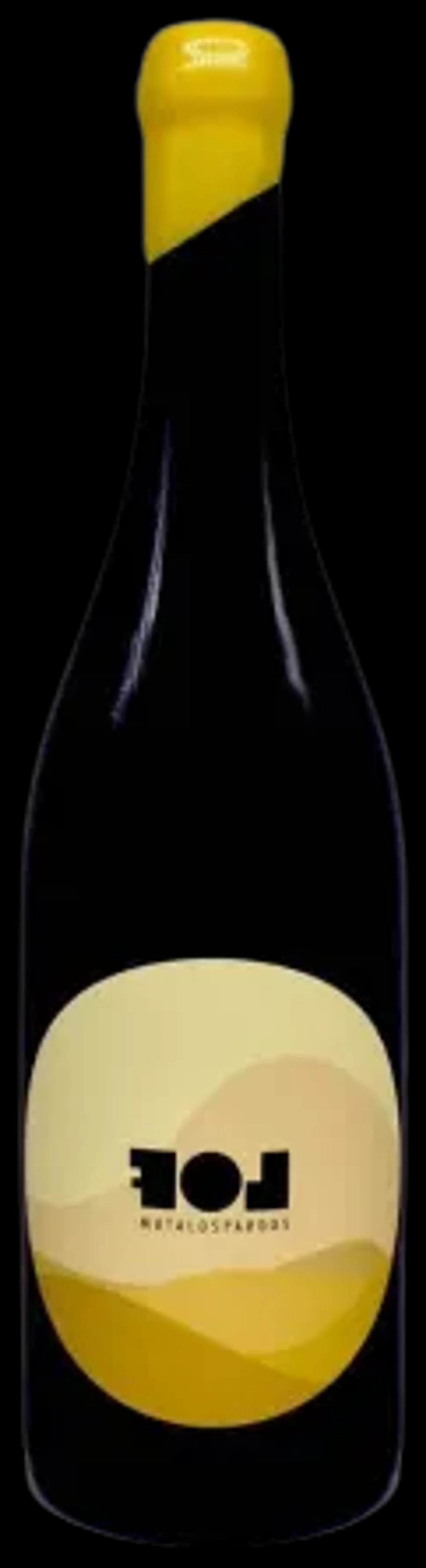
Appellations and grapes of Castile and León
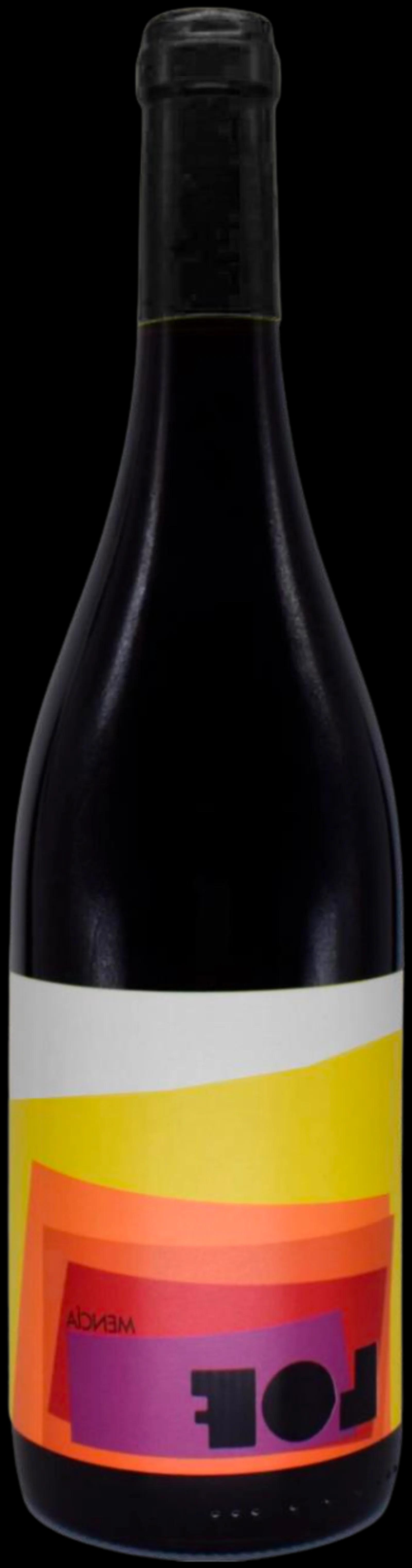
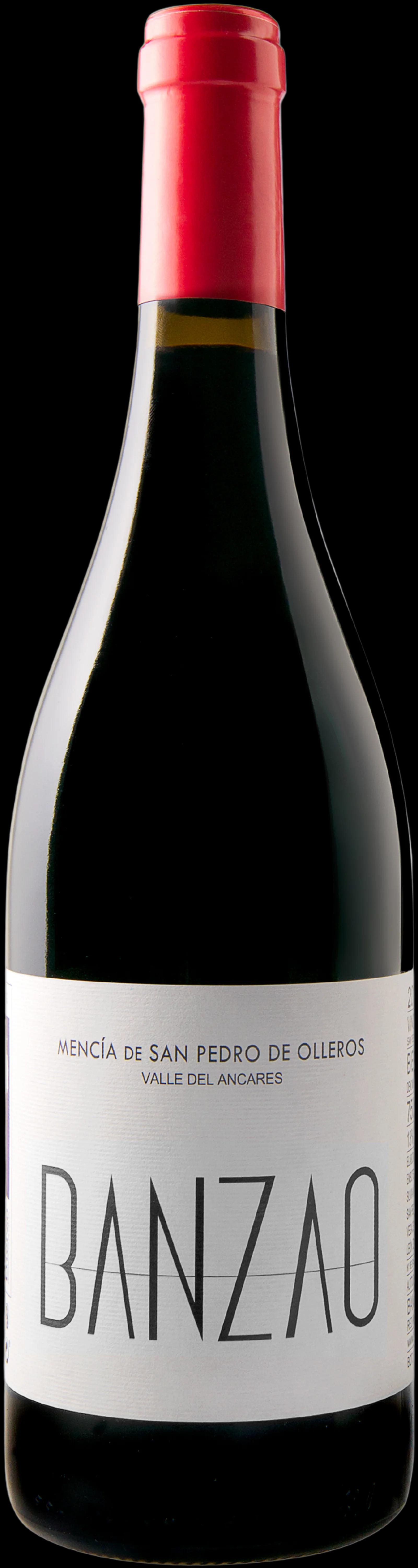
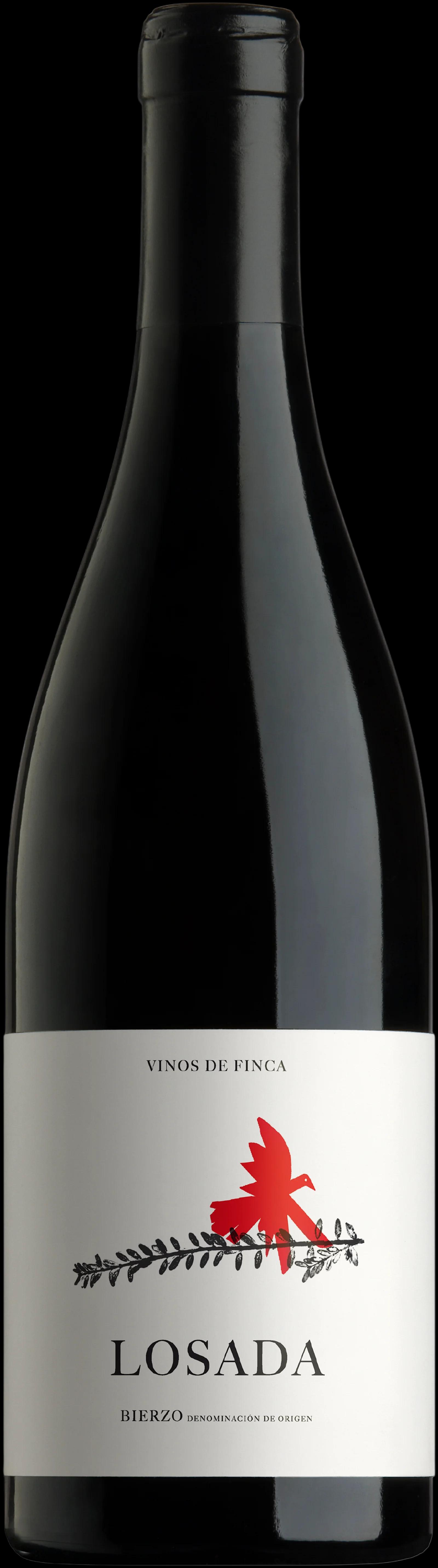
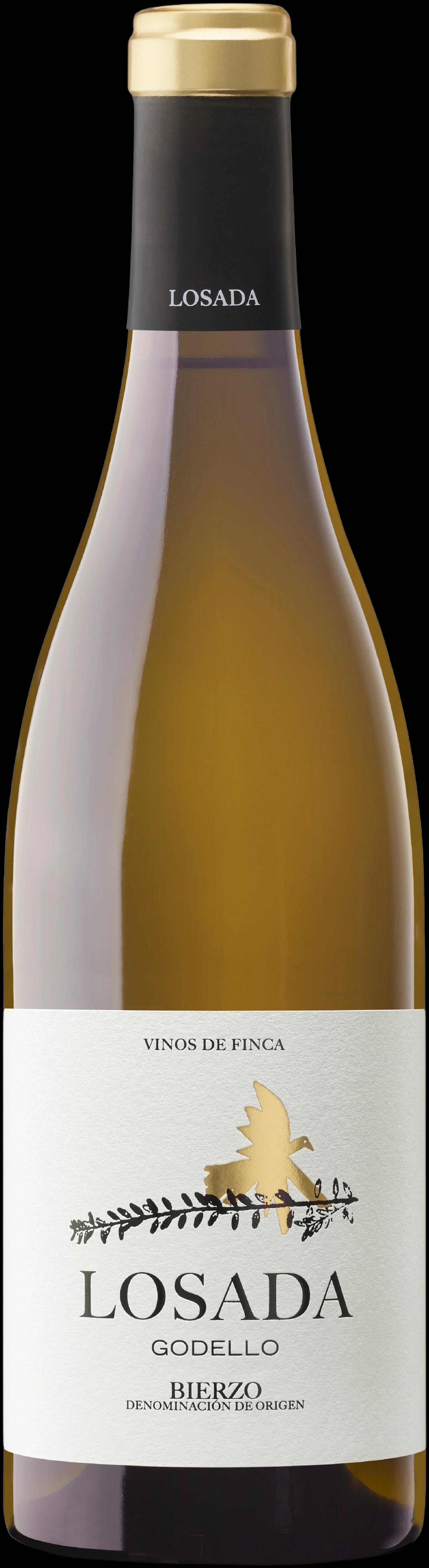
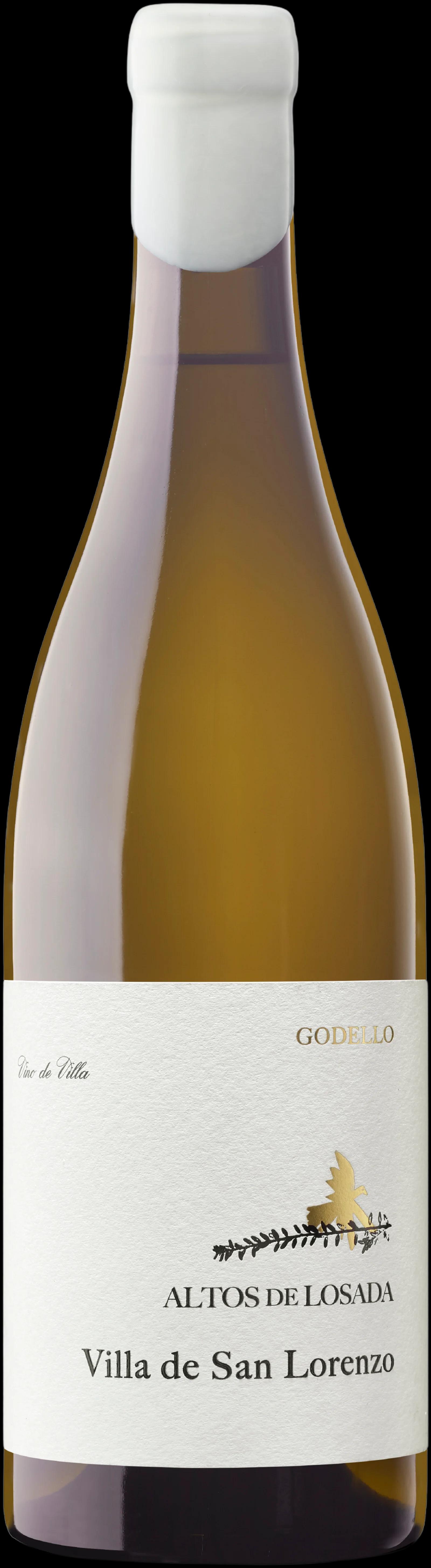
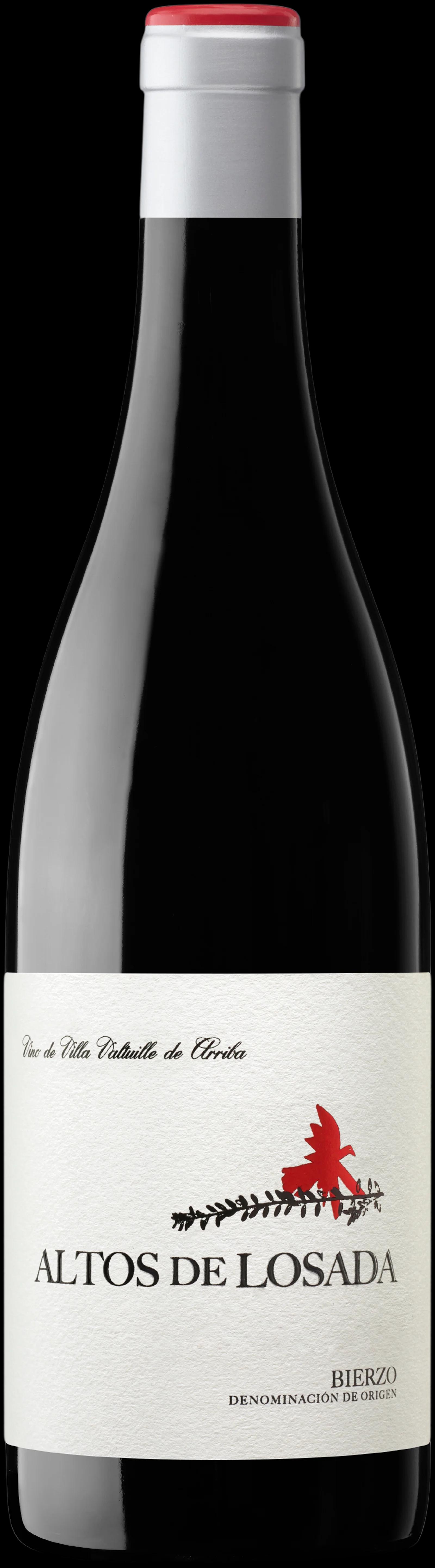
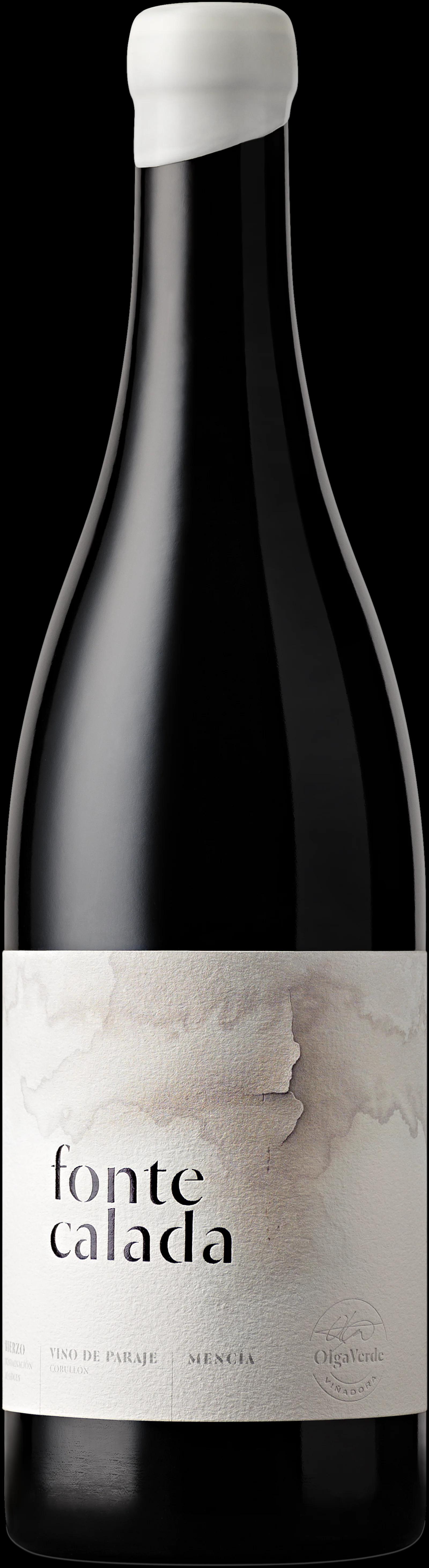
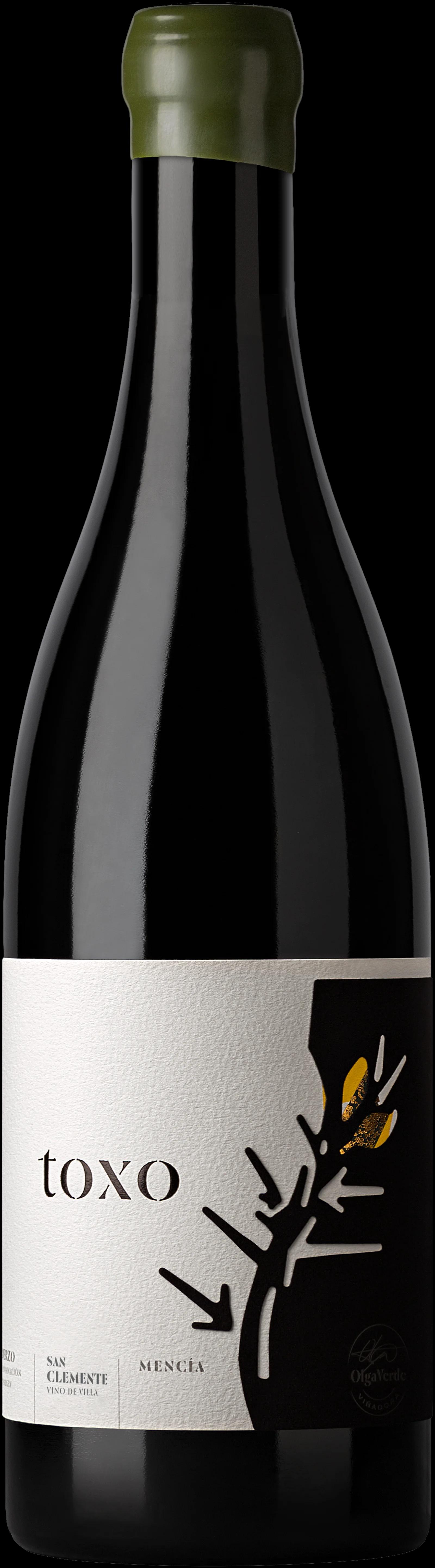
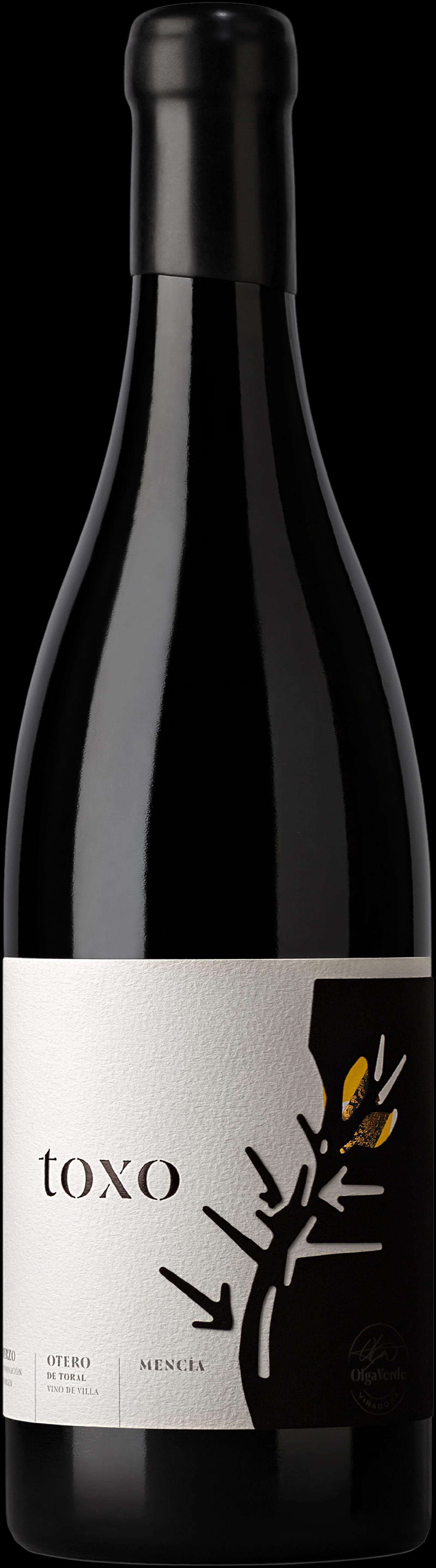
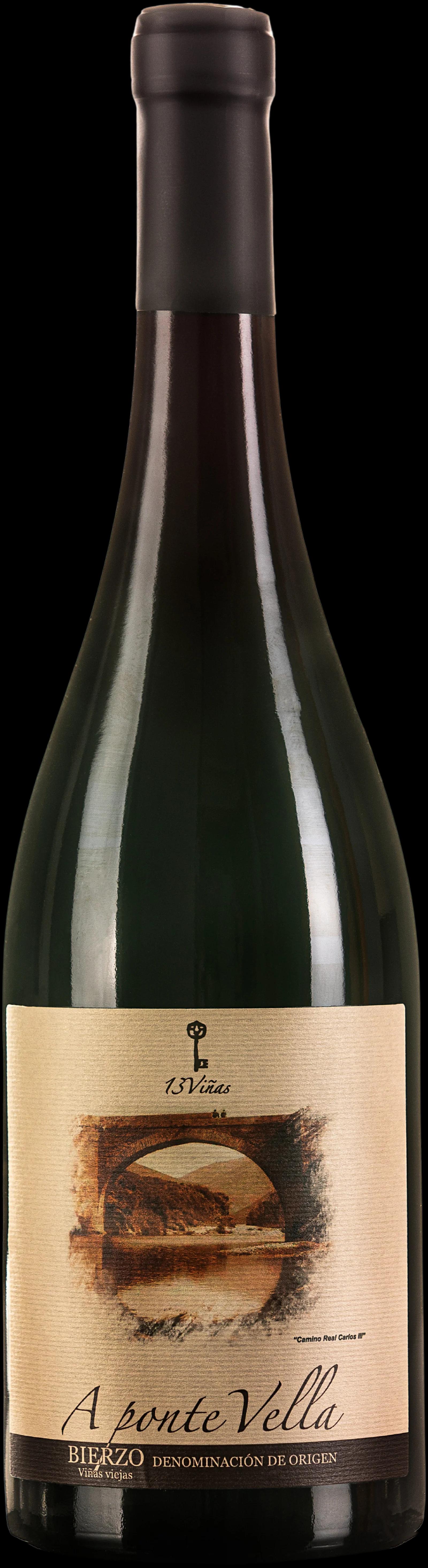
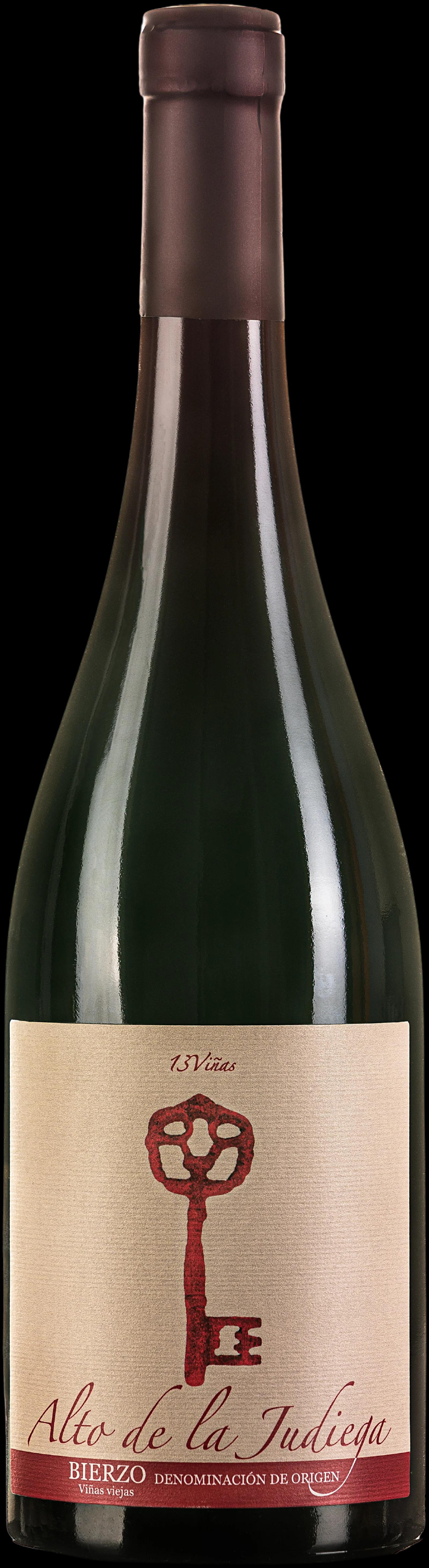
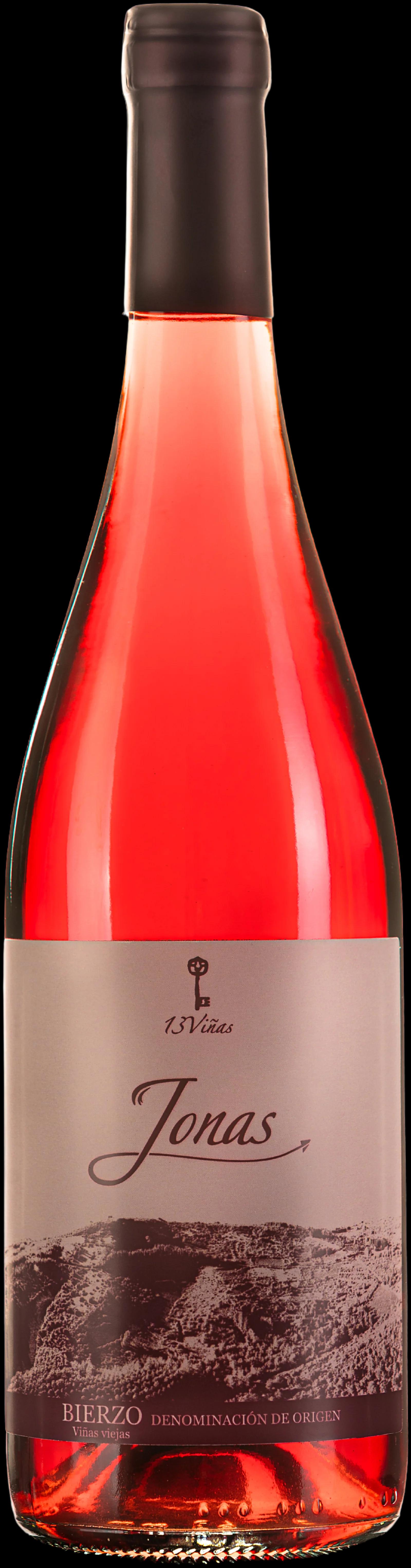
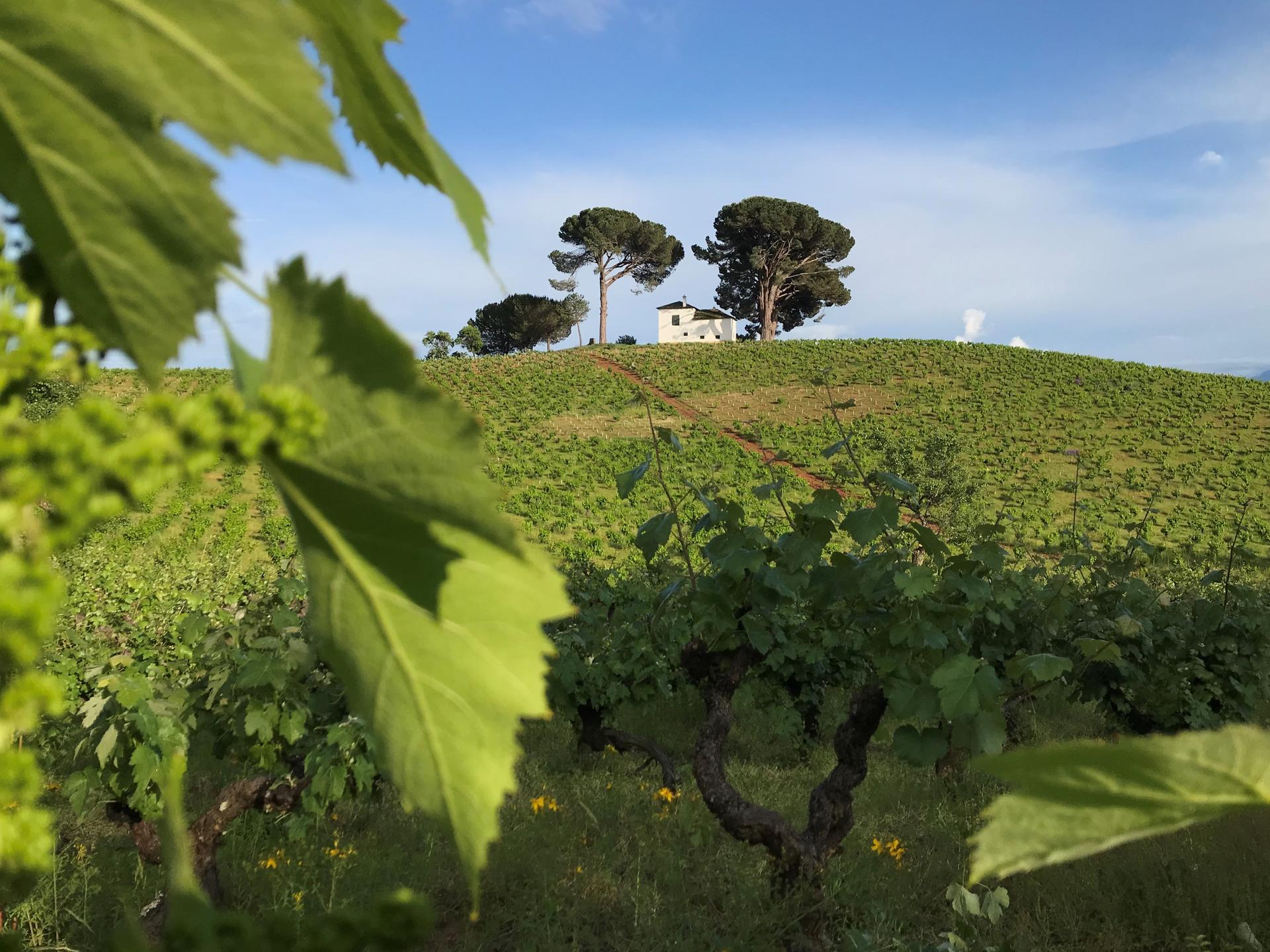
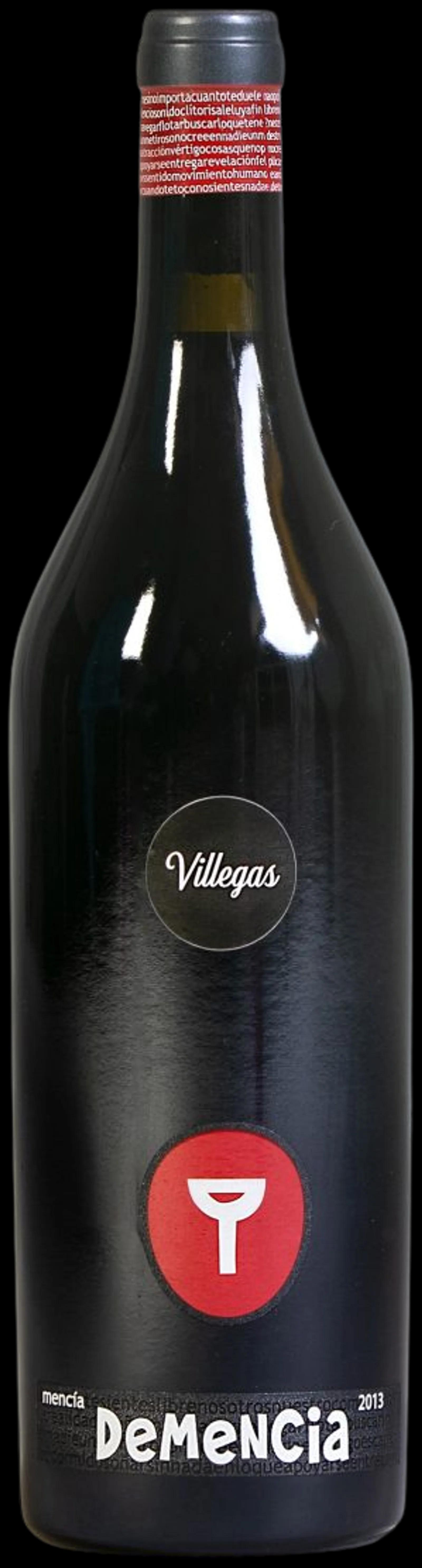
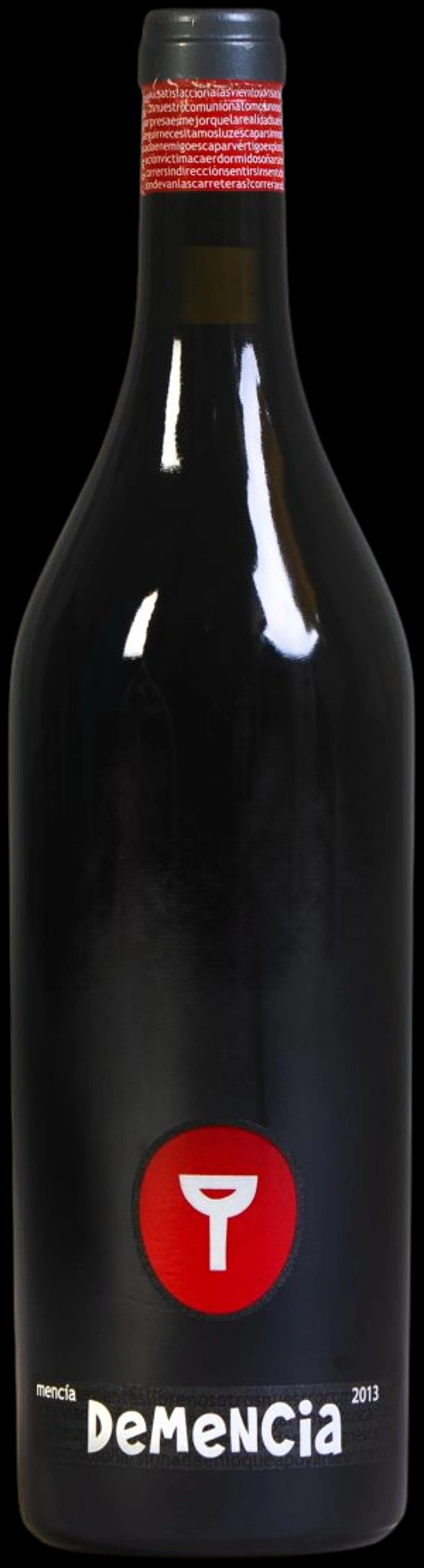
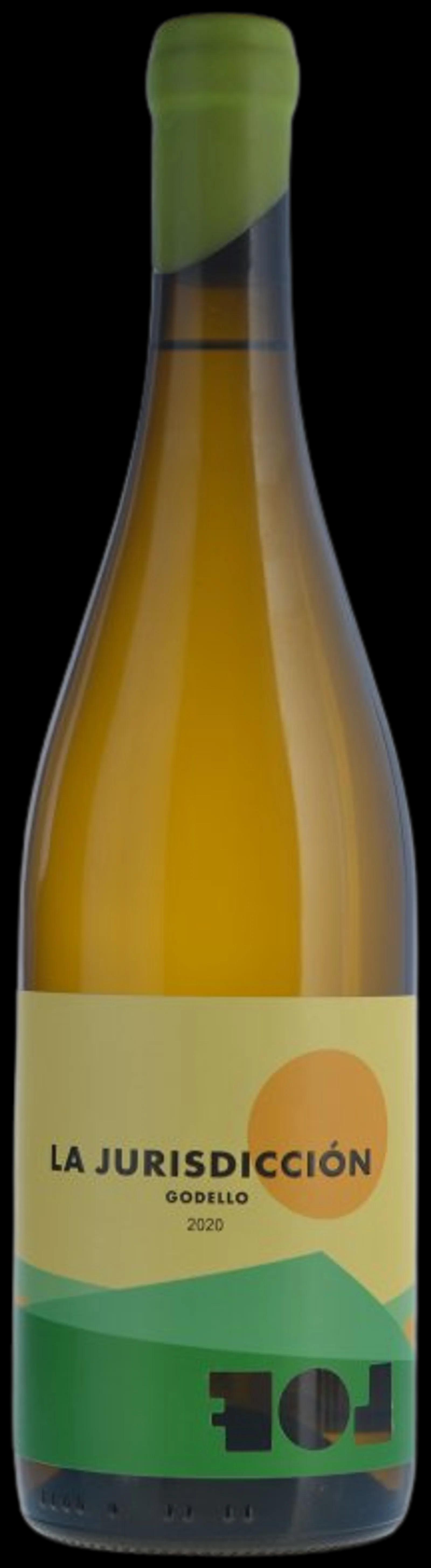
Castile and León is Spain's largest wine-producing region by area, covering nine provinces on the high Castilian meseta at elevations between 700 and 1,000 metres above sea level. That altitude is the defining factor: warm days give the grapes full phenolic ripeness, while cold nights preserve acidity that lower-elevation Spanish regions rarely achieve. The region holds nine DO appellations, each with a distinct terroir profile. Ribera del Duero runs along the Duero river at around 850 metres and builds its identity almost entirely on Tempranillo, here known locally as Tinto Fino or Tinta del País. The grape produces tightly structured reds with more tannic grip than its Rioja counterpart, a direct consequence of the thinner sandy-clay soils and the sharp diurnal temperature swings. Rueda, by contrast, is Castile and León's white wine stronghold, dominated by Verdejo, a variety that produces aromatic, herbaceous whites with firm citrus acidity. Bierzo, in the northwest, is geographically and geologically separate from the plateau: influenced by Atlantic weather from Galicia, it gives Mencía a cooler, more mineral expression than the same grape achieves further south. Godello also grows in Bierzo and produces some of the most texturally complex white wines in Spain. Toro, west of Zamora, produces some of the region's most concentrated reds from old-vine Tinta de Toro, a biotype of Tempranillo that has adapted to some of the harshest growing conditions in Spanish viticulture.
How independent producers in Castile and León work
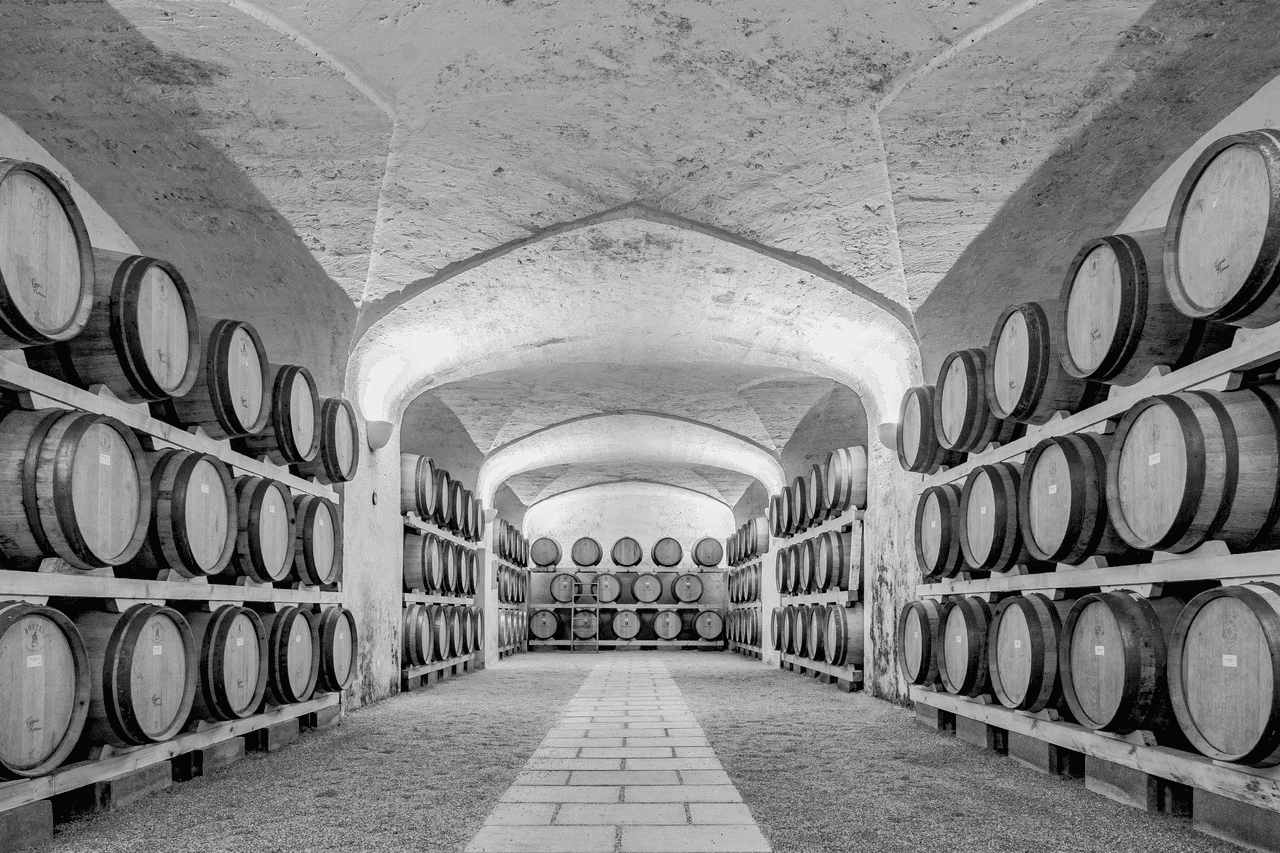
The appellation structure of Castile and León was built around cooperatives and large bodegas with significant barrel ageing infrastructure. Crianza, Reserva, and Gran Reserva classifications mandate minimum oak and bottle ageing periods that historically favoured producers with capital and warehouse space. What has changed over the past two decades is the emergence of smaller estates, many of them farming old-vine plots that the cooperative model passed over. Several Ribera del Duero producers now work with ungrafted Tinto Fino vines planted before the phylloxera replanting wave of the mid-twentieth century. In Bierzo, a group of producers led by the Pétalos movement beginning in the early 2000s redrew the region's reputation by focusing on single-vineyard Mencía from slate-soil plots rather than the blended, oak-heavy style that had dominated. These are not wines that follow a supermarket brief. They are made to express specific plots, specific vintages, specific decisions. The producers on Free Grape Society set their own prices and ship from their own cellars. No importer, no wholesaler. The price you see is the price the producer agreed to. Samples are tasted by our Head of Product before any wine goes live. Independent wine experts then Rate & Review individual wines on the platform, visible on each wine's page.
What to look for when buying Castile and León wines
The most useful orientation when buying from this region is to think in terms of altitude and soil, not just appellation name. Two Ribera del Duero wines from the same DO can differ significantly: a bodega farming sandy soils at 900 metres will produce leaner, higher-acid Tinto Fino than one on clay-limestone at 750 metres. Vintage variation matters more here than in warmer Spanish regions. The 2017 drought produced low yields and concentrated wines across most of the plateau. The 2021 vintage, by contrast, was cooler and more uniform, producing wines with more linear structure and longer ageing potential. For whites, Rueda's Verdejo is the entry point, but the region also permits Viura and Sauvignon Blanc. Single-variety Verdejo from producers farming native selected clones tends to outperform blended versions on complexity. In Bierzo, the distinction between valley-floor Mencía and hillside Mencía grown on schist is not marketing language — it is measurable in texture and tannin weight. Spanish red wines from this region tend to reward 30 to 60 minutes of air before serving, particularly at the Reserva level and above. Those exploring beyond Tempranillo should consider Garnacha grown at altitude in adjacent Aragón, or the white wines of Spain more broadly, where Castile and León's Godello and Verdejo represent two structurally different but equally serious styles.