Where Riesling comes from and how region shapes it
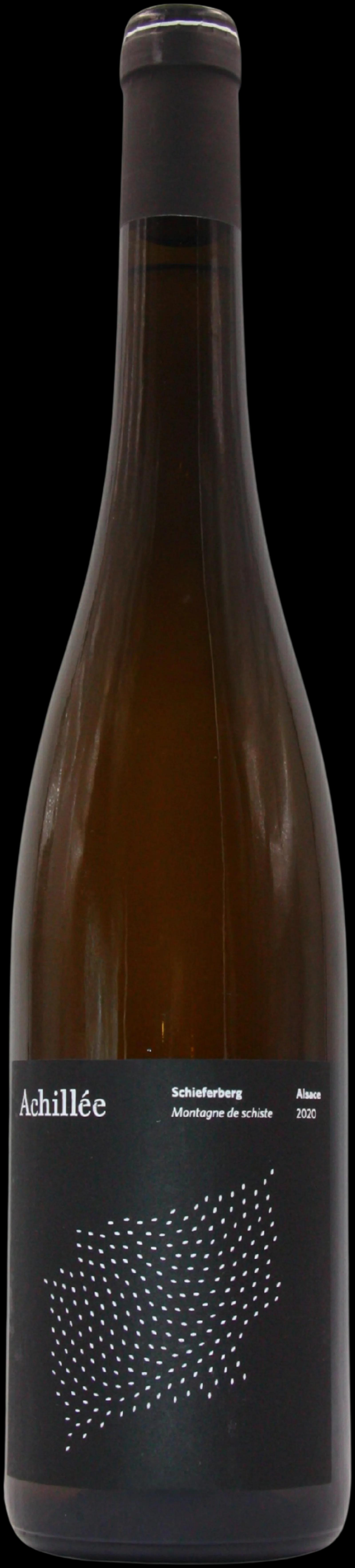
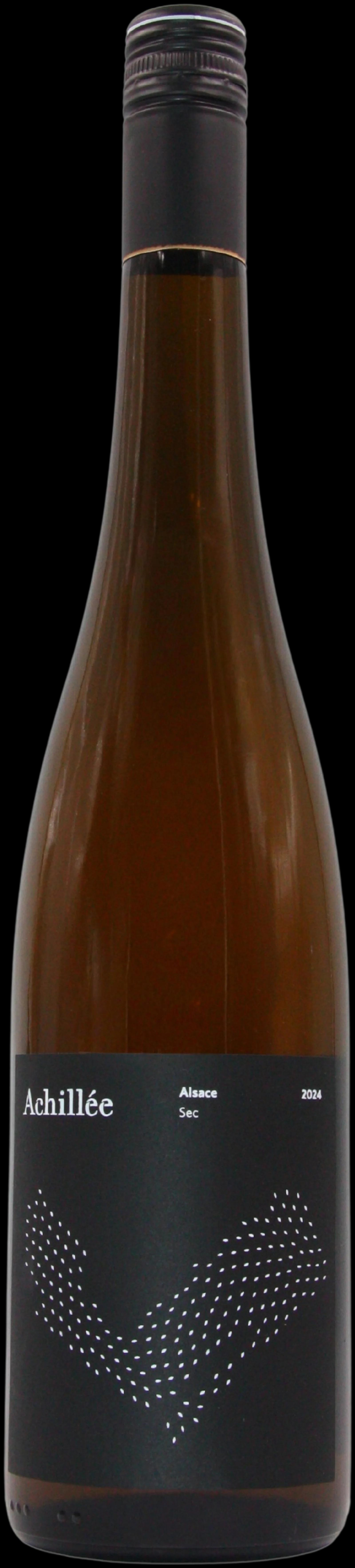
Riesling's heartland is the steep, slate-heavy slopes of the Mosel valley in Germany, where the grape has been cultivated for centuries. The slate absorbs heat during the day and releases it at night, helping the vine ripen slowly in a climate that would otherwise be too cool — the result is wines with high natural acidity, piercing minerality, and relatively low alcohol. From the Mosel, Riesling spread to the Rheingau, the Pfalz, and Alsace in France, where the style shifts noticeably: Alsace Riesling tends to be drier and fuller-bodied than its German counterpart, partly because of the rain shadow cast by the Vosges mountains. Austria grows it too, particularly in the Wachau and Niederösterreich, where it sits alongside Grüner Veltliner as one of the country's signature white grapes. The common thread across all these places is the grape's capacity to translate its growing site into the glass with unusual clarity — which is why producers who take their terroir seriously tend to be drawn to it. You can explore wines from Germany, France, and Austria to see how the same variety reads differently across borders.
How Riesling tastes, and what to drink it with
Riesling produces some of the most structurally diverse wines of any white grape, ranging from bone-dry and laser-focused to richly sweet with decades of ageing potential. At the dry end, expect high acidity, citrus and stone-fruit aromas, and a mineral quality that many describe as petrolly or waxy in older bottles — a compound called TDN that develops with time and is considered a mark of quality rather than a fault. In Germany, the sweetness spectrum runs from Kabinett and Spätlese through Auslese to the rare Trockenbeerenauslese; the label convention tells you where on that spectrum a wine sits, which makes it one of the more learnable classification systems once you know the logic. Because of its acidity, Riesling is one of the more food-versatile white grapes: it cuts through rich pork dishes, holds its own against spice in Thai and Vietnamese cooking, and pairs well with freshwater fish — particularly trout, which is a natural pairing in the Mosel's own culinary tradition. Dry Alsace Riesling works with harder cheeses and charcuterie in a way that softer whites often do not. Wines made from Gewürztraminer and Pinot Gris come from many of the same producers and regions, and are worth exploring alongside Riesling if you are building a picture of Alsace or the German wine regions.
Buying Riesling direct from independent producers
Most Riesling on supermarket shelves comes from large commercial producers who blend across many sites to hit a consistent price point and flavour profile. The wines on this page come from independent growers who make their own decisions about when to harvest, how to vinify, and what to put their name on. On Free Grape Society, producers ship directly from their own cellar, with no importer or warehouse in between — which means the wine reaches you in better condition and the producer receives a fair return for their work. The growers represented here include estates from the Rheingau, the Pfalz, Alsace, and Niederösterreich, among others. Wines tasted before listing means there is a quality baseline across the range, and independent wine experts add their own ratings and reviews to individual bottles as they work through the selection. If you are unsure where to start — dry German Riesling versus Alsace, or which vintage to choose — the wine-advice service connects you with an expert who can help you choose before you order. Free Grape Society is a society of producers, independent experts and wine lovers, not a shop.