What makes a wine sparkling
A wine sparkles because a second fermentation traps carbon dioxide in the liquid rather than letting it escape into the air. The method used for that second fermentation determines the texture of the bubble and shapes the wine's structure from the ground up.
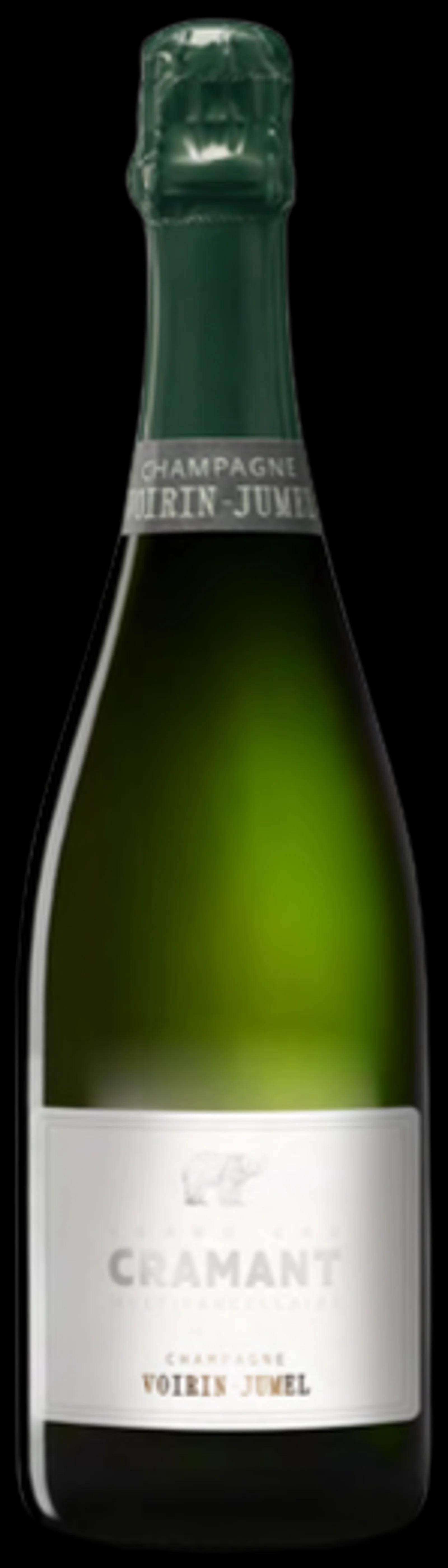
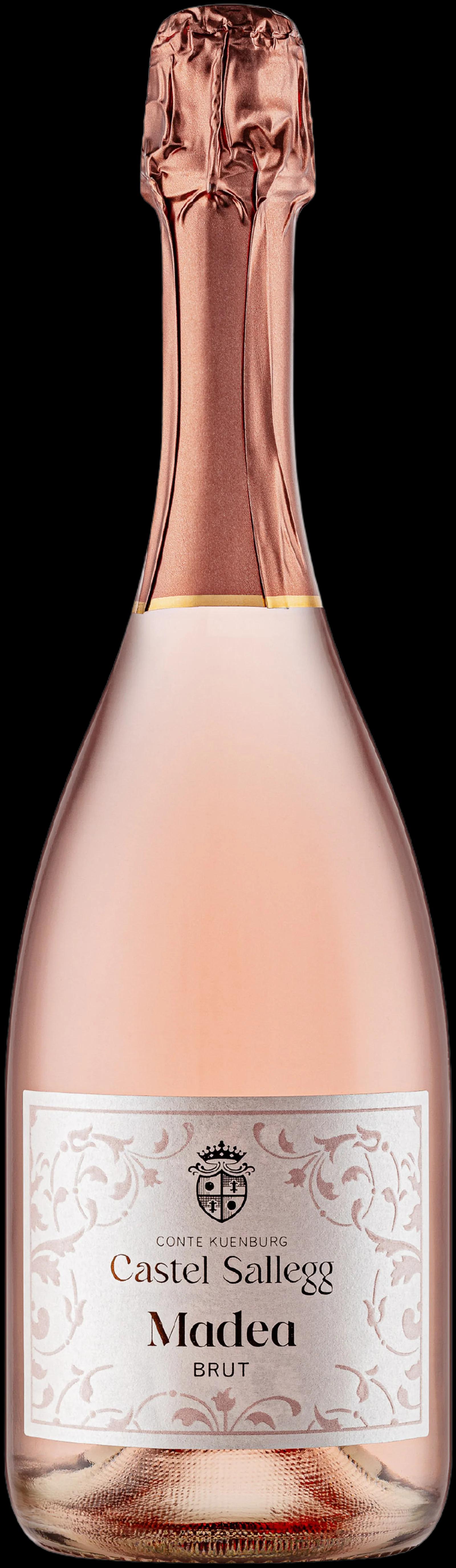
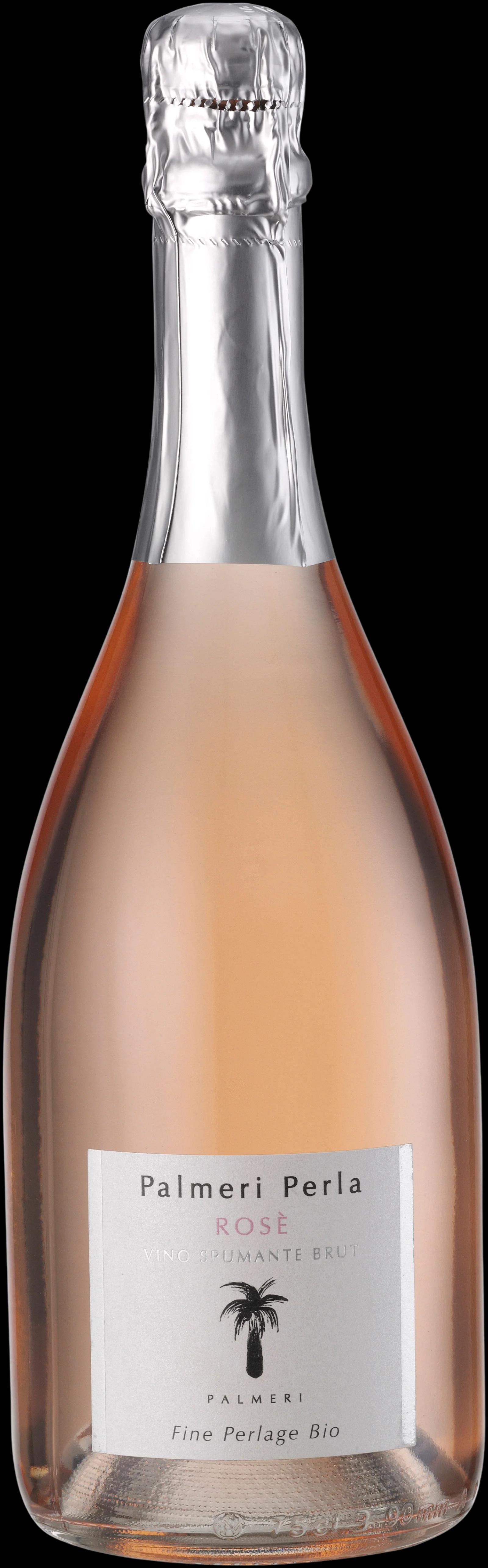
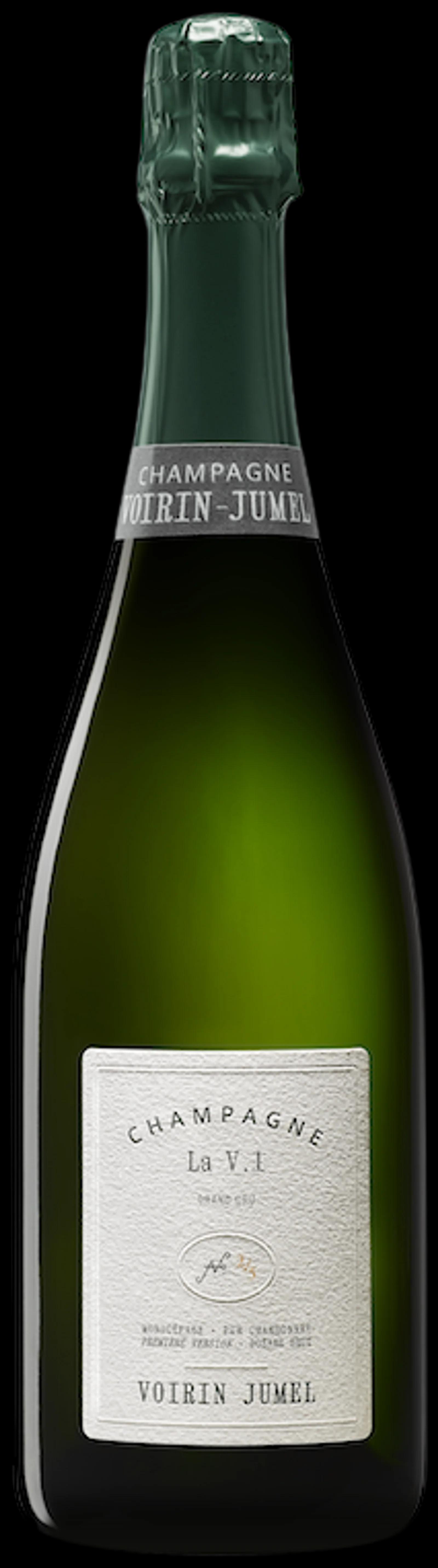
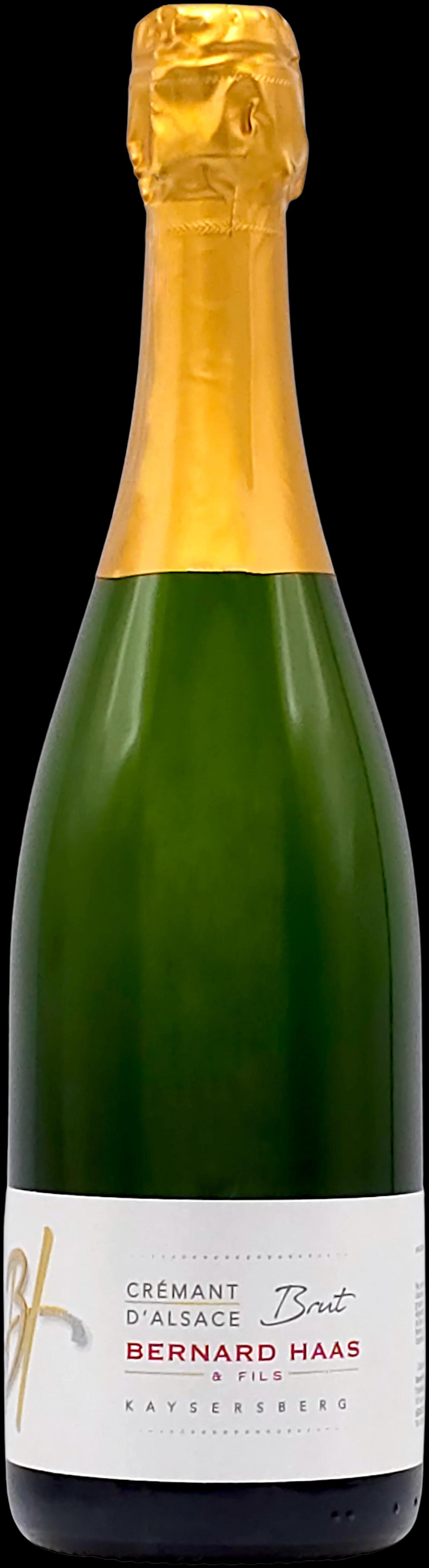
In the traditional method — used in Champagne, Cava, Crémant, and a handful of other appellations — the second fermentation happens inside the individual bottle. The wine sits on its spent yeast for months or years, picking up the fine, persistent bead and the biscuity depth that marks the style. In the tank method, most closely associated with Prosecco and made from the Glera grape in the Veneto, the second fermentation happens in a sealed pressurised tank, preserving the grape's fresh fruit character and giving a softer, larger bubble.
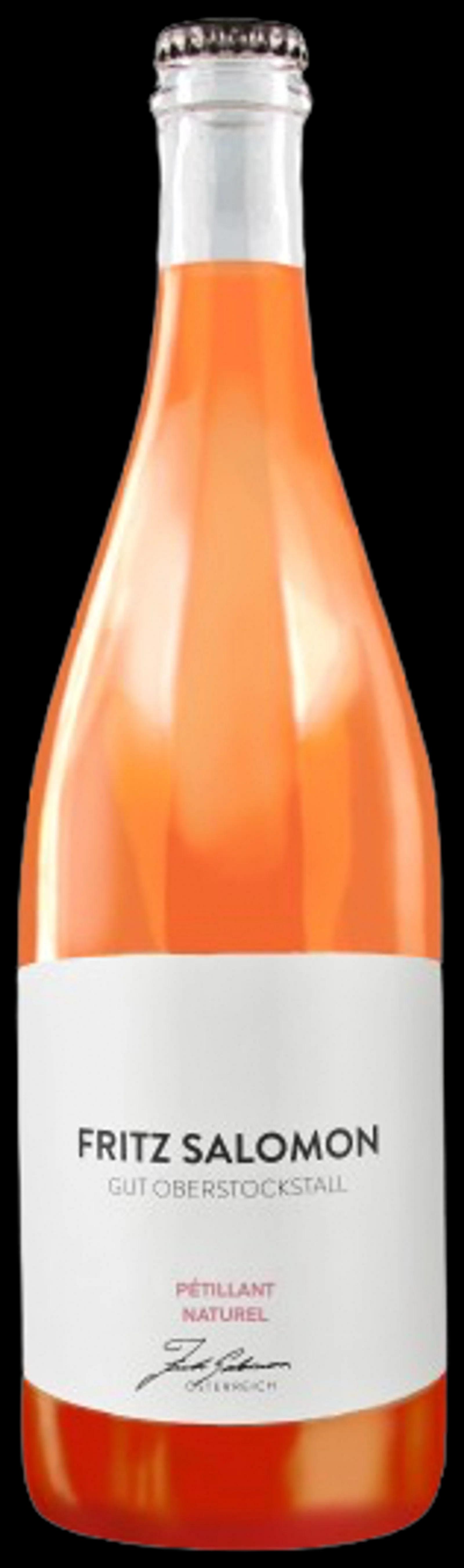
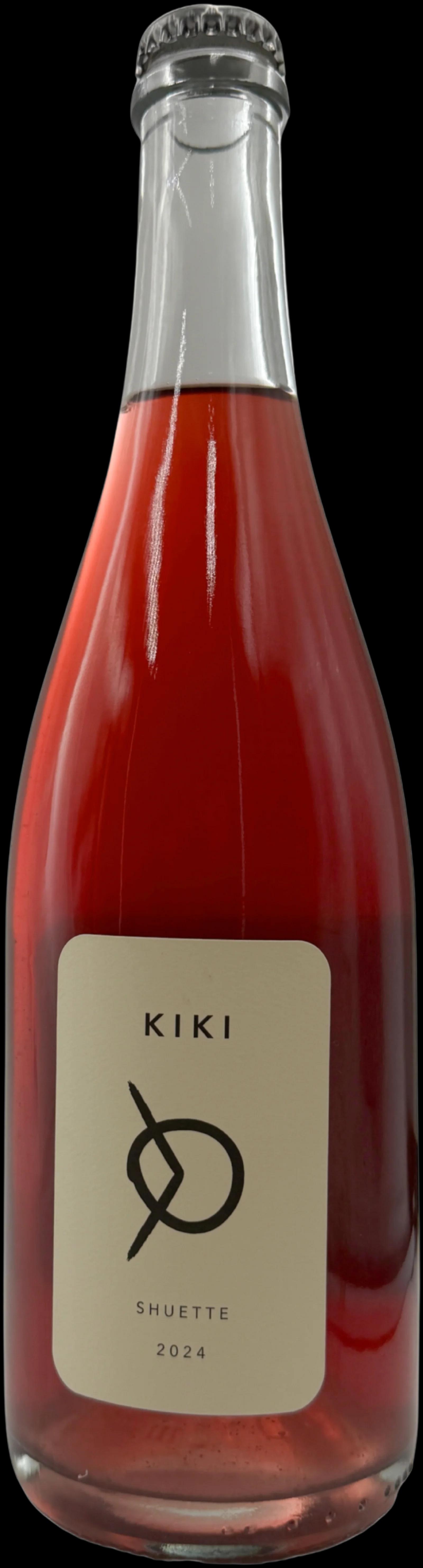
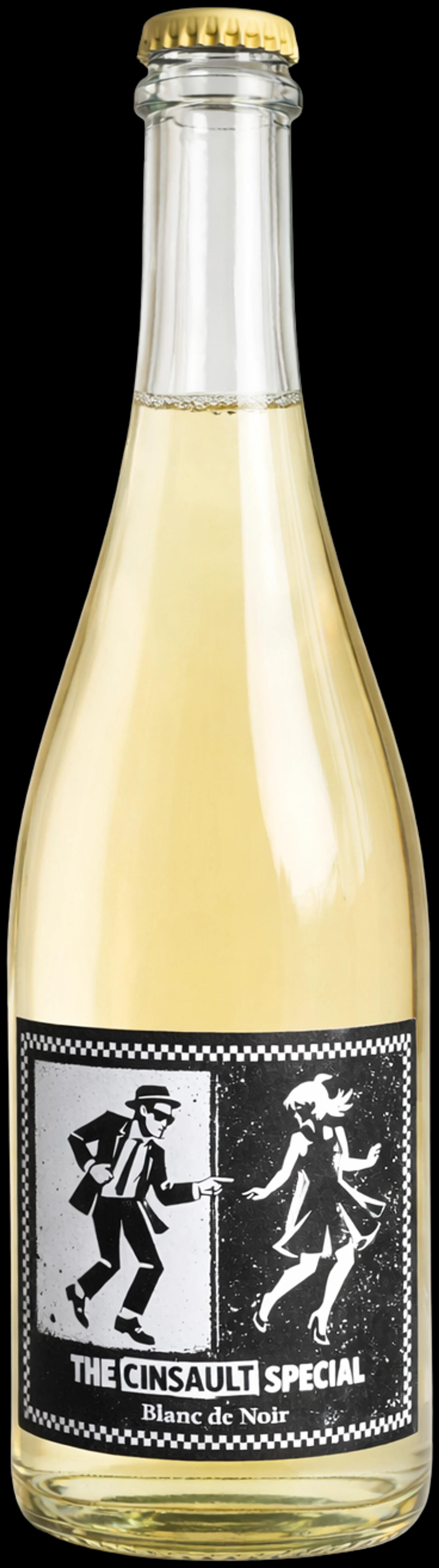
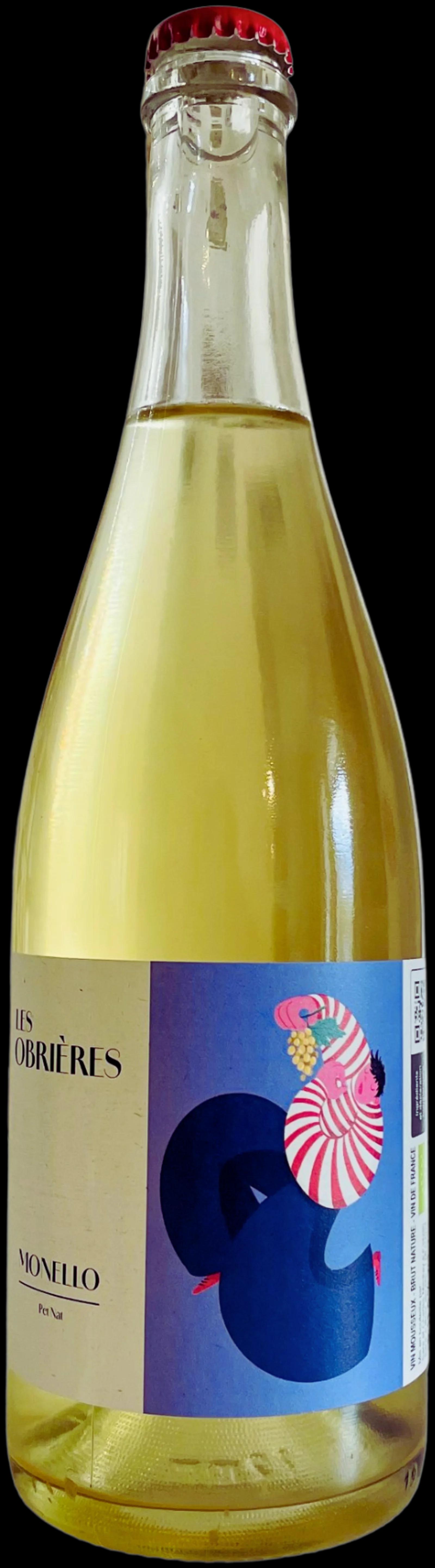
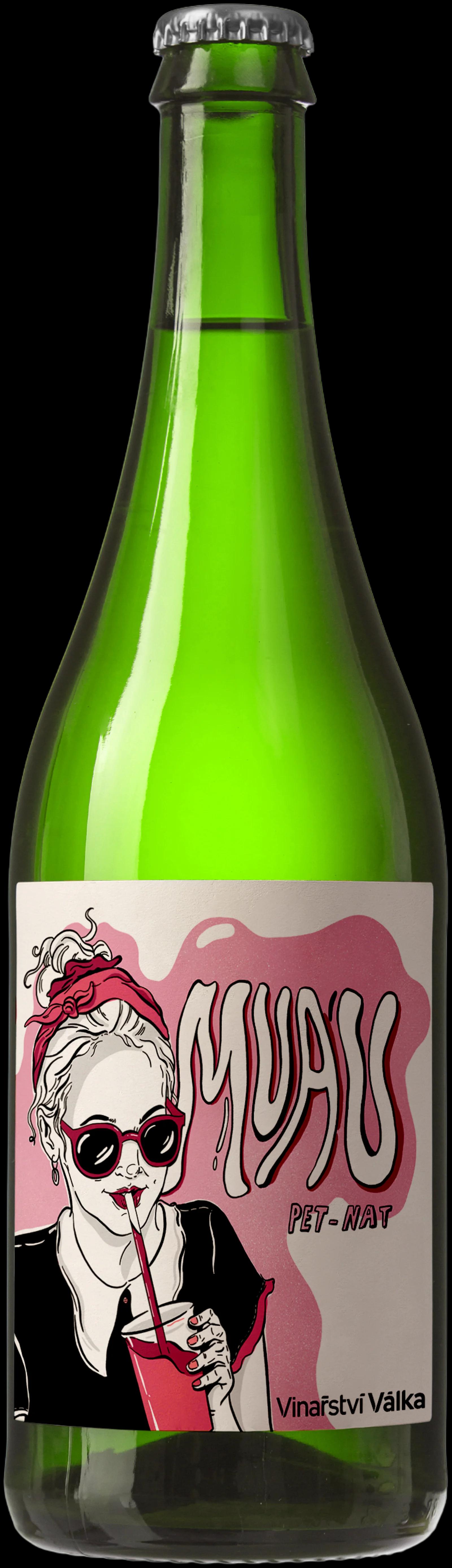
A third route, the ancestral method — the oldest of the three — stops fermentation before it finishes, bottling the wine while sugar remains, so a single fermentation produces both the wine and the bubble. Pét-nat, short for pétillant naturel, is the best-known expression. It is typically lower in pressure, wilder in character, and less uniform than either of the other methods.
High acidity is the structural anchor in all three cases. It keeps the wine fresh against the pressure of dissolved gas, which is part of why sparkling wine tends to come from cooler sites and earlier-harvested grapes — places like the chalk slopes of Champagne, the alpine foothills of Trentino, or the Atlantic-cooled hills of Galicia.
Regions and styles known for sparkling wine
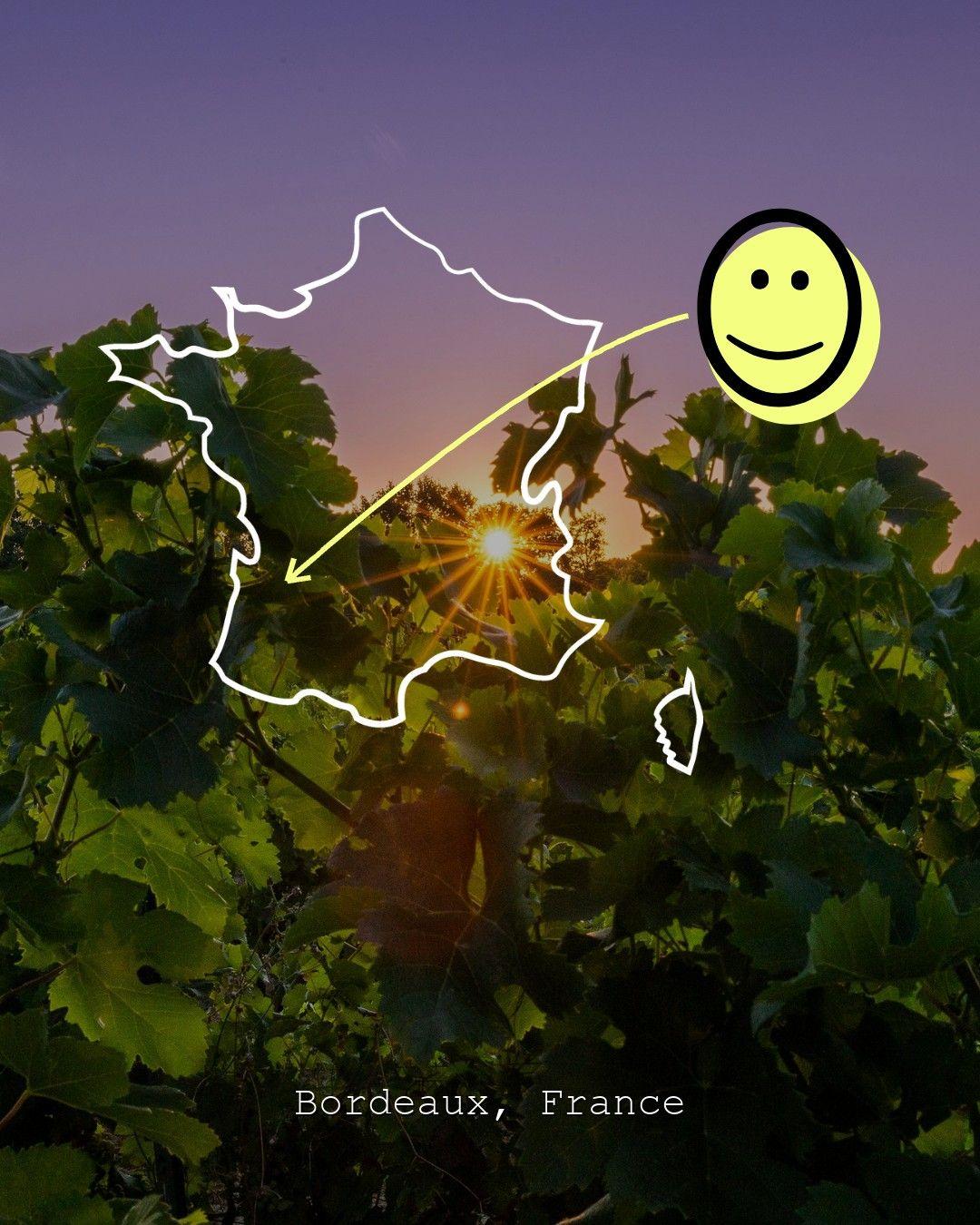
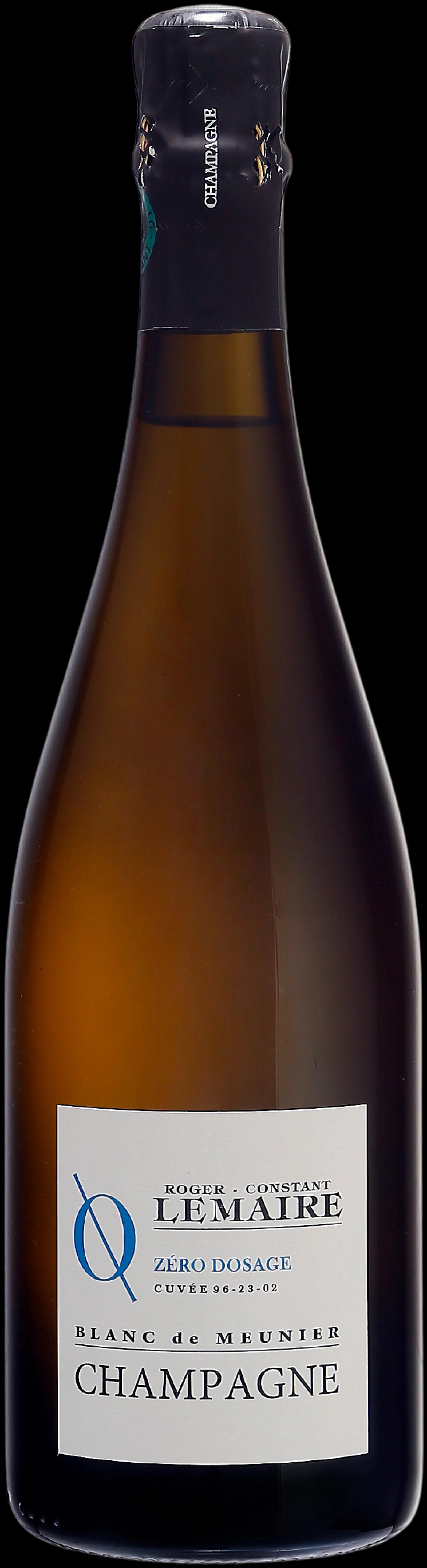
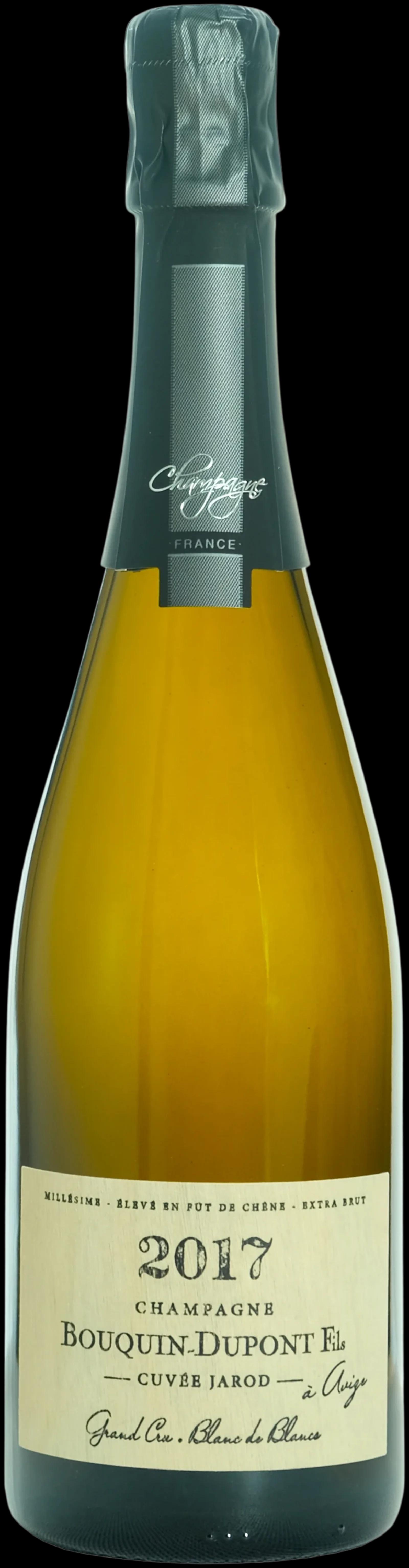
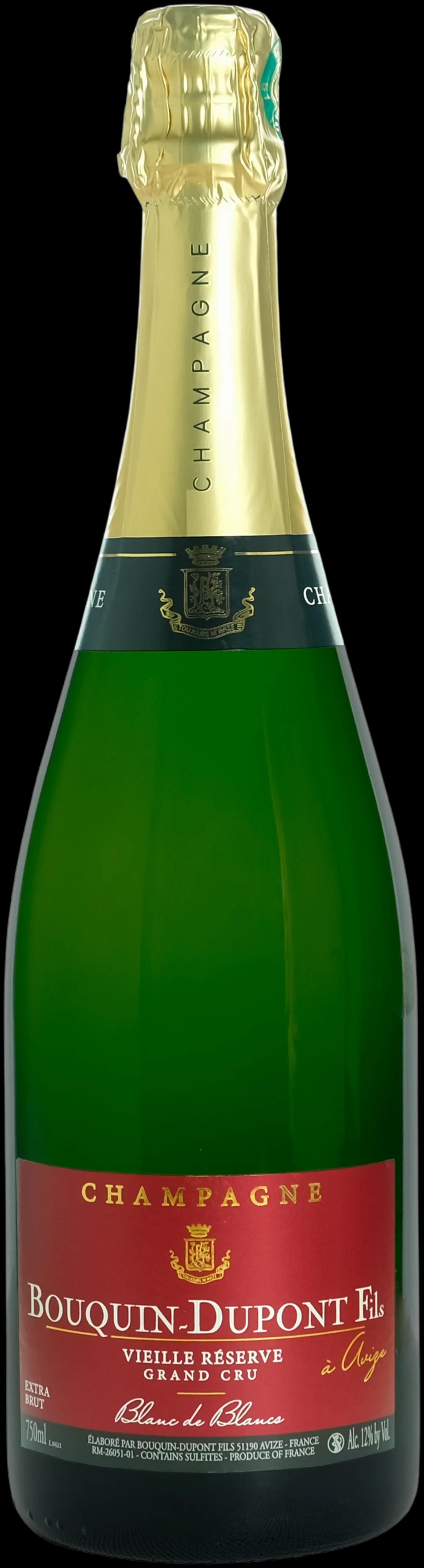
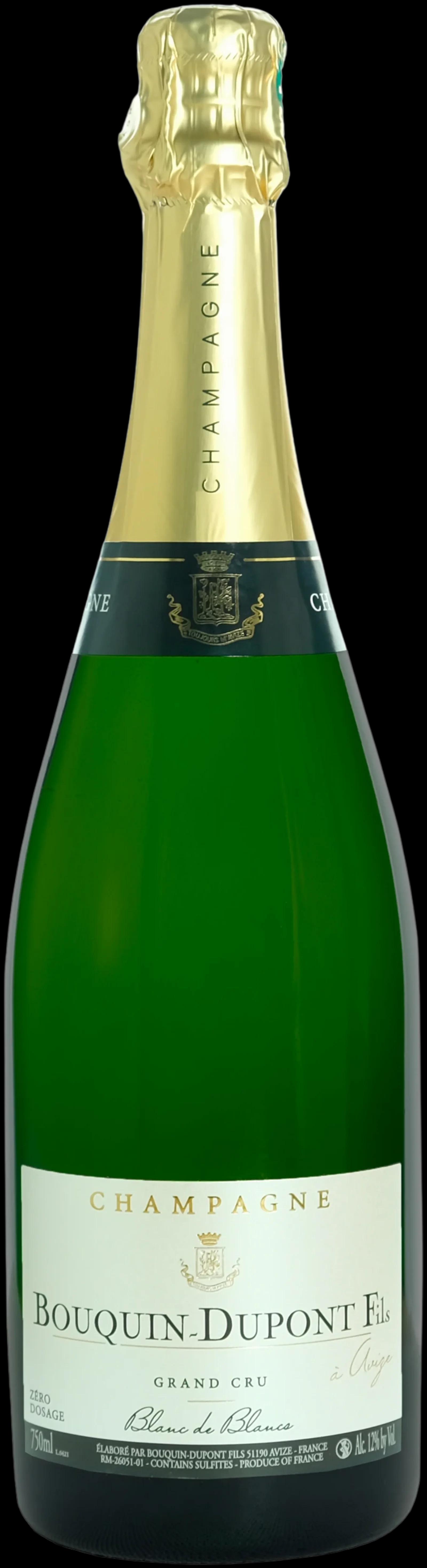
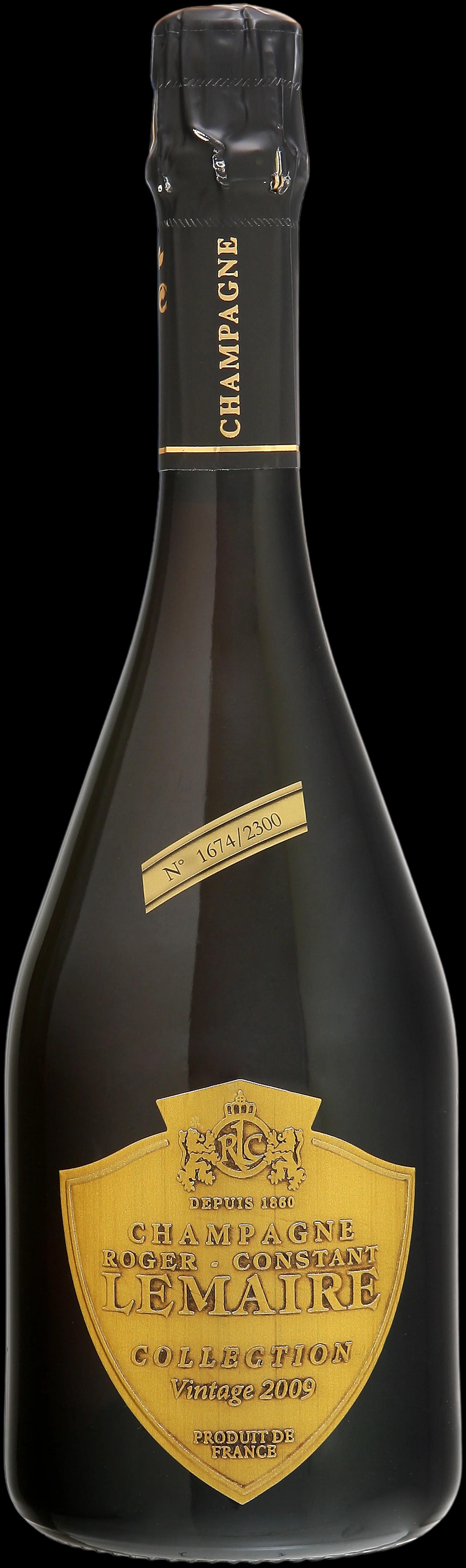
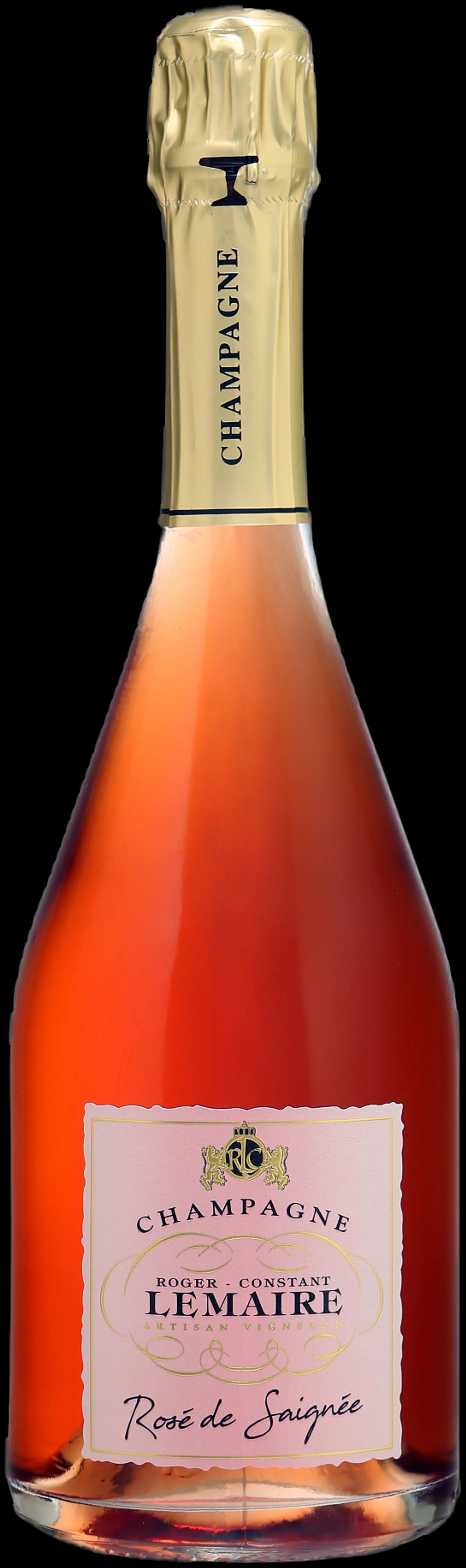
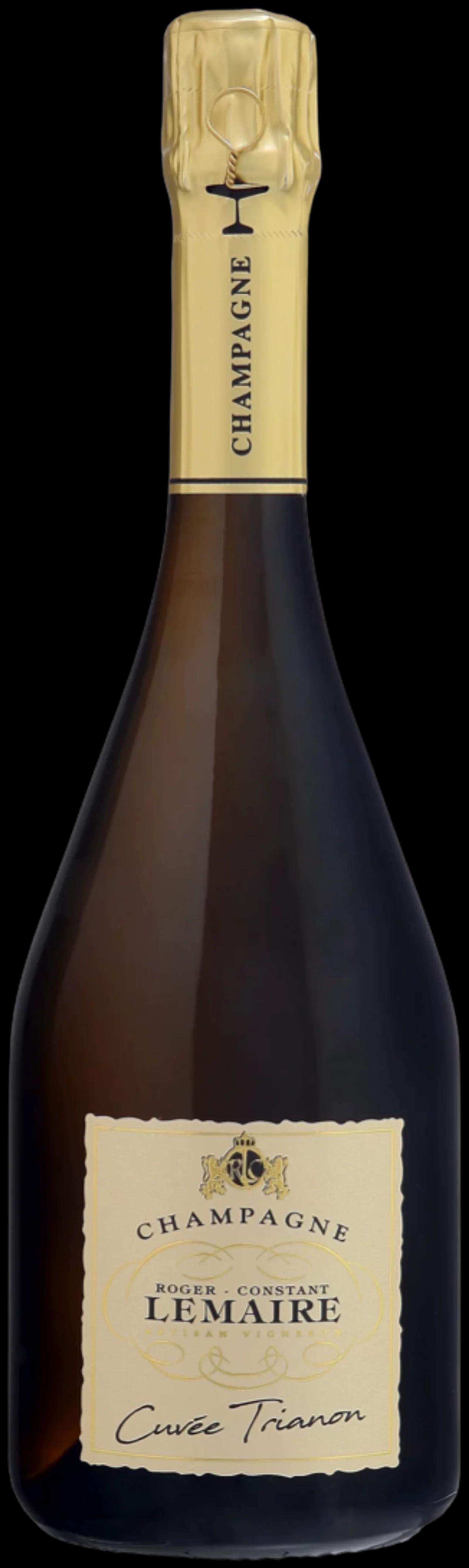
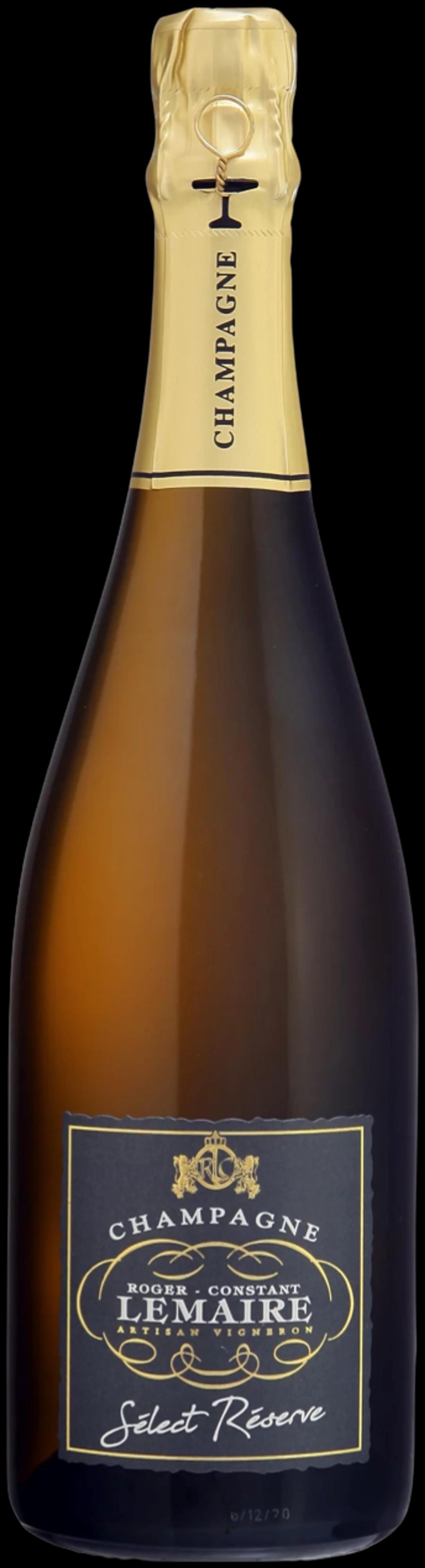
Champagne is the reference point: a cool, chalky region in northern France where Chardonnay, Pinot Noir, and Pinot Meunier are blended across harvests to produce wines of unusual precision and depth. The region gives the traditional method its name and its benchmark. The Loire Valley offers a less celebrated but often more grower-driven version: Crémant de Loire, and pét-nats from Chenin Blanc and Cabernet Franc that sit closer to the winemaker's hand than to a house style.
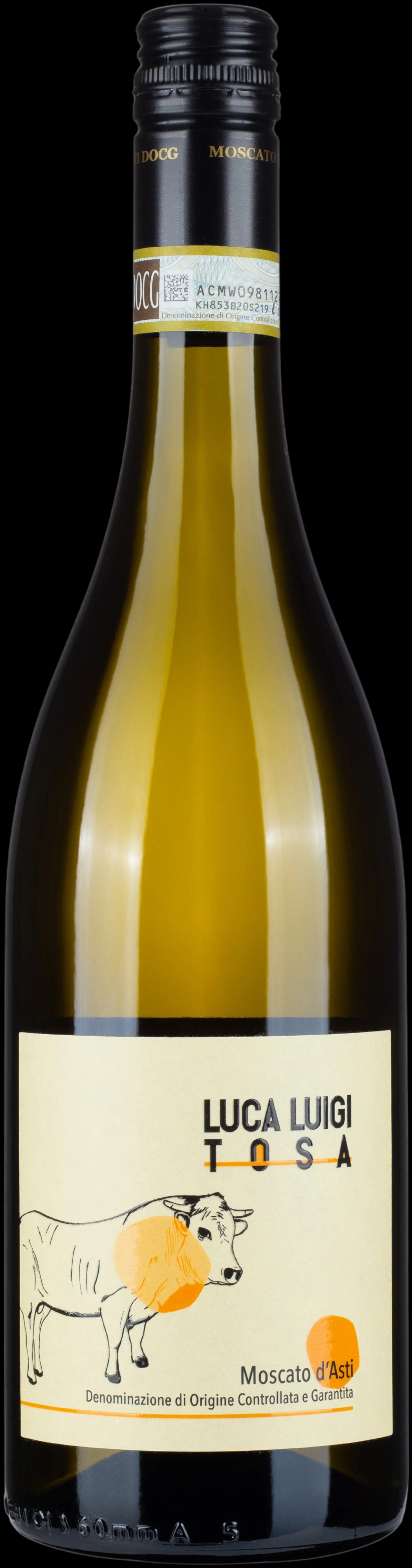
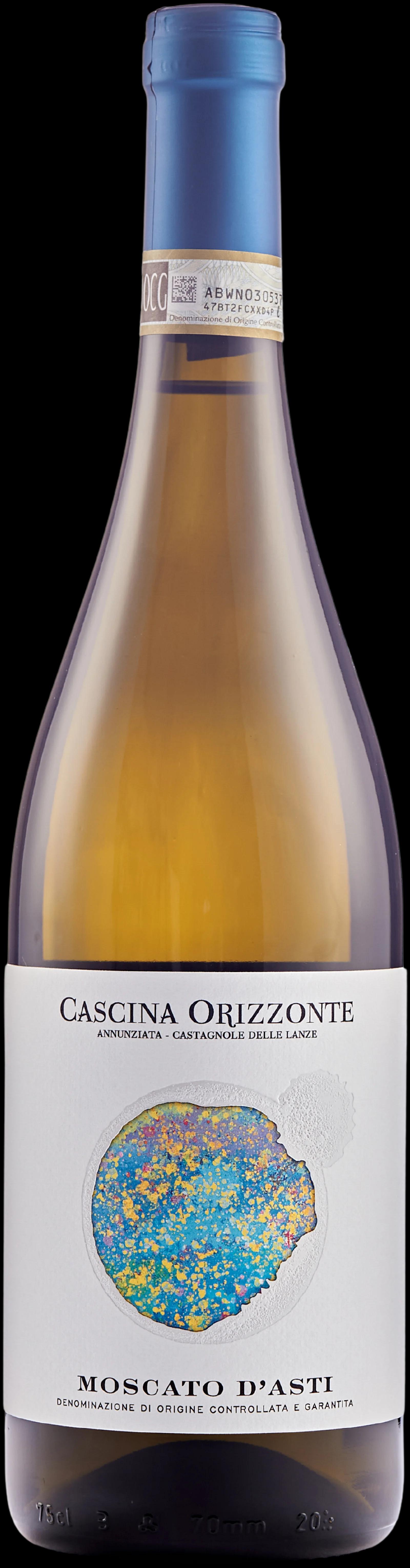
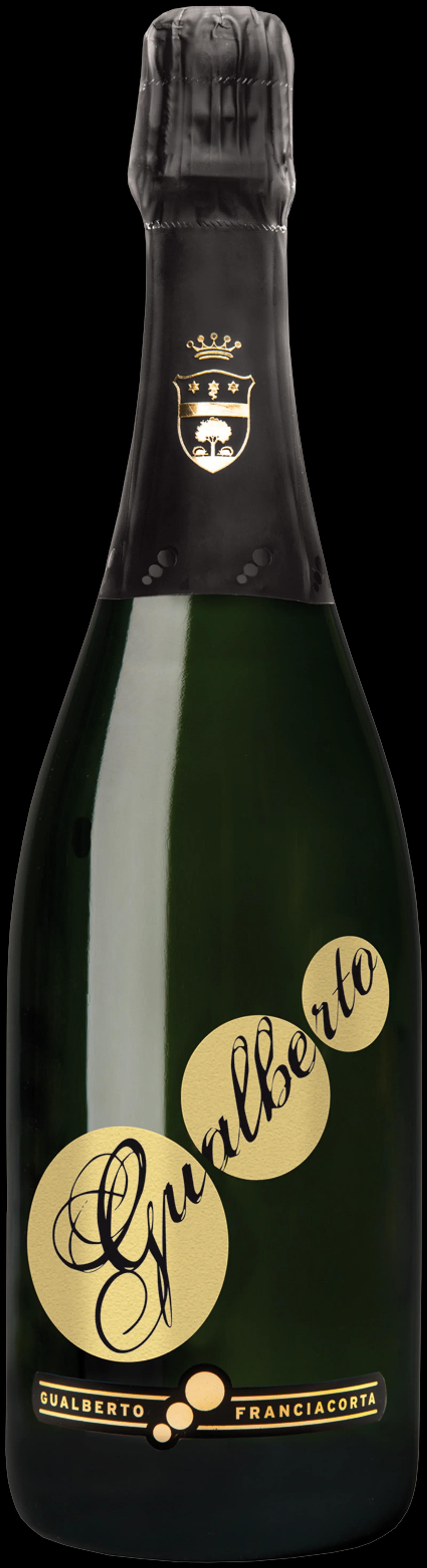
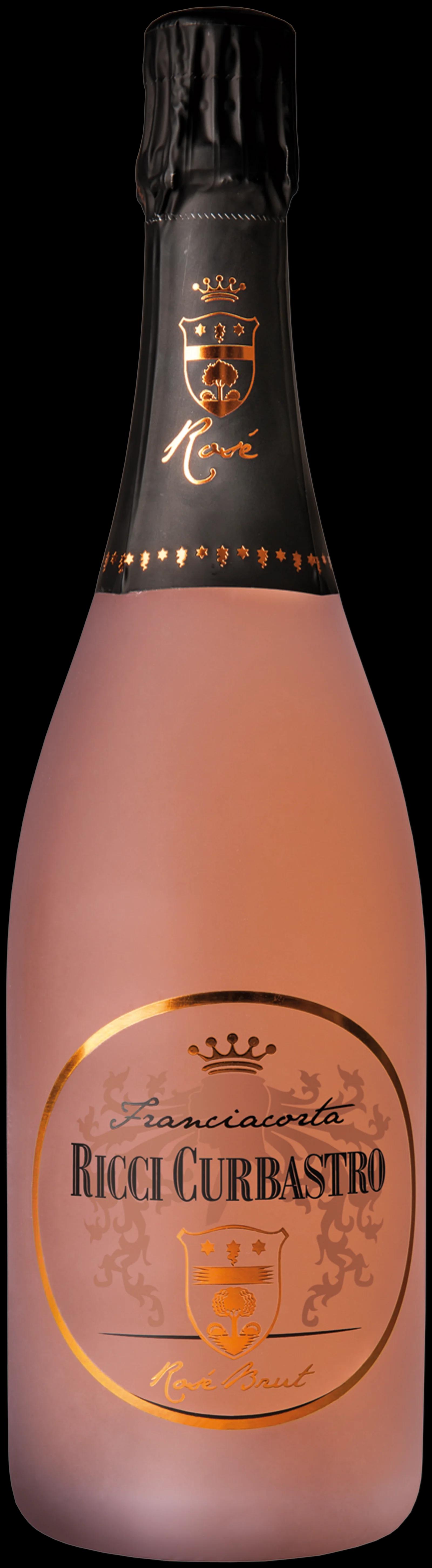
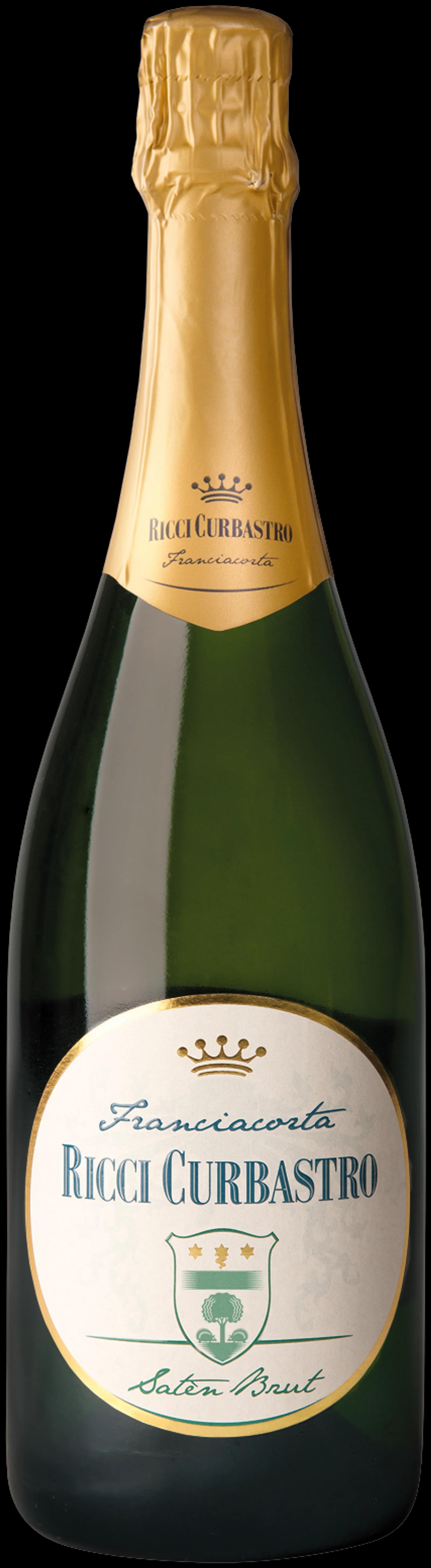
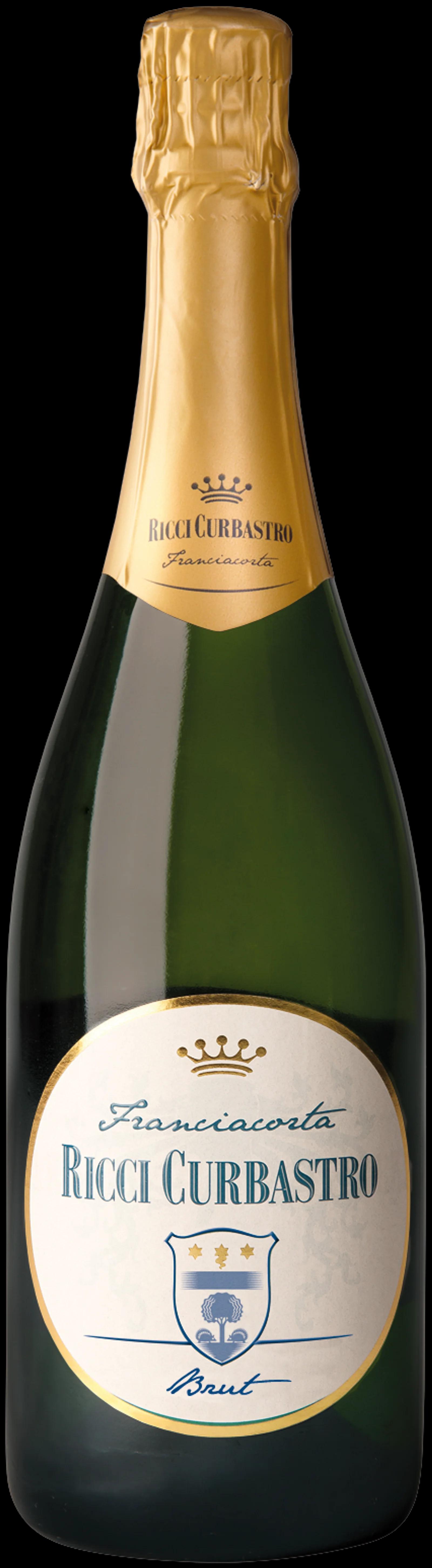
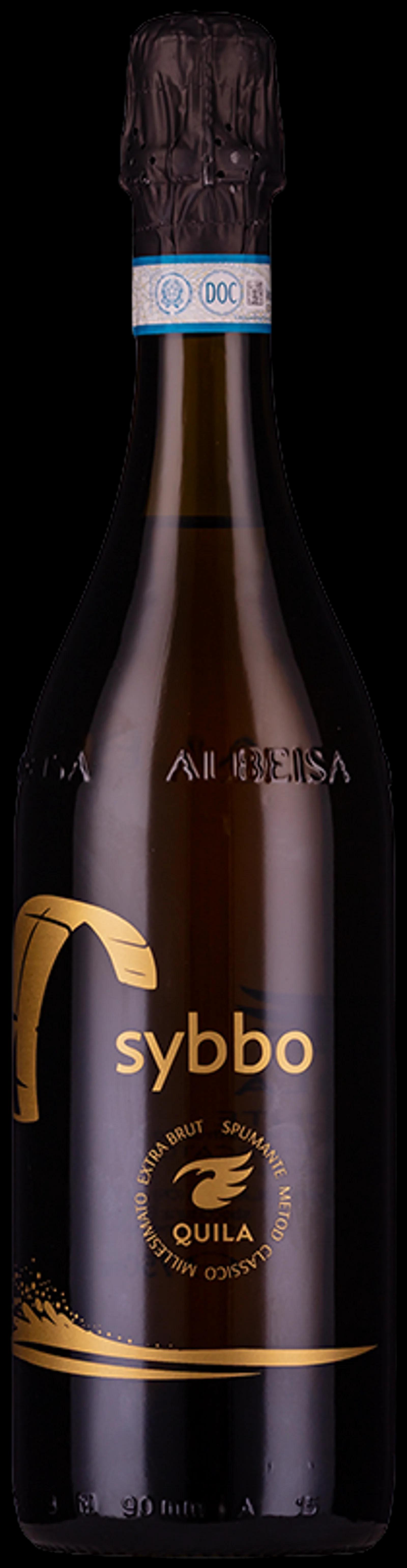
In Italy, Lombardy's Franciacorta applies the traditional method to Chardonnay and Pinot Noir with long lees ageing; Piedmont produces Brachetto d'Acqui — a low-alcohol, gently sweet sparkling red — alongside the tank-method Moscato d'Asti, which ferments only once and stops early, reaching around five percent alcohol with a delicate spritz rather than full sparkle. The Veneto is the home of Prosecco Superiore, where Glera grown on steep slopes in Valdobbiadene and Conegliano produces a lighter, more aromatic style than the bulk version sold in supermarkets.
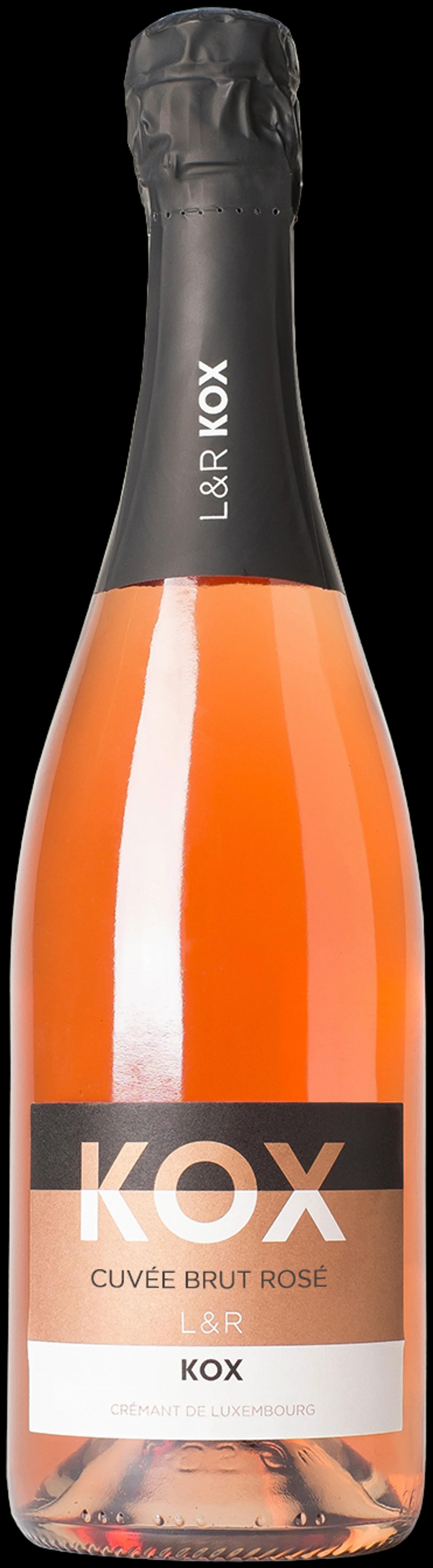
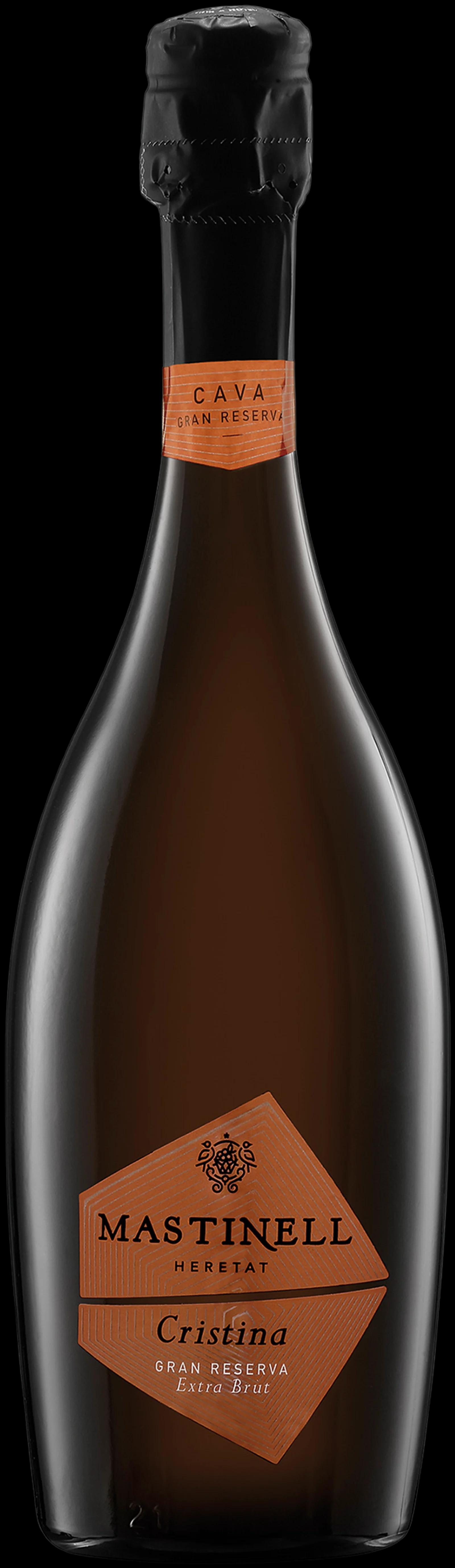
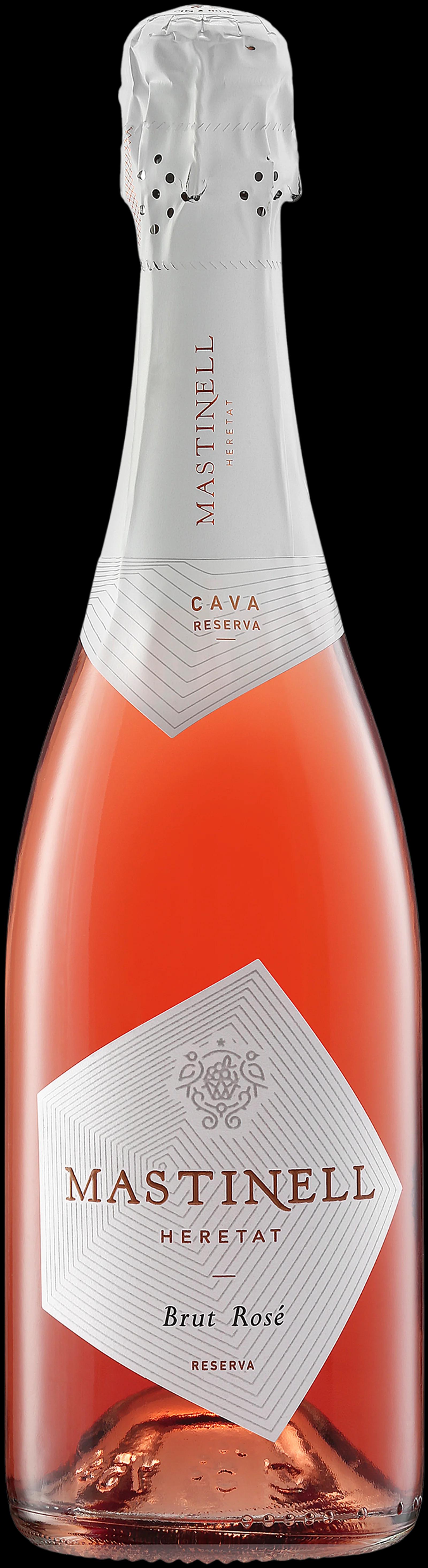
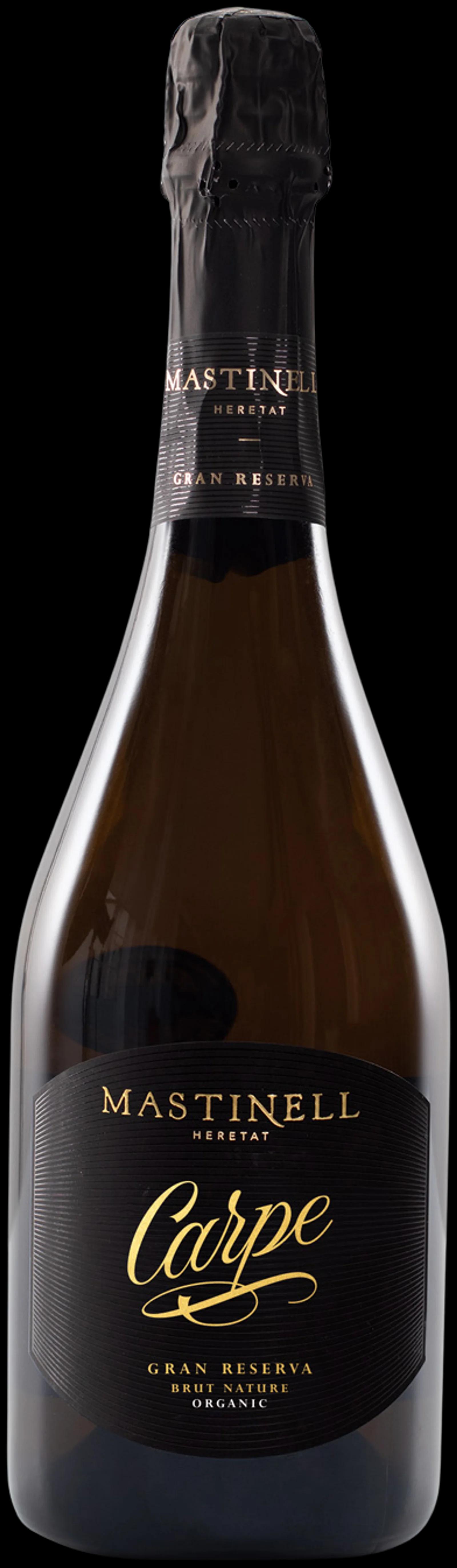
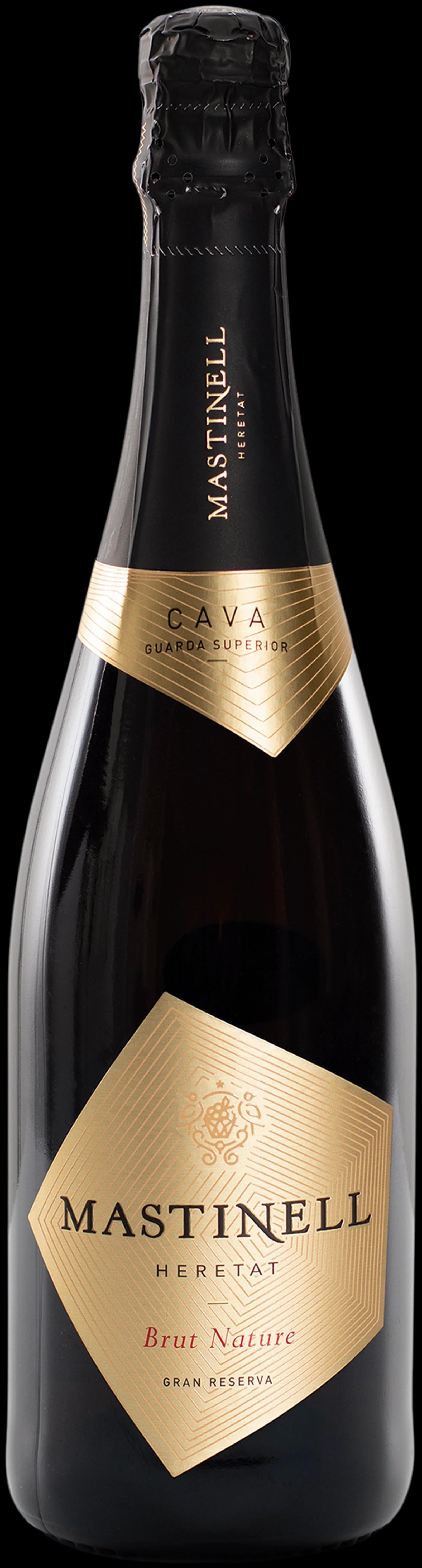
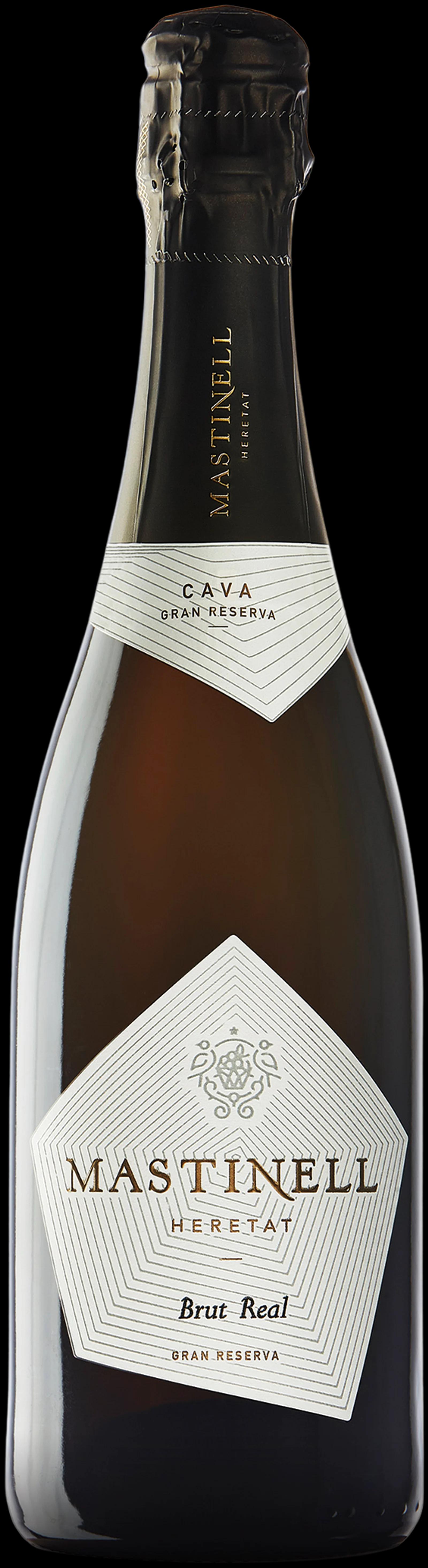
Spain's contribution is Cava, a traditional-method wine made mainly in Catalonia from indigenous grapes — Macabeo, Xarel-lo, and Parellada — though producers in Aragon and Valencia also have the right to the designation. Luxembourg's Crémant de Luxembourg, made along the Moselle from Pinot Blanc, Auxerrois, and Riesling, is one of Europe's quieter sparkling appellations and one of the least exported.
Beyond the established names, sparkling wine turns up wherever growers find high acidity and a reason to trap a bubble: Durella in Veneto for Lessini Durello, Riesling in Rheingau and Pfalz for German Sekt, and Chardonnay and Pinot Noir across Burgundy for Crémant de Bourgogne. The producers listing sparkling wines on Free Grape Society ship each bottle directly from their own cellar — no importer or warehouse in between. Free Grape Society is a society of producers, independent experts, and wine lovers, not a shop.
How to choose a sparkling wine
Start with the method, because it sets the structural register more than grape or region does. Traditional-method wines — Champagne, Cava, Crémant, Franciacorta — are built on autolytic character: the contact with spent yeast adds bread, pastry, and texture to the fruit. Tank-method wines preserve primary fruit; they are fresher, lighter, and less complex in the yeast dimension. Ancestral-method wines are somewhere else entirely: lower pressure, often slightly cloudy, and shaped by whatever the grape and the vintage gave rather than by a house formula.
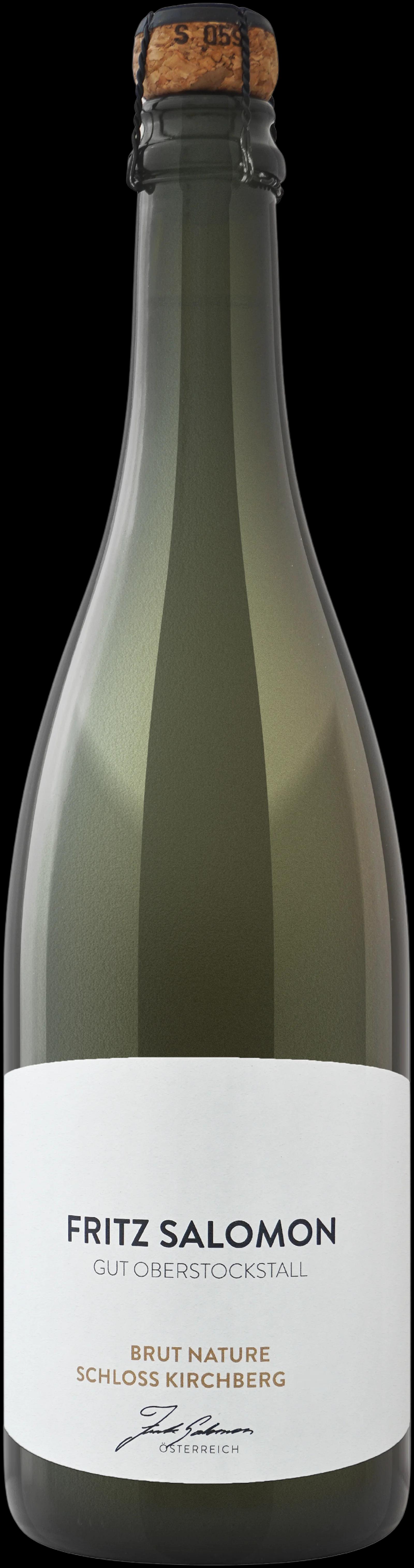
Within each method, acidity and dosage (the small addition of wine and sugar after disgorgement in the traditional method) determine where on the sweetness spectrum the wine lands. Brut Nature or Zero Dosage means no sugar added after disgorgement — the driest category, where the wine's own acidity carries everything. Extra Brut and Brut follow, with very small additions; Extra Dry and Sec are noticeably softer, despite the names suggesting otherwise to an English speaker. Demi-sec is sweet, Doux sweeter still.
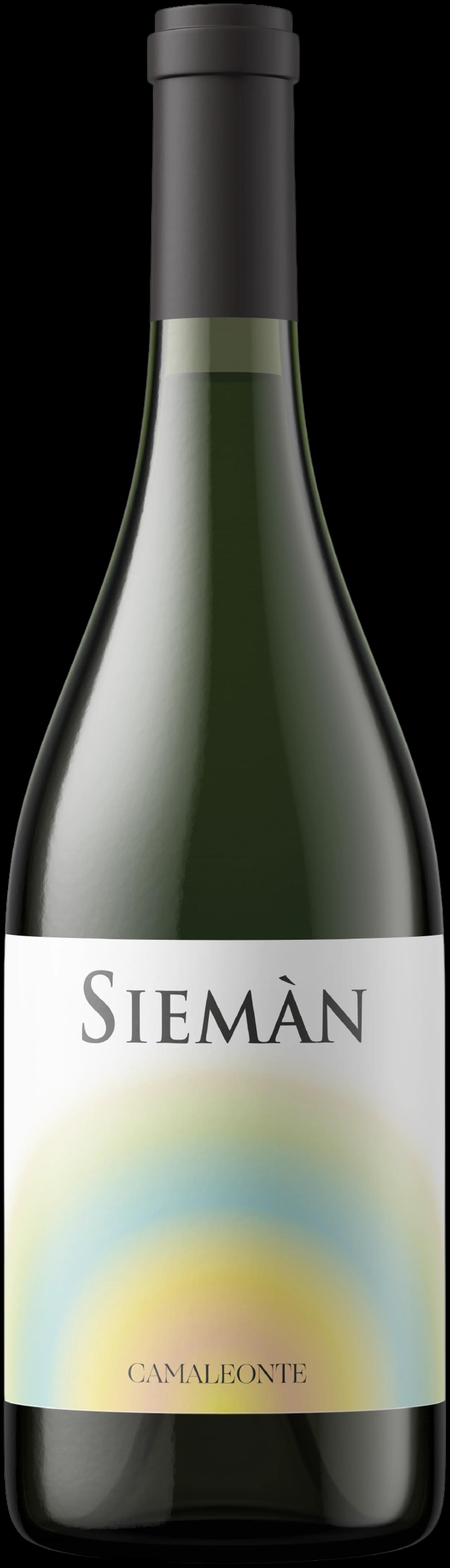
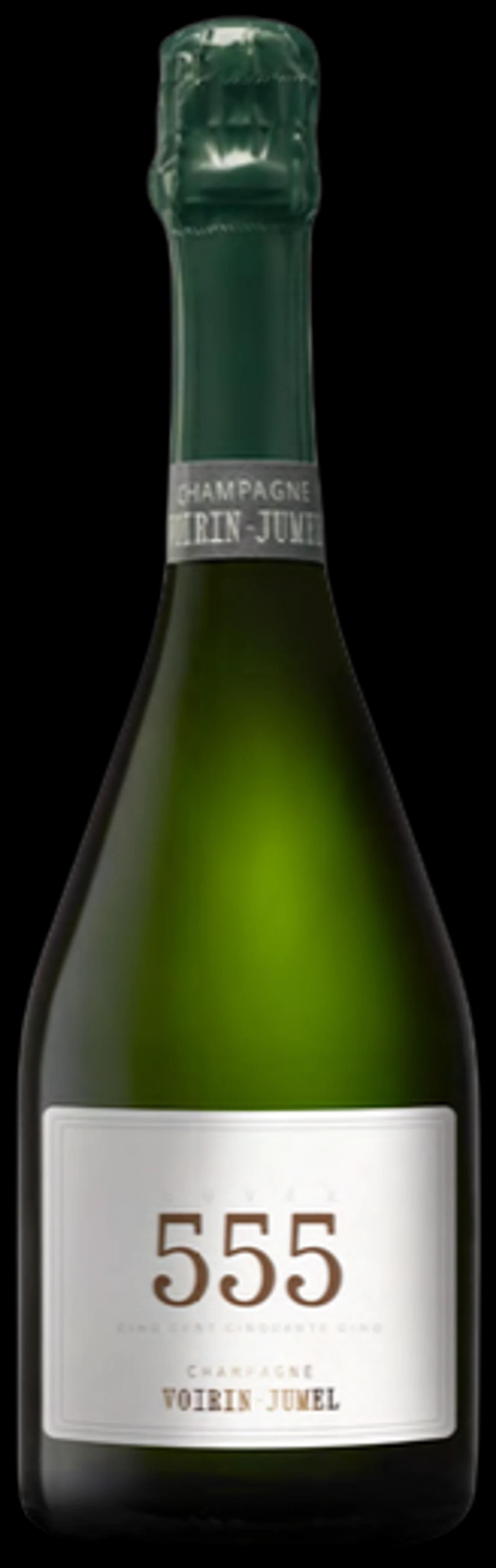
If you want to explore individual bottles before committing to a case, the sparkling wines listed here let you buy by the bottle. If you already know a style you like and want a selection to try across producers, mixed cases are available from several of the same regions — Champagne, Italy, Spain, and others. For a question about a specific wine or producer, the form below connects you directly with an independent wine expert. Wines tasted before listing.