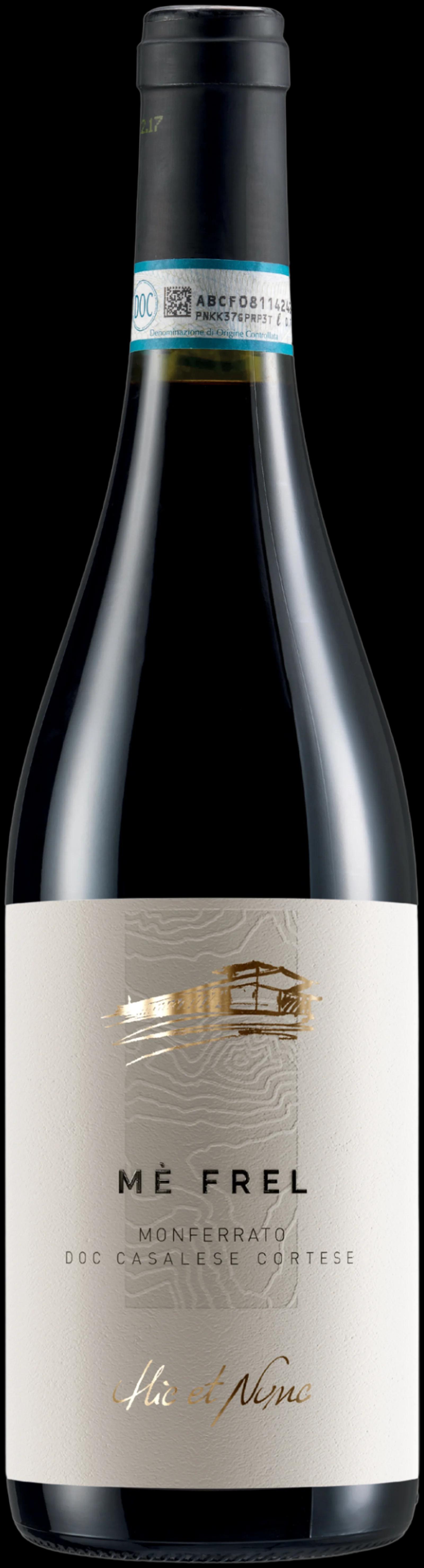
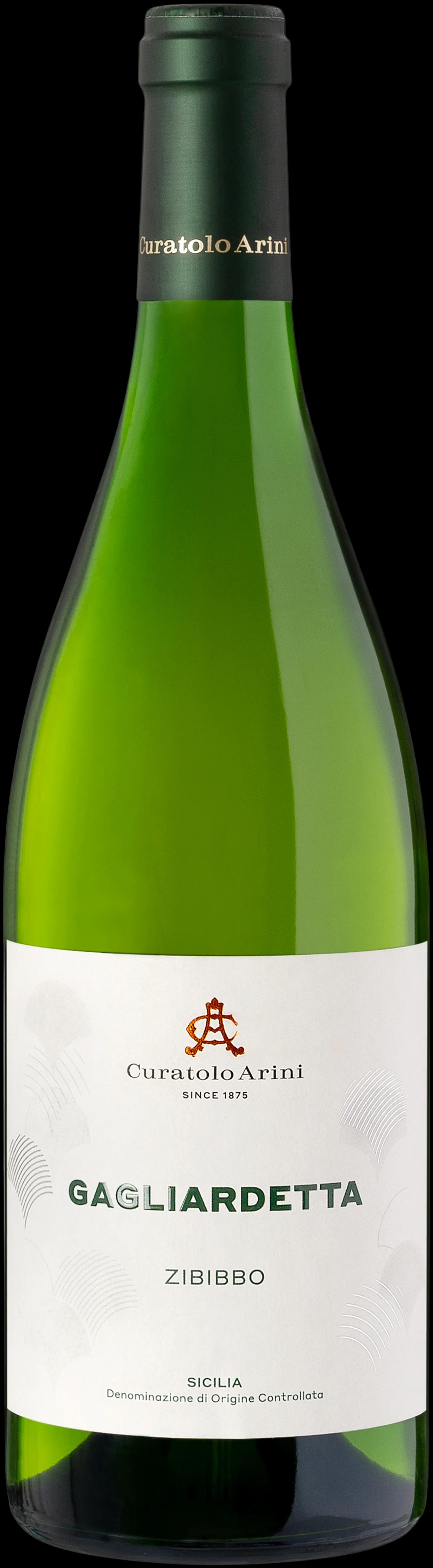
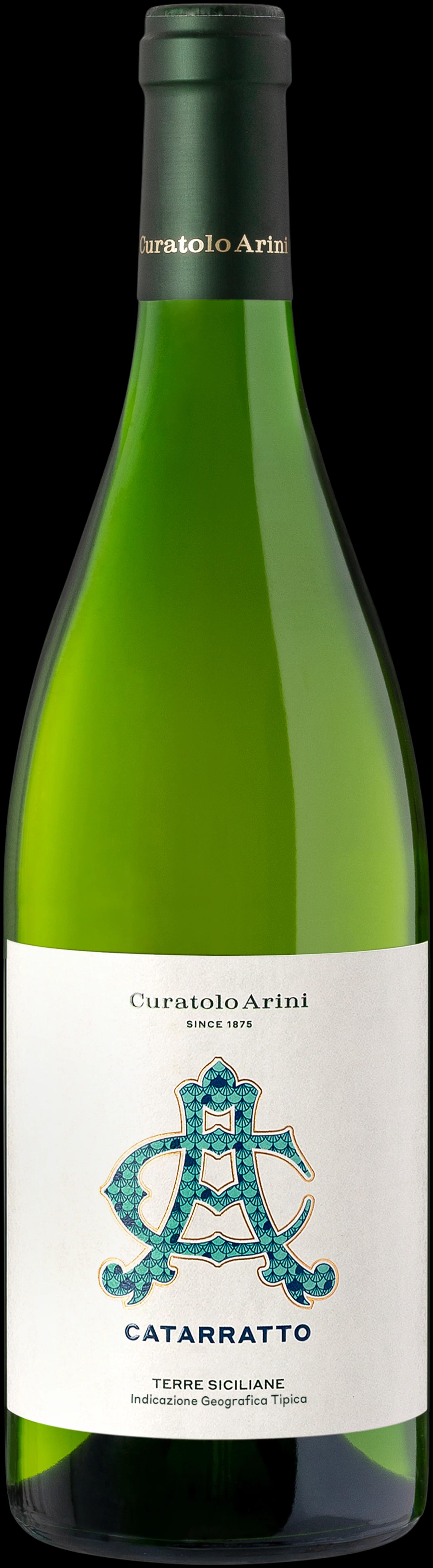
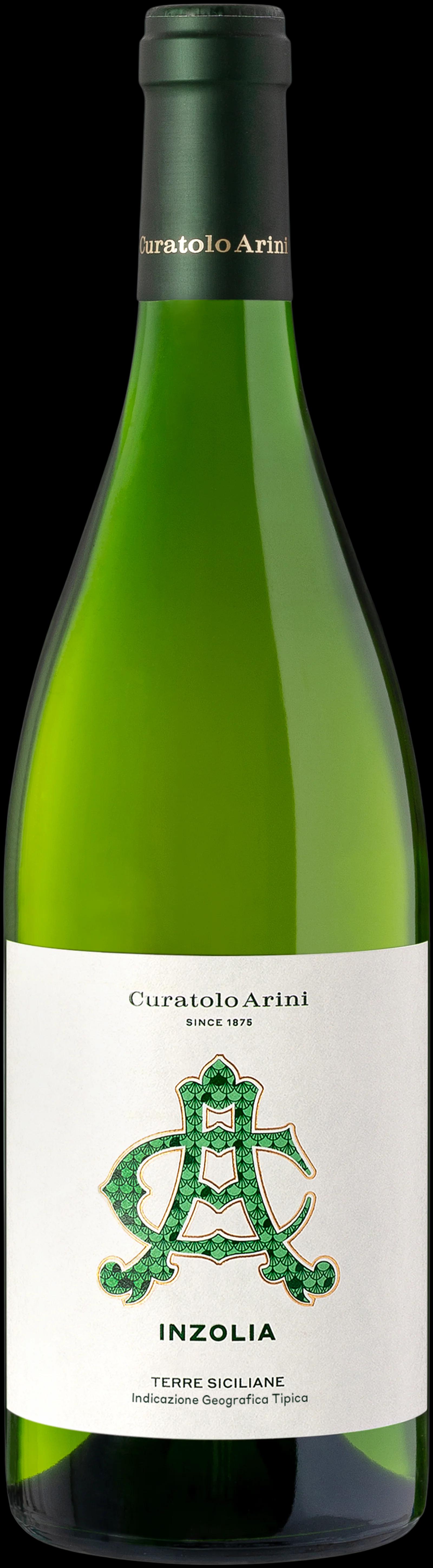
Key grapes in Italian white wine
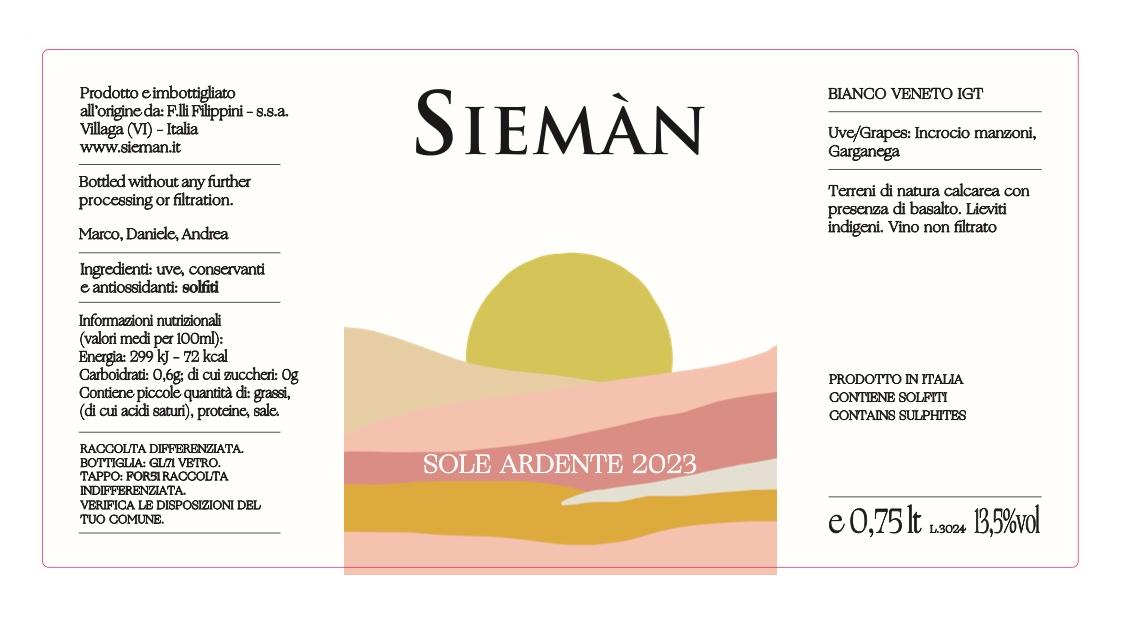
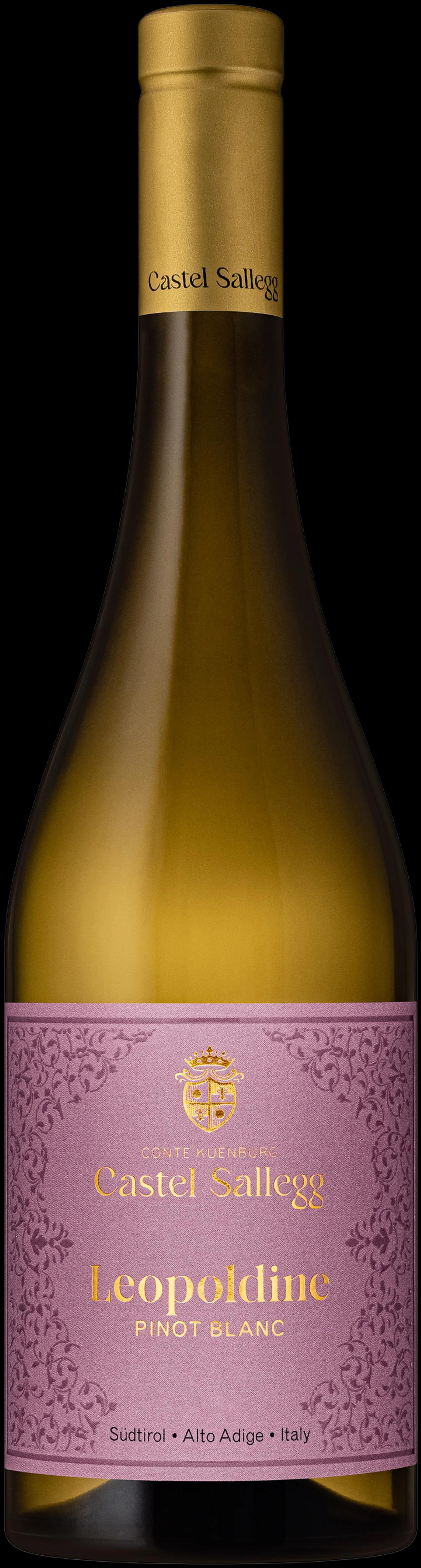
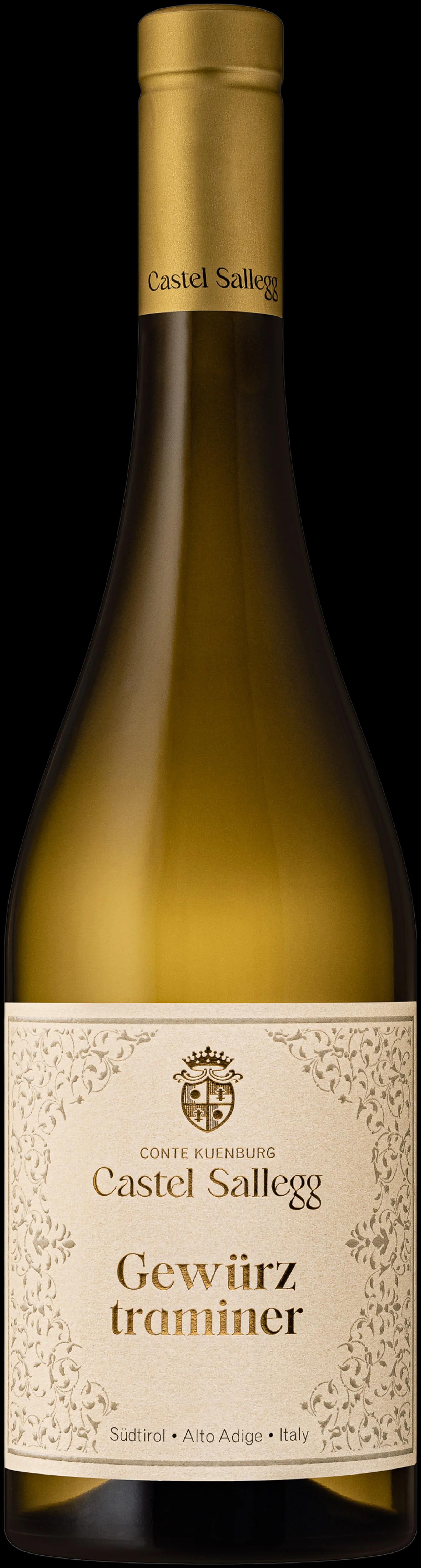
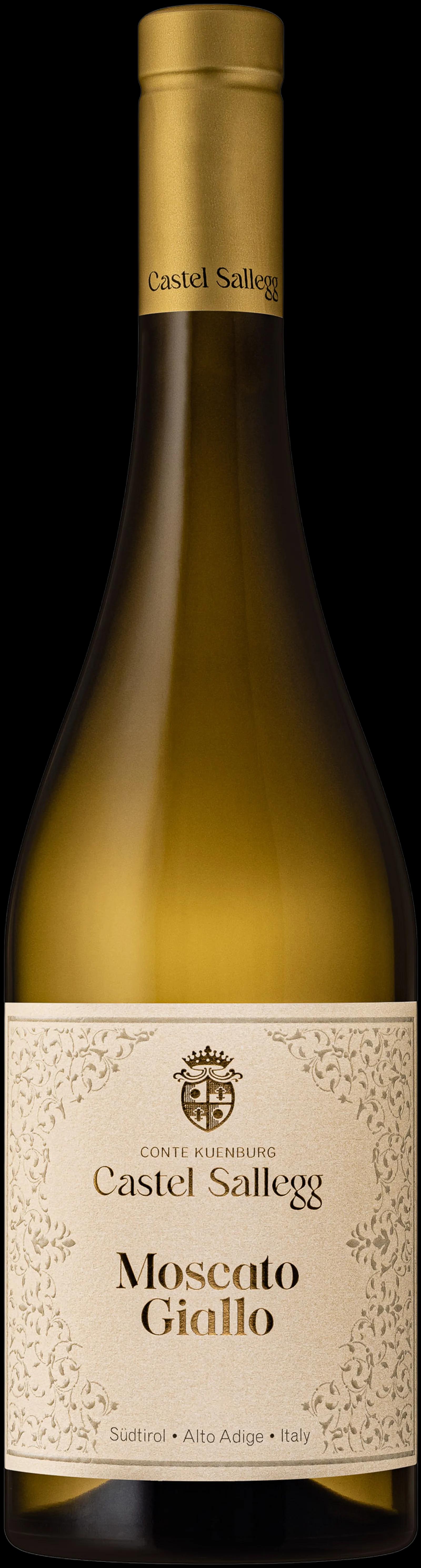
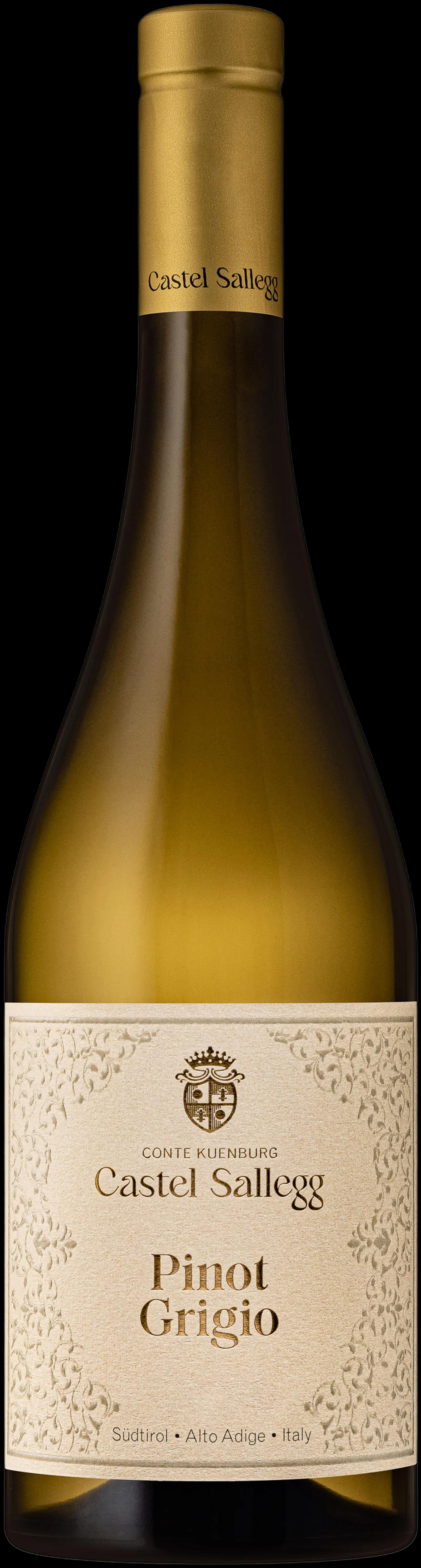
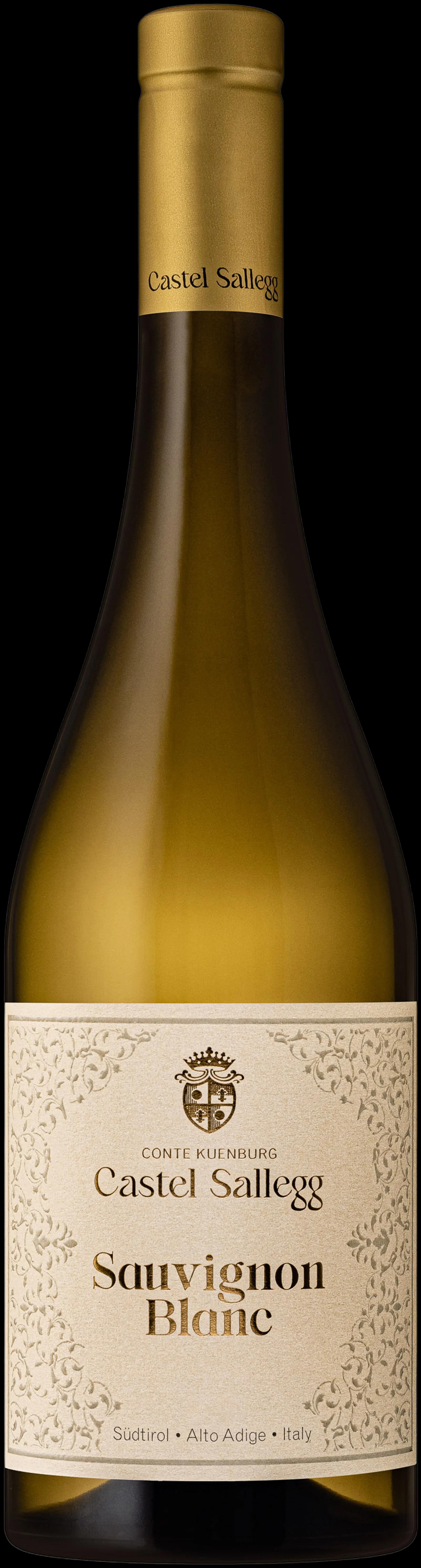
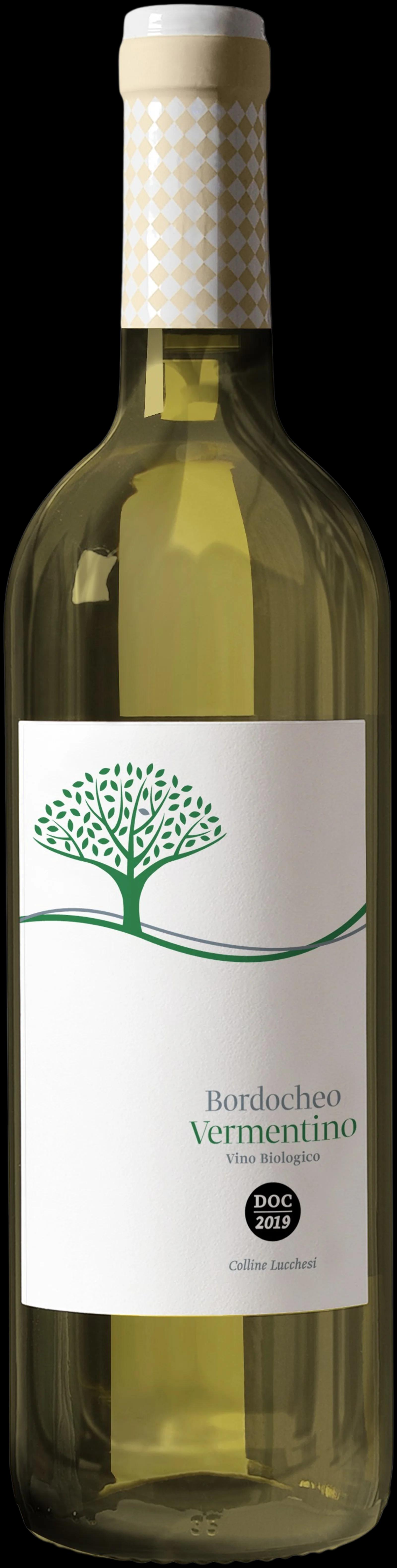
Italian white wine is not built around a single variety. Garganega is the structural backbone of Soave in the Veneto, producing wines with almond and citrus character that depend heavily on whether the vineyards sit on volcanic basalt or alluvial plains — the basalt-grown fruit carries measurably higher mineral tension. Further north, Friuli Venezia Giulia is where Friulano, Ribolla Gialla, and Sauvignon Blanc reach their most precise expression in Italy, shaped by the Ponca marl-and-sandstone soils of the Collio and Colli Orientali. Chardonnay grown in Trentino-Alto Adige at elevations above 500 metres behaves differently from Chardonnay grown anywhere in France: diurnal temperature swings of up to 20°C in late summer preserve acidity that the variety would otherwise lose at lower altitudes. In Sicily, Carricante on the eastern slopes of Etna is one of the few Italian white grapes gaining international attention precisely because volcanic soil and altitude combine to produce a white wine with a decade or more of ageing potential — uncommon for the island. Vermentino, dominant in Sardinia and parts of coastal Tuscany, produces wines with a characteristic bitter finish that is not a flaw but a structural marker of the variety in Mediterranean heat.
Regional variation in Italian white wine
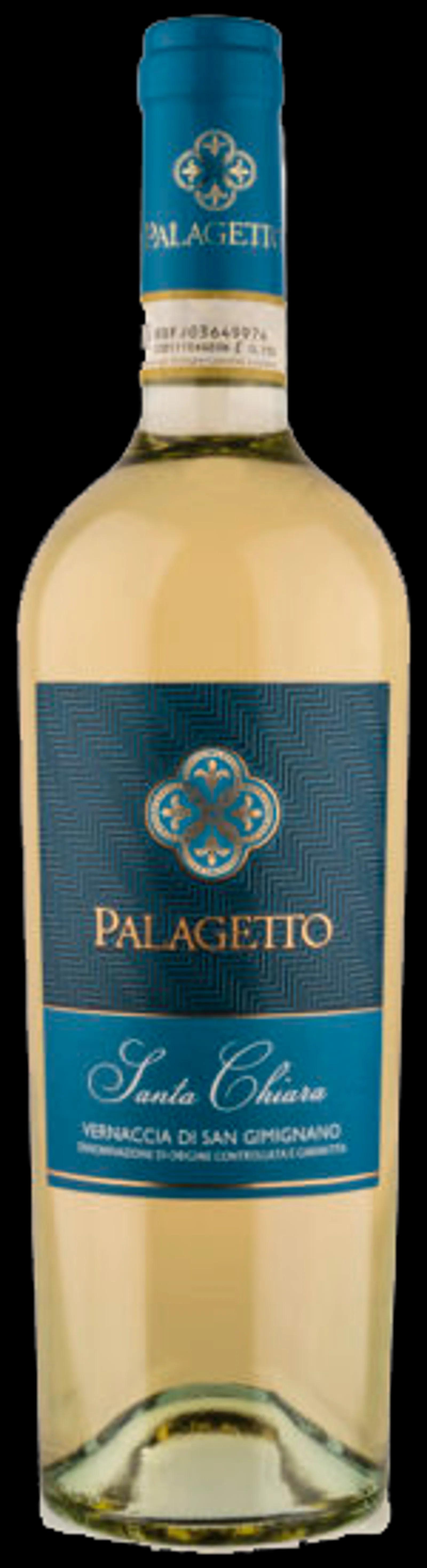
Italy's white wine geography runs from the Alpine foothills to the volcanic south, and the structural differences between regions are not subtle. Piedmont is known for its reds, but Arneis — a grape nearly extinct in the 1970s and revived by a handful of producers in the Roero — makes a white wine that is structurally lean, low in residual sugar, and shaped by the sandy soils on the west bank of the Tanaro river. Tuscany produces Vernaccia di San Gimignano, Italy's first wine to receive DOC status in 1966, grown on clay and limestone soils at 300–500 metres elevation; the grape produces wines with notably higher acidity than most central Italian whites. In the Veneto, Prosecco's base grape Glera is not typically made as a still white, but Soave and Lugana — the latter built on Turbiana, a local biotype of Trebbiano di Soave — demonstrate how the same broad region produces white wines with fundamentally different aging curves. Campania, further south, is where Fiano di Avellino and Greco di Tufo are grown at 400–700 metres on volcanic and sulfur-rich soils; both grapes develop bottle complexity over three to seven years in a way that is rare among southern Italian whites. Producers listing on Free Grape Society from these regions tend to be single-estate operations working with indigenous varieties — not the international grapes that dominate export-oriented bottlings.
How Italian white wine is made
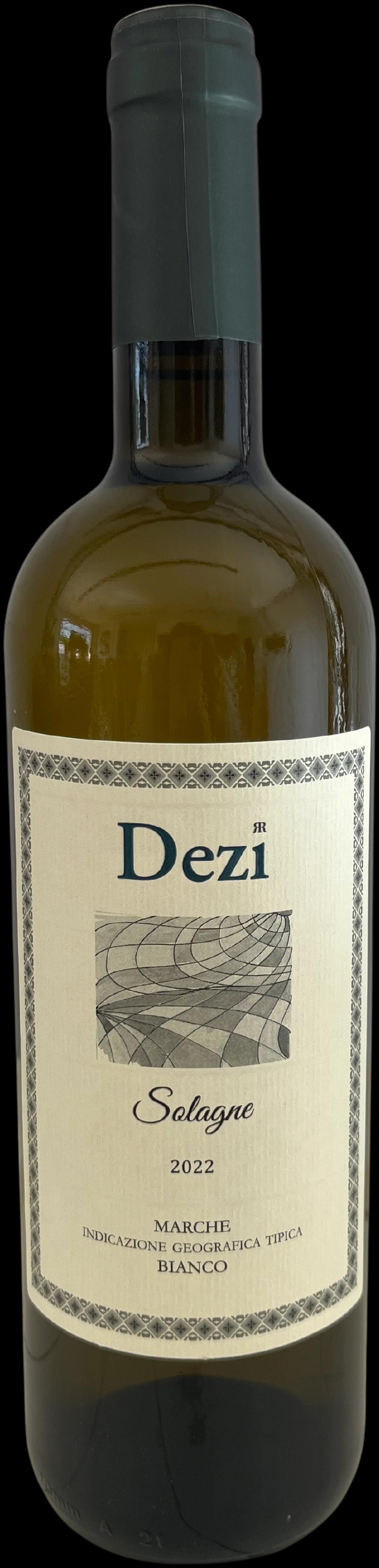
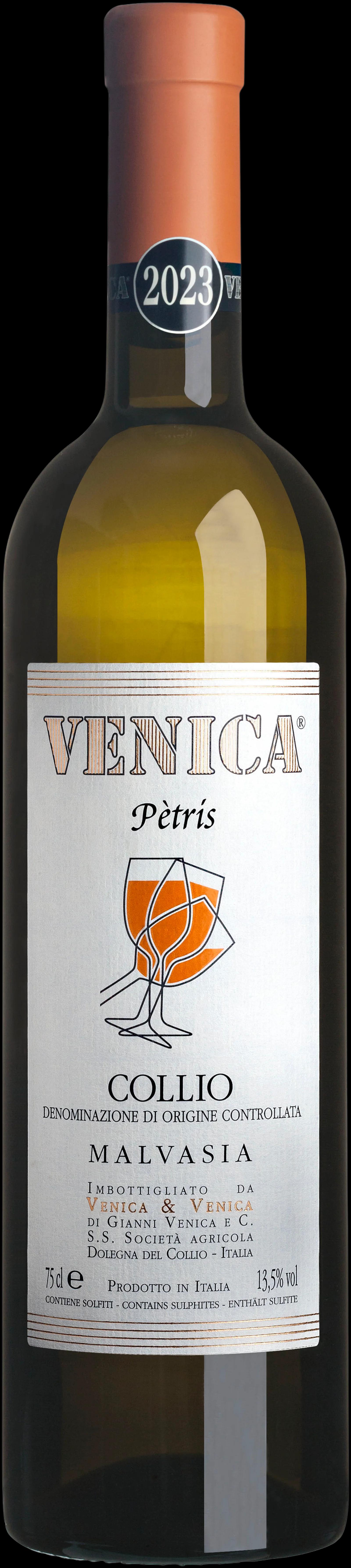
Production decisions in Italian white wine are more varied than in most European countries, partly because the variety count is higher. Italy has over 350 documented indigenous grape varieties, and a significant share of those are white. The decision to ferment in stainless steel versus oak versus clay amphora changes the outcome in ways that are variety-specific: Fiano responds well to light oak contact, while Verdicchio — grown primarily in the Marche — is typically fermented cold in steel to preserve the high-toned floral aromatics that define its style. Skin-contact whites, sometimes labelled as orange wine, have roots in Friuli and Slovenia, where producers like those in Collio began extended maceration work in the 1990s as a return to pre-industrial practice rather than as a trend. Malolactic fermentation is deliberately suppressed by most producers working with high-acid northern varieties; in Soave, the choice not to put the wine through malolactic conversion is a quality signal, not a default. Refermentation in bottle — the method behind Prosecco Metodo Classico and Franciacorta in Lombardy — produces a different structural outcome than the Charmat method used for most Prosecco DOC, with finer bubbles and longer lees contact. The producer sets both the method and the price. No importer, no wholesaler. The price you see is the price the producer agreed to. For a broader view of Italian wines or to compare with white wines from other countries, the parent pages carry the full picture.