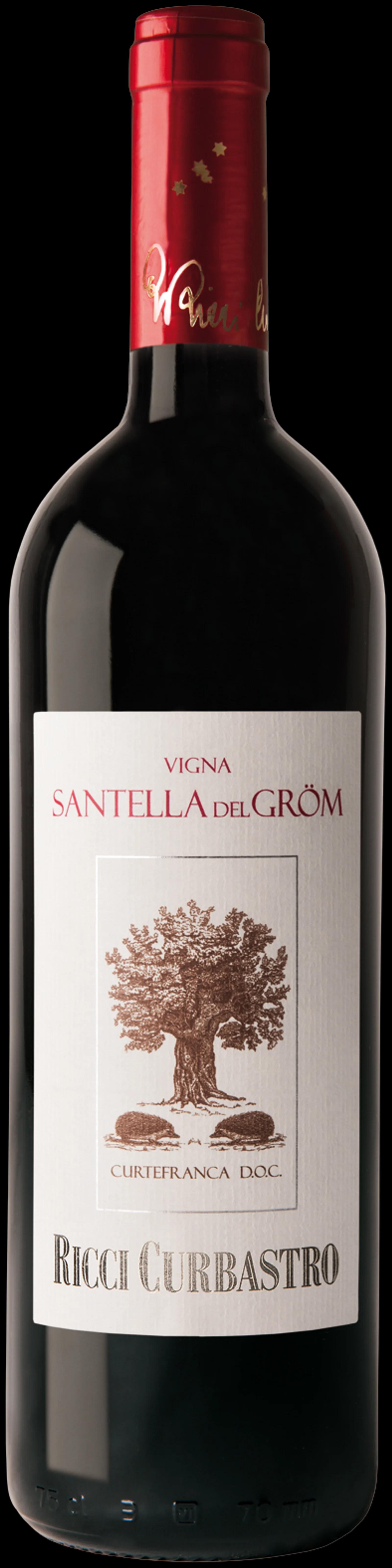
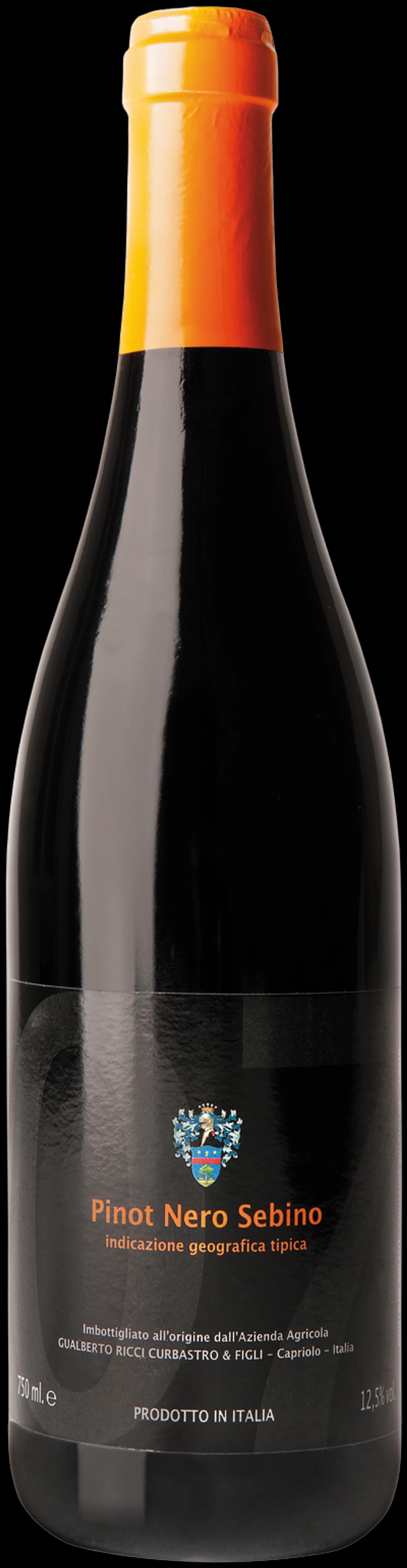
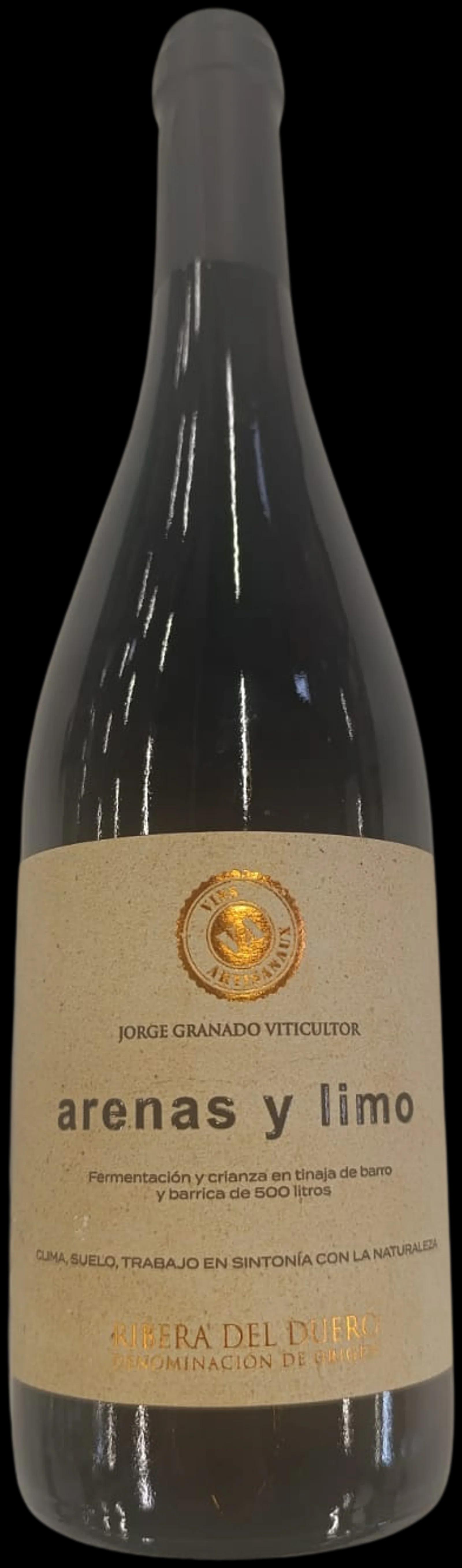
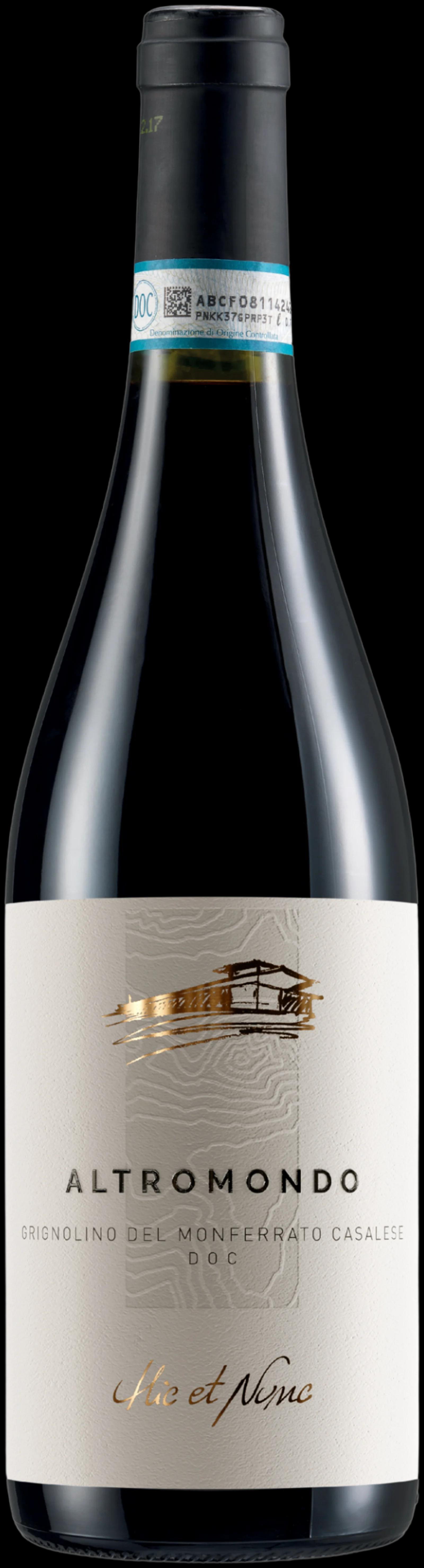
The smallest cellars, where one pair of hands does everything

At this end of the spectrum, production is counted in a few thousand bottles at most. The work is hands-on at every step, quantities are genuinely limited, and the line from grower to bottle is about as short as it gets.

Limited quantities, made from a single plot or a few barrels — wine at its most personal scale.

Country

Dropdown arrow

Region

Dropdown arrow

Production Volume

Dropdown arrow

Sort by

Sort arrow

Wineries

At this scale, the person who tends the vines is usually the same person who picks the grapes, manages the cellar, and fills the bottles. Nothing passes through a second set of hands before it reaches you. That directness is built into the production itself — it is not a marketing position. When you order from one of these producers, the wine ships from the cellar where it was made, with no importer or warehouse in between. Free Grape Society is a society of producers, independent experts and wine lovers — not a shop.

Morava, Czech Republic
Valka Winery, Morava, Czech Republic
Established 1991
Valka Winery

Wines

Quantities at this end are real. A producer making six thousand bottles a year across three cuvées has perhaps two thousand bottles of each to share with the world. Some wines sell out before a new vintage is ready. Browsing the producers below is worth doing when you find something that interests you — availability across vintages is not guaranteed in the way it is at larger estates. On Free Grape Society, producers at every scale ship directly from their own cellar, with no importer or warehouse in between.

View all wines

Mixboxes

Independent wine experts on Free Grape Society rate and review wines they have personally tasted. Their reviews appear on the wine page and on the expert's own profile, so you can read what someone with genuine tasting experience thinks before you order. Experts do not select which wines are listed — that is a separate process — but several of the experts below have reviewed bottles from producers in this band.

View all mixboxes

Wine experts

The producers gathered here make wine at the smallest scale you will find on Free Grape Society. What connects them is not a region, a grape, or a style — it is the fact that every decision in the cellar is made by a very small number of people, often one. That shapes the wine in ways that are hard to replicate at larger volumes: each lot is watched closely, adjustments are made by hand, and the finished bottles reflect choices made at an individual level rather than a production system.

View all wine experts

Frequently asked questions

How do I order from one of these small-batch producers?

Browse the producers below, open the winery page you are interested in, and add wines to your basket. When you place your order, it goes directly to that producer. They pack and ship the wine from their own cellar — no warehouse, no intermediary. Delivery typically takes between four and fourteen days, with an average of around eight to nine days depending on where the producer is based.

What happens if a bottle arrives broken or doesn't taste right?

Send a photo to Free Grape Society customer support within 7 days of delivery. We will arrange a replacement or a refund. Because producers ship directly, quality issues are handled with the producer's direct involvement. Shared responsibility is built into how FGS works.

How does availability work at this scale?

Producers making fewer than ten thousand bottles a year often work in very small lots — sometimes a few hundred bottles of a given cuvée. Stock can run out between vintages, and not every wine is available year-round. If a wine you are interested in is showing as available, it is worth ordering sooner rather than later. The producer's page will show what is currently in stock.

How long does delivery take?

Average delivery is 8 to 9 days from order to door. The full range is 4 to 14 days depending on the producer's location and your delivery address. Wines ship directly from the producer's cellar, not from a central warehouse.

How do I find a producer in this band whose style suits me?

The winery pages give you the region, the grapes they work with, and a description of how they approach winemaking. Independent wine experts have reviewed a number of the wines, and those reviews are visible on the wine page itself. If you are unsure where to start, you can also submit a question to a wine expert through Free Grape Society — they can point you towards a producer whose style matches what you are looking for.

How does Free Grape Society decide which producers to list?

Producers send samples to Free Grape Society. The wines are tasted before anything is listed, so nothing reaches the catalogue on reputation or volume alone. Once a wine is listed, independent wine experts who have personally tasted it can add ratings and reviews. The process is the same regardless of how many bottles a producer makes — a garage cellar and a larger estate go through the same steps.

Which wine expert can recommend something for me?

You can browse the wine experts on Free Grape Society, read their profiles, and see which wines they have reviewed. If you have a specific question — a grape you are curious about, a region you want to explore, or a food pairing you are planning — you can submit a question directly to an expert. The advice is free and comes from someone who has tasted the wines they are recommending.

Why do you list both the tiniest garage cellars and much larger estates?

Because production volume describes how a wine is made and how available it is — not how good it is. A producer making three thousand bottles a year works differently from one making three hundred thousand, and those differences show up in the wine. But scale is not a quality ranking. On Free Grape Society, a small cellar and a large estate compete on equal terms. The producer ships from their own cellar regardless of size.

Can I find these wines in a shop or through a traditional importer?

At this scale, most producers do not have the volume to supply traditional import and distribution channels, which typically require minimum quantities that a small cellar cannot meet. Free Grape Society's direct model works precisely because the wine ships from the producer to you — no importer minimum, no warehouse requirement. Many of these wines are genuinely difficult to find outside the producer's own market.

What production volume tells you about a wine

The number of bottles a producer makes each year shapes almost everything about how a wine is made — but it says nothing about whether the wine is good. A cellar turning out 500,000 bottles works differently from one making 10,000, and both can make wine worth seeking out.

At the smallest end of the scale, a single person or family tends every row, fills every barrel by hand, and often makes each cuvée in tiny lots. When a vintage is sold, it is gone. At the larger end, a producer has the infrastructure to maintain consistent supply across vintages and offer a wider range of styles — some estates across Tuscany, Rioja, or Burgundy have been doing exactly that for generations. Neither approach is inherently superior. Scale is a description of method and availability, not a proxy for quality.

What production volume does tell a buyer is practical: how easy a wine will be to find again, how consistent it is from year to year, and how hands-on the winemaking is likely to be. A 6,000-bottle Nebbiolo from Piedmont and a 200,000-bottle Sangiovese from Tuscany are different propositions — in availability, in the labour behind them, and in what finding them directly from the producer means.

Small growers and large estates — on equal terms

Free Grape Society works with producers across the full range of scales, from garage cellars to established family estates. What they share is a direct relationship with the buyer: each producer ships from their own cellar, with no importer, agent, or warehouse in between.

For a buyer, this changes what the transaction means. At the smaller end — a few thousand bottles from a grower in Galicia or Alsace — buying direct often means reaching a wine that never appears in retail channels. At the larger end, it means ordering a tried-and-trusted estate wine at the price the producer sets, without a distribution margin built in.

The producers across Austria, Portugal, Germany, France, Spain, Italy, and elsewhere on Free Grape Society compete on equal terms, regardless of size. Independent wine experts rate and review wines they have personally tasted — those reviews appear on the wine page and on each expert's profile, giving buyers an honest view of what is in the bottle, whether it comes from a ten-barrel cellar or a ten-hectare estate.
How we choose our producers

Every producer on Free Grape Society goes through the same process, regardless of how much wine they make. Producers send samples, and those wines are tasted before listing — nothing reaches the catalogue on reputation or scale alone. A well-known name from Champagne and a small cooperative from Moravia are evaluated the same way.

Once a producer's wines are listed, they are open to review by the independent wine experts who work with Free Grape Society. These experts rate and review wines they have personally tasted. Their reviews appear on the individual wine page and on their own profile — they are not editorial gatekeepers, and they do not select which wines are listed. That transparency is the same at every level of production.

We do not list a producer's full range as a matter of course. A producer making 400,000 bottles a year might have two or three wines on the platform; a producer making 8,000 might have five. Selection follows the tasting, not the output. Free Grape Society is a society of producers, independent experts, and wine lovers — not a shop organising producers by prestige or size.