 Marken, Italien
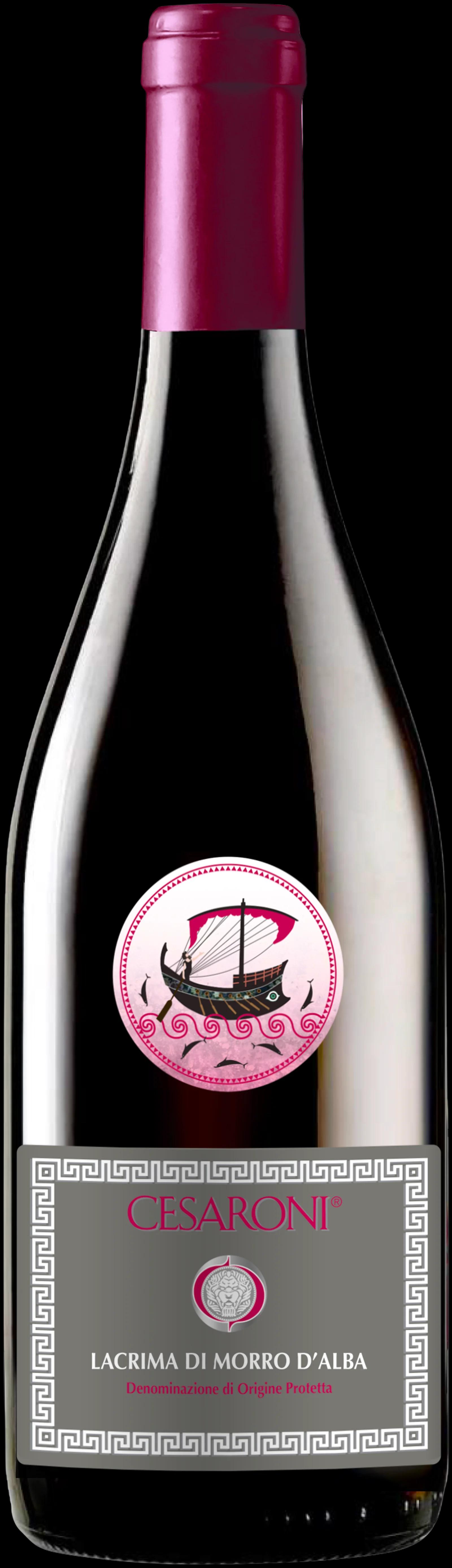
- Körper
- Säure
- Tannin
- Süße
- Fruchtigkeit
- Stil
- Weich & beerenreich
- Rote Beeren
- Passt zu
- Asiatische Küche
- Buffet
- Reifer und harter Käse
- Milder und weicher Käse
- Pasta & Pizza
- Schweinefleisch
- Scharfes Essen
Ihr Paket wird innerhalb von 4–16 Tagen
- Tenuta Cesaroni nimmt Ihre Bestellung entgegen und verpackt sie (1–4 Tage)
- Der Kurier holt Ihre Bestellung ab und liefert sie direkt an Ihre Haustür
Über diesen Wein
Ein ausdrucksstarker und eleganter Rotwein mit lebhaften Aromen von Rosen, Veilchen und reifen roten Beeren. Am Gaumen ist er weich und saftig, mit frischen Fruchtaromen, weichen T...
Speiseempfehlungen des Winzers
- Asiatische Küche
- Buffet
- Reifer und harter Käse
- Milder und weicher Käse
- Pasta & Pizza
- Schweinefleisch
- Scharfes Essen
Vinifikation in den eigenen Worten des Winzers
- Böden:
- Clay, Limestone, Sand
- Terroir:
- Prevailing of clays mixed with sand tending to be limestone
- Ernte:
- Picked by hand
- Fermentation:
- Steel (100%)
- Lagerung:
- Old oak (50%) 6 months
Concrete (50%) 6 months - Winzer:
- -
The grapes are desteamed, crushed and moved into a inert vessel macerated and fermentated at controlled temperature. The wine is mixed with its skins using cap management tecniques to maximise the extraction of color, flavour and tannin. Soft pressing to separate the wine from the skins. After various decanting the wine is ready for bottling in the absence of air.
Über den Wein und seinen Charakter
- Land:
- Italy
- Region/Unterregion:
- Marche
- Klassifikation:
- DOC
- Zertifizierung:
- -
- Traube:
- Lacrima 100 %
- Jahrgang:
- 2023
- Farbe:
- A vibrant ruby-red colour with violet highlights.
- Aroma:
- On the nose it offers intense aromas of wild red berries and ripe cherries intertwined with fragrant floral notes of rose petals and violets.
- Geschmack:
- The palate is smooth and expressive, with juicy fruit flavours, soft tannins and a fresh, lingering finish that balances brightness and gentle structure.
- Alkoholgehalt:
- 14%
- Zuckergehalt:
- 4.6 g/l
- Säure:
- 5.7 g/l
- pH-Wert:
- -
- Süße:
- Dry
- Enthält Sulfite:
- Ja
- Volumen:
- 750 ml
- Verschluss:
- Natural cork
- Flasche:
- Glass
- Am besten serviert:
- 15 - 18 °C
Laden...
Lernen Sie die Winzer hinter Lacrima di Morro d'Alba kennen
Informationen direkt vom Weingut bereitgestellt.

Information
- Weingut
- Tenuta Cesaroni
- Gründungsjahr
- 1965
- Anbaufläche
- 40 ha
- Produktion
- 450 000 b/y
Tenuta Cesaroni ist ein Familienweingut in Poggio San Marcello, wo die Weinberge in 400–450 Metern Höhe auf der einen Seite zur Adria und auf der anderen Seite zum Apennin blicken. Die Höhenlage und die Meeresbrisen tragen dazu bei, die Frische und den aromatischen Charakter der Trauben zu bewahren.
Tenuta Cesaroni kennenlernen