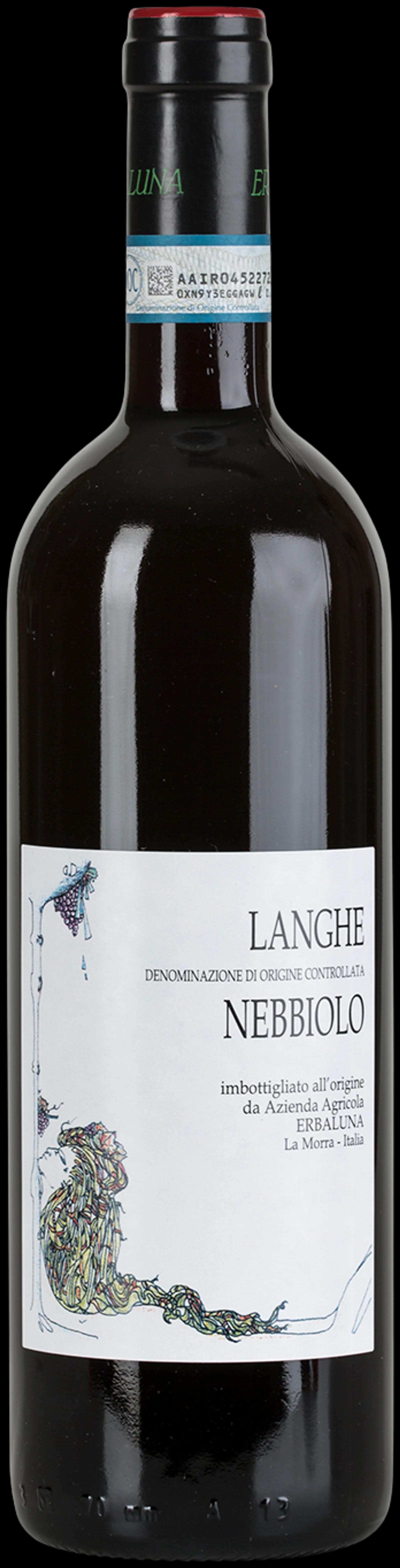
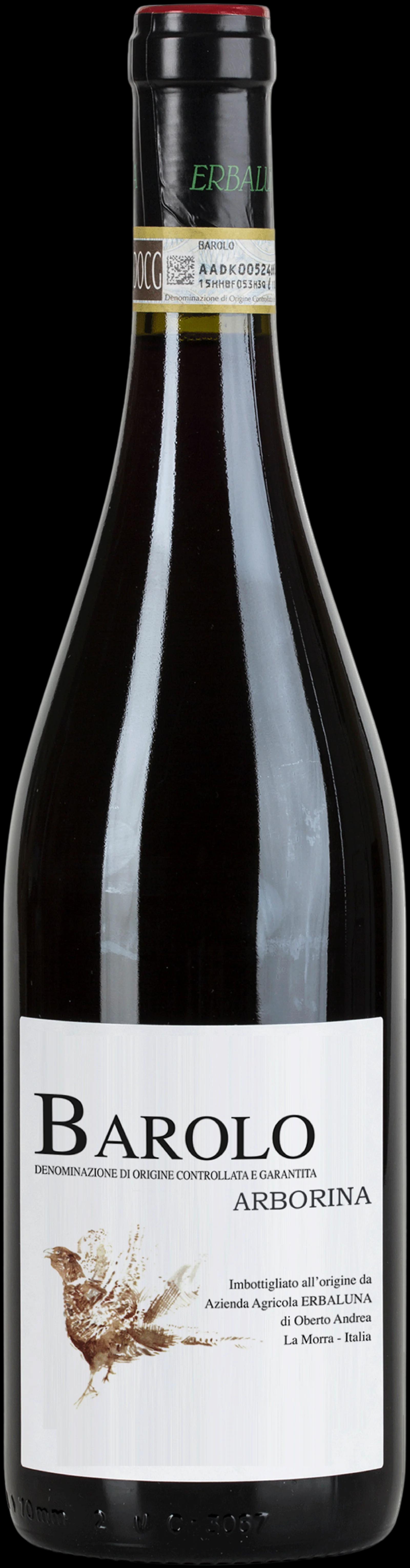
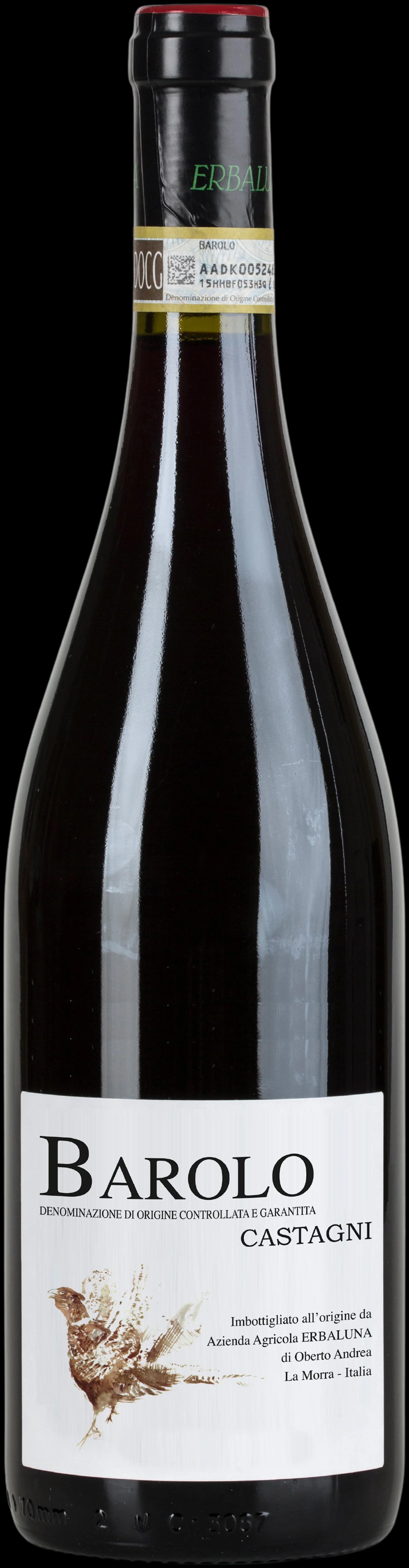
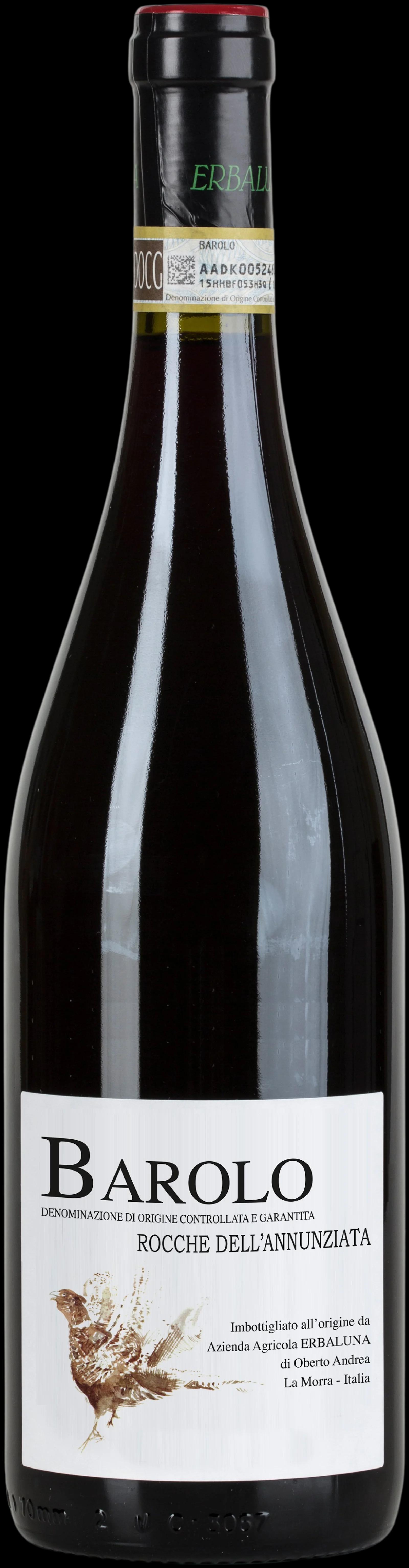
Nebbiolo wines from Piedmont's growers — direct from the cellar

Nebbiolo wines from estate-bottling Piedmont producers. High tannin, high acid, built to age. Every wine tasted before listing.
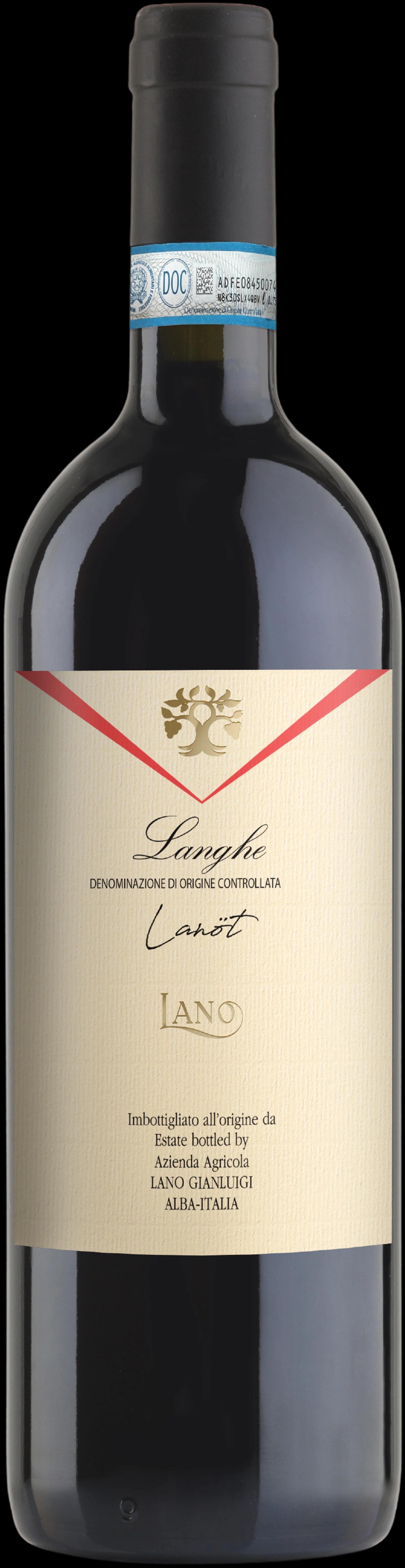
Barolo, Barbaresco, and beyond, from producers who bottle their own fruit.

Color

Dropdown arrow

Type

Dropdown arrow

Country

Dropdown arrow

Region

Dropdown arrow

Grape

Dropdown arrow

Pairing

Dropdown arrow

Sort by

Sort arrow
Nebbiolo

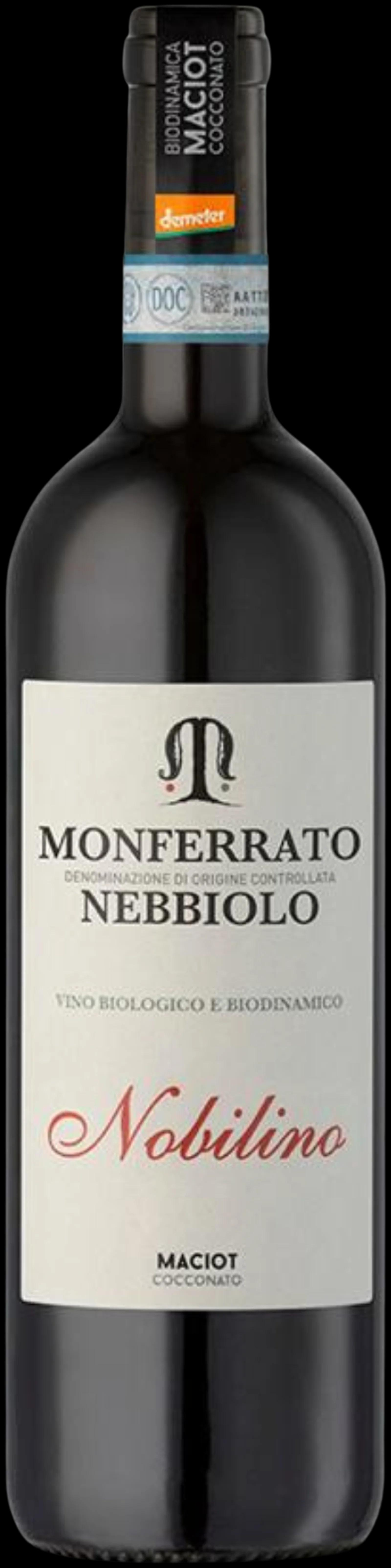
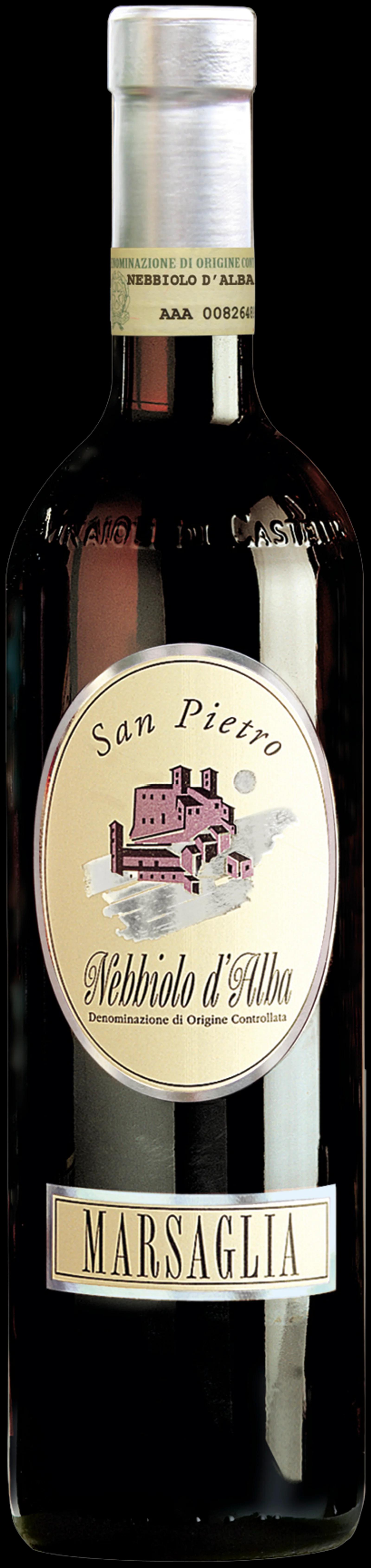
Nebbiolo wines

Nebbiolo is one of the earliest-budding and latest-ripening varieties grown in Piedmont, which makes it acutely sensitive to site. The same grape produces the structured, age-worthy reds of Barolo and Barbaresco and the lighter, earlier-drinking Nebbiolo d'Alba and Langhe Nebbiolo. Outside Piedmont, it appears in Valtellina under the name Chiavennasca, but significant plantings barely exist beyond northern Italy. The Nebbiolo wines here come from producers who own their fruit and bottle under their own name.

Previous1 of 1Next

Nebbiolo mixboxes

A mixbox on Free Grape Society is six bottles from one producer, composed entirely by that producer. On a grape page like this one, between three and six of those bottles are Nebbiolo. When a producer works exclusively with Nebbiolo, the whole box can be that grape. If the producer grows other varieties alongside it, they choose the remaining bottles to give context to the Nebbiolo within their own range. No buyer assembles the box across multiple estates.

Wine experts

Nebbiolo production is concentrated in a relatively small area of the Langhe hills in Piedmont. Style differences between producers working within the same Barolo or Barbaresco zone can be significant: some age in large Slavonian oak botti for extended periods, others use smaller French barriques, and a growing number have returned to practices their grandparents used. Growers who control their own production tend to make the clearest case for what their particular slope and soil can do.

Nebbiolo producers

Independent wine experts on Free Grape Society rate and review wines they have personally tasted. Their reviews appear on the individual wine page and on the expert's own profile, so you can follow the track record of reviewers whose palate you trust. Several of the experts below have reviewed Nebbiolo wines listed on this page. Expert reviews reflect personal tasting notes, not catalog decisions.

Frequently asked questions

How do I order Nebbiolo wines on Free Grape Society?

Browse the wines above and add bottles to your cart. Each listing shows the producer, the appellation, and the vintage. You pay once at checkout. Wines ship directly from the producer's cellar to your address. No account is required to browse, but you will need one to place an order.

What happens if a bottle arrives broken or doesn't taste right?

Send a photo to Free Grape Society customer support within 7 days of delivery. We will arrange a replacement or a refund. Because producers ship directly, quality issues are handled with the producer's direct involvement. Shared responsibility is built into how FGS works.

Can I order Nebbiolo wines as a mixed selection alongside other grapes?

Yes. You can add Nebbiolo wines to your cart together with wines from other grape pages and check out in one transaction. If the wines come from different producers, each producer ships their wines separately, so you may receive more than one delivery from a single order.

How long does delivery take?

Average delivery is 8 to 9 days from order to door. The full range is 4 to 14 days depending on the producer's location and your delivery address. Wines ship directly from the producer's cellar, not from a central warehouse.

How do I know which Nebbiolo to choose if I am unfamiliar with the appellation differences?

Each wine page shows the appellation, producer, and vintage. As a starting point: Langhe Nebbiolo and Nebbiolo d'Alba are lighter in structure and approachable earlier. Barbaresco tends to be more elegant and medium-term. Barolo is the most tannic and benefits most from ageing. Expert reviews on individual wine pages give further context.

What style differences should I expect between Nebbiolo producers?

Significant ones. Producers who age in large Slavonian oak botti tend toward more traditional, austere styles. Those using smaller French barriques often produce softer, more approachable wines earlier. Elevation, aspect, and soil type within the Langhe hills also play a major role in the final character of the wine.

Which wine expert can recommend a Nebbiolo for me?

Several experts on Free Grape Society have reviewed Italian red wines and have specific familiarity with Piedmont producers. Browse the expert profiles in the section above to find a reviewer whose background matches what you are looking for. You can read their published reviews before reaching out for a personal recommendation.

Why don't you sell Nebbiolo from supermarket brands?

Supermarket Nebbiolo is typically produced at scale, blended to a consistent house style, and distributed through wholesale chains. The wines here come from producers who bottle under their own name and ship from their own cellar. A bottle from this page has changed hands once before it reaches you, not three times.

How does Nebbiolo on Free Grape Society differ from what Systembolaget carries?

Systembolaget's Barolo and Barbaresco range is limited by volume requirements: producers must be able to supply at national scale. Most producers on Free Grape Society make too little wine for that model. That structural difference means the estates here are largely absent from Systembolaget's shelves regardless of quality.

Where Nebbiolo is grown

Nebbiolo is, in practical terms, a Piedmontese grape. It grows across Piedmont — in Barolo, Barbaresco, Gattinara, Ghemme, Carema, and Langhe — and almost nowhere else with consistent results. Attempts to transplant it to California, Argentina, and Australia have largely confirmed that Nebbiolo is one of the most site-sensitive red grapes in existence: without the right combination of calcareous clay soils, continental climate, and hillside elevation, the variety sheds its structure and loses the definition that makes it worth seeking out. Within Piedmont, the commune of Barolo splits into eleven recognized subzones, each with a distinct soil composition and microclimate. The Serralunga d'Alba subzone sits on compact Helvetian soils and produces wines that typically need a decade before the tannins soften; La Morra and Barolo village, on more fertile Tortonian soils, yield rounder, earlier-drinking expressions. Barbaresco, northeast of Alba along the Tanaro river, works with the same grape but on soils with more sand and at lower elevations — which generally produces wines that open earlier and carry more aromatic lift. Small amounts of Nebbiolo also appear in Lombardy under the name Chiavennasca, in Valtellina, where it is grown on terraced Alpine slopes at altitude. Outside Italy, plantings remain marginal.

The taste profile of Nebbiolo

Nebbiolo is defined by high tannin, high acidity, and relatively low color for a red grape of its weight. The combination can be disorienting at first: a wine that looks pale garnet in the glass but grips the palate like a much darker wine. The aromatics shift with age. In youth, Nebbiolo shows dried rose, sour cherry, tar, and dried violets. With time — often years, sometimes decades — those primary fruit notes give way to leather, tobacco, dried mushroom, and orange peel. The grape is not forgiving of poor cellaring or impatient drinking. Most serious Barolo and Barbaresco benefits from a minimum of eight to ten years from vintage before the tannins integrate fully. Nebbiolo is also worth comparing to grapes that occupy a similar structural register: Sangiovese from Tuscany shares the high-acid, savory-core character, though with softer tannins and more immediate approachability. Syrah from the northern Rhône offers comparable depth with a darker, more glycerol-rich profile. Within Piedmont, Barbera is the everyday alternative — same region, same soils in many cases, but lower tannin and earlier-drinking. Producers who bottle under their own name tend to make deliberate choices about when to harvest and how long to macerate, and those choices are visible in the glass in a way that commodity production rarely shows.

How Nebbiolo is vinified

Vinification approach divides Nebbiolo producers into two broad camps, and the differences are measurable. Traditional producers use large Slavonian oak casks — botti — with extended maceration, sometimes thirty to sixty days, to extract tannin and structure. The wines spend two or more years in oak and emerge with pronounced grip, requiring long bottle ageing. Modernist producers shifted, from the 1980s onward, toward shorter maceration, French barriques, and earlier release. The barriques impart vanilla and toast notes not present in the traditional style, and the shorter maceration produces wines that drink sooner. Neither approach is strictly correct — both have advocates among serious estates in Piedmont and both appear among the wines on Free Grape Society. A third school, often called Neo-classical or Neo-traditional, takes elements from both: shorter maceration than the old guard, but large-format oak rather than barriques. This preserves the aromatic clarity of the grape without overlaying wood influence. Growers who control their own production are more likely to define their vinification philosophy explicitly and hold to it across vintages. That consistency is part of what makes estate-bottled Nebbiolo easier to understand over time: you are buying a decision, not a market-driven formula. No importer, no wholesaler sits between the producer and the price you see on this page.