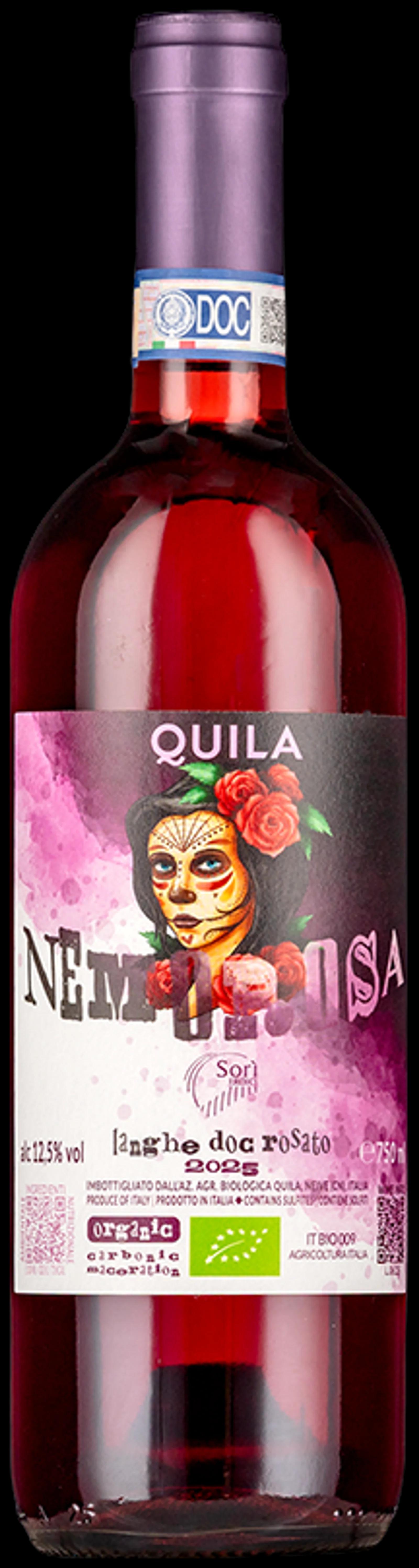
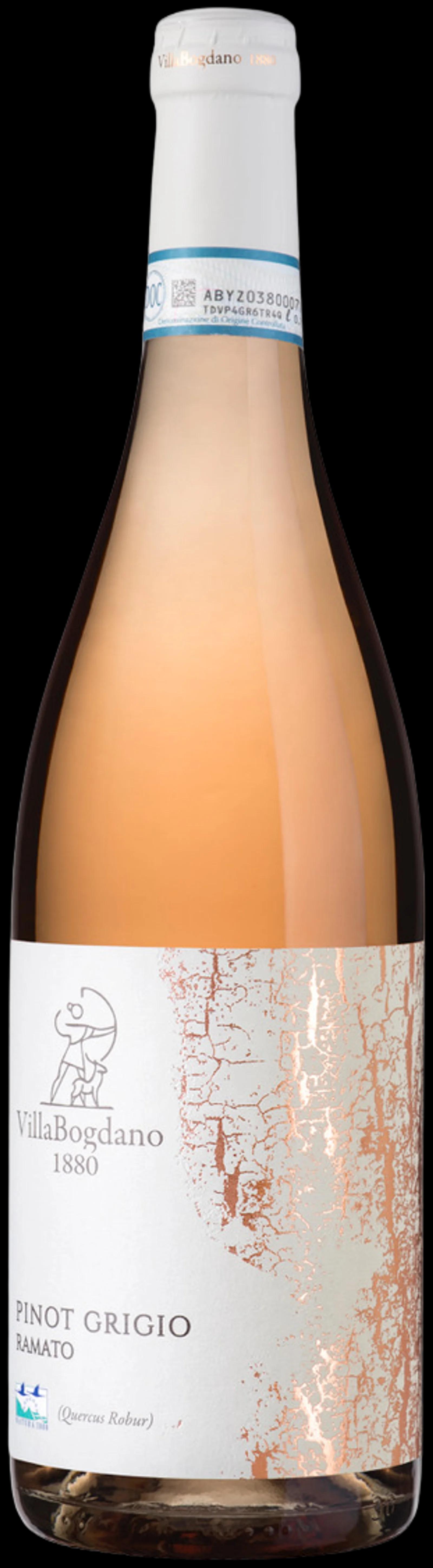
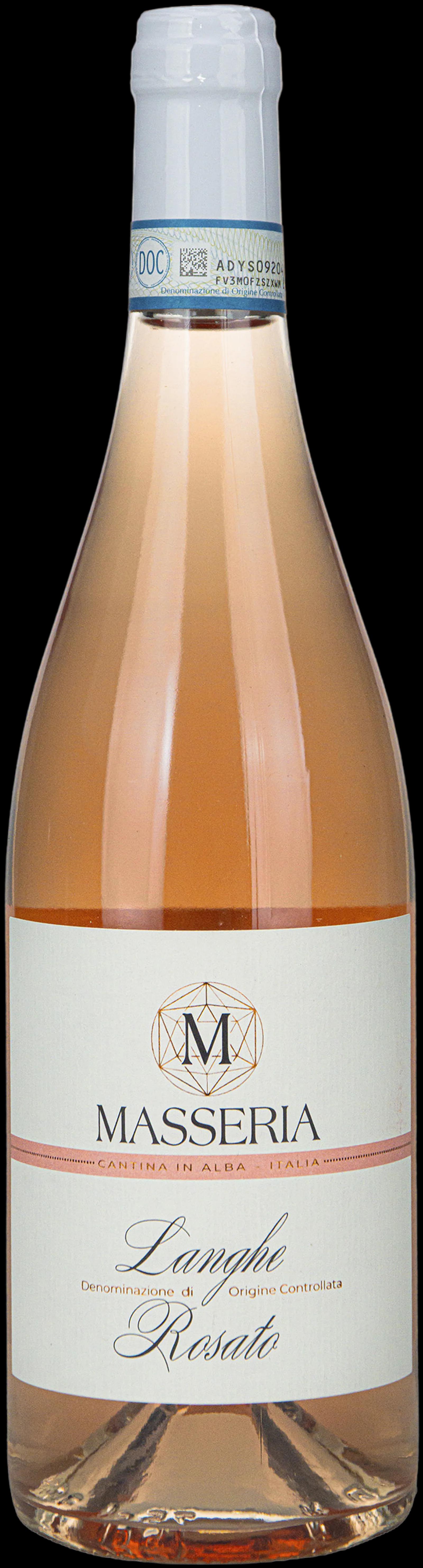
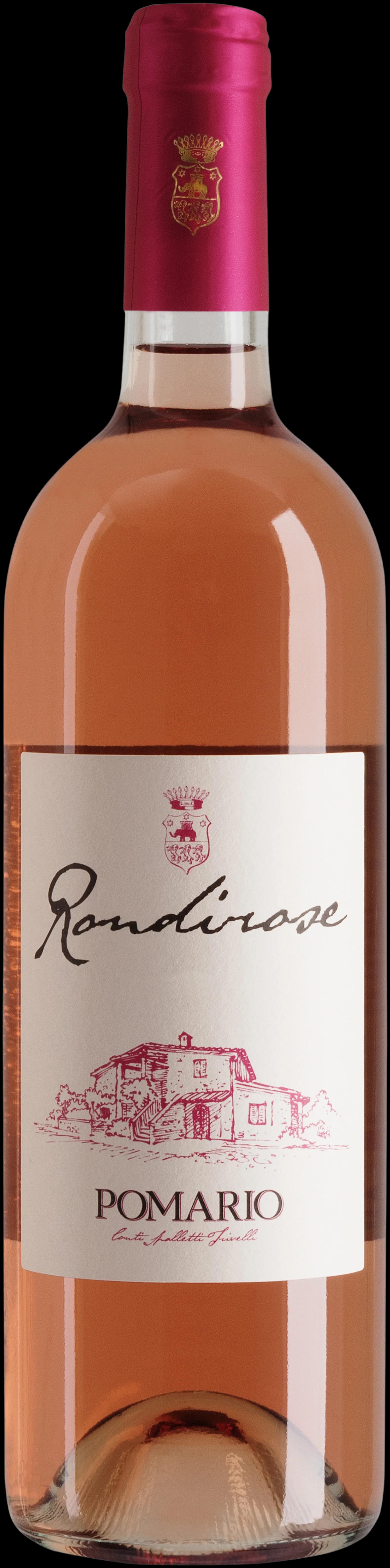
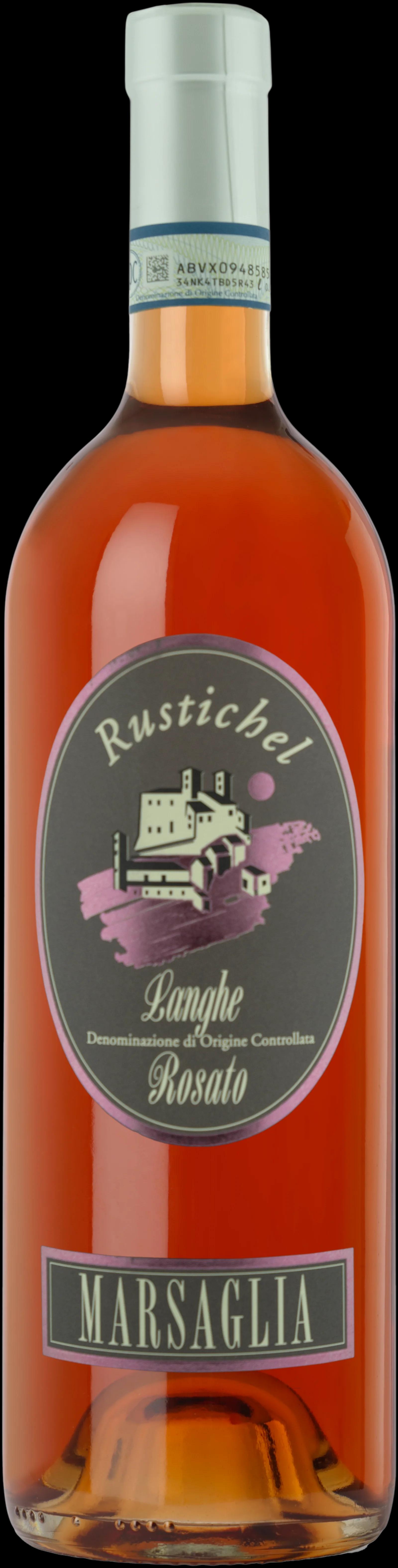
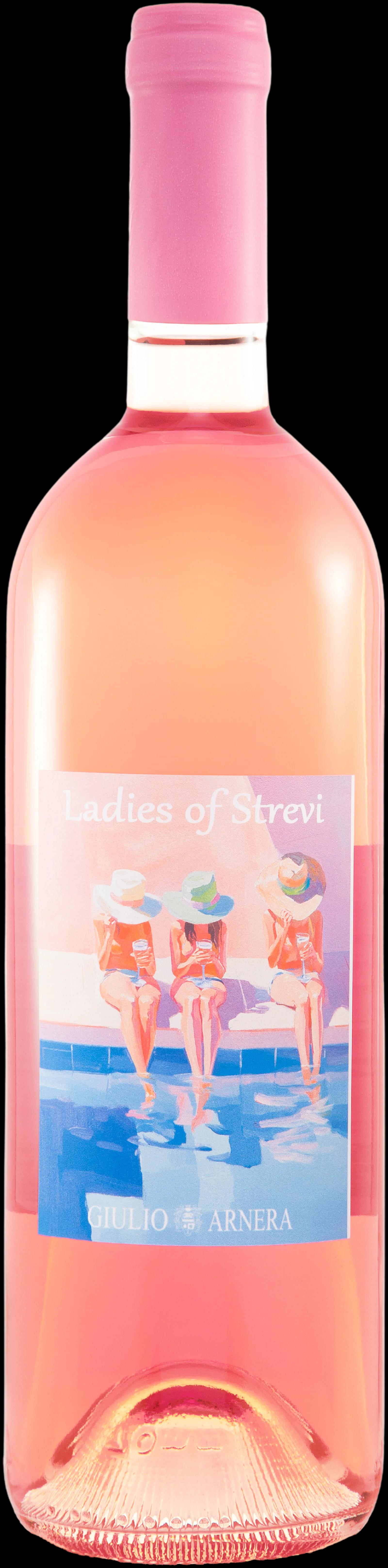
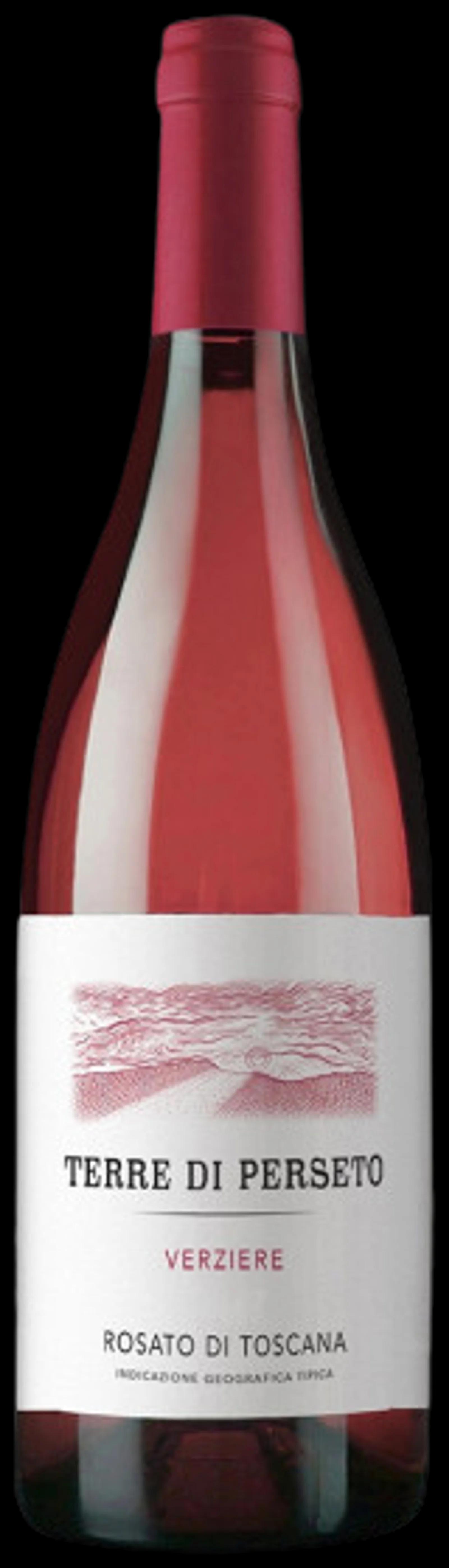
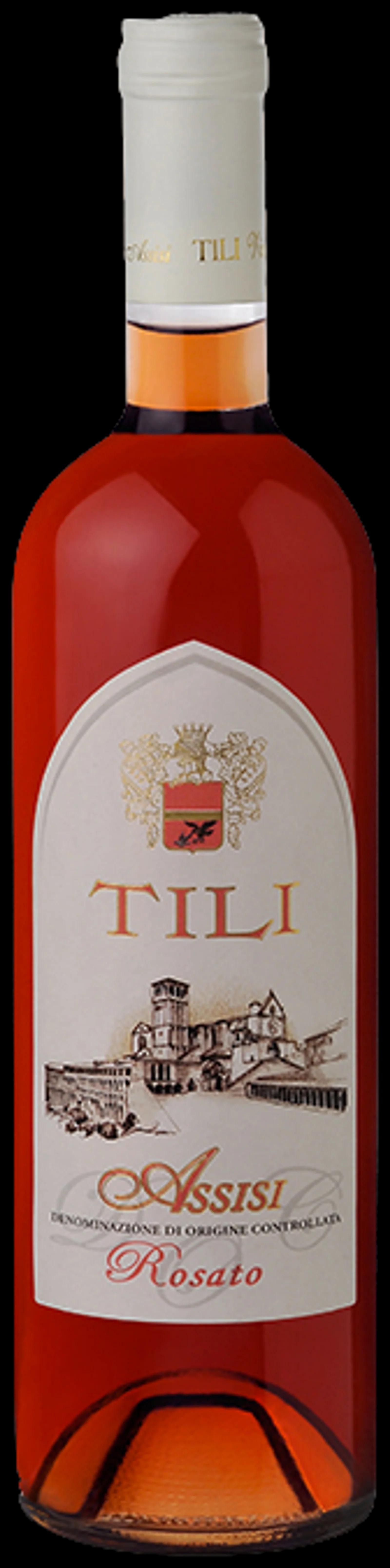
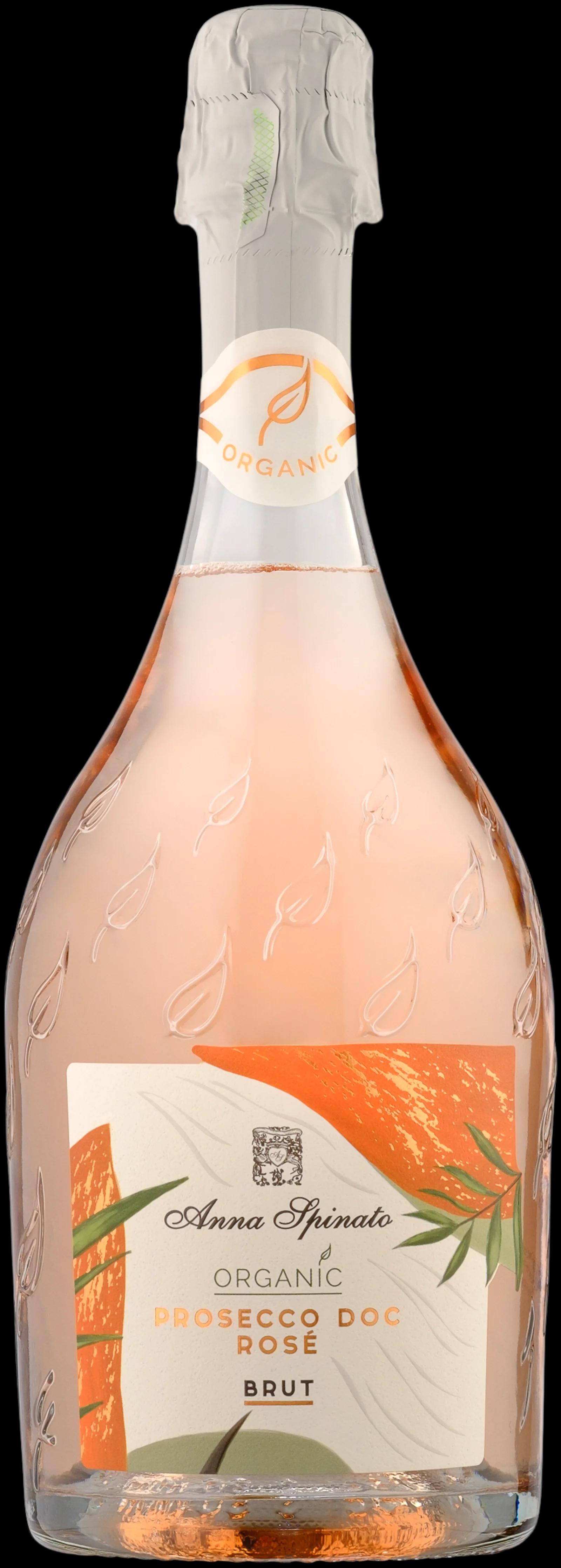
Italian rosé — from Cerasuolo to pale Pinot Grigio

Italian rosé spans bone-dry and deeply coloured to pale and mineral. Every wine tasted before listing.

Rosé made by Italian producers, direct from the cellar.

Color (1)

Dropdown arrow

Type

Dropdown arrow

Country (1)

Dropdown arrow

Region

Dropdown arrow

Grape

Dropdown arrow

Pairing

Dropdown arrow

Sort by

Sort arrow
Rosé
Italy

Italian rosé wines

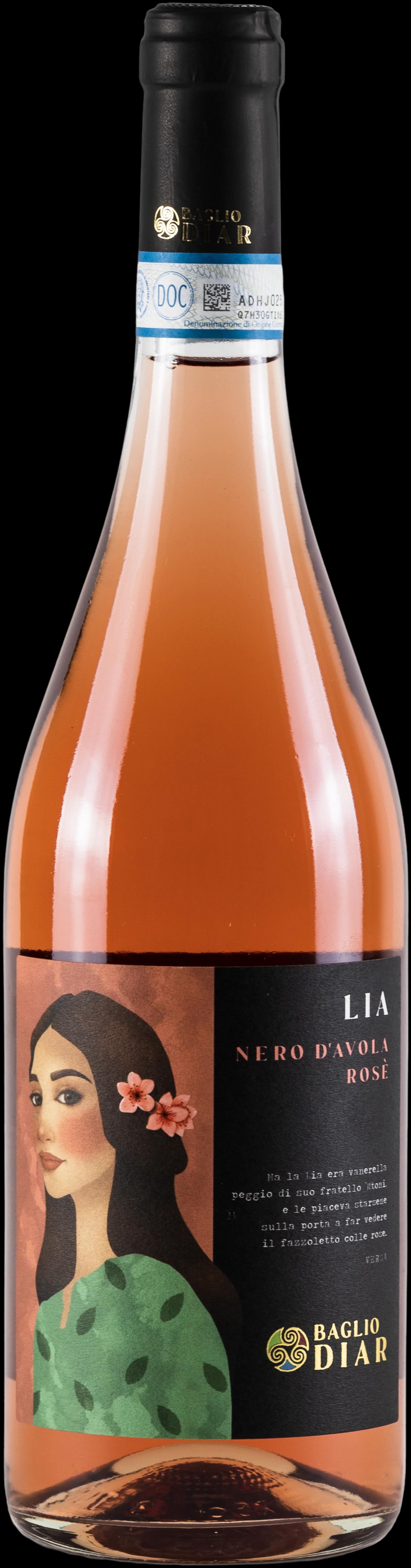
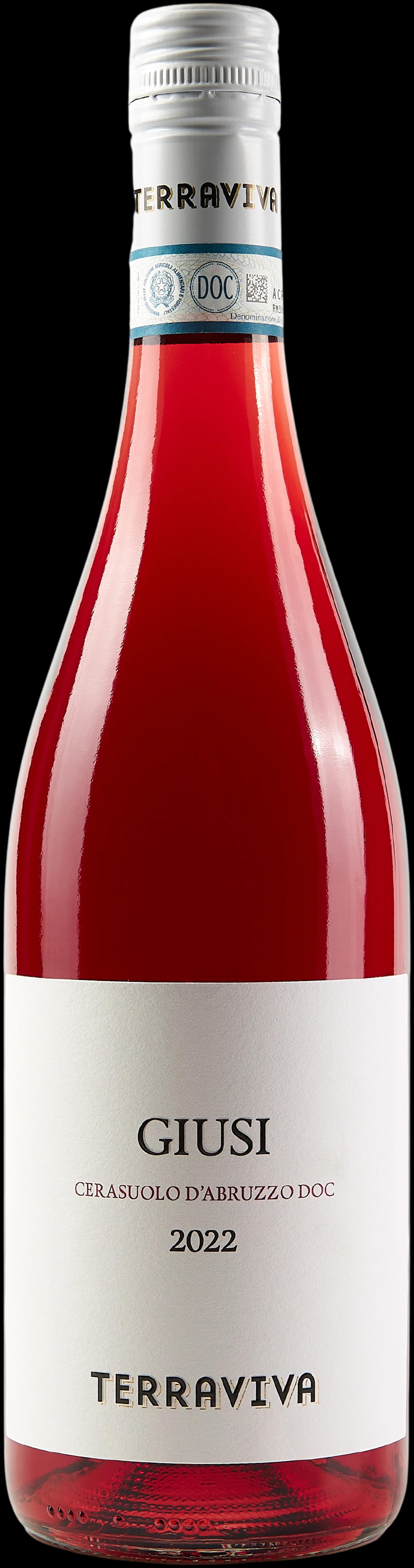
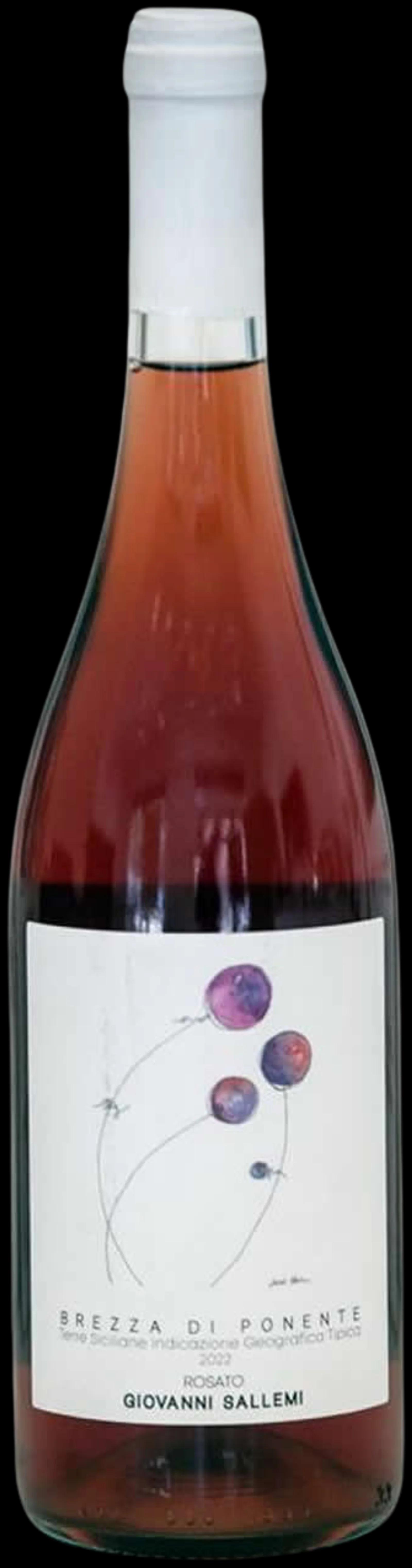
Italian rosé is structurally more varied than rosé from most other countries. Cerasuolo d'Abruzzo, made from Montepulciano, is one of the deepest-coloured dry rosés in Europe — often reaching 13.5% alcohol with a pronounced cherry character. Chiaretto from Lake Garda, made from Groppello and Bardolino grapes, runs in the opposite direction: pale, low-extract, high-acid. In Sicily, Nerello Mascalese produces rosé with Etna's volcanic mineral signature. These are not stylistic variations of the same wine. They are structurally different products made by producers working with different grapes, soils, and altitudes.

Previous1 of 1Next

Frequently asked questions

How do I order Italian rosé wines on Free Grape Society?

Browse the wines listed on this page and add bottles to your cart. Each listing shows the producer, region, grape variety, and vintage. You pay once at checkout. Wines ship directly from the producer's cellar to your address. No account is required to browse.

What happens if a bottle arrives broken or doesn't taste right?

Send a photo to Free Grape Society customer support within 7 days of delivery. We will arrange a replacement or a refund. Because producers ship directly, quality issues are handled with the producer's direct involvement. Shared responsibility is built into how FGS works.

Can I order Italian rosé from multiple producers in one order?

Yes. You can add wines from different Italian producers to the same cart and check out in one transaction. Each producer ships their wines separately, so a single order may arrive in more than one delivery.

How long does delivery take?

Average delivery is 8 to 9 days from order to door. The full range is 4 to 14 days depending on the producer's location and your delivery address. Wines ship directly from the producer's cellar, not from a central warehouse.

How do I find the right Italian rosé style for what I am looking for?

Check the grape variety and region on each listing. Deep-coloured, full-bodied Italian rosé typically comes from Montepulciano in Abruzzo or Negroamaro in Puglia. Lighter, more mineral styles come from Lake Garda or from Nerello Mascalese on Etna. These regional differences are more reliable indicators of style than colour alone.

Why does Italian rosé vary so much in colour and structure from one bottle to the next?

Because Italy's rosé production is not standardised around a single grape or region. Cerasuolo d'Abruzzo has a DOC that actually sets a minimum colour depth — the opposite of most rosé regulations globally. Chiaretto producers on Lake Garda work toward maximum paleness. The variation is intentional and producer-driven, not inconsistency.

Which wine expert on Free Grape Society can recommend an Italian rosé for me?

Several wine experts on Free Grape Society specialise in Italian wines. Browse the expert profiles on the platform to find one whose focus matches the Italian region or grape you are interested in. You can message any expert directly and ask for a recommendation.

Why don't you carry Italian rosé from every Italian producer?

Every wine on Free Grape Society is tasted by our Head of Product before it goes live. Producers list themselves and set their own prices, but the wines are quality-vetted before appearing on the platform. Not every producer who applies meets the standard. That is the filter.

Are Italian rosé wines available that are not sold in standard retail?

Most wines on Free Grape Society are not available in standard retail. Italian estates that ship directly tend to produce in smaller volumes than retail distribution requires. Wines from Etna-based Nerello Mascalese producers or small Chiaretto estates in Bardolino are rarely found outside specialist channels.

Key grapes in Italian rosé wine

Italian rosé is not built around one grape. The variety used changes dramatically by region, and so does the resulting wine. In the northeast, Pinot Nero grown in Trentino-Alto Adige produces pale, high-acid rosé with fine mineral texture — a direct consequence of altitude and diurnal temperature range. In Tuscany, Sangiovese dominates; the same grape behind Chianti and Brunello makes rosé with noticeably higher tannin structure than most producers in Provence would accept. Cerasuolo d'Abruzzo is one of Italy's few DOC designations built exclusively around rosé: Montepulciano d'Abruzzo vinified as rosato, producing deep-coloured wines with 13–14% alcohol that behave structurally more like light reds than what most drinkers associate with rosé. In the south, Negroamaro in Salento gives pigmented, full-bodied rosé, while Nero d'Avola on Sicily contributes savory, herb-edged wines. The Italian rosé map is fragmented by design — regional identity matters more than category cohesion.

Regional variation in Italian rosé wine

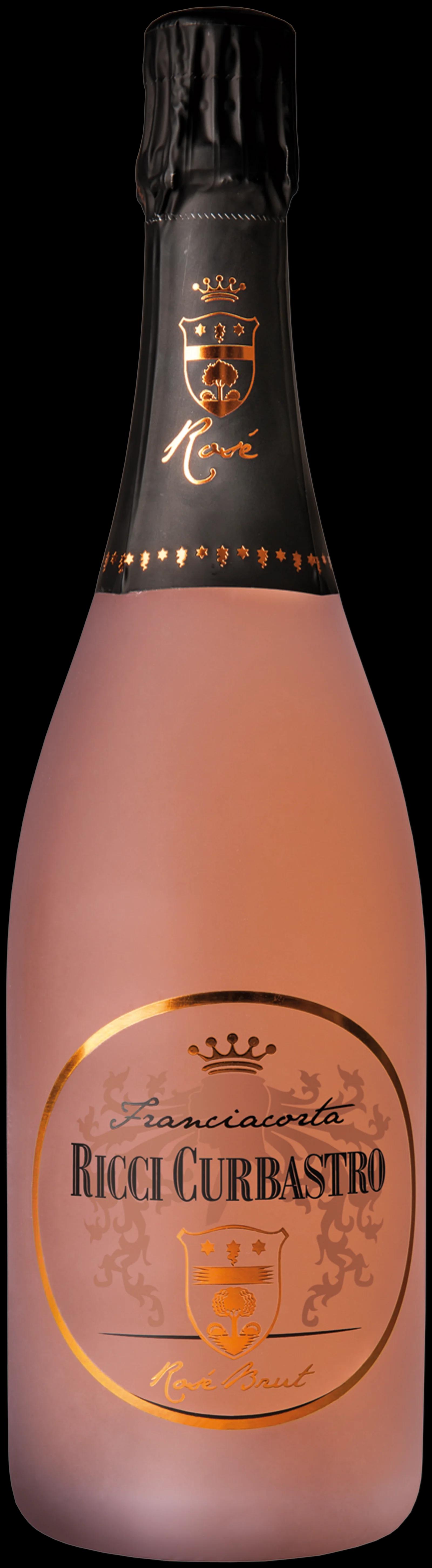
The style gap between a rosé from Piedmont and one from Sicily is wider than the gap between two rosés from different countries using the same grape. In Piedmont, Barbera and Nebbiolo are sometimes vinified as rosato: Nebbiolo rosé retains the variety's characteristic high acid and austere tannin even when the juice spends only hours on skins. In Veneto, Bardolino Chiaretto — produced from Corvina, Rondinella, and Molinara — is deliberately pale and delicate, often more similar to Provençal rosé than to anything made in Campania. Further south, the warmer climate pushes ripeness higher: rosé from Puglia or Calabria regularly exceeds 13.5% alcohol and carries a deeper colour, reflecting longer maceration and riper fruit at harvest. These are not stylistic choices in isolation — they are responses to what the grapes do in those specific soils and temperatures. Producers on Free Grape Society listing Italian rosé tend to be single-region operations; a producer in Tuscany is not blending in grapes from Puglia to balance the wine. What you see is what the region gave them.

How Italian rosé is made — and why production method matters

Most Italian rosé is made by direct pressing or short maceration, but the time on skins varies enough to produce wines that look and taste structurally different. Cerasuolo d'Abruzzo producers macerate for up to 24 hours, producing wines with a deep ruby-pink hue and tannin you can feel. Bardolino Chiaretto producers press immediately and aim for a colour closer to pale copper. Neither approach is correct — they reflect what the grape and the producer's market require. A second method found in northern Italy is saignée: bleeding off juice from a red wine fermentation to concentrate the red wine and use the bled-off juice for rosé. Saignée rosé is often a by-product decision rather than a deliberate rosé programme, which affects consistency vintage to vintage. Producers making rosé as their primary focus — not as a surplus outlet — typically show more intentionality in maceration time and pressing pressure. The Italian rosé wines listed here come from producers who tasted before listing and who set their own price without a third party adjusting it. No importer, no wholesaler. The price reflects what the producer agreed to — nothing more.