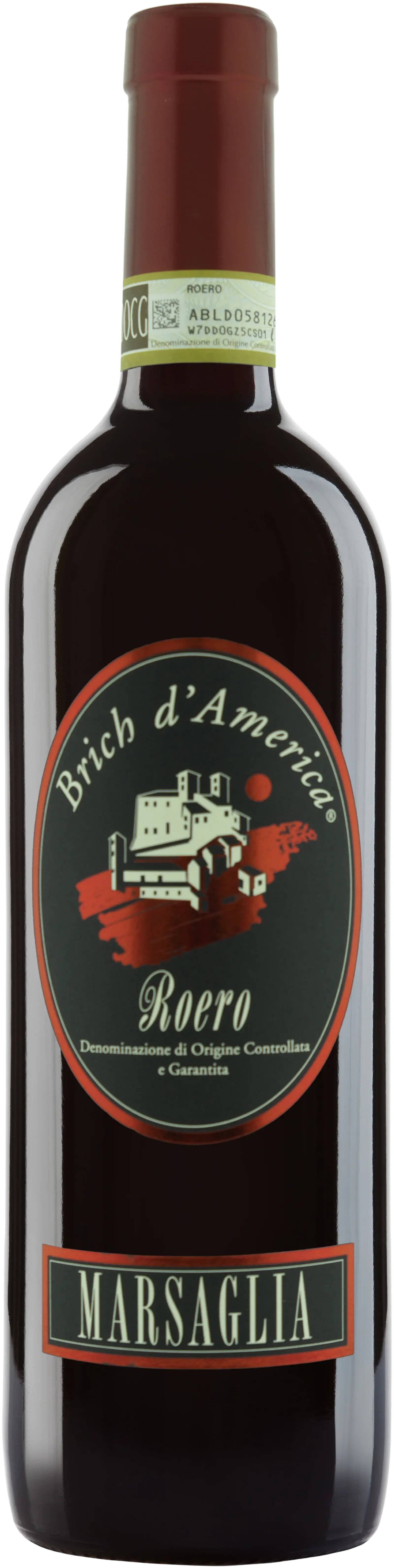
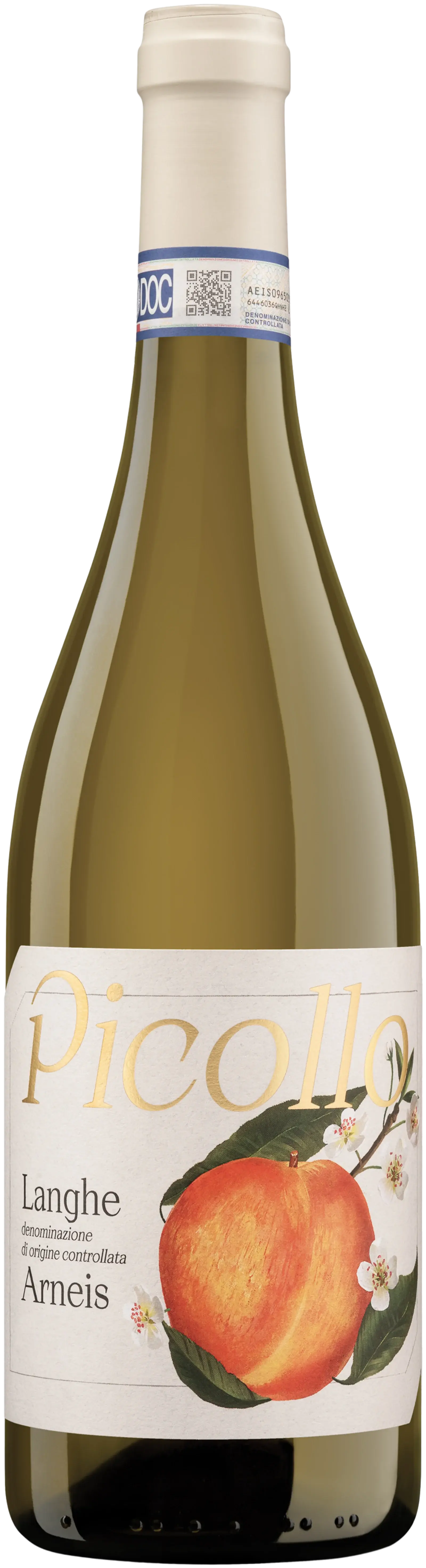
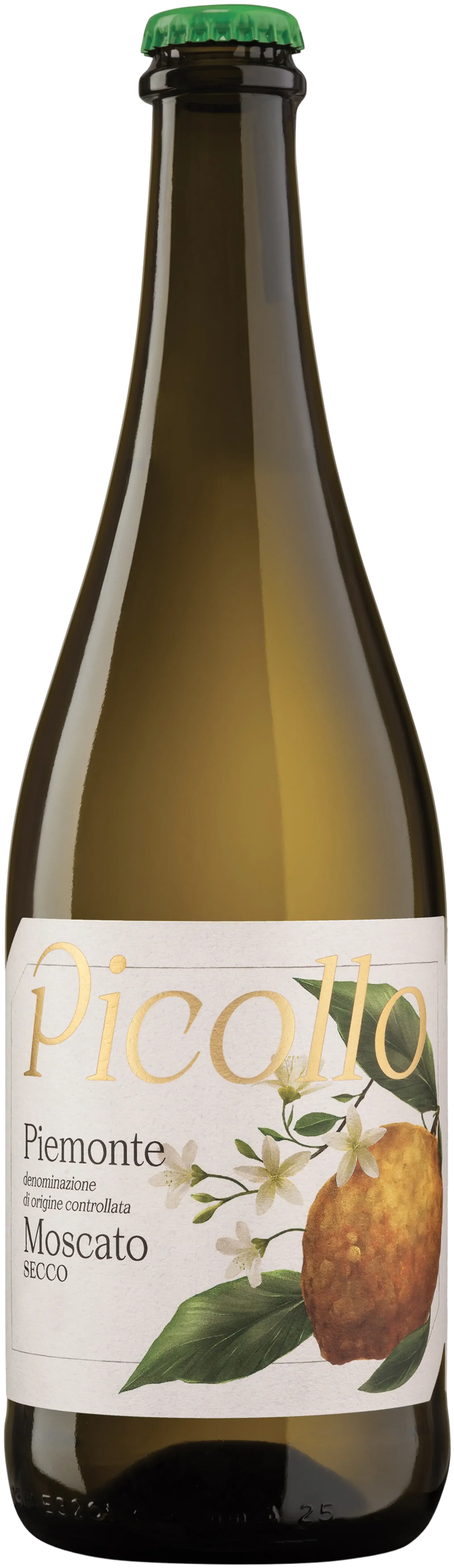
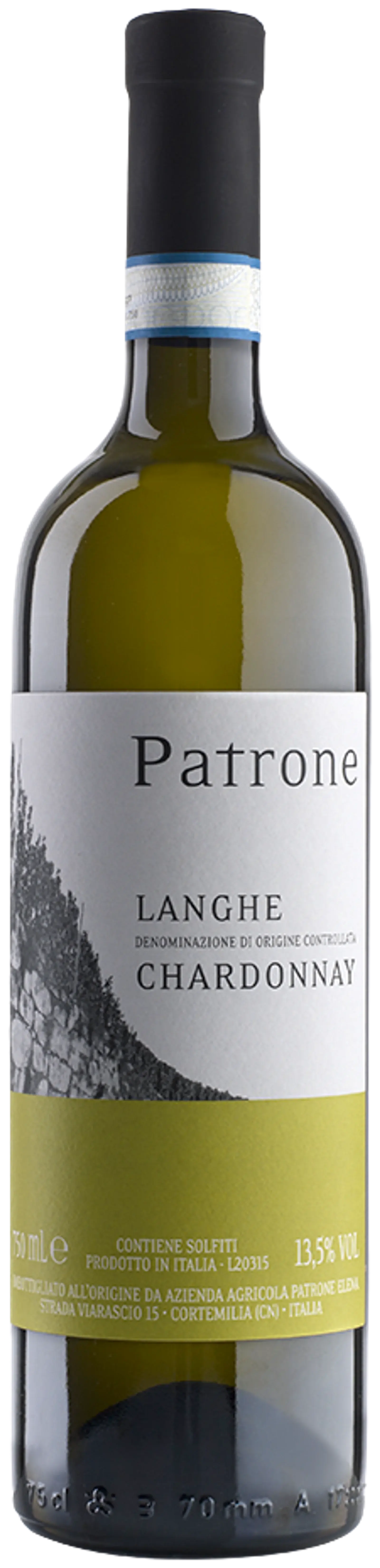
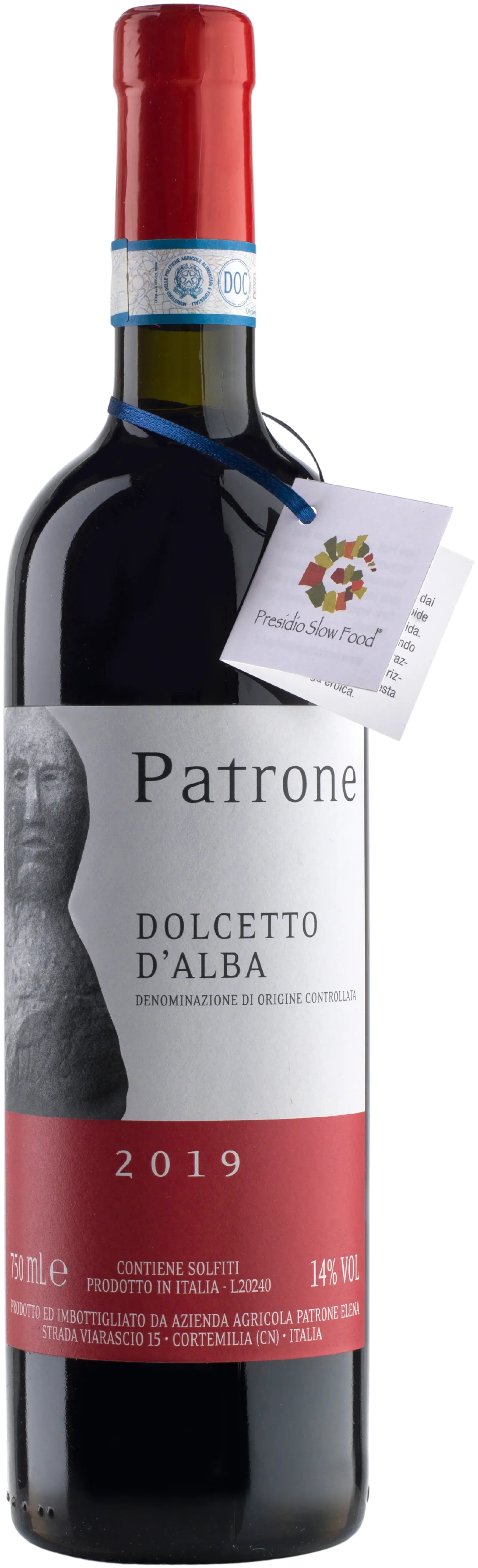
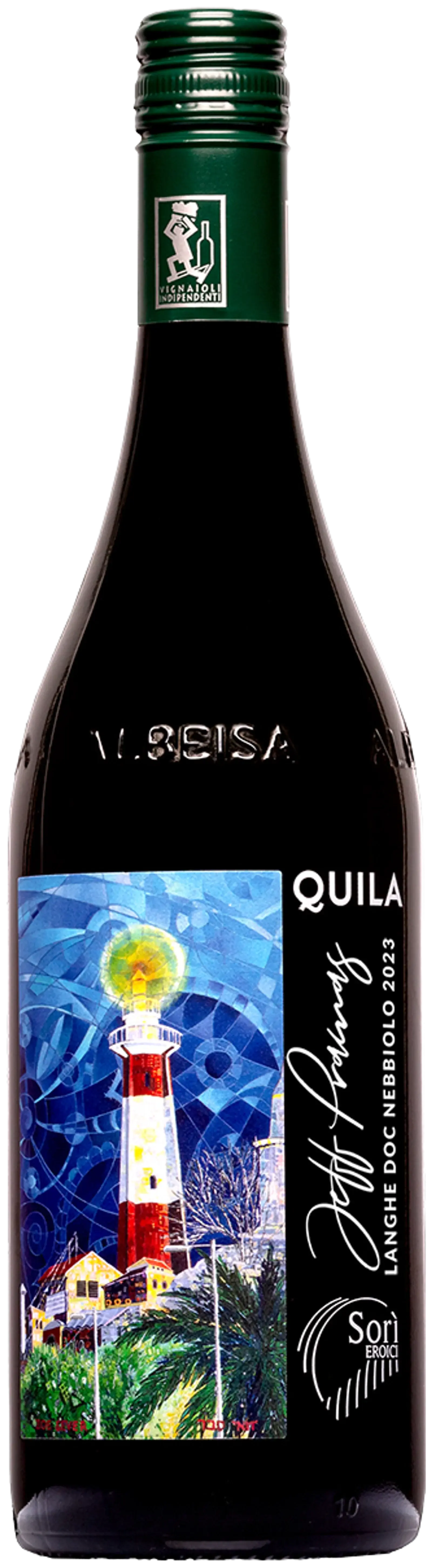
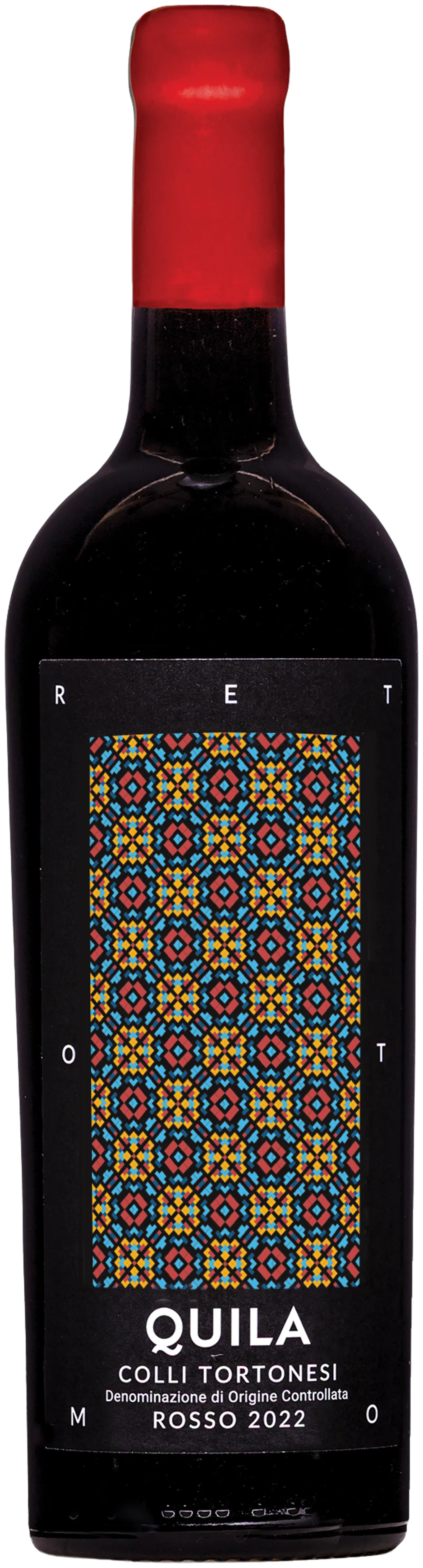
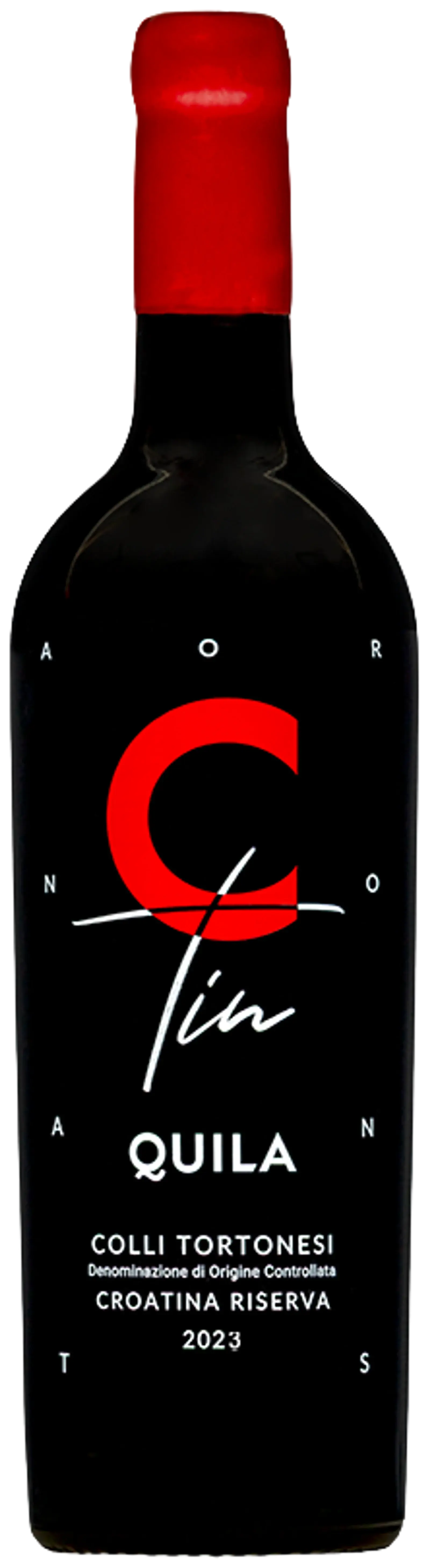
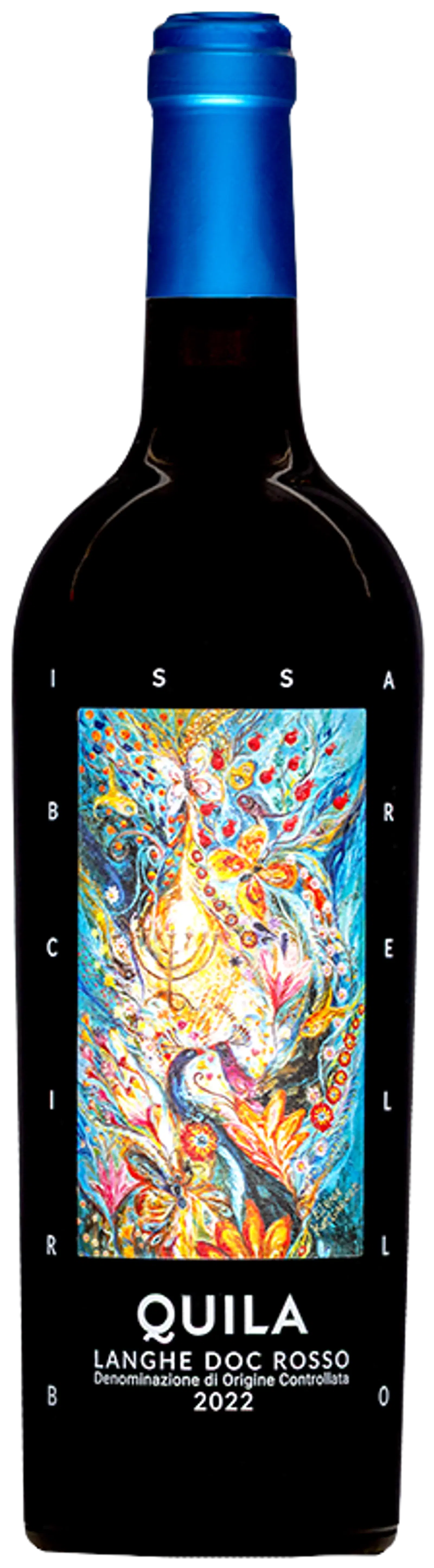
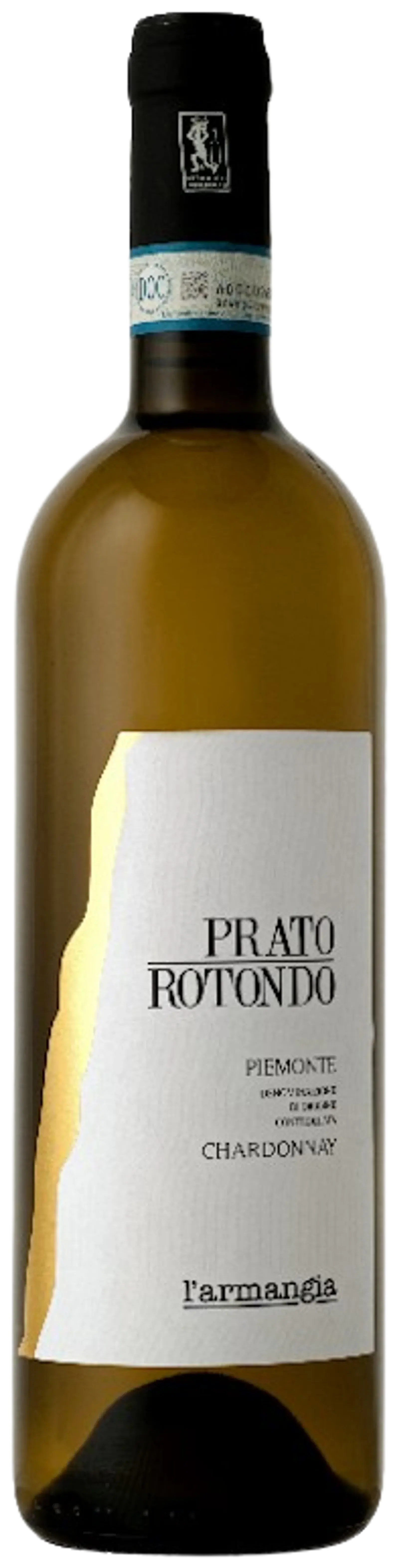
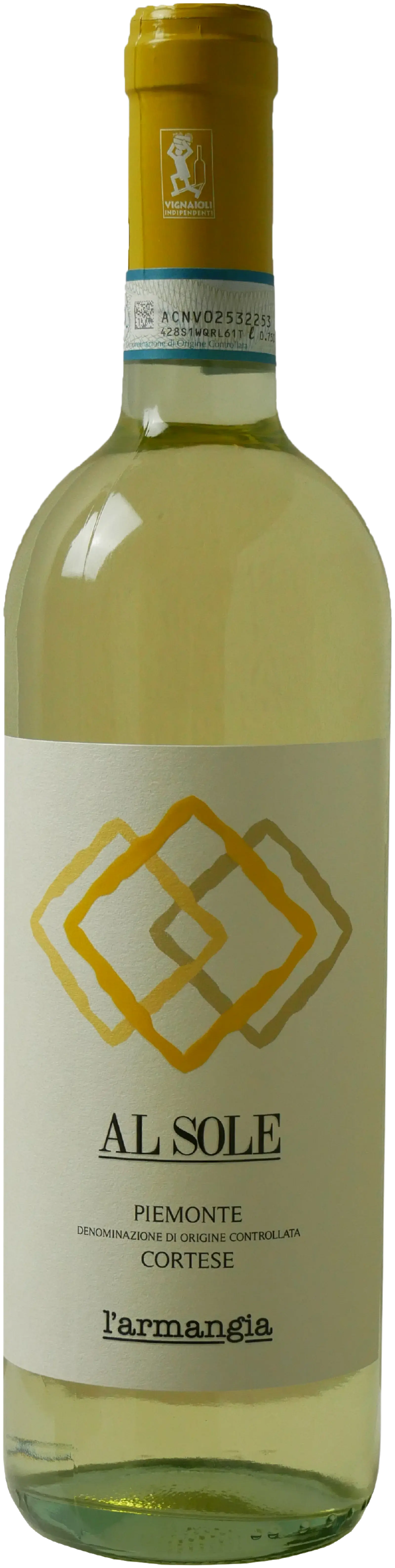
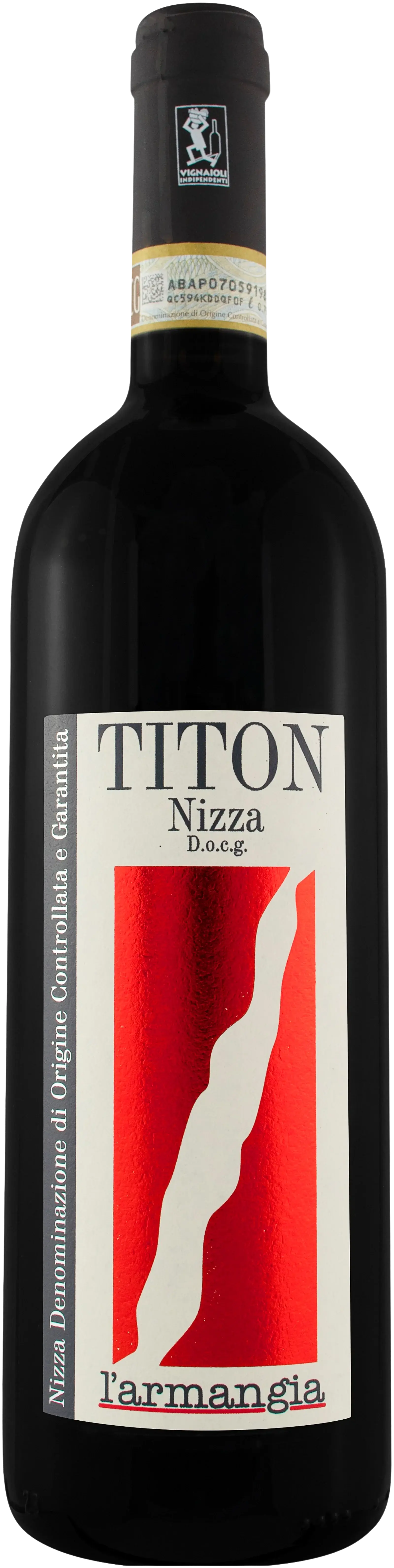
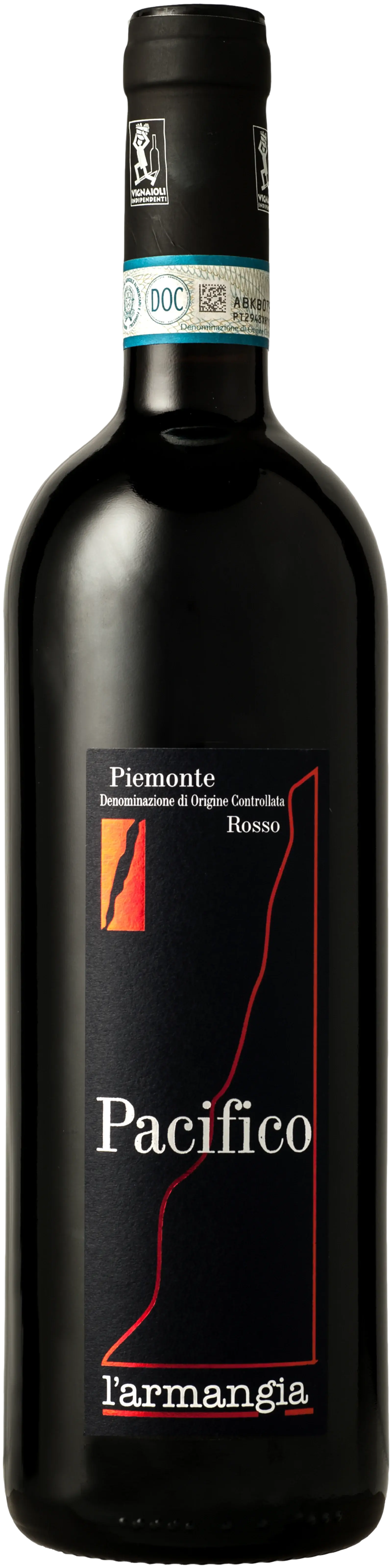
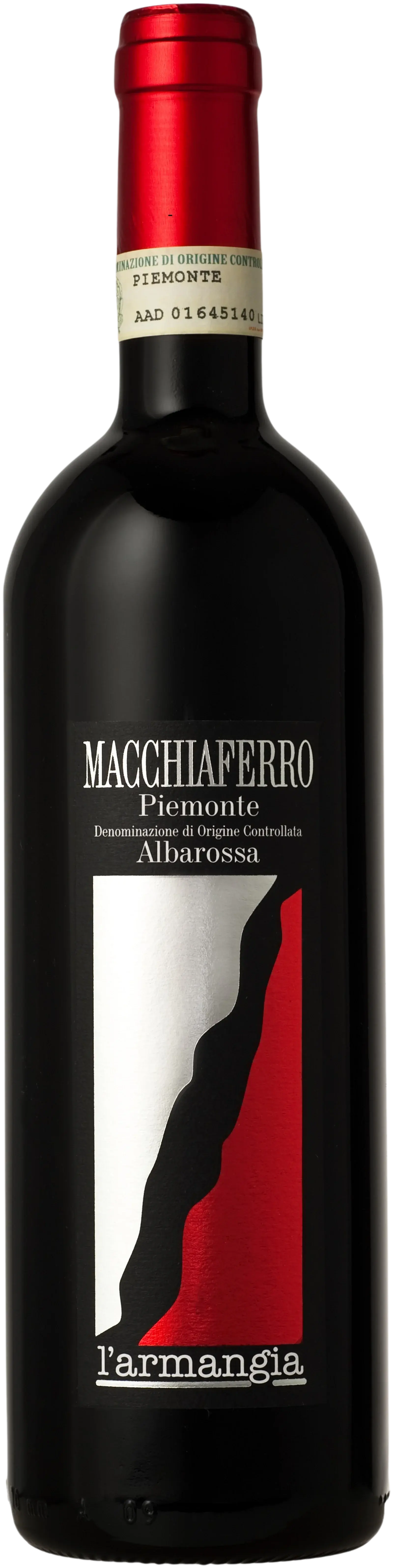
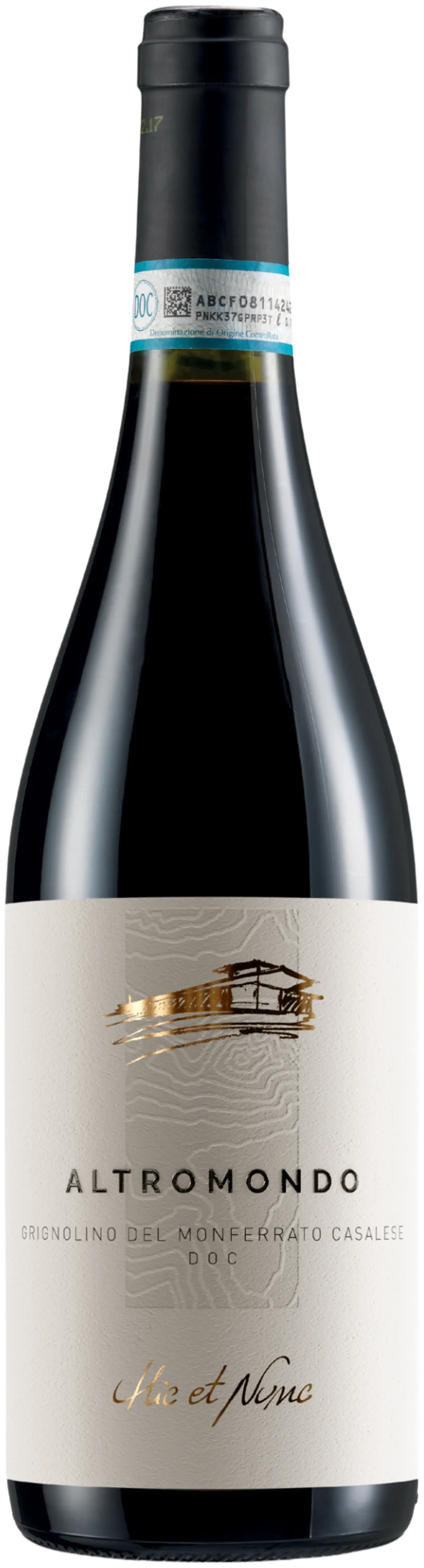
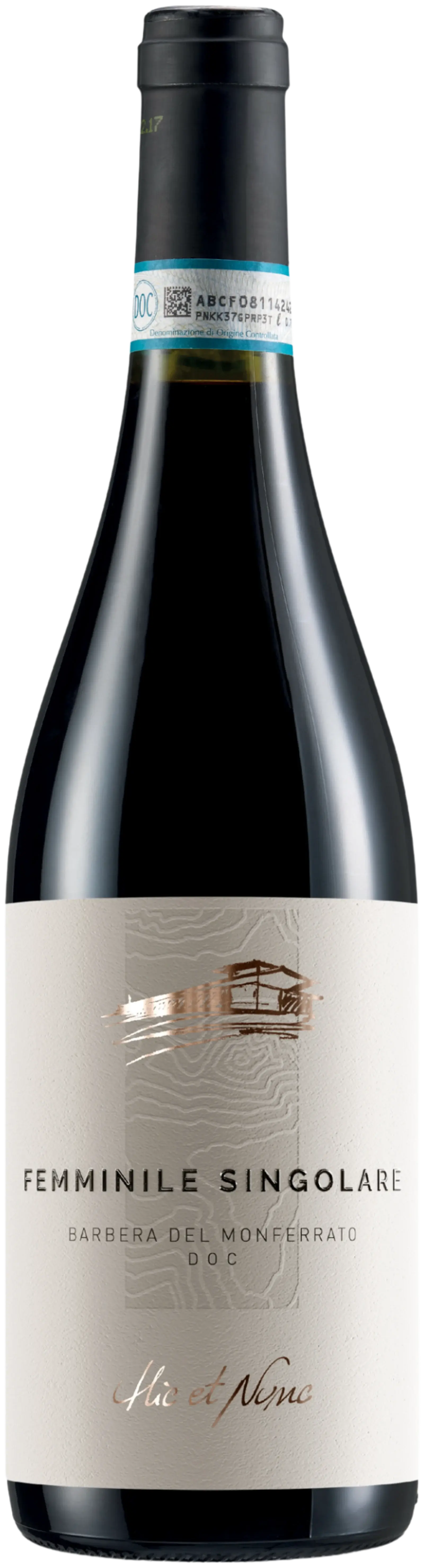
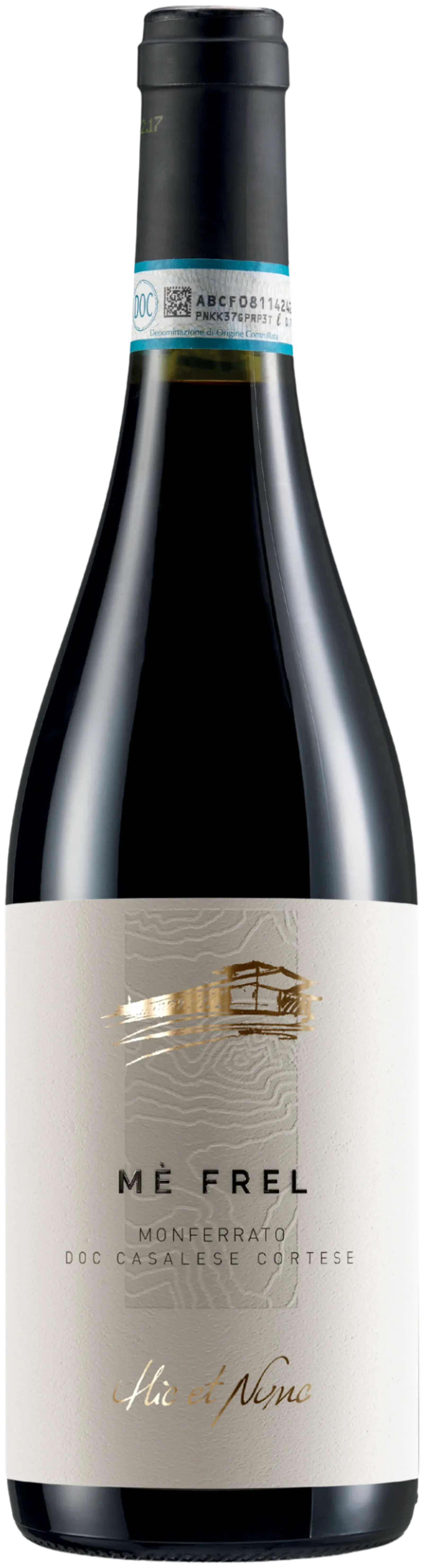
Nebbiolo, Barbera, and the grapes behind Piedmont's sample boxes
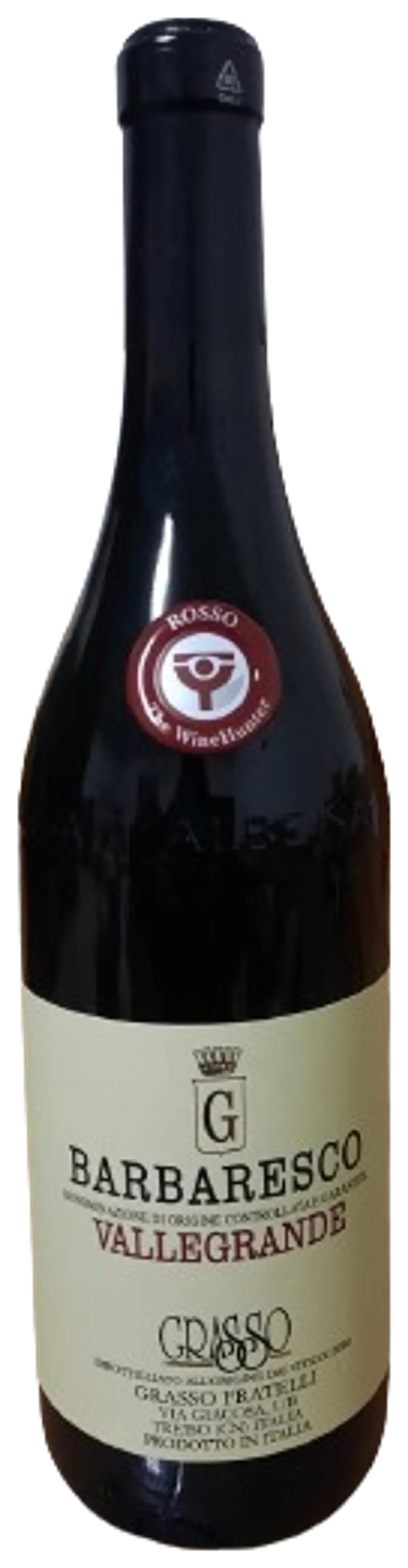
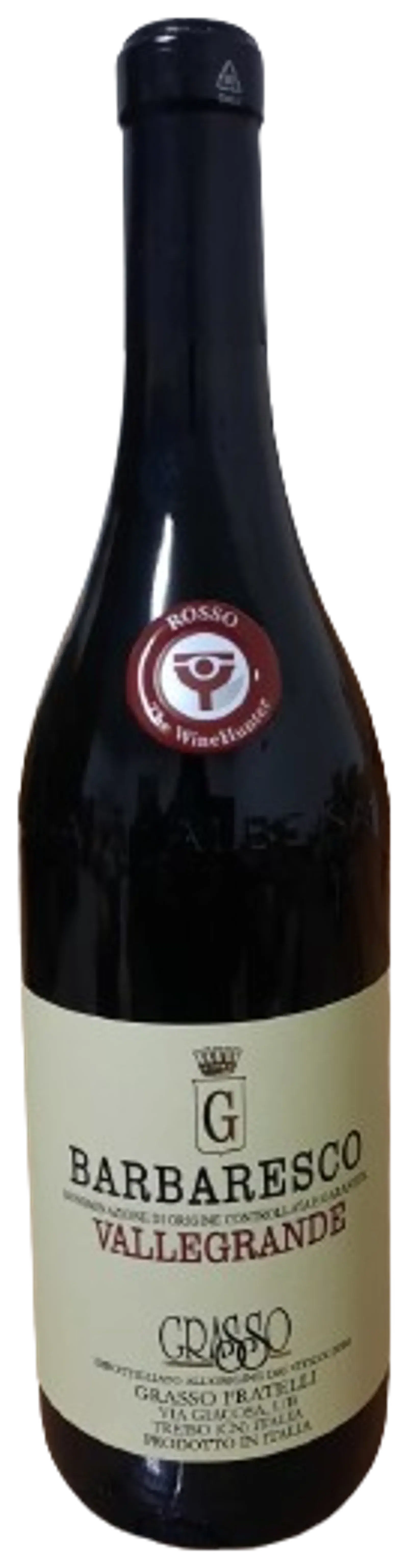
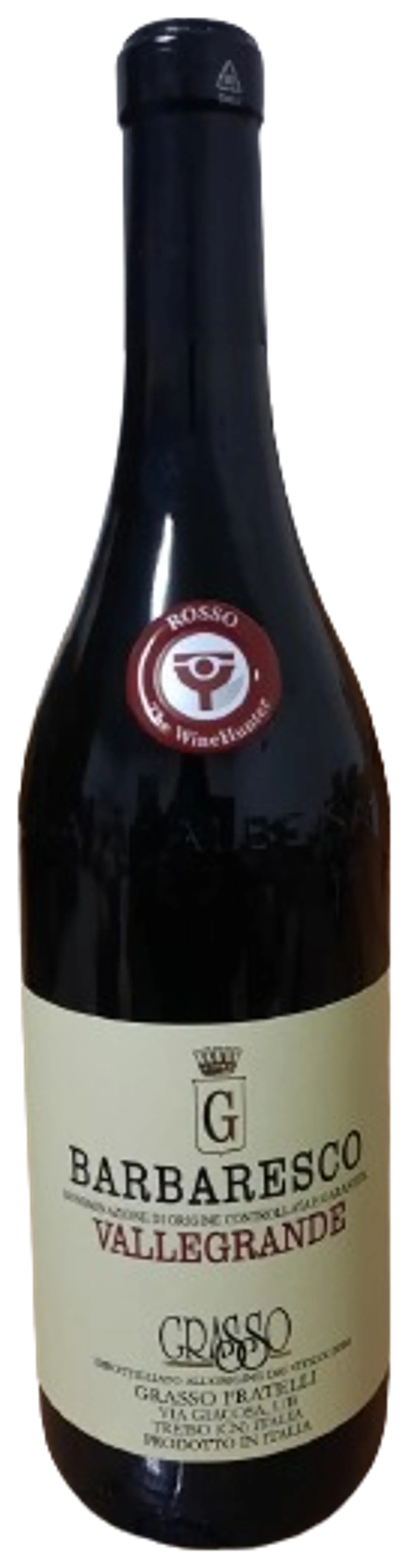
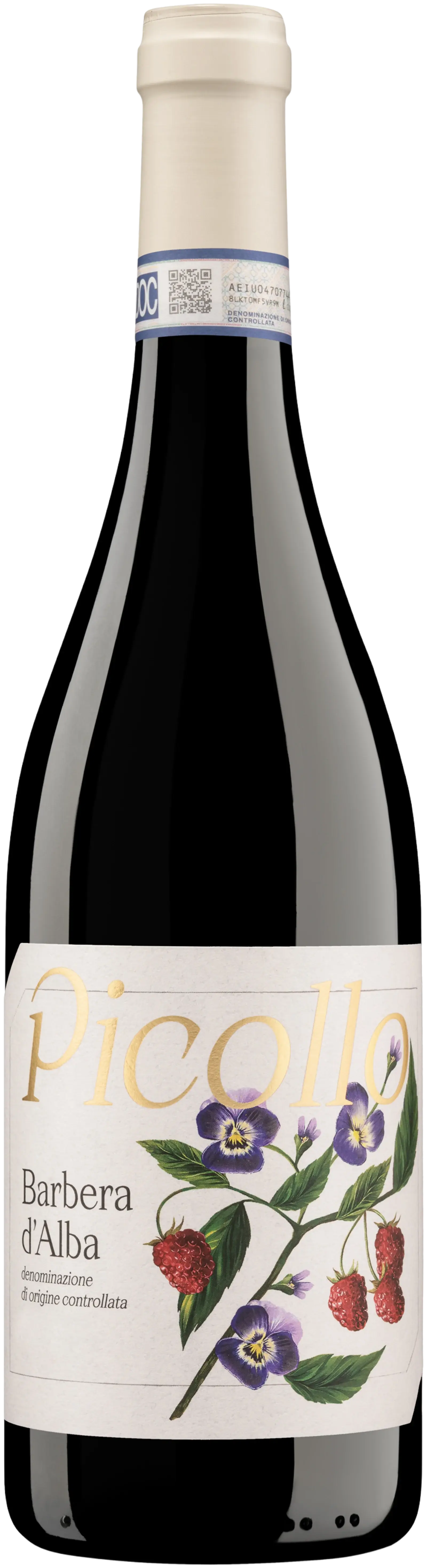
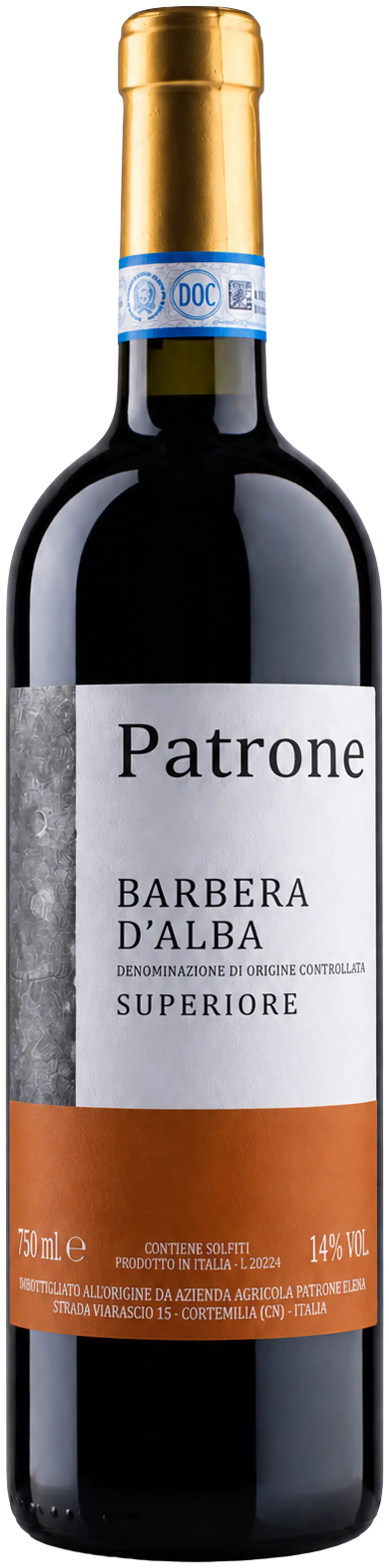
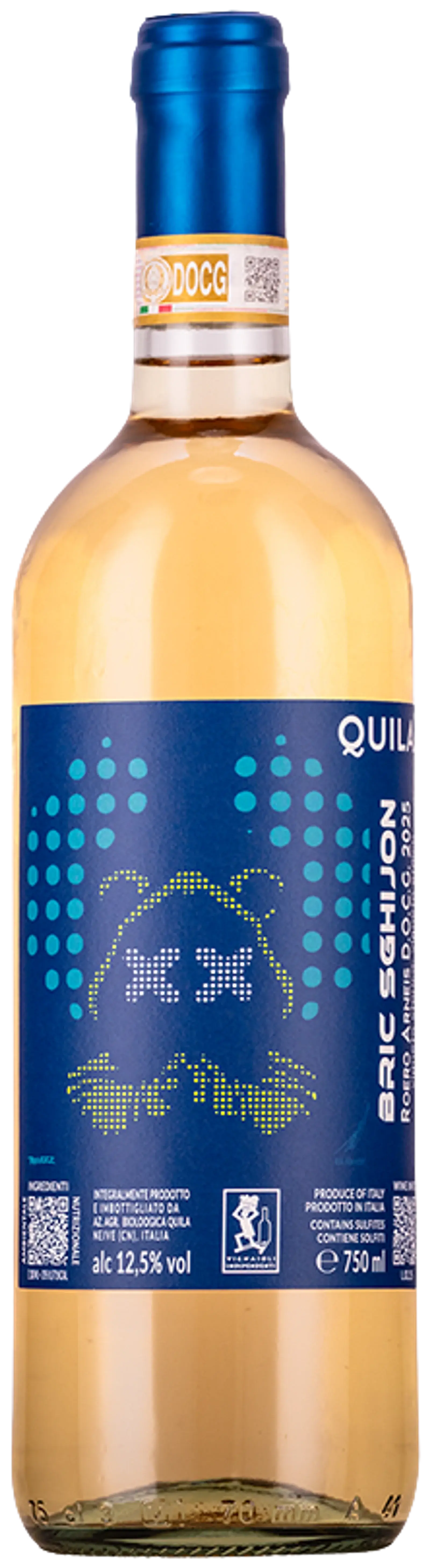
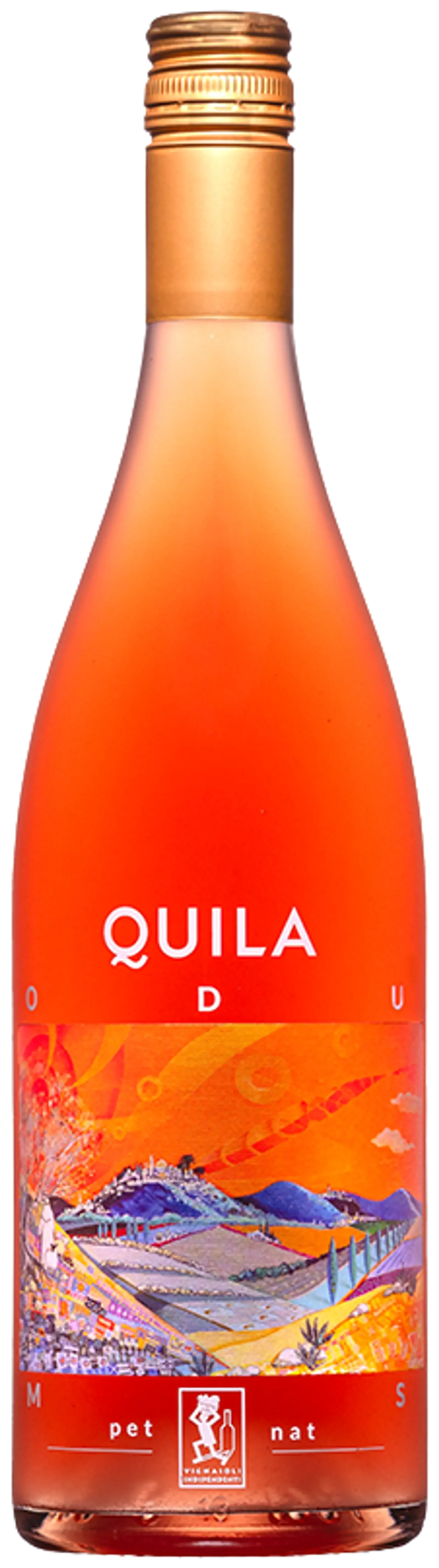
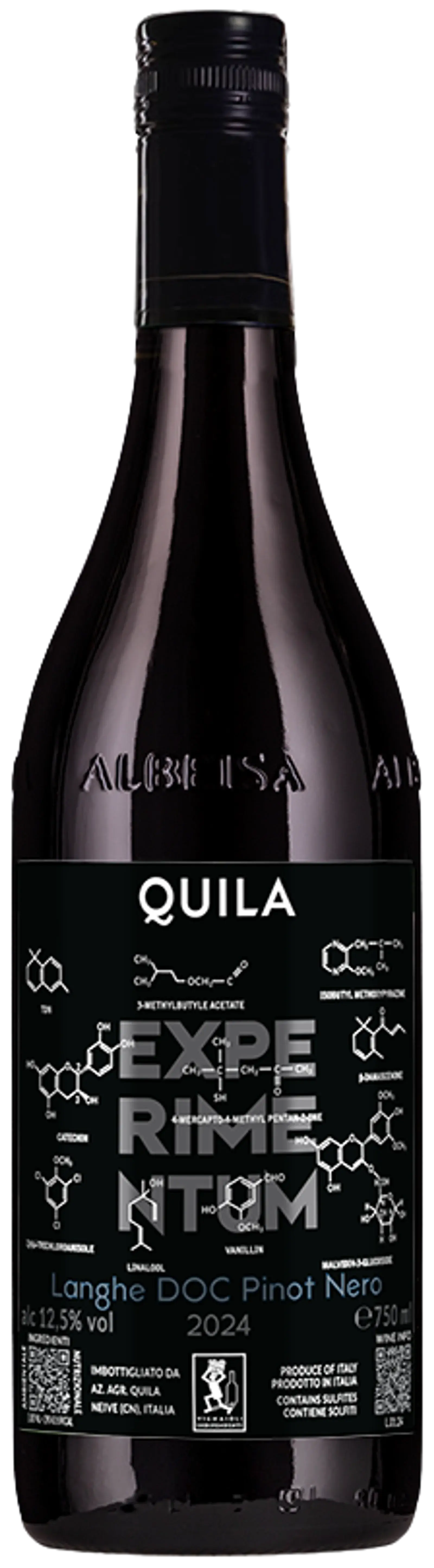
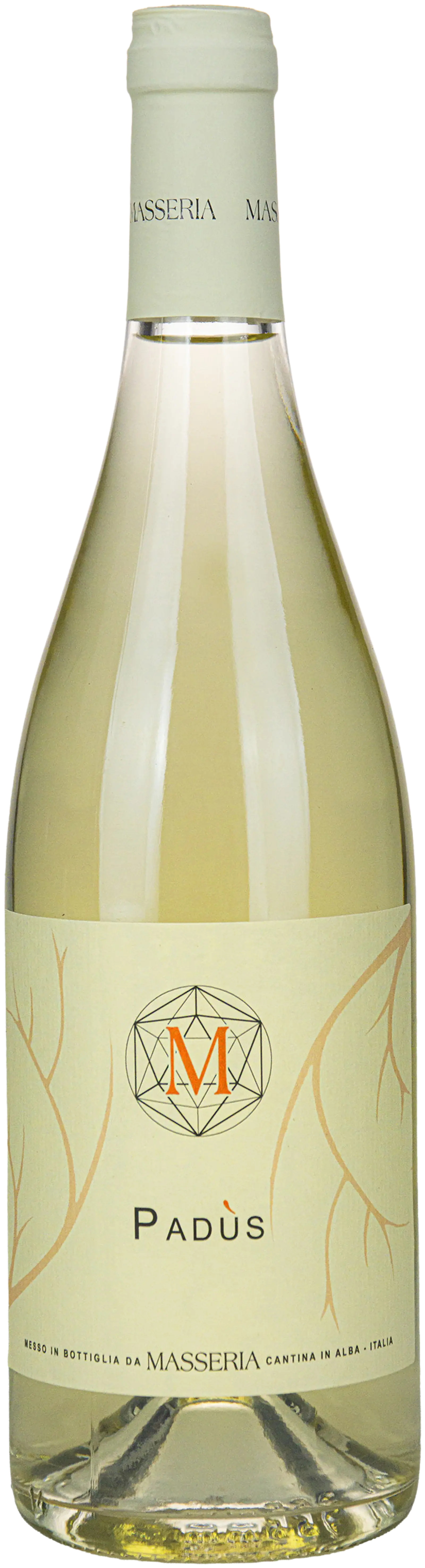
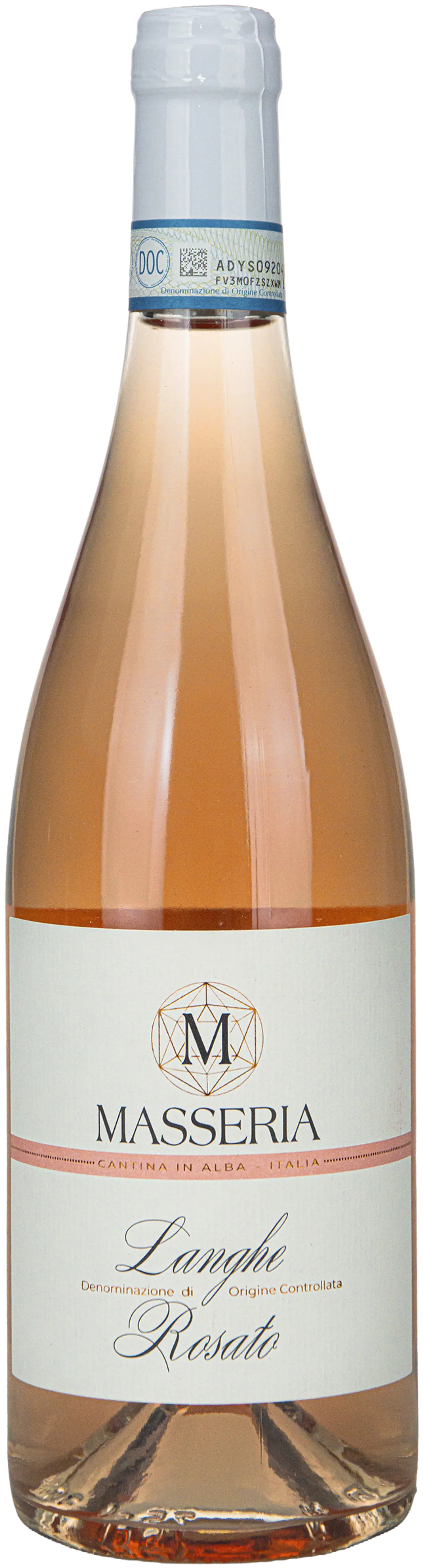
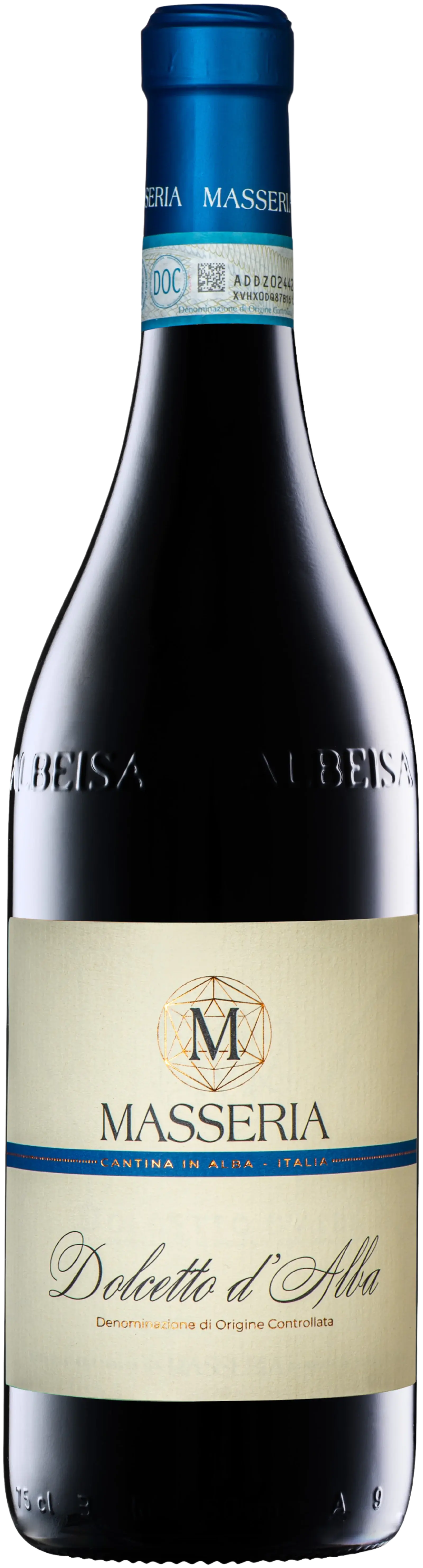
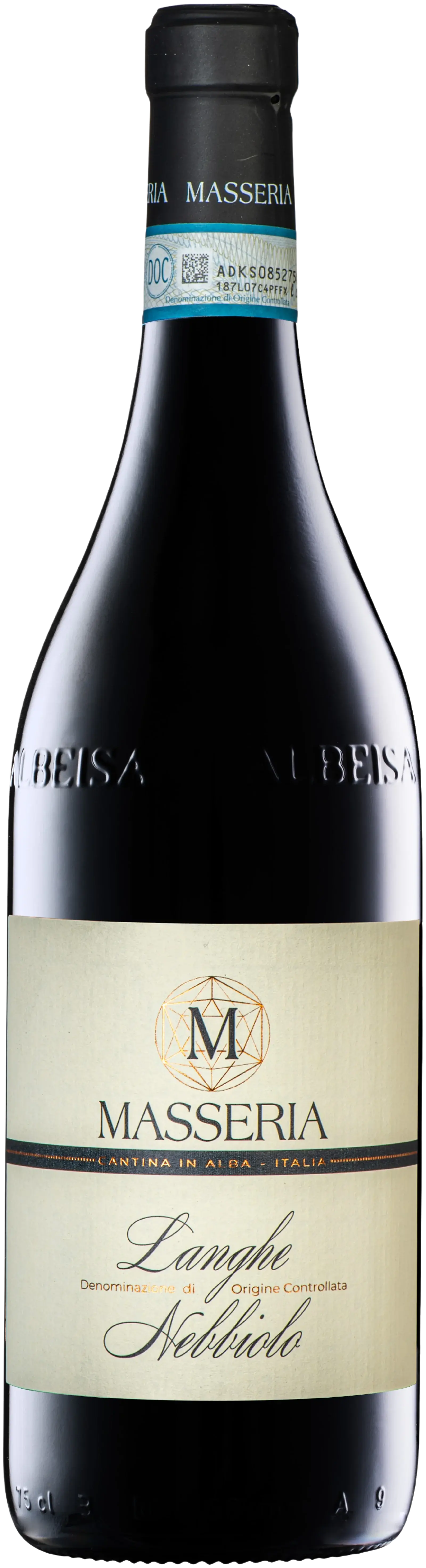
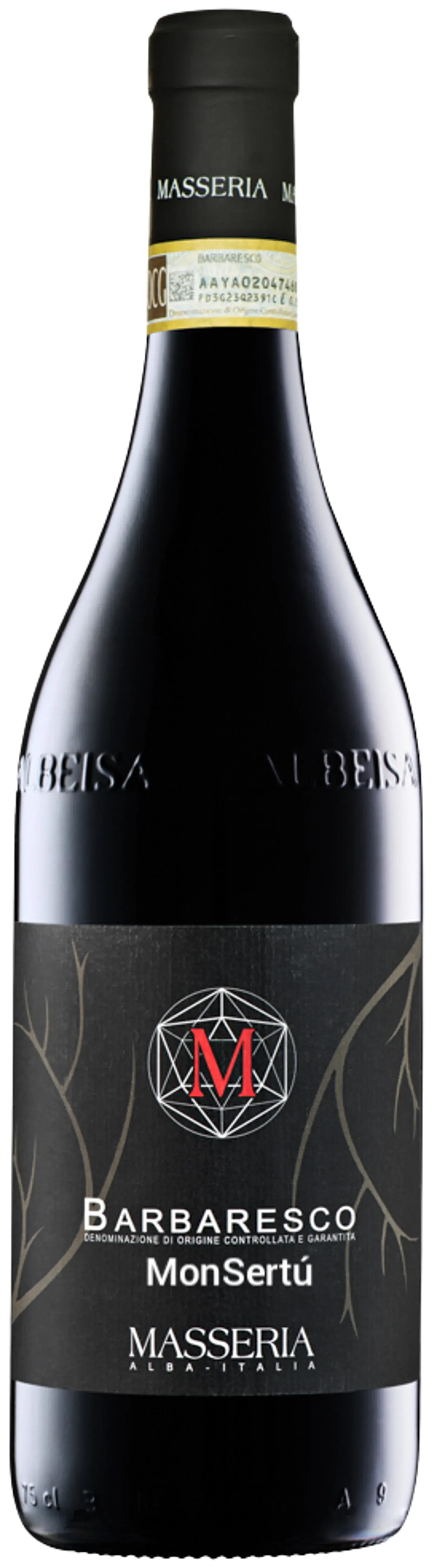
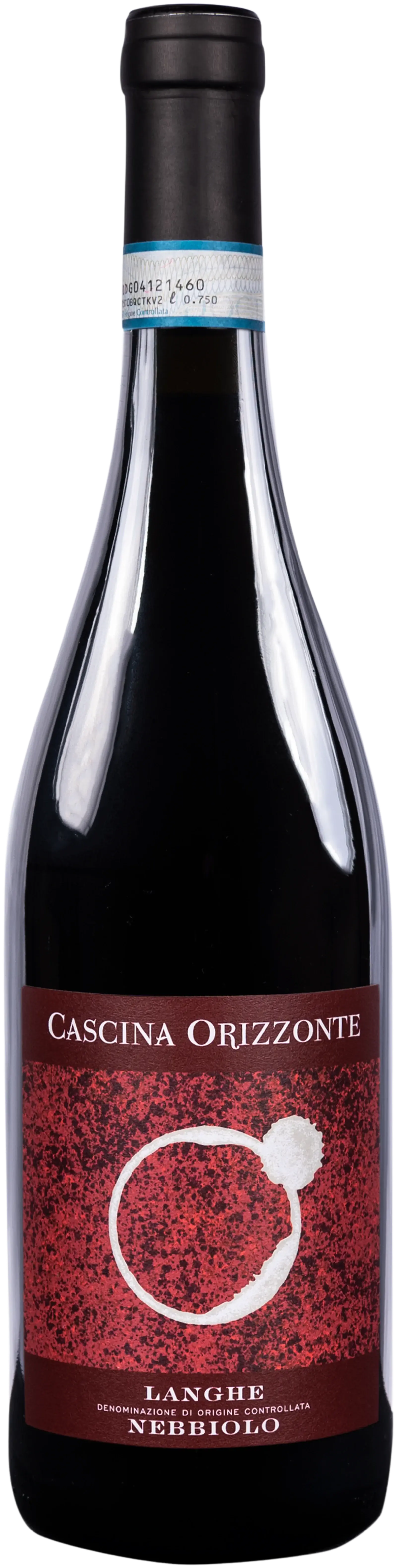
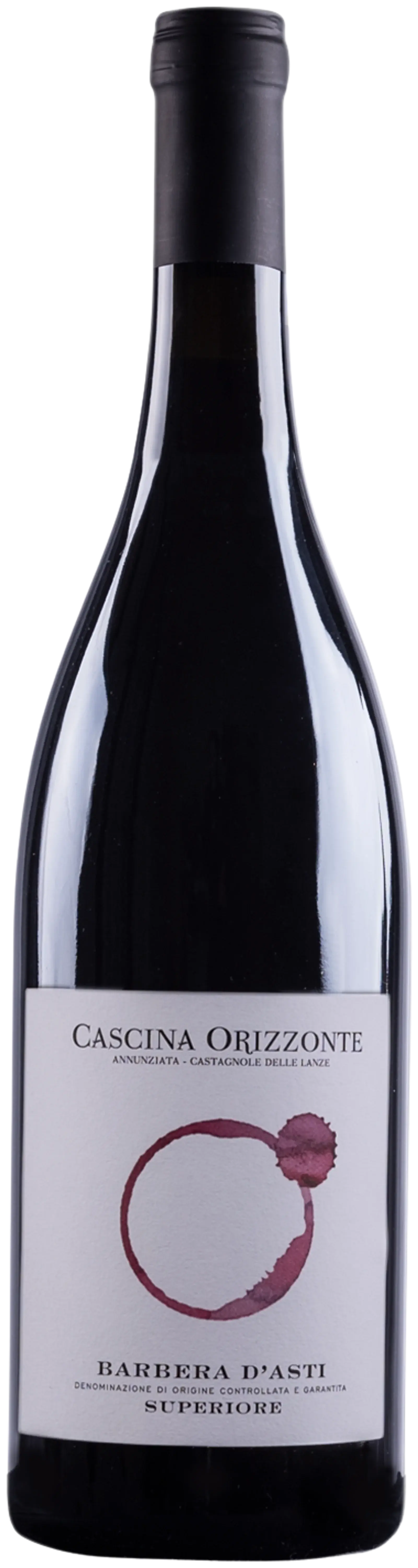
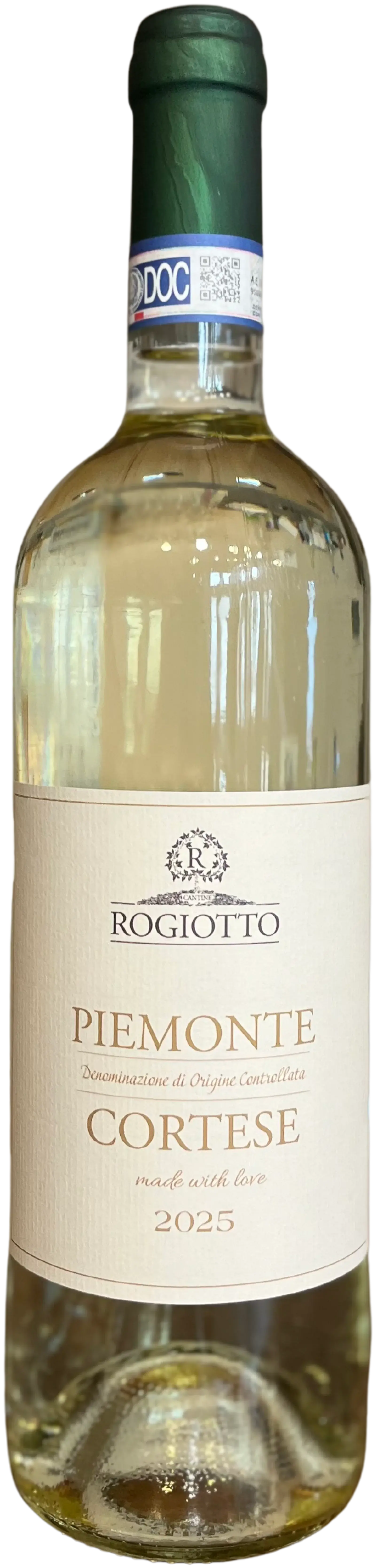
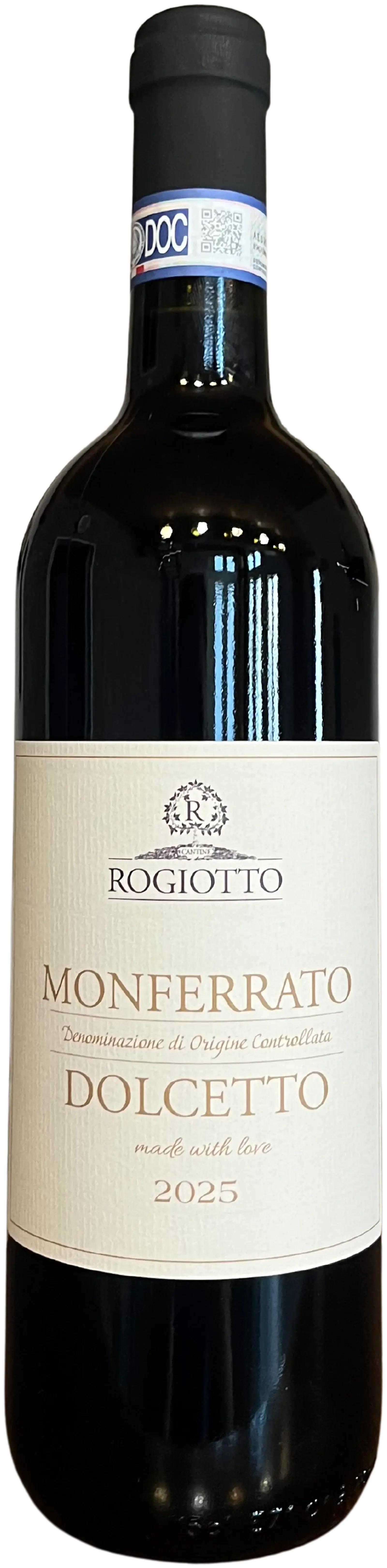
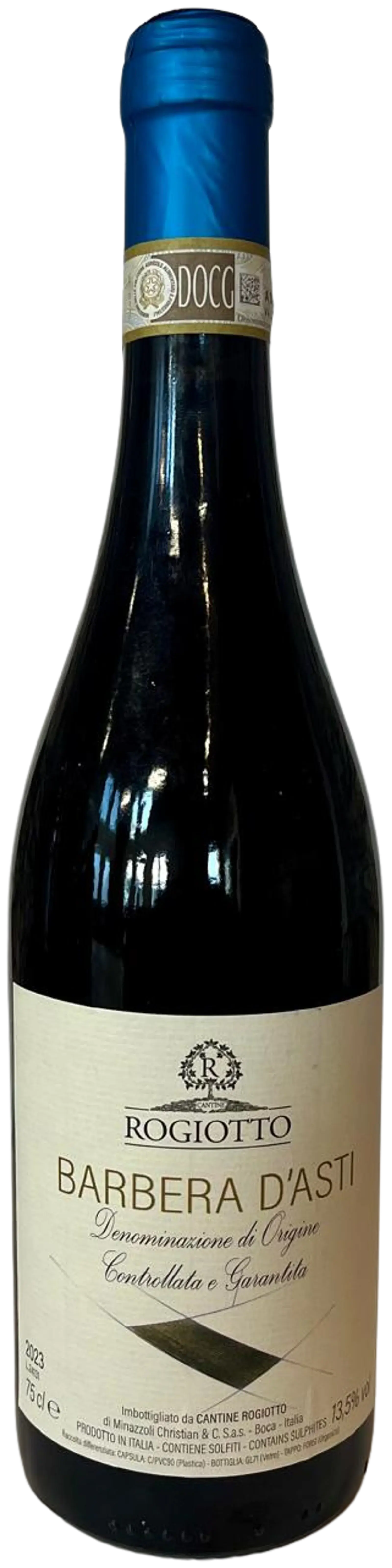
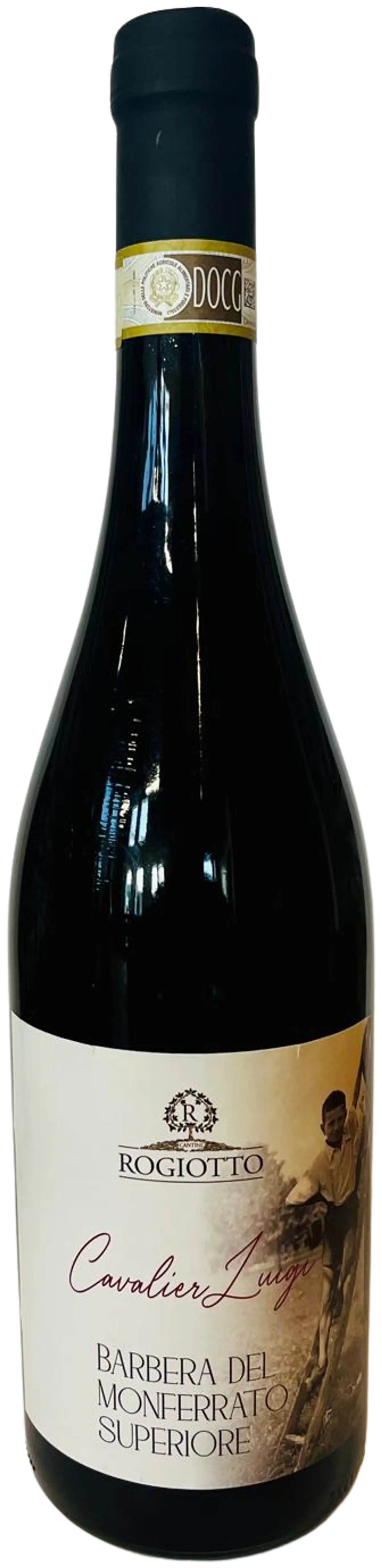
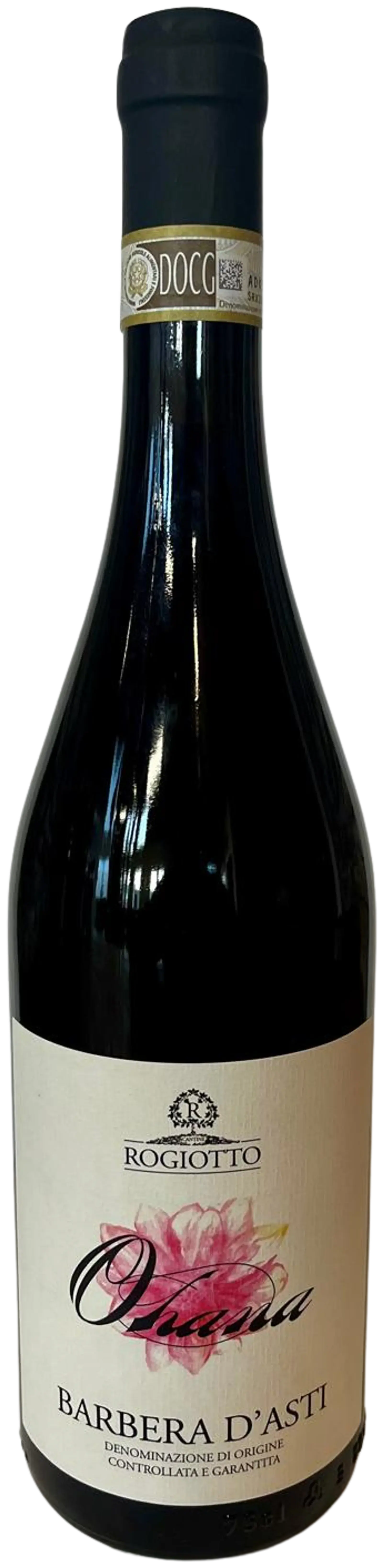
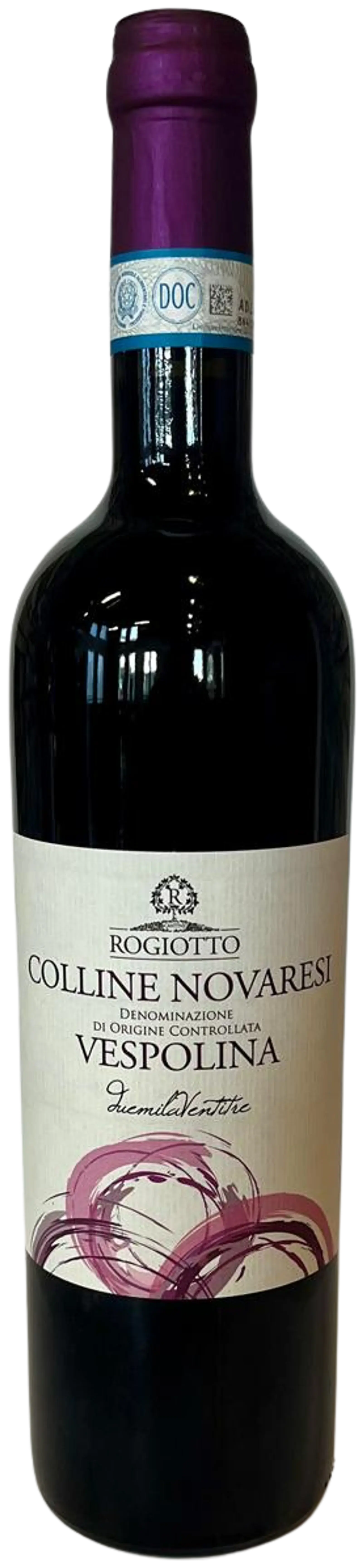
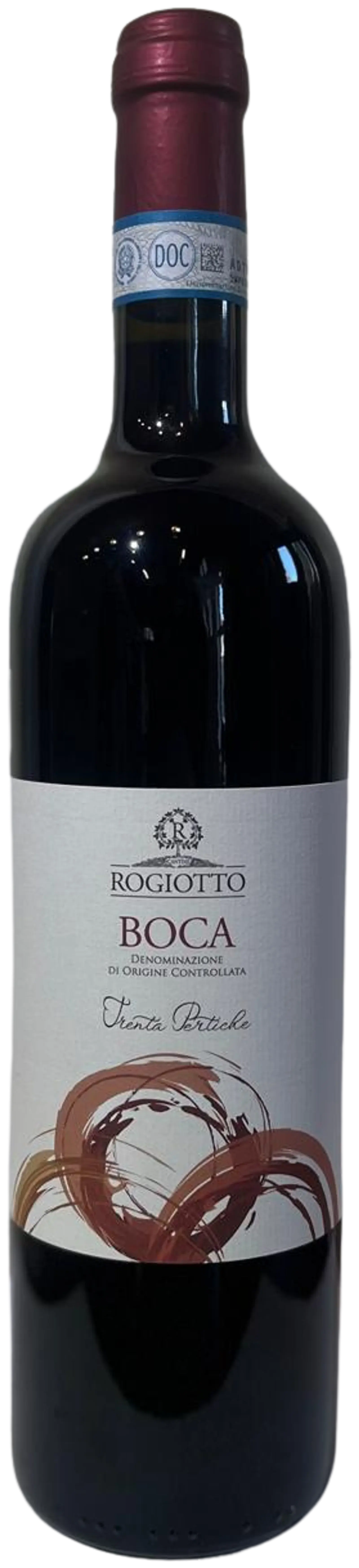
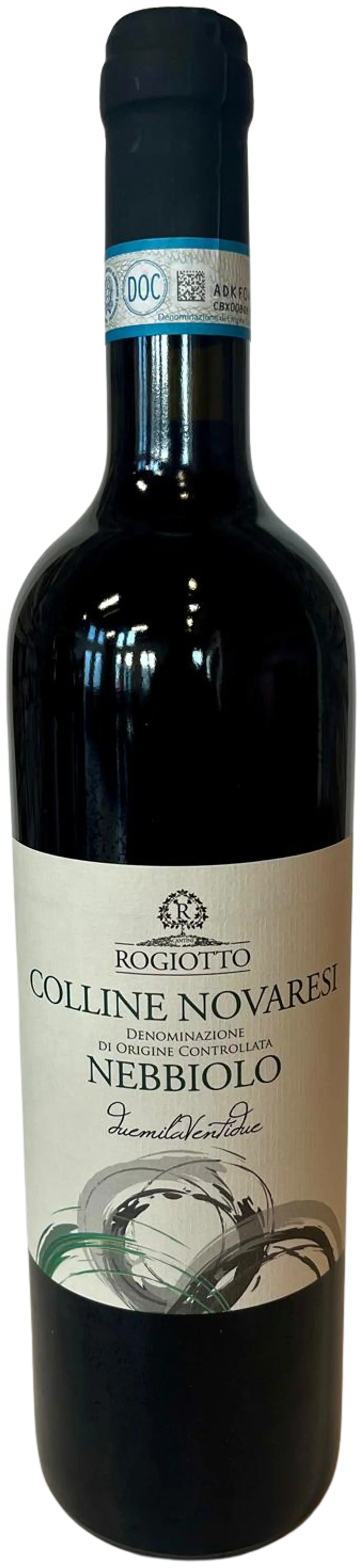
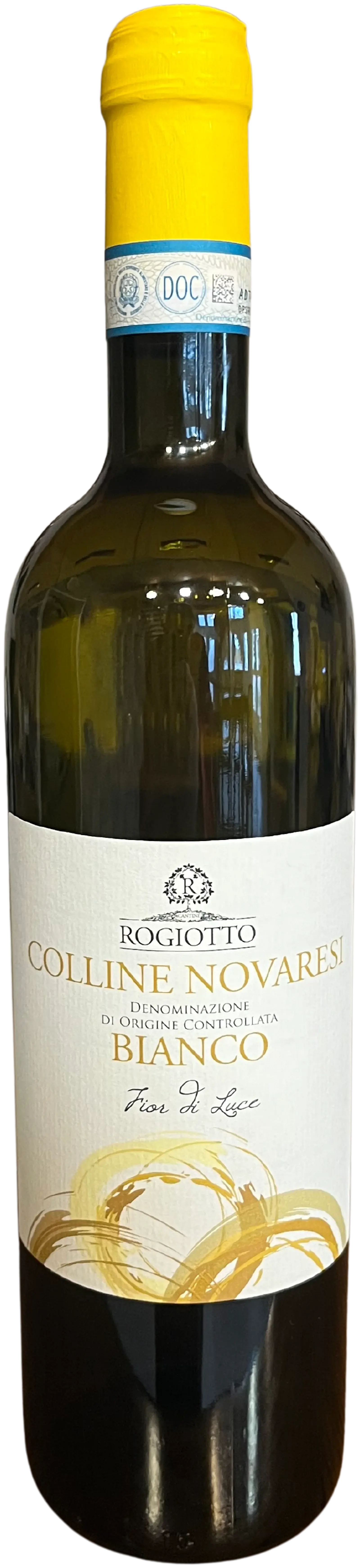
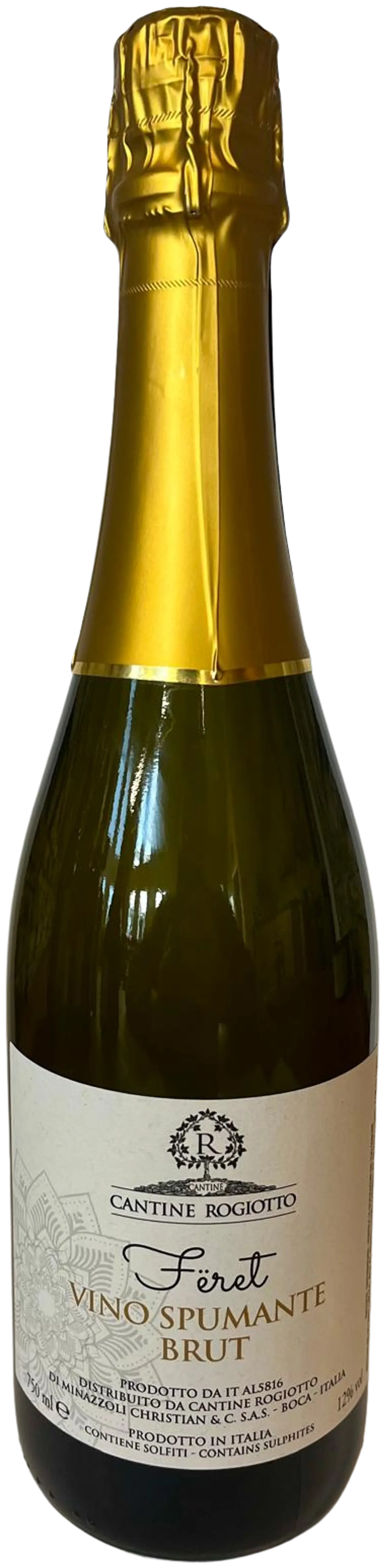
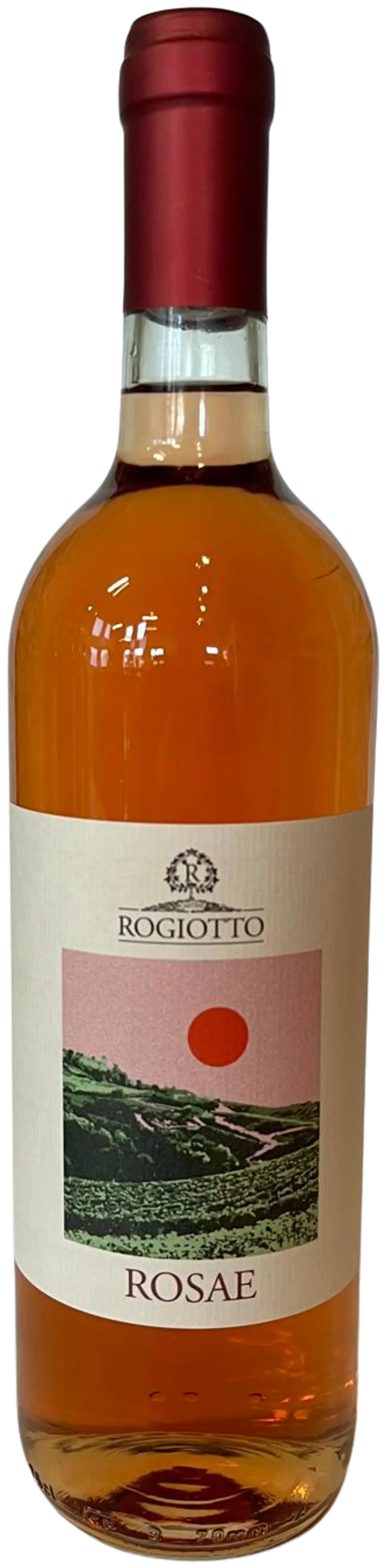
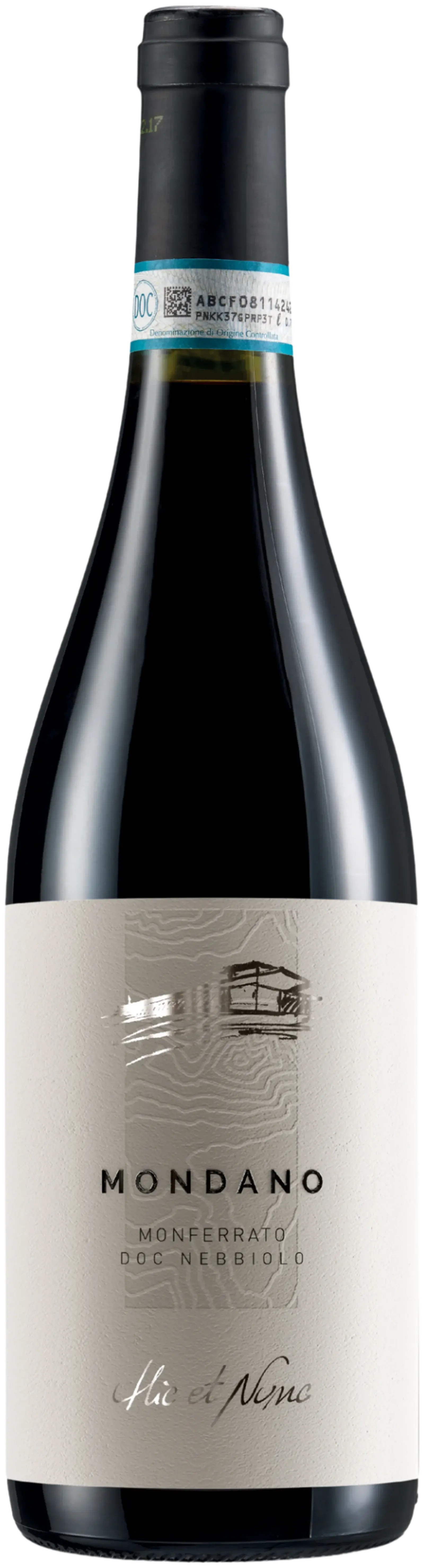
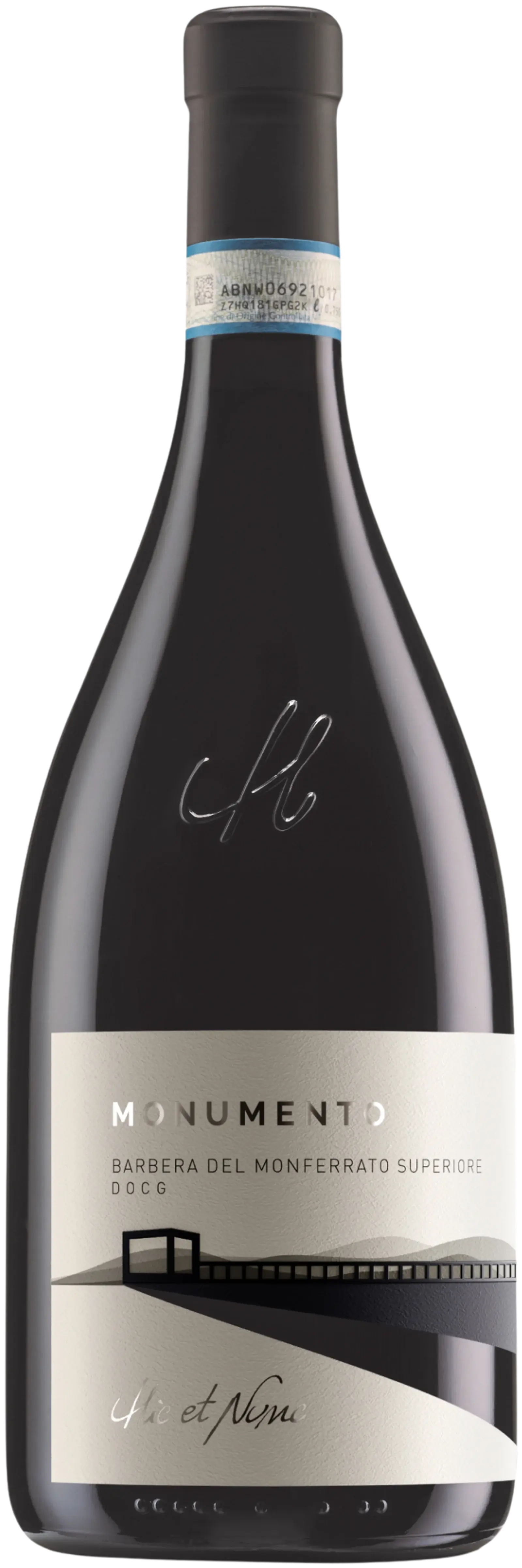
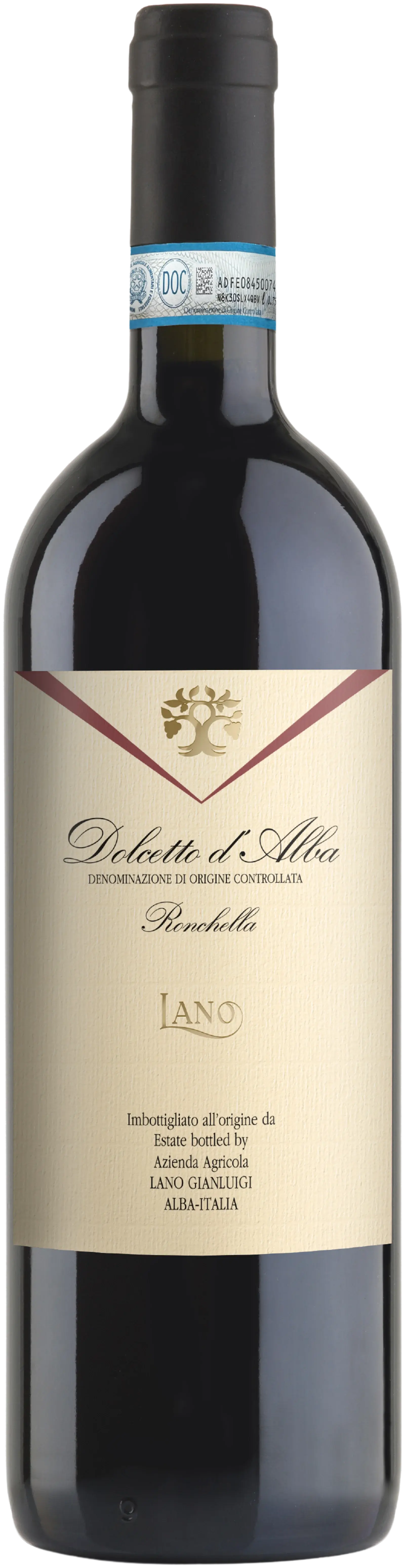
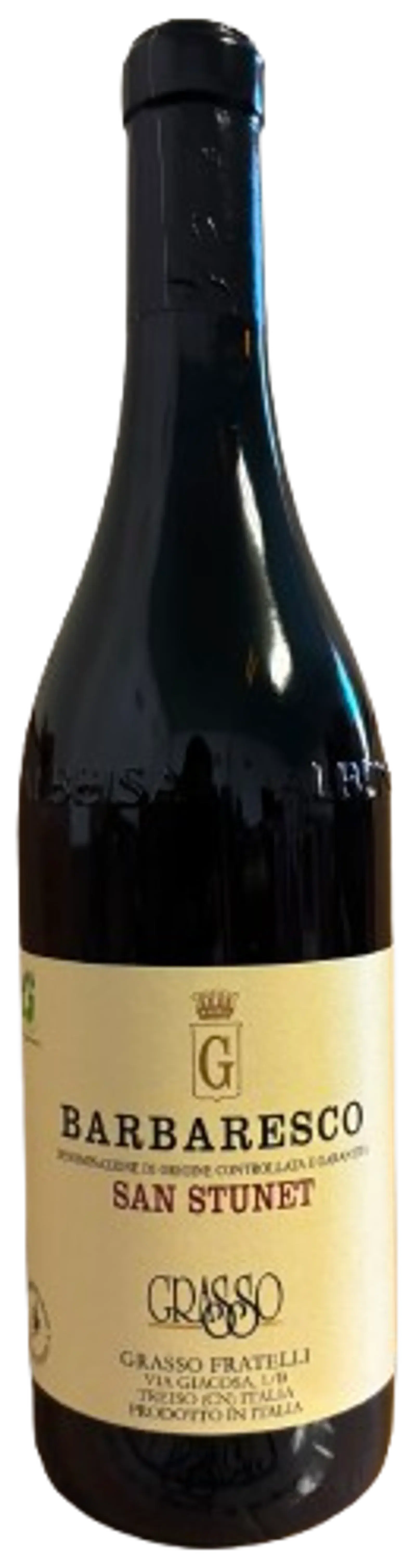
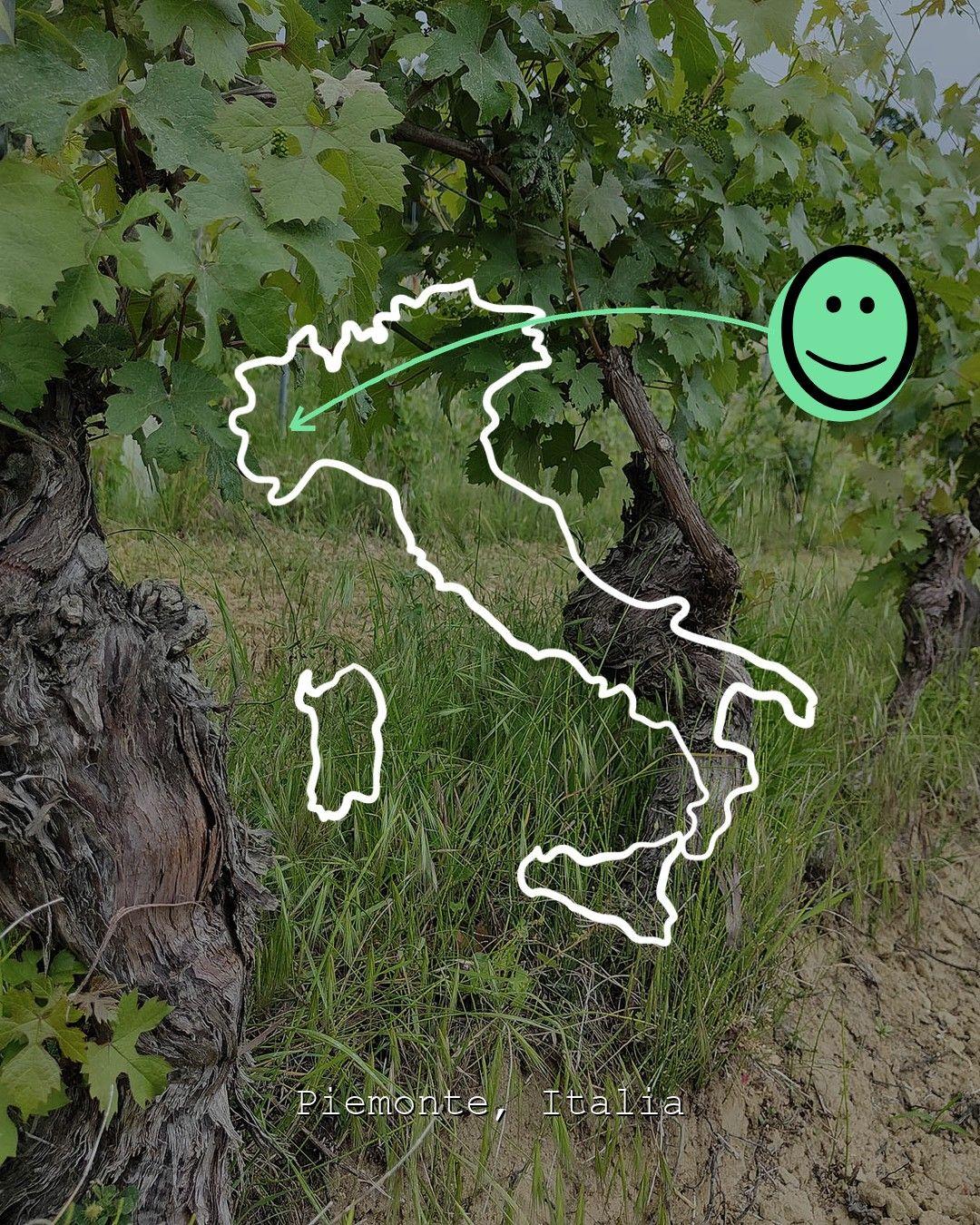
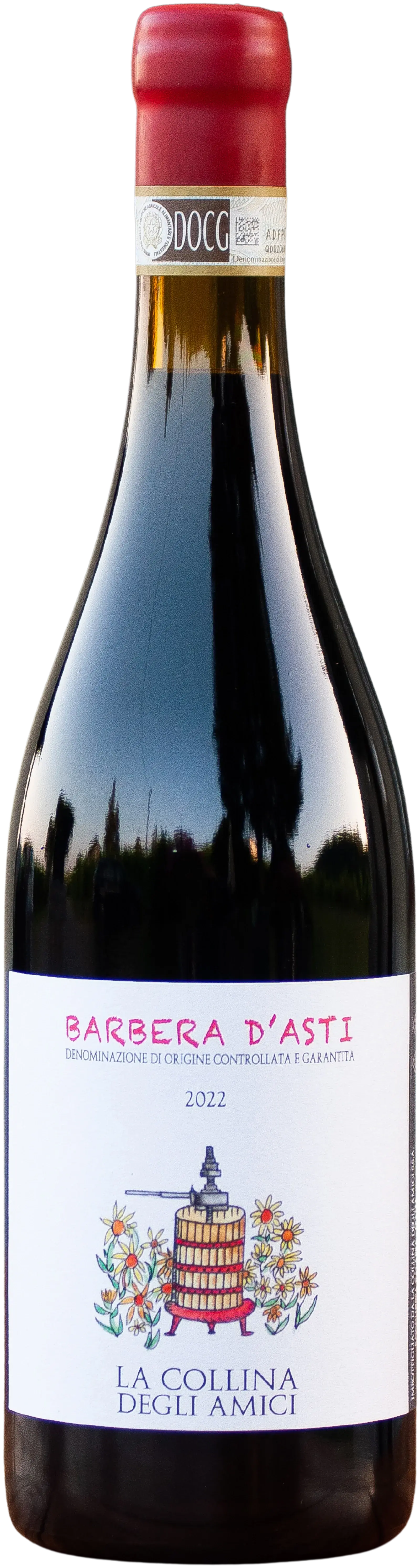
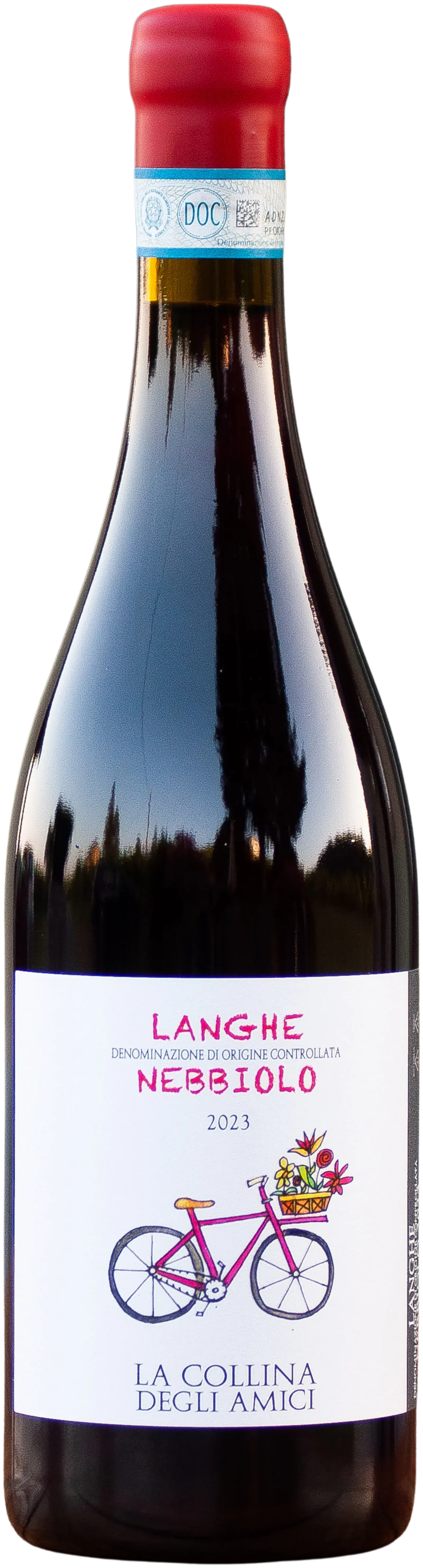
Piedmont is built on native grapes that appear almost nowhere else at serious scale. Nebbiolo is the region's most demanding variety: thin-skinned, late-ripening, and capable of producing wines that need years in bottle before the tannins settle. It is the sole permitted grape in Barolo and Barbaresco, two appellations separated by just 15 kilometres but producing wines that taste structurally different — Barbaresco tends toward earlier drinkability, while Barolo is denser and more austere at release. Barbera is the everyday workhorse: planted across the Langhe and Monferrato hills, it delivers higher acidity and lower tannin than Nebbiolo, which makes it approachable younger. Dolcetto, not currently linked separately, rounds out the traditional trio — typically drunk within three years of harvest. A Piedmont sample box from a single producer will often span two or three of these grapes, showing how one estate approaches the full range of the region's character rather than betting everything on a single appellation. That variety within a box is part of what makes Piedmont producers worth tasting horizontally, not just vertically.
Appellations and altitude: what shapes a Piedmont producer's range
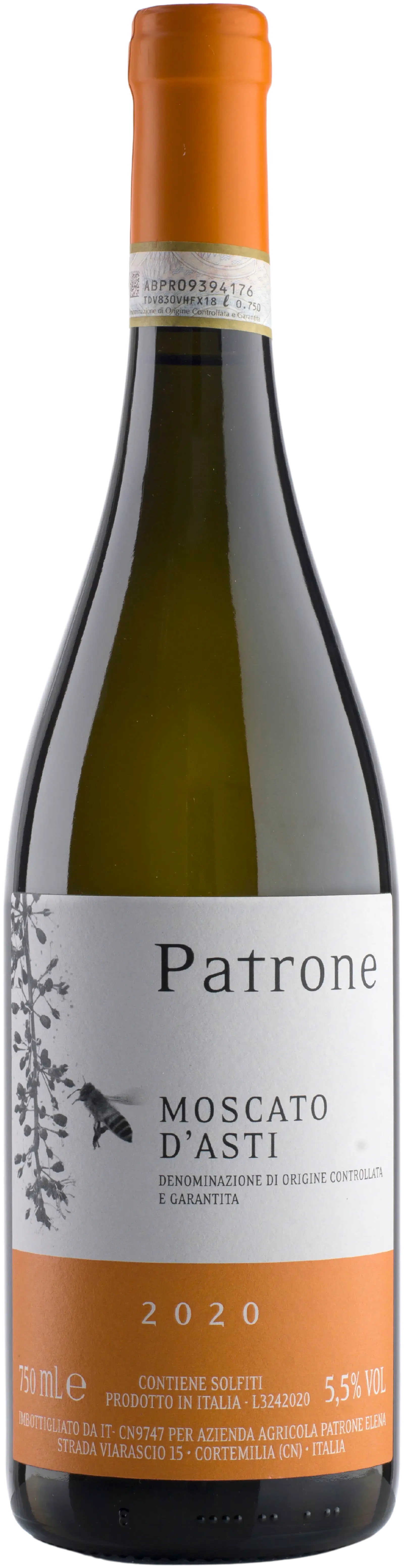
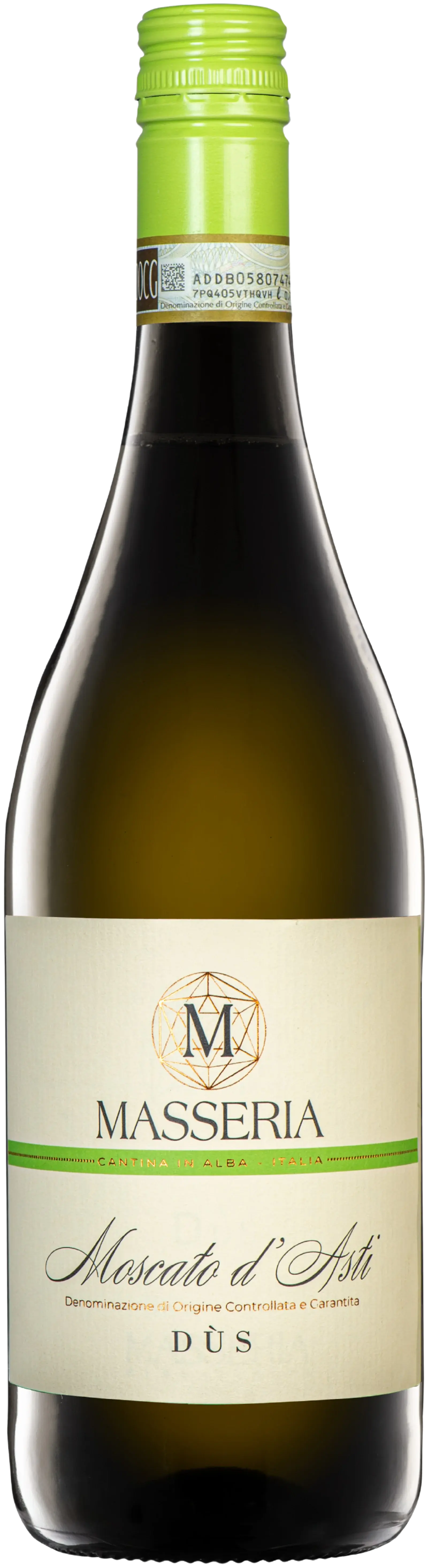
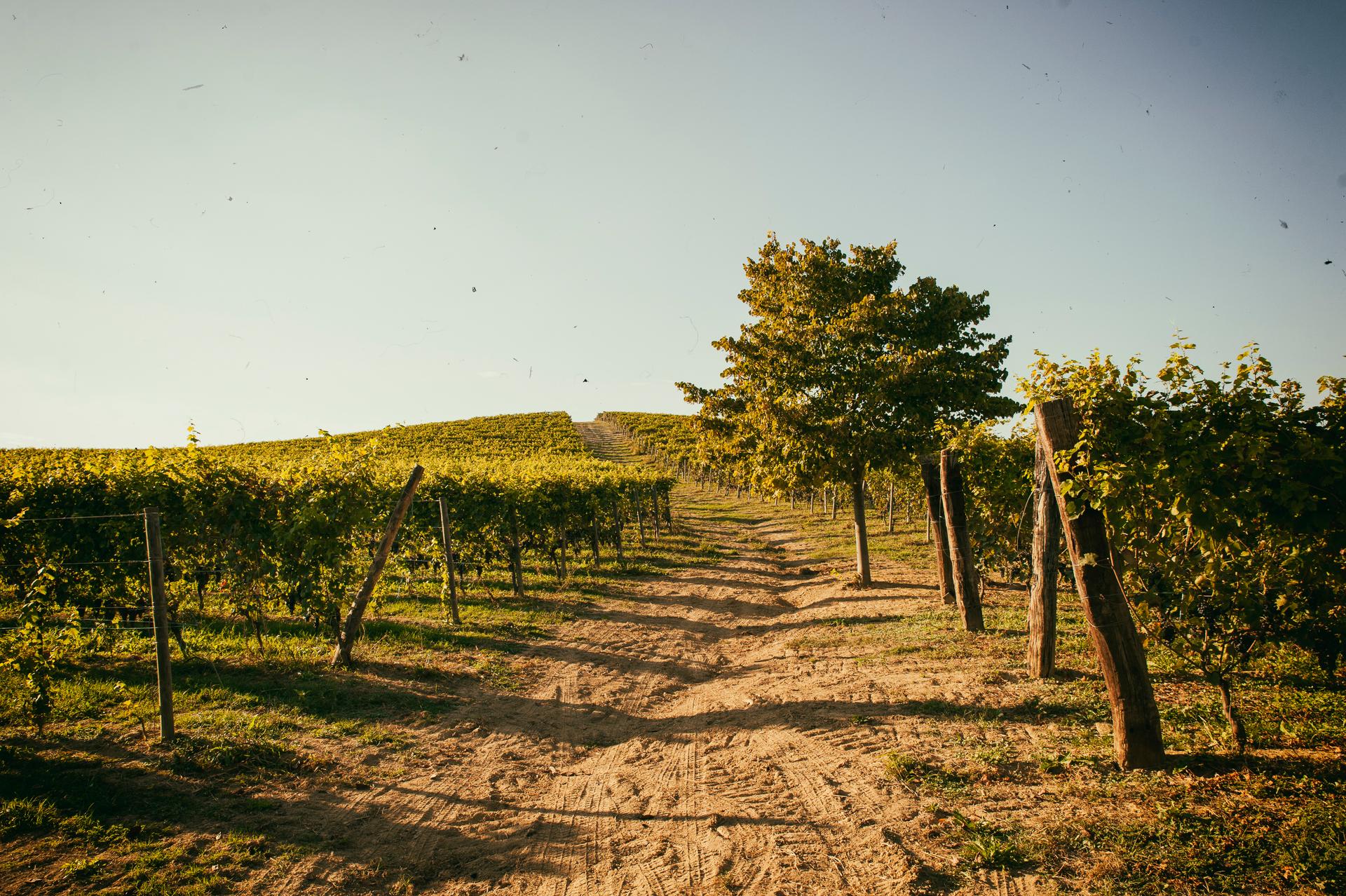
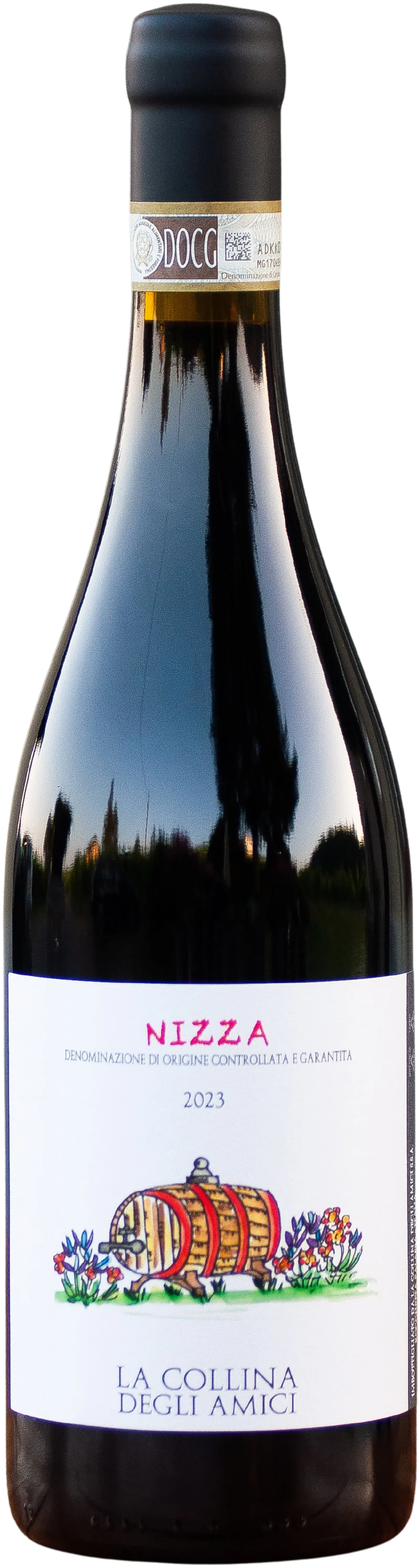
Piedmont has more DOC and DOCG designations than any other Italian region: 17 DOCG and 42 DOC titles as of the most recent count. The Langhe hills, rising to between 150 and 400 metres above sea level, provide the thermal range that Nebbiolo needs — cold nights slow ripening and preserve acidity. The Monferrato and Asti areas to the east carry more clay in their soils, favouring Barbera over Nebbiolo. Cases from producers working across multiple appellations often reflect this geography: a Barolo from the Serralunga d'Alba commune sits alongside a Langhe Nebbiolo from younger vines, demonstrating how the same grape behaves at different elevations and soil profiles. Asti Spumante and Moscato d'Asti, both made from Moscato Bianco, account for a significant share of the region's total export volume — though they rarely appear among Free Grape Society's Piedmont wine cases, which skew toward still red production from independent estates. For broader Italian context, the Italian wine cases section includes producers from Tuscany and other regions alongside Piedmont.
How Piedmont producers are listed on Free Grape Society
Every producer on the platform sends samples before listing. Those samples are tasted by our Head of Product, and a wine goes live only after that tasting. Independent wine experts Rate & Review individual wines on the platform — their reviews are visible on the wine page and on their own profile, so you can see what each expert has actually tasted and what they said about it. No buyer with quarterly targets. No chain defending shelf space. The producer decides if they want to be here, and what is here. A Piedmont wine case is six bottles, always from one cellar, with at least two different wines from that estate. The price is set by the producer. The logistics are handled by Free Grape Society. Nothing else sits between the cellar and your door. Producers from the Piedmont wineries section and the wider Italian wineries catalogue are the same people shipping the boxes listed here.




 Wine case