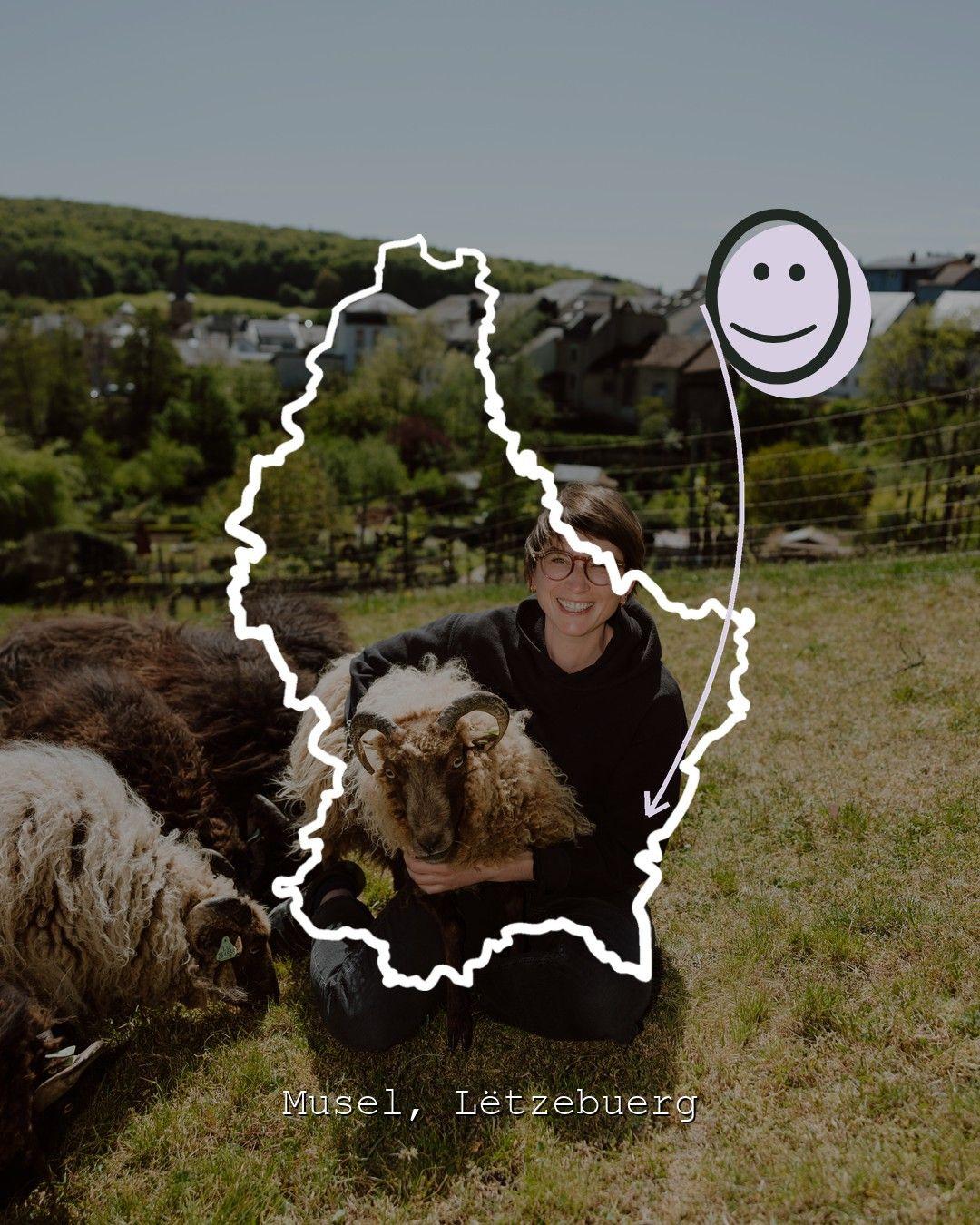
Luxembourg wineries
Luxembourg's vineyard land runs along roughly 40 kilometres of the Moselle, from Schengen in the south to Wasserbillig in the north. The slopes are steep, the soils shift between slate, limestone and sandstone, and most estates are small enough that the same family plants, picks and bottles. On Free Grape Society, each of those producers ships directly from their own cellar, with no importer or warehouse in between, and sets their own price.

No match yet!
It looks like we don't have a match for your selected criteria today. Try clearing or adjusting your filters. Or check back soon!
How we choose our Luxembourg producers
Producers come to Free Grape Society in two ways: growers we approach and growers who approach us. Either way, the process is the same. A producer sends samples, and those wines are tasted before any of them is listed, so nothing reaches the catalogue on reputation alone. We look at how a producer works as much as what they make: whether they farm their own fruit, how they treat their land, and whether their prices are fair to both the grower and the buyer. Wines that are listed are then open to review by independent wine experts, who rate and comment on bottles they have personally tasted, and those reviews sit on the wine pages for anyone to read. We do not list a producer's full range as a matter of course, and we do not chase the biggest names. The aim is a working relationship with growers whose wine and whose practices we can stand behind. You can see which producers we work with across Europe on the all wineries page.
The producers behind Luxembourg's wine
Luxembourg's wine estates sit almost entirely along the Moselle valley, on the country's southeastern border with Germany. The river moderates the continental climate, and the slopes facing it — many of them steep — catch enough sun to ripen grapes this far north. Most estates here are small, family-run operations that grow, vinify, and bottle their own fruit rather than selling it on. The dominant grapes are Rivaner, Auxerrois, Pinot Gris, and Riesling, though Pinot Blanc and Pinot Noir are also widely planted. Because the appellation system — the Marque Nationale and the Crémant de Luxembourg designation — requires tasting-panel approval before a wine can carry the label, quality control is built into how the region works. That structure rewards producers who farm carefully, since declassified wine cannot carry the appellation. Buying directly from a Luxembourg grower means you reach wine that has passed that panel and been bottled by the people who grew the grapes. You can browse wines from neighbouring France and Germany to see how the Moselle style sits in a broader regional context.
Buying direct from a Luxembourg grower
When you order from a Luxembourg producer on Free Grape Society, the wine ships from that grower's own cellar — not from a central warehouse, not through an importer. That means the wine travels once, under conditions the producer controls, and arrives as it left the estate. For Crémant de Luxembourg in particular, where secondary fermentation and extended lees ageing are part of what the wine is, that handling matters. The producer sets the price, ships the order, and stands behind what they send. If you are exploring Luxembourg wine for the first time and want a recommendation, the wine advice service can point you toward a grower whose style suits what you are looking for. You can also browse Luxembourg mixboxes — six-bottle cases composed by the producer themselves — as a way to get to know a single estate's range before ordering individual bottles.