German wineries shipping direct from the cellar

German wine producers on Free Grape Society. Family estates and small growers, shipping directly from their own cellars to your door.

Independent producers from the Rhine, Mosel, and beyond — no importers, no agents.

Country (1)

Dropdown arrow

Region

Dropdown arrow

Production Volume

Dropdown arrow

Sort by

Sort arrow
Germany

German wineries

Germany's wine producers range from multi-generational family estates working the steep slate slopes of the Mosel to small growers in the Pfalz farming a handful of hectares. Riesling is the grape most associated with German winemaking — capable of producing wines that are bone-dry, off-dry, or richly sweet, depending on how the grower reads the vintage. On Free Grape Society, each producer ships directly from their own cellar, removing the importer and warehouse from between the grower and the buyer.

Previous1 of 1Next

German wines

Several of the producers listed here also compose their own mixboxes — six bottles from a single cellar, chosen by the grower as a snapshot of their range. A German producer might lead with a dry Riesling from their best-exposed vineyard and round the selection out with Spätburgunder and a late-harvest style, so the six bottles read as one estate's full character rather than a sampled mix from several sources.

View all wines from Germany

Wine experts

Independent wine experts on Free Grape Society have personally tasted and reviewed the wines they assess. Their reviews appear on the wine page and on the expert's own profile, where their full track record is visible. Several of the experts below have reviewed German wines featured on this platform. Expert reviews reflect individual tasting experience — experts do not select which wines are listed or control the platform's catalog.

View all wine experts

Frequently asked questions

How do I order a German wine case?

Browse the cases on this page, each composed by a single German producer. When you find one you like, add it to your order and pay securely by card or Klarna. The producer packs and ships the six bottles directly from their own cellar, so the case travels from the grower to your door without passing through a warehouse.

What happens if a bottle arrives broken or doesn't taste right?

Send a photo to Free Grape Society customer support within 7 days of delivery. We will arrange a replacement or a refund. Because producers ship directly, quality issues are handled with the producer's direct involvement. Shared responsibility is built into how FGS works.

Can I order more than one wine case at a time?

Yes. You can add several cases to a single order, including cases from different producers. Each producer ships their own case separately, directly from their cellar. Shipping is free, and you can track your deliveries individually.

How long does delivery take?

Average delivery is 8 to 9 days from order to door. The full range is 4 to 14 days depending on the producer's location and your delivery address. Wines ship directly from the producer's cellar, not from a central warehouse.

How do I choose the right German wine case for my taste?

Each case page describes the producer, their region, and what the six bottles cover — whether that is a range of Riesling styles, a move between grape varieties, or wines at different price points. Reading the producer's own description is the best starting point. You can also ask a wine expert through the advice service if you would like a personal recommendation.

Do all German wine cases contain the same bottles?

No. Each case is composed by the producer themselves and reflects their own range at the time. Cases from different producers will contain different wines, and a producer may update their case over time as new vintages become available. The current contents are always listed on the case page.

Which German wine expert can recommend something for me?

Free Grape Society has independent wine experts who know German wine well. Fill in the advice form and describe what you are looking for — a region, a style, a budget — and an expert will come back to you with a personal recommendation. The service is free and there is no obligation to buy.

Why are German wine cases always six bottles from one producer?

A case on Free Grape Society is always six bottles from one producer, composed by that grower as their own recommendation. Keeping the case within a single cellar means it is genuinely the producer's own introduction to their range — not a retailer's mix. You learn something real about one estate rather than getting an assortment with no common thread.

Can I buy a German wine case somewhere else online?

Cases from these producers are not available through general retail or major online wine shops, which typically source through importers and distributors. On Free Grape Society, independent German growers sell and ship directly, which is why you will find estates and styles here that do not appear on mainstream platforms.

How we choose our producers

Producers come to Free Grape Society and apply to join; we do not buy a catalog and resell it. A German producer sends samples, and the wines are tasted before they are listed, so what you see has been through our own glass first. We weigh three things: that the wine is honest and well made, that the price is fair to both the grower and you, and that the producer is happy to sell and ship directly from their own cellar. Once a producer is on the platform, independent wine experts can rate and review individual wines, and those reviews sit on the wine pages and on each expert's profile. The experts review what they have personally tasted; they do not pick the catalog or decide what gets listed. Producers set their own prices and handle their own dispatch. You can find the growers currently working in Baden and Pfalz, and browse all German wines to see what each estate is currently offering.

Wine regions and the producers of Germany

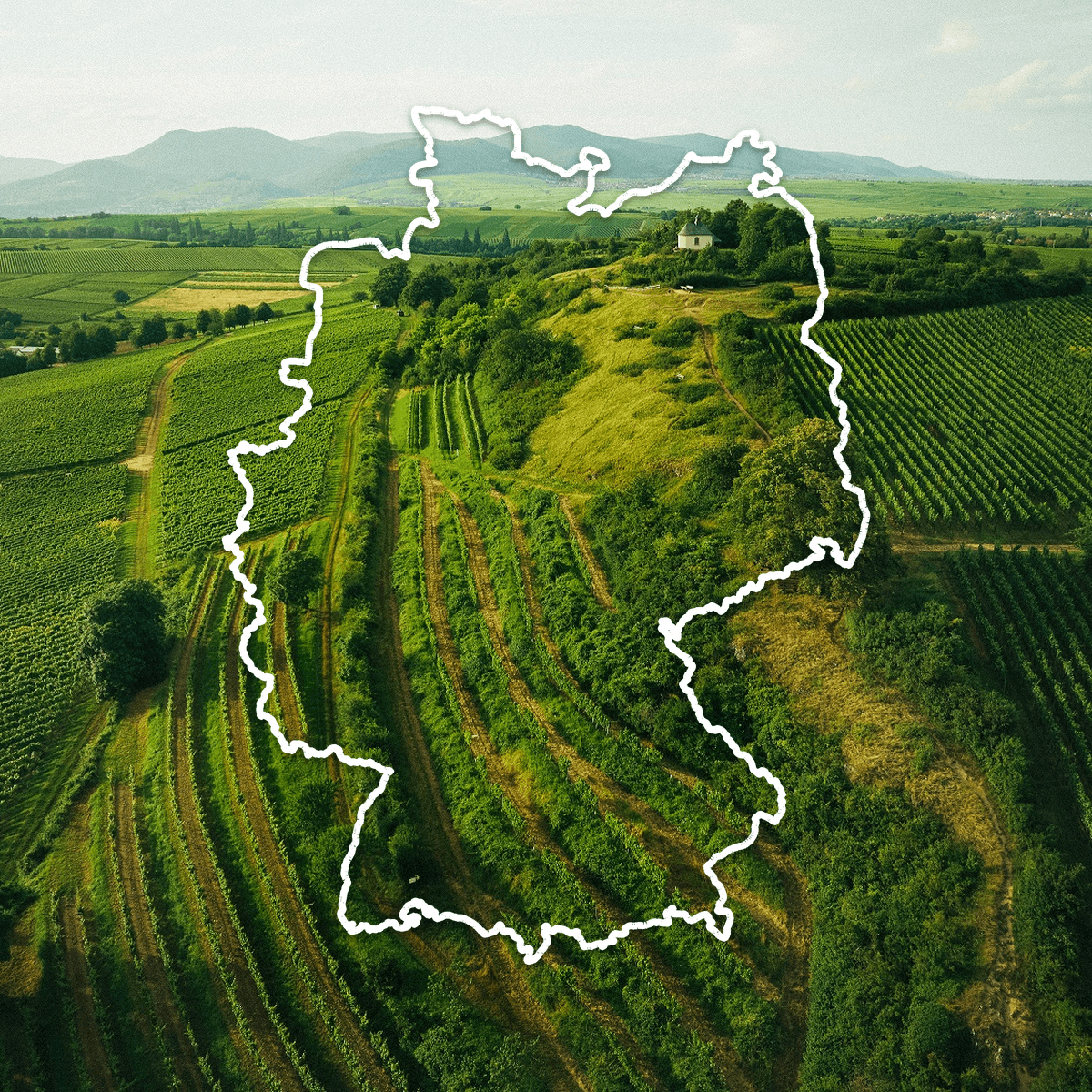
Germany's wine map is shaped by rivers. The Rhine and its tributaries, the Mosel, the Nahe, the Rheingau and others, provide the slopes, the drainage, and the temperature moderation that allow grapes to ripen this far north. The country is divided into thirteen recognised growing regions, each governed by its own combination of soil, aspect, and mesoclimate. Riesling is the grape most closely associated with Germany, and for good reason: its thin skin and late ripening suit the long, cool growing season, and the variety expresses the differences between a slate-covered Mosel slope and a sandstone Pfalz vineyard with unusual precision. Styles range from bone-dry Grosses Gewächs bottlings to the naturally sweet Auslese and Beerenauslese levels that depend on botrytis and selective hand-picking. Spätburgunder, the local name for Pinot Noir, has gained ground in warmer sites in Baden and the Pfalz, where fuller-bodied reds are increasingly possible. White wines from Germany still account for the majority of production, and the range across styles and sweetness levels is wider than most wine-producing countries can offer.

What buying directly from a German producer means

When you order through Free Grape Society, the bottle travels from the producer's own cellar to your door, with no importer, agent, or warehouse adding a margin in between. For German wines, which have historically reached export markets through a layered distribution system of cooperatives and regional merchants, this is a meaningful difference. The producer sets the price, packs the order, and ships it directly. Delivery typically takes between 4 and 14 days, with an average of around 8 to 9 days. You can also browse German wineries directly if you want to start with the grower rather than the bottle, or explore producers from other countries such as France, Italy, and Spain to compare approaches across regions.