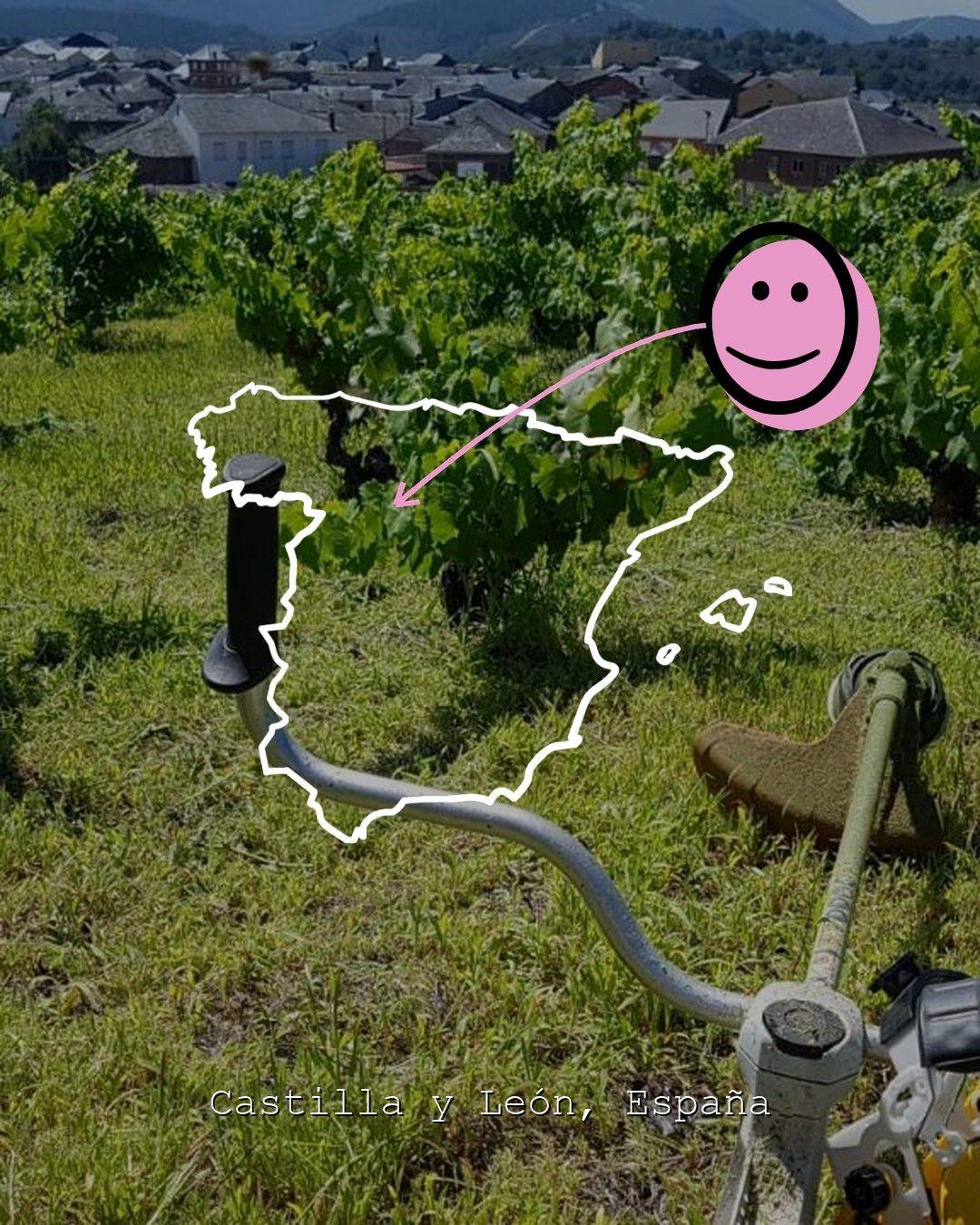
Castile and León wineries
Castile and León sits on a high interior plateau, where altitude shapes everything: warm days preserve fruit, cool nights hold acidity, and a short growing season means growers rarely have the luxury of waiting. The result is wines with definition and structure, whether that is a Tempranillo from Ribera del Duero, a Verdejo from Rueda, or a Mencía from the granite slopes of Bierzo. On Free Grape Society, producers sell and ship directly from their own cellar, with no importer or warehouse in between.

No match yet!
It looks like we don't have a match for your selected criteria today. Try clearing or adjusting your filters. Or check back soon!
The producers of Castile and León
Castile and León is Spain's largest wine region by area, a high plateau stretching across the northern interior where altitude does much of the work a cooler climate does elsewhere. Vineyards here sit mostly between 700 and 900 metres above sea level, which slows ripening and preserves the natural acidity that gives the wines their structure. The dominant grape is Tempranillo, known locally as Tinto Fino or Tinta del País, a variety that has adapted over centuries to the extreme conditions of the meseta — baking summers and winters cold enough to freeze pipes. Around it sits a broader cast: Verdejo in Rueda, Godello pushing into the northwest corners of the region, Mencía in the far west, and Garnacha holding on in older vineyards. The producers listed here are independent estates, most of them family-run, farming their own vines and making their own decisions about when to pick and how long to age. For the full picture of what they produce, the Castile and León wines page shows the range of bottles currently available.
How we choose our producers
We work directly with the growers behind the wines, which means getting to know how they farm and what they charge before anything is listed. Producers send samples, and those samples are tasted before a wine is listed — the decision rests on what is in the glass, not on a label or a reputation. We look for pricing that reflects the work in the vineyard without the mark-ups that importers and warehouses typically add, and we keep the relationship direct so each producer sets their own terms and ships from their own cellar. Once wines are listed, independent wine experts rate and review individual bottles, building a public track record that buyers can read on the wine page. We do not aim to carry the full output of a region: we list wines tasted before listing, from producers we have a direct relationship with. That is what makes the connection between the grower and the buyer real rather than nominal.
Winemaking traditions in Castile and León
The region's winemaking history is long and contested. Ribera del Duero spent much of the twentieth century in obscurity before a handful of estates drew international attention in the 1980s and the DO was formally established in 1982. Rueda's history runs deeper still — its white wines were traded across Castile for centuries, though the modern appellation, granted in 1980, shifted focus toward fresh, aromatic Verdejo rather than the oxidised styles that once defined it. Bierzo in the west sits apart from both: it is cooler and greener, closer in feel to Galicia than to the central plateau, and its Mencía-based reds carry a lighter, more aromatic character than Tempranillo-dominant Ribera. Across the region, older vine material matters. Many estates farm pre-phylloxera or ungrafted vines on sandy soils, particularly in areas like Cebreros and parts of Toro, and yields from these old plots are low enough that the resulting wines are made in small quantities. The Spanish wineries page lists producers from across Spain's other regions, and the Castile and León wine cases page shows which estates have composed a six-bottle selection for those who want to explore one grower's range in a single order.