The producers behind Croatian wine
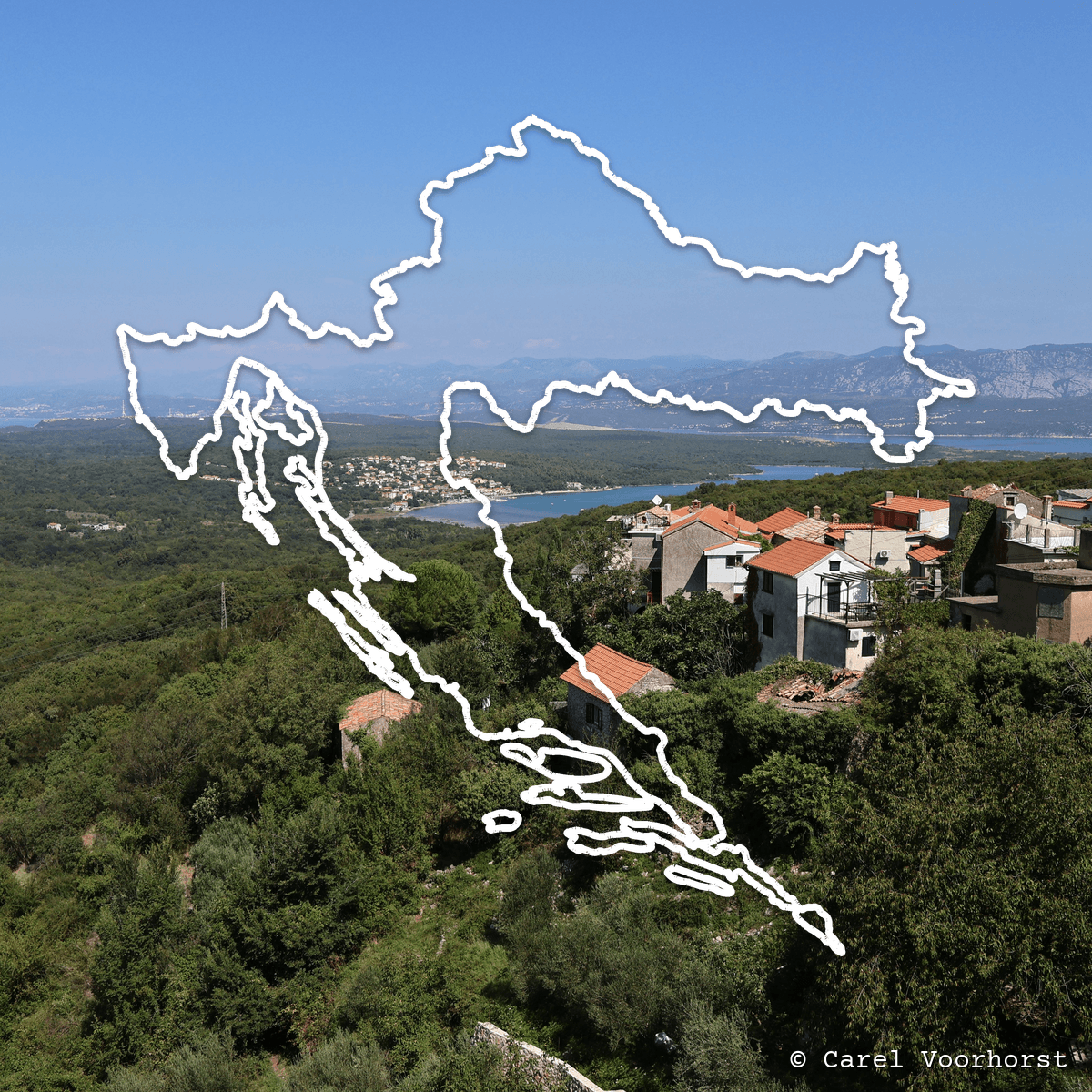
Croatia's winemakers are overwhelmingly family-run, often farming land that has been in the same hands for generations. The country divides into two broad growing zones: the continental interior, where Hrvatsko Zagorje and Međimurje sit close to the Hungarian border, and the long Adriatic coast, where the Dalmatian islands and Istria produce wines shaped by sea winds and limestone soils. In the interior, grapes like Graševina thrive in a climate closer to central Europe. On the coast, indigenous varieties such as Plavac Mali and Pošip have been grown on the same rocky hillsides for centuries, making them inseparable from the landscape that formed them. Most Croatian producers farm small parcels, which means yields are low and decisions are made by the person who knows the vineyard best. You can browse the Croatian wineries currently listed on Free Grape Society through the Croatian wineries page, or explore the region of Hrvatsko Zagorje and Međimurje directly.
How we choose our producers
Producers come to Free Grape Society in two ways: growers we approach and growers who approach us. Either way, the process is the same. A producer sends samples, and those wines are tasted before any of them is listed, so nothing reaches the catalogue on reputation alone. We look at how a producer works as much as what they make: whether they farm their own fruit, how they treat their land, and whether their prices are fair to both the grower and the buyer. Wines that are listed are then open to review by independent wine experts, who rate and comment on bottles they have personally tasted, and those reviews sit on the wine pages for anyone to read. We do not list a producer's full range as a matter of course, and we do not chase the biggest names. The aim is a working relationship with growers whose wine and whose practices we can stand behind. You can read how reviews work on the wine experts page.
Buying direct from a Croatian grower
When you order from a Croatian producer on Free Grape Society, the wine ships directly from their own cellar — there is no importer warehouse it passes through first. That matters for two reasons. The first is freshness: the wine travels one leg rather than several, and it arrives closer to the condition in which it was bottled. The second is transparency: you know exactly whose hands made it and where it came from. Croatia is not a country with a single flagship style. A white from Istria made on Malvazija Istarska is a different wine from a Plavac Mali grown on a steep Dalmatian island slope, and neither one resembles a Graševina from the inland vineyards of Međimurje. Buying direct from the producer is the most straightforward way to understand those differences, because each producer can tell you exactly what they made and why. Explore the full range of Croatian wines or browse wine cases from other countries to compare styles across Europe.