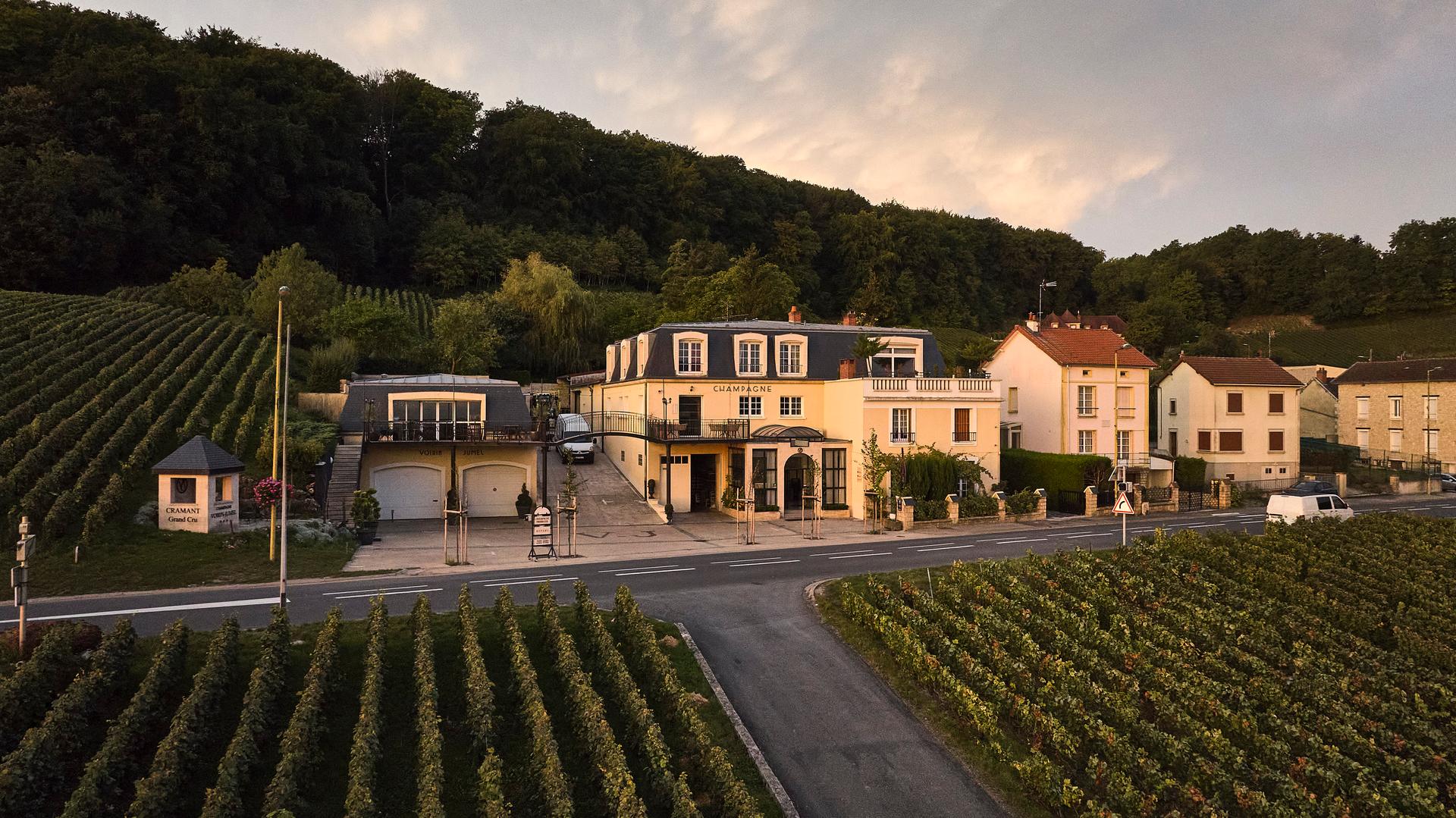
What goes into a six-bottle Champagne wine case
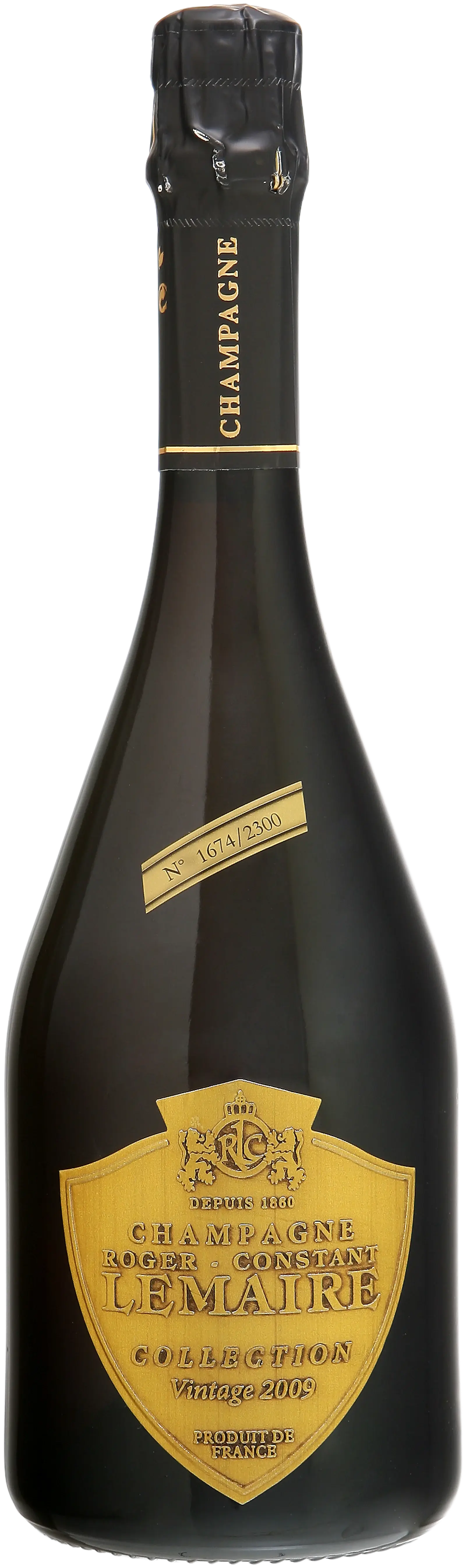
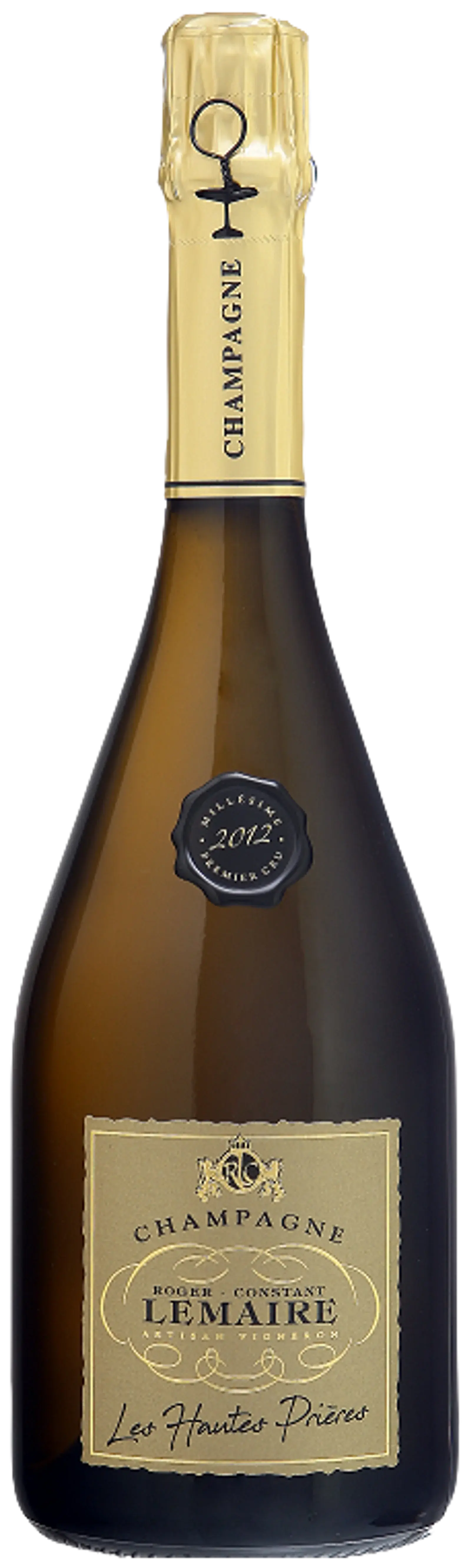
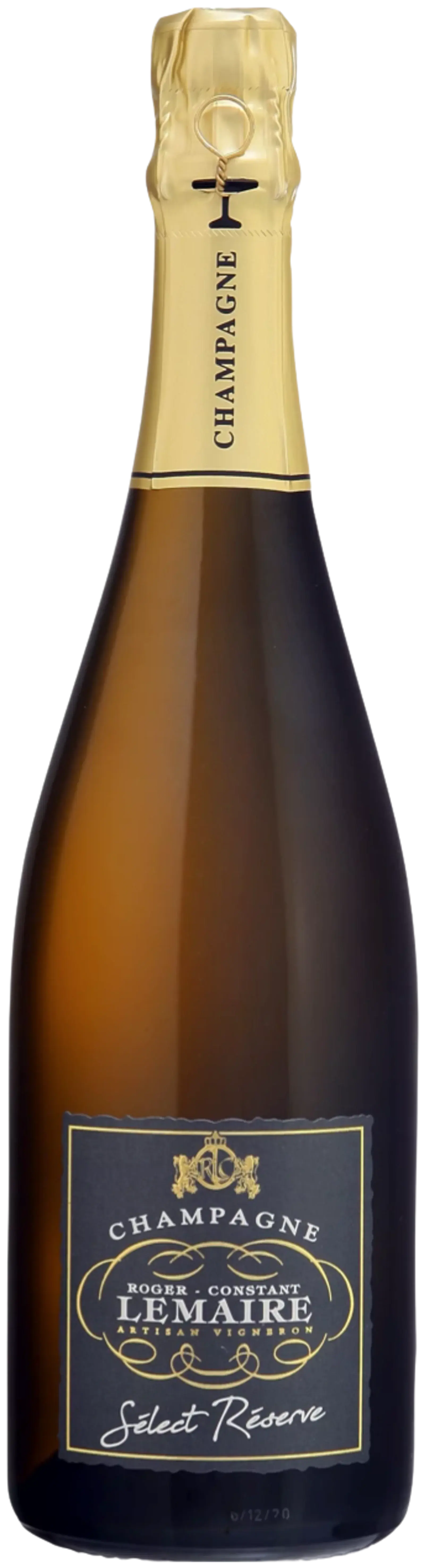
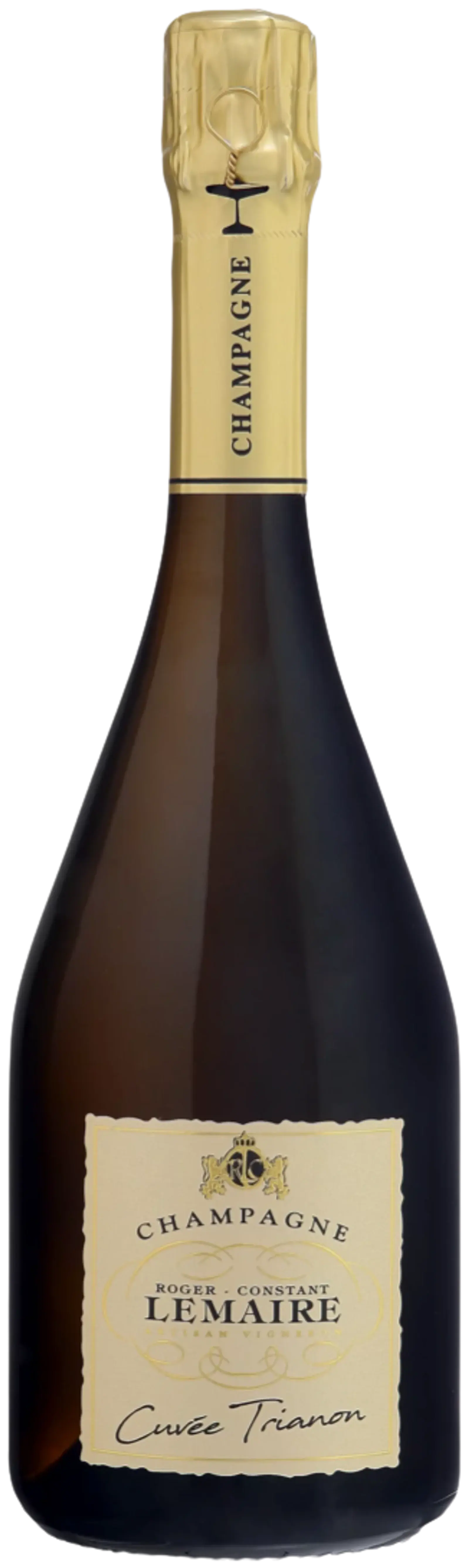
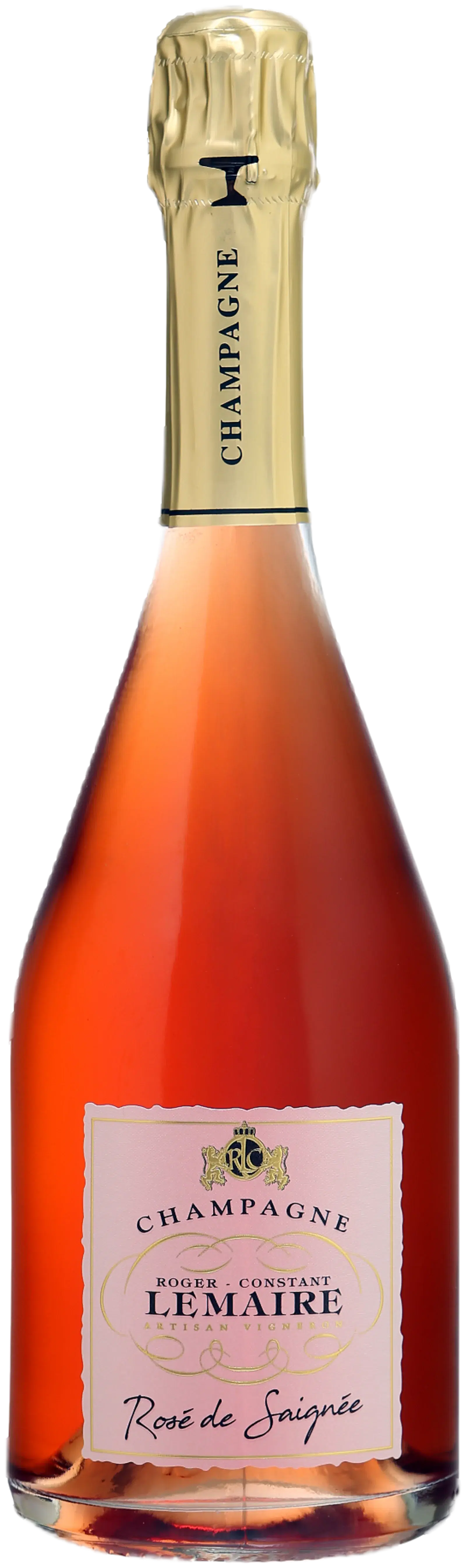
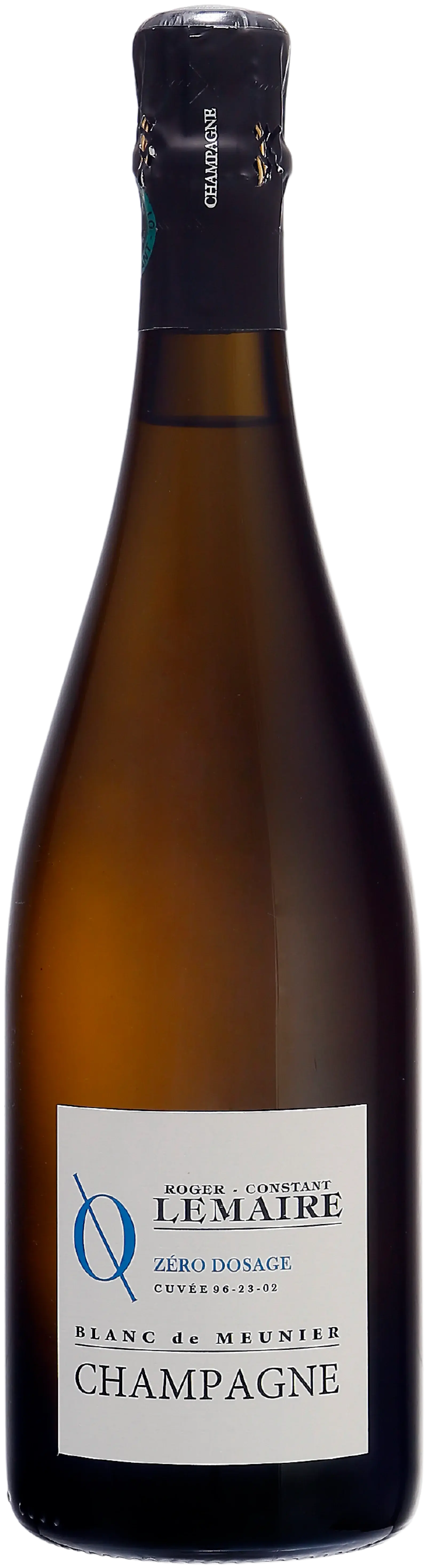
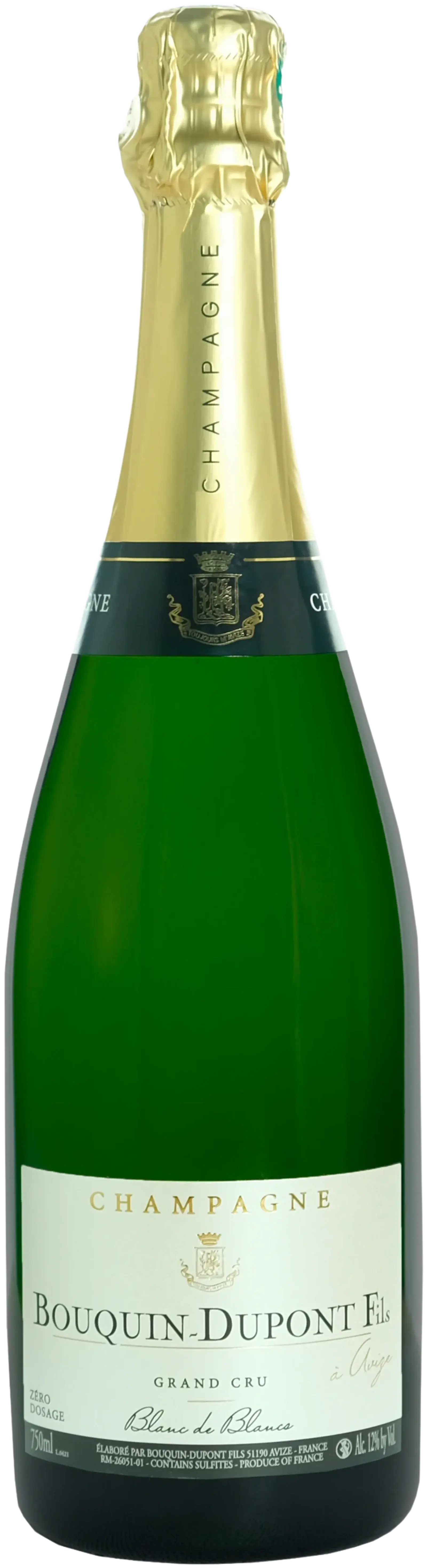
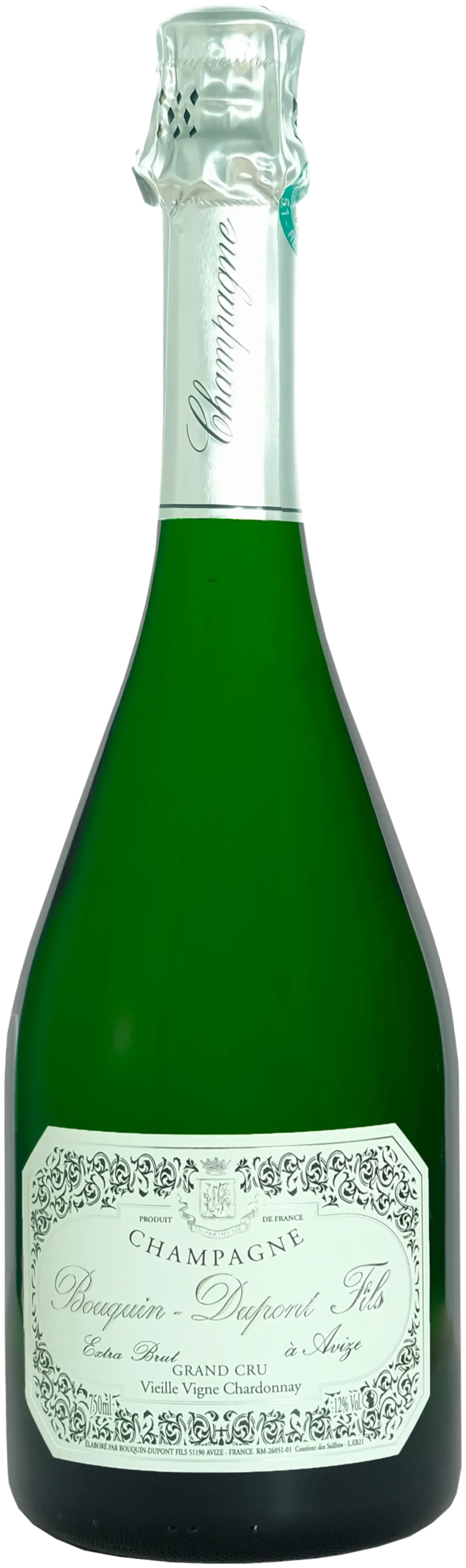
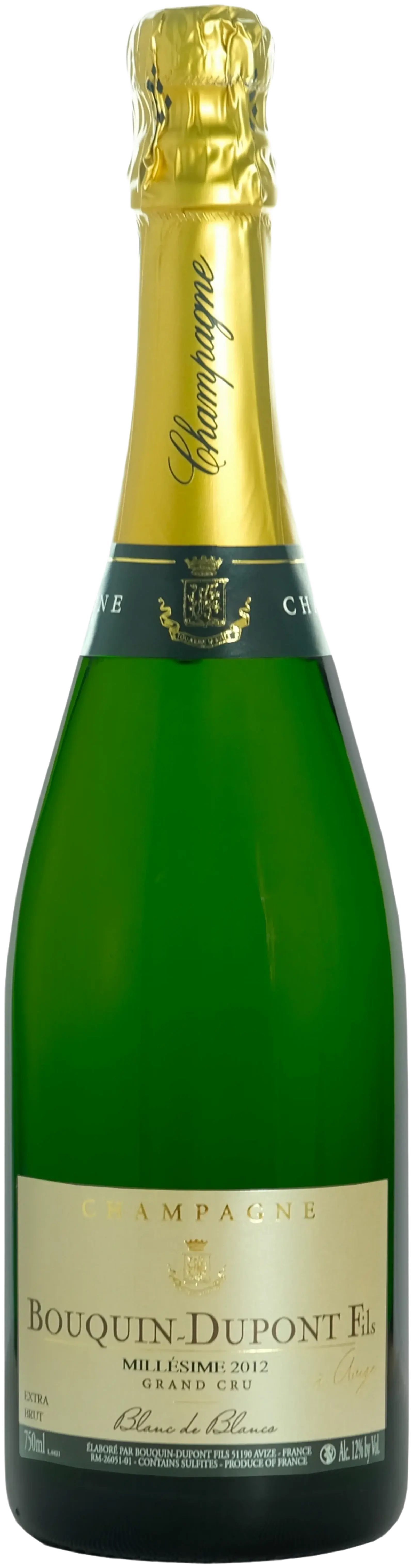
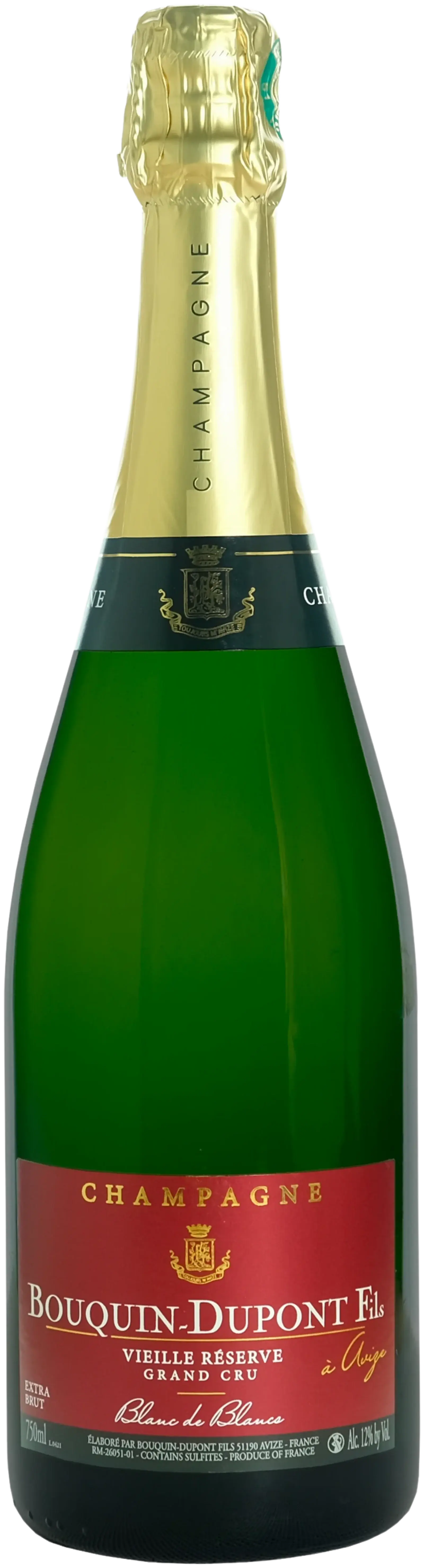
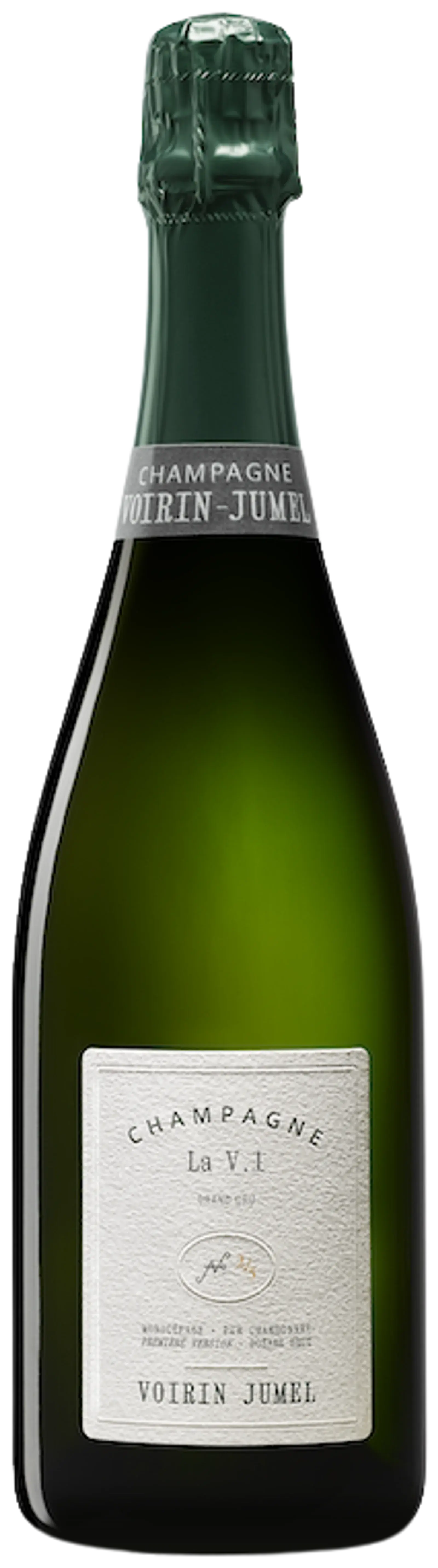
A Champagne wine case on Free Grape Society is always six bottles from a single producer, never a cross-producer selection. A case might hold a grower's cuvée alongside a blanc de blancs, or a rosé alongside the non-vintage the producer is best known for.
Champagne is made almost entirely from three grapes: Chardonnay, Pinot Noir, and Pinot Meunier. The proportion of each, the length of aging on the lees, and the dosage — the sugar added at disgorgement — determine nearly everything about how a bottle tastes. Knowing which grapes dominate a cuvée tells you more than any tasting note adjective. A blanc de blancs is 100% Chardonnay. A blanc de noirs is made from red grapes only, typically Pinot Noir. Most non-vintage Champagnes are blends of all three.
Grower Champagne versus négociant Champagne
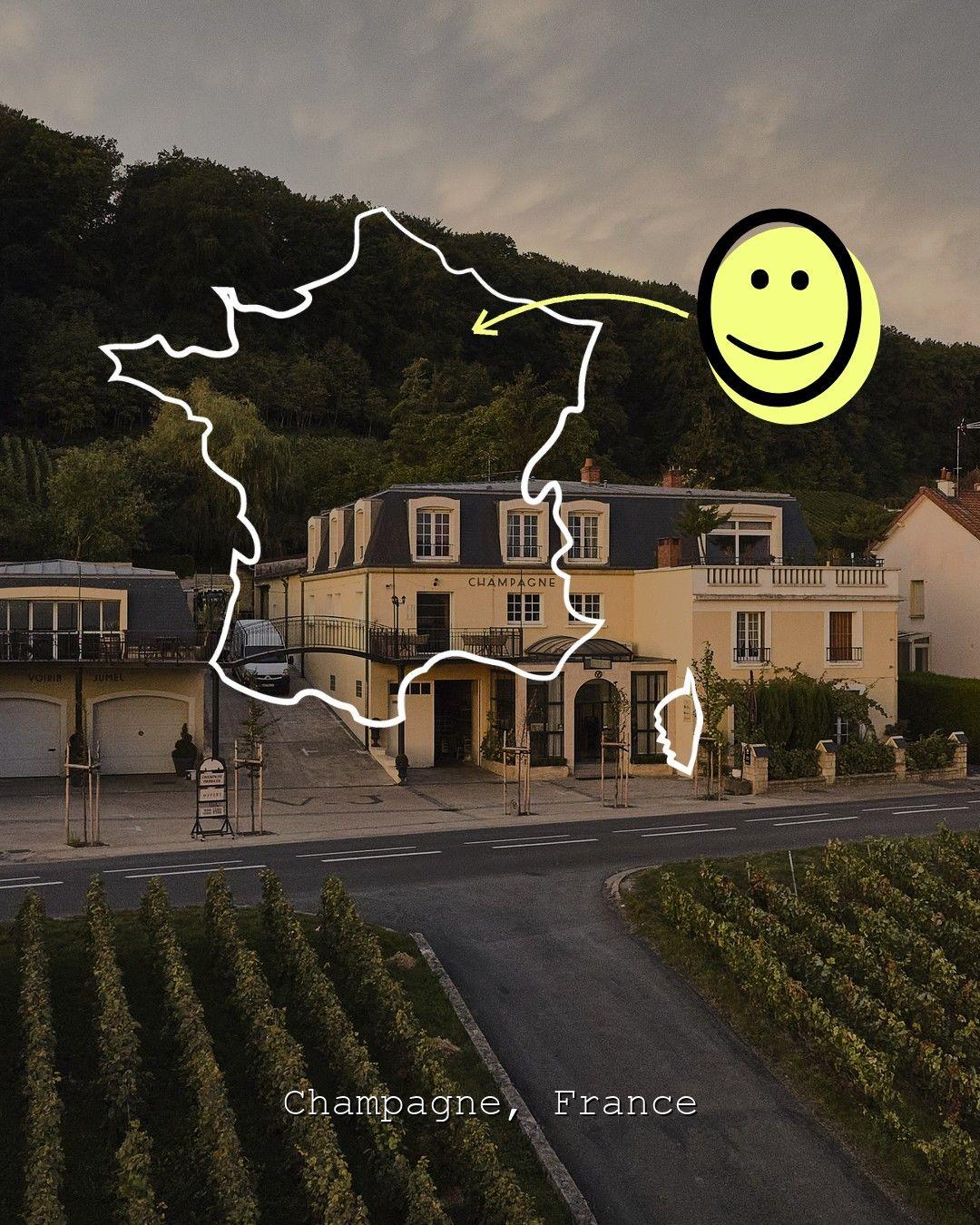
The Champagne region produces around 300 million bottles per year. Roughly two-thirds of that volume comes from négociant houses, which buy grapes from growers across the appellation and blend them at scale. The other third comes from récoltant-manipulants — growers who make wine from their own vineyards. This distinction matters when choosing a six-bottle wine case. A grower's case reflects a specific terroir: the Côte des Blancs, the Vallée de la Marne, the Montagne de Reims. A négociant case reflects house style across a blend of many sources.
Producers on Free Grape Society set their own prices. There is no importer adding a margin, no wholesaler taking a cut. What you pay is what the producer agreed to when they joined the platform. For grower Champagne, which rarely appears in supermarket channels, that structure makes a concrete difference to what ends up in the box and what you pay for it.
If you want to compare six-bottle Champagne cases with other French sparkling options, Languedoc-Roussillon wine cases include Crémant and pét-nat producers working in a very different price range and style.
How Champagne producers work with Free Grape Society
The wines in a six-bottle Champagne wine case were tasted before the producer was listed. Samples go to our Head of Product, who tastes every wine before it goes live. Independent wine experts on the platform Rate & Review individual wines, and those reviews are visible on the wine page and on the expert's own profile.
Champagne has 319 individual crus across 17 major communes. Altitude ranges from 80 to 300 metres, and soil composition shifts from chalk in the Côte des Blancs to clay-limestone on the Montagne de Reims. These differences produce measurably different wines — not just stylistically, but in terms of natural acidity, structure, and aging potential. A wine case from a single producer in one of these sub-zones gives you six bottles that reflect one specific place, not the appellation average.
The producer decides if they want to be here. No buying team with quarterly targets. No chain defending shelf space. That is how Free Grape Society is built: producers, experts, restaurants, and wine lovers on the same platform, on the same terms.
For context on the broader French offering of six-bottle cases, see Bordeaux wine cases or the full France wine cases page.


 Wine case