What makes a wine still
A wine is still when its fermentation is managed so that the carbon dioxide produced escapes rather than being trapped in the liquid. That single fact separates still wine from sparkling, but it says almost nothing else about the wine in the glass. Still covers an enormous range: a nervy, high-acid Muscadet from the Loire Valley, a dense, tannic Nebbiolo from Piedmont, a sunbaked Monastrell from Murcia, and a delicate, aromatic Grüner Veltliner from Niederösterreich are all still wines. What shapes them is the grape variety, the site where it grew, the climate that governed the growing season, and the decisions the grower made in the cellar. Still wine is the default form for most of the world's wine production, which is part of why the category is so broad and why browsing by colour, grape, or region tends to be more useful than browsing by type alone.
Regions and styles known for still wine
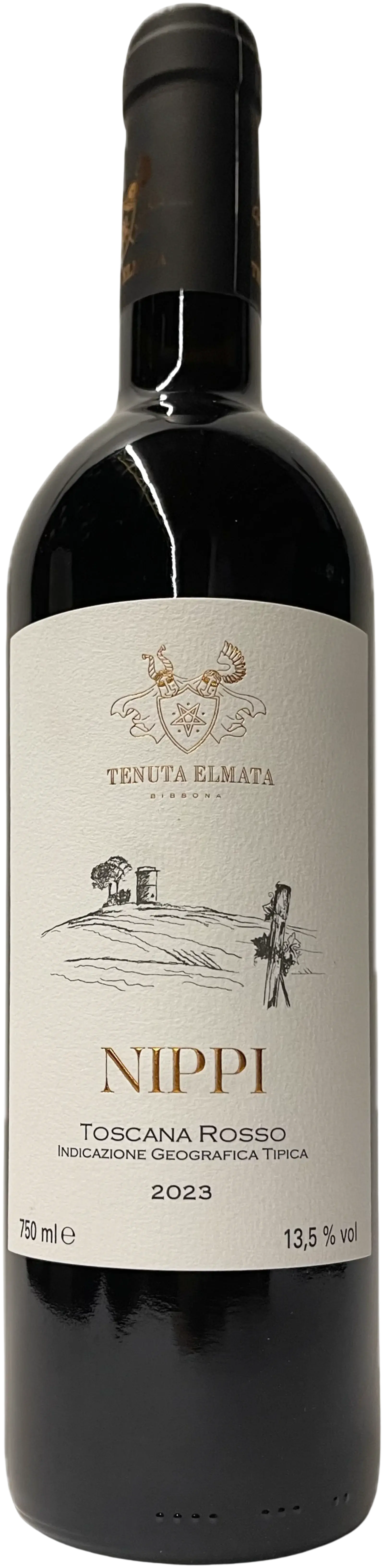
Still wine is made everywhere wine is made, but certain regions have built their identities entirely around it. Burgundy is the canonical reference point for still Chardonnay and still Pinot Noir, where the same grape grown on different slopes produces wines with markedly different weight and texture. Rioja is defined by still Tempranillo, often aged in oak so that the grape's red-fruit character softens into something more savoury over time. Tuscany gives still Sangiovese its best-known expressions, from the firm, age-worthy Brunello to the more approachable Chianti Classico. Alsace produces still Riesling and Gewurztraminer at full ripeness and without residual sugar in the dry versions, showing how a single grape can read very differently depending on where it is grown. Galicia in north-west Spain has made still Albariño a benchmark for coastal, high-acid whites, while Campania in southern Italy preserves ancient varieties like Aglianico and Fiano in still form, where the grape's natural structure holds up to the warmth of the region.
How to choose a still wine
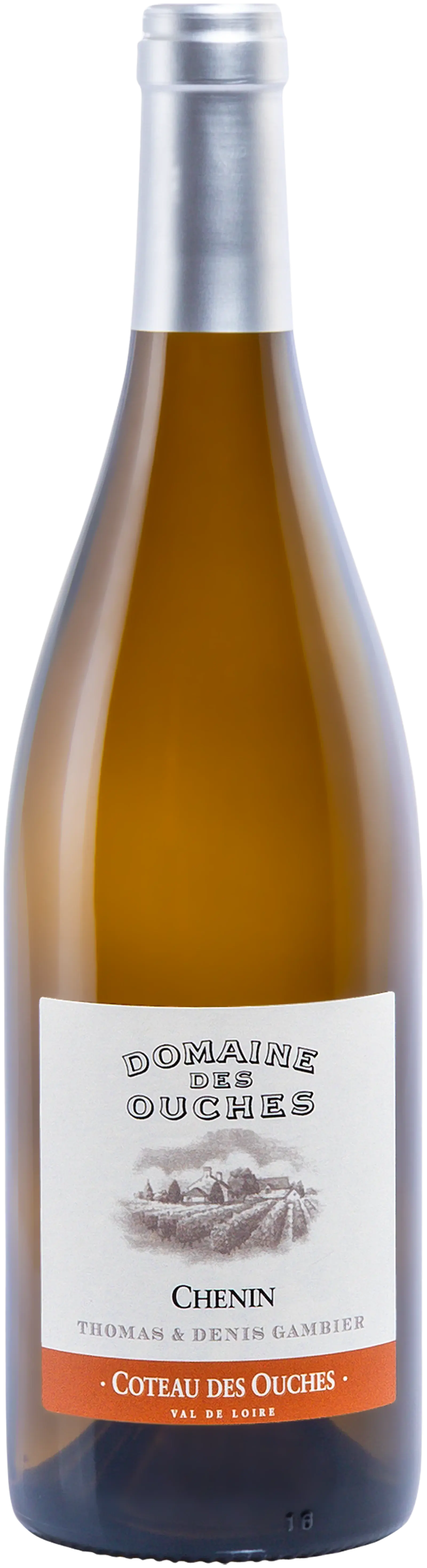
Still wine gives you more structural variables to work with than any other type, which makes it worth thinking about two things before browsing: weight and acidity. Weight runs from light and refreshing — think a still white from Beaujolais made on Gamay, or a Melon de Bourgogne from the Loire — to full and concentrated, such as a late-harvest Sagrantino from Umbria or a barrel-aged Cabernet Sauvignon from Bordeaux. Acidity keeps a wine fresh and is the main reason high-acid varieties like Riesling and Sauvignon Blanc pair well with food, especially fish and dishes with fat or cream. Tannin — the dry, gripping sensation in red wines — comes from the grape skins and is what makes a wine feel firm or structured; Nebbiolo and Tempranillo are high-tannin grapes, while Gamay and Pinot Noir carry much less. If you want to explore individual bottles from specific growers rather than a mixed case, still wine by colour is a good place to narrow the field; if you prefer a curated selection to arrive together, the ready-made wine cases let you browse by region without committing to a single grape or producer. Free Grape Society is a society of producers, independent experts, and wine lovers, and the producers whose wines appear here ship directly from their own cellars, with no importer or warehouse in between.










 Wine case