Piedmont's winemaking traditions: from Barolo to Barbera
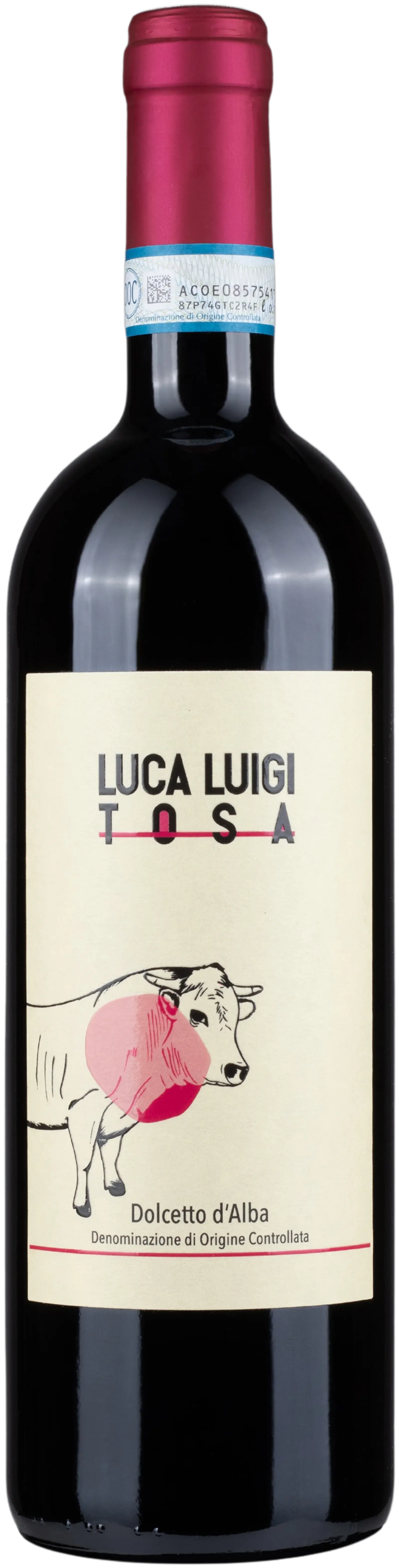
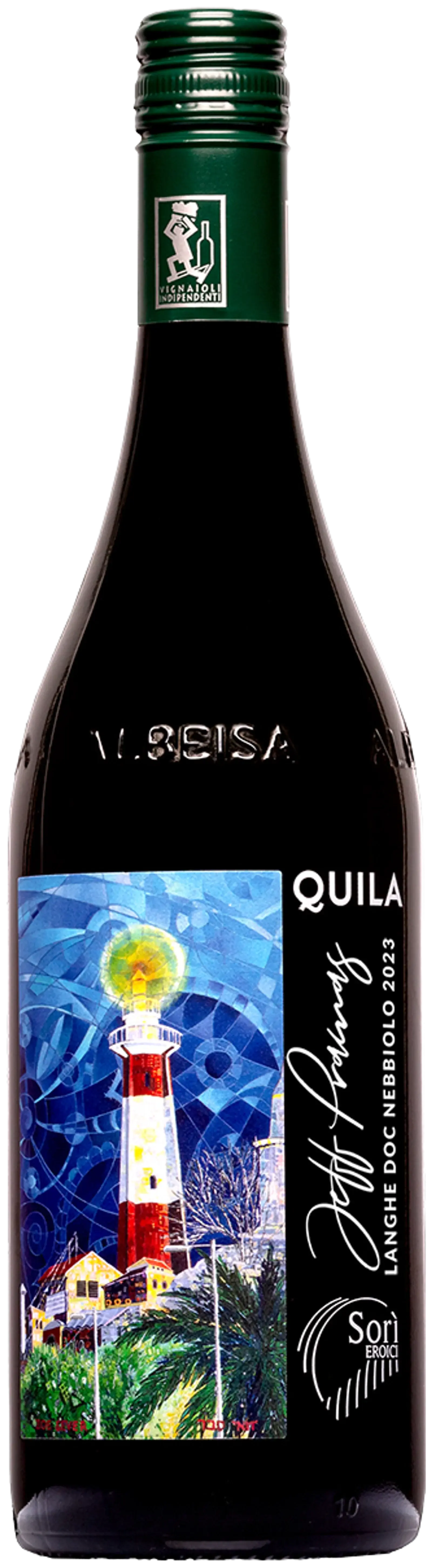
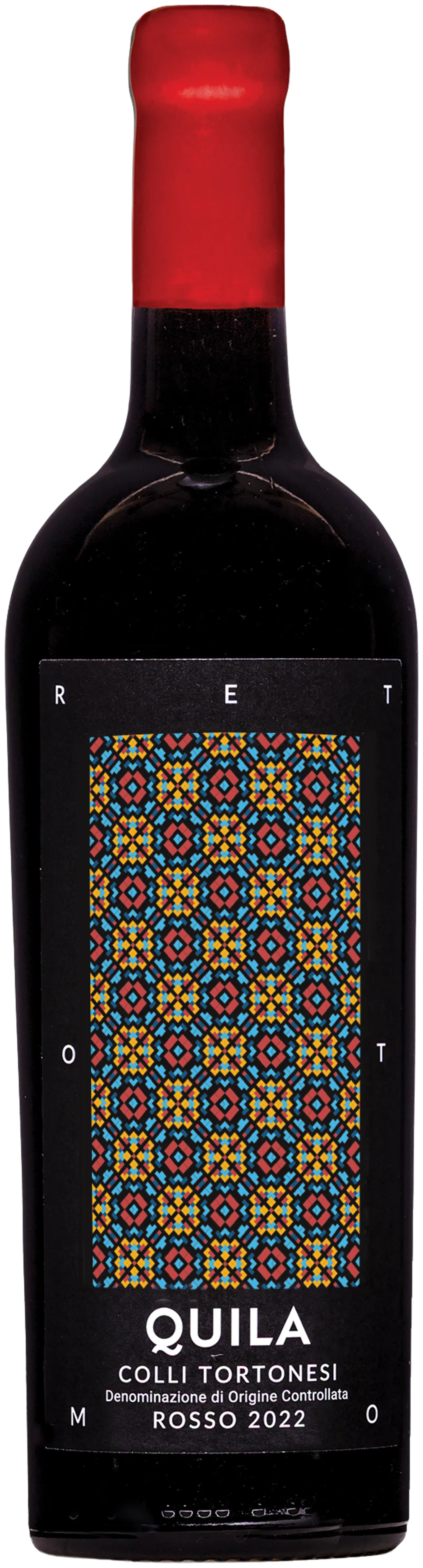
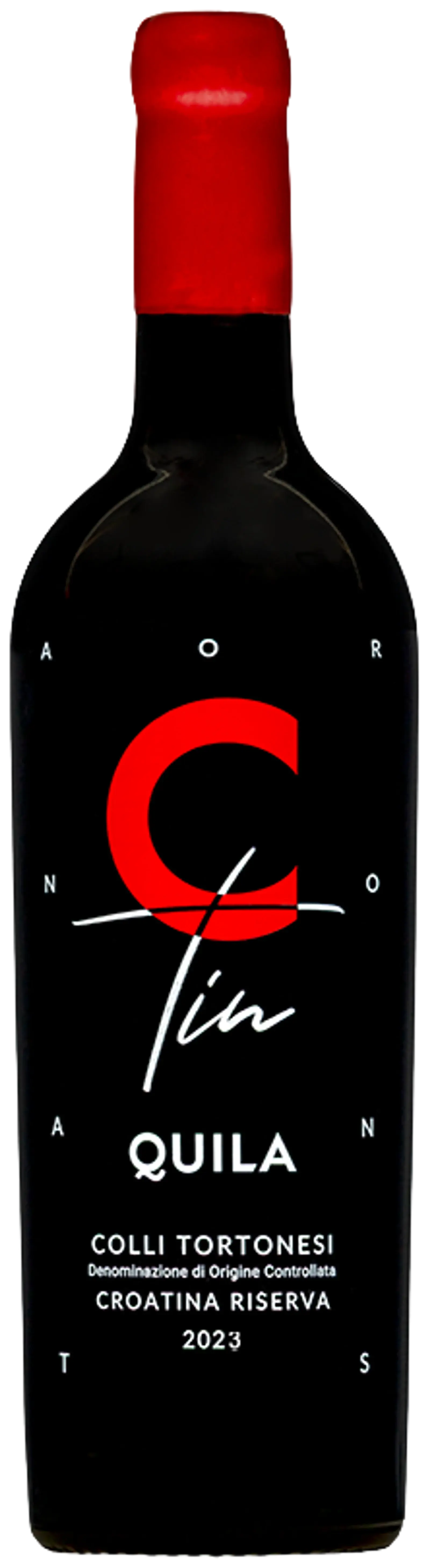
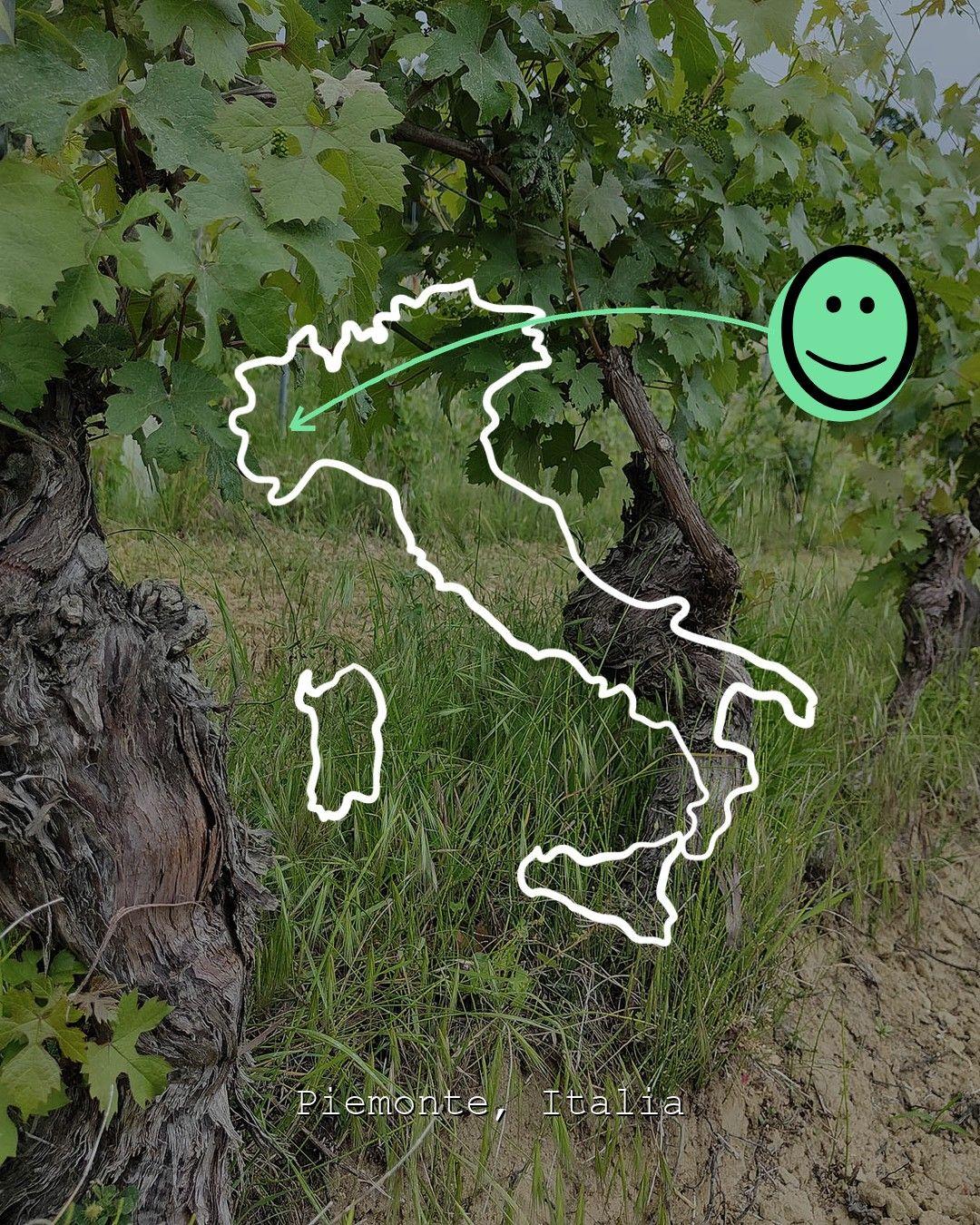
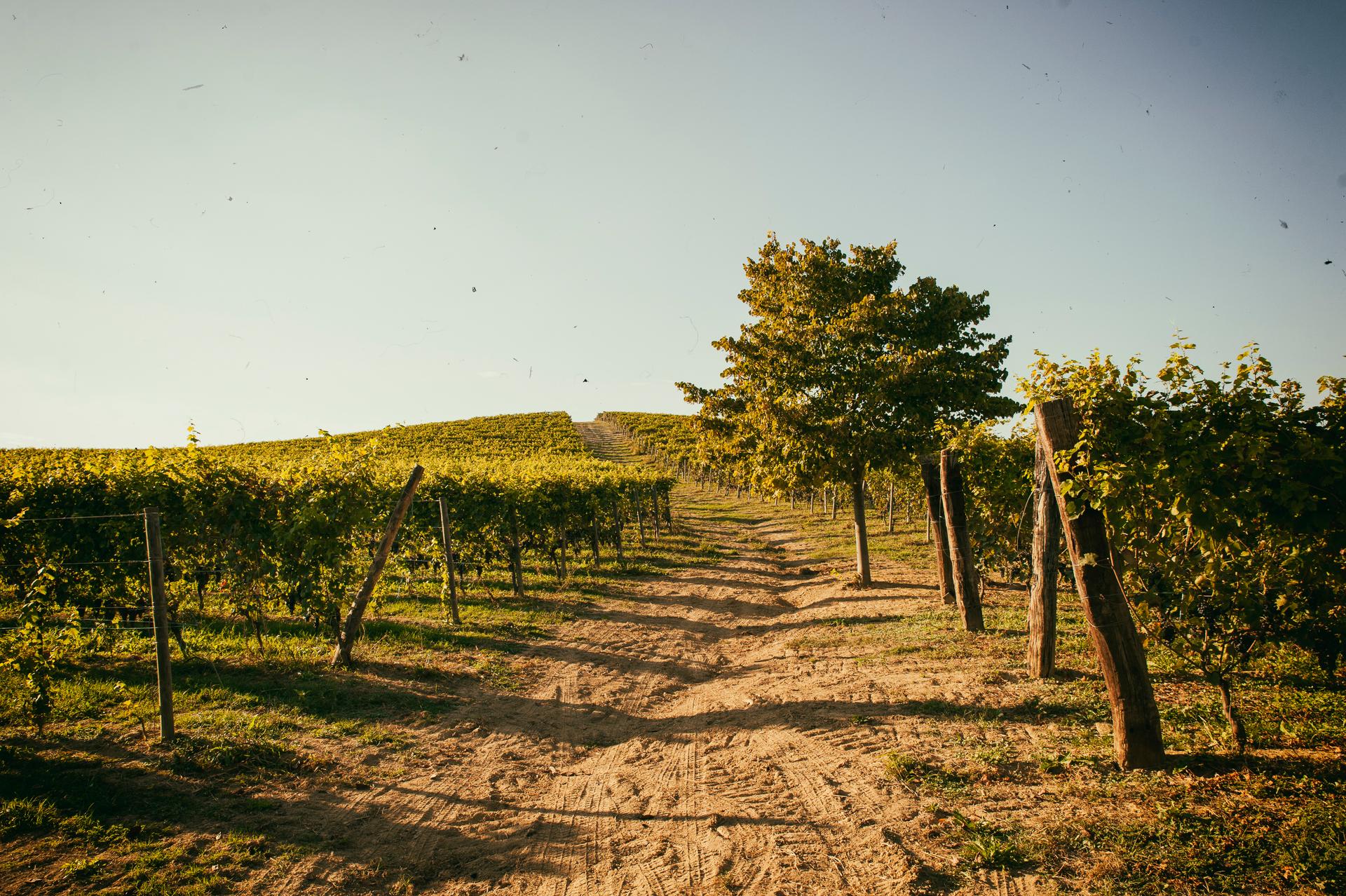
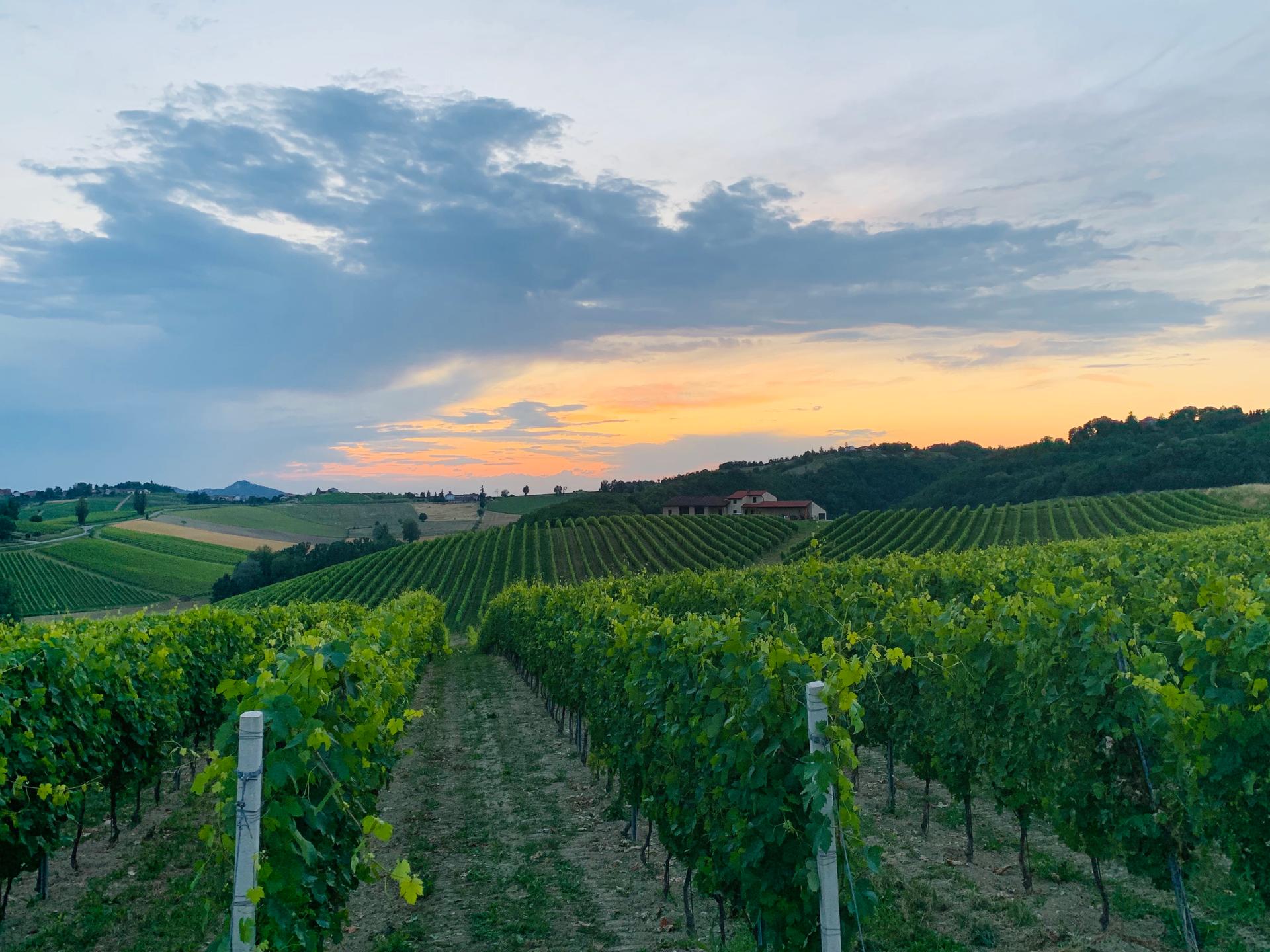
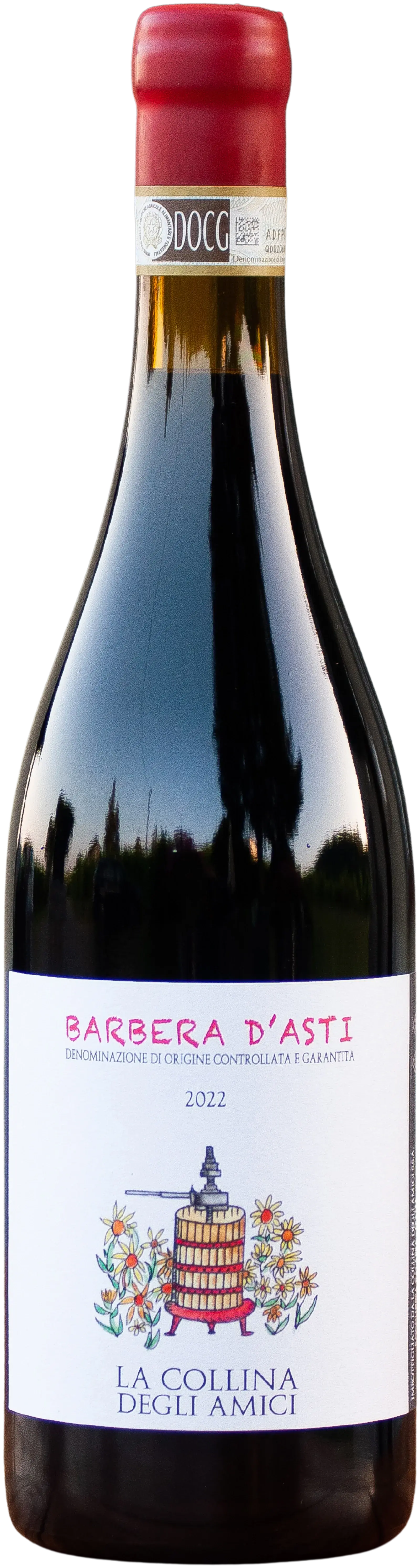
Piedmont sits in Italy's northwest, bordered by the Alps on three sides and the Apennines to the south. The geography creates a continental climate with cold winters, hot summers, and significant autumn fog — the nebbia that gave Nebbiolo its name. That fog delays harvest and extends the ripening window, which is part of why Nebbiolo builds such structural complexity in the Langhe hills. Barolo and Barbaresco, both produced from 100% Nebbiolo, are legally distinct appellations: Barolo requires a minimum of 38 months' ageing (18 of which in wood), while Barbaresco requires 26 months (9 in wood). These are not marketing minimums — they shape the style of every bottle that carries the name. Beyond Nebbiolo, Piedmont has one of the densest concentrations of native varieties in Italy. Barbera is the most widely planted red grape in the region and produces wines under Barbera d'Asti DOCG and Barbera d'Alba DOC — two appellations with meaningfully different soil profiles and producer traditions. Dolcetto, Grignolino, Freisa, Ruché, and Timorasso are among the varieties that rarely leave the region, which means the only reliable way to drink them is through producers who grow them.
Winemaking approaches among Piedmont producers
The Barolo production debate between 'traditional' and 'modernist' approaches peaked in the 1980s and 1990s, but its effects are still visible in how producers work today. Traditional producers use large Slavonian oak casks (botti grandi) for extended ageing, preserving Nebbiolo's tannins and allowing slow oxidative development over years. Modernist producers moved toward smaller French barriques and shorter maceration times, aiming for earlier-drinking wines with more concentrated fruit. Today, many estates sit between those poles. More significant than the oak debate is the move toward altitude. As temperatures have risen, producers in the Langhe have increasingly planted vineyards above 400 metres — elevations considered marginal in earlier decades. The Serralunga d'Alba subzone, with its compact Helvetian soils and cooler exposures, has attracted renewed attention from producers prioritising structure over quick approachability. Producers on Free Grape Society's Piedmont listings include both family-run estates that have worked the same parcels for generations and smaller operations that entered production in the last two decades. Samples are sent to our Head of Product, who tastes every wine before it goes live on the platform. Independent wine experts Rate & Review individual wines, and their notes are visible on each wine page. No buyer with quarterly targets. No chain defending shelf space. The producer decides if they want to be here, and what is here.
Appellations and grapes worth knowing before you buy
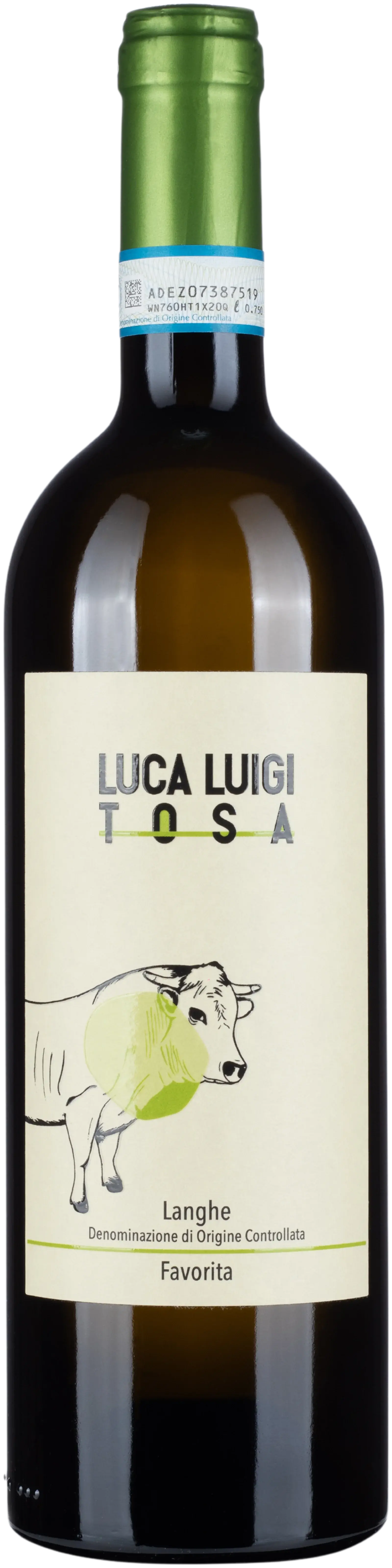
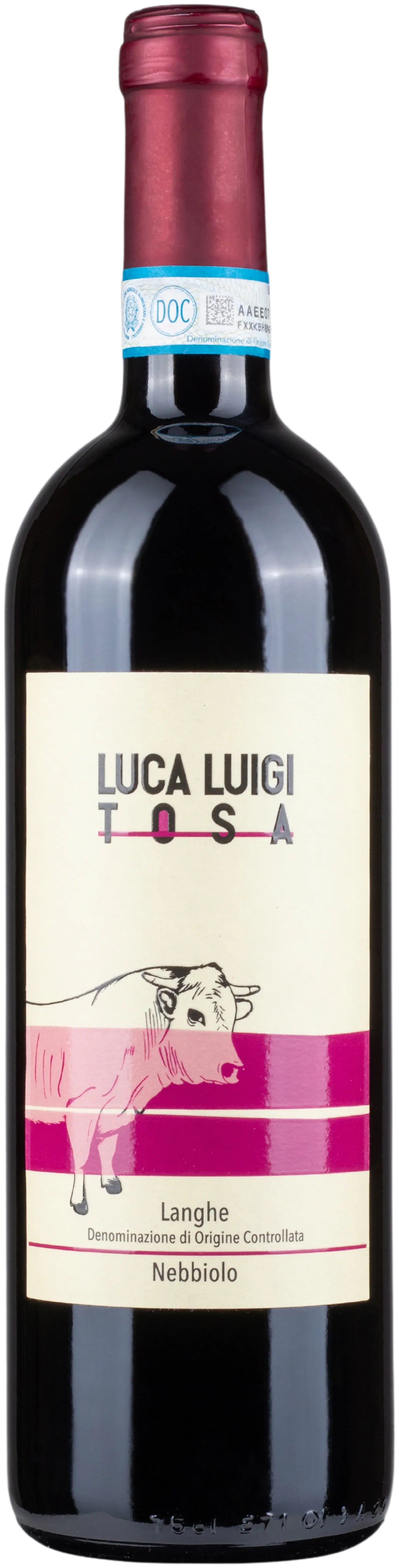
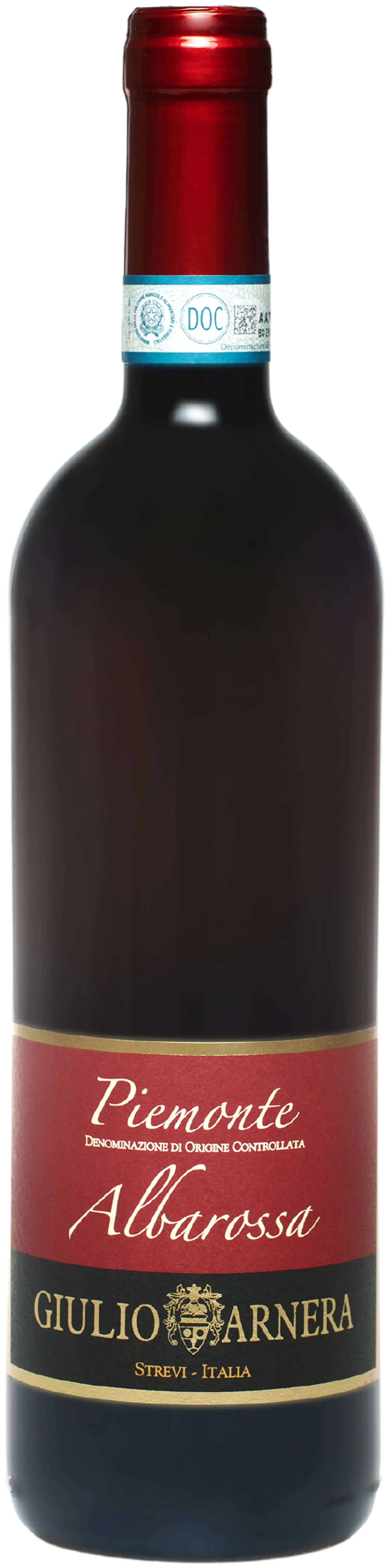
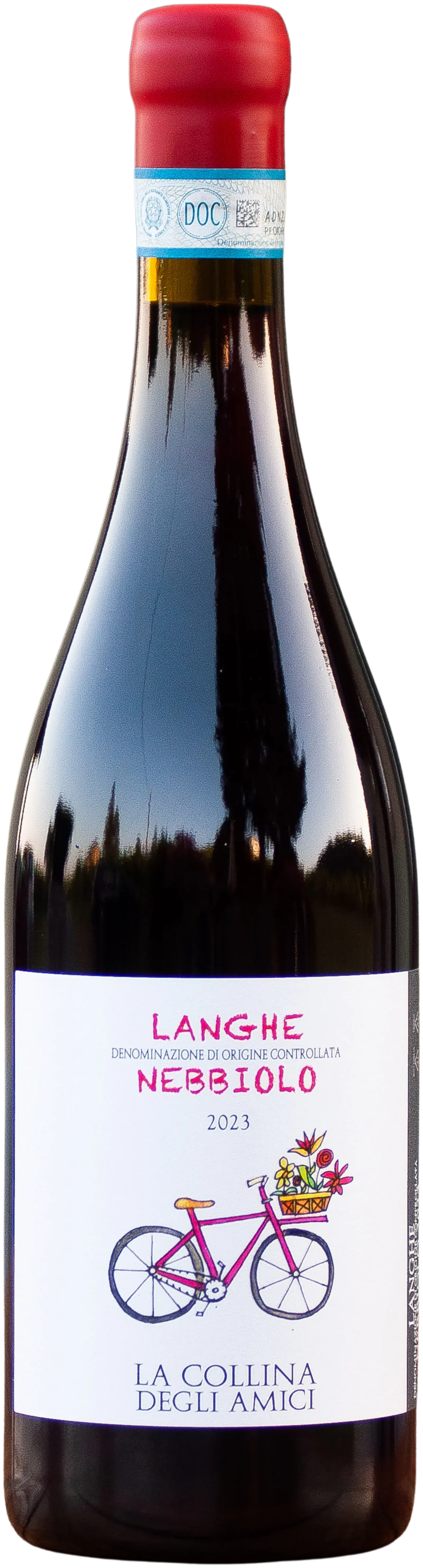
Piedmont has 17 DOCG appellations and 42 DOC appellations — more than any other Italian region. That density means appellation names matter: a Langhe Nebbiolo and a Barolo are made from the same grape, but the regulatory and terroir differences are significant. Langhe Nebbiolo is typically younger-vine fruit from outside the Barolo or Barbaresco zones, aged for a shorter period. It is not a lesser wine, but it is a structurally different one. For white wines, Gavi (produced from Cortese) and Roero Arneis represent Piedmont's best-known whites. Arneis was nearly extinct by the 1970s before a handful of producers in the Roero hills brought it back into commercial production. Moscato d'Asti DOCG is a low-alcohol (typically 5–5.5% ABV), gently sparkling wine made from Muscat Blanc à Petits Grains — distinct from Asti Spumante in its production method and sweetness level. For red wines from Italy beyond Piedmont, the contrast in grape philosophy is sharp: where Tuscany builds around Sangiovese, Piedmont's cellar identity is inseparable from Nebbiolo's particular combination of high tannin, high acidity, and aromatic complexity. Producers who work both grapes in border zones between regions remain rare. If you want to compare across regions, Italian red wines and Piedmont mixboxes are the most direct starting points on this platform.







 Wine case