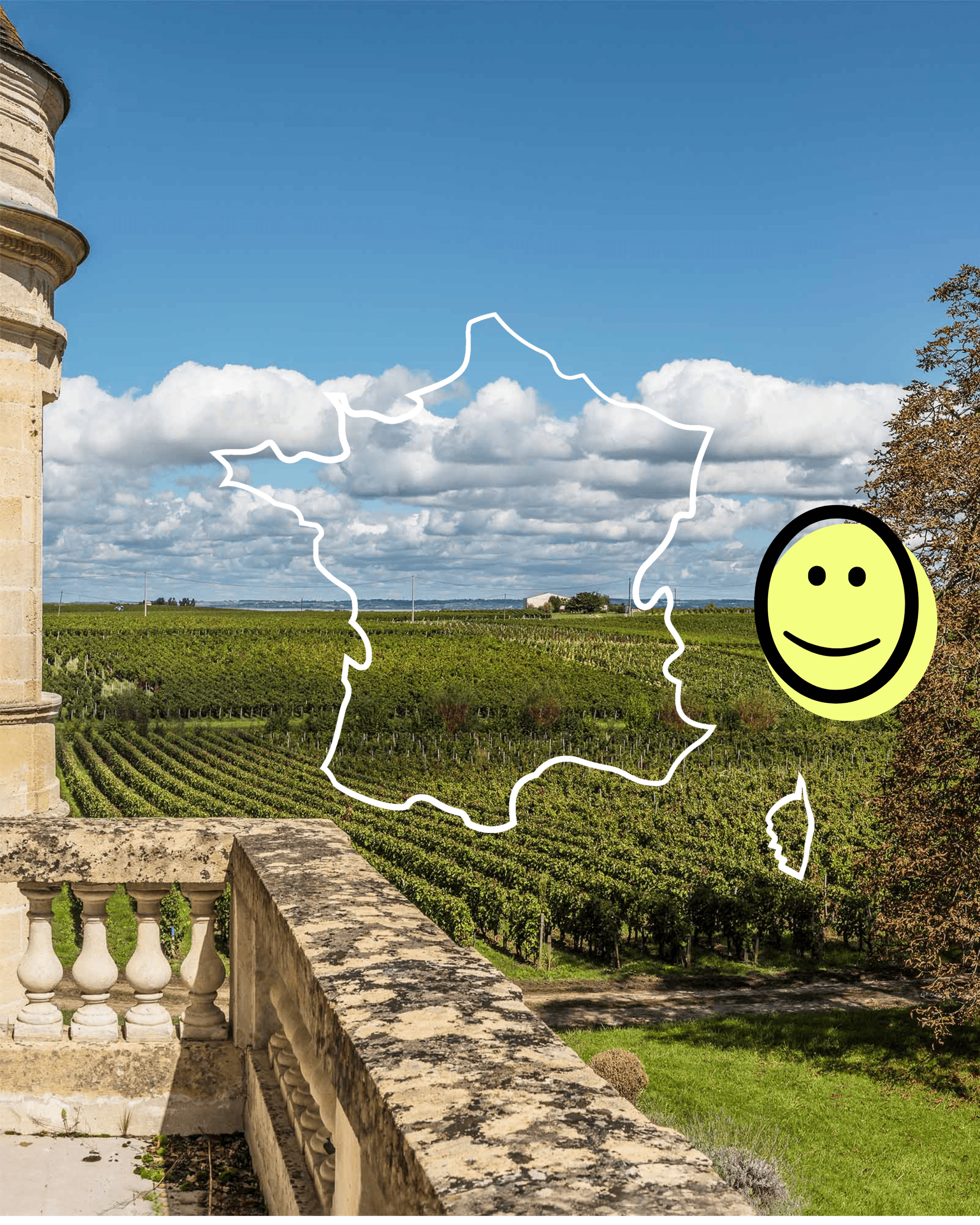
French winemaking traditions
France's appellation system — the AOC, or Appellation d'Origine Contrôlée — was the first of its kind in the world, introduced in 1936. It regulates not just geography but grape varieties, yields, alcohol levels, and in some cases pruning methods. Today there are over 360 AOCs across France, each with its own rulebook. That structure has shaped how producers work for nearly a century.
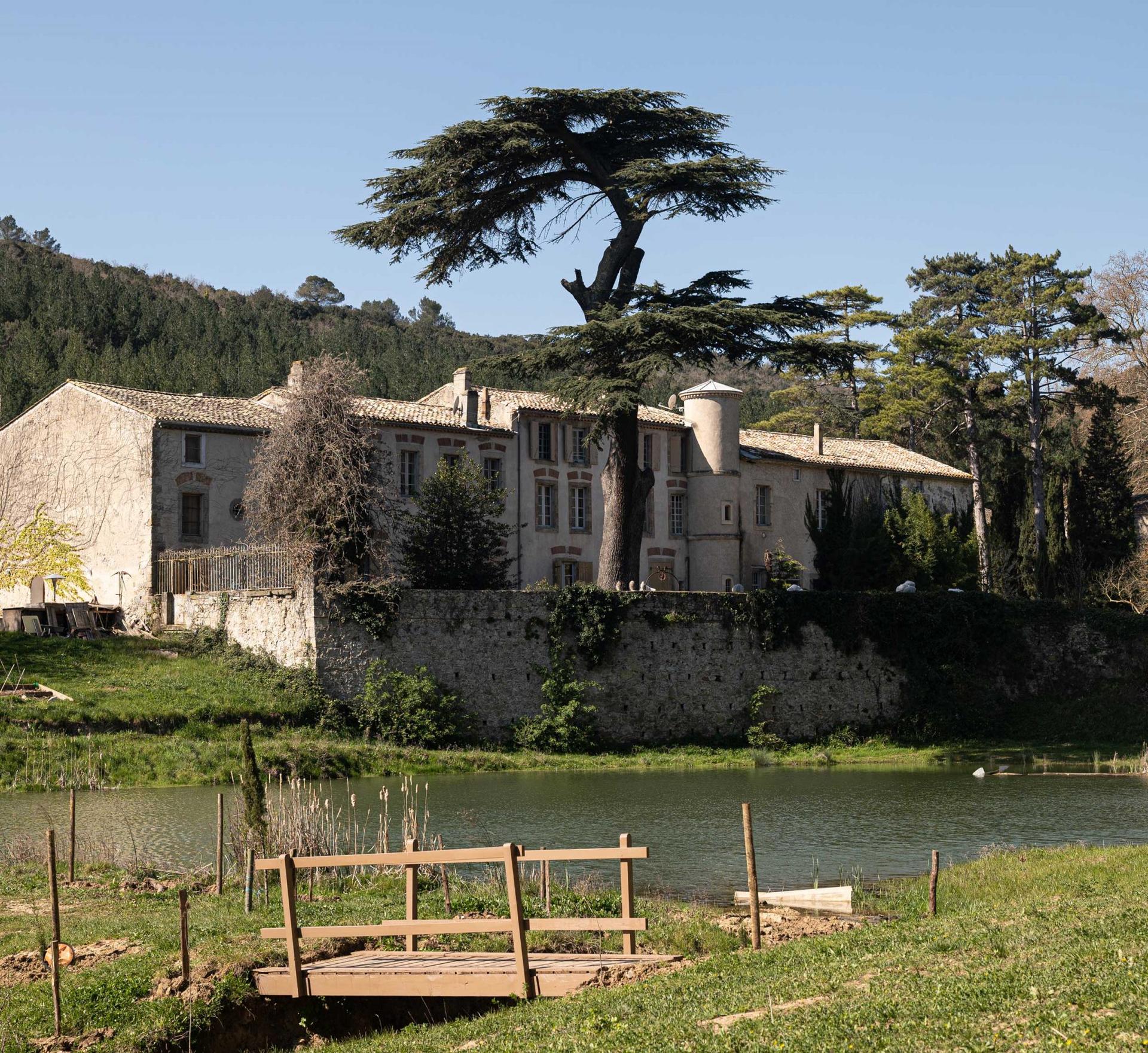
The traditions vary sharply by region. In Burgundy, the concept of the climat — a precisely delimited plot of land with its own soil and microclimate — means that two bottles from vineyards fifty metres apart can taste entirely different. In Bordeaux, the château system consolidates multiple parcels under one label, a model built around blending Cabernet Sauvignon, Merlot, and Cabernet Franc to offset vintage variation. In the Languedoc-Roussillon, the tradition is less codified — it is one of the youngest fine wine regions in France, having shifted from mass-production co-operatives to quality-focused independent estates largely within the last forty years.
Family vs estate producers in France
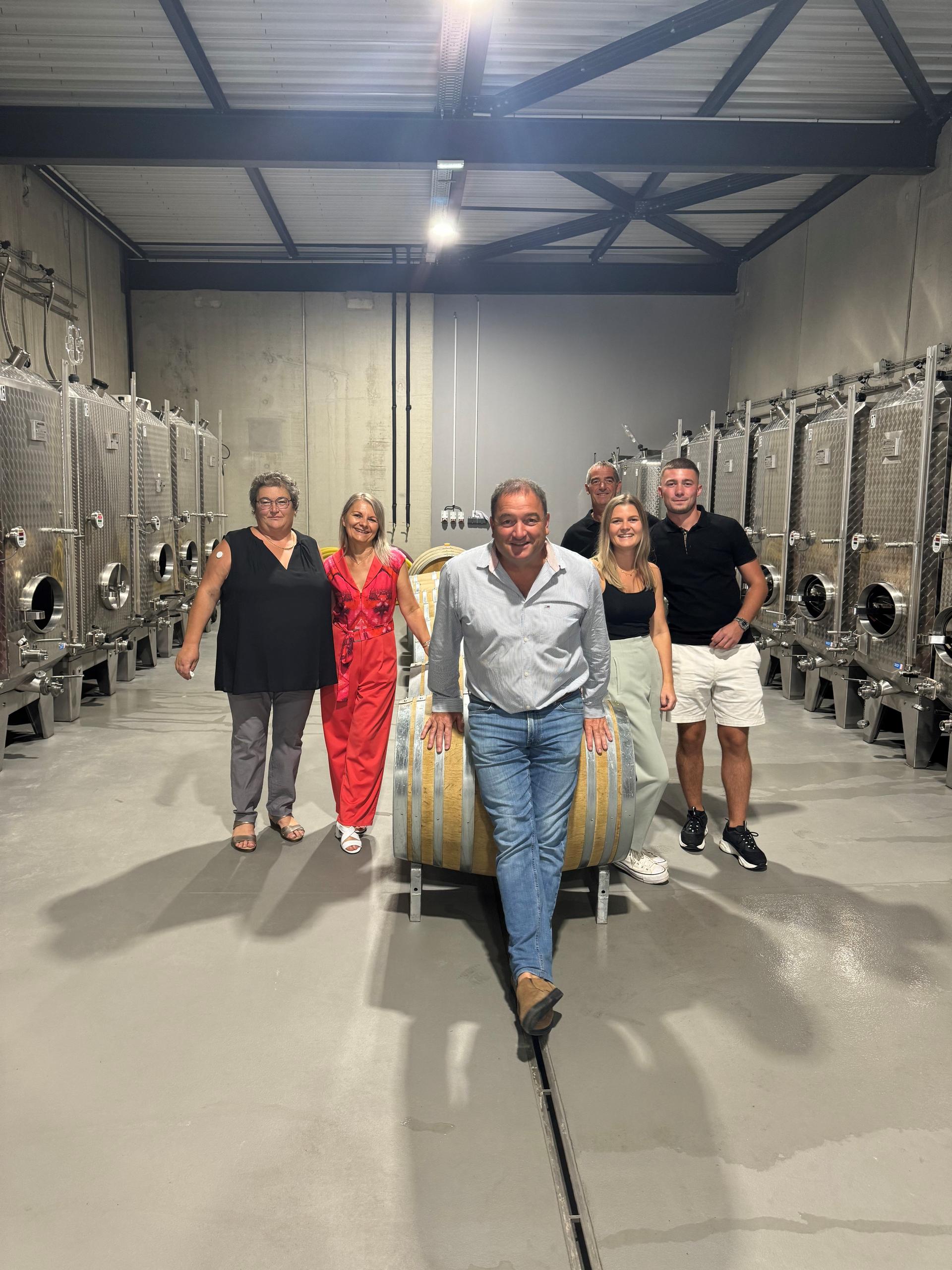
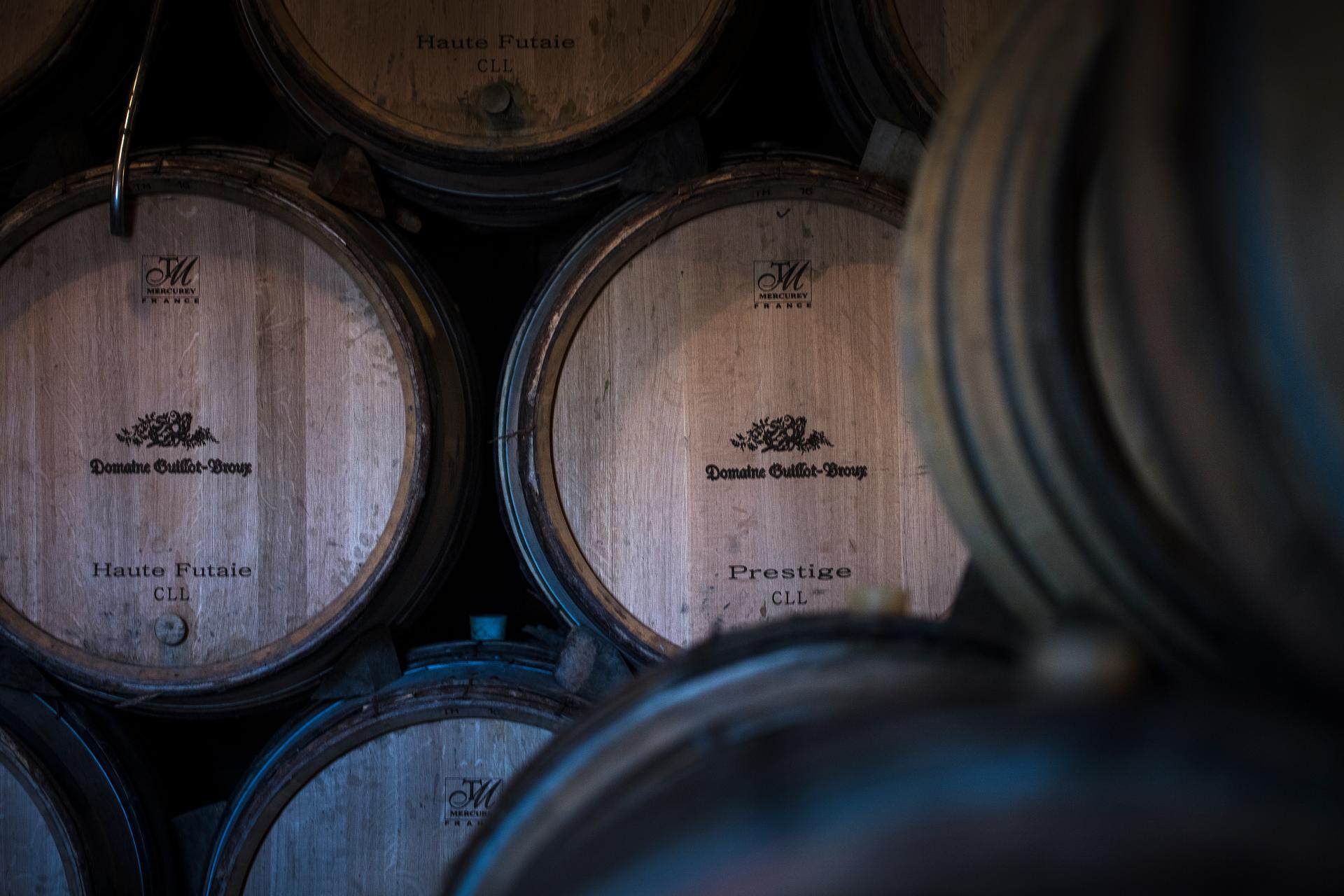
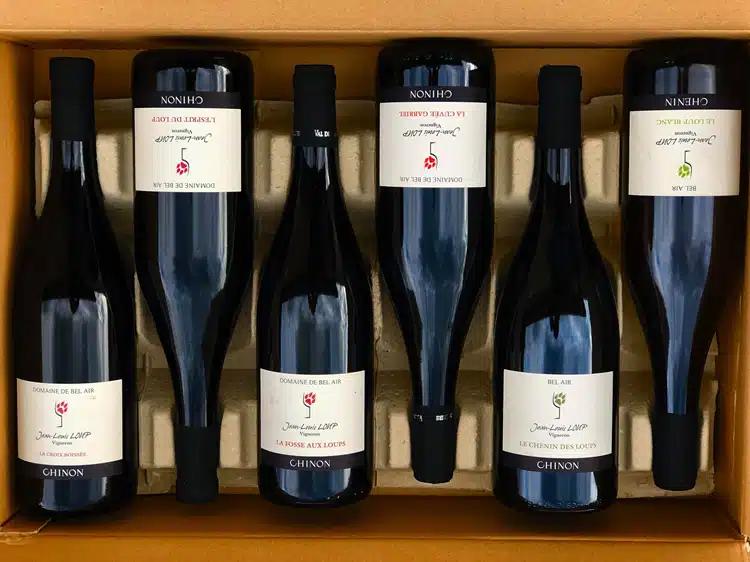
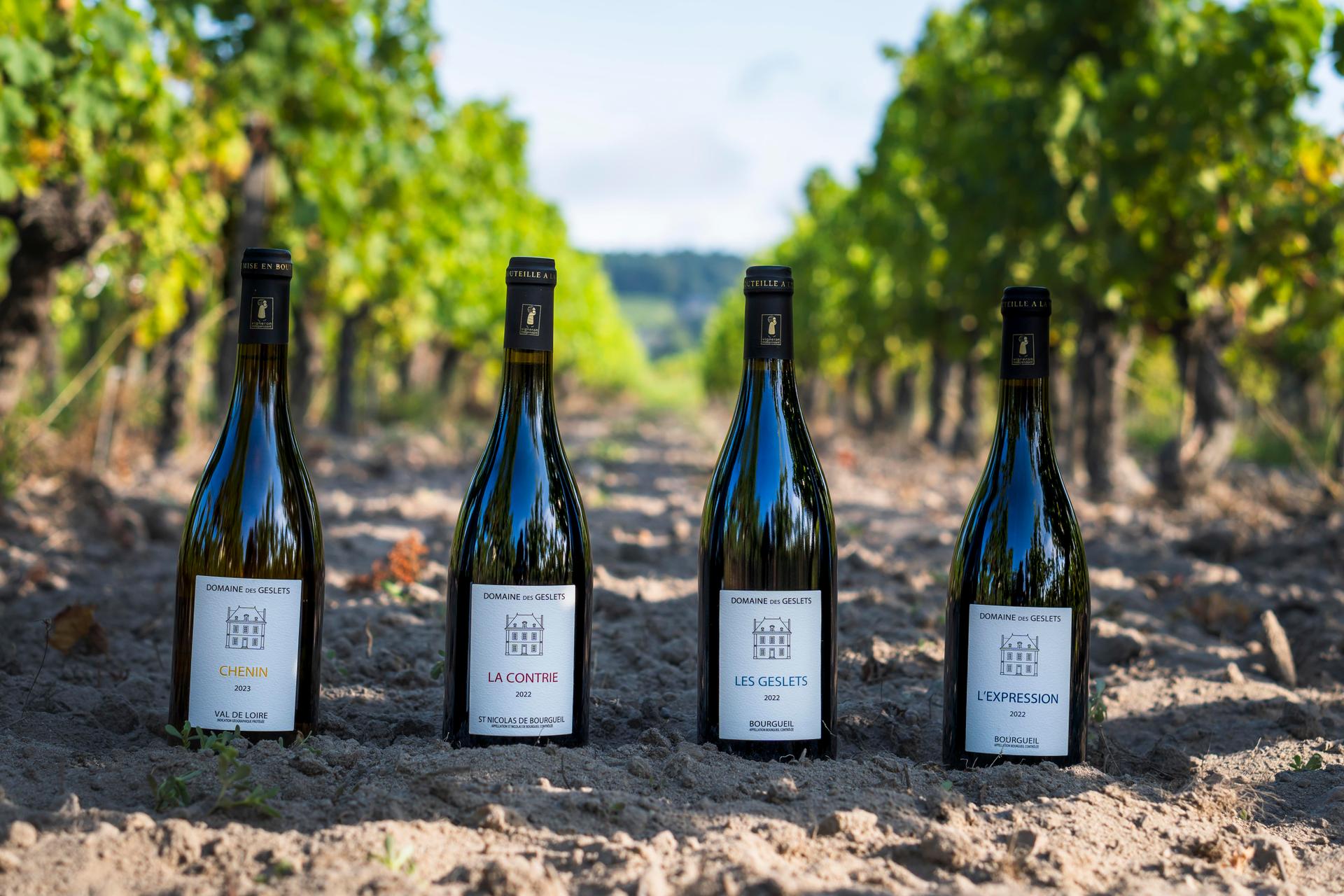
France has both négociants — merchants who buy grapes or wine in bulk and bottle under their own label — and domaines, estates that grow, vinify, and bottle their own wine. The distinction matters. A négociant label may represent grapes from dozens of growers across a region. A domaine label traces back to one property, one cellar, one set of decisions.
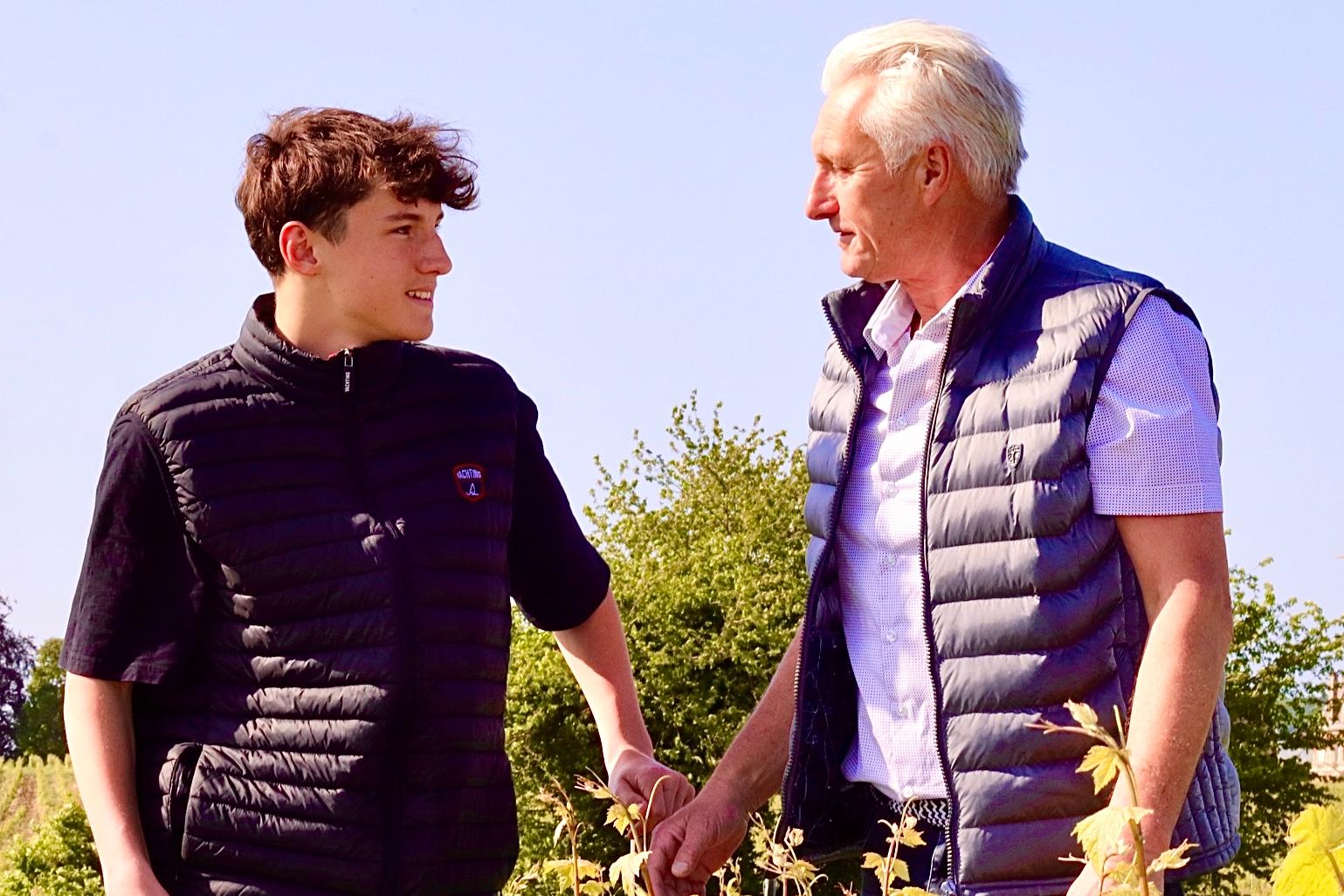
Family-run domaines in Alsace and the Loire Valley have operated across three, four, and in some cases five generations. In the Rhône Valley, the division between the northern appellations — where Syrah is planted on steep granite terraces and yields per vine are sometimes below one kilogram — and the southern appellations, where Grenache dominates large-scale blends, reflects not just geography but entirely different production philosophies.
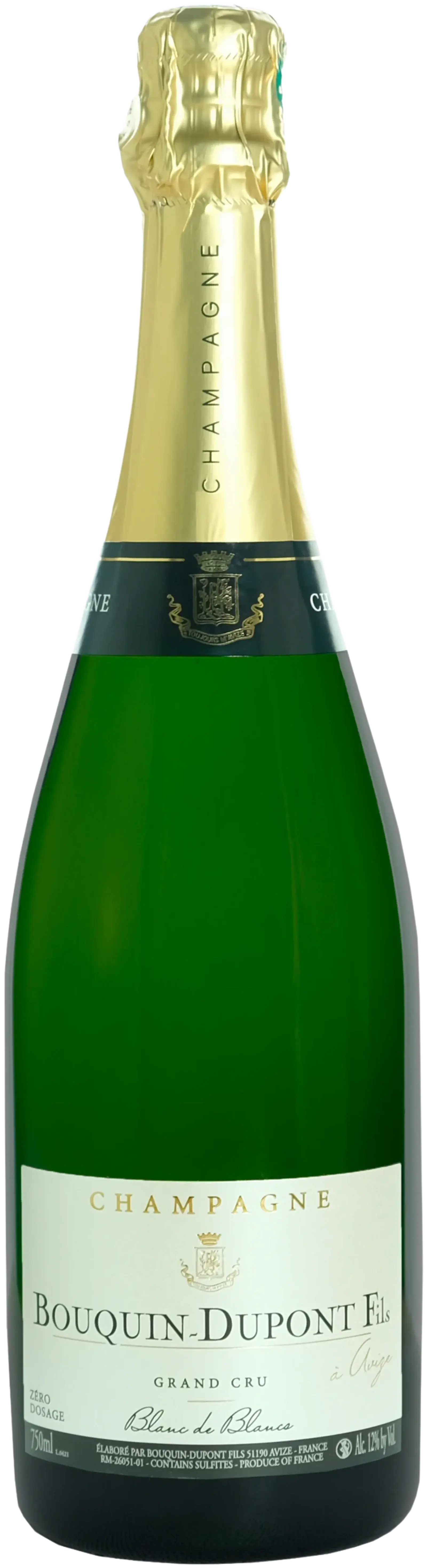
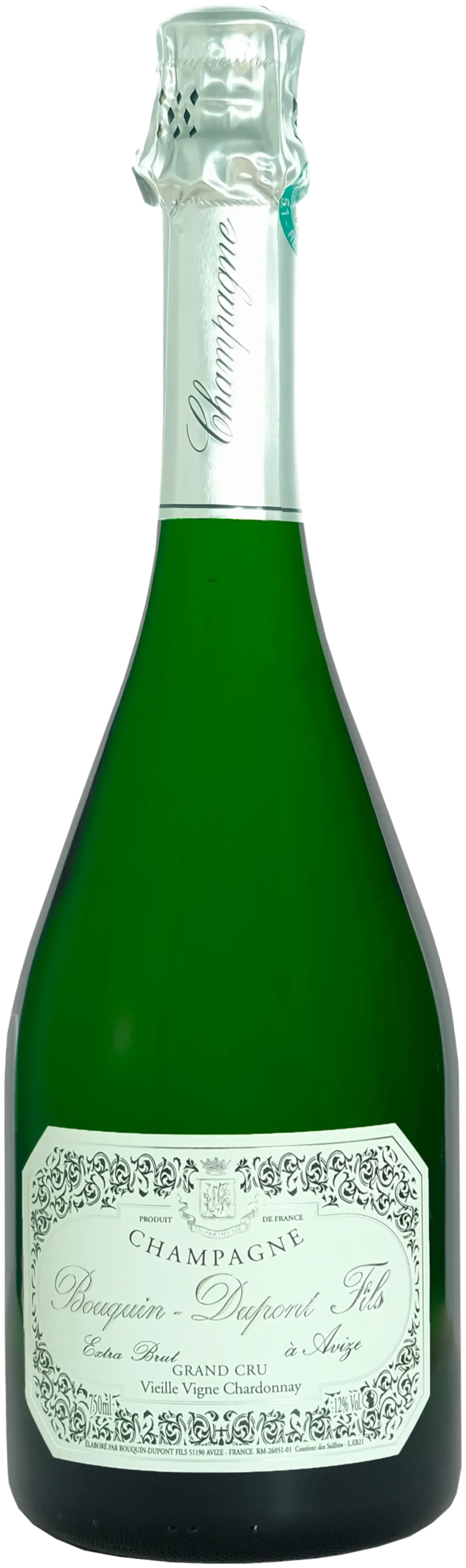
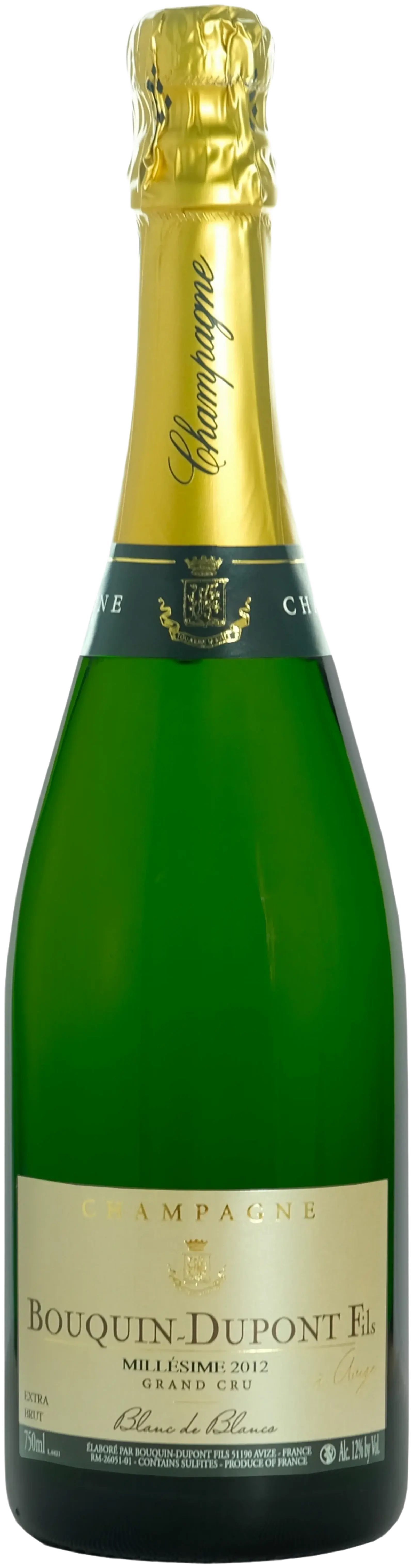
Small estates in Champagne — known as récoltants-manipulants — grow their own grapes and produce their own cuvées, as distinct from the large maisons who source from hundreds of growers. These grower Champagnes represent a fraction of total Champagne production by volume but a growing share of what independent wine buyers seek out.
How we choose our French producers
Free Grape Society does not have a buying team with a quarterly list of gaps to fill. Producers apply to join the platform or are approached because their work has come to our attention. Either way, the process is the same: the producer sends samples, and every sample is tasted by our Head of Product before a listing goes live. No wine reaches the catalogue without being tasted first.
Once a producer is listed, independent wine experts on the platform rate and review individual wines based on their own tasting. Those reviews are public, attached to the wine page, and tied to the expert's profile and track record. No expert is instructed what to recommend.
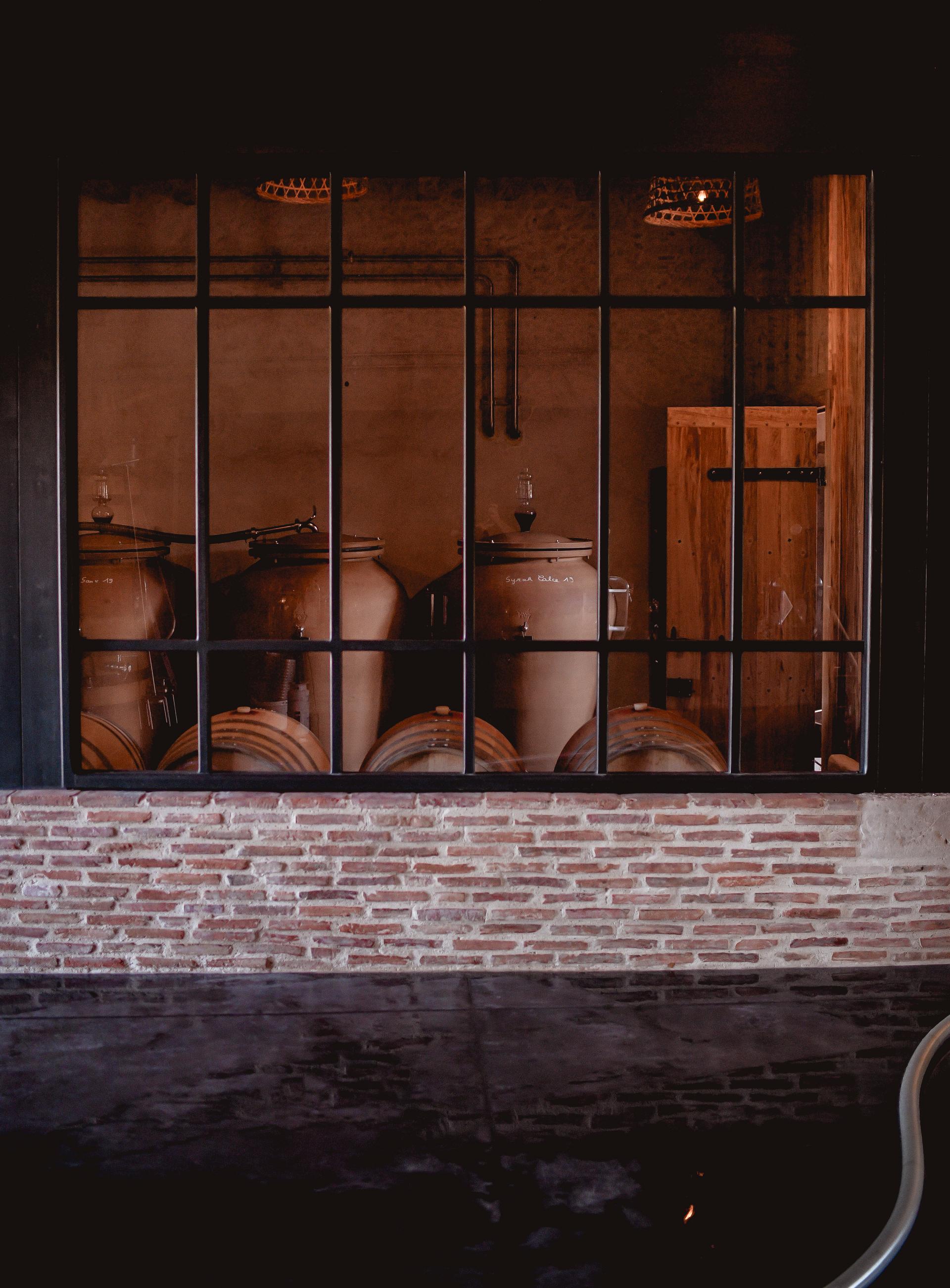
The producers themselves set their own prices. Free Grape Society does not negotiate margins down to fit a retail bracket or push producers toward lower price points to compete with supermarket shelves. The price on the page is the price the producer agreed to — no importer, no wholesaler adding a layer in between. Bottles ship from the producer's cellar in France. Not from a warehouse in the Netherlands.
The French producers listed here include estates from across the country's main regions, from Bordeaux to the Languedoc-Roussillon. What they share is that each has chosen to be here, on their own terms.






 Wine case