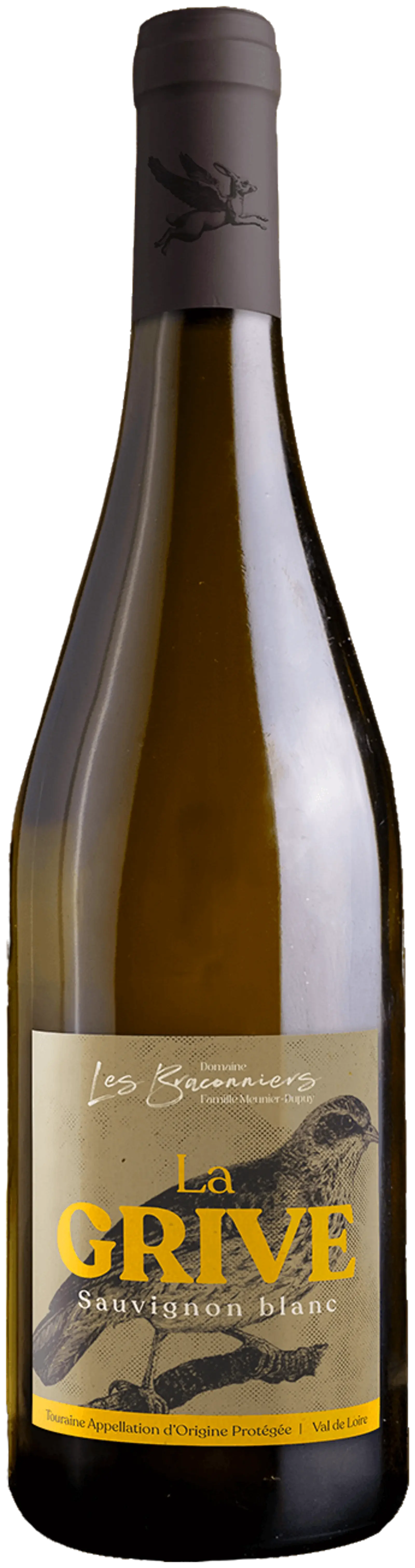
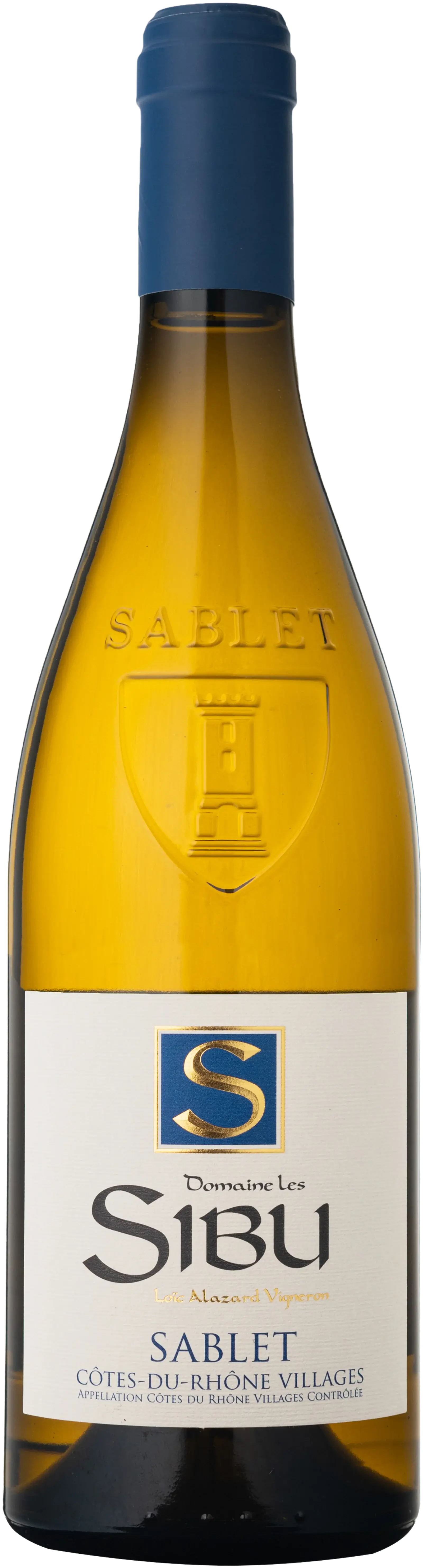
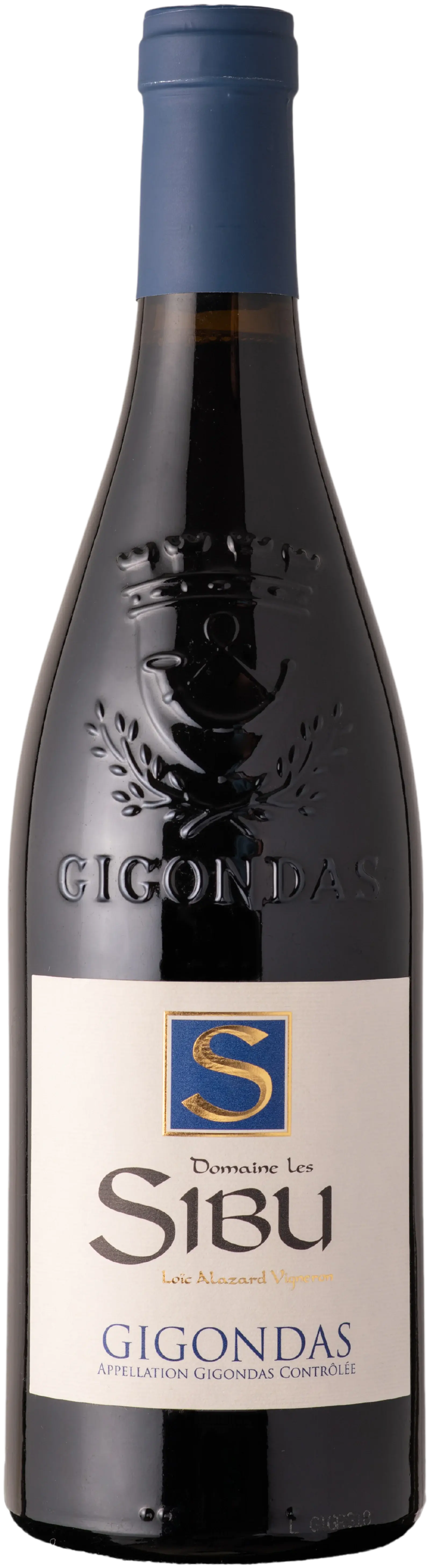
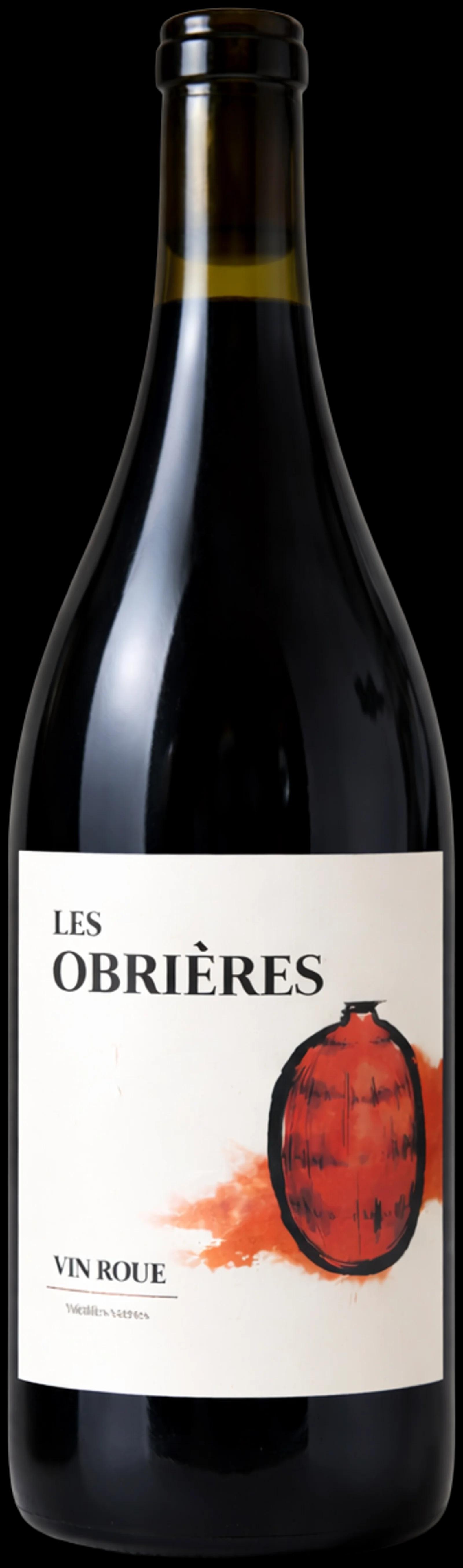
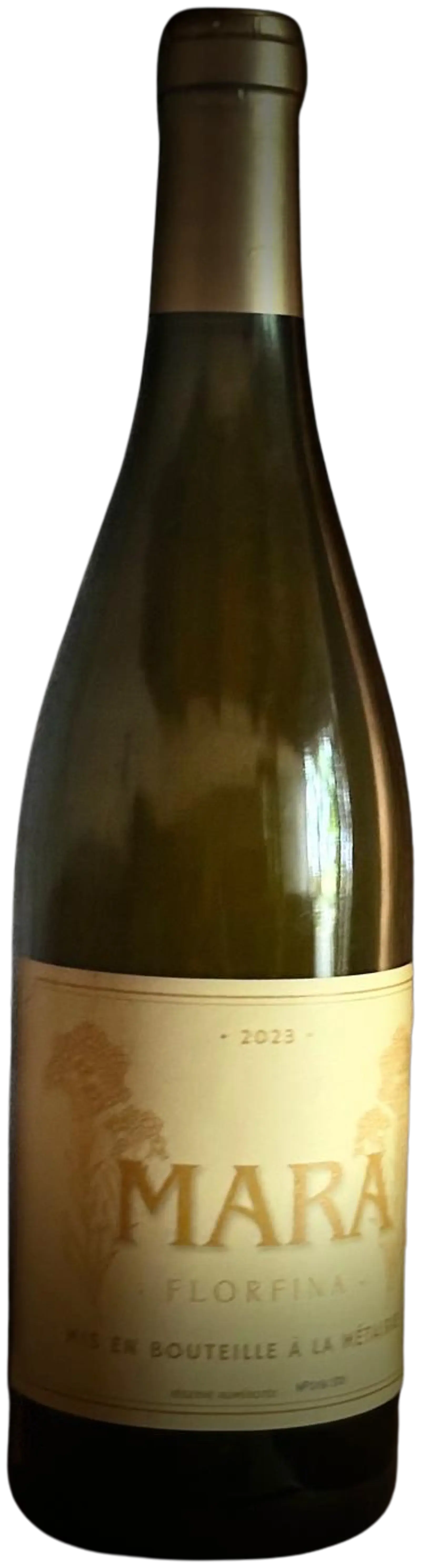
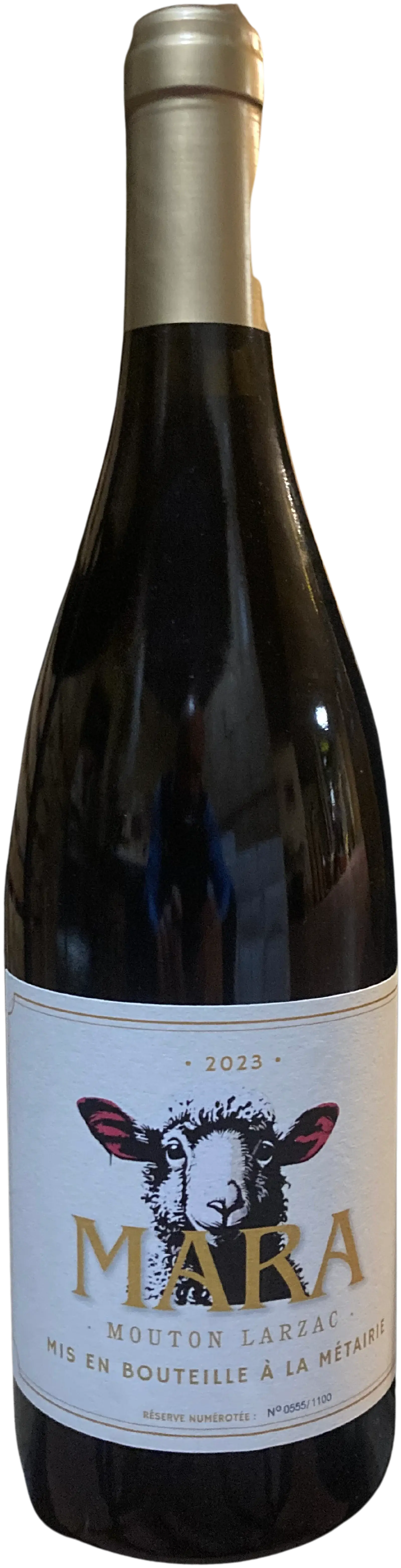
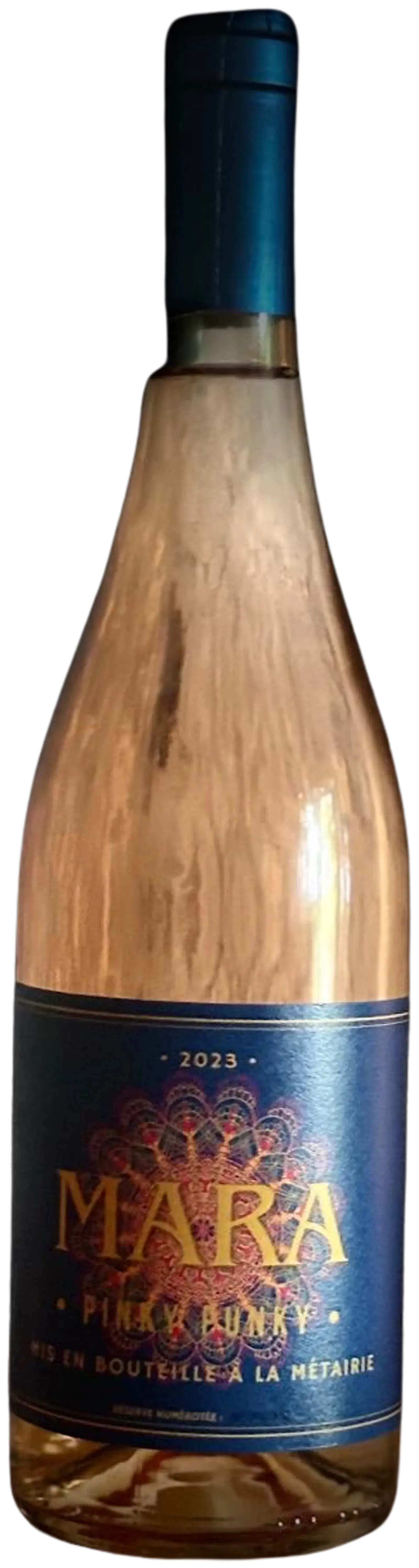
What's in a French six-bottle wine case
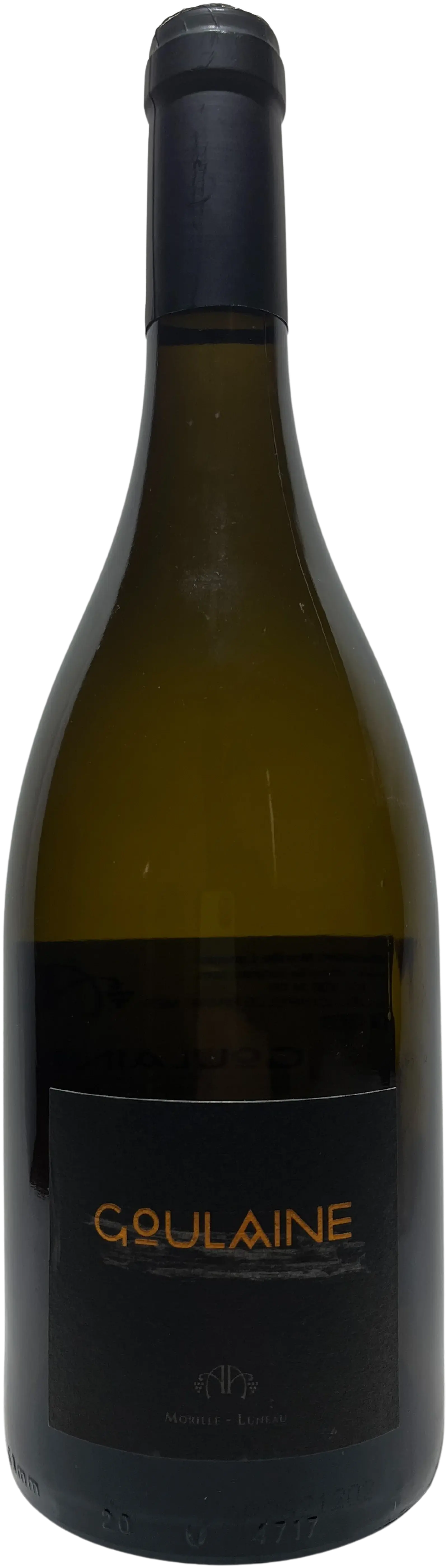
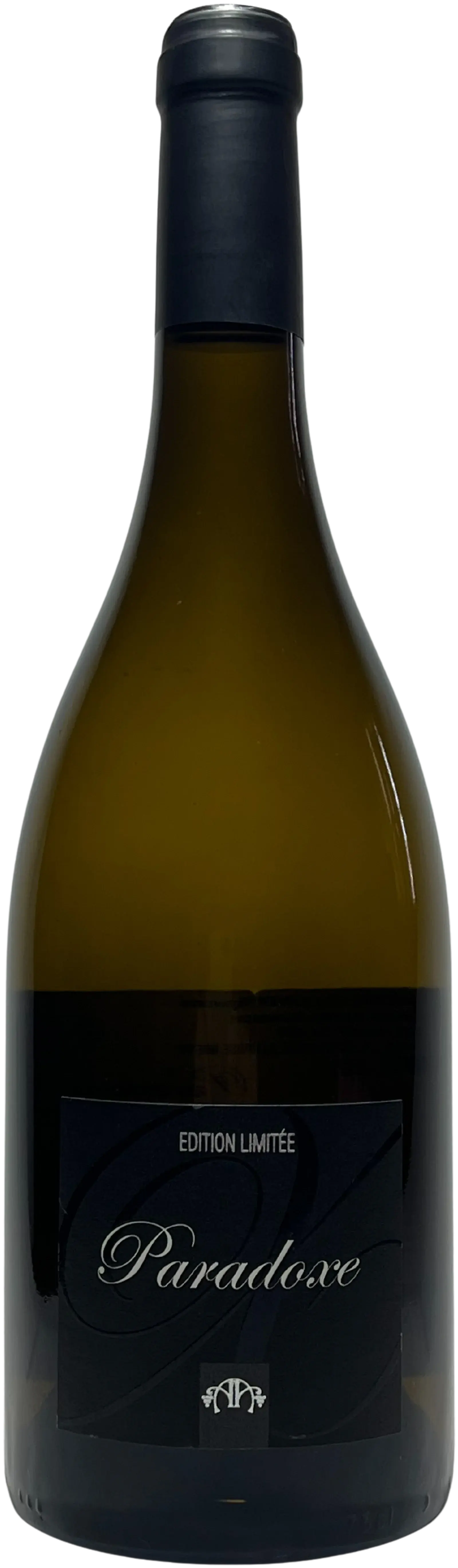
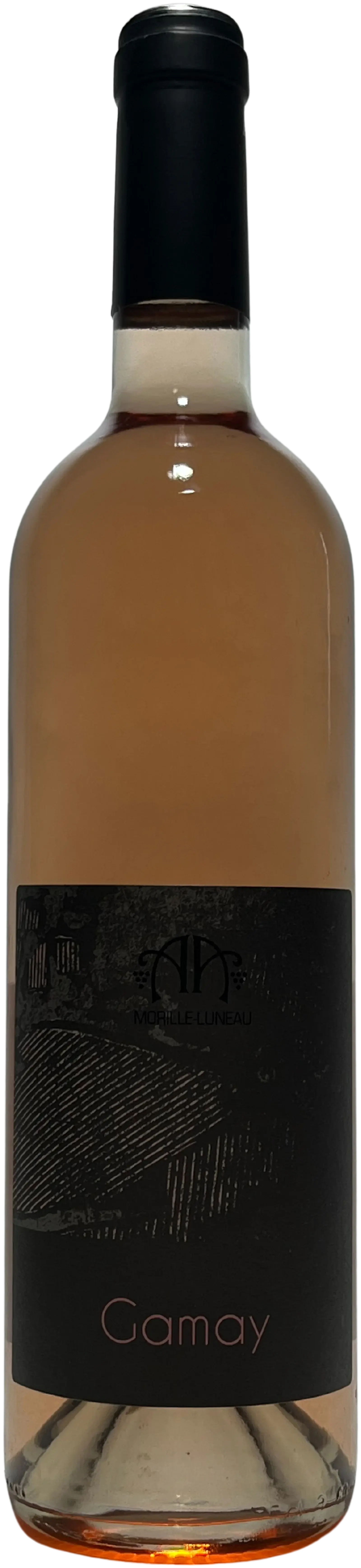
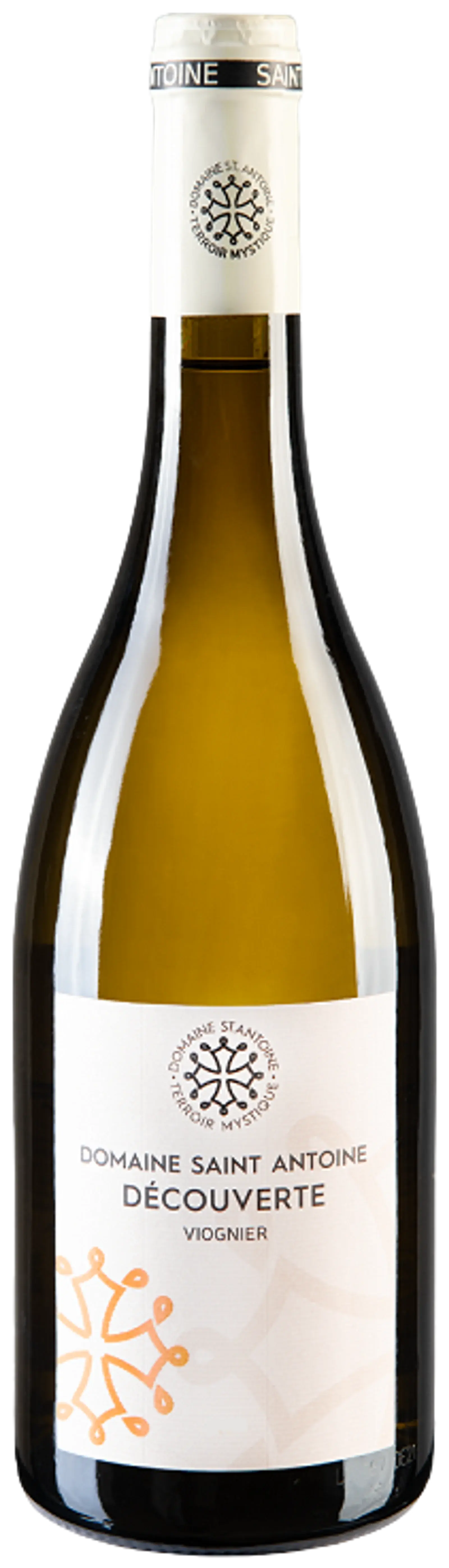
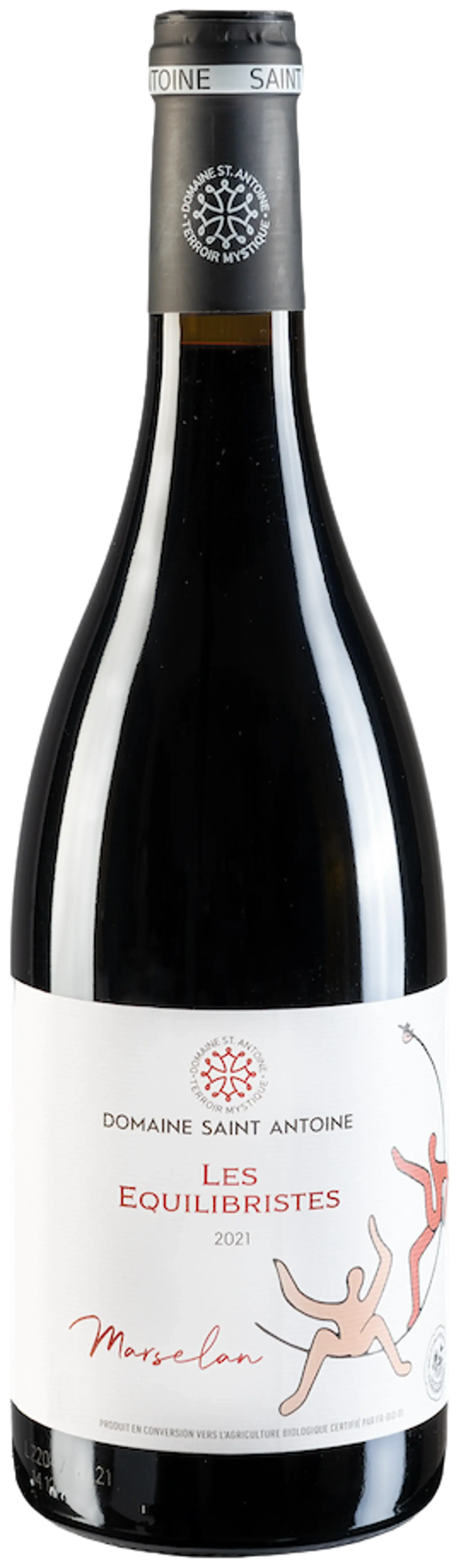
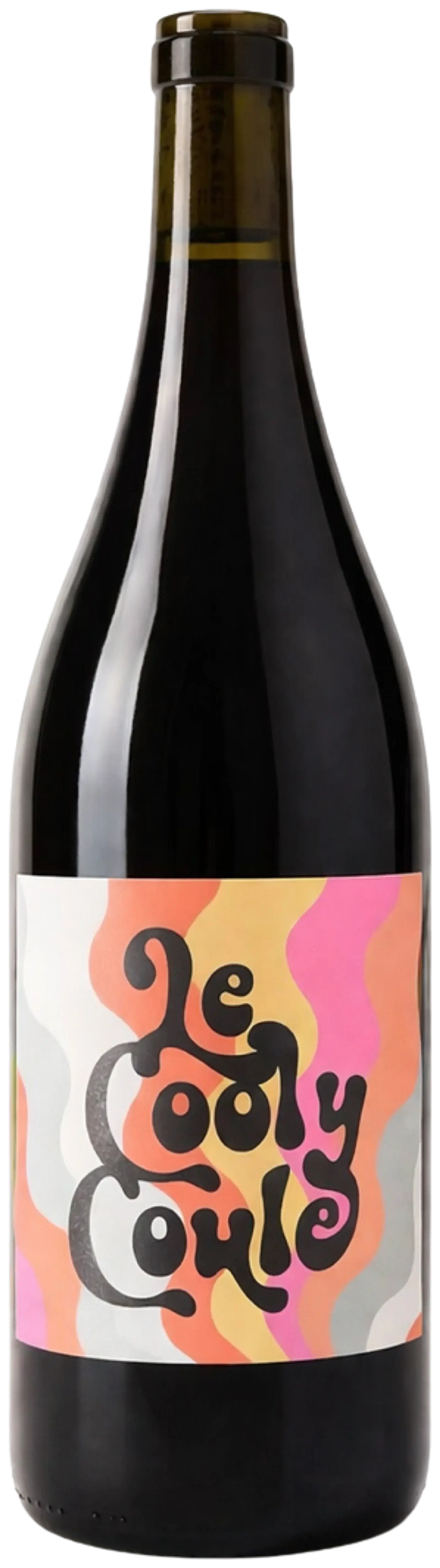
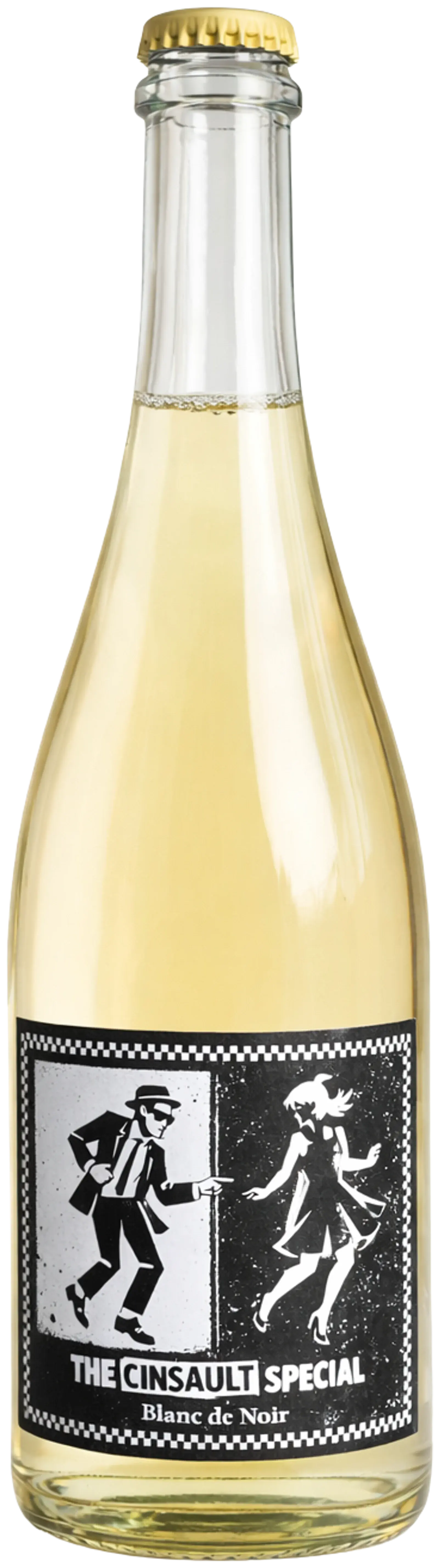
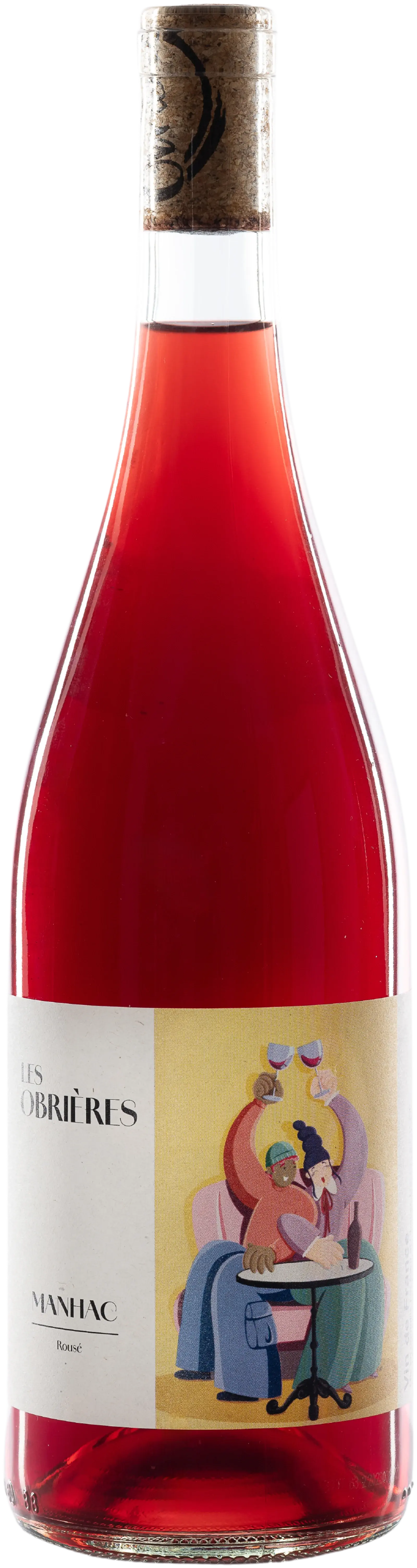
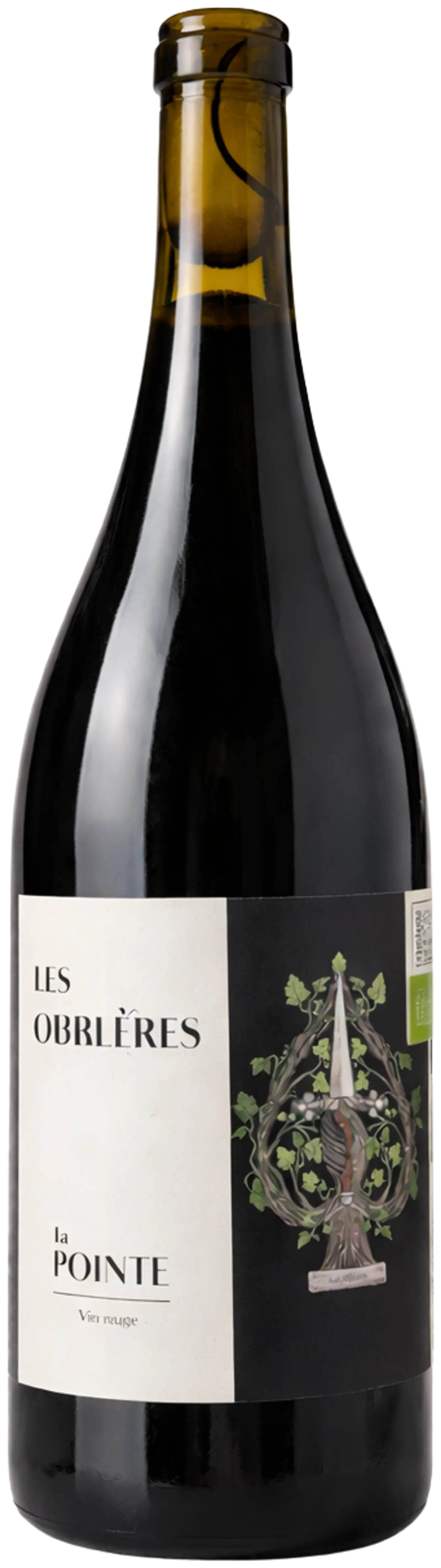
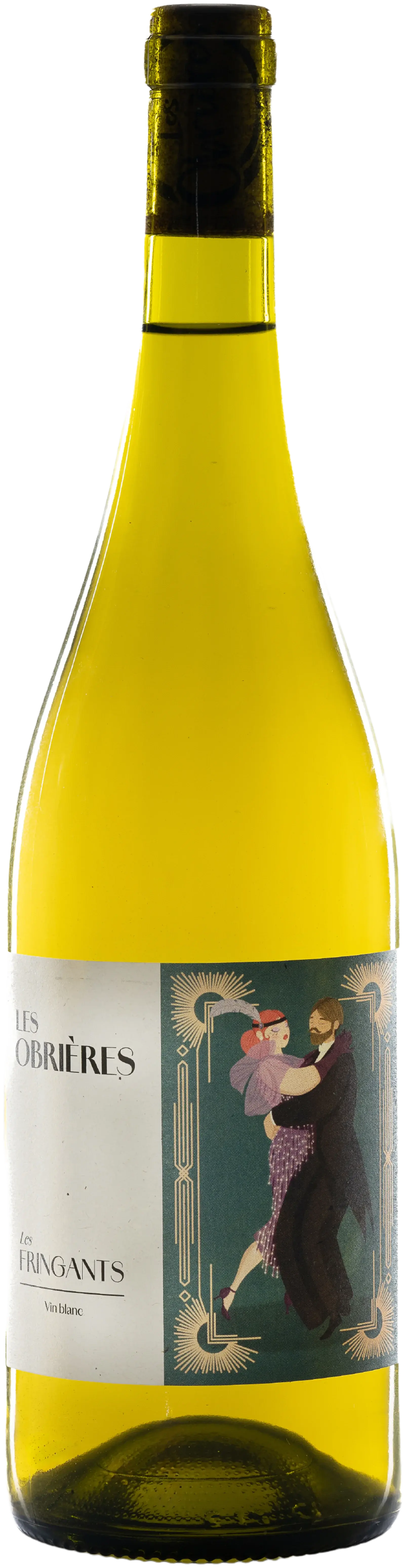
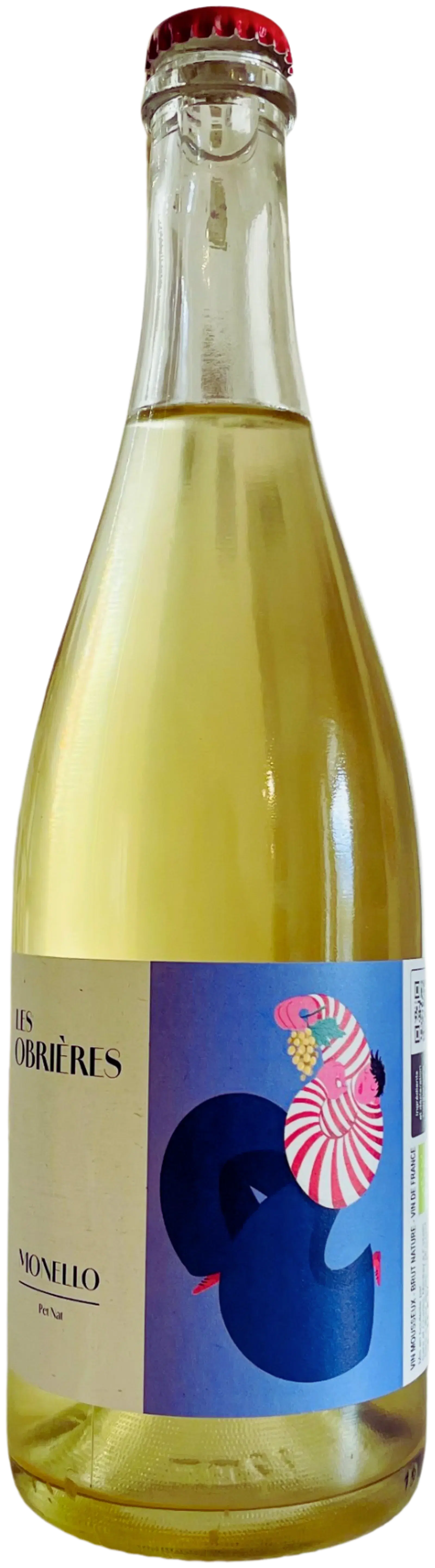
A wine case on Free Grape Society always contains exactly six bottles, all from one producer. A case might hold six different appellations, or six vintages of the same wine, or a progression from the estate's lightest to its most structured label. In Bordeaux, a case might be built around the difference between a Merlot-dominant Right Bank style and a Cabernet Sauvignon-dominant Left Bank structure. In Languedoc-Roussillon, a selection might move through Carignan, Grenache, and Syrah to show what the garrigue does to each variety differently. Because all six bottles come from one estate, the case carries that context. That context does not exist when a retailer bundles six bottles from a warehouse shelf.
French wine regions and what they put in the box
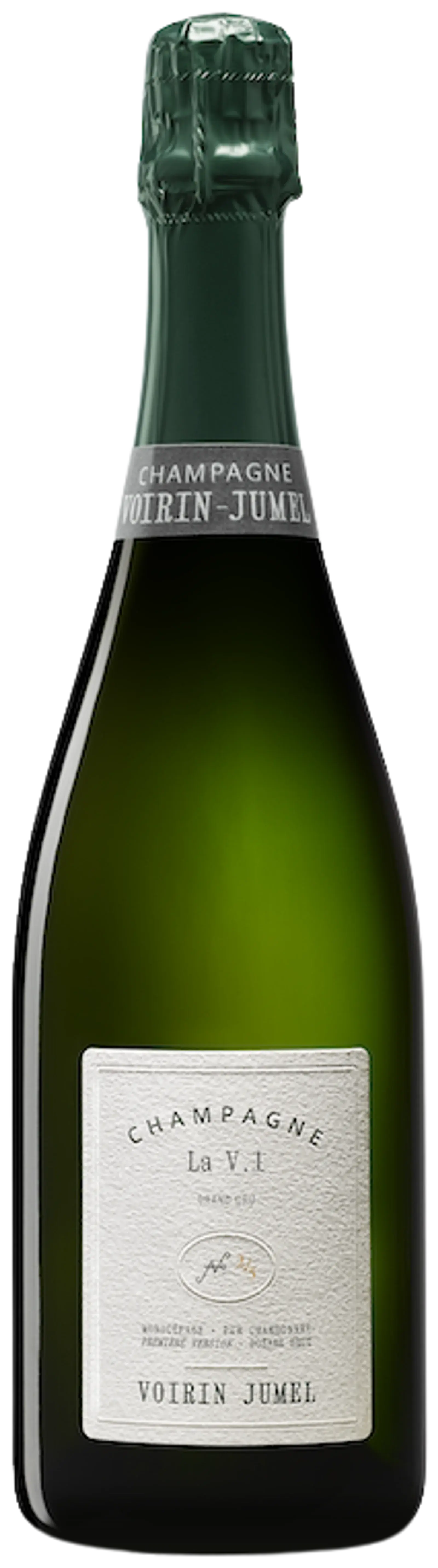
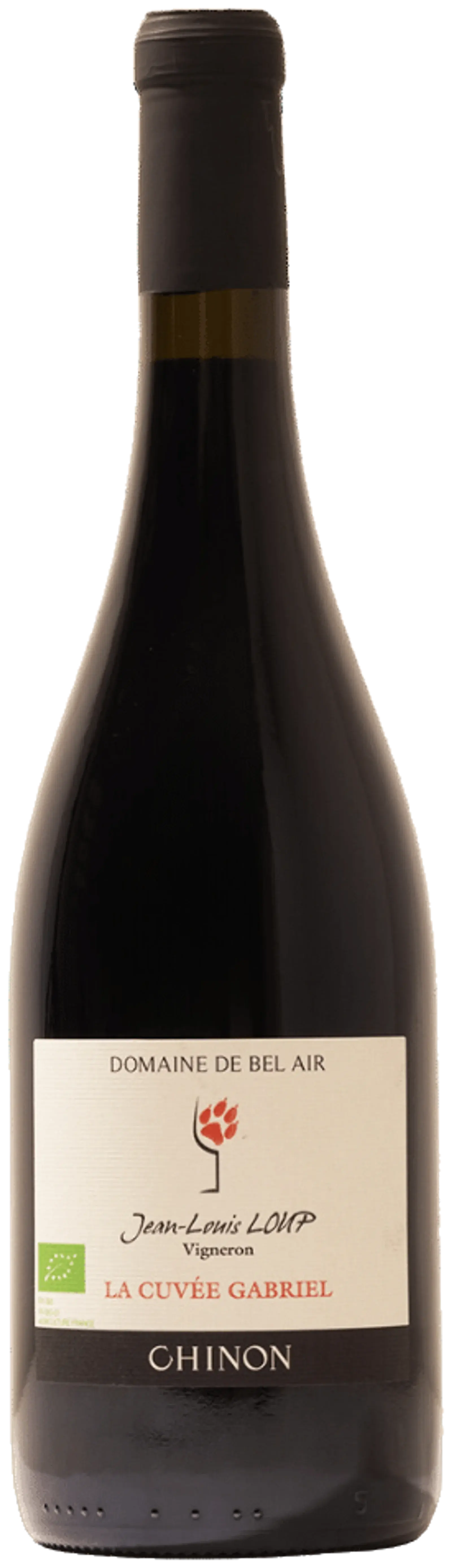
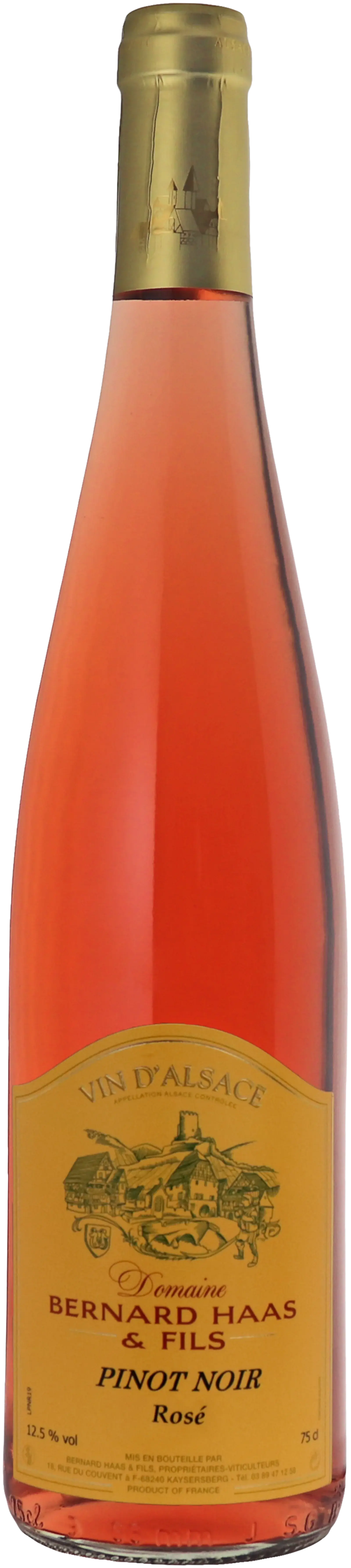
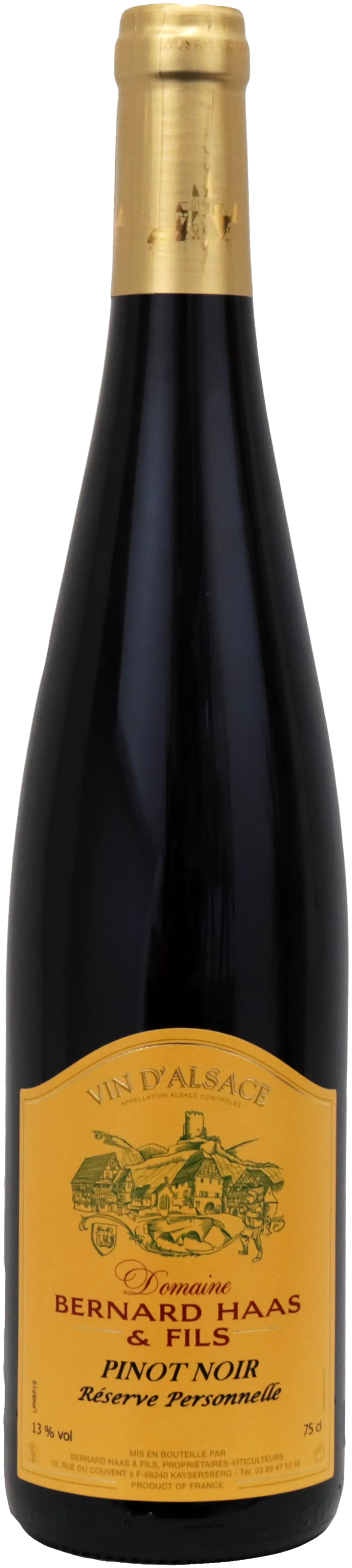
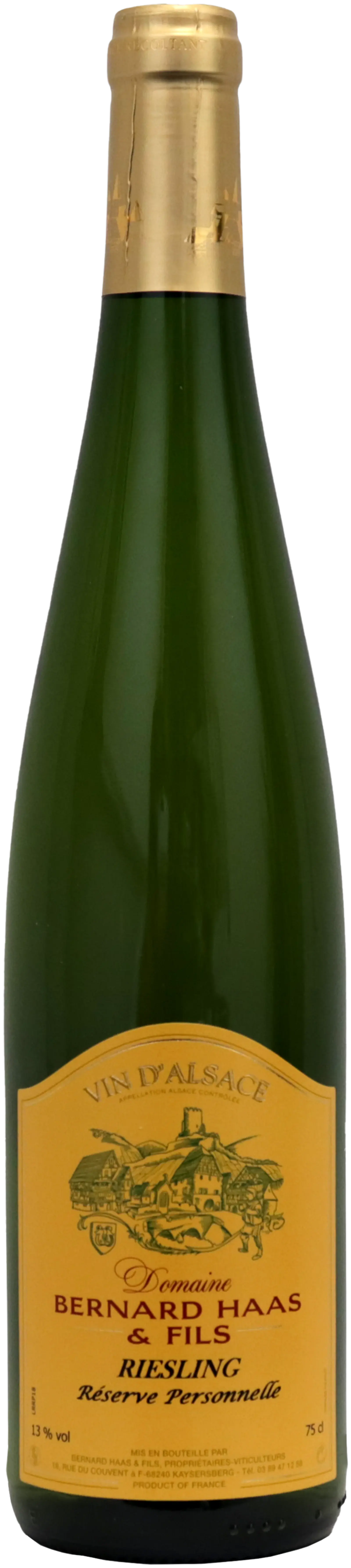
France's wine map is not uniform. Each region has its own grape rules, climate logic, and production culture, and these shape what goes into a six-bottle case from that region. Champagne is built on a blending tradition: Chardonnay, Pinot Noir, and Pinot Meunier are typically used together, with the proportions defining a house style. A case from a Champagne producer often shows different expressions of that blend. In the Loire Valley, Melon de Bourgogne dominates the western end while Cabernet Franc defines the Anjou and Touraine reds, meaning a case from a Loire producer can span styles that read almost like two different wine cultures. In Alsace, varieties are labeled by grape rather than by appellation, unlike almost every other French region, and a case from there typically foregrounds the grape character directly. Burgundy operates on a parcel system: a single village may contain dozens of named vineyards, each with different owners, and a Burgundy case usually shows the difference between those parcels, not just different grape varieties. The Rhône Valley divides into a northern corridor where Syrah works alone and a southern plateau where Grenache-based blends with Mourvèdre and Cinsault are the standard. A six-bottle case from a southern Rhône producer typically demonstrates how those blending proportions shift across their range.
Reading a French wine label before the box arrives
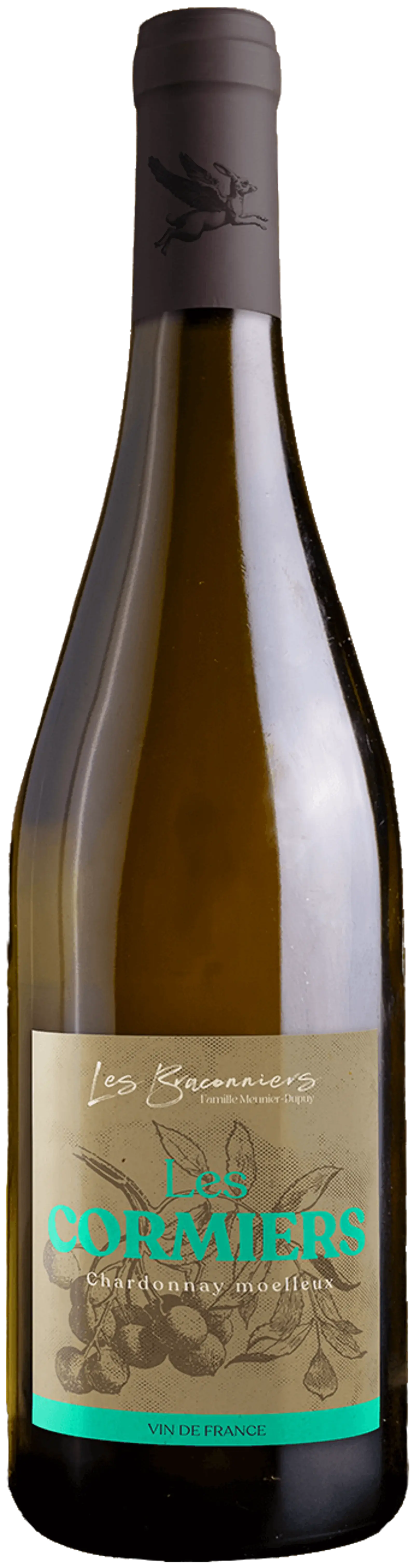
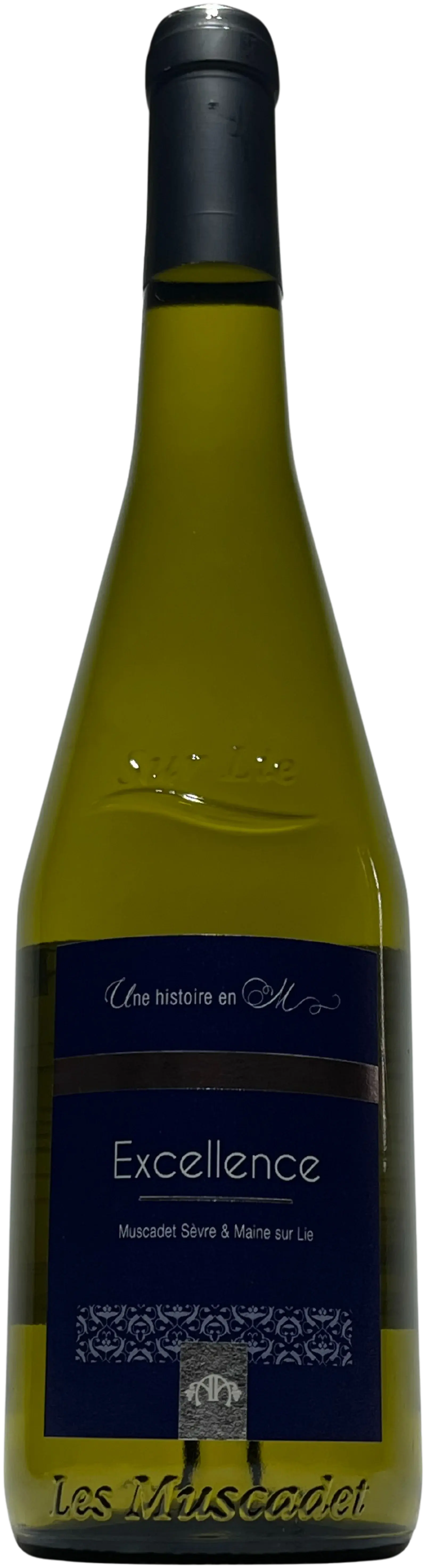
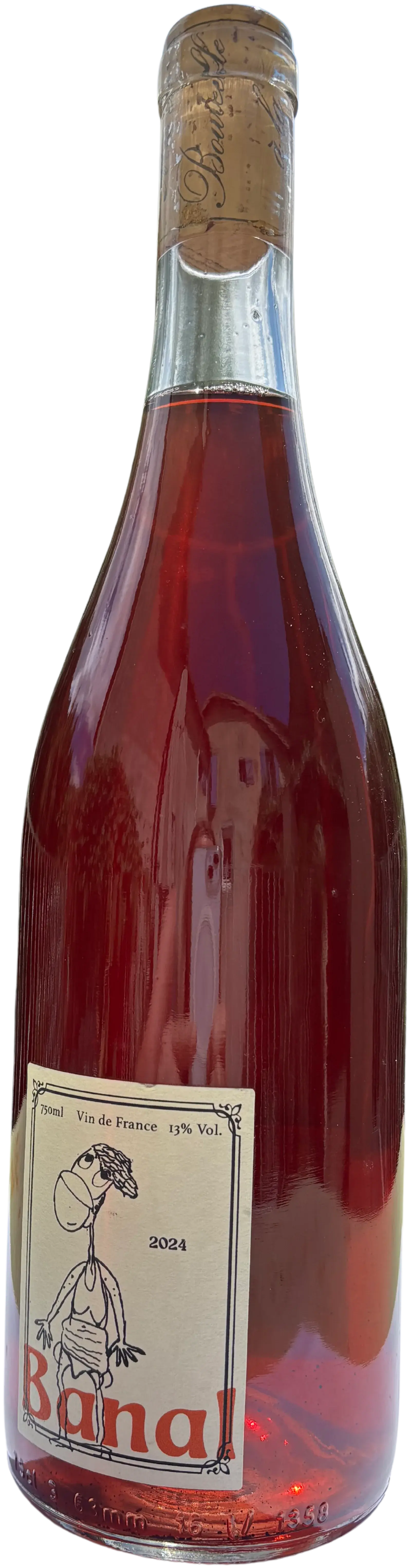
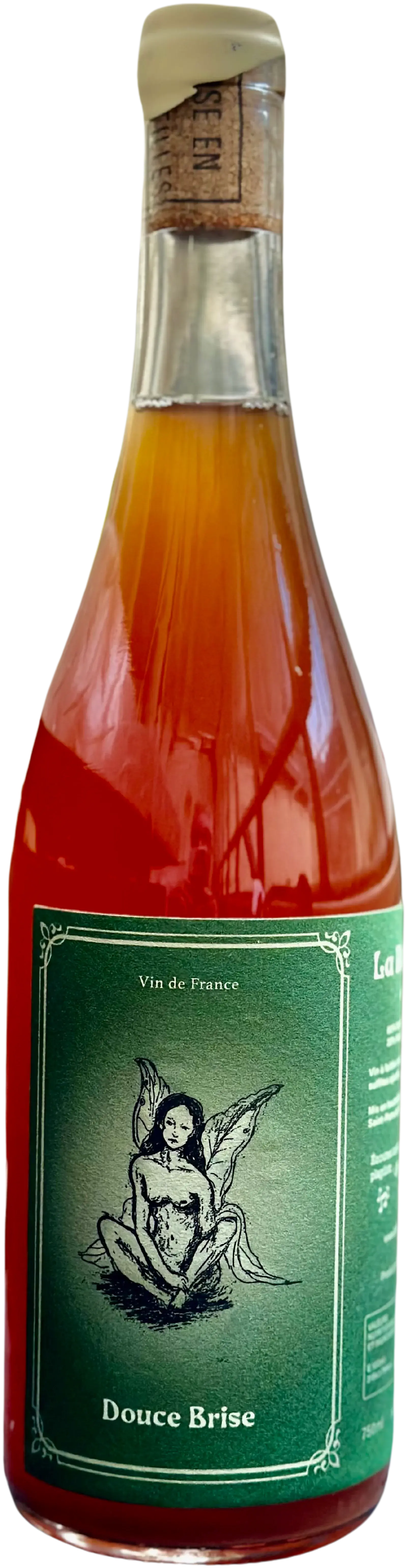
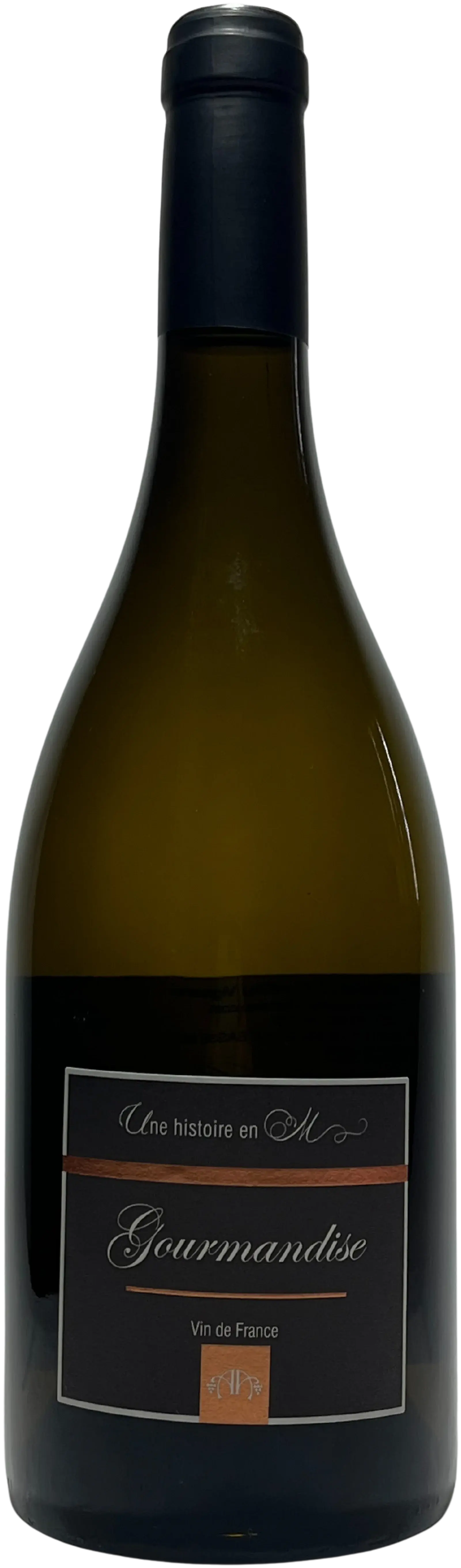
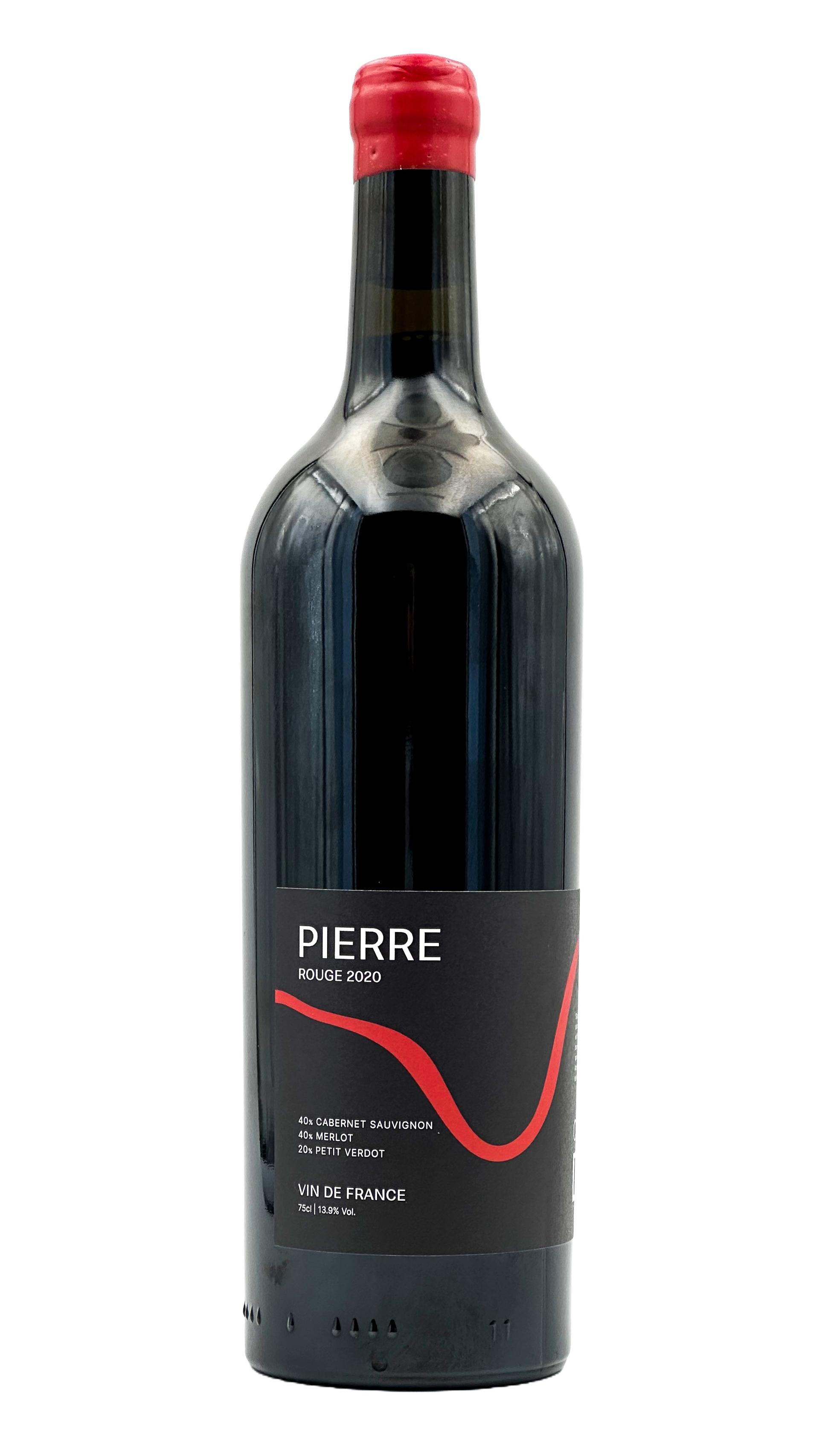
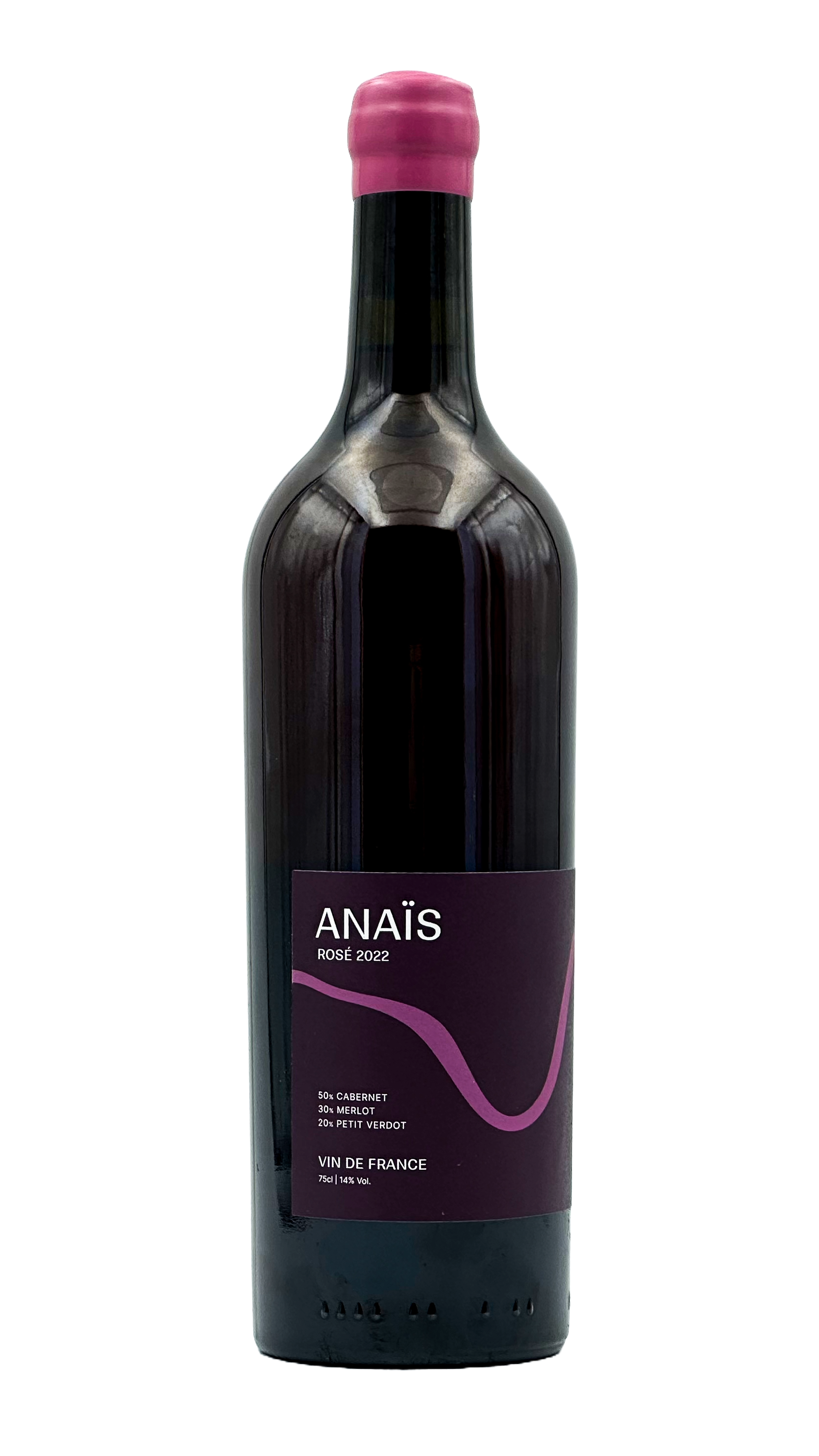
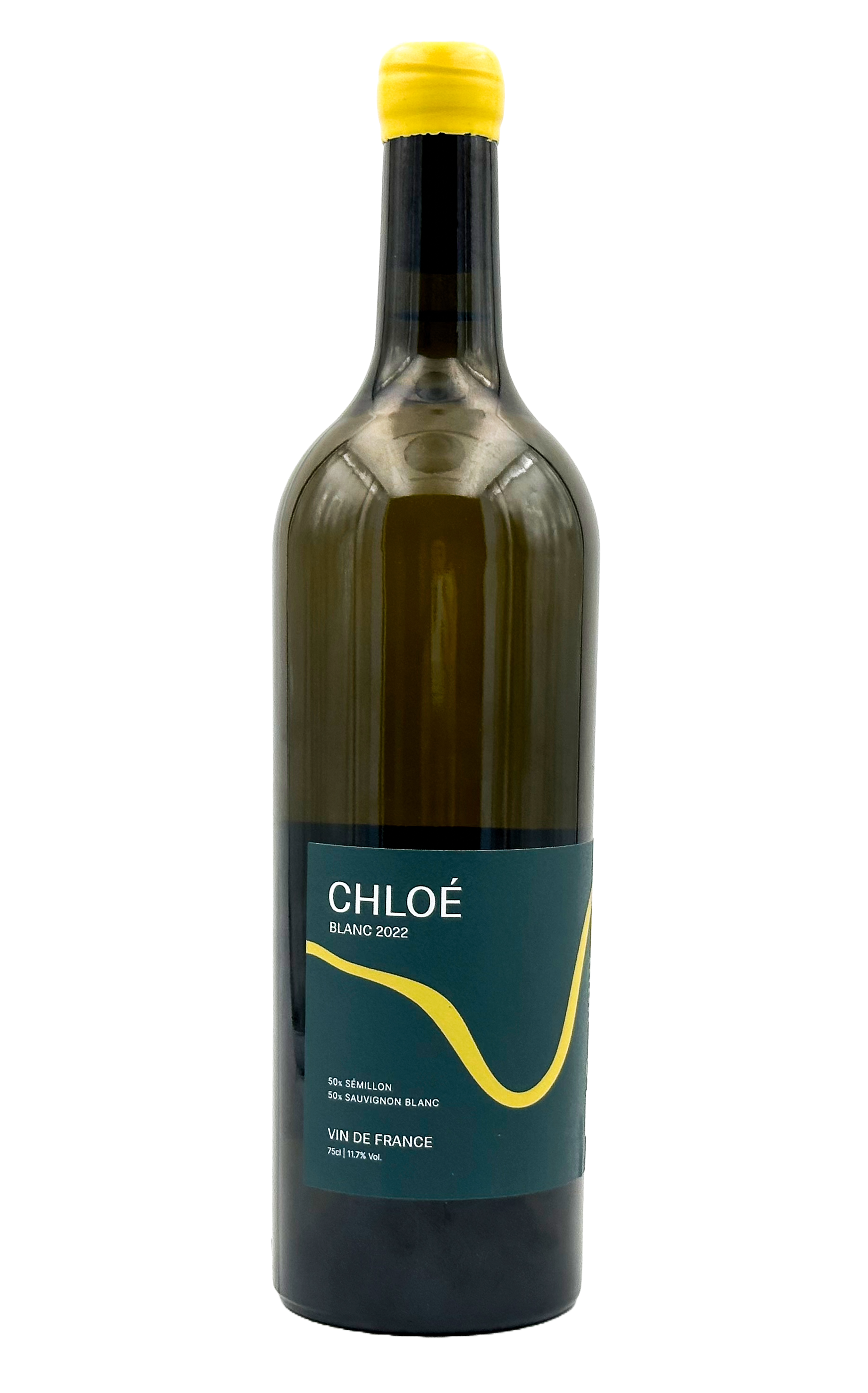
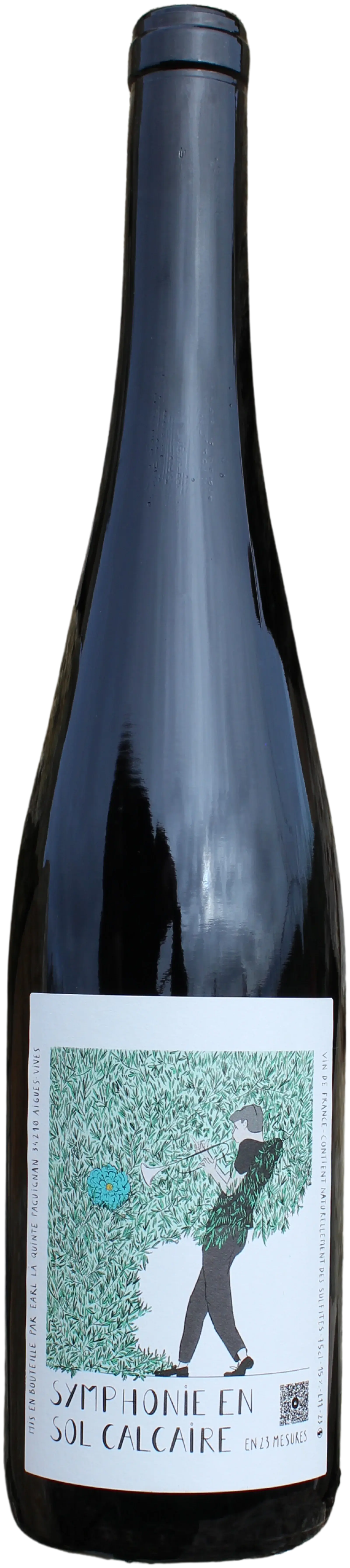
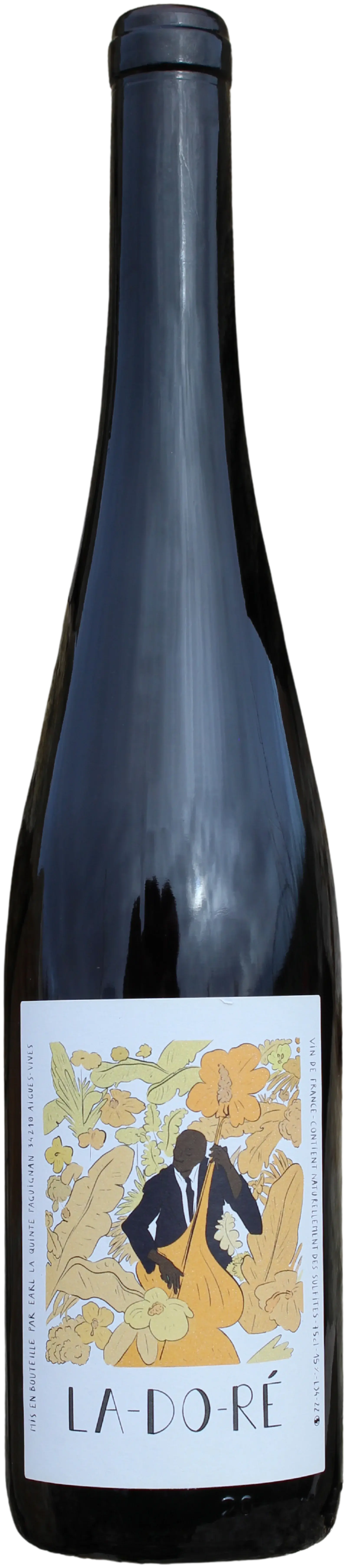
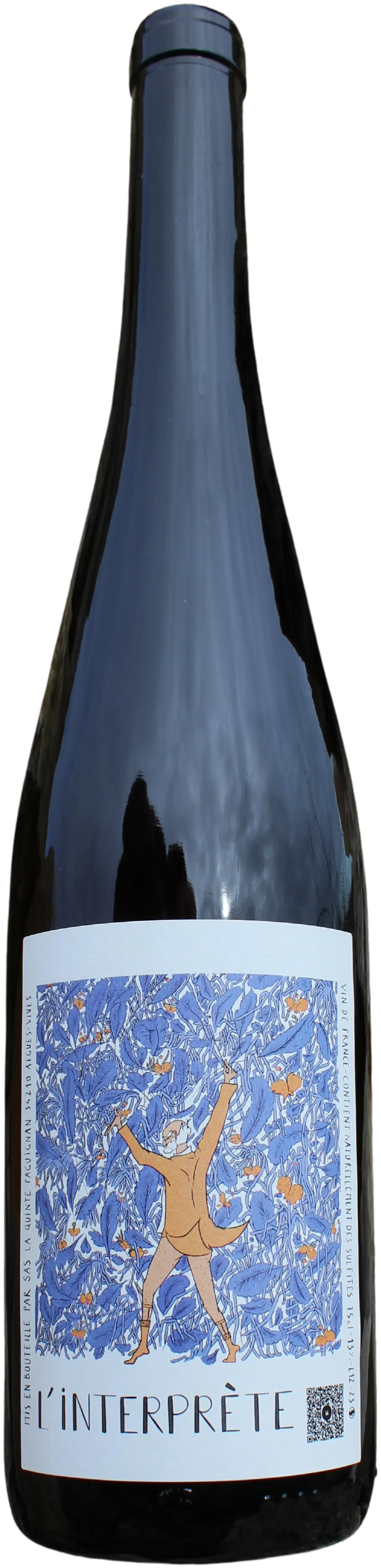
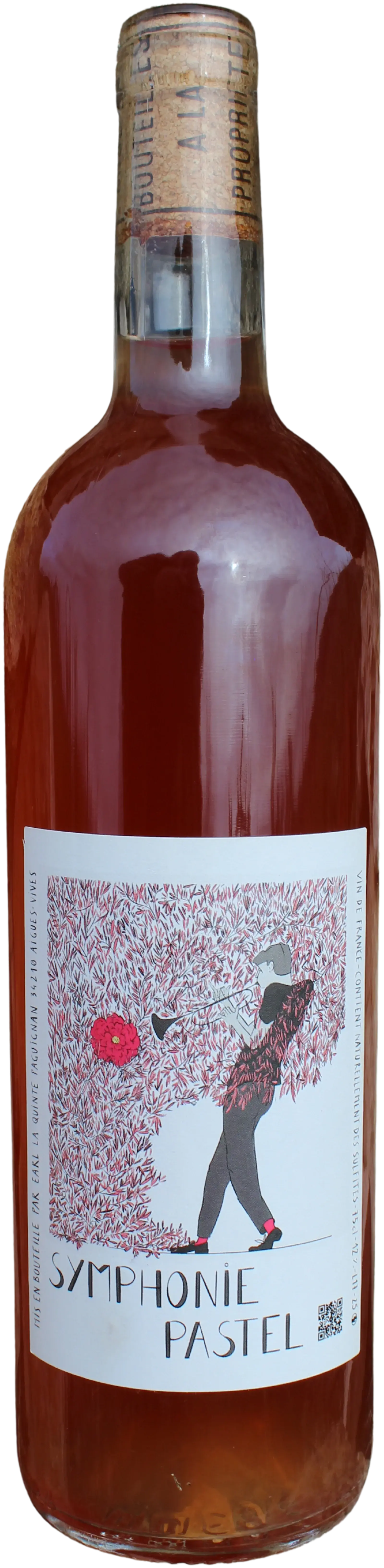
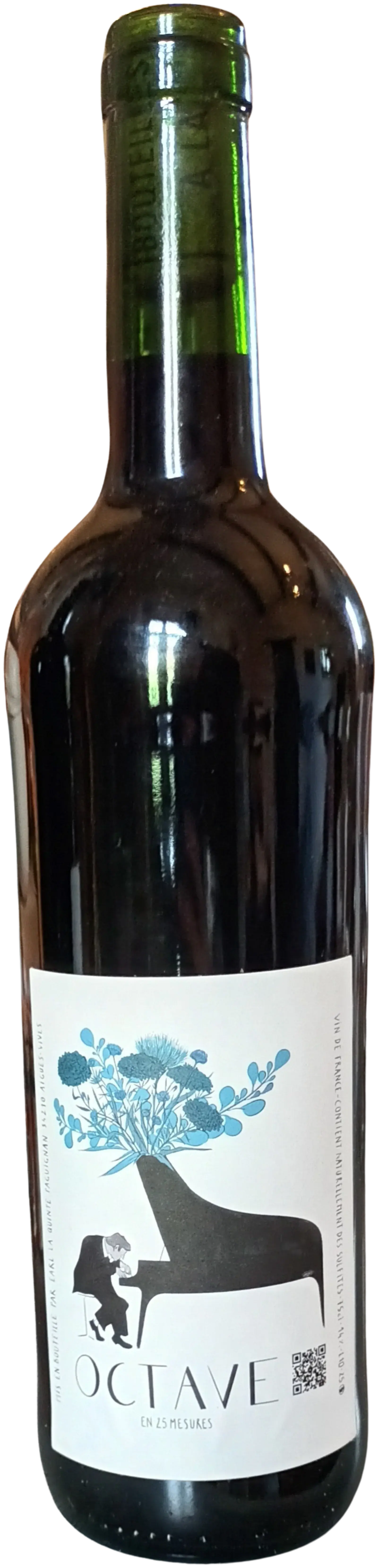
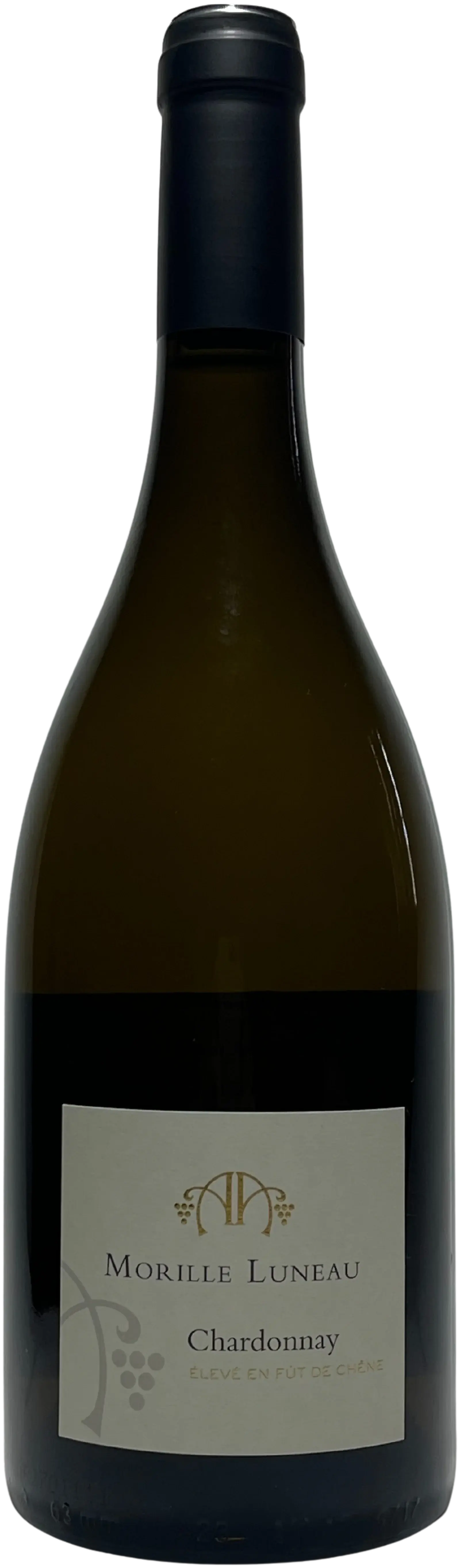
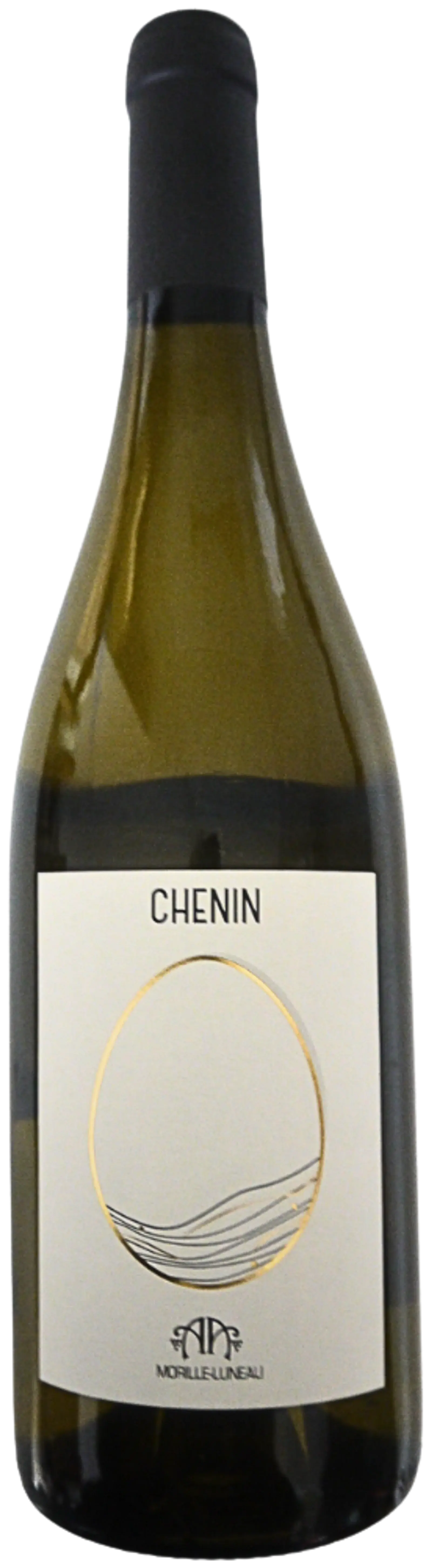
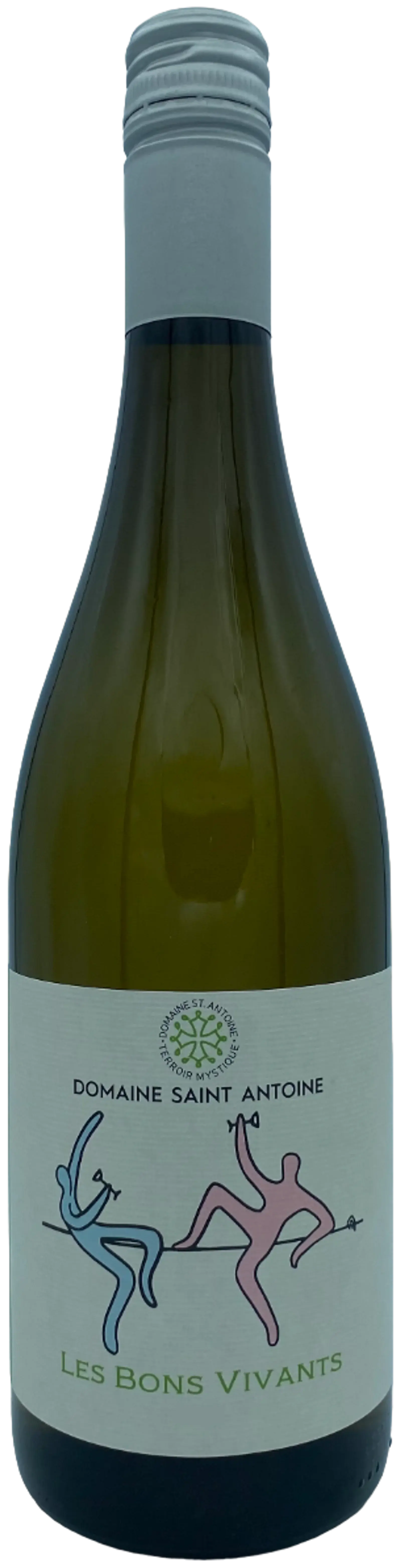
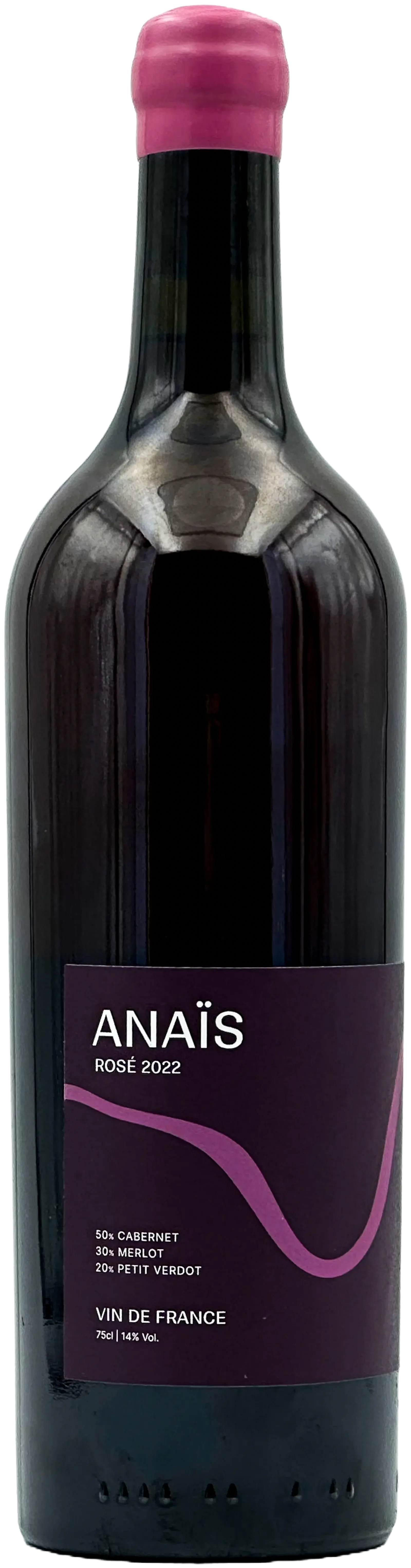
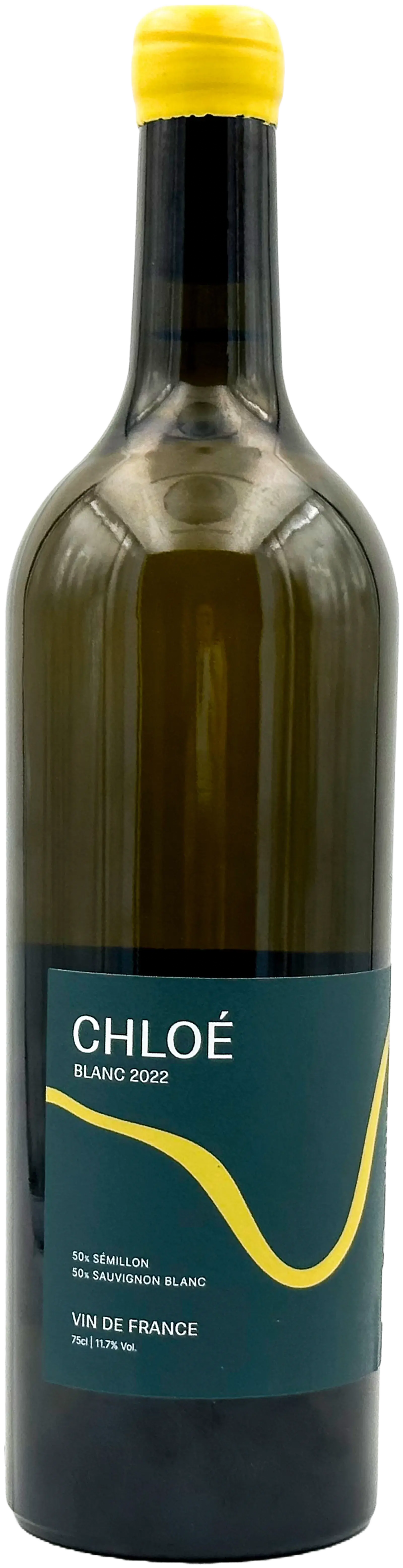
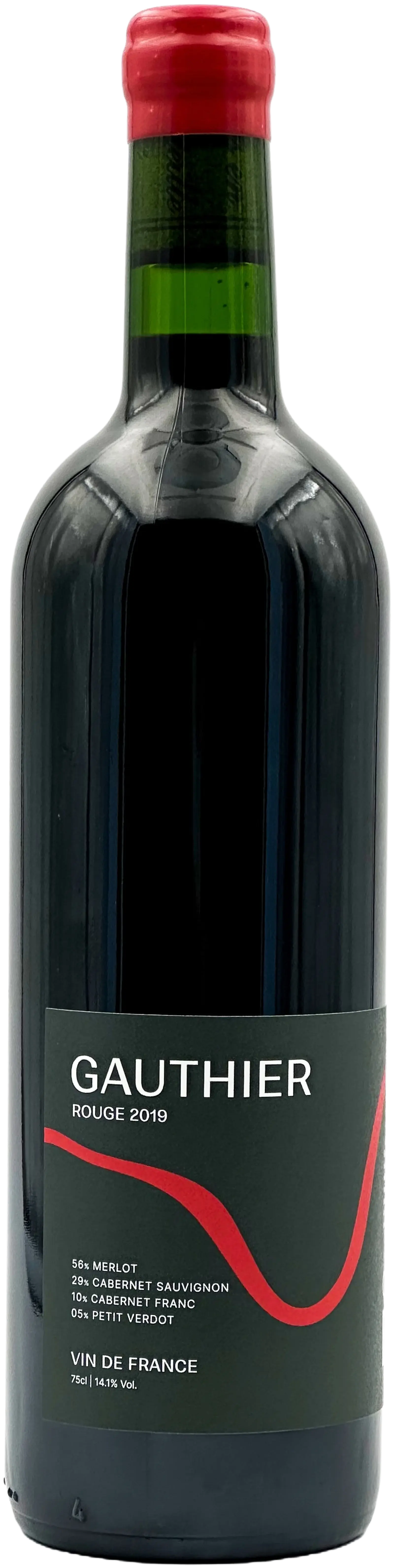
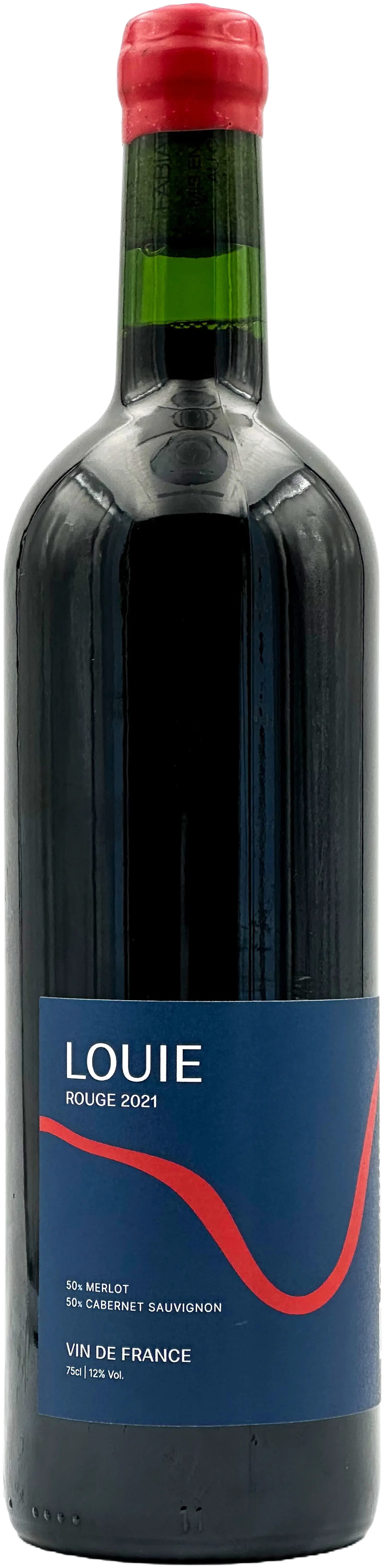
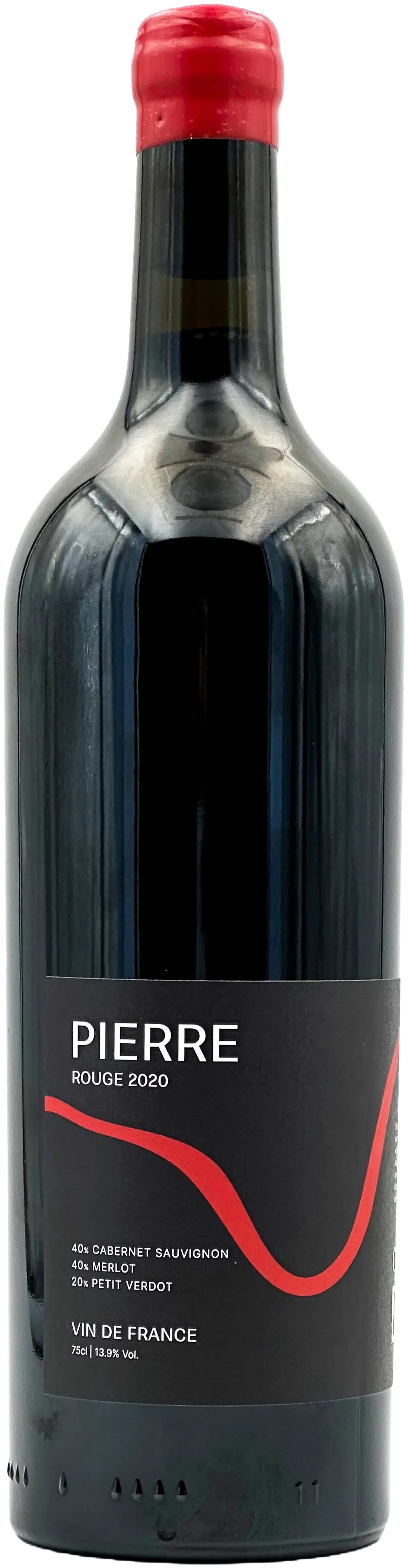
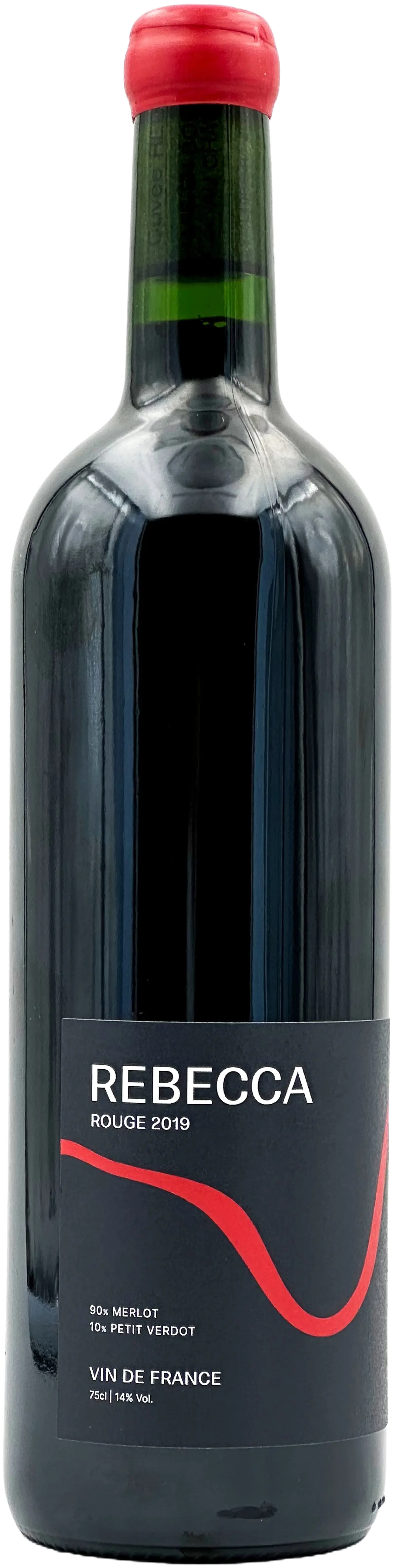
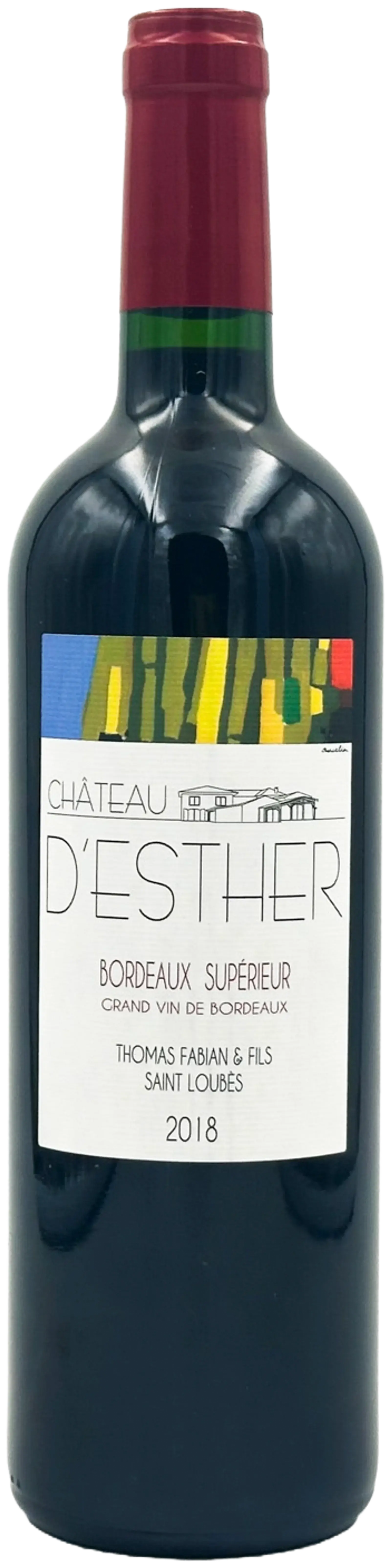
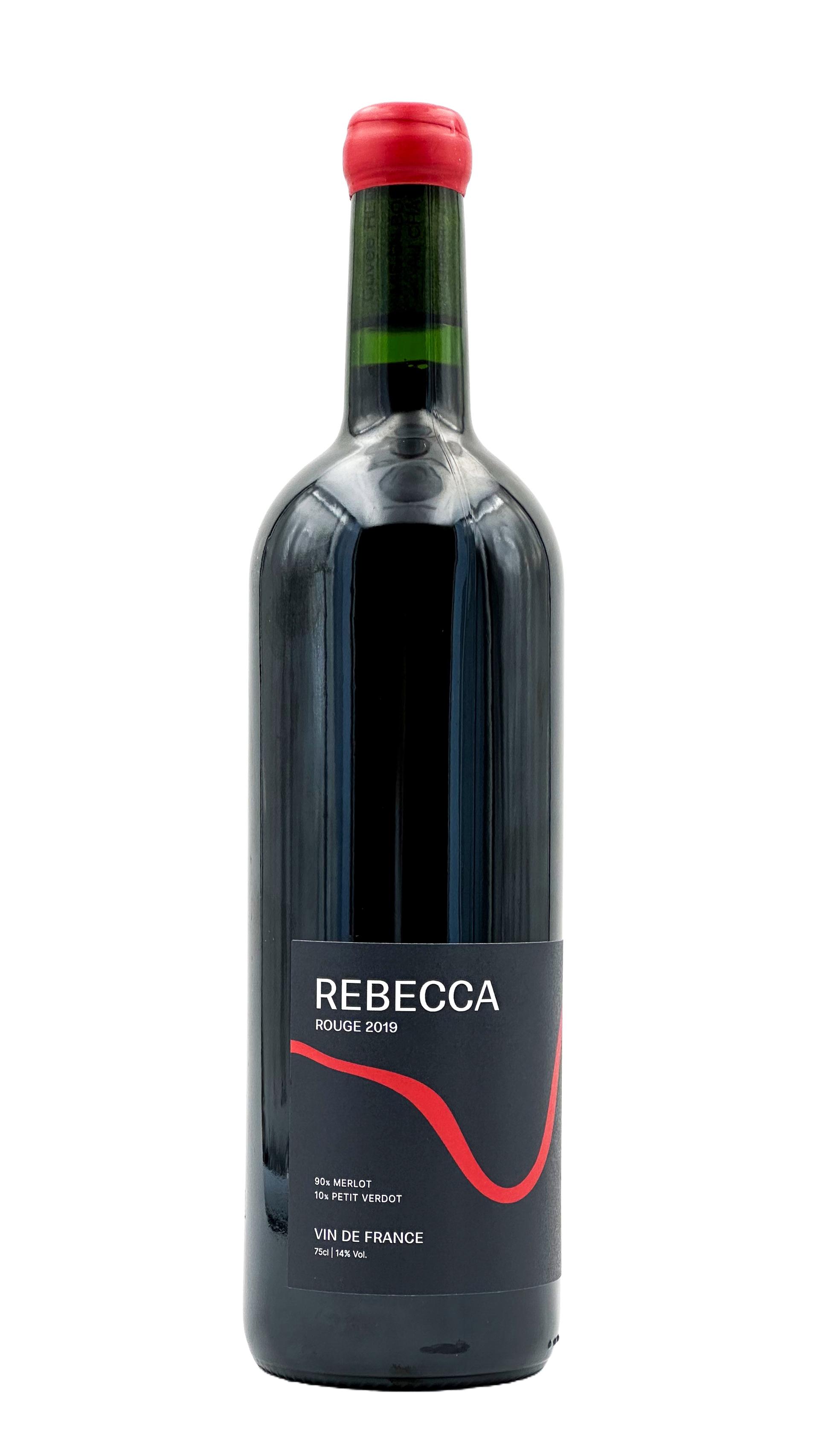
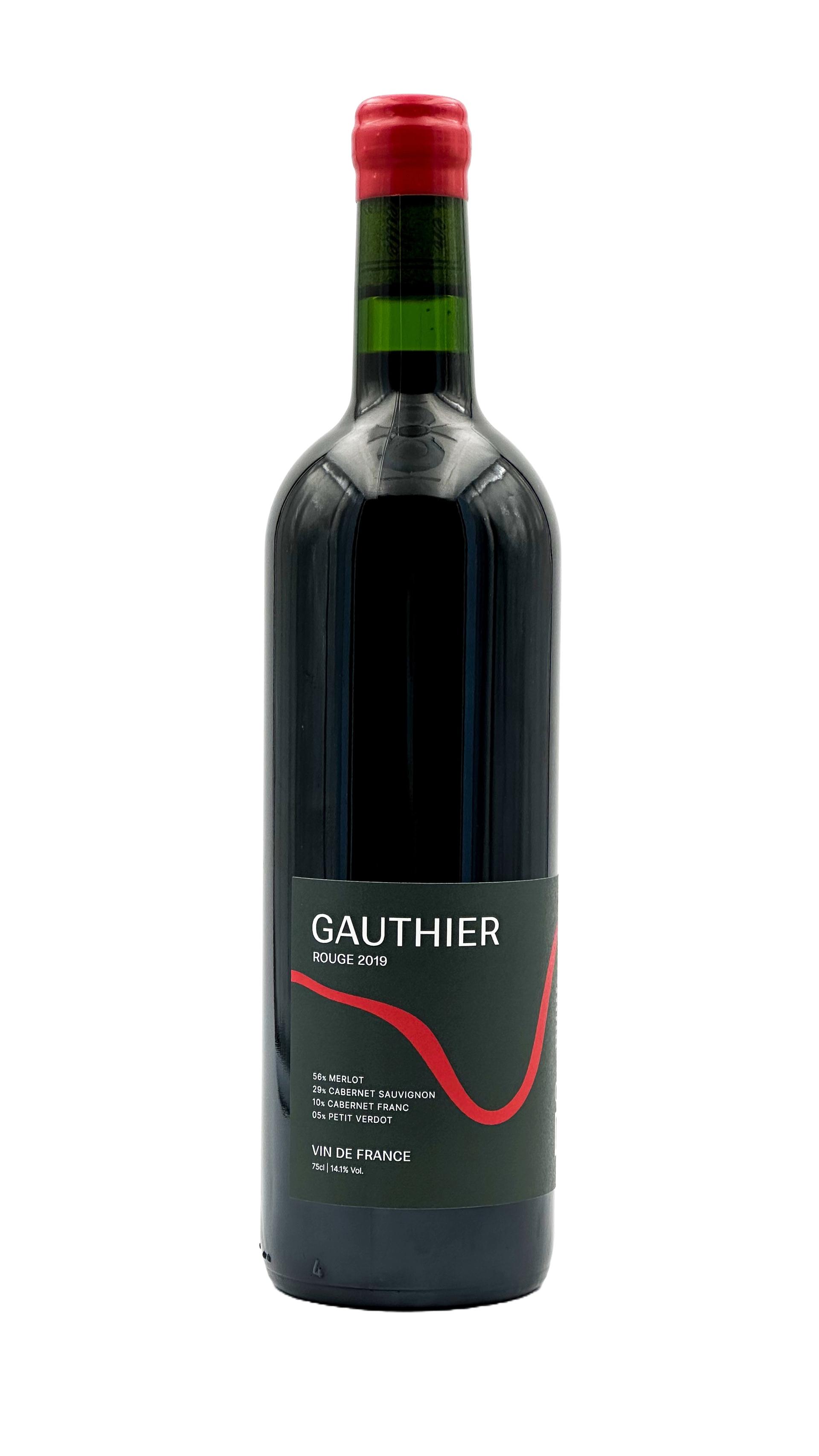
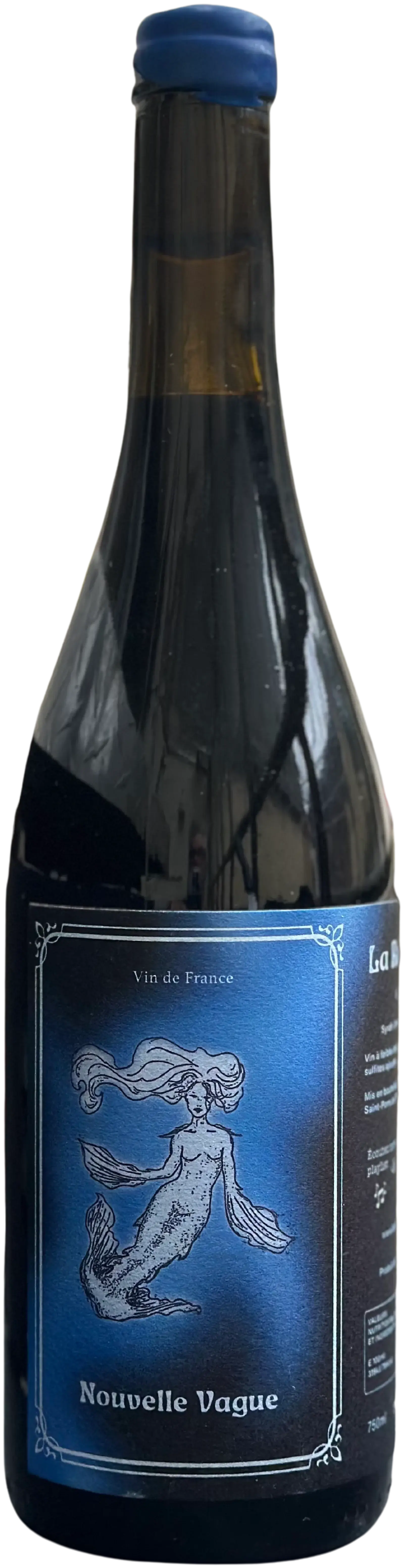
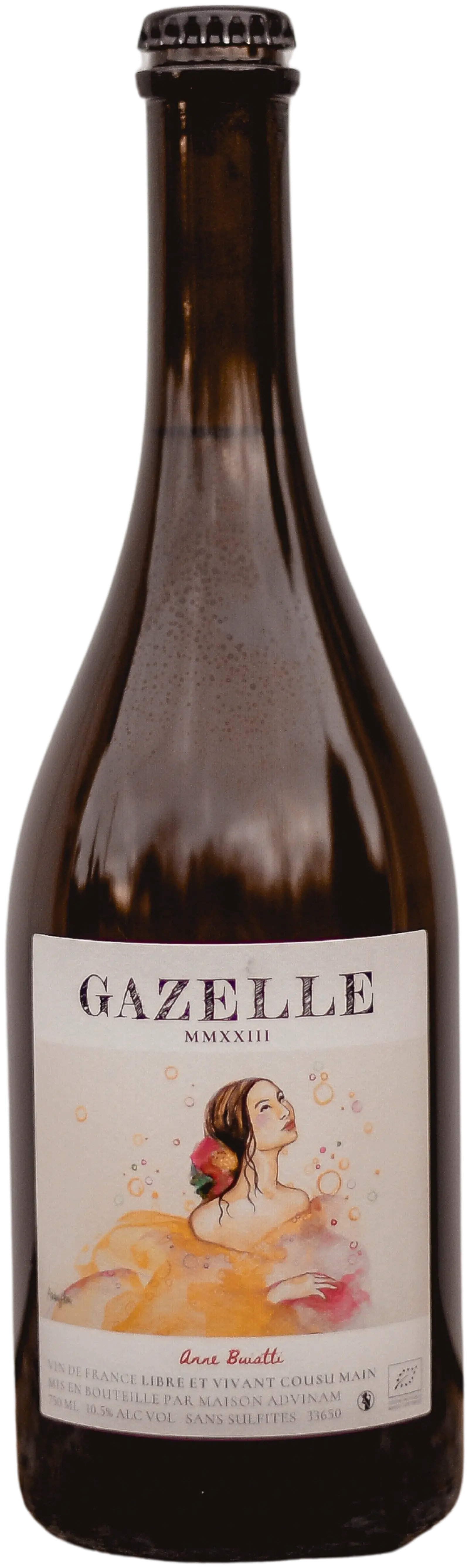
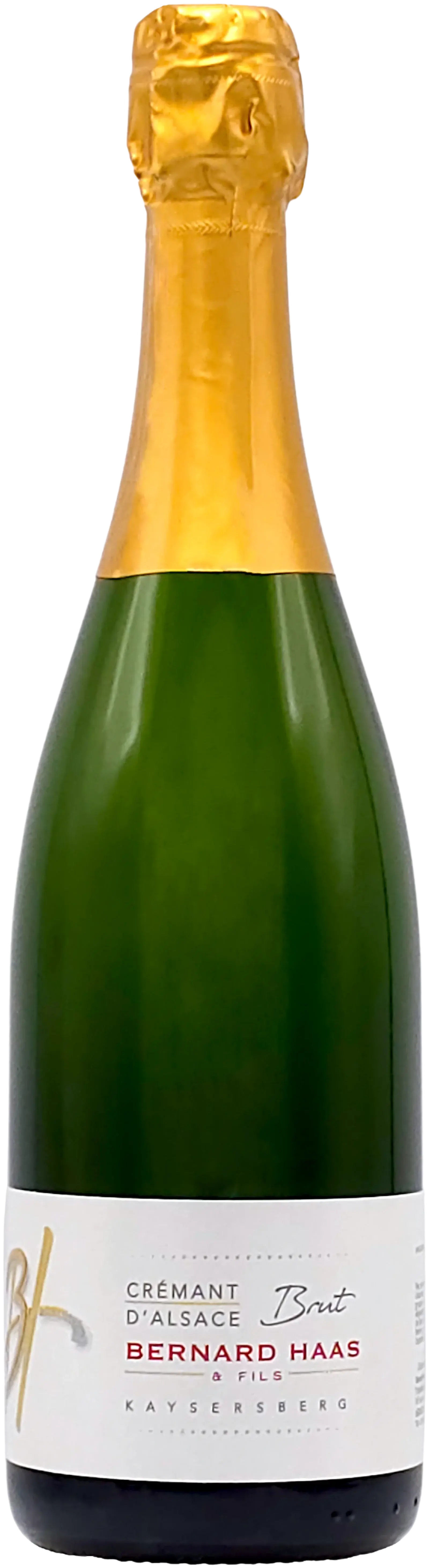
French labels are place-first, not grape-first. In most appellations, the law specifies which grapes are permitted, so the appellation name functions as an indirect grape indicator. A bottle labeled 'Pomerol' is Merlot-dominant by regulation. A bottle labeled 'Chablis' is Chardonnay by regulation. A bottle labeled 'Muscadet' is Melon de Bourgogne by regulation. Understanding this system makes the arrival of a six-bottle French wine case more readable. The appellation on each label tells you more than the style description ever would. French law also distinguishes between AOC (Appellation d'Origine Contrôlée), which enforces strict geographic and grape rules, and Vin de France, which allows producers to blend across regions and label by grape variety freely. Some of the most technically precise natural and low-intervention producers in France work under a Vin de France designation precisely because the appellation rules would restrict their methods or grape choices. That label tier is not a quality indicator in either direction. It is a regulatory choice.




 Wine case