What goes into an Alsace wine case of six bottles
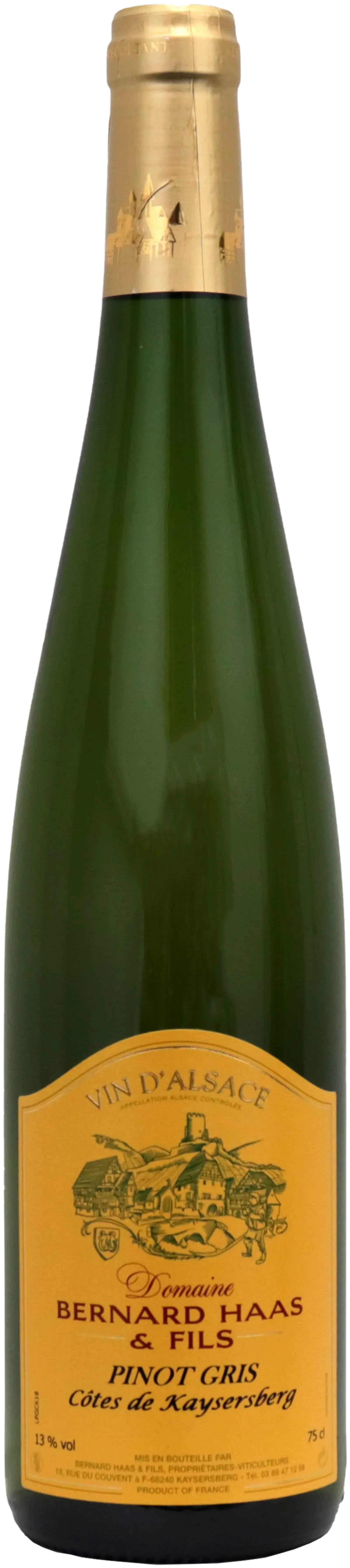
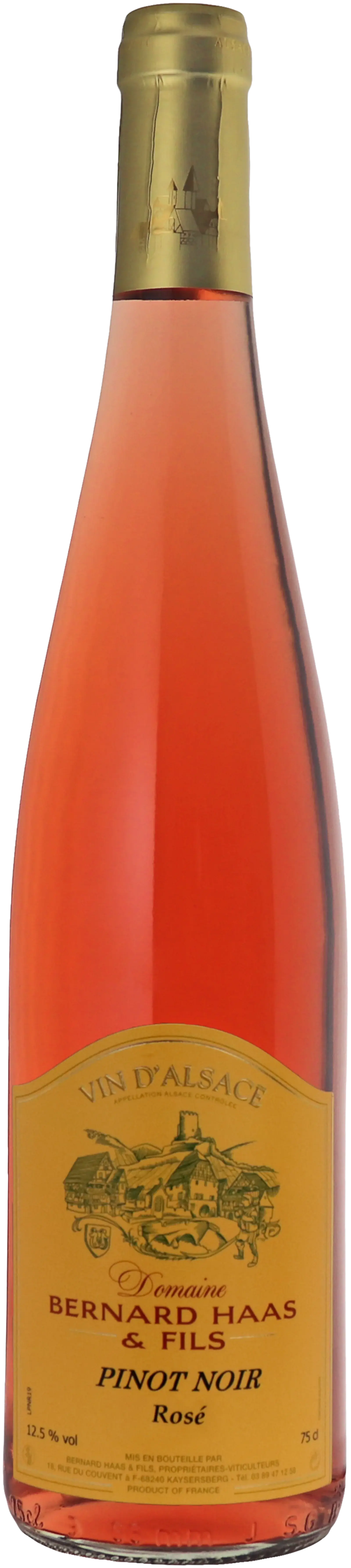
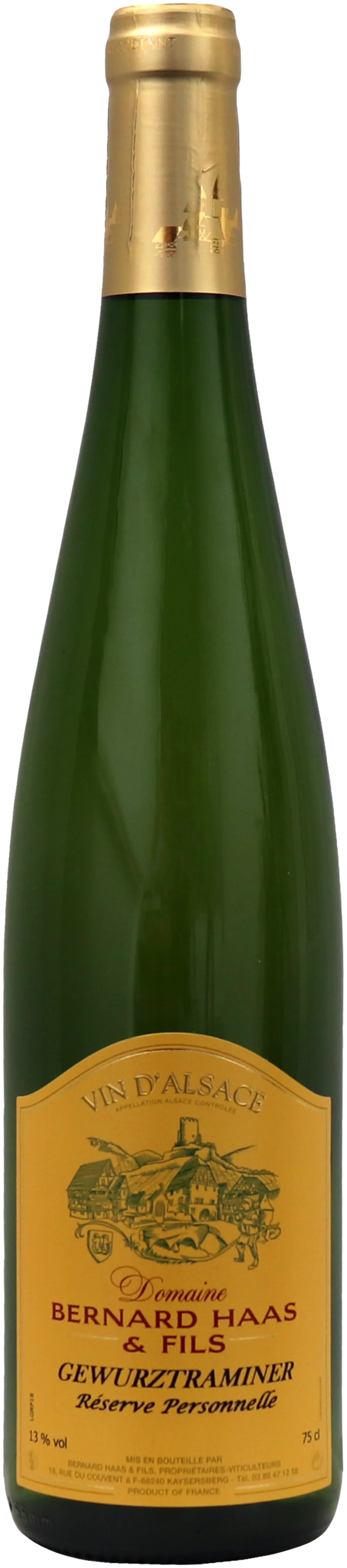
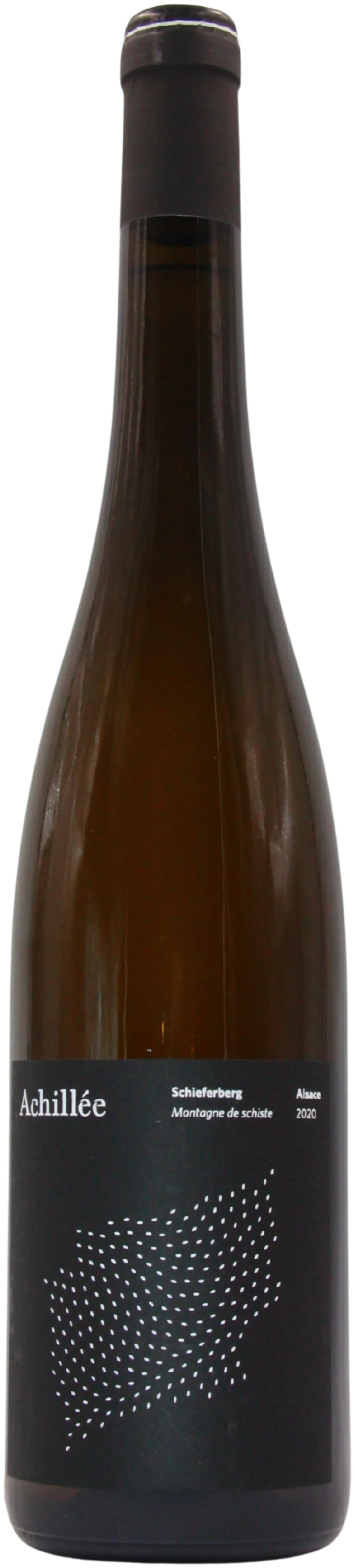
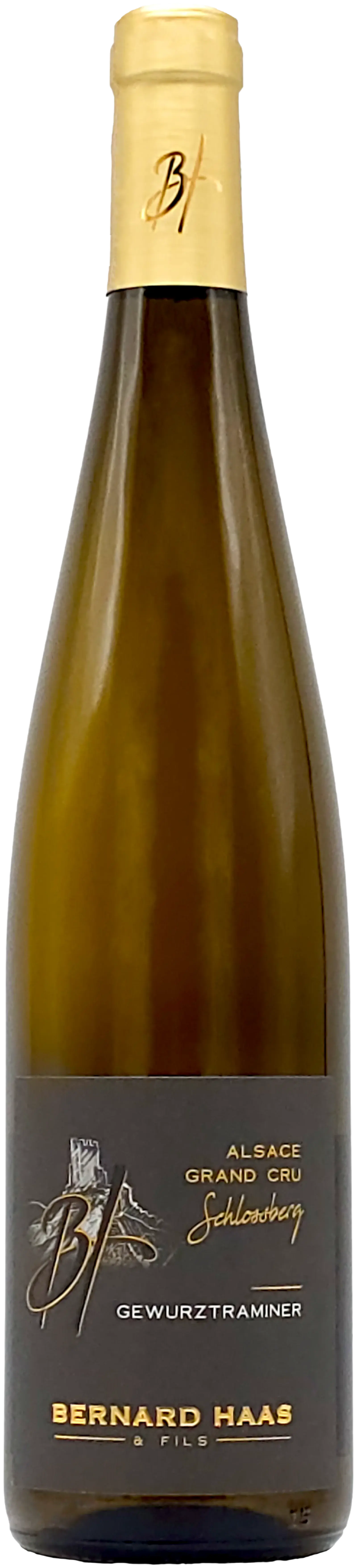
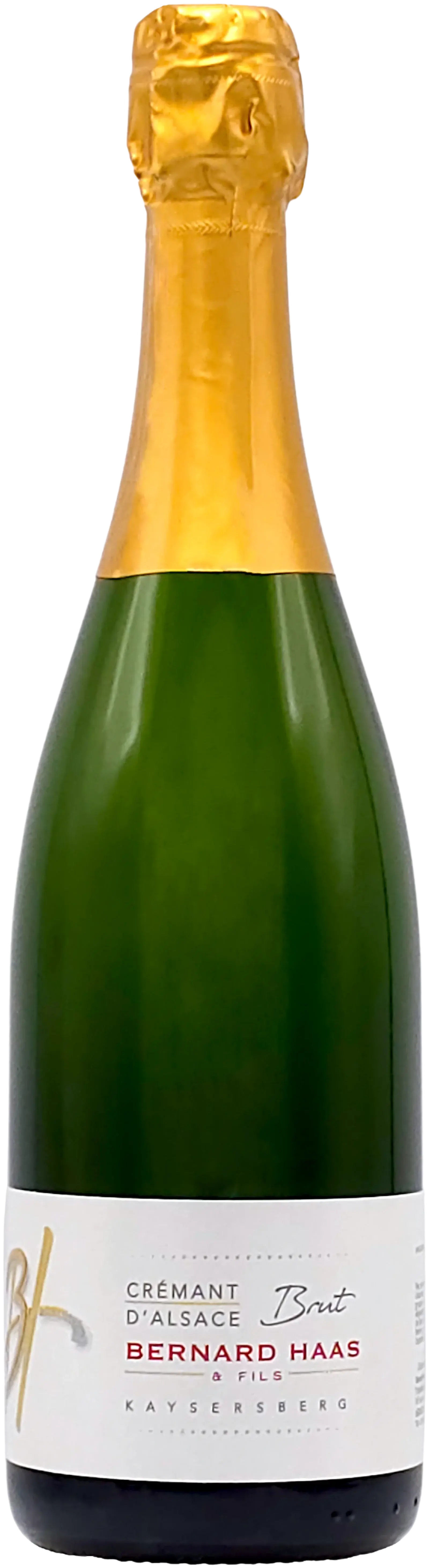
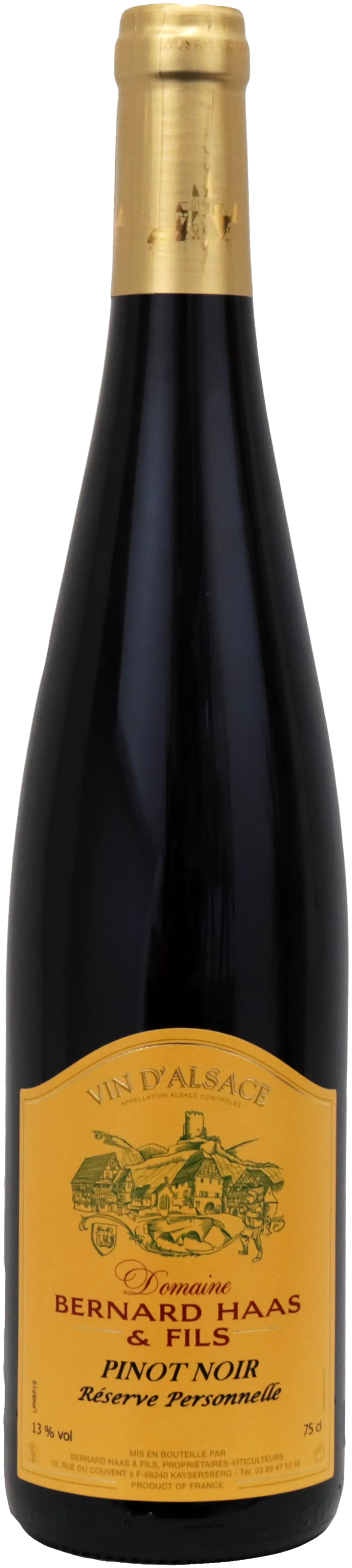
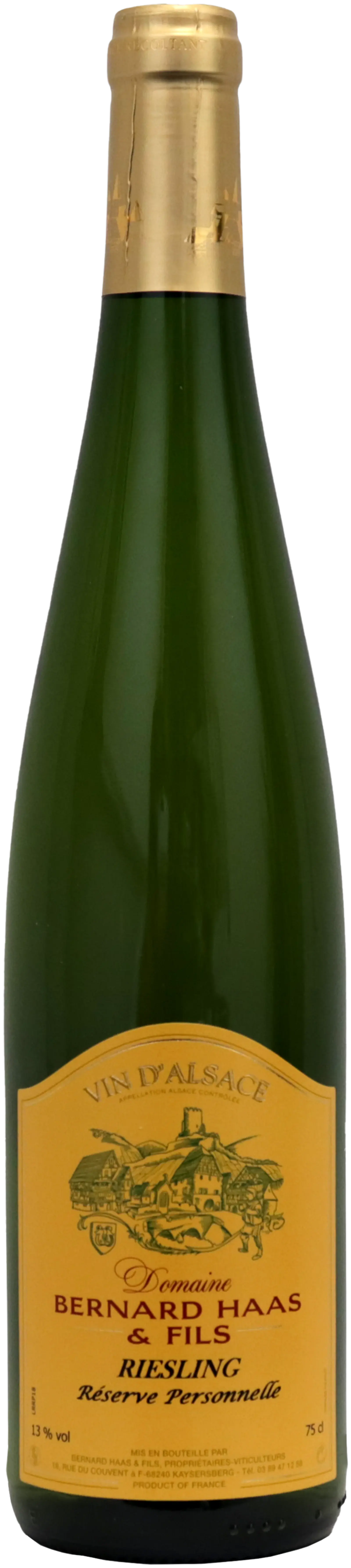
An Alsace wine case from Free Grape Society is six bottles from one producer, drawn from the varieties they farm. Alsace is unusual in France for labelling by grape rather than by appellation, which means a six-bottle case often reads as a tour of the region's main varieties — Riesling, Pinot Gris, Gewurztraminer, Pinot Blanc — and sometimes a sparkling Crémant d'Alsace alongside. Because all six bottles come from one cellar, the line-up reflects that estate's own range, not a generic sampler. The result is a more coherent tasting than buying six unrelated bottles: the wines share a house style, the same soils, the same vintage conditions. You can see further wine cases from France or compare with cases from Bordeaux and Champagne to get a sense of how different regions read across six bottles.
What six bottles from one Alsace producer can show
Alsace sits on a narrow strip of land between the Vosges mountains and the Rhine, and the mountains do most of the work: they block Atlantic rain and leave the region one of the driest and sunniest in France, which means grapes ripen reliably and producers can work across a wide range of styles from dry to late-harvest sweet. A six-bottle case from a grower farming parcels in several villages might show how the same grape — Riesling, say — reads differently on granite in the north versus clay-limestone further south. A case from a smaller estate might instead walk you through the full spread of Alsatian varieties, as an introduction to what the region grows. Because every case stays with one producer, all six bottles come from the same estate. Free Grape Society is a society of producers, independent experts and wine lovers, not a shop, and the cases reflect that directly: the producer ships from their own cellar. Browse all French wine cases or explore the individual Alsace wines and Alsace wineries behind them.
Getting to know Alsace through one grower
For a wine region as variety-focused as Alsace, a single-producer case is a practical way to build a picture of how one estate reads its own land before committing to a longer run of bottles. Alsace's grand cru vineyards — there are 51 of them, each named and mapped — are spread across villages along the Route des Vins, and individual growers often farm parcels in several of them. A case from one of those producers might trace the difference between a standard village wine and a grand cru parcel from the same grape, or it might span the range of varieties the estate is known for: the spice of Gewurztraminer, the mineral edge of a dry Riesling, the softer body of Pinot Gris. Wines tasted before listing means the bottles you receive have been assessed at source, and independent wine experts add their own ratings and reviews on the wine pages. You can also look at wine cases from other French regions, or explore red wines from France and white wines from France if you want to compare Alsace's style against the broader French range.




 Wine case