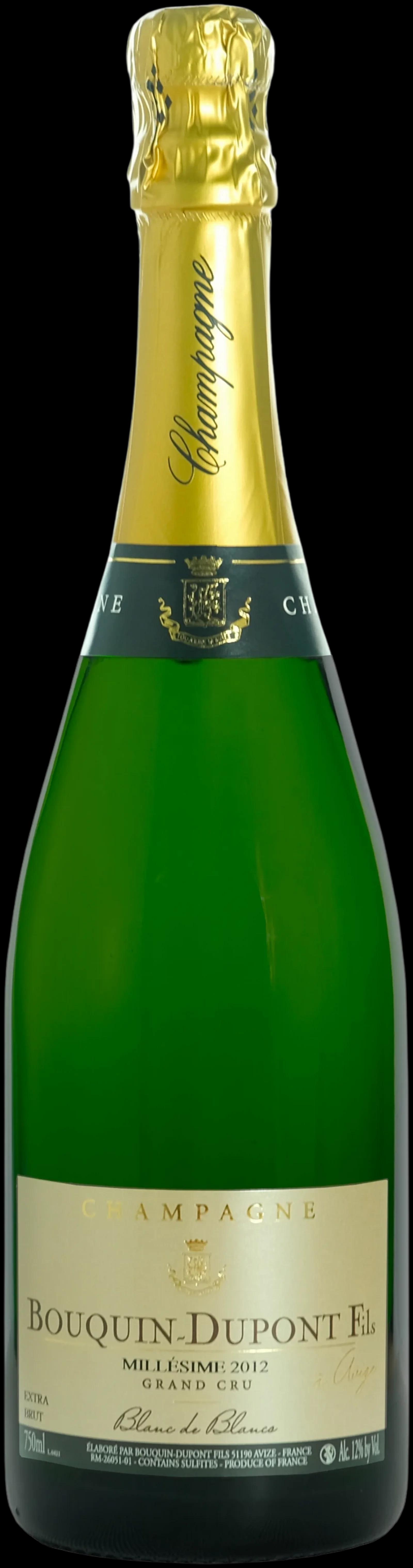
The producers of Champagne
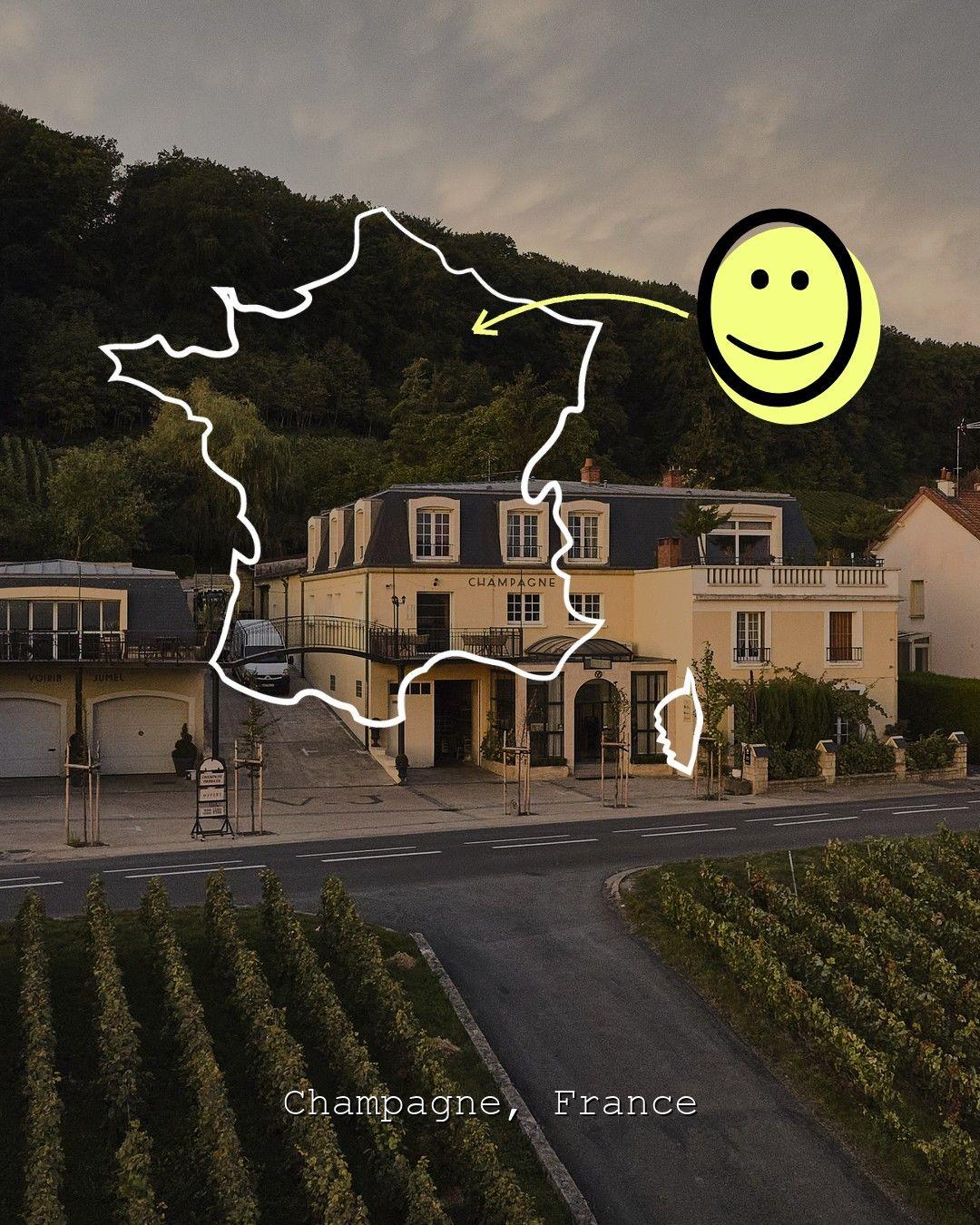
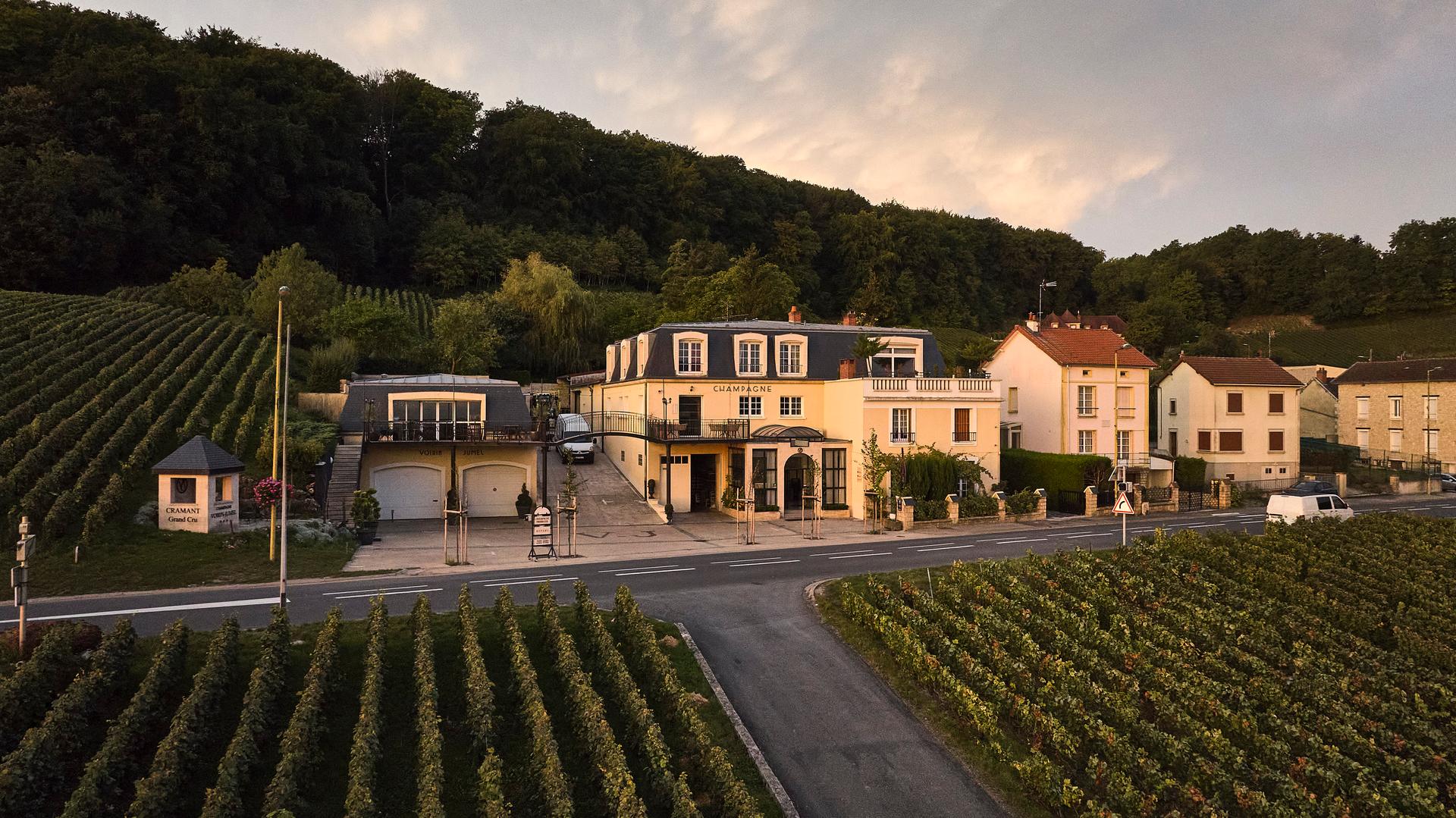
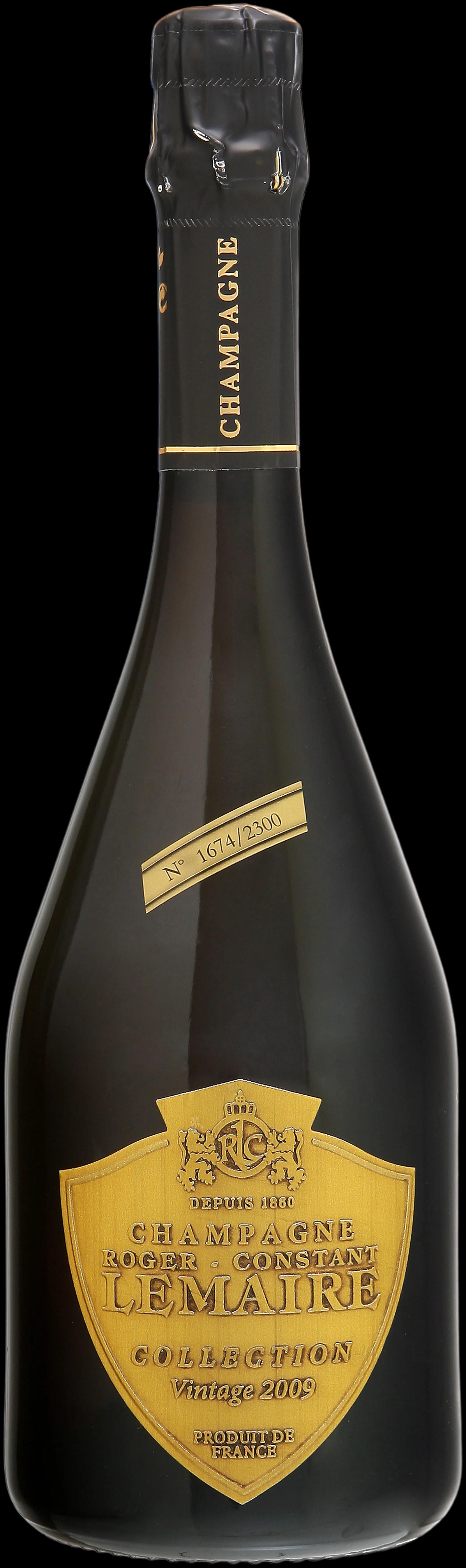
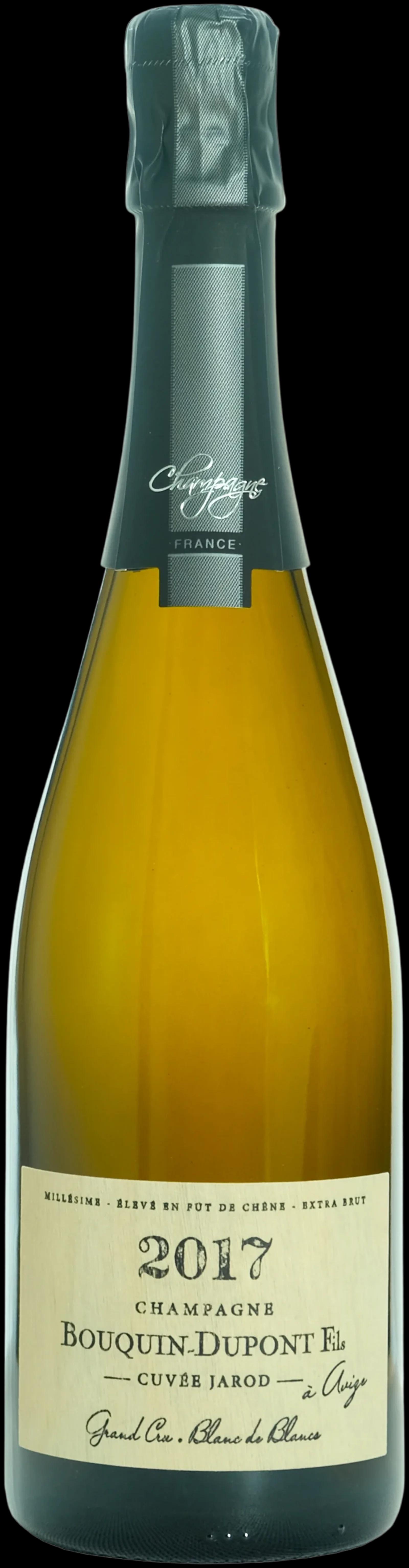
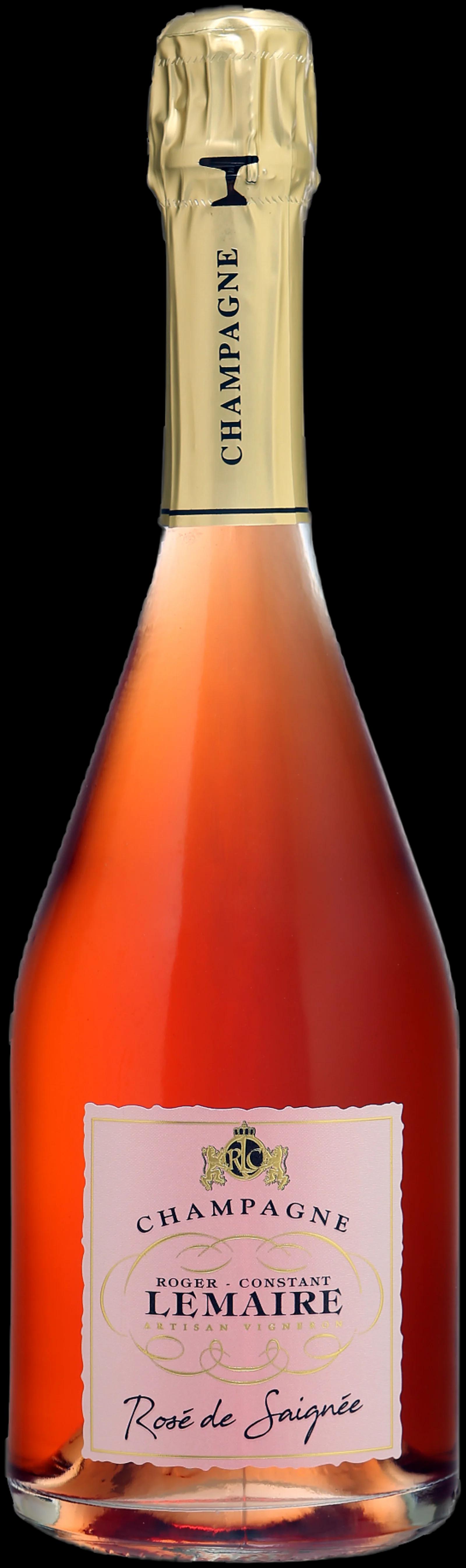
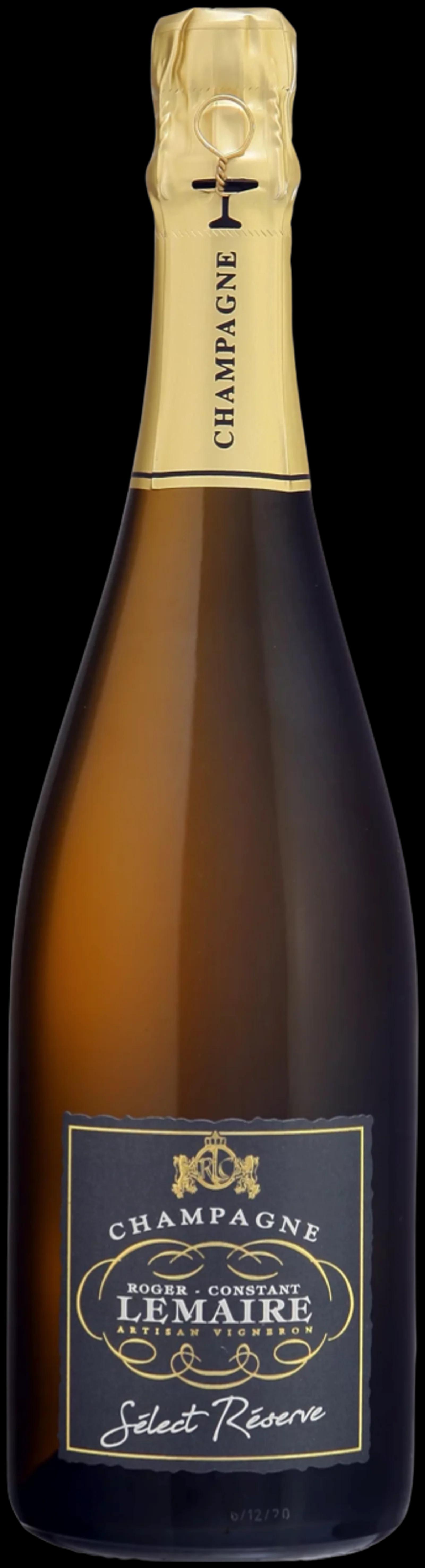
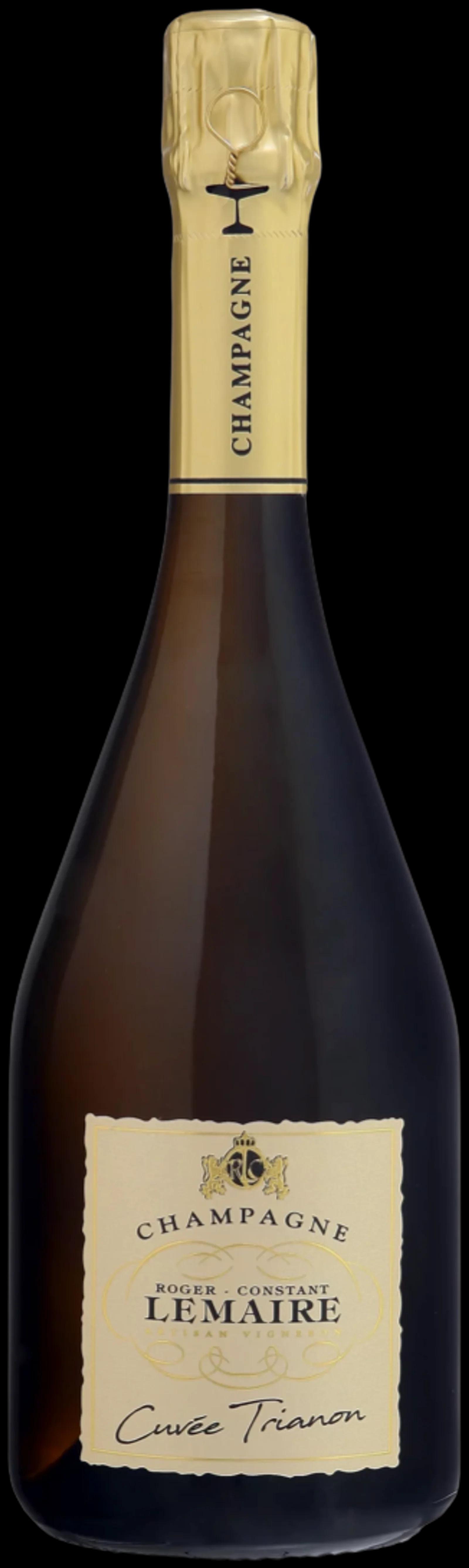
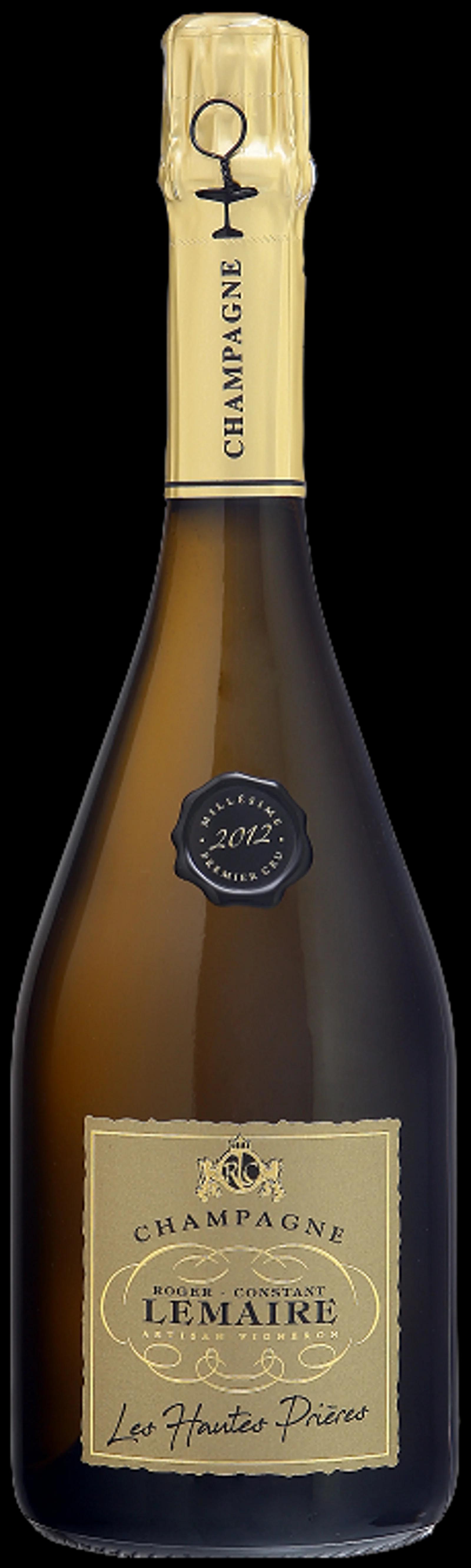
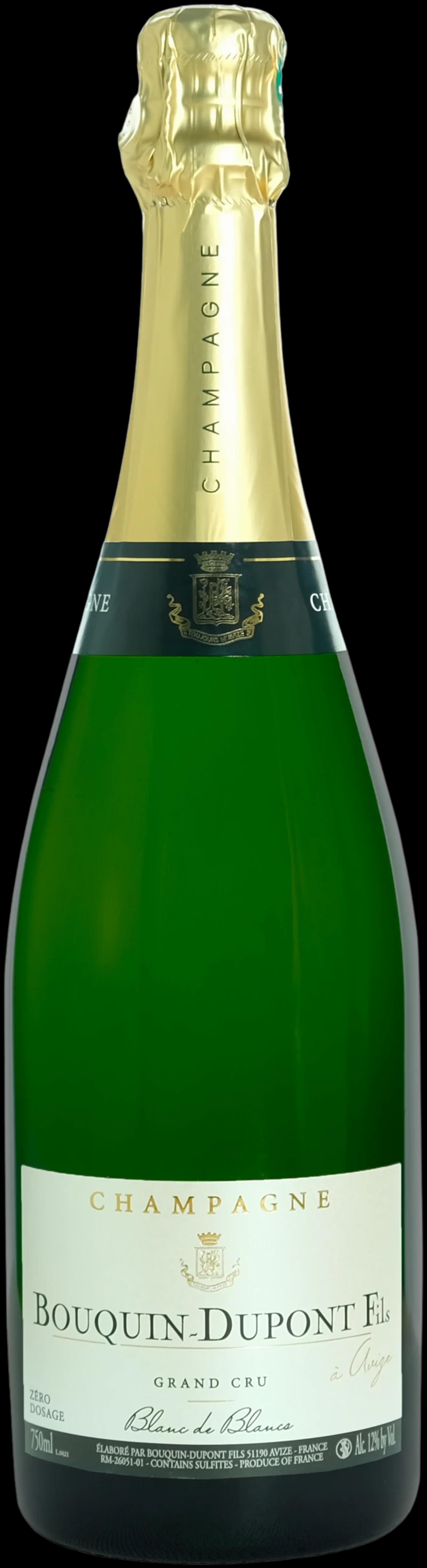
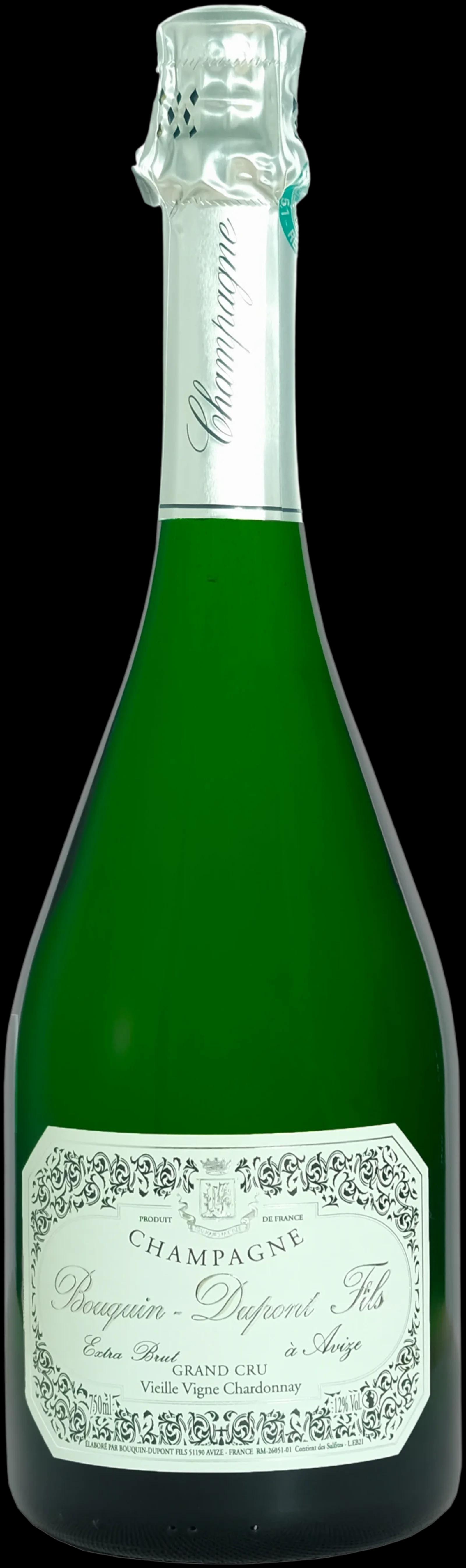
Champagne's growers range from the grandes maisons whose names appear on supermarket shelves to small récoltants-manipulants farming a few hectares and making wine under their own label. The distinction matters: a grower Champagne is made from the producer's own vines, often in a single village or on a handful of parcels, which means the wine reflects a specific place rather than a consistent house style blended across hundreds of sourced lots. Many of the independent producers working Champagne today represent families who have farmed the same chalk slopes for generations, in villages like Aÿ, Ambonnay, and Le Mesnil-sur-Oger, each with its own soil profile and reputation. Browse the Champagne producers listed on Free Grape Society at /all-wineries/france/champagne, or explore growers from across France.
How we choose our producers
We work directly with the growers behind the wines, so we learn how they farm and what they charge before a single bottle is listed. Producers send samples, and those samples are tasted before a wine is listed — the decision rests on what is in the glass, not on a name or a reputation. We look for pricing that reflects the work in the vineyard without the mark-ups that importers and warehouses add, and we keep the relationship direct so the grower sets their own terms. Once a wine is listed, independent wine experts rate and review individual bottles, building a public track record that buyers can read on the wine page. We do not try to carry the full output of a region: we list wines tasted before listing, from producers we have a direct relationship with. Free Grape Society is a society of producers, independent experts and wine lovers, not a shop, and that shapes every listing decision.
Winemaking traditions in Champagne
Champagne's method — a second fermentation in the bottle, followed by ageing on the lees — was codified over centuries on the region's chalky soils north-east of Paris, where the climate is cool enough to preserve acidity and the chalk retains moisture through dry summers. The grapes grown here are primarily Chardonnay, Pinot Noir, and Pinot Meunier, each contributing differently: Chardonnay brings tension and longevity, Pinot Noir structure and depth, Pinot Meunier roundness and early approachability. Blanc de Blancs is made entirely from Chardonnay, most often from the Côte des Blancs; Blanc de Noirs from the two red varieties, frequently from the Montagne de Reims. Dosage — the small addition of wine and sugar after disgorgement — determines the final style, from Brut Nature with no added sugar through to Demi-Sec. Grower Champagnes tend to express a single village's character more directly than a blended cuvée, which is why the village name on the label carries as much weight as the producer's. For Champagne wines from independent estates, see /wines/france/champagne, or explore Champagne wine cases composed by the growers themselves. You can also browse the full range of French wines or compare growers across other sparkling-wine regions such as Alsace and the Loire Valley.
Champagne for New Year
The difference between champagne, crémant, cava and prosecco for New Year is explained on the New Year page for wine cases.