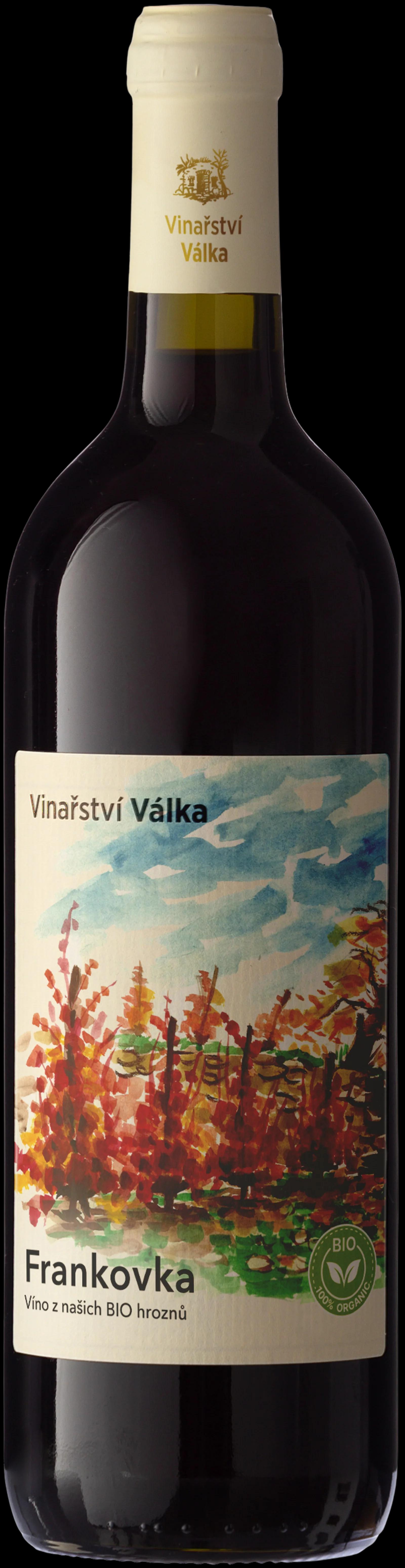
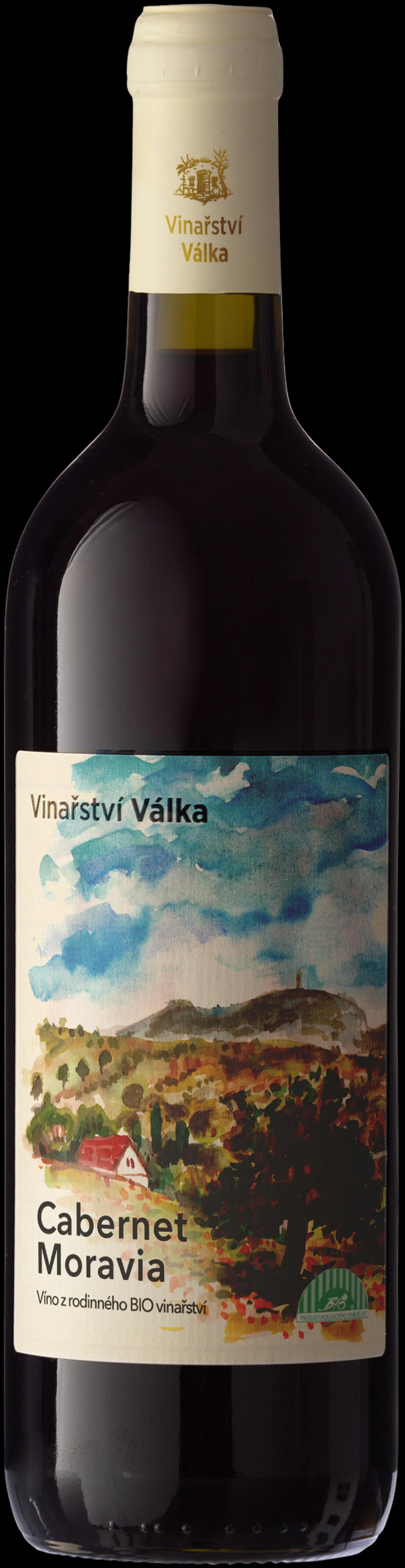
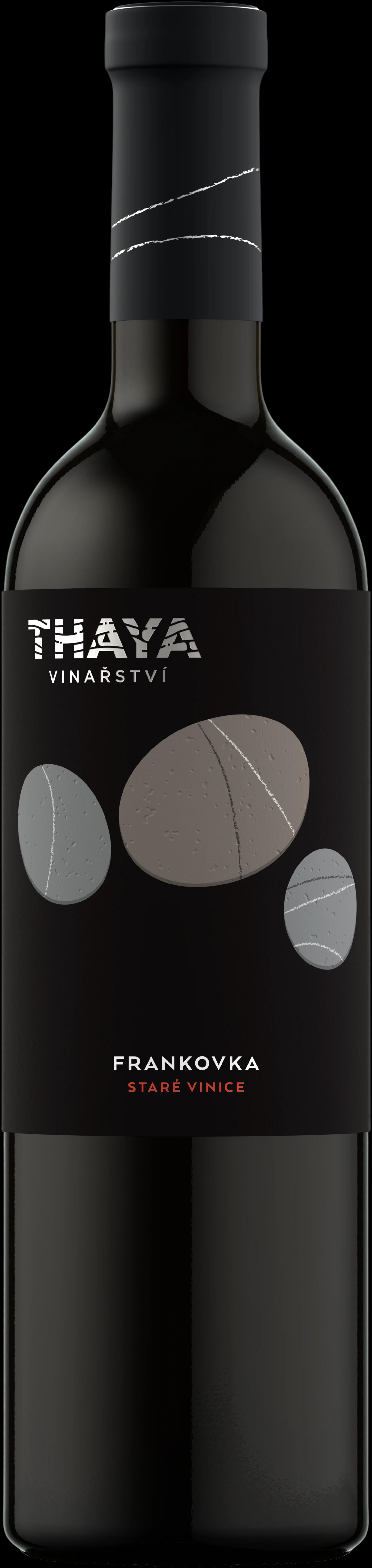
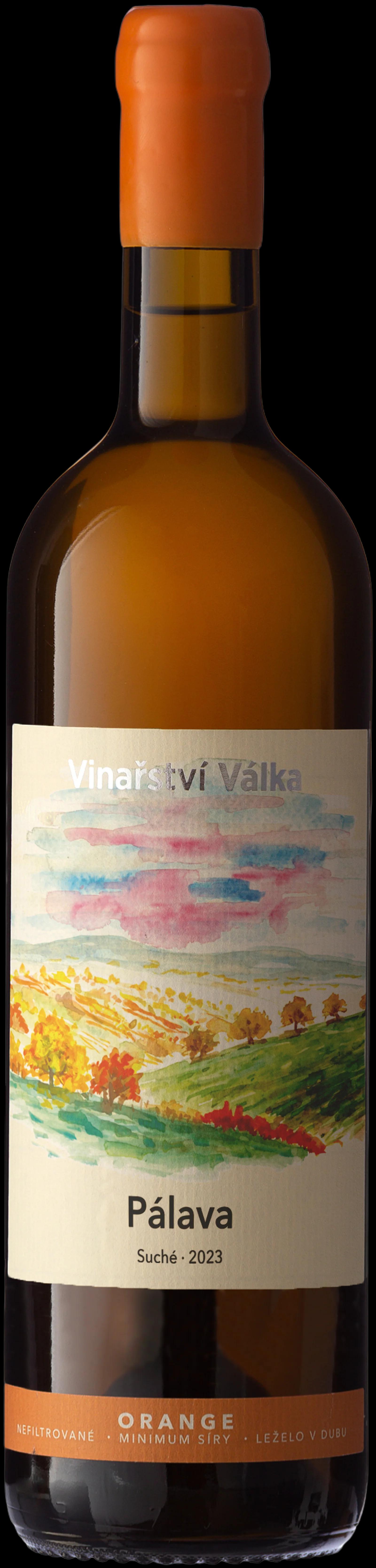
The independent producers behind Czech wine

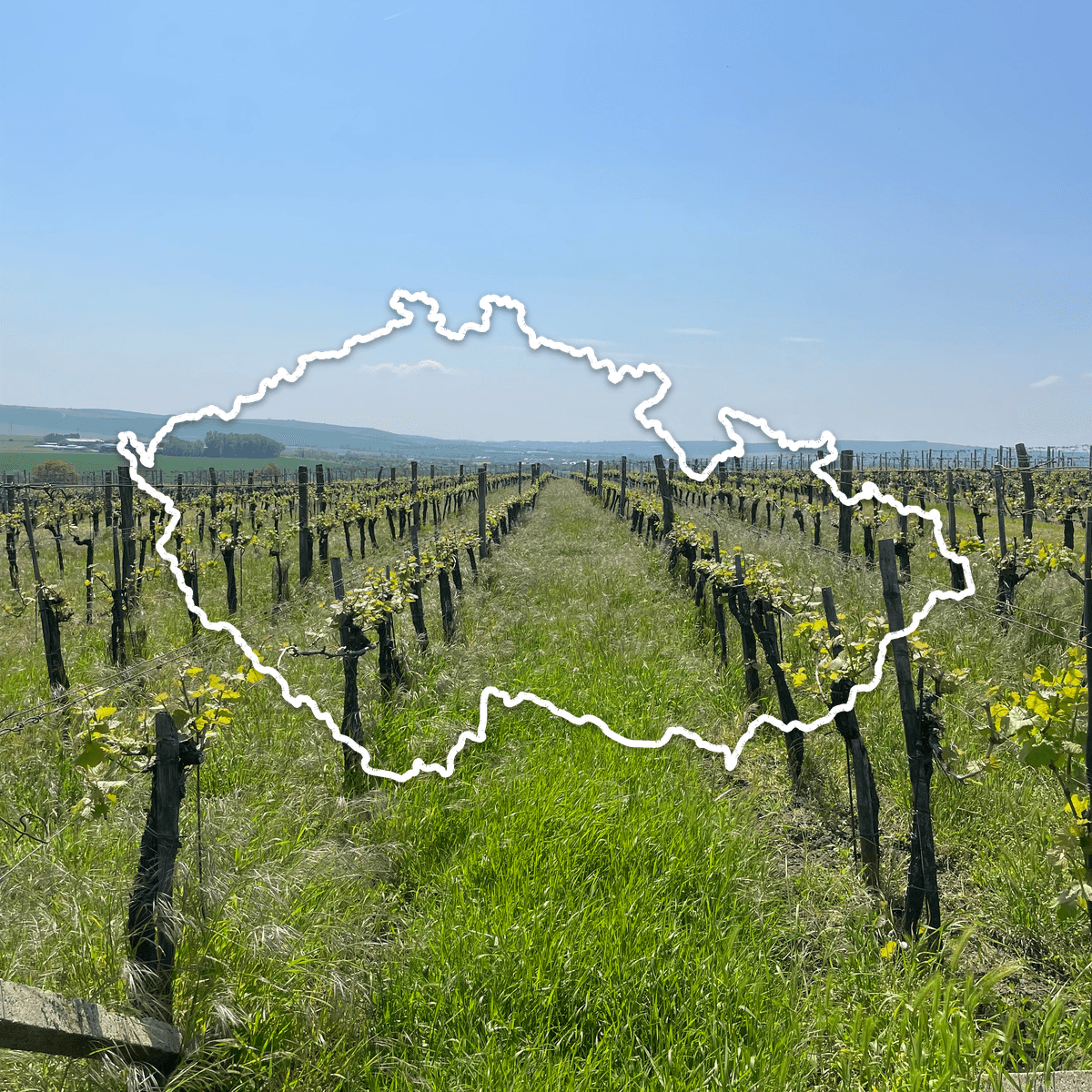
Czech wine producers are concentrated in Moravia, where warm continental summers and loamy soils produce whites of real character. Browse Czech wineries and buy directly from the grower.

Most are family-run estates in Moravia, farming their own fruit.

Country (1)

Dropdown arrow

Region

Dropdown arrow

Production Volume

Dropdown arrow

Sort by

Sort arrow
Czech Republic

Czech wineries

The Czech Republic's wine country sits almost entirely in Moravia, the eastern region that borders Austria and Slovakia. Here the continental climate — warm summers, cold winters, and wide day-to-night temperature swings — preserves freshness in white wines made from Welschriesling, Grüner Veltliner, and Müller-Thurgau. Most producers are small, family-owned operations farming their own vineyards rather than buying in grapes, which means the wine reflects one piece of ground and one family's decisions.

Czech wines

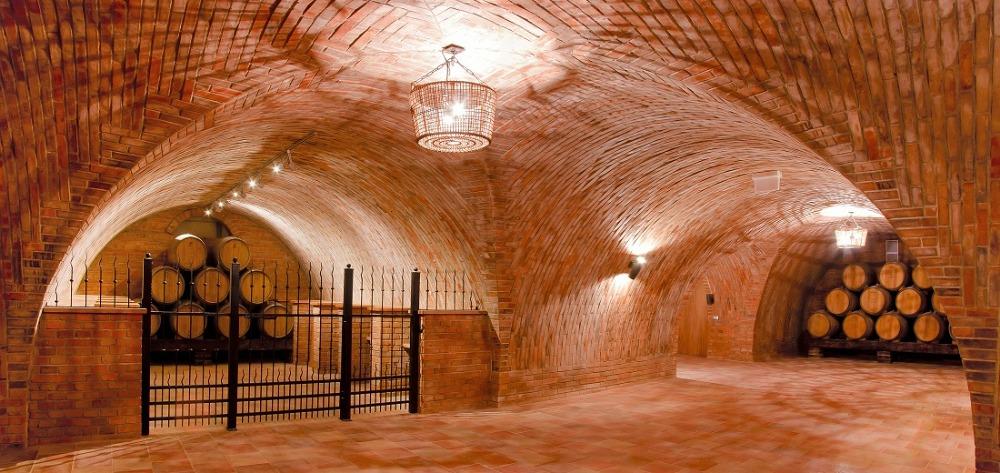
Each wine case listed from Czech producers is six bottles composed by one producer — their own recommendation from their own cellar, not a selection assembled from different estates. A case might walk you through a producer's whites across different plots, or from a fresh, early-drinking style to something more structured. The producer ships it directly from their cellar, so it arrives as they packed it.

View all wines from Czech Republic

Wine cases

The producers listed here sell directly to you, with no importer or warehouse handling the wine between bottling and delivery. That directness matters especially for smaller Moravian estates whose wines rarely reach export markets through conventional channels. Free Grape Society is a society of producers, independent experts, and wine lovers — not a shop. If you are unsure where to start among Czech producers, the wine-advice service can help you find a grower whose style matches what you are looking for.

View all mixboxes from Czech Republic

Wine experts

Independent wine experts on Free Grape Society rate and review wines they have personally tasted, and those reviews appear on the wine page and on each expert's own profile. Several of the experts below have reviewed wines from Czech producers listed on this page. Their notes are their own — experts review wines after they are listed and do not decide which wines appear on the platform.

View all wine experts

Frequently asked questions

How do I order Czech wines on Free Grape Society?

Browse the Czech wines listed on this page and add bottles to your order. Each wine ships directly from the producer's own cellar in the Czech Republic, so your order may arrive in more than one shipment if you choose wines from different producers. Delivery takes between 4 and 14 days depending on the producer's location.

What happens if a bottle arrives broken or doesn't taste right?

Send a photo to Free Grape Society customer support within 7 days of delivery. We will arrange a replacement or a refund. Because producers ship directly, quality issues are handled with the producer's direct involvement. Shared responsibility is built into how FGS works.

Can I order wines from more than one Czech producer in a single order?

Yes. You can add wines from several Czech producers to the same order. Because each producer ships from their own cellar, the bottles arrive in separate shipments — one per producer. Each shipment is tracked individually, and you receive confirmation when each one is dispatched.

How long does delivery take?

Average delivery is 8 to 9 days from order to door. The full range is 4 to 14 days depending on the producer's location and your delivery address. Wines ship directly from the producer's cellar, not from a central warehouse.

How do I find the right Czech wine for my taste?

Use the region filter to narrow by Moravia's sub-regions, or browse by grape variety if you already know what suits you. Czech wine is predominantly white, so if you are new to it, starting with a Welschriesling or Pinot Gris from Mikulovská or Znojemská gives a clear picture of the country's style. The wine-advice service can also point you in the right direction.

How is the Czech wine selection on Free Grape Society built?

Producers send samples, and those wines are tasted before any of them is listed. The focus is on independent growers who farm their own land and bottle under their own name. Once listed, wines are open to review by independent wine experts who rate bottles they have personally tasted. Those reviews sit on the wine pages for anyone to read.

Which Czech wine expert can recommend something for me?

The wine experts listed on this page have reviewed wines from Czech producers on Free Grape Society. Browse their profiles to find a reviewer whose focus and palate suit you, then use the wine-advice service to put your question to them directly. They provide personal recommendations, not automated suggestions.

Why don't you sell supermarket-brand Czech wines?

Free Grape Society lists wines from independent producers who grow and bottle their own wine. Large-volume supermarket brands are typically made by industrial producers or négociants who buy in grapes or finished wine rather than farming a single estate. The growers here are selling what they made themselves, which is a different thing.

How does buying Czech wine on Free Grape Society differ from buying in a wine shop?

Most wine shops source through importers and distributors, which adds steps — and cost — between the grower and the buyer. On Free Grape Society, the producer ships to you directly from their cellar, so the margin that would otherwise go to intermediaries stays with the grower or is reflected in the price. Czech wines in particular are rarely imported into many European markets, so this is often the most direct route available.

How we choose our Czech Republic producers

Producers come to Free Grape Society and apply to join; we do not buy a catalog and resell it. A producer sends samples, and the wines are tasted before they are listed, so what you see has been through our own glass first. We weigh three things: that the wine is honest and well made, that the price is fair to both the grower and you, and that the producer is happy to sell and ship directly. Once a producer is in, independent wine experts can rate and review individual wines, and those reviews sit on the wine pages and on each expert's profile. The experts review what they have personally tasted; they do not pick the catalog or decide what gets listed. Producers set their own prices and ship from their own cellar. You can explore the Czech Republic wines these producers make, including the white wines from Czech Republic that have drawn the most attention in recent years.

Wine regions and the producers of Czech Republic

Nearly all Czech wine comes from Moravia, the southeastern region that accounts for the great majority of the country's vineyard land. Moravia divides into four sub-regions: Znojmo, Slovácká, Mikulovská, and Velkopavlovická, each shaped by a different combination of soils and continental climate. The cooler northerly position means grapes ripen slowly, which tends to preserve acidity and aromatic precision rather than pushing toward weight and alcohol. Welschriesling, Müller-Thurgau, and Grüner Veltliner are widely planted, while Moravian producers have also worked with Pinot Blanc and Pinot Gris with consistent results. The smaller Bohemian wine region, in the west of the country, produces a fraction of total output but carries its own identity around the Elbe valley. Producers across both regions are predominantly small family operations, many of them farming the same plots their grandparents did, which makes direct trade a natural fit: there is usually one person behind the wine and the decision to ship it.

What buying directly from a Czech Republic producer means

When you buy from a Czech producer on Free Grape Society, the bottle travels from their cellar to your door with no importer, agent, or warehouse in between. The producer sets the price, packs the order, and ships it directly, which means the margin that would ordinarily pass through several hands stays closer to both ends of the transaction. For small Moravian estates in particular, direct trade is often the only realistic route to international buyers: they do not make enough volume to interest large distributors, and they have no presence in foreign retail. Free Grape Society gives them a page, a profile, and access to independent wine experts who can review their wines and make them visible to buyers who would otherwise never encounter them. If you want to understand the broader picture of Central European wine, the Austrian wineries on the platform offer a useful comparison, and the wines from Austria show how similar climates produce recognisably different results across the border.