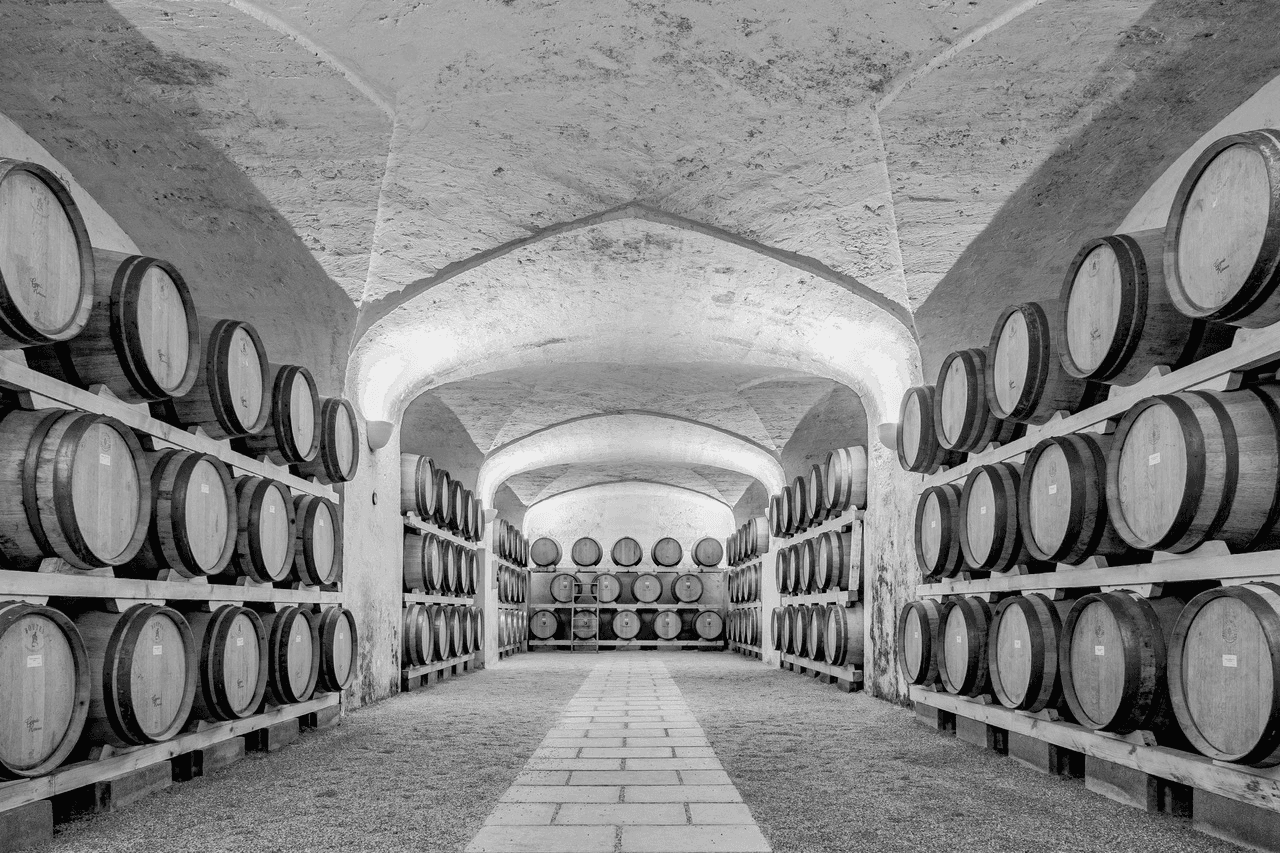
Kakheti wineries
Kakheti's wines range from the deep, tannin-rich amber wines made in qvevri — buried clay vessels sealed with beeswax — to light, aromatic whites from the Tsinandali appellation and full-bodied reds from Mukuzani. The region's indigenous grapes, Rkatsiteli and Saperavi, sit alongside Mtsvane and dozens of older varieties, many of which survived Soviet-era monoculture replanting because individual families kept them in their gardens.

No match yet!
It looks like we don't have a match for your selected criteria today. Try clearing or adjusting your filters. Or check back soon!
The producers of Kakheti
Kakheti sits in eastern Georgia, sheltered by the Caucasus Mountains to the north and the Alazani River valley running through its heart. The region accounts for the majority of Georgia's wine production, but the estates listed here are independent family operations working their own vineyards rather than large commercial facilities. Many trace their roots back through several generations, farming the same plots their grandparents knew. The dominant grape is Rkatsiteli, a white variety with high acidity and good structure that handles both conventional winemaking and extended skin contact well. Saperavi, the region's flagship red, produces deeply coloured, tannic wines capable of ageing for a decade or more. Kakheti's producers tend to work with both styles side by side, giving a single estate a wide range from fresh whites to full-bodied reds. The landscape divides loosely into the Alazani Valley floor, where soils are alluvial and yields more generous, and the lower mountain slopes above it, where vines work harder and concentration is tighter.
How we choose our producers
We work directly with the growers behind the wines, so we understand how they farm and what they charge before a single bottle is listed. Producers send samples, and those samples are tasted before a wine is listed, which means the decision rests on what is in the glass rather than on a label or a reputation. We look for pricing that reflects the work in the vineyard without the mark-ups that importers and warehouses typically add, and we keep the relationship direct so each grower sets their own terms. Once a wine is listed, independent wine experts rate and review individual bottles, building a public record that buyers can read on the wine page. We do not carry the full output of every estate in Kakheti: the wineries here are ones we have a direct relationship with and whose wines have been tasted before listing. Producers on Free Grape Society ship directly from their own cellar, with no importer or warehouse between them and the buyer.
Winemaking traditions in Kakheti
Kakheti is the home of qvevri winemaking, a method in which wine ferments and ages in large clay vessels buried underground. White grapes are fermented with their skins, seeds and stems left in contact with the juice for weeks or months — a practice that produces what is now widely called orange wine, though Georgians have simply called it wine for thousands of years. The qvevri holds the wine at a stable temperature year-round, and the clay's natural porosity allows a slow, gradual micro-oxygenation. Not every producer in Kakheti uses qvevri exclusively: many estates run both qvevri and stainless steel in the same cellar, fermenting the same grape variety separately to show how much the vessel changes the character of the wine. The result is that a single Rkatsiteli from Kakheti can present as a crisp, pale white or a deep amber with grip and tannin, depending entirely on how long it spent on skins and what it was made in. Producers working on Georgia's winery listings often carry both styles, and the difference between them is one of the clearest illustrations of how fermentation method shapes a wine's structure. Orange wines from across Europe are browseable at /wines/color/orange for comparison.