Austrian wineries
Austria's wine map rewards specificity. Niederösterreich alone divides into seven distinct subregions, each with its own soil type and microclimate — the wind-exposed loess of Wagram, the steep primary-rock terraces of the Wachau, the limestone-rich Kamptal. Grüner Veltliner expresses all of them differently, from light and peppery on sandy soils to structured and mineral from ancient gneiss. That range is what makes the country's producers worth knowing by name, not just by grape.

No match yet!
It looks like we don't have a match for your selected criteria today. Try clearing or adjusting your filters. Or check back soon!
How we choose our Austrian producers
Producers come to Free Grape Society in two ways: growers we approach and growers who approach us. Either way, the process is the same. A producer sends samples, and those wines are tasted before any of them is listed, so nothing reaches the catalogue on reputation alone. We look at how a producer works as much as what they make: whether they farm their own fruit, how they treat their land, and whether their prices are fair to both the grower and the buyer. Wines that are listed are then open to review by independent wine experts, who rate and comment on bottles they have personally tasted, and those reviews sit on the wine pages for anyone to read. We do not list a producer's full range as a matter of course, and we do not chase the biggest names. The aim is a working relationship with growers whose wine and whose practices we can stand behind. You can browse all the producers we work with on the all wineries page.
The producers behind Austrian wine
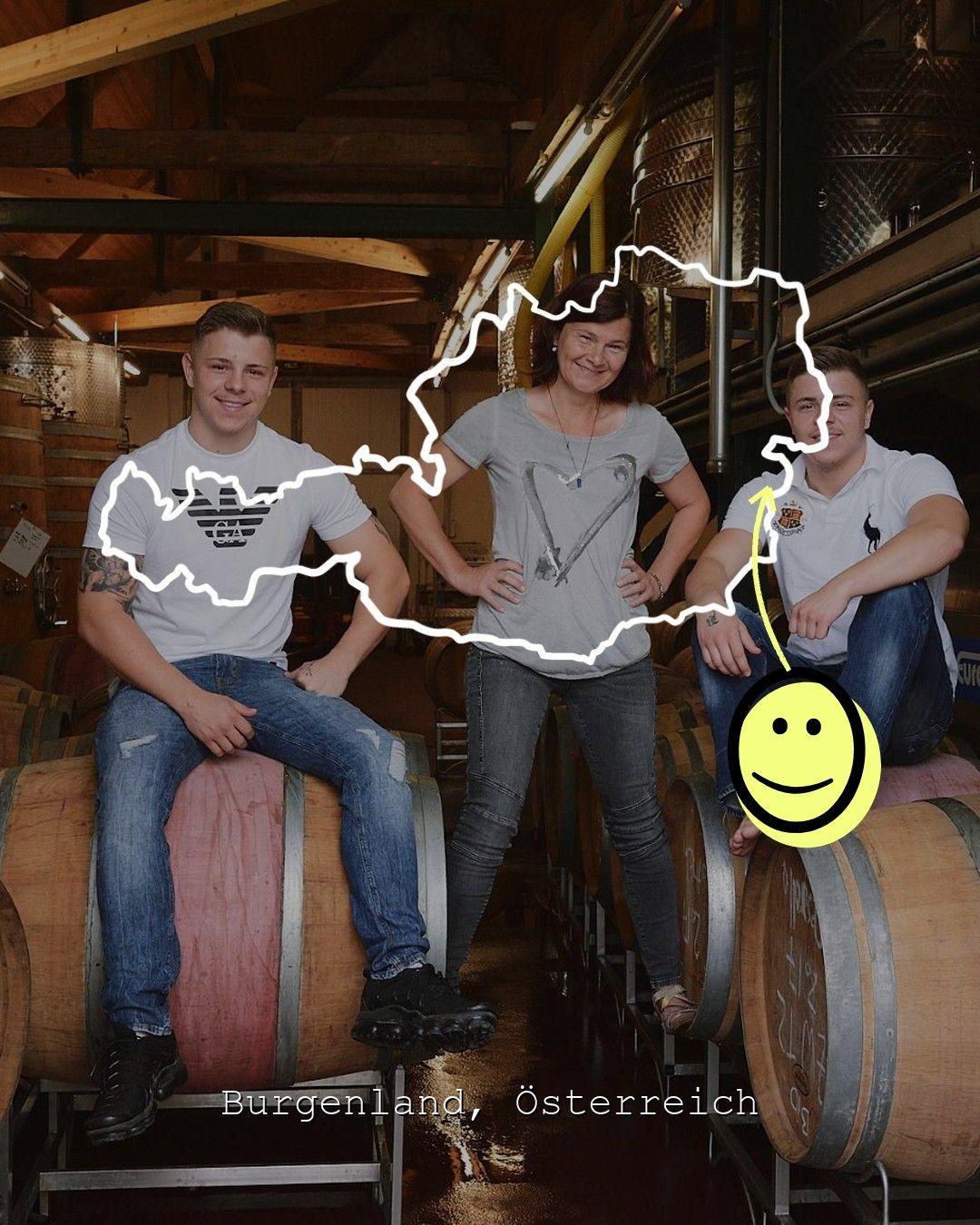
Austria's wine regions divide along geography and climate in ways that shape what each producer makes. In Niederösterreich, the country's largest wine region, cool continental conditions and loess-rich soils define the style of Grüner Veltliner — Austria's most widely planted white grape, known for its peppery finish and food-friendly acidity. Further east, Burgenland sits beside the shallow Neusiedlersee, where the lake's warmth allows red grapes like Blaufränkisch to ripen fully, and where morning mists have historically encouraged noble rot for sweet wines. In the south, Steiermark is cooler still, with steep, slate-rich slopes producing some of Austria's most precise Sauvignon Blanc and Muskateller. Most of the producers on Free Grape Society are family estates — growers who farm their own vineyards and bottle under their own label rather than selling grapes to a cooperative. That independence means the decisions about when to pick, how to vinify, and how long to age stay with the person whose name is on the bottle. You can explore the wines these producers make through Austrian wines, including their white wines and red wines.
Buying direct from an Austrian grower
When you order from an Austrian producer on Free Grape Society, the wine ships directly from that producer's own cellar to your door, with no importer, agent, or warehouse in between. That keeps the chain short: the wine travels once, from the grower to you, rather than moving through a distribution network before it reaches a shelf. It also means the producer sets their own price, which is why what you pay reflects the work in the vineyard rather than a margin added at each stage of the distribution chain. Austria's DAC system — Districtus Austriae Controllatus — ties wines to specific regions and grape varieties, so a bottle labelled Grüner Veltliner DAC must meet the appellation's standards for that region. Understanding that system makes it easier to know what you are buying before you order. If you are unsure where to start among Austria's regions and grapes, the Grüner Veltliner page is a good entry point, or browse Austrian wine cases to see a single producer's own six-bottle selection.